Ijeoma Oluo is a writer and speaker whose work delves into pressing issues of race and identity. Through her essays and public discourse, she explores complex themes of feminism, social justice, and mental health. Her incisive insights and bold style resonate with readers seeking a deeper understanding of contemporary societal challenges. Oluo is unafraid to speak plainly, and her writing prompts reflection and constructive conversation.
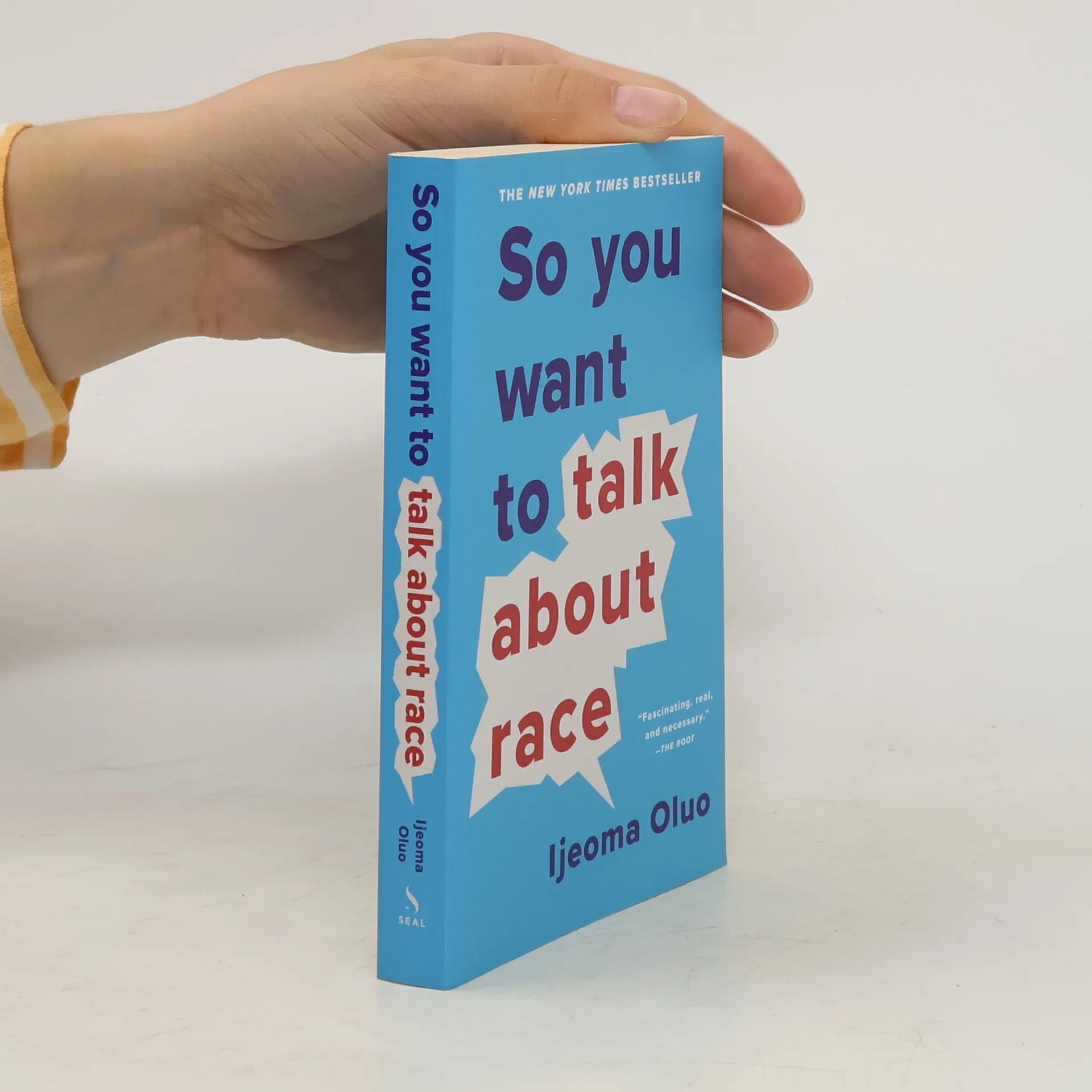
Ijeoma Oluo offers a contemporary, accessible take on the racial landscape in America, addressing head-on such issues as privilege, police brutality, intersectionality, micro-aggressions, the Black Lives Matter movement and the 'N' word.
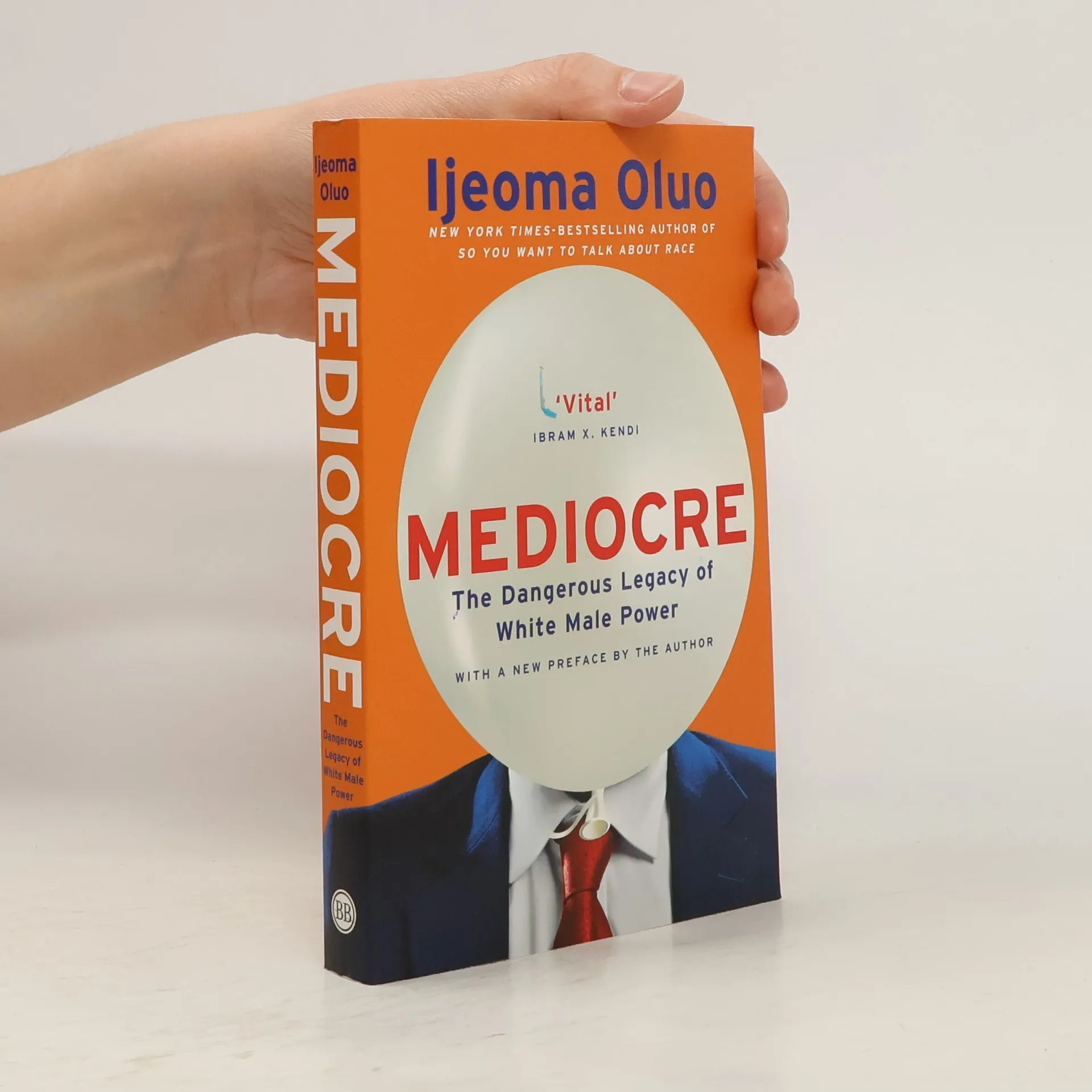
This book offers a daring examination of white male power, challenging societal norms and encouraging critical discussions about privilege and systemic issues. The author, renowned for their previous bestselling work, delves into the complexities of race and identity, aiming to provoke thought and inspire change. Through insightful analysis and engaging narrative, it seeks to illuminate the structures that uphold inequality and foster a deeper understanding of the dynamics at play in contemporary society.
From the #1 New York Times bestselling author of So You Want to Talk About Race and Mediocre, this work offers a galvanizing examination of anti-racist activism in America today. Ijeoma Oluo previously provided essential guidance on discussing race and racism and explored the legacy of white male supremacy in shaping American culture and systems. Now, she addresses a crucial question: What can we do to combat these oppressive structures?
In this book, Oluo showcases how individuals across the nation are striving for meaningful change in various systems, including education, media, labor, health, housing, and policing, all aimed at achieving intersectional racial equity. She emphasizes actionable steps for readers to engage in these efforts, encouraging them to adapt successful initiatives from other regions to their local contexts.
The goal is to educate while inspiring action, transforming discussions about race from a focus on pain and trauma to one of proactive, loving engagement. This work serves as both a vital account of a pivotal historical moment and a motivating call to arms for those seeking to effect change in their communities.
How Everyday People Are Fighting Oppression and Changing the World--And How You Can, Too
256 pages
9 hours of reading
A gripping narrative unfolds, exploring themes of resilience and redemption. The story follows a diverse cast of characters as they navigate personal struggles and societal challenges. Their intertwined lives reveal profound insights into human nature and the quest for belonging. With a blend of humor and heartbreak, the author crafts a compelling tale that resonates with readers, making it a must-read for those seeking both inspiration and connection.
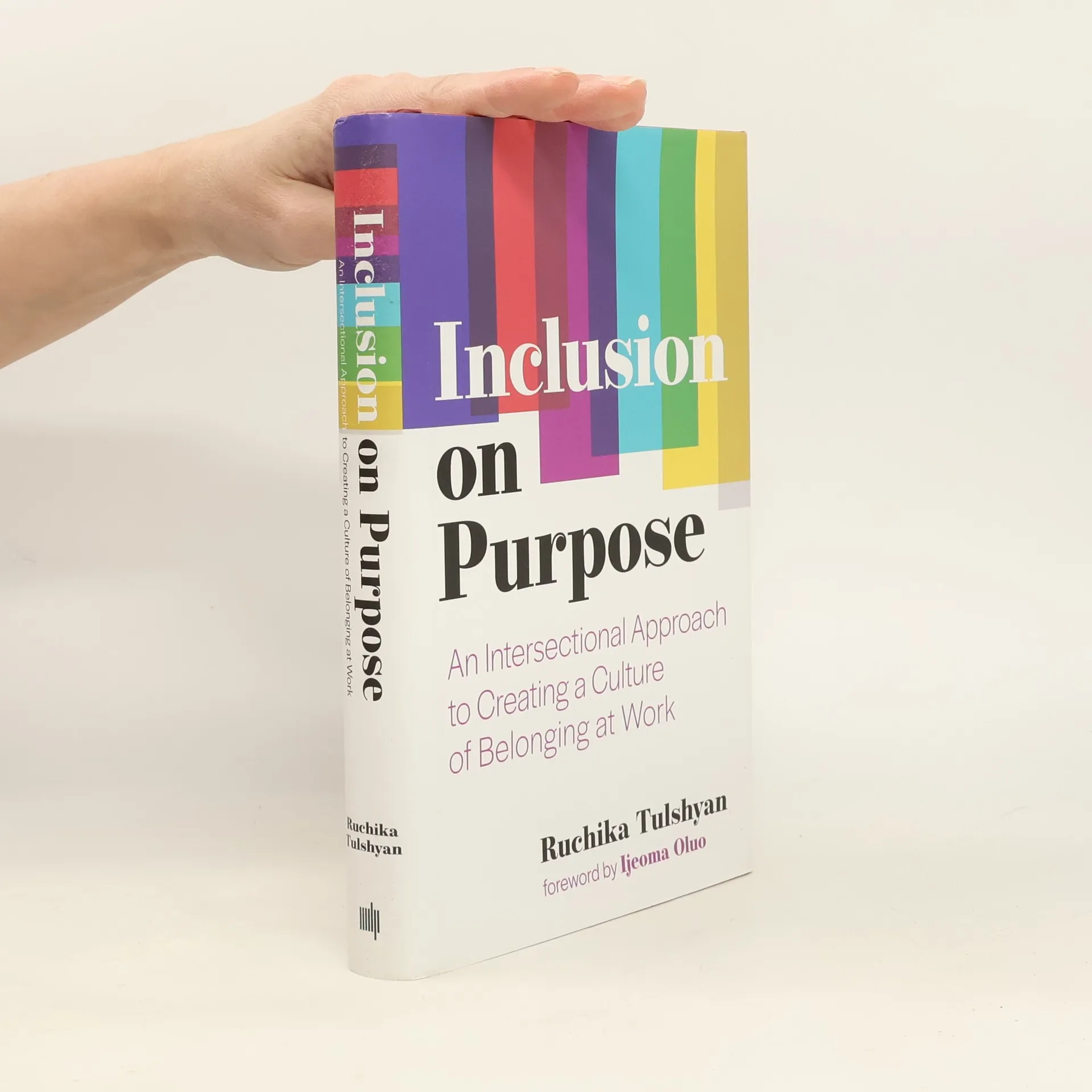
"A guide for organizations to improve their diversity, equity, and inclusion efforts, focusing specifically on the experiences of women of color"-- Provided by publisher