What is a city? Do people make cities or do cities make people? And can cities have second lives? We all inhabit cities, but what do they mean to us? What do we mean to them? Is the city a real thing in the 21st century? How do we integrate their pasts to their futures? What are the threats facing cities in the western world? These are just some of the questions posed by the fascinating studies in this book. Through essays, poems, psychogeography, short stories, and more, an array of today’s leading writers and thinkers join together to look at cities in the western world. Focusing on the two former industrial heartlands of Glasgow and Pittsburgh, this international and diverse collection is asking the big questions and getting the most creative answers. From Will Self’s psychogeography of Glasgow, to National Book Award winner Terrance Hayes’ stunning poetry, this collection will make you think, feel, fear, and fight for what part cities play in our daily lives. Bold, diverse, and daring, these pieces are a must for anyone who cares about where we live and what it means to live in the urban sprawl of now. Will Self, Jane Mccaffery, Edwin Morgan, Ewan Morrison, Terrance Hayes, Allan Wilson, Louise Welsh, Kapka Kassabova, Gerald Stern, Doug Johnstone, Lori Jagielka, Hilary Masters, David Kinloch, Yona Harvey, Sharon Dilworth, Lee Gutkind, Richard Wilson, and many more.
Richard Wilson Books
Richard Wilson was an American science fiction author whose works explored the frontiers of human imagination and society. His writing was characterized by a keen insight into the future and human nature, often laced with irony and critique. Wilson delved into complex themes, pushing beyond typical genre conventions to craft narratives that were both thought-provoking and literary. His significance lies in his ability to foresee and comment on societal trends through compelling storytelling.


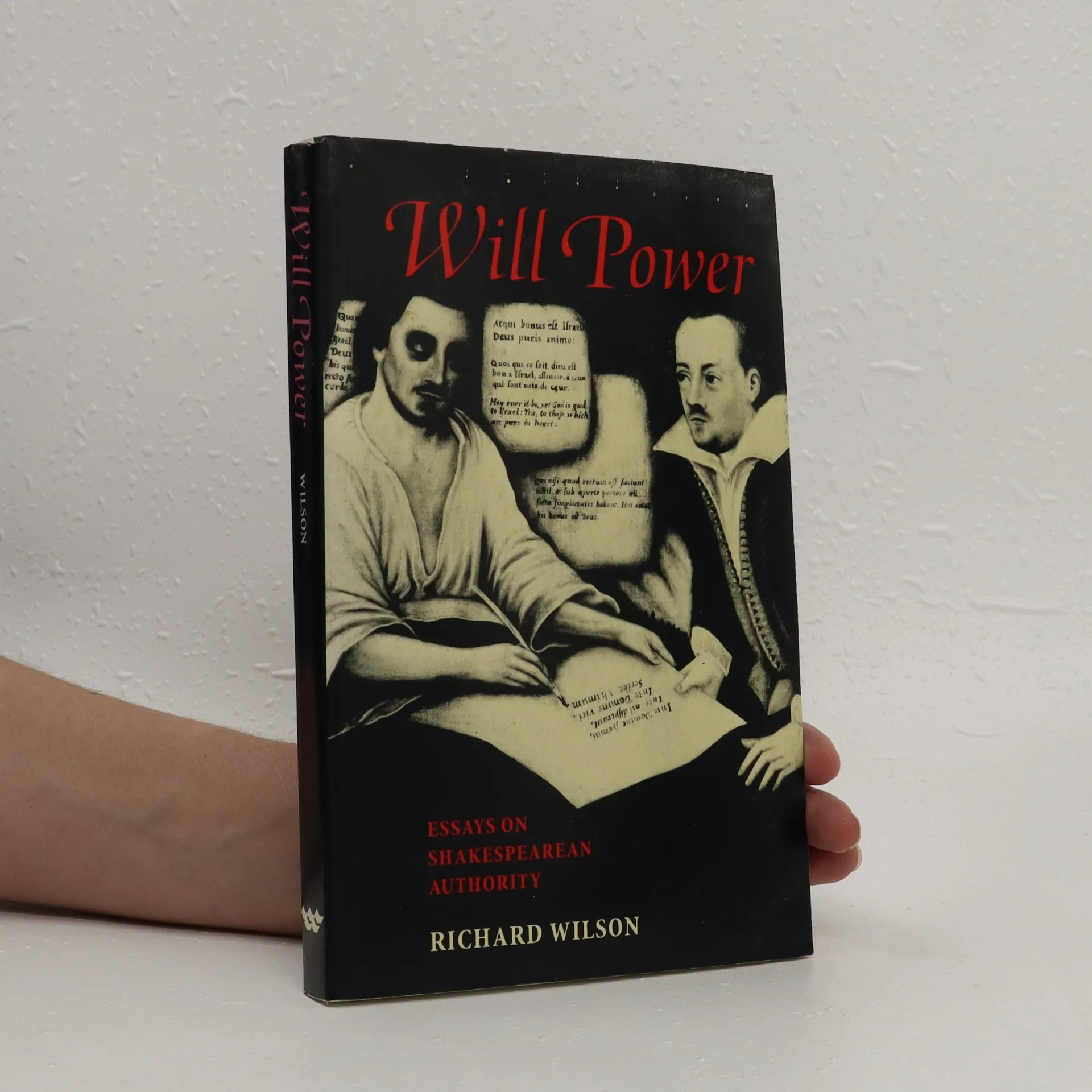

Will power : essays on Shakespearean authority
- 289 pages
- 11 hours of reading
Shakespeare predicted neither palaces nor princes would outlast his "powerful rhyme." In Will Power, Richard Wilson considers the factors that charged Shakespearean literature with such force.This volume presents a wide-ranging historical background and sets the terms of contemporary Shakespeare criticism in the context of developments in philosophy, economics, and cultural theory. In a sequence of close readings of the entire range of plays, Wilson locates their social logic in relation to practices such as execution, electioneering, enclosure, childbirth, death, and the writing of wills. His two points of reference are the large Foucauldian argument about the institutional changes in Early Modern Europe that were connected with the formation of the modern state and conceptions of private property and subjectivity, and the specifics of social life and the particularism of local contexts that give us a more historically embedded Shakespeare.
Medieval Castles Stately & Historic Houses of Great Britain & Northern Ireland
From Ancient Times to the Wars of the Roses and 1485
- 96 pages
- 4 hours of reading
Focusing on Britain's architectural evolution up to 1486, this visual history captures the transformation from ancient earthworks and Roman forts to the grandeur of castle construction. It highlights the shifts in building methods and styles, providing insights into the cultural and historical context that shaped these remarkable structures.
A collection of Indian epic stories drawn from the Hindu religion, Sakuntala, and early Sanskrit writings.
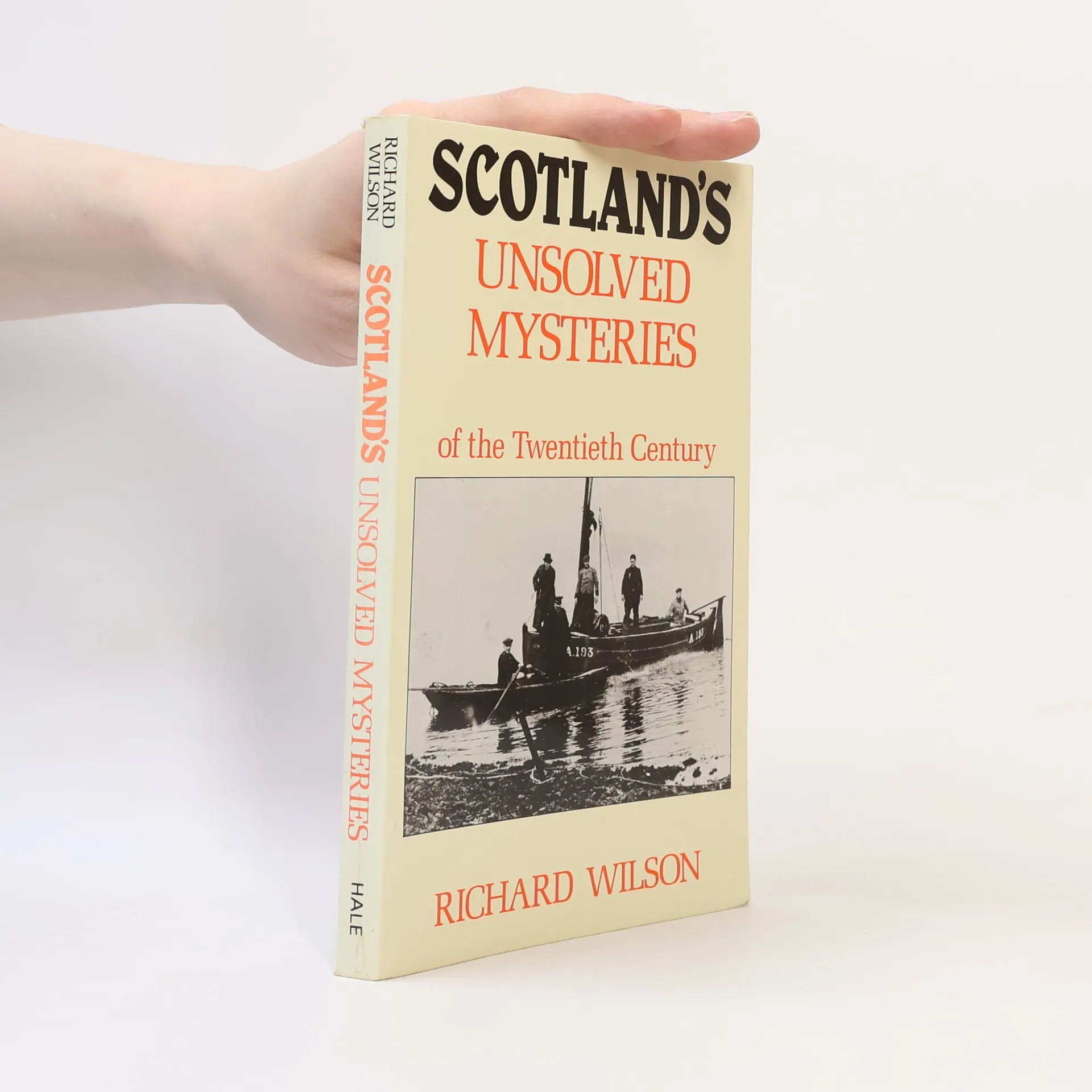
Scotland's Unsolved Mysteries of the Twentieth Century
- 192 pages
- 7 hours of reading
Like puzzles and paradoxes and unmarked graves, unsolved crimes exert a powerful pull on the human mind. In this tightly written narrative, Richard Wilson looks into fifteen enigmatic cases of death and disappearance. Here are the three lighthouse keepers who vanished without a trace, the ex-RAF pilot who disappeared on a routine Christmas Eve flight, the woman whose dismembered forearm set off an intensive-and ultimately fruitless-search by the Aberdeen police. Must reading for anyone interested in true crime stories. The son of a Scottish police detective, Richard Wilson comes naturally by his interest in true crime. He is assistant editor of the
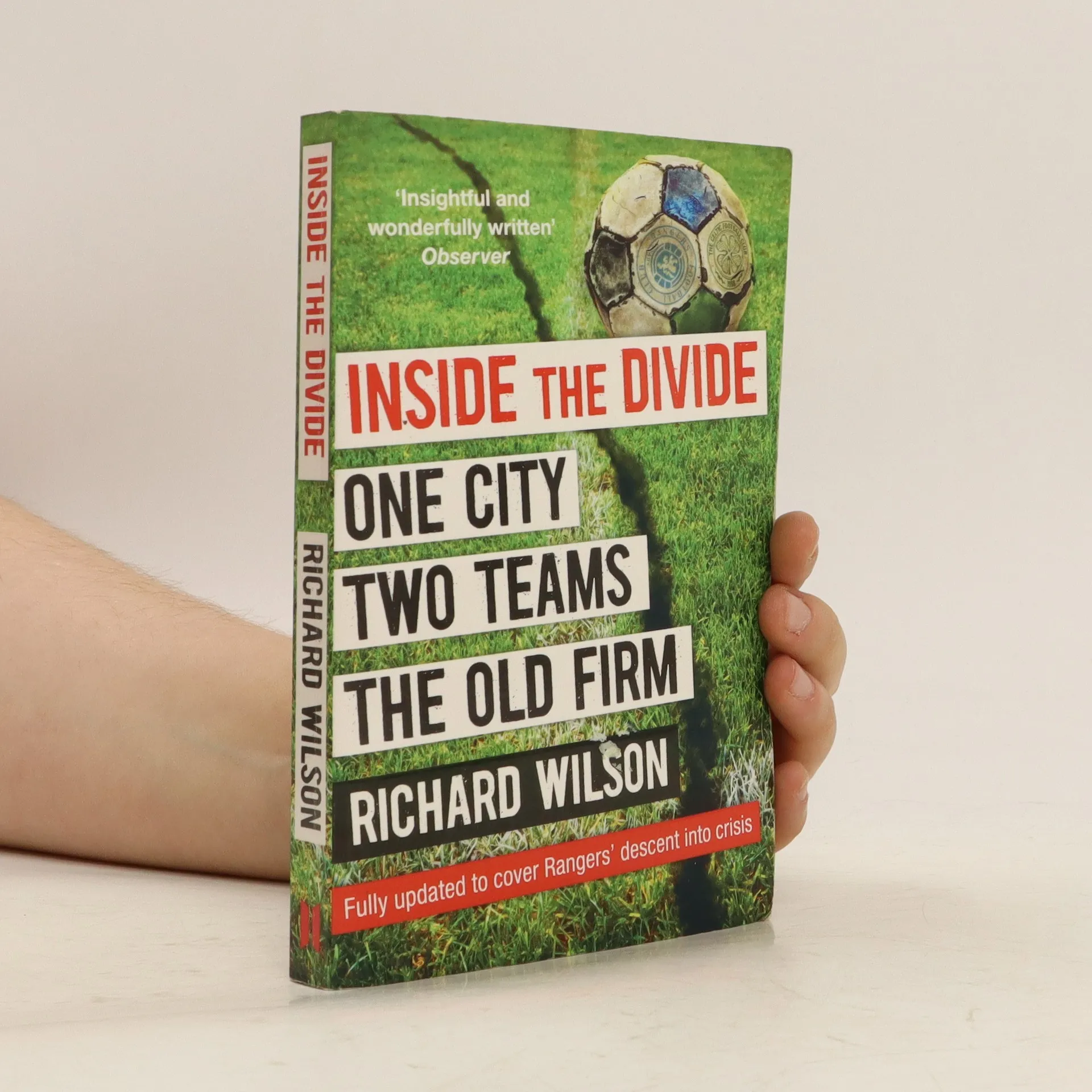
Inside the Divide
- 272 pages
- 10 hours of reading
The remarkable inside story of football's greatest rivalry
A Brief History of the Harvard University Cyclotrons
- 208 pages
- 8 hours of reading
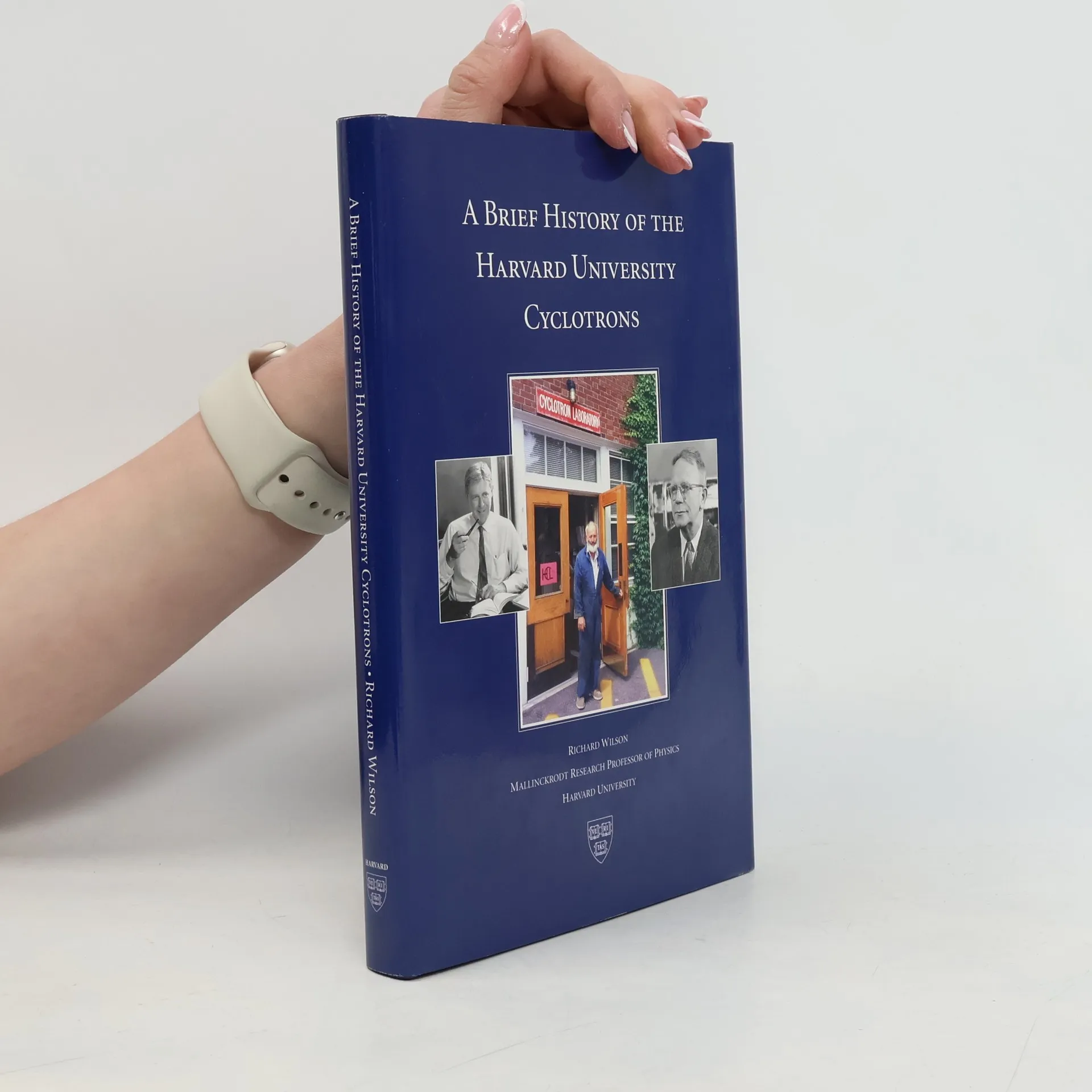
In 1937, Harvard University built its first cyclotron, which was subsequently requisitioned by the U.S. Army and taken to Los Alamos in 1943. The second cyclotron, one of the world's longest-running accelerators, was finished in 1949 and operated until 2002. In its first 20 years, the cyclotron's primary use was for nuclear physics, particularly for understanding the interaction between two nucleons. During the next 30 years, the emphasis switched to treating patients with proton radiotherapy. A total of 9,115 patients were treated by this method and the treatment has been copied all over the world. This book describes the work of the Harvard cyclotron during its 50 years of operation and includes references to about 500 publications and 40 student theses from the work.
Zwölf Schritte in eine bessere Welt
- 155 pages
- 6 hours of reading
Die Damen vom Planeten 5
- 199 pages
- 7 hours of reading
Science Fiction Stories 32
- 126 pages
- 5 hours of reading
Enthält folgende Stories: Richard Wilson: Der Schwätzer Robert Silverberg: Das Götter-Spiel Larry Niven: Auge um Auge Alexei Panshin: An einem Sonntag im Neptun
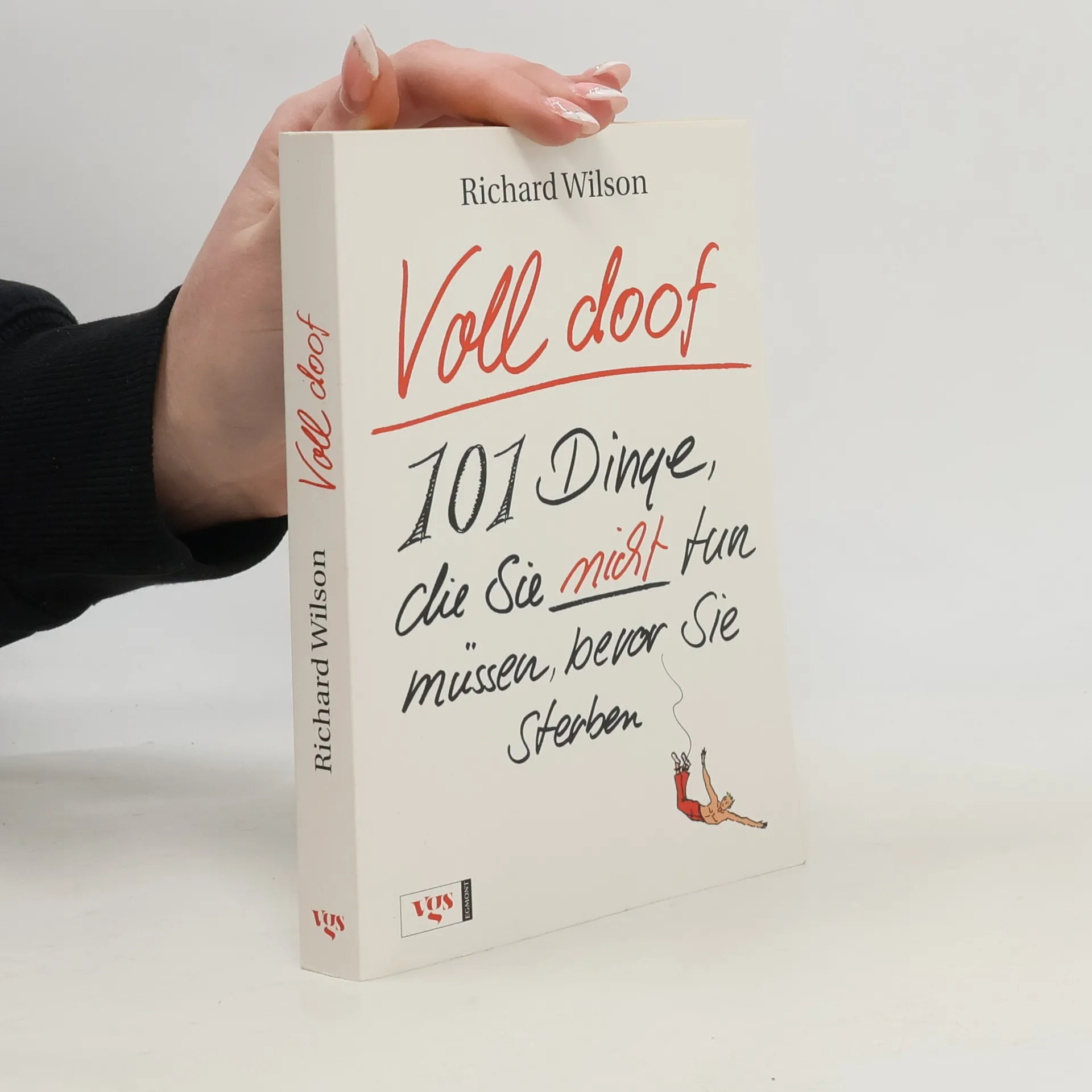
Haben Sie auch langsam genug von Ratgebern, die Ihnen sagen, was Sie tun, besuchen, kochen oder sehen sollen, bevor das Leben vorbei ist? Richard Wilson redet endlich Klartext. Er nennt 101 völlig überschätzte Dinge, die einem dauernd empfohlen werden und begründet auf unterhaltsame Weise, warum man genauso gut auf sie verzichten kann. Ob Reiseziele, Trendsportarten oder die Pflichtlektüre von ewigen Bestsellern – lassen Sie es doch einfach! Mal ehrlich, wollen Sie wirklich aus einem Flugzeug springen oder mit Delfinen schwimmen? Tun Sie es nicht!