

This author has been involved in English as a foreign language education in various capacities since the early 1980s. Their work spans teaching students, teachers, and teacher trainers, complemented by writing articles and books. A current area of interest is CLIL (Content and Language Integrated Learning), with much of their activity facilitated through Pilgrims in Canterbury. The author frequently shares expertise at international conferences and workshops, while consistently maintaining direct language learner instruction to ground their training work in practice.
Part of a post-First Certificate advanced-level ELT course which aims to bridge the gap between speaking in English and thinking in English. The materials consist of a coursebook, a teacher's book, a self-study workbook, and two cassettes.
Using the Mother Tongue, part of the Professional Perspectives series , offers a variety of practical ways to make use of what is a very valuable resource by: providing ideas and guidelines on when and how to use the mother tongue encouraging teachers to use the mother tongue selectively and effectively raising awareness of the similarities and differences between languages building links between the mother tongue and the foreign language through comparison and translation The use of the mother tongue in the foreign language classroom has often been officially discouraged; however, many teachers have recognised that in practice using one’s own language to learn a foreign language is natural, necessary and efficient.
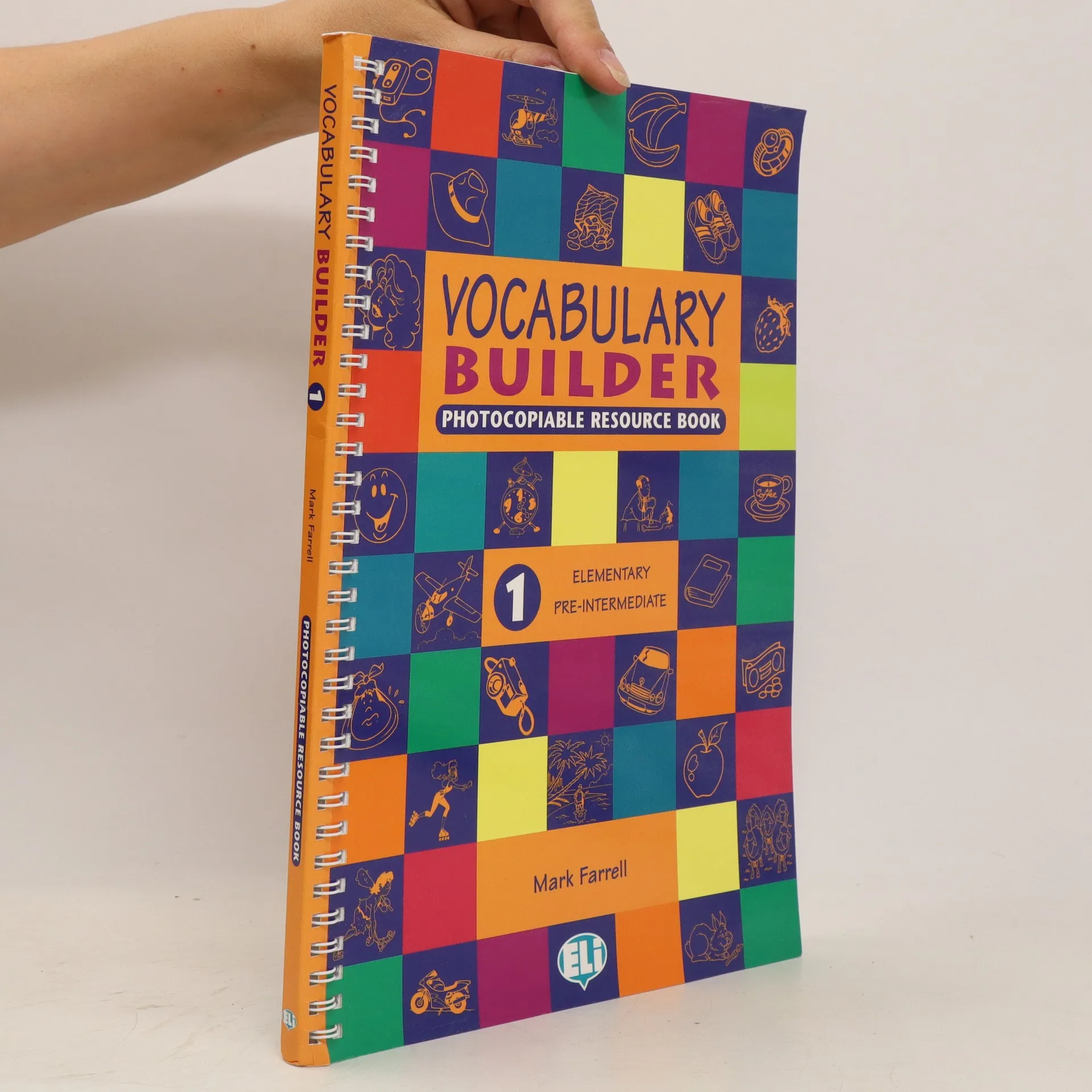
This book provides excellent supplementary material for the English class or for the self-study learner. The tasks are enjoyable and entertaining, while creating genuine learning opportunities. The photocopiable worksheets: can be used as a fun vocabulary task for the whole class at the start or finish of a lesson; can be selected for topics which fit into coursework, as they are not graded for difficulty; are ideal for use with students working at different speeds or who need work on particular word sets; provide ready made homework tasks; are motivating self-study materials for use during the holidays, when accompanied by the answers; are an invaluable support for the language teacher as they are completely self-contained and need no preparation.