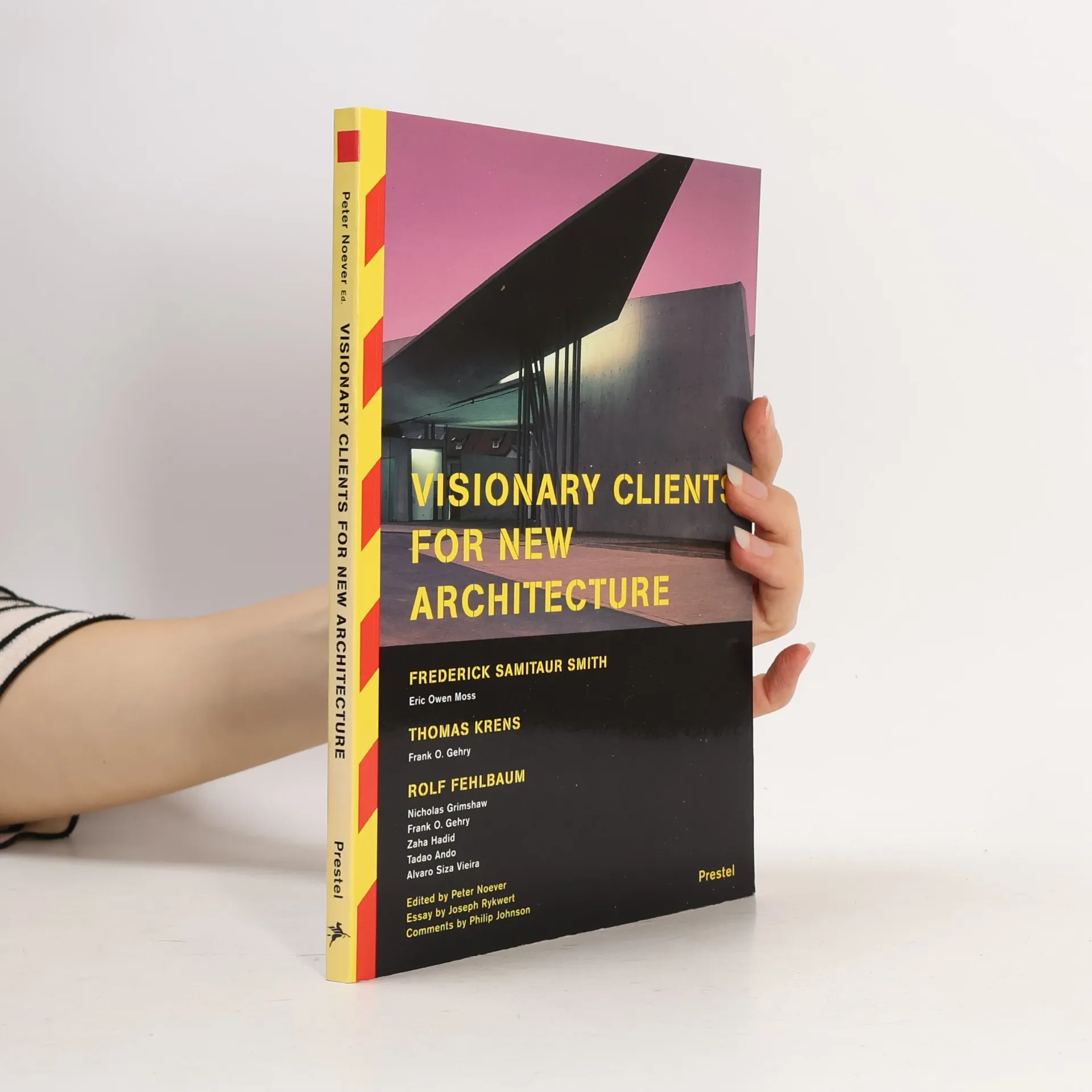
Instead of architects talking about their designs, this volume puts clients in the spotlight. It sheds light on the tricky balance of power between the architect and the client, focusing on three visionaries who commissioned buildings which later turned into architectural icons.
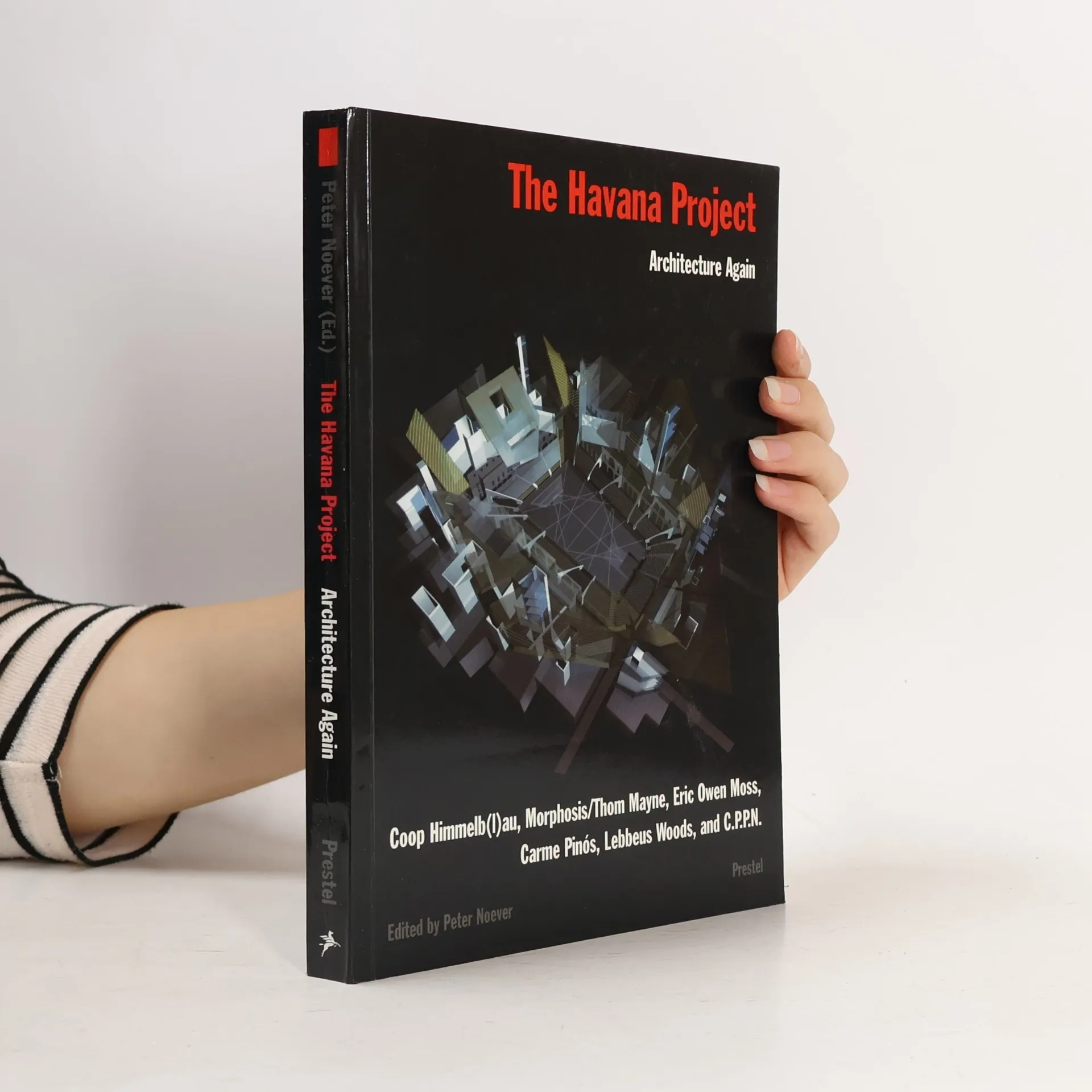
A team of internationally renowned architects examines Havana as a model that epitomizes the problems facing major cities in the 20th and 21st sprawling slums and the dire need for housing, the conservation, and restoration of a unique architectural heritage, and the protection of this city from the dangers of an exploding tourist industry.
Times are changing and so are families. Today’s modern family is facing challenges that rarely, if ever, crossed our minds just a few years ago. Most families today are long on commitment and short on time. They are being pulled in many directions that make it difficult, if not impossible, to connect relationally. Smart phones, mobile technology, work-life balance, relentless hurry and stress seem to be woven into the fabric of their lives. In this much-needed new book, Craig Jutila gives sound and practical advice—drawn from biblical principles, personal family experience, and expertise as a Children’s Ministry leader—on how to raise a strong and healthy family in a modern world, and move from a family that simply survives to a family that really thrives.
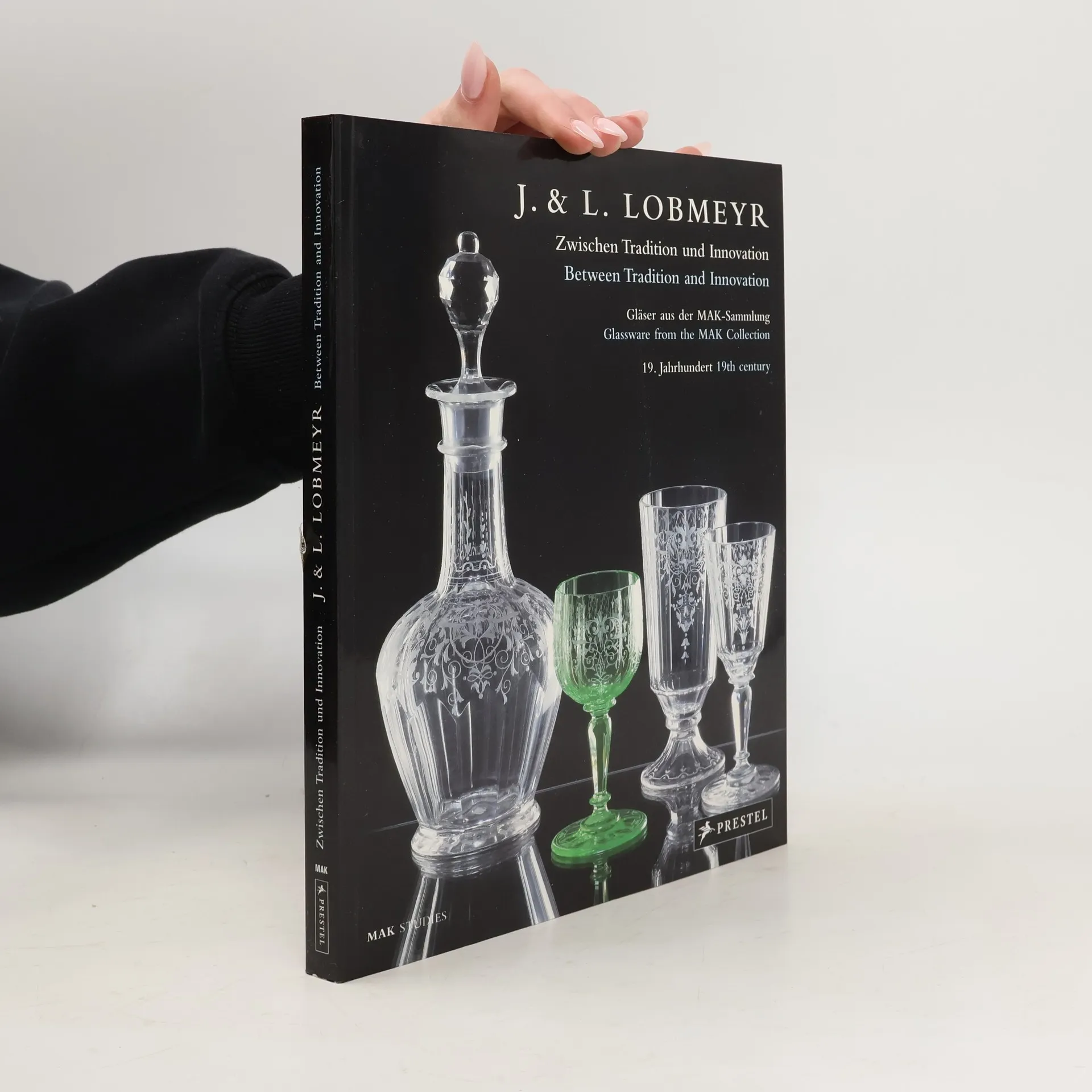
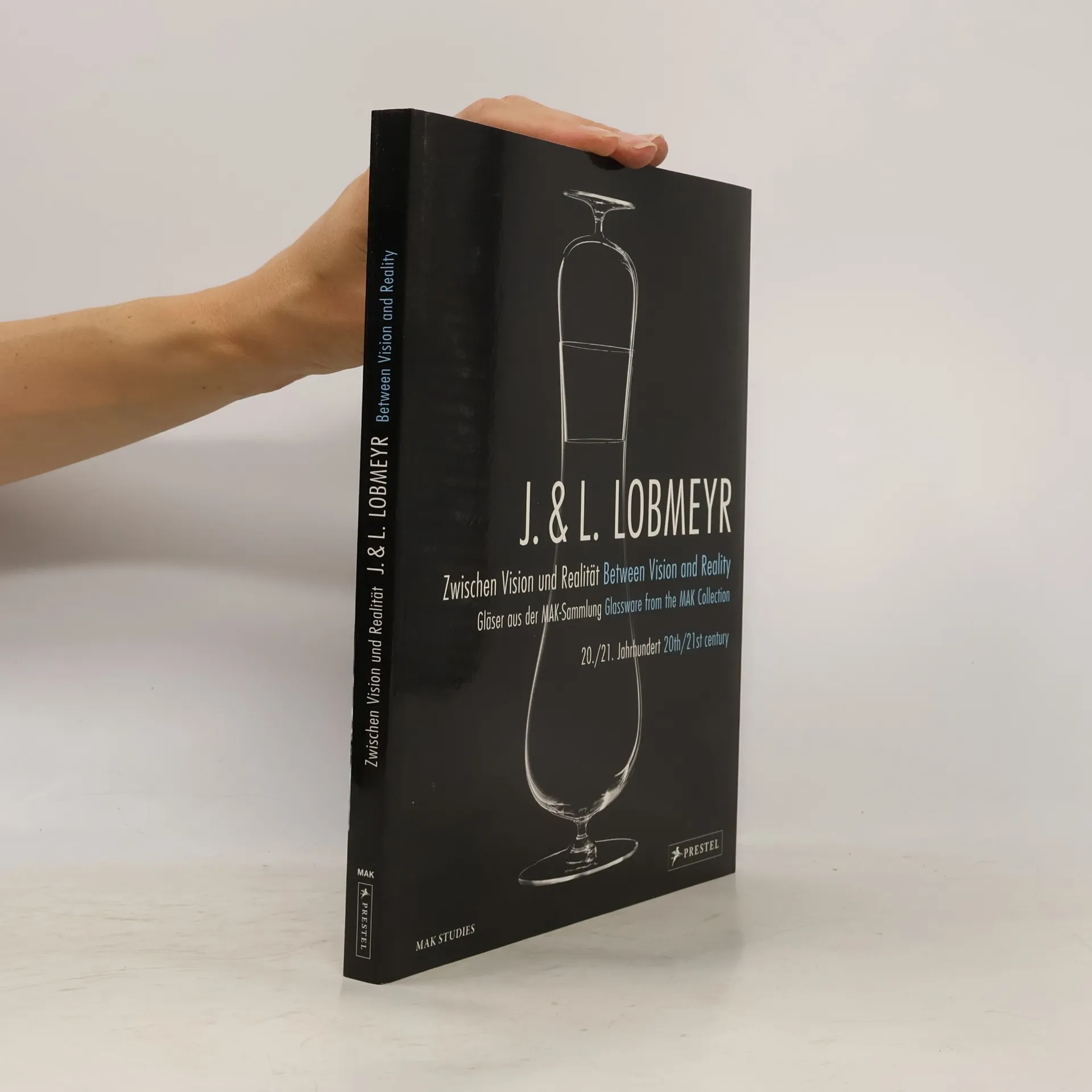
Die noch heute bestehende Firma J. & L. Lobmeyr (gegründet 1823 in Wien) war der führende Glasproduzent der k. u. k. Monarchie und bekannt für höchste Qualität und kunstvolles Design. Das Österreichische Museum für Kunst und Industrie (heute MAK) verfügt über eine der bedeutendsten Sammlungen von Lobmeyr-Gläsern des 19. Jahrhunderts. Diese einzigartige Sammlung exquisiter Stücke wurde mit detaillierten Angaben, Abbildungen und Vergleichsbeispielen für den vorliegenden Bestandskatalog erstmalig vollständig wissenschaftlich erfasst. Wertvolle Hintergrundinformationen zum Unternehmen und zur allgemeinen Entwicklung der österreichischen Glasindustrie jener Zeit machen das Werk zu einem unverzichtbaren Nachschlagewerk für Sammler und Museumsexperten.
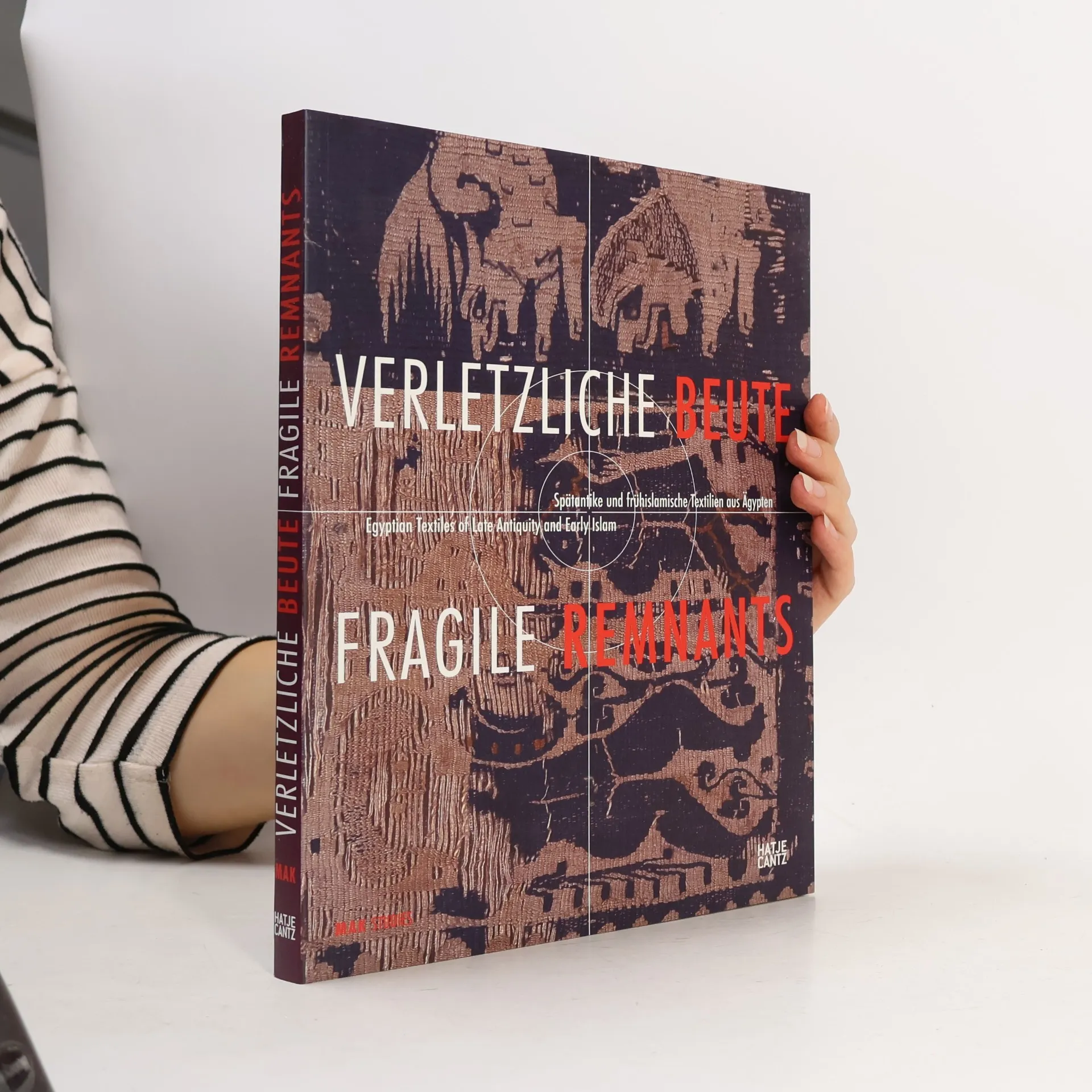
Spätantike und frühislamische, so genannte koptische Textilien - im späten 19. Jahrhundert in Ägypten in Nekropolen und anderen Ausgrabungen entdeckt - sind meist aus Leinen und Wolle gewebt. Die Behänge, Decken, Kissen, Tuniken, Manteltücher und Accessoires entstanden zwischen dem 3. und 8. Jahrhundert und geben einen lebendigen Eindruck von der vielfältigen Textilproduktion der Zeit. Zum ersten Mal überhaupt wurde die neue Fundgattung 1883 im heutigen MAK in Wien mit einem Katalog ihrer Entdecker - des Orientalisten Josef von Karabacek und des Kunsthändlers Theodor Graf - präsentiert. Von Graf erwarb das MAK im selben Jahr den Grundstock seiner Sammlung. Die bedeutende Kollektion koptischer Textilien des MAK umfasst heute mehr als 1000 Objekte, von denen 115 ausgewählte Glanzstücke in diesem Band einen repräsentativen Überblick vermitteln. Sie werden eingehend beschrieben, wissenschaftlich eingeordnet und zum Teil auch webtechnisch analysiert. Ausstellung: MAK, Wien 7.12.2005-5.6.2006
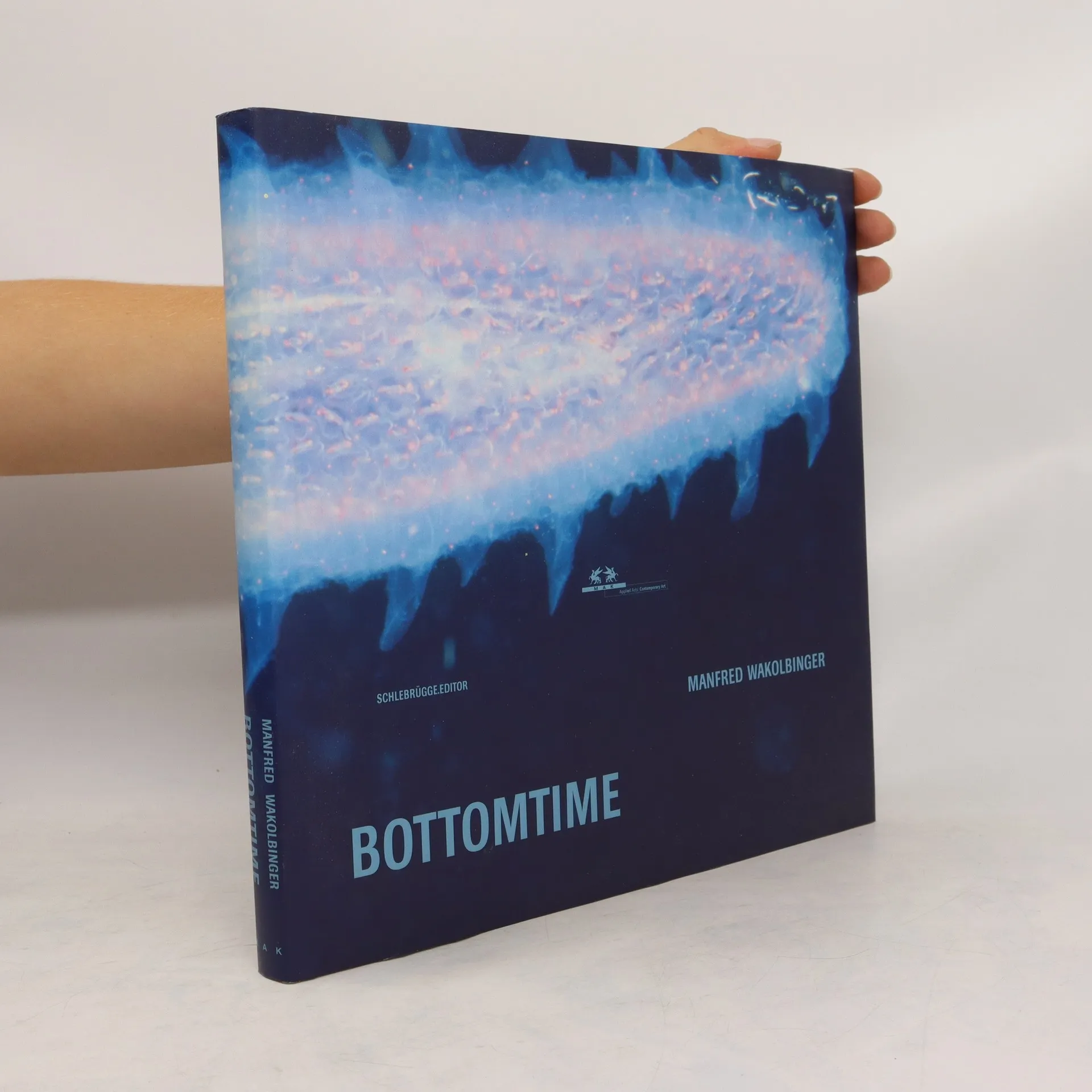
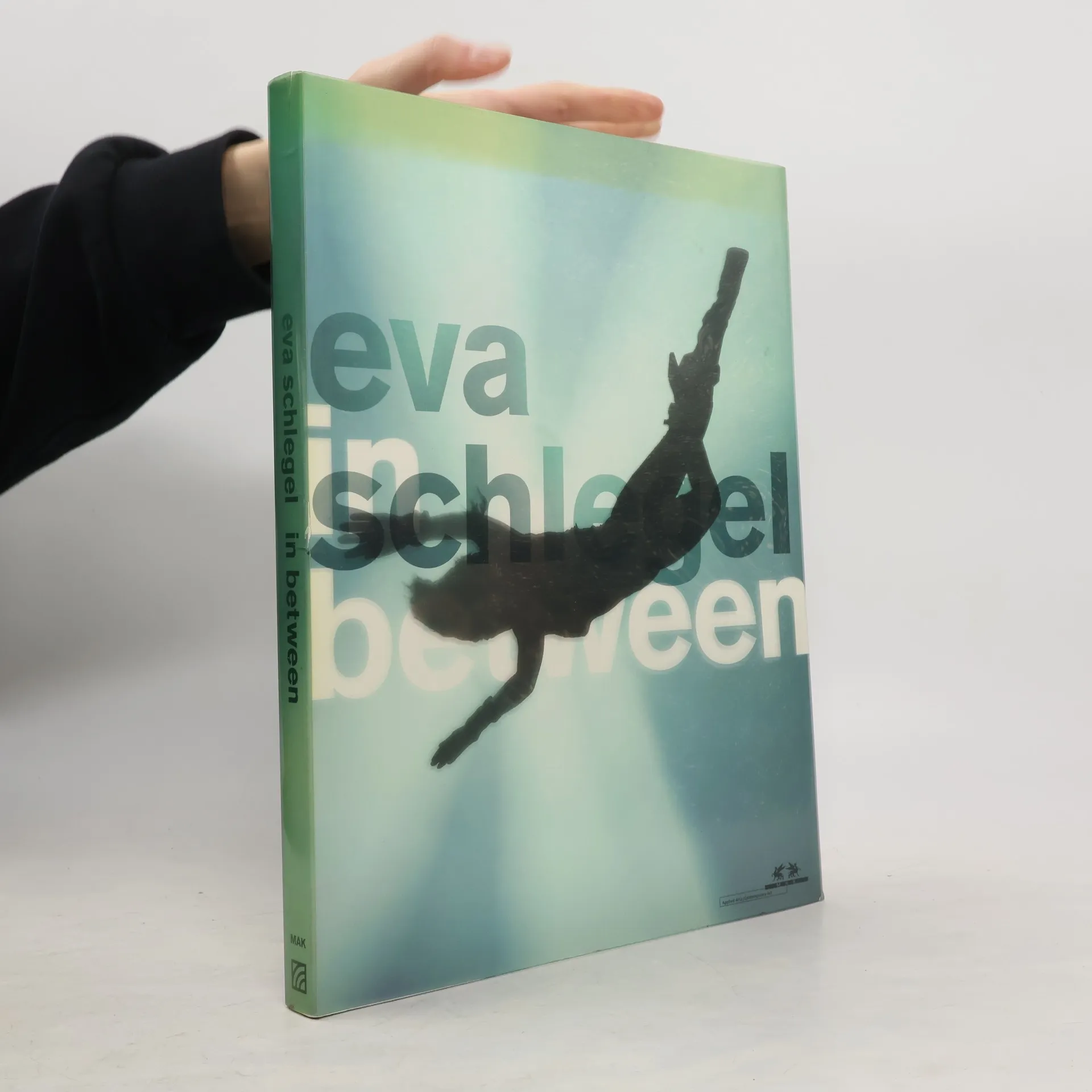
Erscheint als begleitende Publikation zu einer Einzelausstellung des Künstlers im Museum für Angewandte Kunst, MAK Wien. Autoren: David Espinosa, Elisabeth Schlebrügge / Vorwort: Peter Noever. Der Bildhauer als Fotograf des fernöstlichen subaquatischen Mikrokosmos.
Published for her exhibition at MAK Austrian Museum of Applied Arts, this broad overview of the work of Eva Schlegel (born 1960) documents works ranging from pornographic paintings to works in lead and installations of airplane propellers. Schlegel's installations in particular have never received comprehensive treatment in a catalogue.
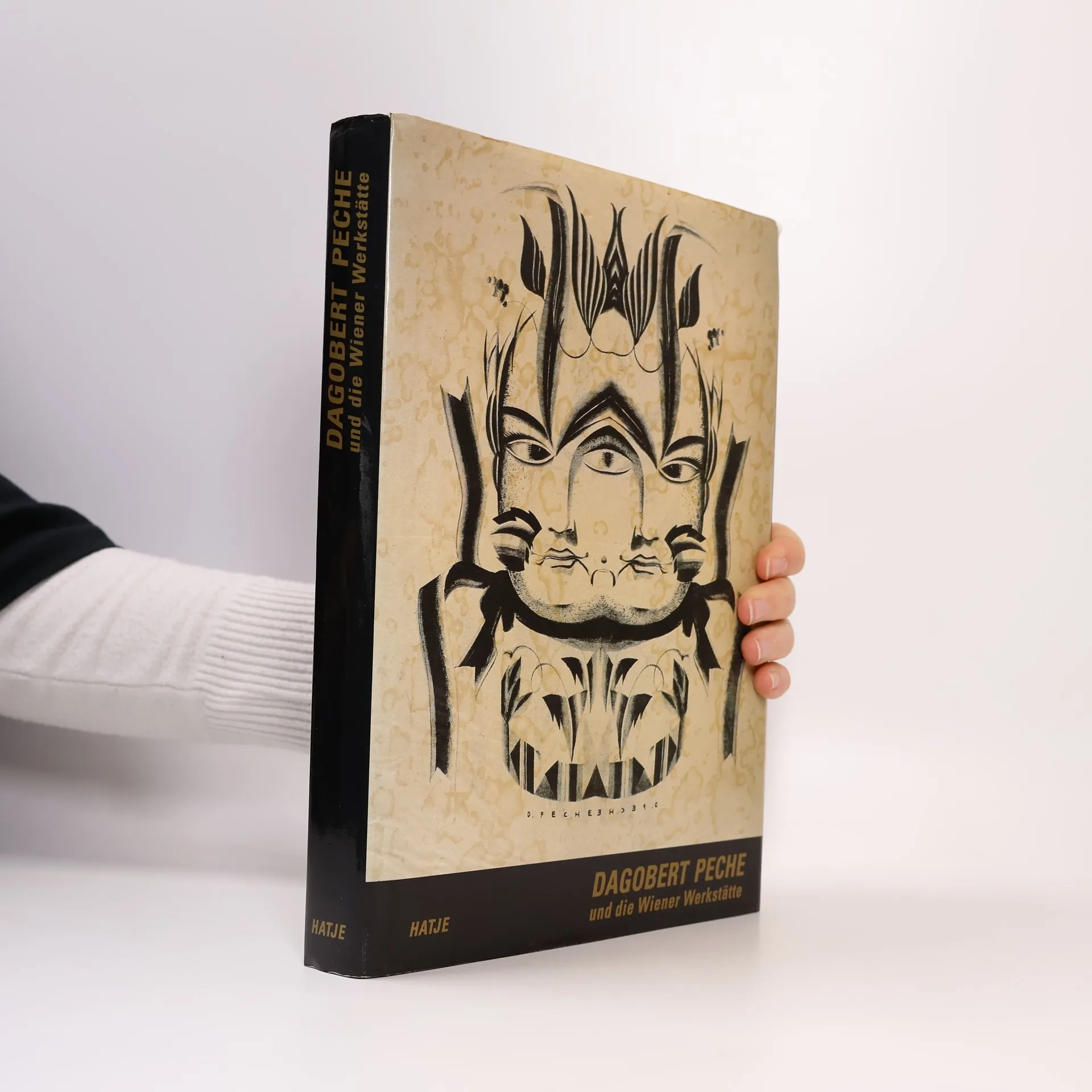
With contributions from various scholars, this illustrated work highlights the significance of Dagobert Peche (1887-1923), a pivotal figure in the Austrian arts and crafts movement. Alongside Josef Hoffmann and Koloman Moser, Peche shaped the Wiener Werkstatte with his innovative designs. Hoffmann, who initially hired Peche as an assistant, later acknowledged Peche's profound impact, stating he was "Austria's greatest genius in ornamentation since the days of the Baroque." Peche's contributions to decorative arts are receiving renewed critical attention, particularly in the context of postmodernism. His extravagant material use, imaginative eclecticism, bold forms, playful creativity, and instinctive design sensibility exemplify his artistic brilliance. This book aims to deepen the understanding of Austrian arts and crafts at the turn of the twentieth century, showcasing Peche's diverse work across various mediums, including interior and exhibition design, furniture, fashion, textiles, ceramics, glass, metalwork, jewelry, and wallpaper. Through this exploration, Peche's legacy is properly contextualized within the rich tapestry of the era's artistic movements.
Увидьте здесь рождение радикальных арт-лабораторий свободных художников, клубов, интернет-кафе и галерей, возникающих в России между панельными высотками, трущобами и башнями новых богачей. Освобожденные от старых идеологий и метафизических навязчивых идей, художники в бывших домах культуры СССР работают с новыми медиа, экспериментируют с перформансом, разрабатывают новые стратегии и создают новые представления о себе.
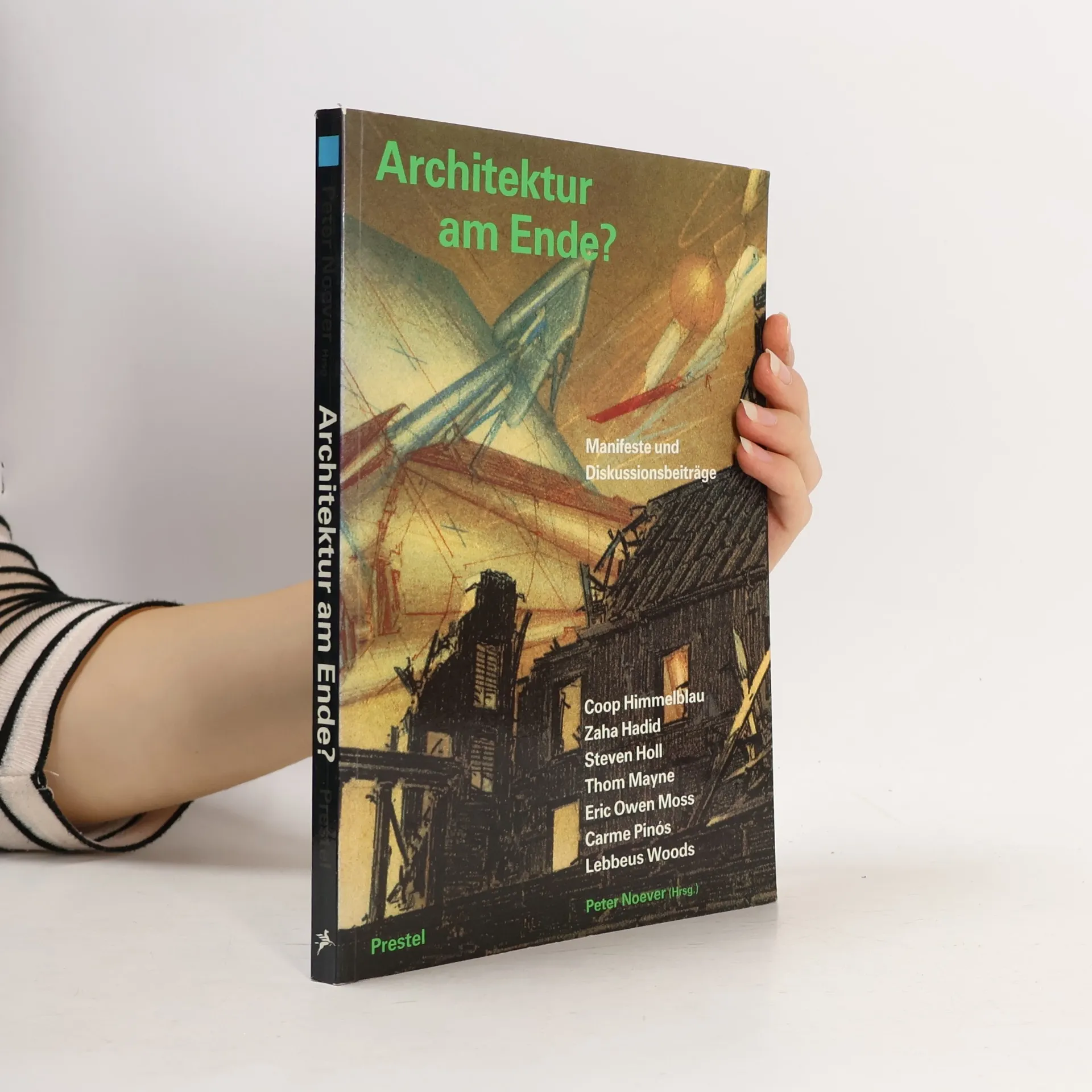
Die Publikation beinhaltet Beiträge von Coop Himmelblau, Zaha Hadid, Steven Holl, Thom Mayne, Eric O. Moss, Carme Pinós und Lebbeus Woods sowie ein Vorwort von Frank O. Gehry
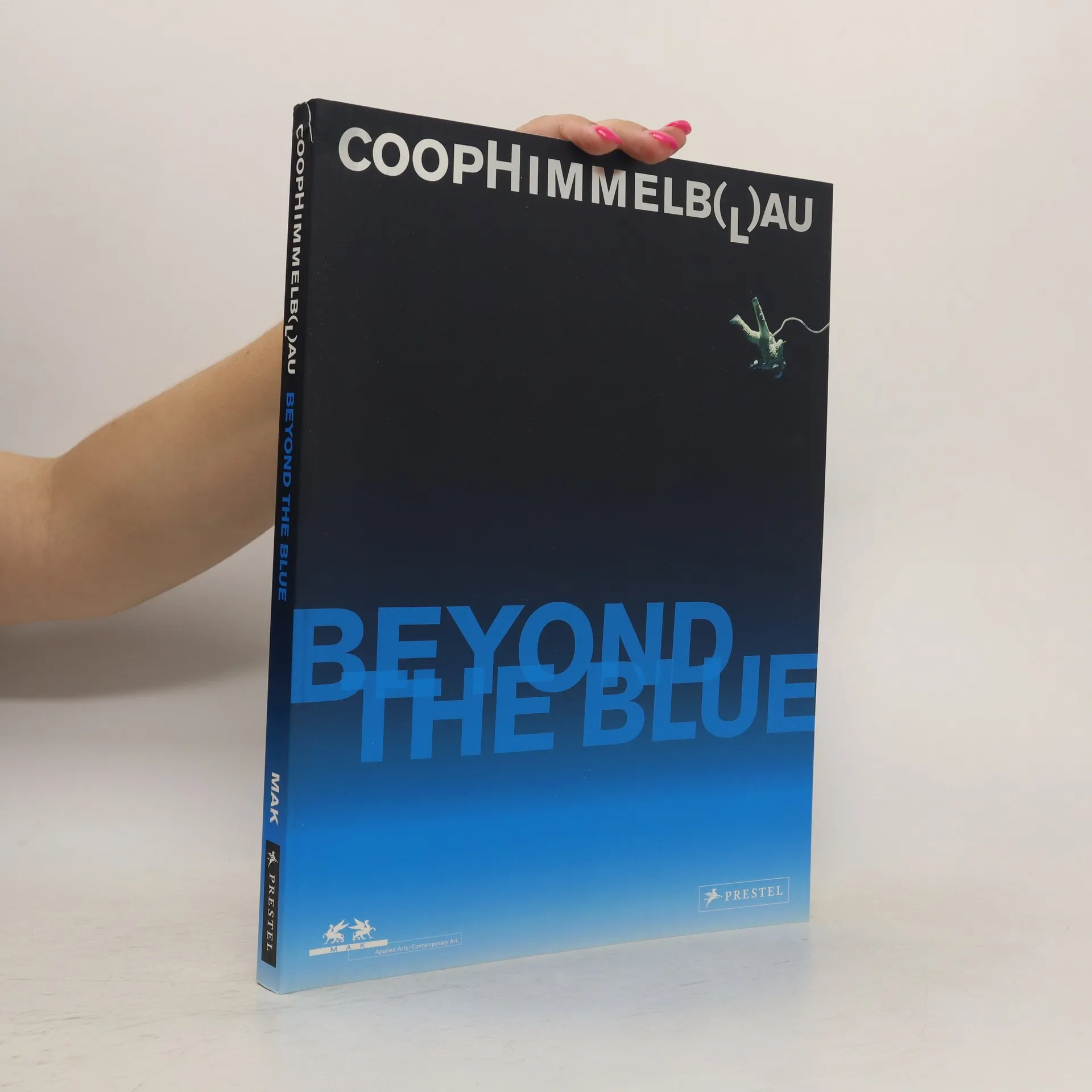
COOP HIMMELB(L)AU, founded in 1968, is among the most innovative and significant architectural firms globally. This catalog, accompanying an exhibition at MAK Wien, showcases numerous international projects by the team, including key buildings like BMW Welt, Musée des Confluences, and the European Central Bank. A highlight of the publication is the presentation of a unique spatial installation developed for MAK, which effectively illustrates the continuity and diversity of the architects' design vocabulary. The firm’s recent urban structures, such as BMW Welt in Munich (2001-07), Musée des Confluences in Lyon (2001-10), and the European Central Bank in Frankfurt (2003-11), are featured through a collection of photographs, renderings, planning materials, and sketches. These materials provide insights into both completed structures and those still in the planning phase. Contributions from Jeffrey Kipnis, Sylvia Lavin, and Peter Noever explore the connections between the firm’s work and broader themes in architecture, history, literature, film, and art. Additionally, project-specific texts from the firm offer a deep dive into their conceptual practices, highlighting their role as pioneers in contemporary architecture.
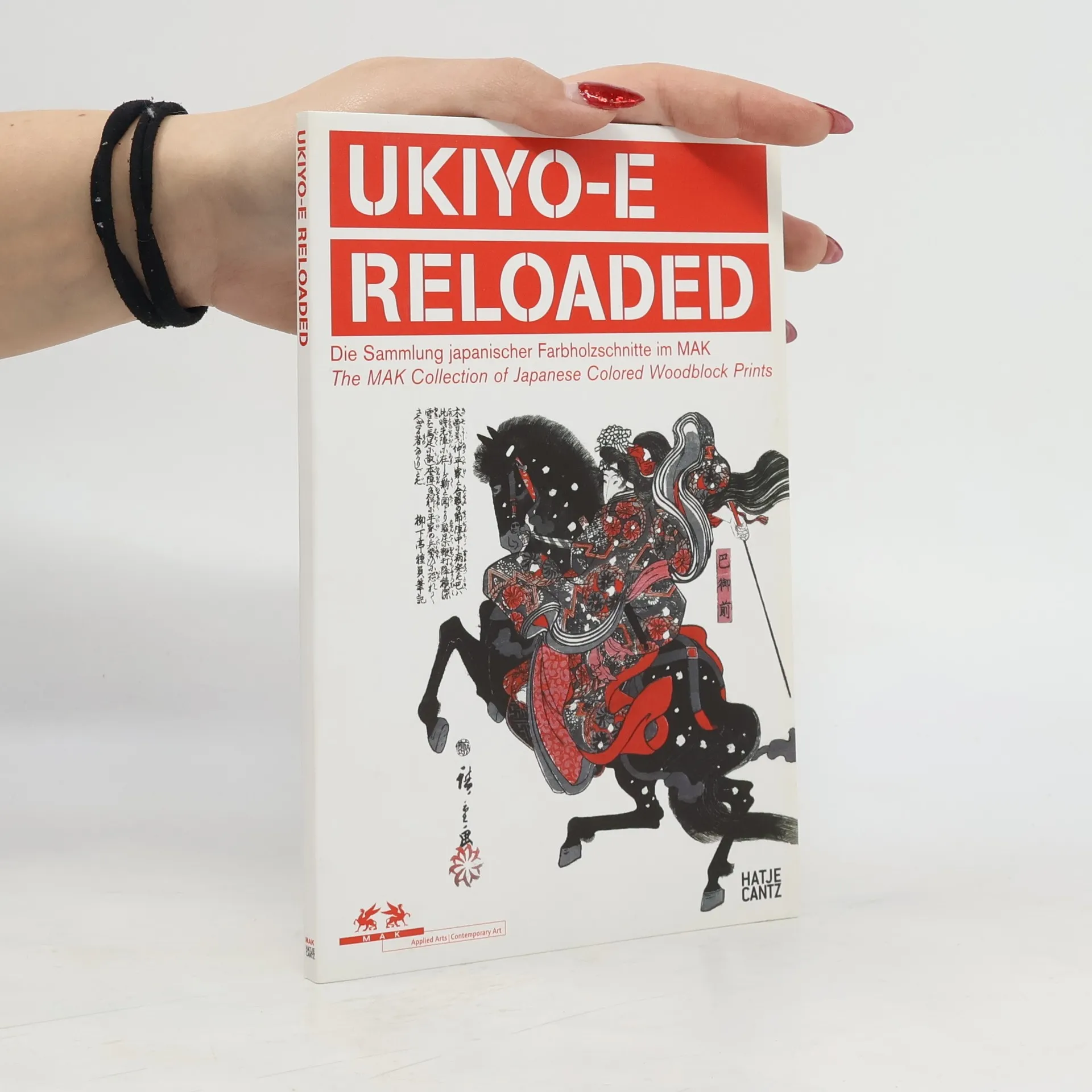
Ukiyo-e: Reloaded ISBN 3-7757-1755-2 / 978-3-7757-1755-7 Slipcased, 5.75 x 8.5 in. / 32 pgs / 27 color. / U.S. $55.00 CDN $66.00 August / Popular Culture
Zwischen Vision und Realität. Between Vision and Reality
160 pages
6 hours of reading
Focusing on pieces from the twentieth and twenty-first centuries, this volume draws on the world's largest collection of J. & L. Lobmeyr glass, which resides in the MAK. Situated at the interface of art and industry, the MAK - Austrian Museum of Applied Arts / Contemporary Art has, from the time of its foundation, been a partner to J. & L. Lobmeyr. As an international glass manufacturer, the company has always sought dialogue with artists to produce glass to the highest technical and artistic standards. This catalogue of holdings is an illustrative and scientific survey of the MAK's representative collection of Lobmeyr glassware of the 20th and 21st centuries with detailed information, photos and comparative examples. The volume documents the company's strategies and stages up until today, offering a comprehensive and up-to-date reference for glass lovers and experts.
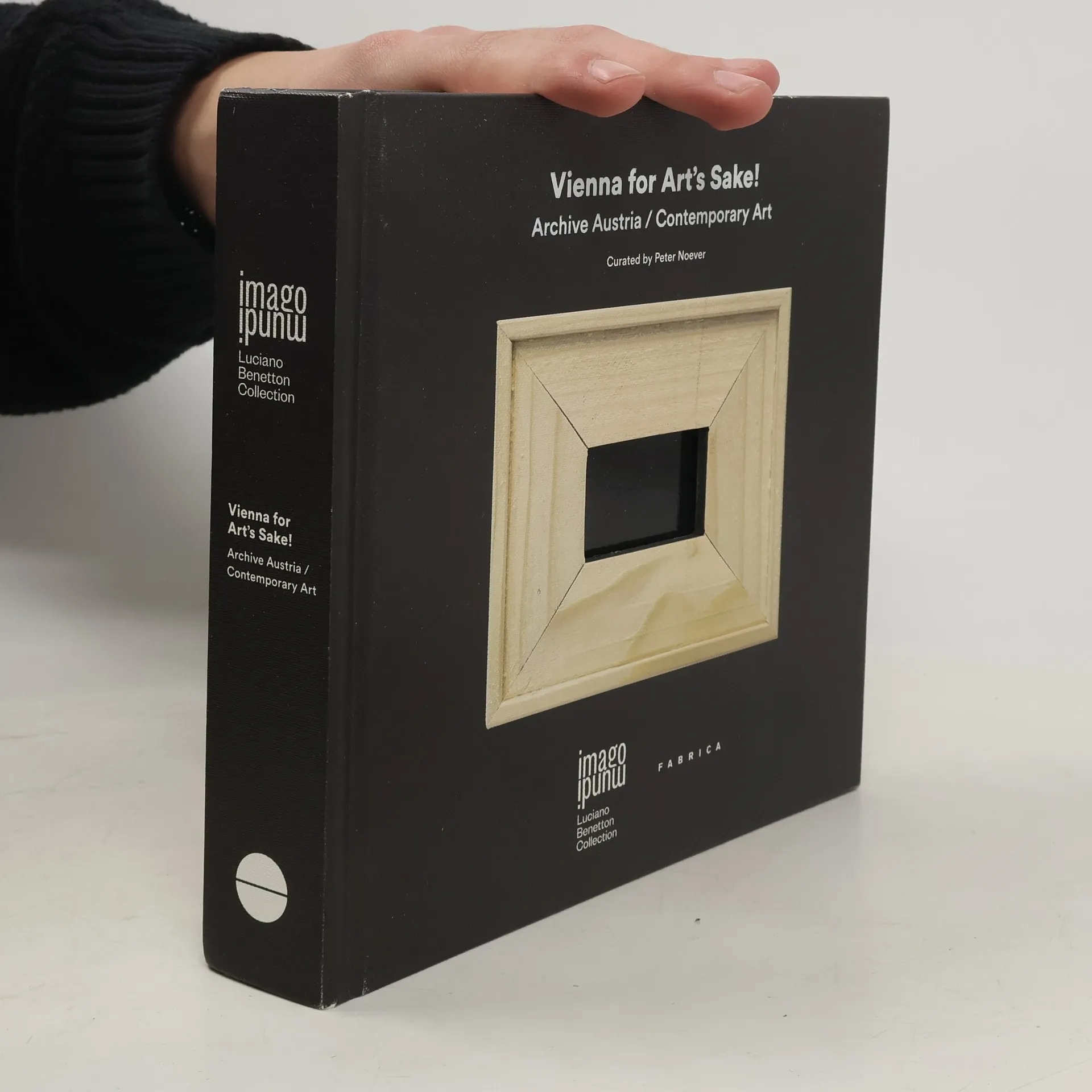
Testi di Luciano Benetton, Peter Noever, Markus Mittringer.Testo Italiano, Inglese e Tedesco.Treviso, 2014; cartonato, pp. 384, 654 ill. b/n col., cm 21x20.(Imago Mundi. Luciano Benetton Collection). Archistar internazionali, celebri designer, artisti affermati in tutto il mondo ma anche giovani emergenti che vivono e lavorano a Vienna o che a questa città, cuore dell'Europa oggi come nei secoli passati, hanno lasciato un loro contributo. Sono i protagonisti di questa nuova collezione di Imago Mundi che rende omaggio alla centralità culturale di Vienna, spazio espositivo d'eccezione, in nome di una simultaneità creativa dell'arte, dell'architettura, del design. Le 161 opere qui raccolte ci comunicano, ciascuno a suo modo, che al di là dell'ossessione economicistica dei nostri giorni resiste una geografia culturale che può renderci più felici, perché la vivacità delle idee rende le vite, singole e collettive, più ricche, feconde e degne di essere vissute.
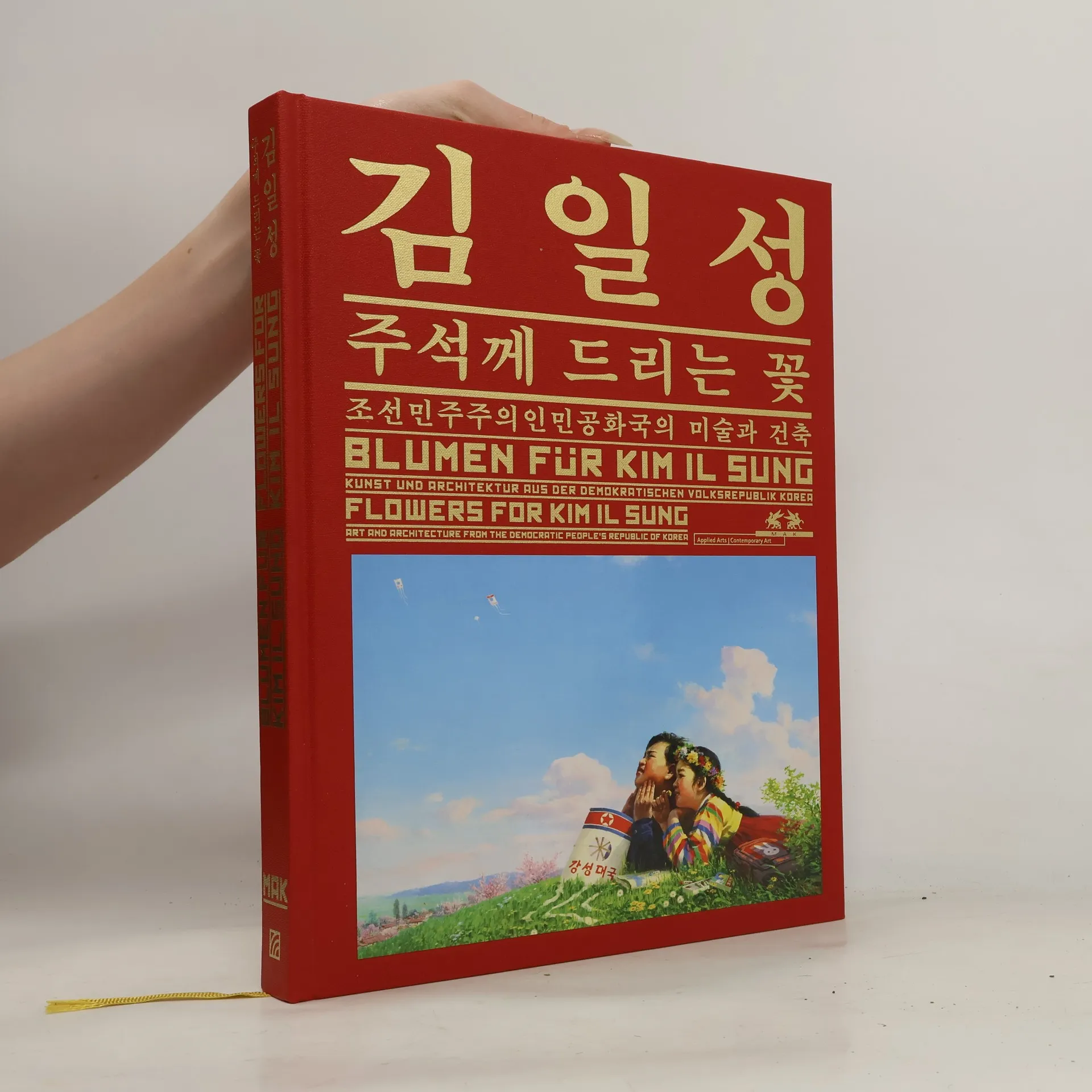
Die Ausstellung 'Blumen für Kim Il Sung' präsentiert erstmals zeitgenössische Kunst aus der Demokratischen Volksrepublik Korea in Europa. Das MAK in Wien zeigt in Kooperation mit der Korean Art Gallery und der Paektusan Academy of Architecture Werke wie Ölbilder, Tuschemalereien, Aquarelle, Plakate und Architekturproduktionen, die zuvor nie das Land verlassen hatten. Der Katalog bietet mit zahlreichen farbigen Bildtafeln einen tiefen Einblick in diese fremde Bildwelt, die stark von der Verehrung des 1994 verstorbenen 'Ewigen Präsidenten' Kim Il Sung und seinem Sohn Kim Jong Il geprägt ist. Die Juche-Ideologie, eine spezifische Interpretation des Sozialismus, spielt eine zentrale Rolle. Kim Il Sung passte die traditionelle Marxismus-Leninismus-Lehre an die koreanische Situation an, was zu einer Auslegung des Historischen Materialismus als Voluntarismus führte und die Eigenständigkeit in ideologischen, politischen, wirtschaftlichen und militärischen Aspekten betont. In der Ausstellung begegnen wir einem Kulturbetrieb, in dem Kunst eine soziale Funktion hat und dem revolutionären Prozess untergeordnet ist. Künstler haben die Aufgabe, die richtige Einstellung und Werte zu vermitteln. Erziehung und Kultur sind in Nordkorea zentrale Schauplätze für die Revolutionierung des Individuums und die Vermittlung eines neuen Ethos.
An der Schnittstelle zwischen Kunst und Industrie ist das MAK - Österreichisches Museum für angewandte Kunst/ Gegenwartskunst seit seiner Gründung Partner der Firma J. & L. Lobmeyr. Als international agierender Glasverleger sucht die Firma bis heute den Dialog mit Künstlern und führt Glas auf höchstem technischen und künstlerischen Niveau aus. In diesem Band wird die repräsentative Sammlung des 20. und 21. Jahrhunderts im MAK mit detaillierten Angaben, Abbildungen und Vergleichsbeispielen wissenschaftlich und anschaulich erfasst. Der vorliegende Bestandskatalog dokumentiert die Firmenstrategie und die Stationen der Firma bis heute und bietet so ein umfassendes und aktuelles Nachschlagewerk für Glasliebhaber und Experten. Situated at the interface of art and industry, the MAK-Austrian Museum of Applied Arts / Contemporary Art has, from the time of its foundation, been a partner to J. & L. Lobmeyr. As an international glass manufacturer, the company has always sought dialogue with artists to produce glass to the highest technical and artistic standards. This catalogue of holdings is an illustrative and scientific survey of the MAK's representative collection of Lobmeyr glassware of the 20th and 21st century with detailed information, photos and comparative examples. The volume documents the company's strategies and stages up until today, offering a comprehensive and up-to-date reference for glass lovers and experts.
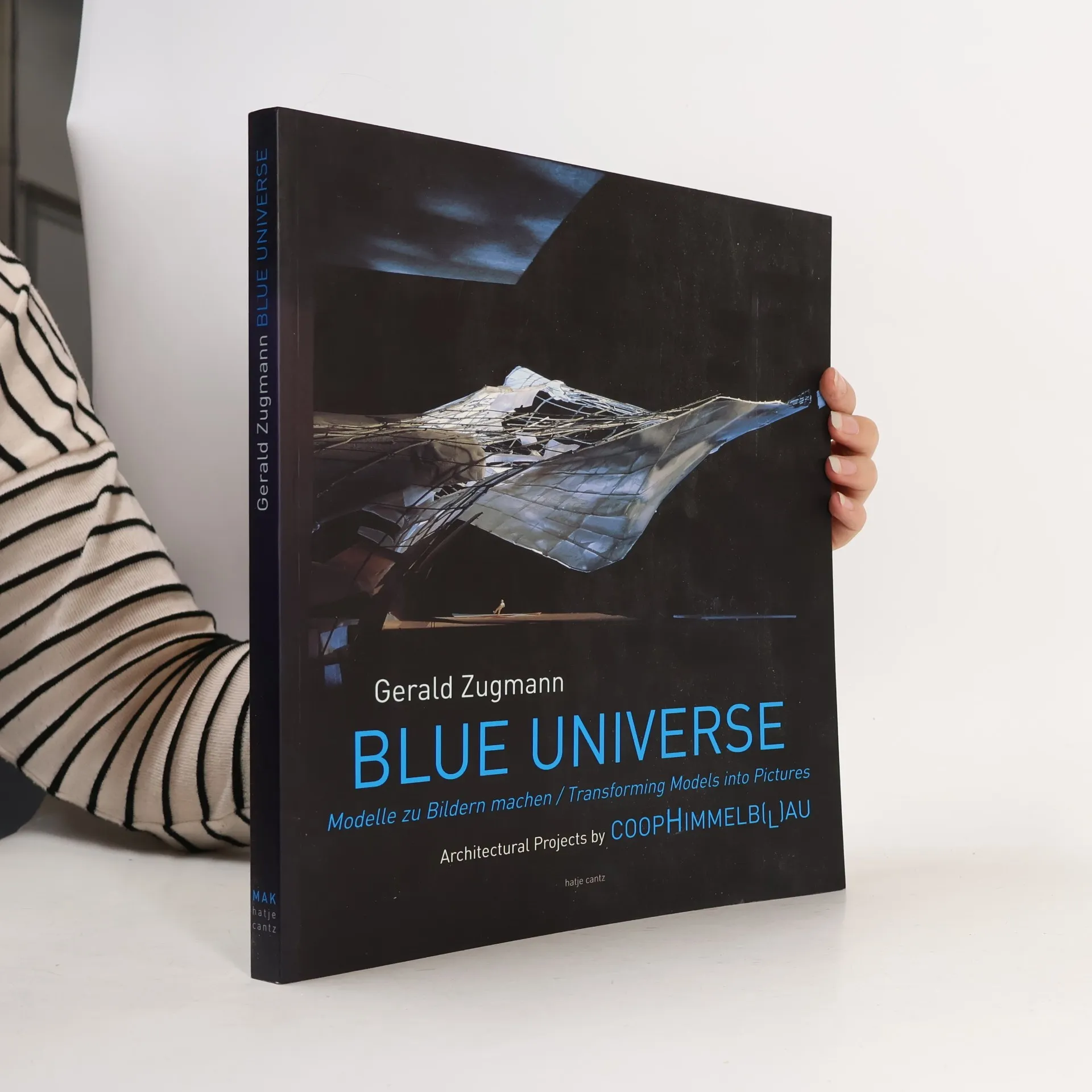
Modelle zu Bildern machen / Transforming Models Into Pictures: Architectural Projects By COOPHIMMELB(L)AU
160 pages
6 hours of reading
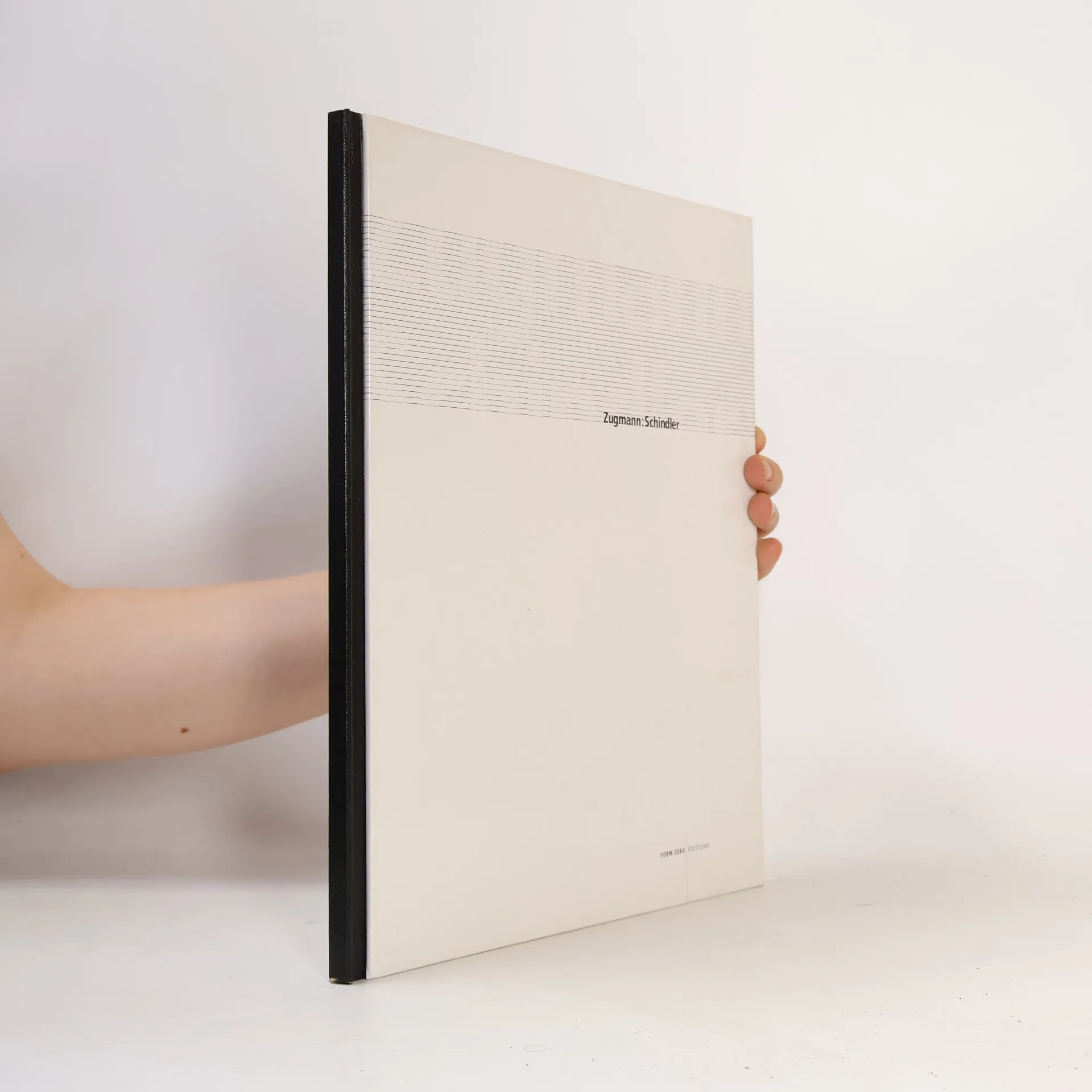
This book documents a decade-long co-operation of the photographer Gerald Zugmann with the architectural team COOP HIMMELB(L)AU. The architects, who call themselves "post-industrial expressionists", base their work on spontaneous and psychographic images and models.








![Josef Hoffmann - autobiografie : [Selbstbiographie]](https://rezised-images.knhbt.cz/1920x1920/93166877.webp)