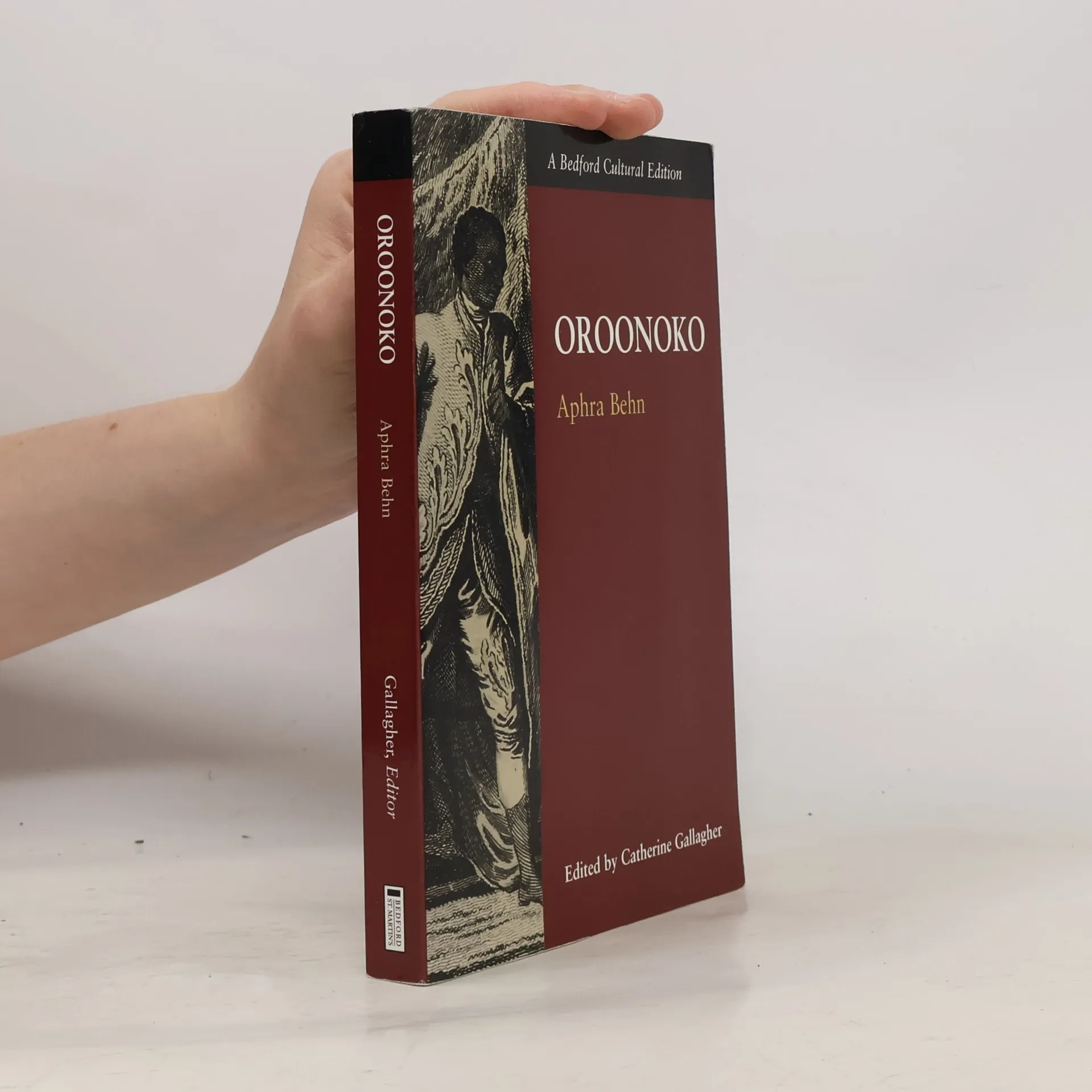
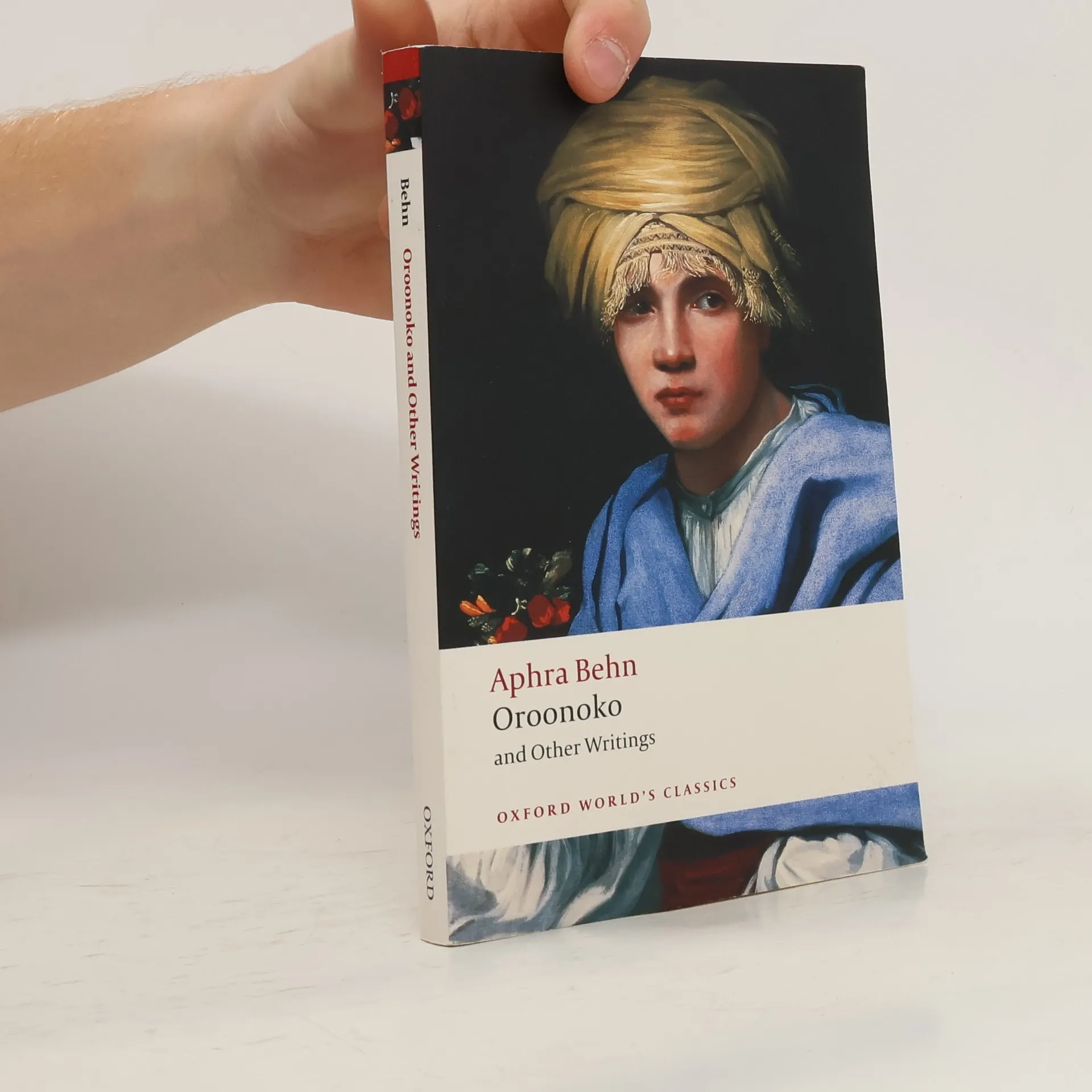
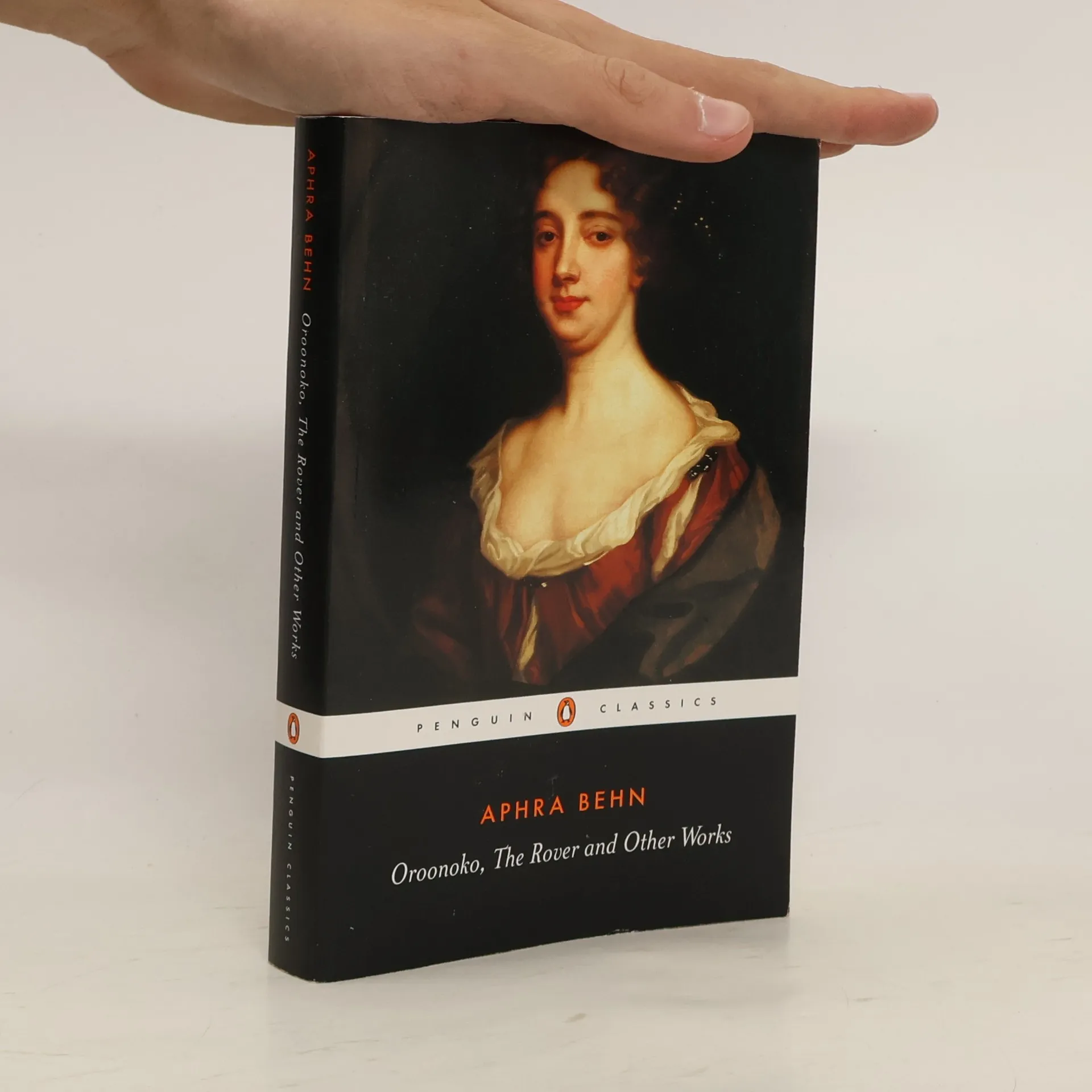
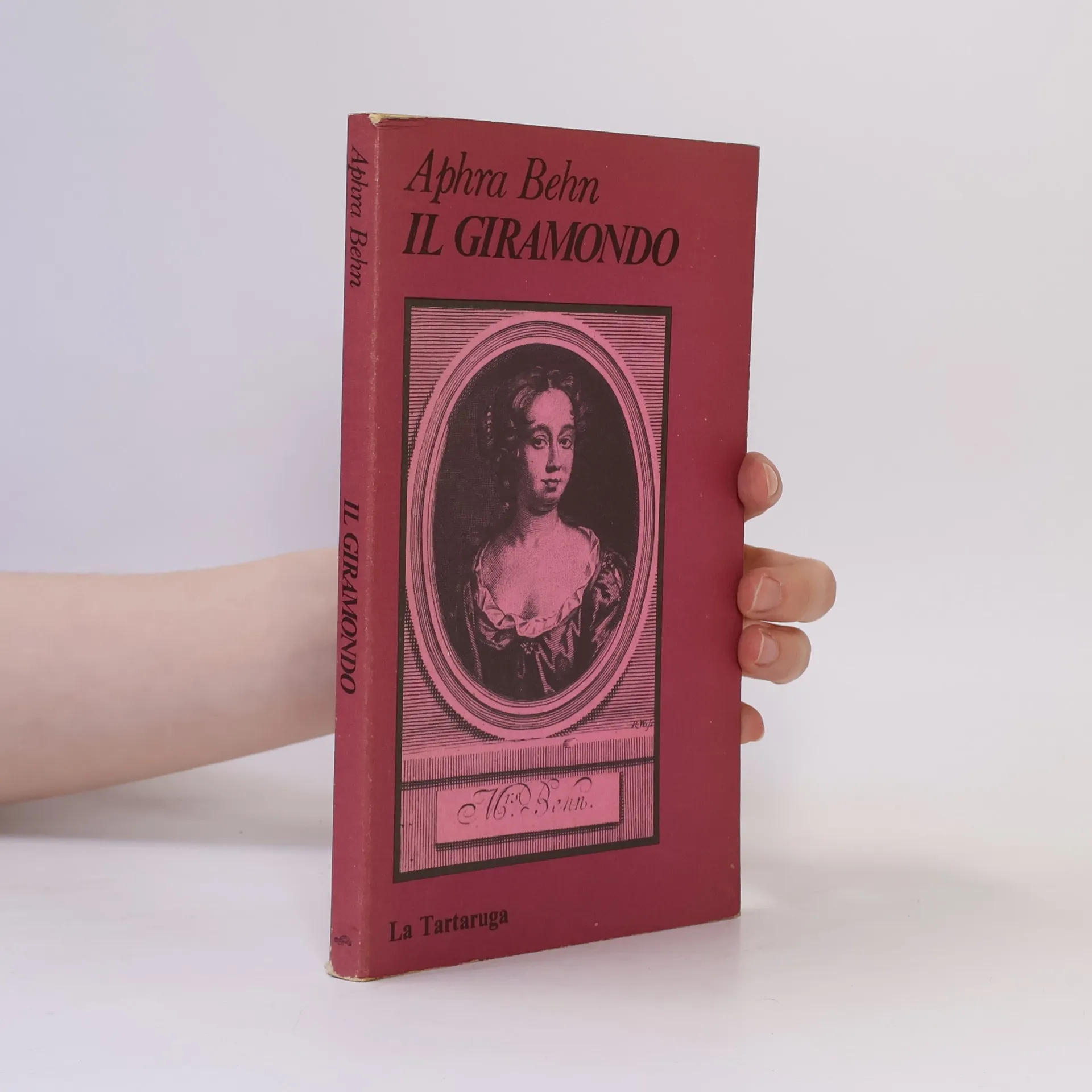
Aphra Behn was a prominent Restoration dramatist and one of the first professional female English writers, contributing significantly to the amatory fiction genre. Her entire career is deemed more important than any single work, as she earned women the right to express themselves. Behn is often compared to George Sand for her bohemian lifestyle and her ability to write compellingly in an era where literature often catered to the basest human inclinations, demanding she write like a man to succeed.
We are bought and sold like apes or monkeys, to be the sport of women, fools, and cowards, and the support of rogues ...' Spy, traveller and pioneering female writer Aphra Benn's story of an African prince sold into slavery is considered one of the earliest English novels.
This publication focuses on making historical works accessible by providing them in large print, catering specifically to individuals with impaired vision. The initiative by Megali Publishing emphasizes inclusivity and the importance of preserving historical texts for a broader audience.
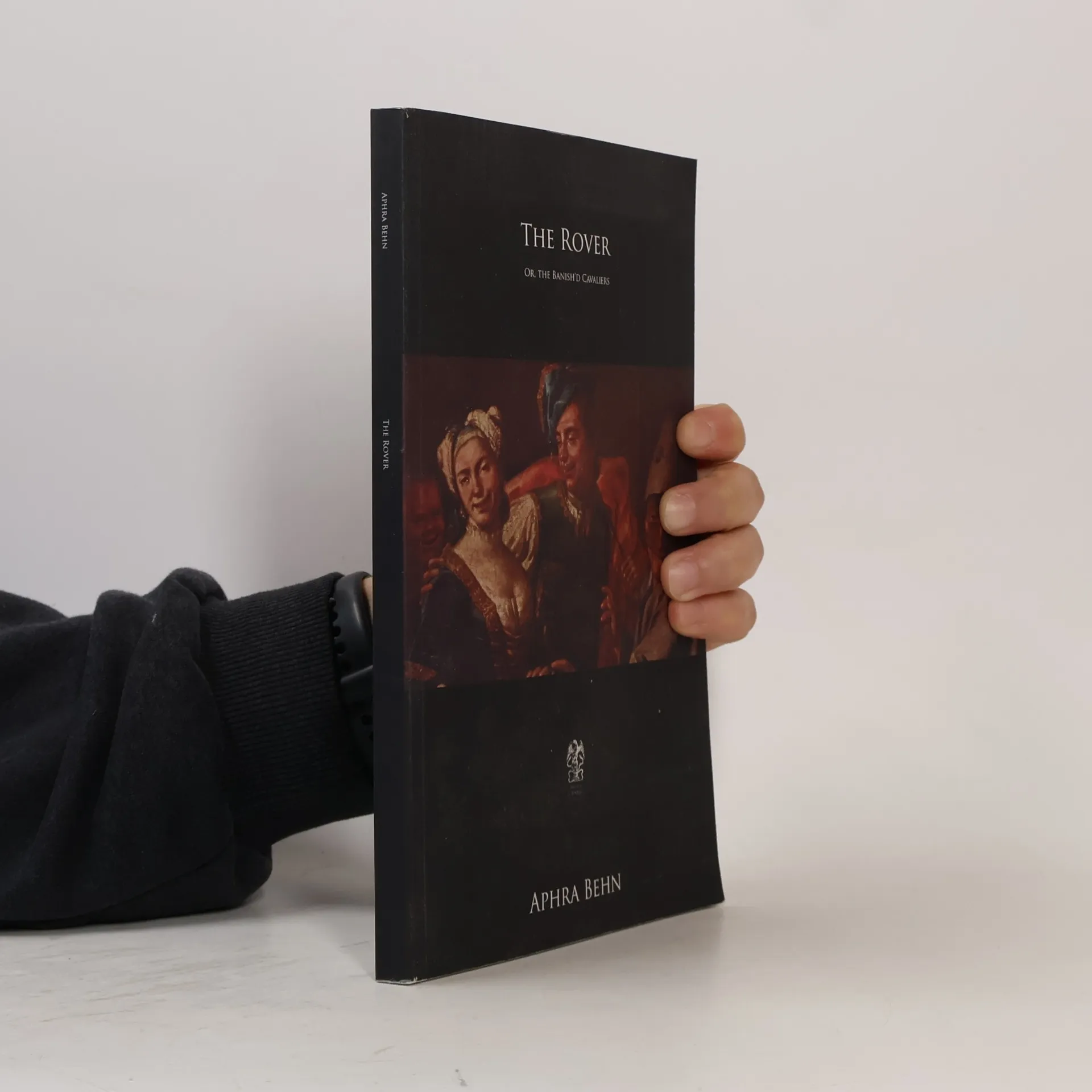
The Rover or The Banish'd Cavaliers is a play in two parts that is written by the English author Aphra Behn. It is a revision of Thomas Killigrew's play Thomaso, or The Wanderer (1664), and depicts the amorous adventures of a group of Englishmen in Naples at Carnival time.
Aphra Behn (1640-89) achieved both fame and notoriety in her own time, enjoying considerable success for her plays and for her short novel Oroonoko, the story of a noble slave who loves a princess. Acclaimed by Virginia Woolf as the first English woman to earn her living by the pen, Behn's achievements as a writer are now acknowledged less equivocally than in the seventeenth century. As well as Oroonoko, this volume contains five other works of fiction ranging from comedy and high melodrama to tragedy. The Fair Jilt, Memoirs of the Court of the King of Bantam, The History of the Nun, The Adventure of the Black Lady, and The Unfortunate Bride are complemented by a generous selection of her poetry, ranging from public political verse to lyrics and witty conversation poems. This selection demonstrates Behn's range, as well as her wit, compassion, and interest in the question of identity and self-representation.
Focusing on accessibility, this book is a reproduction of a historical work presented in large print, catering specifically to individuals with impaired vision. Published by Megali, a house dedicated to enhancing readability, it aims to preserve important texts while ensuring they are easily accessible to a wider audience.
This book is a reproduction of a historical work, presented in large print to enhance accessibility for individuals with impaired vision. The publishing house Megali focuses on making classic literature more readable, ensuring that important texts are available to a wider audience.
OROONOKO (1688), bizarní barokní příběh afrického prince uvrženého do otroctví v Surinamu, patří k nejvýznamnějším textům z období počátků britského románu, bývá označován za první anglické dílo, které zpochybnilo otrokářství, a nabízí vhled do koloniálního života 17. století. V českém překladu vychází poprvé. Knihu doprovází úvodní studie, která přibližuje dobové pozadí, autorčin život i literární strategie, jimiž Behnová otevírá téma moci, genderu a kolonialismu.