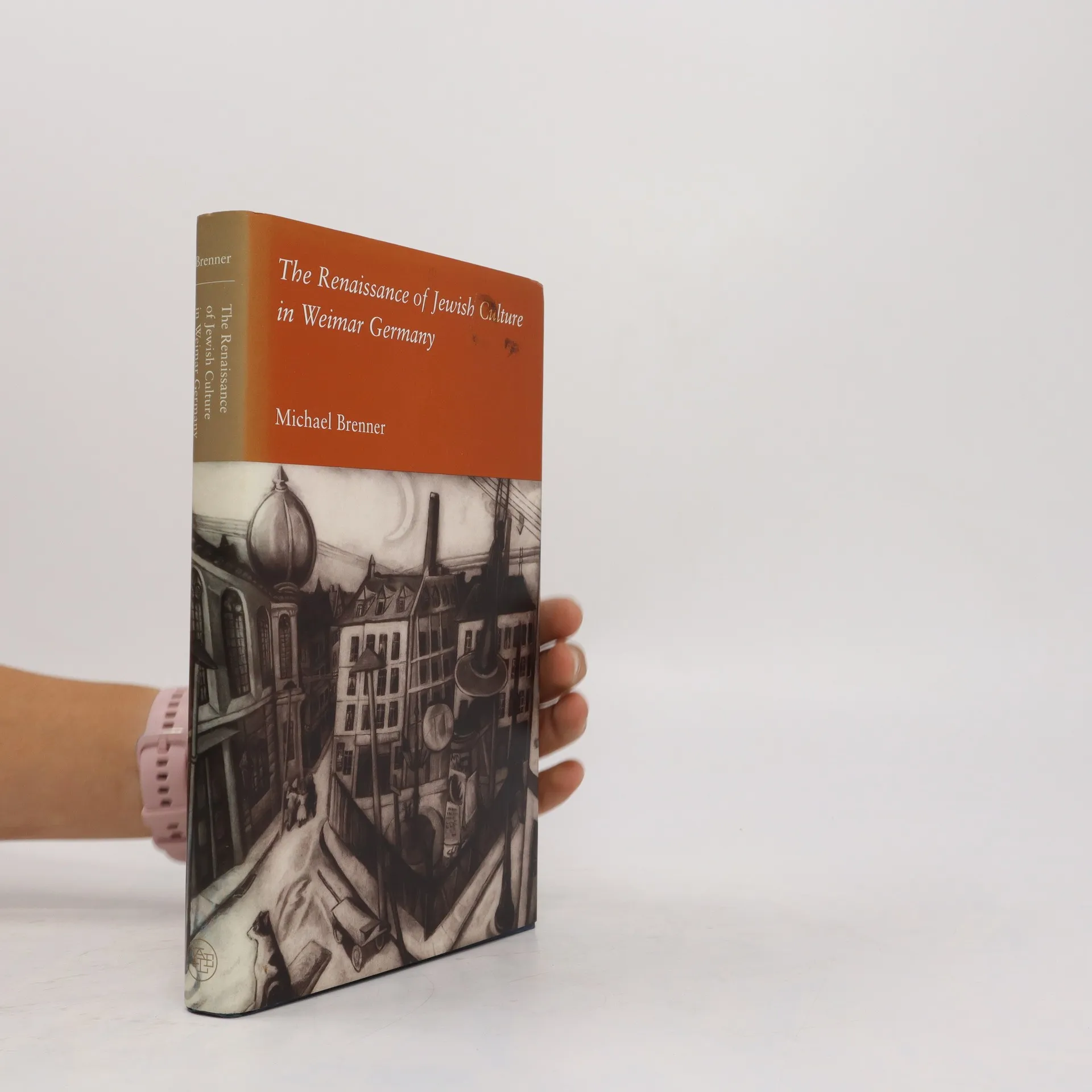
Although Jewish participation in German society increased after World War I, Jews did not completely assimilate into that society. In fact, says Michael Brenner in this intriguing book, the Jewish population of Welmar Germany became more aware of its Jewishness and created new forms of German-Jewish culture in literature, music, fine arts, education , and scholarship. Brenner presents the first in-depth study of this culture, drawing a fascinating portrait of people in the midst of redefining themselves. The Weimar Jews chose neither a radical break with the past nor a return to the past but instead dressed Jewish traditions in the garb of modern forms of cultural expression. Brenner describes, for example, how modern translations made classic Jewish texts accessible, Jewish museums displayed ceremonial artifacts in a secular framework, musical arrangements transformed synagogue liturgy for concert audiences, and popular novels recalled aspects of the Jewish past. Brenner's work, while bringing this significant historical period to life, illuminates contemporary and even enhancement of Jewish distinctiveness, combined with the seemingly successful participation of Jews in a secular, non-Jewish society, offer fresh insight into modern questions of Jewish existence, identity, and integration into other cultures.
Michael Brenner Books


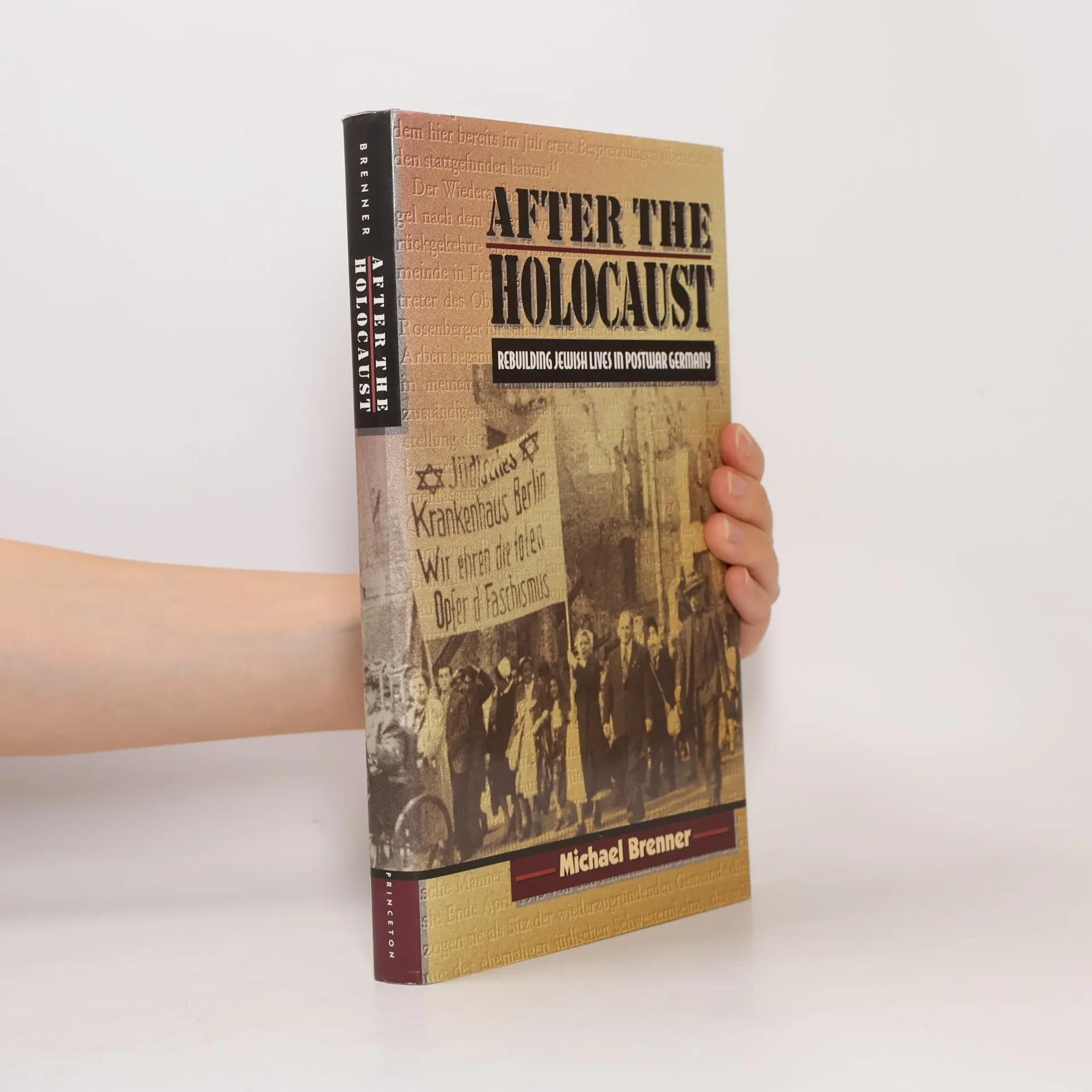
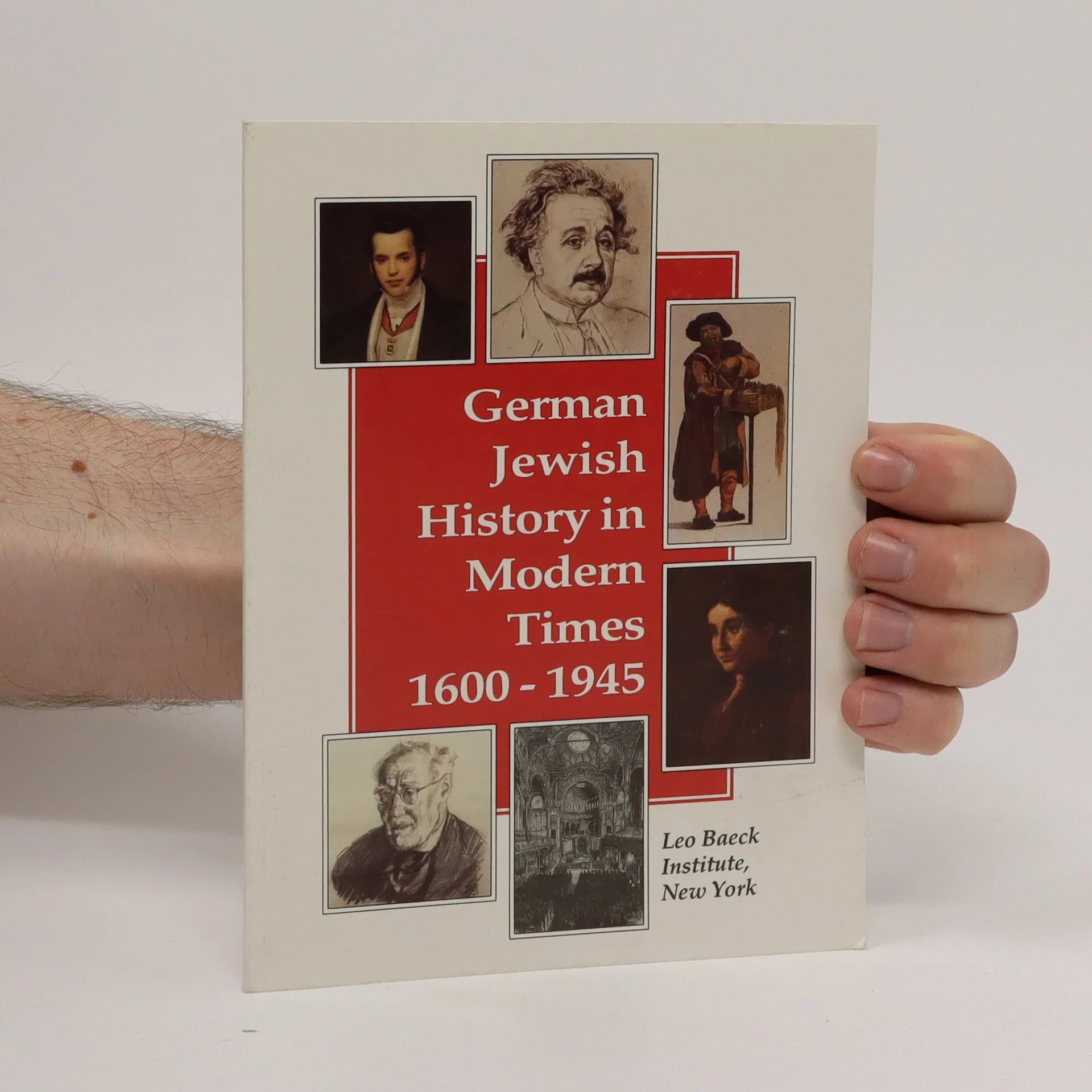
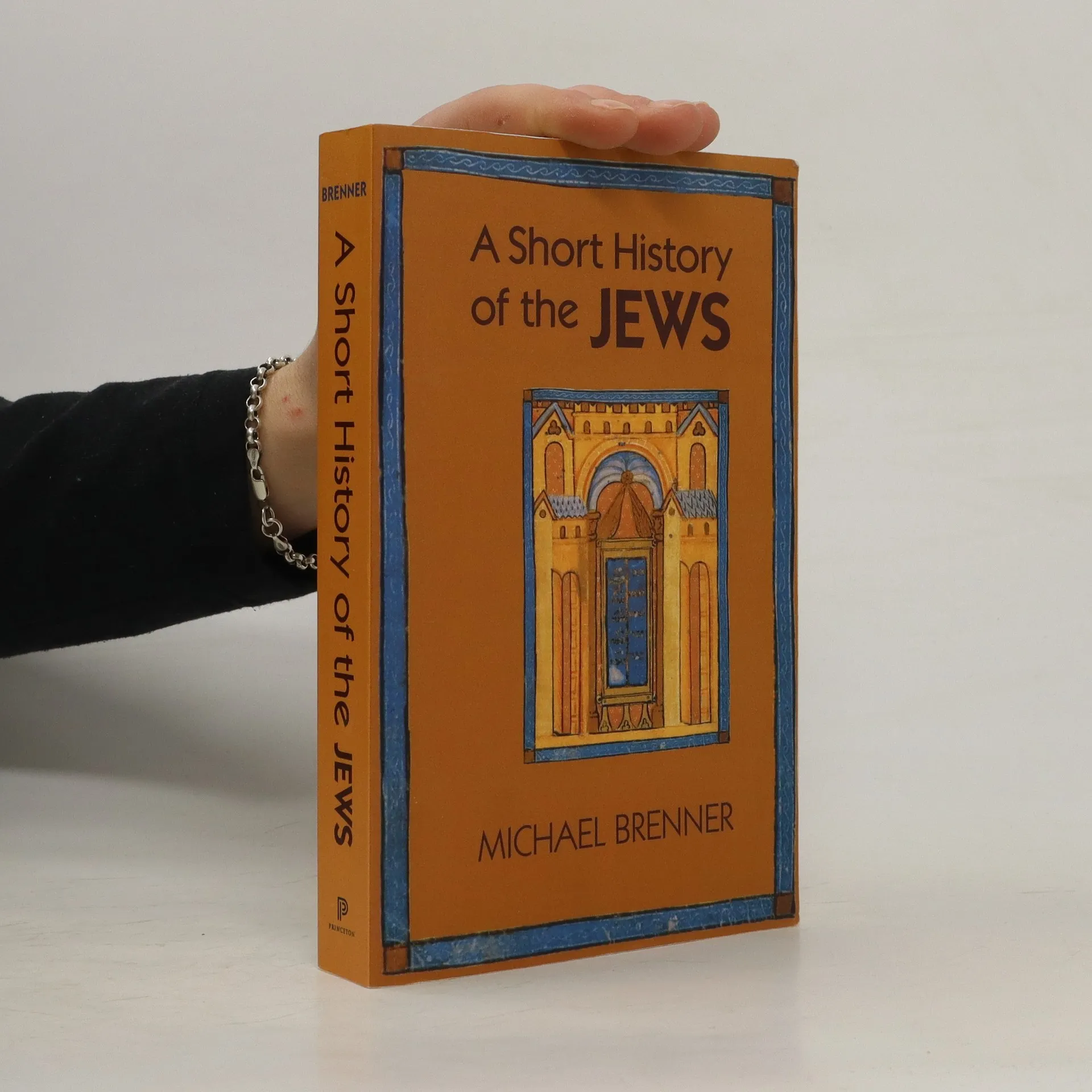
A Short History of the Jews
- 440 pages
- 16 hours of reading
This book presents the sweeping narrative of the Jewish people, chronicling their experiences from Biblical times to the present. Michael Brenner explores the themes of migration and change, while remaining deeply rooted in tradition. He incorporates the latest scholarly insights, making this work both learned and accessible. The journey spans from the wanderings of Moses to the horrors of the Holocaust, the Babylonian exile to the establishment of the modern state of Israel, and the experiences of Sephardic communities in medieval Islam to the shtetls of Eastern Europe and contemporary Hasidic enclaves in Brooklyn. Richly illustrated, the book features personal stories of exodus and return, such as that of Abraham in Canaan and Holocaust survivor Esther Barkai, who awaited resettlement in Israel on a kibbutz built on land taken from a Nazi. Brenner highlights the significant events, developments, and figures that have influenced Jewish history over the centuries, as well as the vital contributions of Jews to various fields, including the arts, politics, religion, and science. This compelling blend of storytelling and scholarship brings the history of the Jewish people vividly to life.
This four-volume collective project by a team of leading scholars offers a vivid portrait of Jewish history in German-speaking countries over nearly four centuries. This series is sponsored by the Leo Baeck Institute, established in 1955 in Jerusalem, London, and New York for the purpose of advancing scholarship on the Jews in German-speaking lands.
With the benefit of never-before-published eyewitness accounts from Holocaust survivors, a professor at the University of Munich follows the fate of the Jews who survived the Holocaust and remained in Germany immediately following World War II. UP.
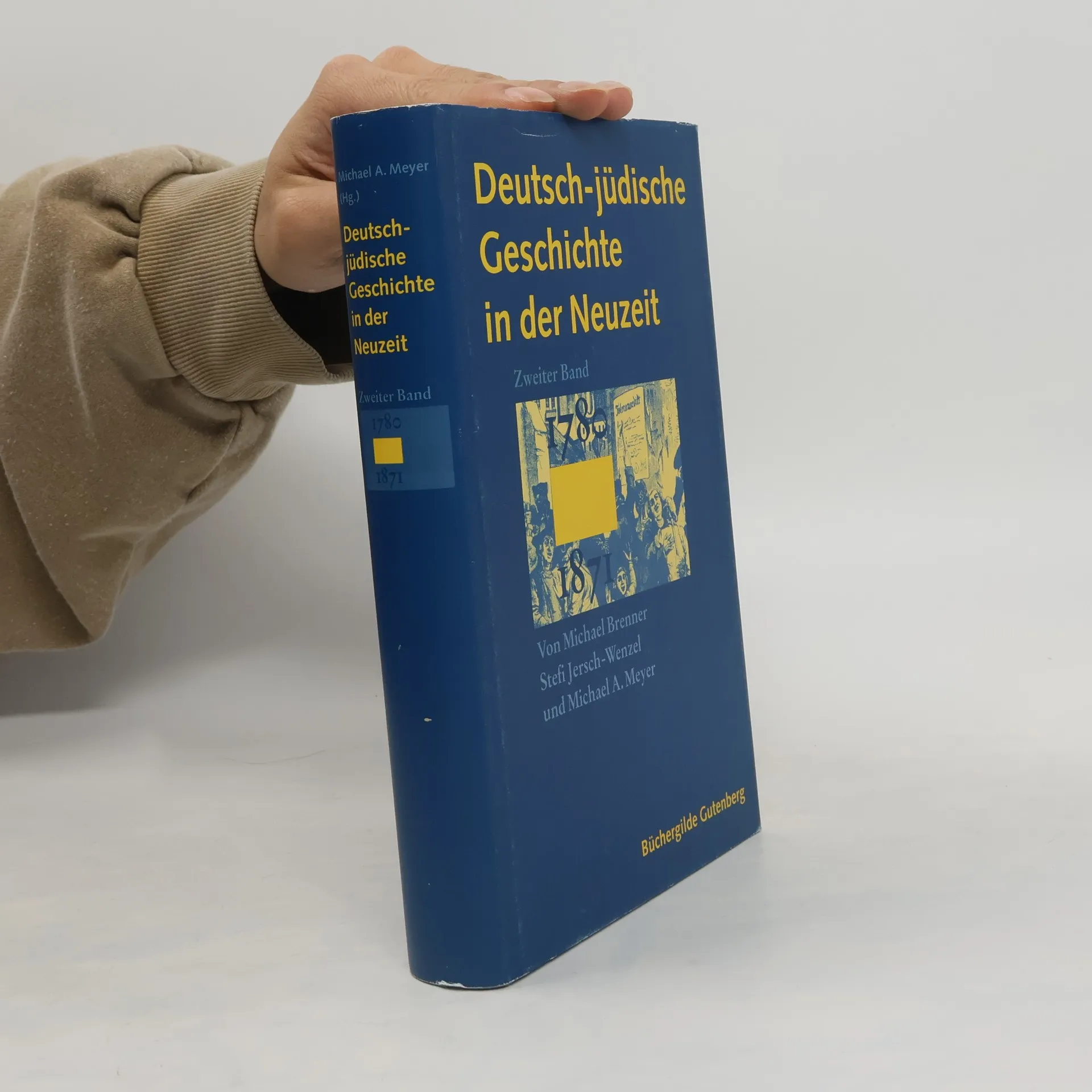
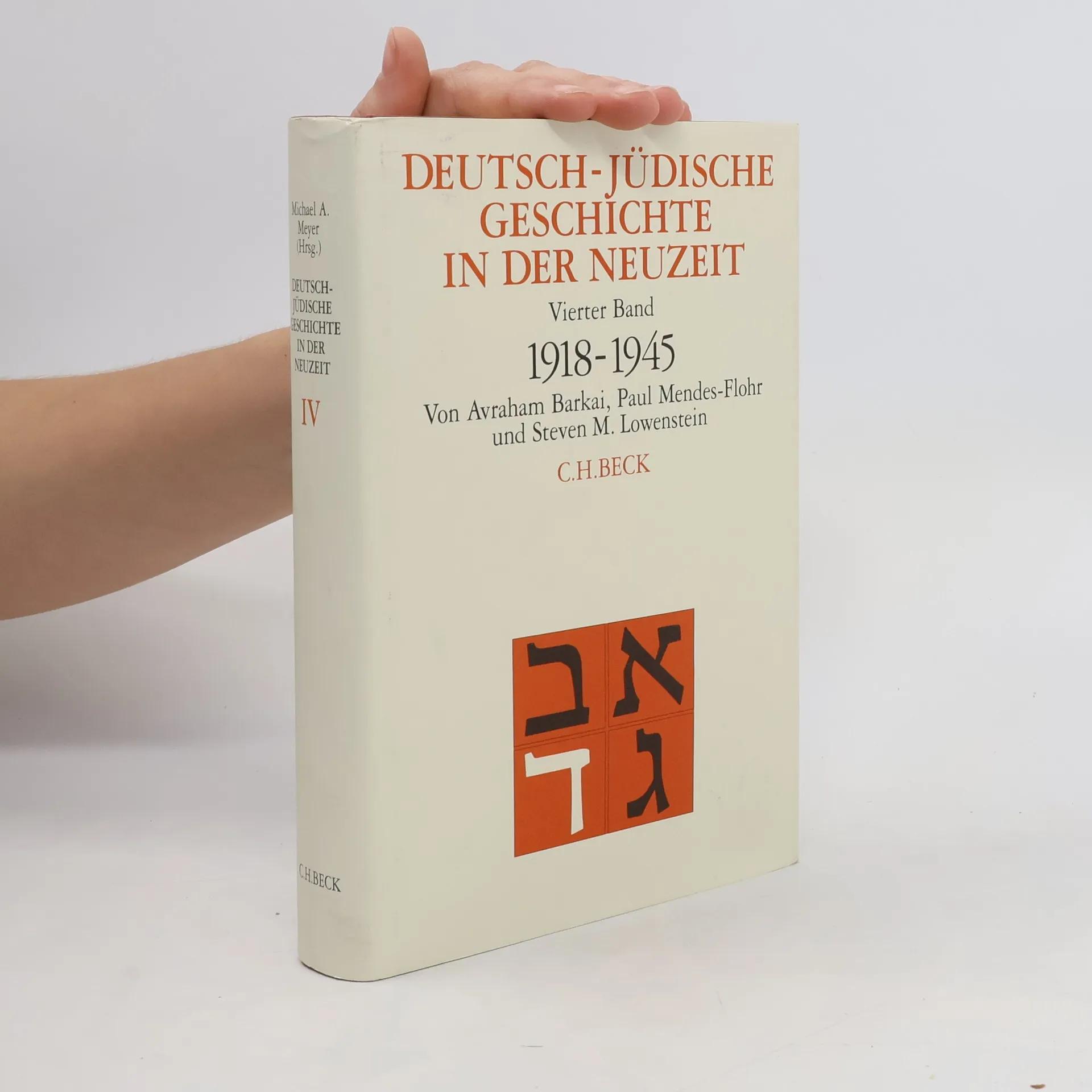
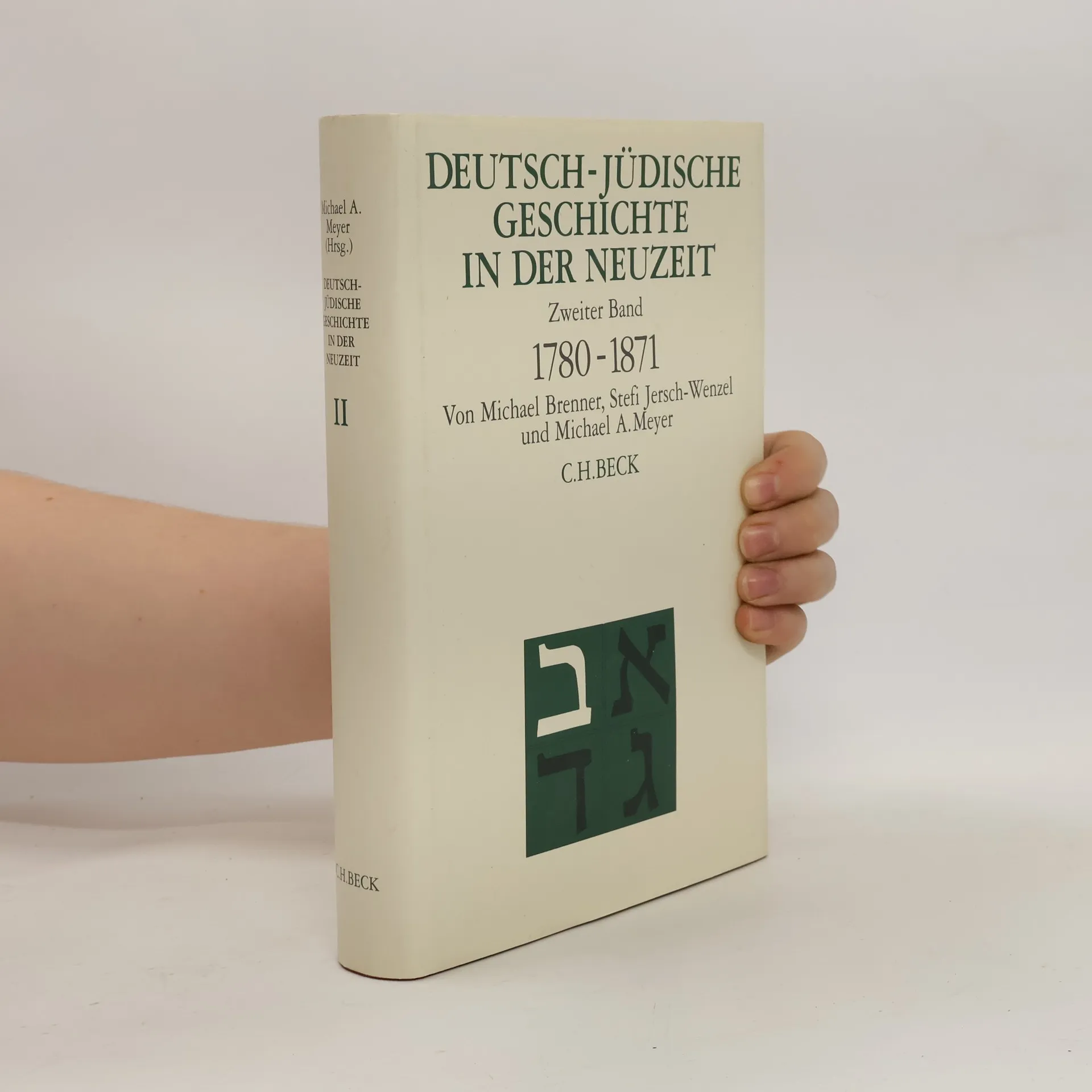
Hrsg. im Auftrag des Leo Baeck Instituts von Michael A. Meyer unter Mitwirkung von Michael Brenner Band I: Tradition und Aufklärung 1600-1780 Von Mordechai Breuer und Michael Graetz Band II: Emanzipation und Akkulturation 1780-1871 Von Michael Brenner, Stefi Jersch-Wenzel und Michael A. Meyer Band III: Umstrittene Integration 1871-1918 Von Steven M. Lowenstein, Paul Mendes-Flohr, Peter Pulzer und Monika Richarz Band IV: Aufbruch und Zerstörung 1918-1945 Von Avraham Barkai, Paul Mendes-Flohr und Steven M. Lowenstein
Deutsch-jüdische Geschichte in der Neuzeit
Tradition und Aufklärung 1600-1780
- 1649 pages
- 58 hours of reading
Hrsg. im Auftrag des Leo Baeck Instituts von Michael A. Meyer unter Mitwirkung von Michael Brenner Band I: Tradition und Aufklärung 1600-1780 Von Mordechai Breuer und Michael Graetz Band II: Emanzipation und Akkulturation 1780-1871 Von Michael Brenner, Stefi Jersch-Wenzel und Michael A. Meyer Band III: Umstrittene Integration 1871-1918 Von Steven M. Lowenstein, Paul Mendes-Flohr, Peter Pulzer und Monika Richarz Band IV: Aufbruch und Zerstörung 1918-1945 Von Avraham Barkai, Paul Mendes-Flohr und Steven M. Lowenstein
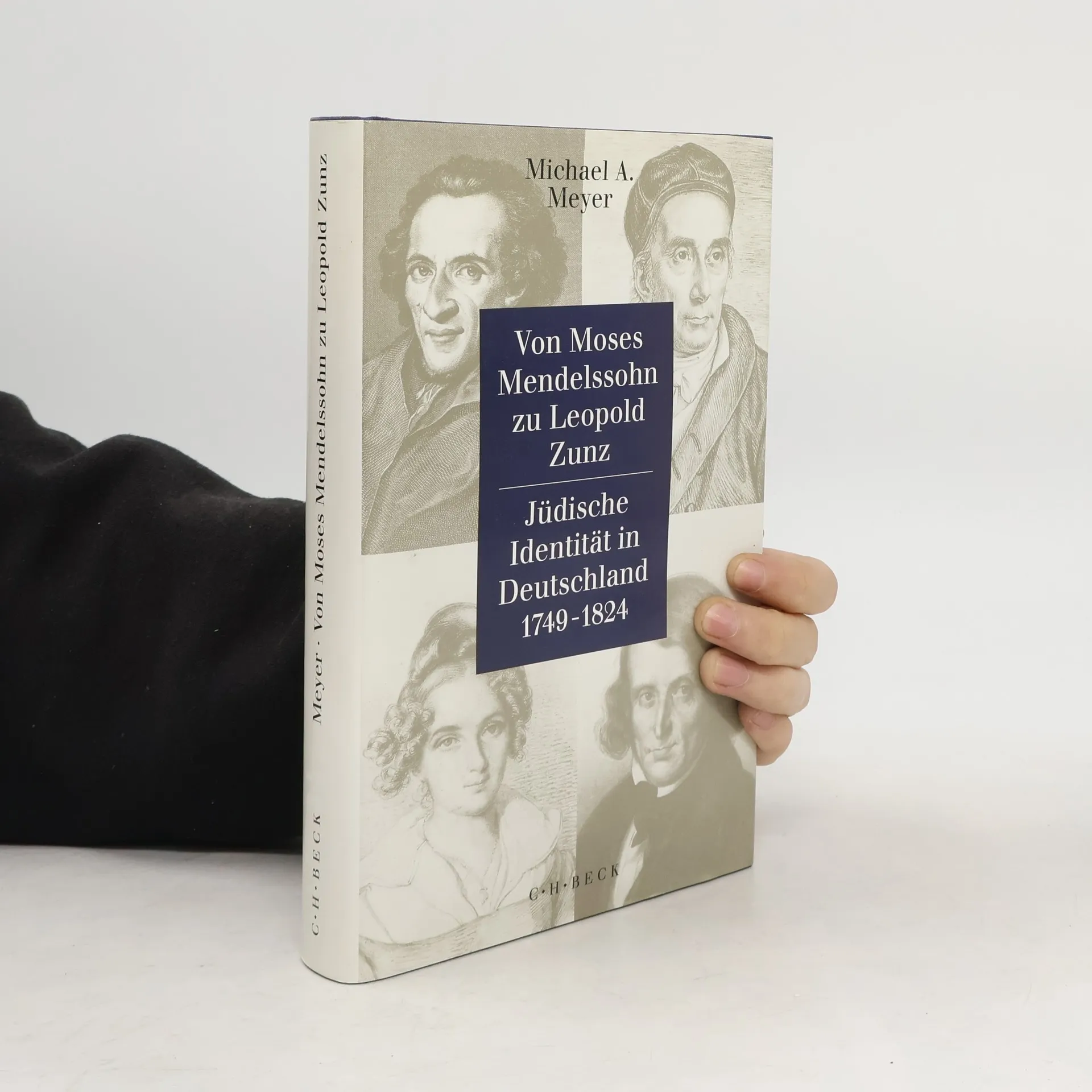
Von Moses Mendelssohn zu Leopold Zunz
- 284 pages
- 10 hours of reading
Until the 18th century Jews lived in Christian Europe, spiritually and often physically removed form the stream of European culture. During the Enlightenment intellectual Europe accepted a philosophy which, by the universality of its ideals, reached out to embrace the Jew within the greater community of man. The Jew began to feel European, and his traditional identity became a problem for the first time. the response of the Jewish intellectual leadership in Germany to this crisis is the subject of this book.Chief among those men who struggled with the problems of Jewish consciousness were Moses Mendelssohn, David Friedlander, Leopold Zunz, Eduard Gans, and Heinrich Heine. By 1824, liberal Judaism had not yet produced a vision of it future as a separate entity within European society, but it had been exposed to and grappled with all the significant problems that still confront the Jew in the West.
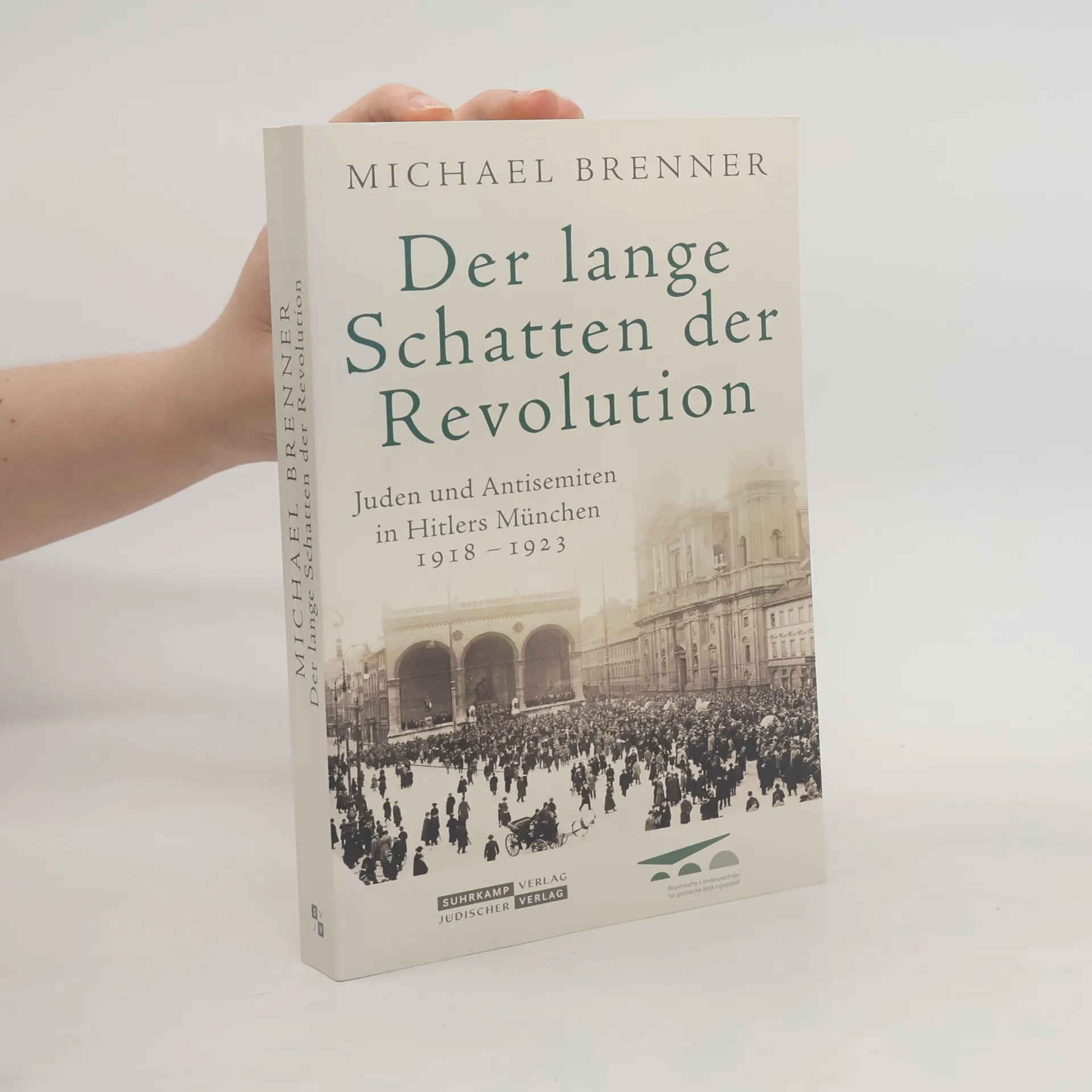
Der lange Schatten der Revolution
Juden und Antisemiten in Hitlers München 1918 bis 1923
- 399 pages
- 14 hours of reading
Nach dem Ersten Weltkrieg wurde München zum Schauplatz ungewöhnlicher politischer Konstellationen: Kurt Eisner wurde im November 1918 der erste jüdische Ministerpräsident eines deutschen Staates, während jüdische Schriftsteller wie Gustav Landauer, Ernst Toller und Erich Mühsam sich im April 1919 für die Räterepubliken engagierten. Die jüdische Gemeinde war eher konservativ ausgerichtet, und selbst die orthodoxen Mitglieder besuchten nach dem Synagogenbesuch gerne das Hofbräuhaus. Doch Anfang der zwanziger Jahre gab es bereits einen Nazi als Polizeipräsidenten, antijüdische Tendenzen in Politik, Presse und Kirche sowie Judenausweisungen und offene Gewalt gegen jüdische Bürger auf der Straße. Die »Stadt Hitlers« wie Thomas Mann die spätere »Hauptstadt der Bewegung« bereits im Juli 1923 nannte, wurde zum Ausgangspunkt für den beispiellosen Aufstieg der hier gegründeten nationalsozialistischen Partei.
Geschichte der Juden in Deutschland von 1945 bis zur Gegenwart
Politik, Kultur und Gesellschaft
- 542 pages
- 19 hours of reading
Erstmals schildert dieser Band auf der Grundlage breiter Archivrecherchen, wie jüdisches Leben sich nach dem Holocaust über sechs Jahrzehnte in Deutschland entfaltete, welche Rolle es für die deutsche Gesellschaft in West und Ost spielte und wie im wiedervereinigten Deutschland durch die Zuwanderung aus der ehemaligen Sowjetunion die am schnellsten wachsende jüdische Gemeinde der Welt entstand. Nach dem Holocaust galt Deutschland den meisten Juden als „blutgetränkte Erde“, auf der jüdisches Leben unmöglich erschien. Dennoch bildete in den ersten Nachkriegsjahren das besetzte Deutschland eine Durchgangsstation für jüdische Überlebende aus Osteuropa. Ein kleiner Teil von ihnen blieb und baute gemeinsam mit überlebenden und aus dem Exil zurückgekehrten deutschen Juden wieder jüdische Gemeinden auf. International renommierte Zeithistoriker beschreiben die Entwicklung der Gemeinden, die Politik des Zentralrats und seiner Vorsitzenden, die „Wiedergutmachung“ sowie den Umgang mit altem und neuem Antisemitismus. Das Buch dürfte für längere Zeit zum Standardwerk über das jüdische Leben in Deutschland seit 1945 werden. Die Autorinnen und Autoren: Dan Diner (Jerusalem, Leipzig), Norbert Frei (Jena), Lena Gorelik (München), Constantin Goschler (Bochum), Atina Grossmann (New York), Anthony Kauders (Keele, München), Tamar Lewinsky (Basel), Yfaat Weiss (Jerusalem).
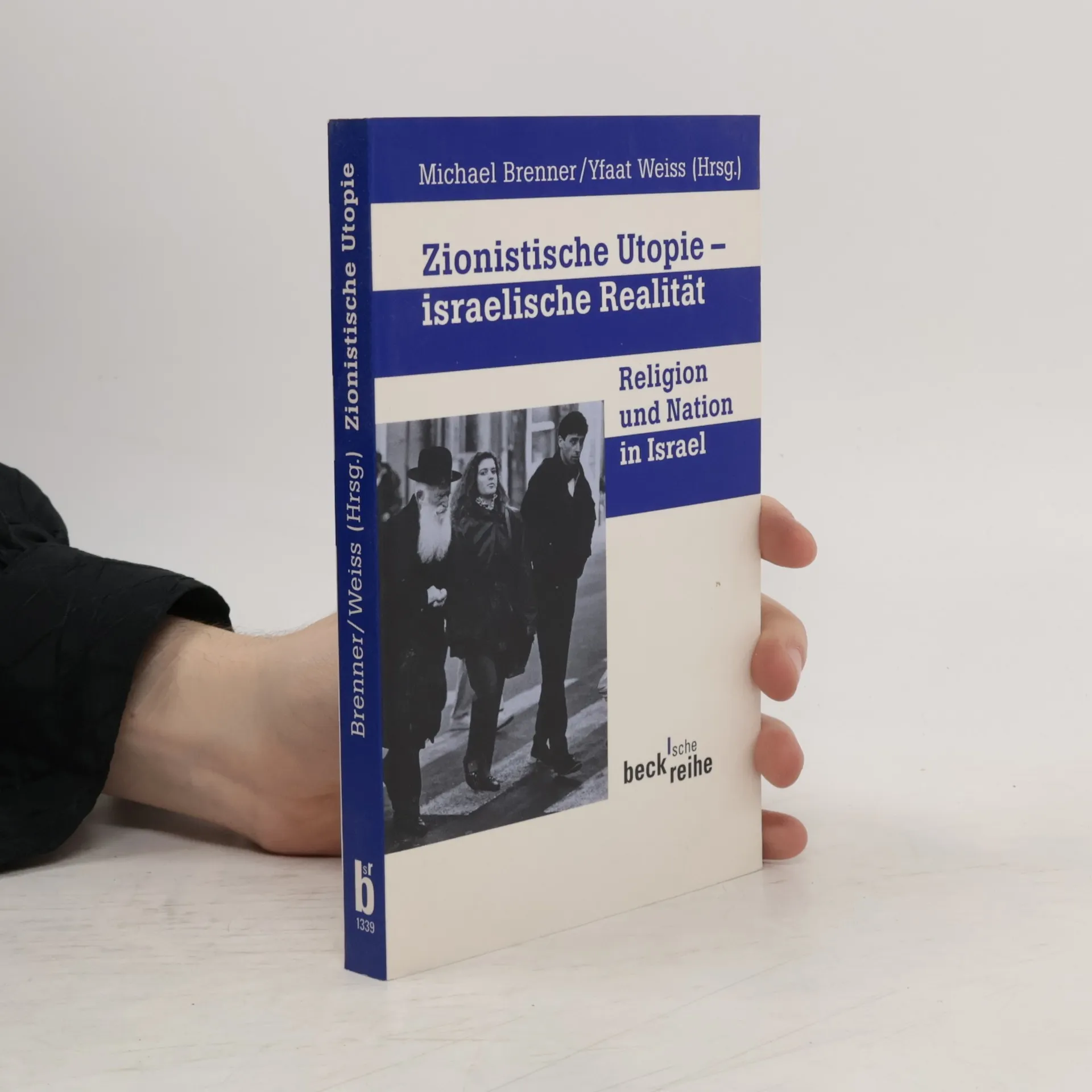
Zionistische Utopie - israelische Realität
- 203 pages
- 8 hours of reading
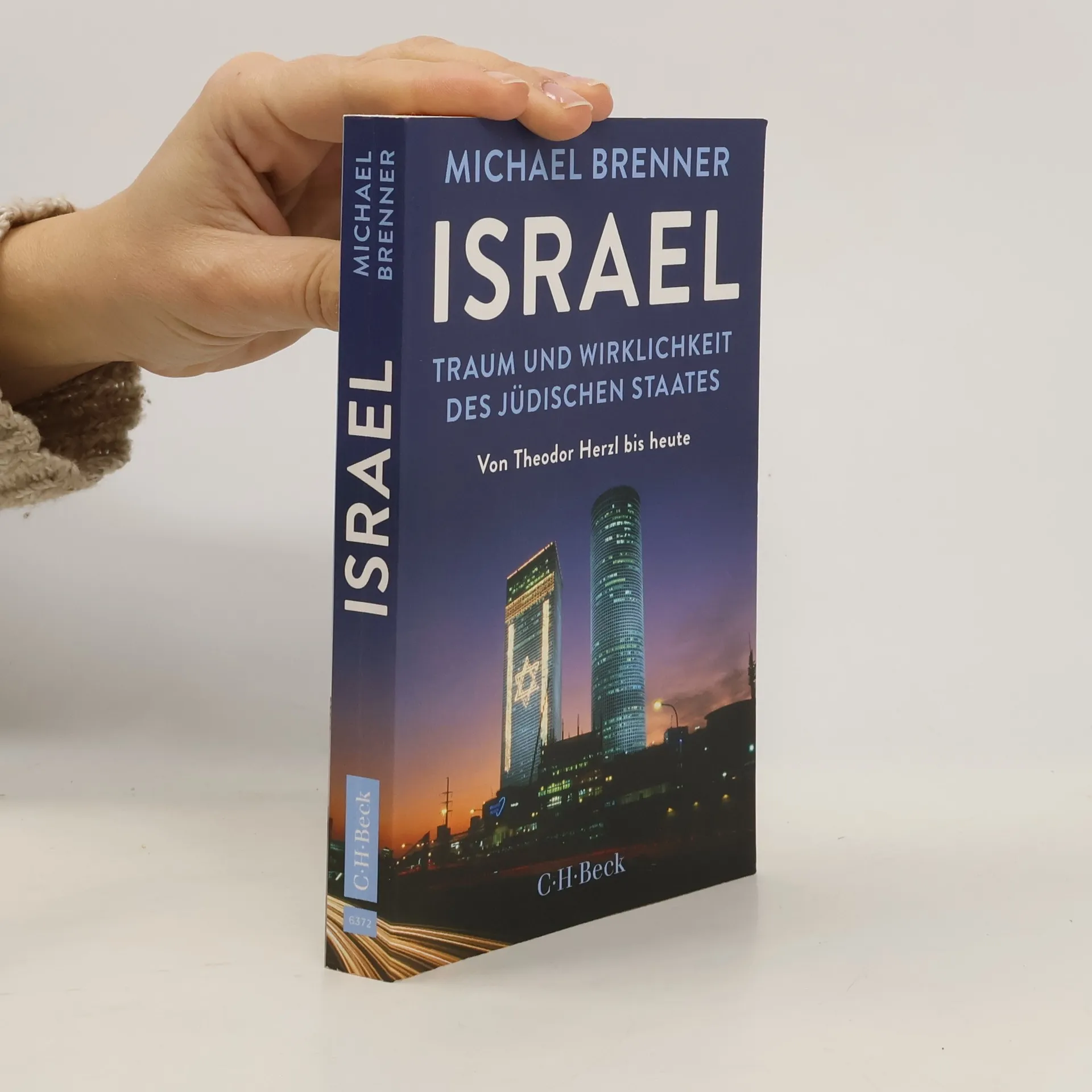
Israel
- 288 pages
- 11 hours of reading
Juden waren über Jahrhunderte verfolgte Außenseiter. Die Gründung des Staates Israel sollte endlich eine ganz normale Heimat für sie schaffen. Doch heute sieht sich Israel selbst in der Rolle des misstrauisch beobachteten Außenseiters. Michael Brenner erklärt, wie es dazu kommen konnte, indem er erstmals die Träume und Utopien hinter der Geschichte Israels offenlegt. Israel geht uns alle an. Seine Geburt ist zutiefst dem Schicksal der Juden in Deutschland und Europa verbunden. Die Religion der meisten Menschen findet ihre Ursprünge im Gebiet des heutigen Israel, und das winzige Stück Land im Nahen Osten spielt für Menschen weltweit eine besondere Rolle. Der Traum der frühen Zionisten von einem {607}normalen Staat" war daher, wie Michael Brenner zeigt, von Anfang an zum Scheitern verurteilt. Er beschreibt, wie sich die Zionisten einen jüdischen Staat vorstellten, wie sich der Staat Israel seit seiner Gründung 1948 entwickelt hat und welche gegensätzlichen Visionen von Israel das Land zunehmend spalten. Wie religiös ist der jüdische Staat, und welche Grenzen soll er haben? Wer gilt in Israel als Jude und wer als israelischer Staatsbürger? Um die Geschichte und Gegenwart Israels zu verstehen, so die Quintessenz, muss man seine Träume kennen. Michael Brenners Buch öffnet eindrucksvoll und oft überraschend den Blick für diese Tiefendimension
Breve storia del sionismo
- 161 pages
- 6 hours of reading
Dal 1897, anno del primo Congresso sionista promosso da Theodor Herzl, a oggi, la storia del movimento che ha ispirato la migrazione degli ebrei in Palestina e ha dato origine allo Stato di Israele, al centro di uno dei più complessi conflitti del mondo contemporaneo.
Deutsch-jüdische Geschichte in der Neuzeit. Zweiter Band
- 402 pages
- 15 hours of reading
Deutsch-jüdische Geschichte in der Neuzeit Bd. 4: Aufbruch und Zerstörung 1918-1945
- 420 pages
- 15 hours of reading
Die erste deutsche Republik eröffnete ihren jüdischen Bürgern vormals verwehrte Gesellschaftsspären, brachte aber auch die Gefahren des immer tiefer verwurzelten Antisemitismus zum Vorschein. Juden stiegen erstmals in höchste Staatspositionen auf, wurden dort jedoch von bestimmten Gesellschaftsschichten vehement angegriffen. Die Weimarer Zeit bot den deutschen Juden somit neue Chancen, setzte sie aber auch neuen Bedrohungen aus. Die Deutsch-jüdische Geschichte in der Neuzeit hat sich gleich bei ihrem Erscheinen den Ruf eines Standardwerks erworben. Die vier Bände werden jetzt in einer Sonderausgabe vorgelegt, die sie einem noch größeren Publikum zugänglich machen sollen. Das Werk setzt ein mit dem Beginn des 17. Jahrhunderts, stellt den Weg zur Emanzipation und Akkulturation dar, der doch nie zur vollständigen Integration in die deutsche Gesellschaft führt, und schließt mit der Ausgrenzung der Juden und ihrer systematischen Ermordung unter dem NS-Regime. Aber: "Trotz der erdrückenden Realität des Holocaust, die die hier erzählte Geschichte auf tragische Weise beendet hat", ist es nicht im Hinblick auf ihn angelegt. Die deutsch-jüdische Geschichte erscheint hier als " Bestandteil der Geschichte des jüdischen Volkes wie der der Deutschen" (M. A. Meyer), einer Geschichte freilich, in der am Ende alle Hoffnungen der Juden zunichte werden, ihr außerordentlicher Beitrag zur deutschen Kultur geleugnet wird.
Die Neuauflage bietet eine prägnante Darstellung der wesentlichen Aspekte des öffentlichen Baurechts, die für die Ausbildung und Prüfungen relevant sind. Sie konzentriert sich auf die grundlegenden Vorschriften der Bauordnung und Bauplanung, ohne in wissenschaftliche Tiefen abzutauchen. Wichtige höchstrichterliche Entscheidungen werden hervorgehoben, während der Umfang der Fußnoten auf das Wesentliche beschränkt bleibt. Besonders für Studierende, die sich auf die Erste Juristische Prüfung vorbereiten, ermöglicht das Buch eine fokussierte und effiziente Auseinandersetzung mit dem Thema, unter Berücksichtigung der verschiedenen Landesbauordnungen.
Die Deutsch-jüdische Geschichte in der Neuzeit hat sich gleich bei ihrem Erscheinen den Ruf eines Standardwerks erworben. Die vier Bände werden jetzt in einer Sonderausgabe vorgelegt, die sie einem noch größeren Publikum zugänglich machen sollen. Das Werk setzt ein mit dem Beginn des 17. Jahrhunderts, stellt den Weg zur Emanzipation und Akkulturation dar, der doch nie zur vollständigen Integration in die deutsche Gesellschaft führt, und schließt mit der Ausgrenzung der Juden und ihrer systematischen Ermordung unter dem NS-Regime. Aber: "Trotz der erdrückenden Realität des Holocaust, die die hier erzählte Geschichte auf tragische Weise beendet hat", ist es nicht im Hinblick auf ihn angelegt. Die deutsch-jüdische Geschichte erscheint hier als "Bestandteil der Geschichte des jüdischen Volkes wie der der Deutschen" (M. A. Meyer), einer Geschichte freilich, in der am Ende alle Hoffnungen der Juden zunichte werden, ihr außerordentlicher Beitrag zur deutschen Kultur geleugnet wird.
Der geheime Staat
- 120 pages
- 5 hours of reading
Der moderne Staat agiert sowohl öffentlich als auch geheim, um Sicherheit zu gewährleisten. Geheime Maßnahmen zur Risikominimierung können jedoch die grundrechtlichen Freiheiten einschränken. Trotz jüngster Pannen der Geheimdienste ist eine grundlegende Reform der Sicherheitsarchitektur in Deutschland unwahrscheinlich, lediglich verfahrensrechtliche Anpassungen sind denkbar.
Die aktuelle 25. Auflage der Textsammlung enthält eine systematische Auswahl der wesentlichen Rechtsvorschriften des Freistaats Thüringen. Sie richtet sich sowohl an die Studierenden und Rechtsreferendar:innen wie auch an die Richter:innen, Verwaltungsbeamt:innen, Rechtsanwält:innen und Verbandsjurist:innen. Enthalten sind Normen aus den Bereichen Staat und Verfassung, Verwaltung, Kommunalrecht, Öffentliche Sicherheit und Ordnung, Umwelt- und Naturschutz, Planungs- und Bauwesen, Rechtspflege und Juristenausbildung, Bildung, Kultur und Medien sowie Wirtschaft und Verkehrswesen. Ein ausführliches Stichwortverzeichnis und die Satznummerierung erleichtern das Auffinden der gesuchten Normen.
Verfassung des Freistaats Thüringen
- 1600 pages
- 56 hours of reading
Jagdrecht in Baden-Württemberg
- 250 pages
- 9 hours of reading
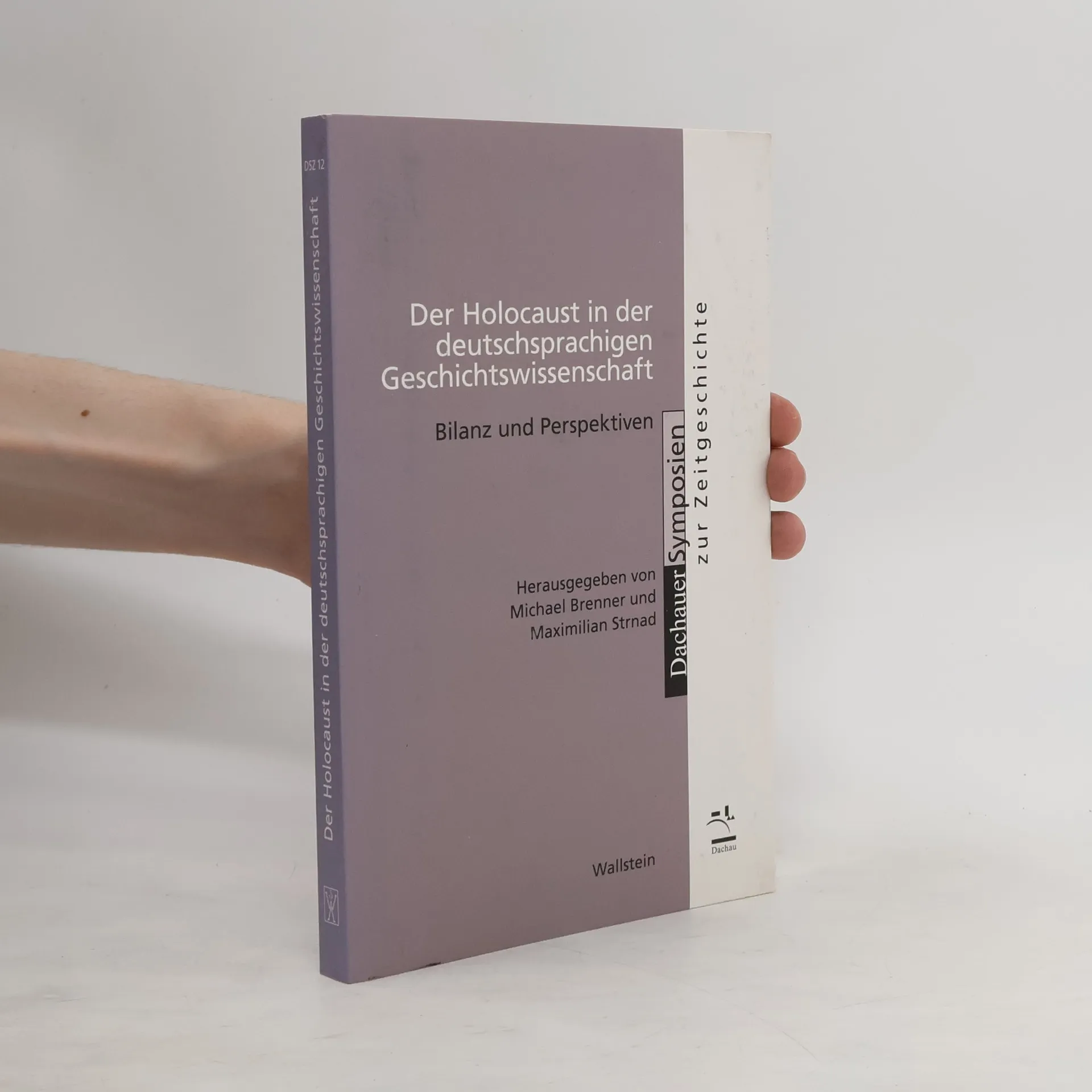
Der Holocaust in der deutschsprachigen Geschichtswissenschaft
- 202 pages
- 8 hours of reading
Die Ära der Zeitzeugen endet: eine aktuelle Standortbestimmung der Holocaust-Forschung in Deutschland unter sich wandelnden Vorzeichen Das Ableben der letzten Zeitzeugen, das langsam nachlassende Medieninteresse sowie die neue Schwerpunktsetzung von zeitgeschichtlich ausgerichteten Instituten erfordern eine neue Standortbestimmung der Holocaust-Forschung. Die Autorinnen und Autoren diskutieren, inwieweit der Holocaust in der akademischen Lehre an deutschen und österreichischen Universitäten verankert ist und welche Forschungstendenzen sich in den letzten beiden Jahrzehnten abzeichneten. Aus dem Inhalt: Peter Longerich: Forschungssituation in Deutschland Dieter Pohl: Holocaust, Genozid und Gewalt in Forschung und Lehre Jürgen Matthäus: Holocaust-Forschung in Deutschland: eine Geschichte ohne Zukunft? Wendy Lower: Holocaust-Studien in Deutschland im internationalen Kontext Stefanie Schüler-Springorum: Zum Umgang mit jüdischen Selbstzeugnissen und Täterdokumenten Thomas Sandkühler: Ghettos und Lager in mikrogeschichtlicher Perspektive Robert Sigel: Holocaust Education oder historisch-politischer Unterricht zum Nationalsozialismus Andreas Wirsching: Schwerpunktsetzungen in der akademischen Lehre Maximilian Strnad: »Grabe, wo Du stehst«: Zur Bedeutung des Thema »Holocaust« für die Geschichtswerkstattbewegung
Landesrecht Thüringen
- 850 pages
- 30 hours of reading
Die topaktuelle 24. Auflage enthält eine systematische Auswahl der wesentlichen Rechtsvorschriften des Freistaats Thüringen. und ist für Studium, Referendariat und Praxis bestens geeignet. Ein ausführliches Stichwortverzeichnis, Gliederungen und die durchgängige Satznummerierung erleichtern das Auffinden der gesuchten Normen.
Emanzipation durch Muskelkraft
- 271 pages
- 10 hours of reading
Michael Brenner und Gideon Reuveni legen eine Aufsatzsammlung vor, die die Beziehung zwischen Judentum und Sport unter Berücksichtigung der besonderen europäisch-jüdischen Erfahrung zu verorten sucht. Ausgangspunkt ist die Annahme, dass die Art und Weise wie eine Gesellschaft sich zu Sport und Körper positioniert, etwas über ihre Selbstdefinition aussagt. Die Autoren widmen sich den »jüdischen Muskeln und Kräften«, von Resh Lakish über rabbinische Responsa aus dem 16. und 17. Jahrhundert bis hin zur Sportbegeisterung zwischen den beiden Weltkriegen und dem Ruf der Zionisten, einen neuen Juden zu schaffen. So schreiben sie, ganz nebenbei, eine äußerst spannende Sport- und Gesellschaftsgeschichte und beleuchten das Verhältnis von Sport und Ethik.
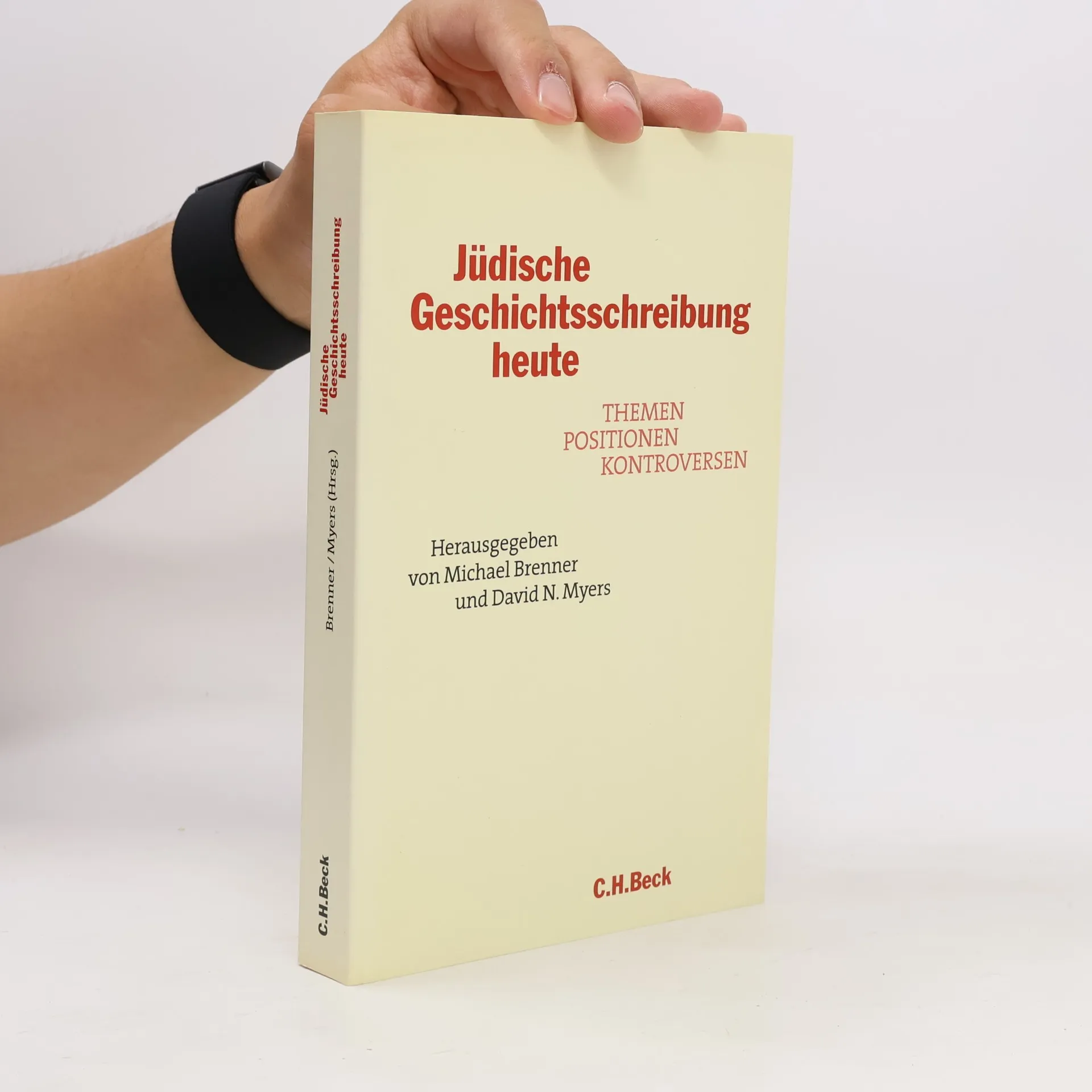
Jüdische Geschichtsschreibung heute
- 308 pages
- 11 hours of reading
Dieser Band versammelt einen Großteil der weltweit renommiertesten Fachleute, die sich mit den Errungenschaften und Perspektiven jüdischer Geschichtsschreibung zu Beginn des 21. Jahrhunderts auseinandersetzen. Ausgehend von sechs Themen - Objektivität und Ideologie, Erinnerungsdiskurs, Religion und Modernisierung, Frauengeschichte, Zionismus und Holocaust -, bringen Historiker unterschiedlicher Fachrichtungen und Generationen dem deutschsprachigen Publikum den internationalen Forschungsstand nahe und regen neue Fragestellungen an. Damit zeigen sie die Vielfalt jüdischer Geschichte und Geschichtsschreibung auf und stellen erstmals umfassend die Perspektiven dieses expandierenden Forschungsgebiets vor.
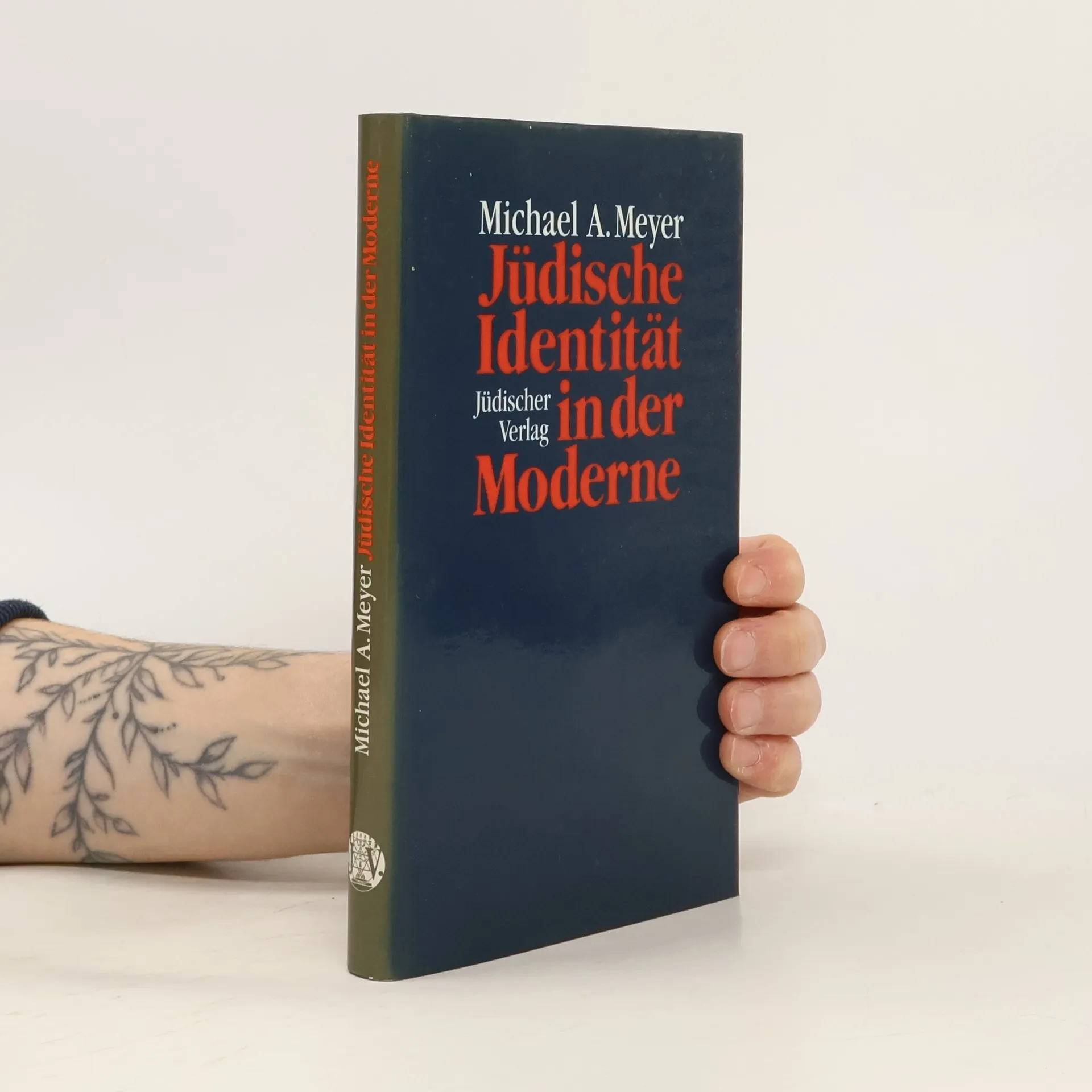
Jüdische Identität in der Moderne
- 135 pages
- 5 hours of reading
Der Inhalt: Behandelt werden alle ausbildungs- und prüfungsrelevanten Bereiche des öffentlichen Baurechts. Es werden die wichtigsten bauordnungs- und bauplanungsrechtlichen Vorschriften in ihren Grundzügen dargestellt. Da das Bauordnungsrecht Landesrecht ist, werden die einschlägigen Bestimmungen sämtlicher Landesbauordnungen im Fußnotenapparat aufgeführt. Auf grundlegende höchstrichterliche Rechtsprechung wird vielfach hingewiesen. Zahlreiche Beispiele dienen der besseren Veranschaulichung. Das Buch wendet sich in erster Linie an Studierende der Rechtswissenschaft und dient der mühelosen Einarbeitung in die Materie ebenso wie der zügigen Wiederholung kurz vor dem Examen.