The Free World
- 880 pages
- 31 hours of reading
Longlisted for the 2021 National Book Award for Nonfiction The Cold War was not just a contest of power. It was also about ideas, in the broadest sense - economic and political, artistic and personal.


Louis Menand is a distinguished professor of English whose work delves into the history of American ideas. As a longtime staff writer for The New Yorker, he brings a keen eye for detail and narrative flair to his explorations. His writing illuminates the intellectual currents that have shaped American culture and thought, offering profound insights into the nation's development.



Longlisted for the 2021 National Book Award for Nonfiction The Cold War was not just a contest of power. It was also about ideas, in the broadest sense - economic and political, artistic and personal.
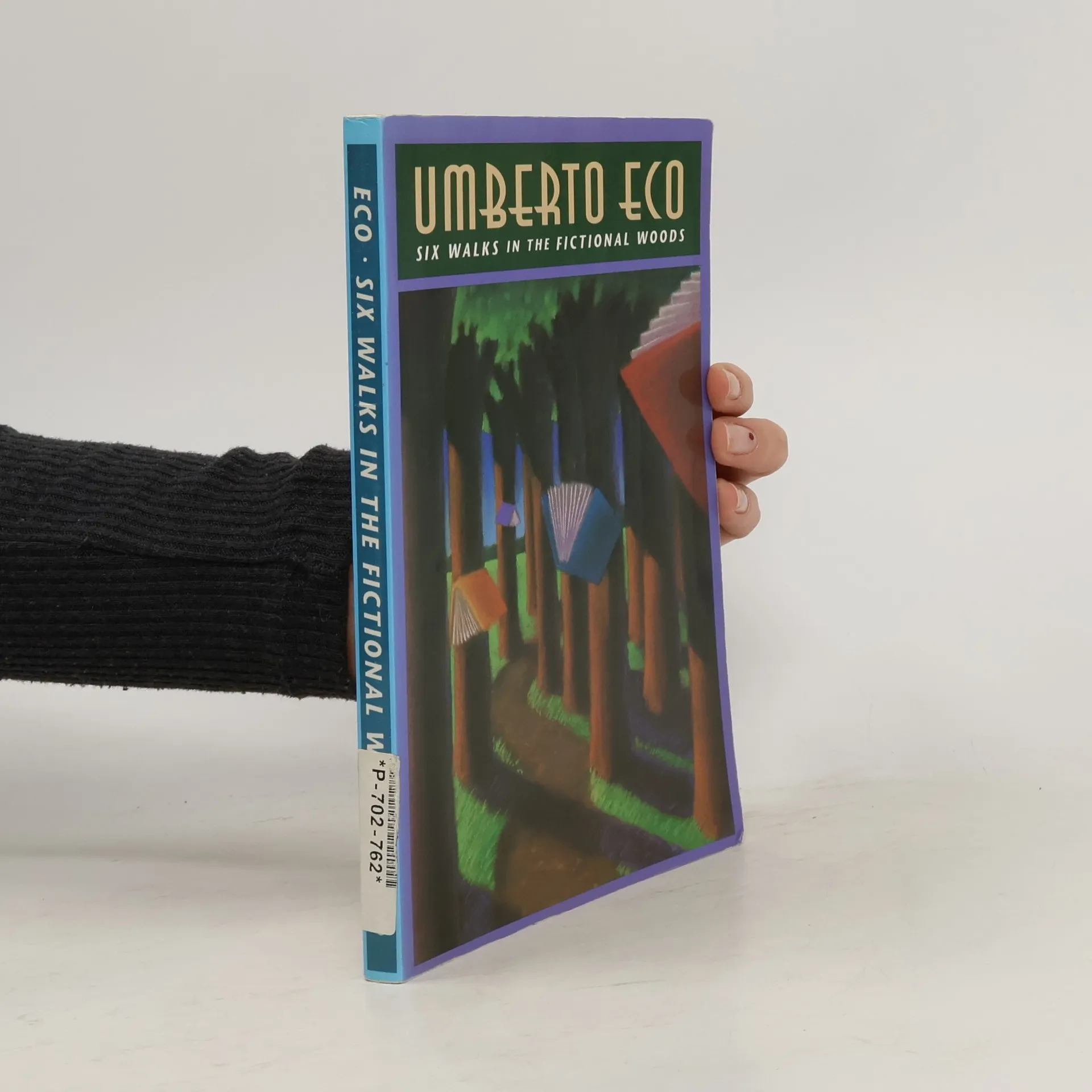
In Six Walks in the Fictional Woods Umberto Eco shares with us his Secret Life as a reader―his love for MAD magazine, for Scarlett O'Hara, for the nineteenth-century French novelist Nerval's Sylvie , for Little Red Riding Hood, Agatha Christie, Agent 007 and all his ladies. We see, hear, and feel Umberto Eco, the passionate reader who has gotten lost over and over again in the woods, loved it, and come back to tell the tale, The Tale of Tales. Eco tells us how fiction works, and he also tells us why we love fiction so much. This is no deconstructionist ripping the veil off the Wizard of Oz to reveal his paltry tricks, but the Wizard of Art himself inviting us to join him up at his level, the Sorcerer inviting us to become his apprentice.
The Metaphysical Club was a group that met in Massachusetts, in 1872. The group believed that ideas are not things out there waiting to be discovered but are tools people invent to make their way in the world. This book is the story of that idea
Exploring pivotal moments in American cultural history, the author presents unique insights into figures like William James, T. S. Eliot, and Richard Wright. He connects seemingly disparate elements, such as the success of The New Yorker and CBS, and the interplay between Larry Flynt's Hustler and Jerry Falwell's evangelism. The narrative also highlights the significance of the atom bomb in relation to educational assessments, while reflecting on contemporary politics through Al Gore's tenure in the White House.