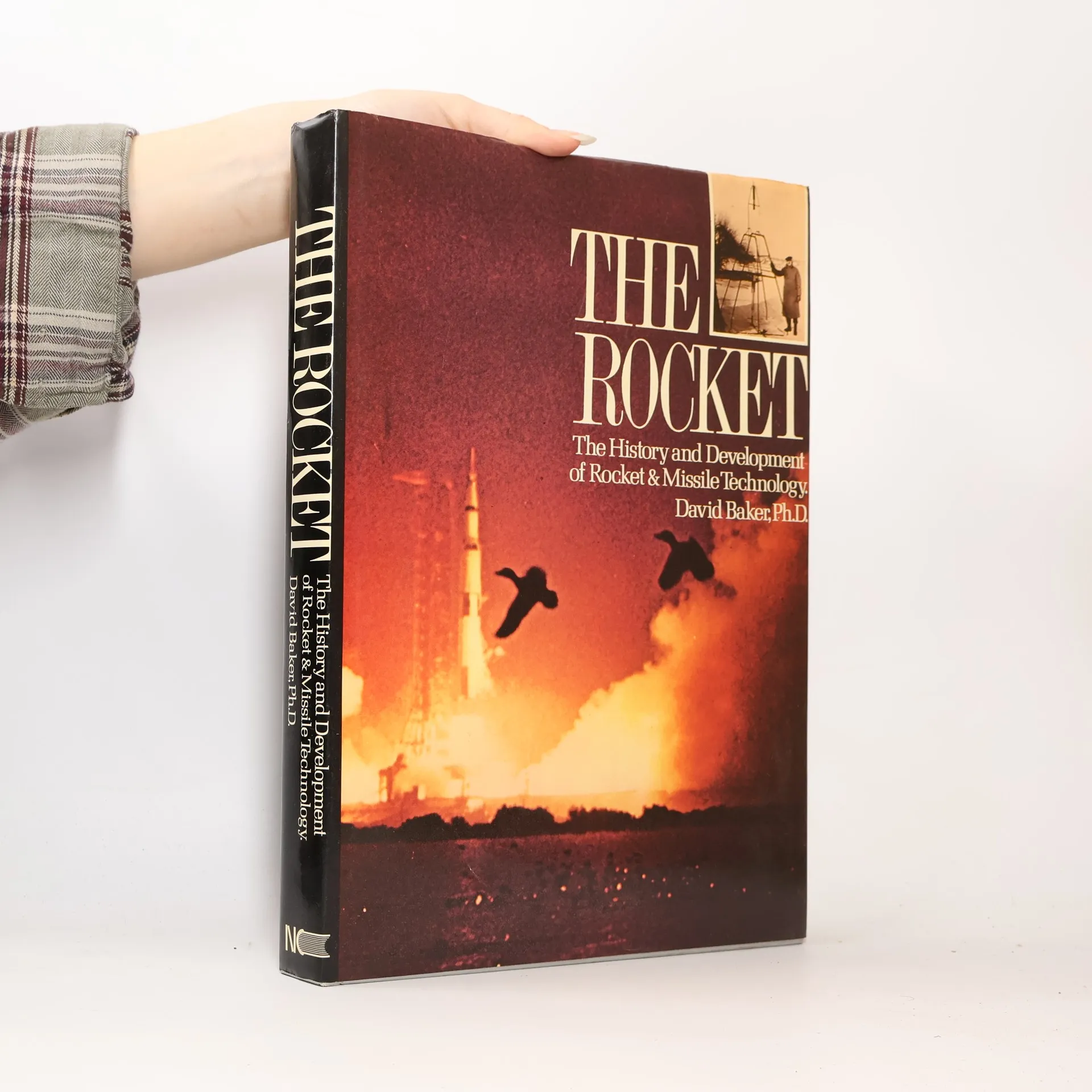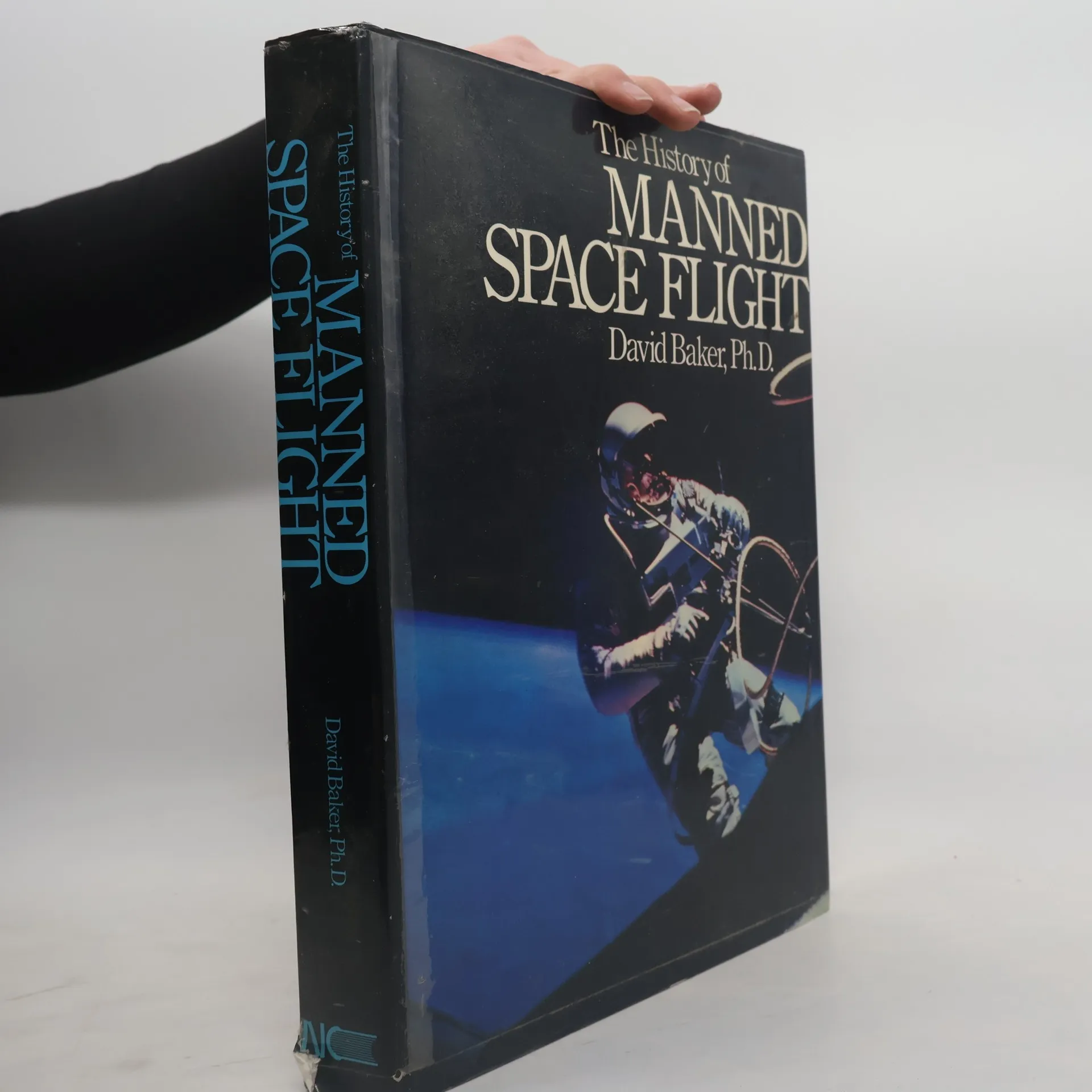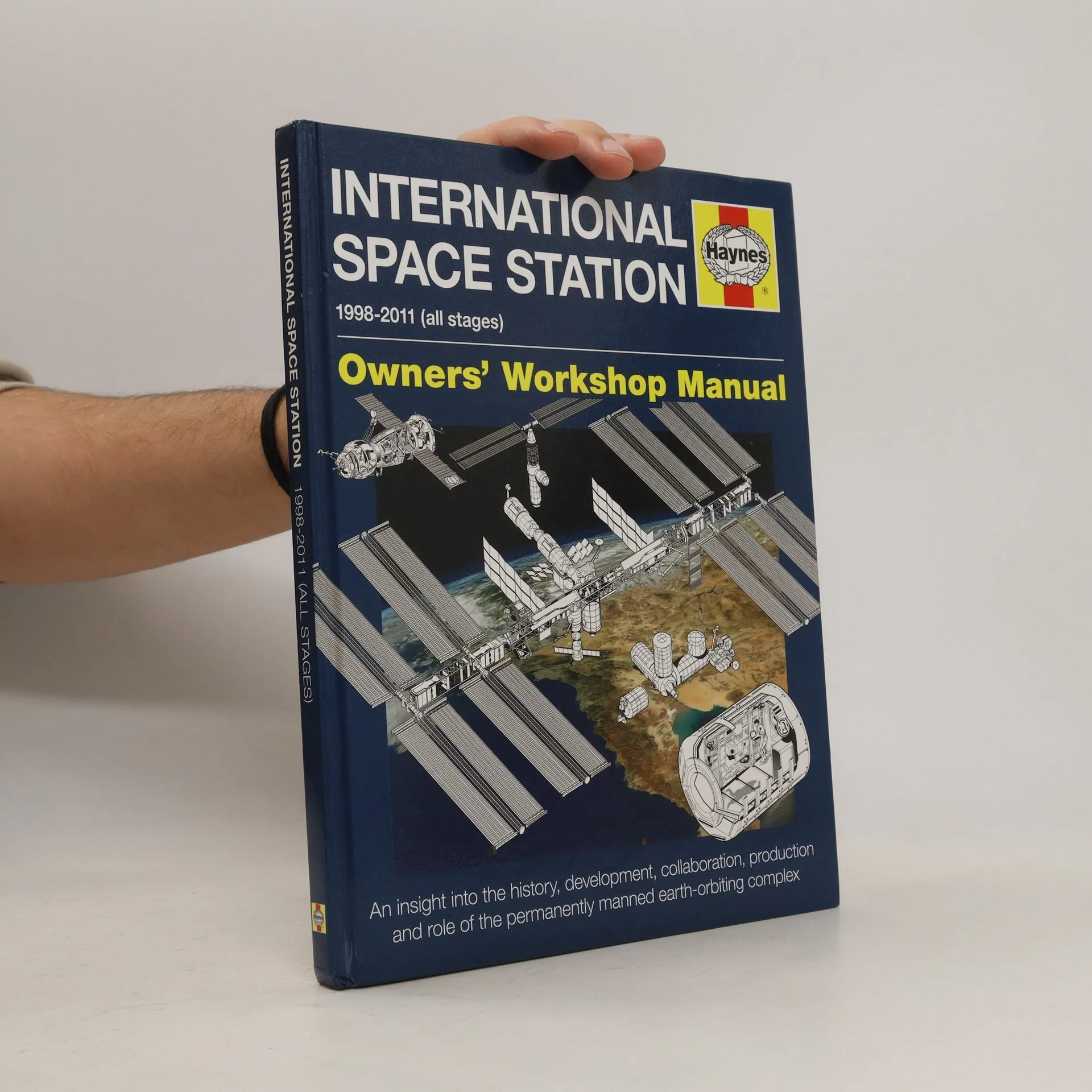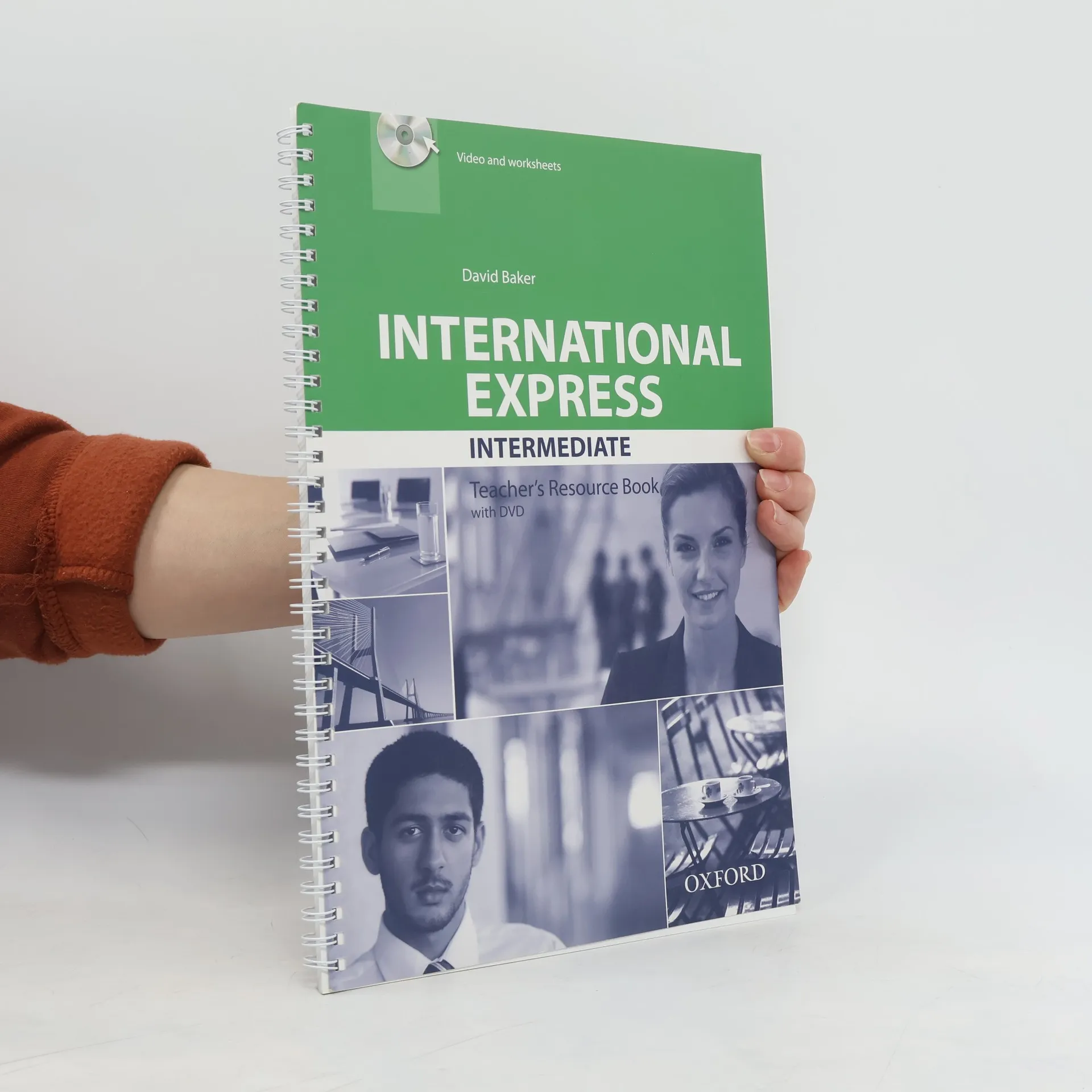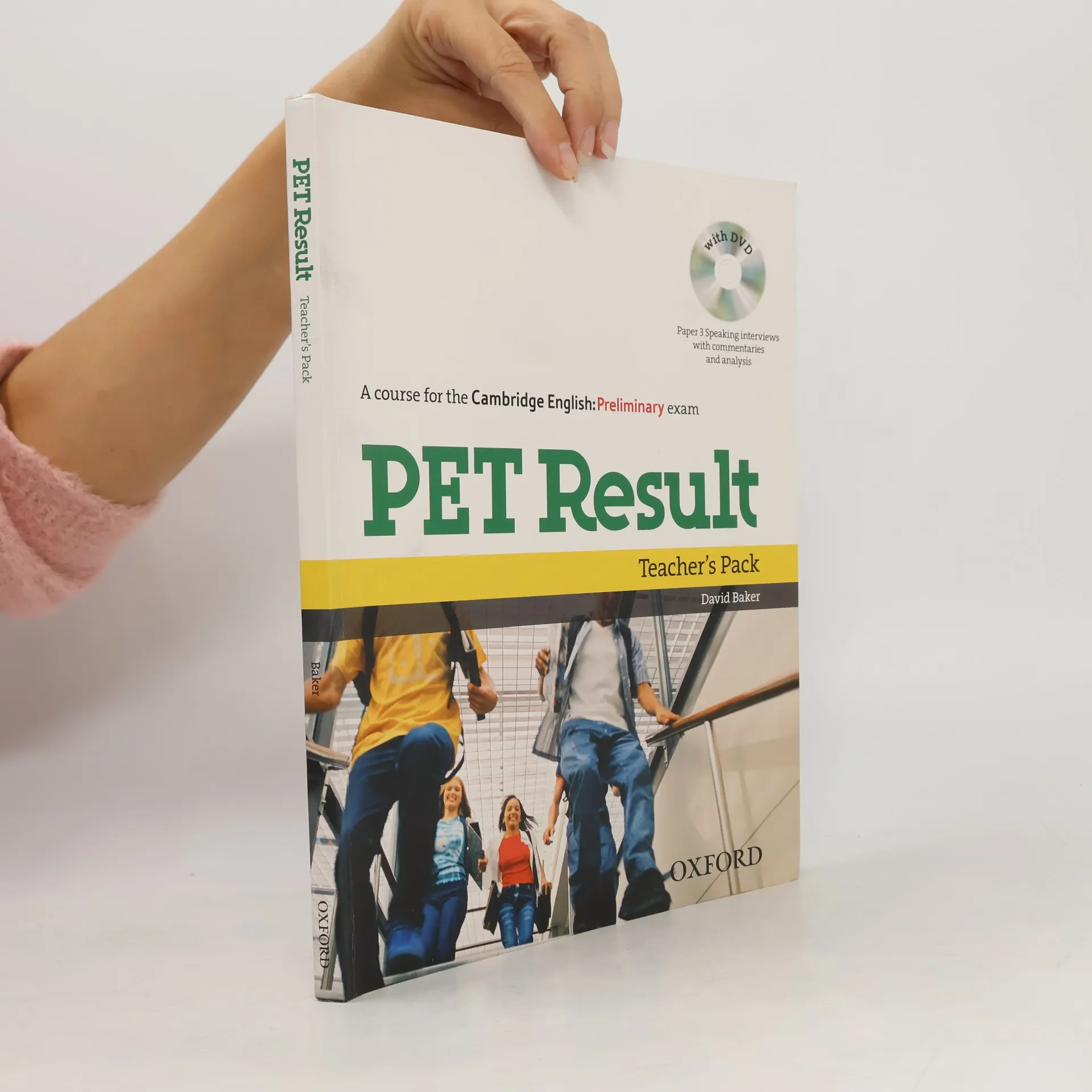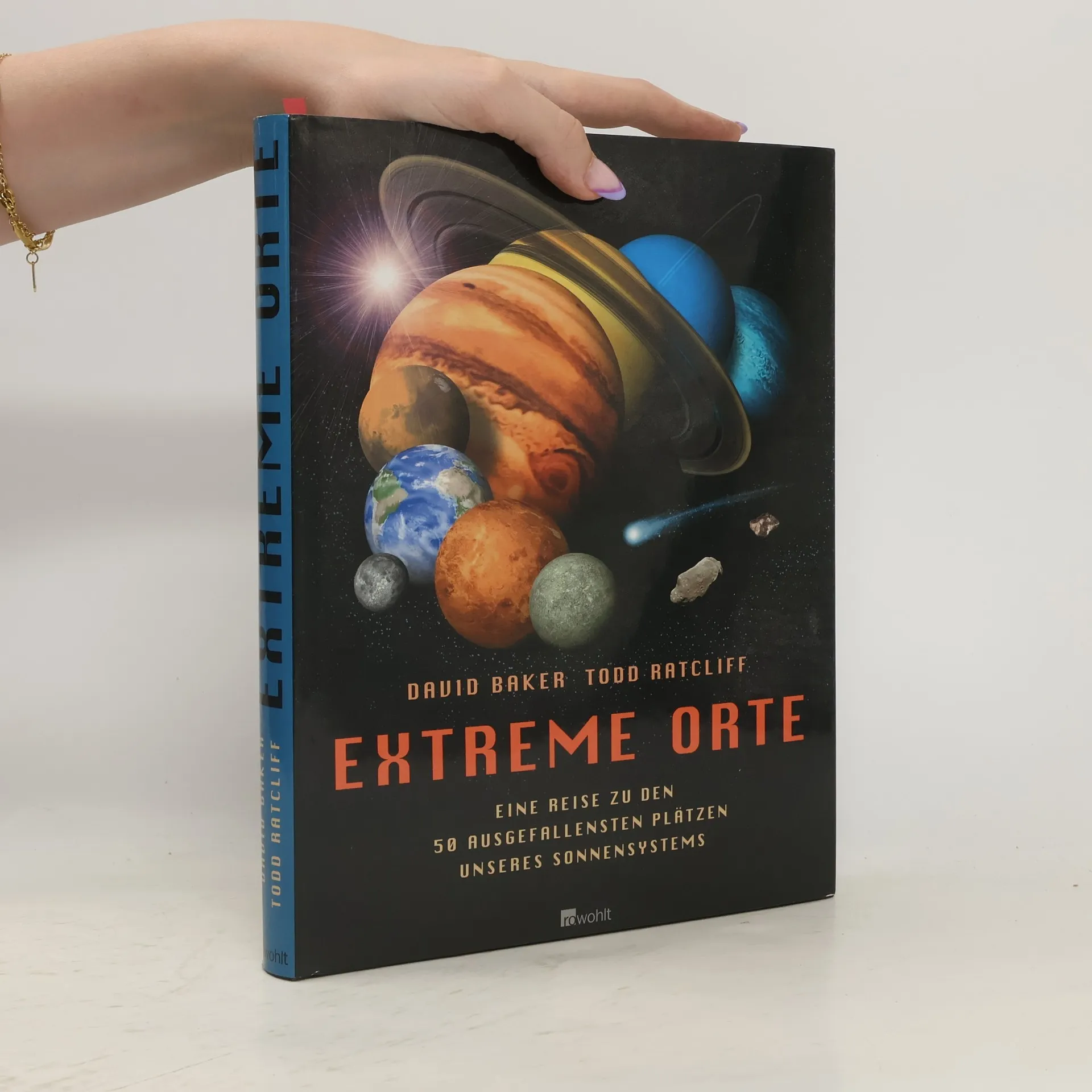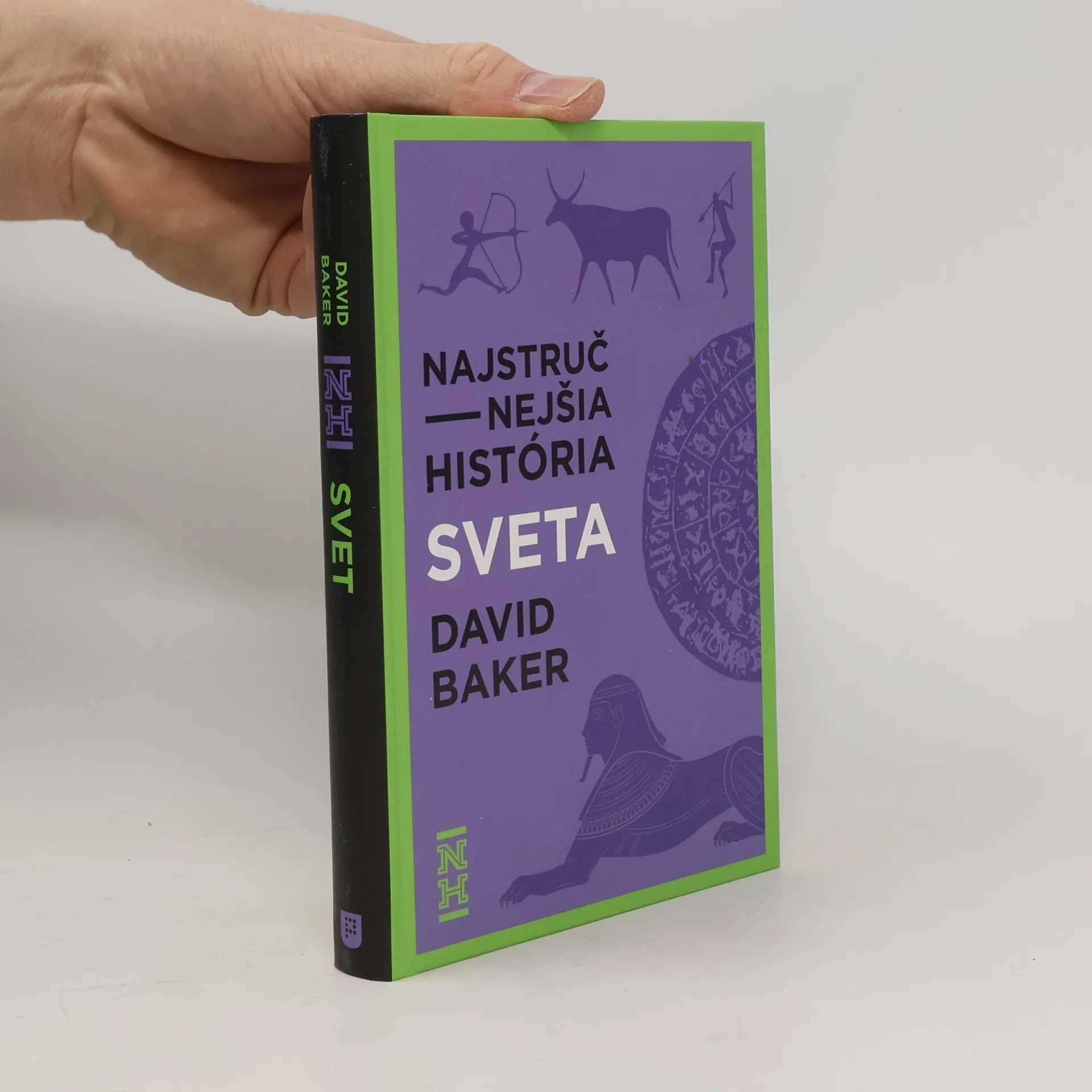


David Baker's writing explores a deep fascination with wine, sparked by a serendipitous train stop in Beaune. This passion led him to work in commercial vineyards, culminating in a film, a novel, and a decade spent crafting his own pinot noir. Holding an MFA from Columbia College, Chicago, he also directed the documentary "American Wine Story." His work delves into the intricate world of viticulture and winemaking.
The book presents a collection of essays that delve into the personal experiences of archival research within the field of psychology. It highlights the unique challenges and rewards associated with this process, providing insights into modern historiography. Through these reflections, the essays explore the intricate relationship between historical research and the evolving understanding of psychology.
A sweeping achievement from a poet whose rhythms are as alive to the roll and
tang of syllables on the tongue as they are to the circulation of blood and
sap (Rosanna Warren, Theodore Roethke Memorial Poetry Prize citation).
A perfect introduction for students and laypeople alike, providing you with all the concepts you need to know to understand the fundamental issues. Filled with helpful diagrams, photographs, further reading, and easily digestible features on the development of electrical and mechanical engineering, this book makes getting to grips with the subject as easy as possible. It includes the development of machines and materials, forces and how they are manipulated, gearing, and principles of movement and reliability.
Describes the origin of the reusable launch vehicle concept during the 1960s,
its evolution into a viable flying machine in the early 1970s, and its
subsequent design, engineering, construction and operation.
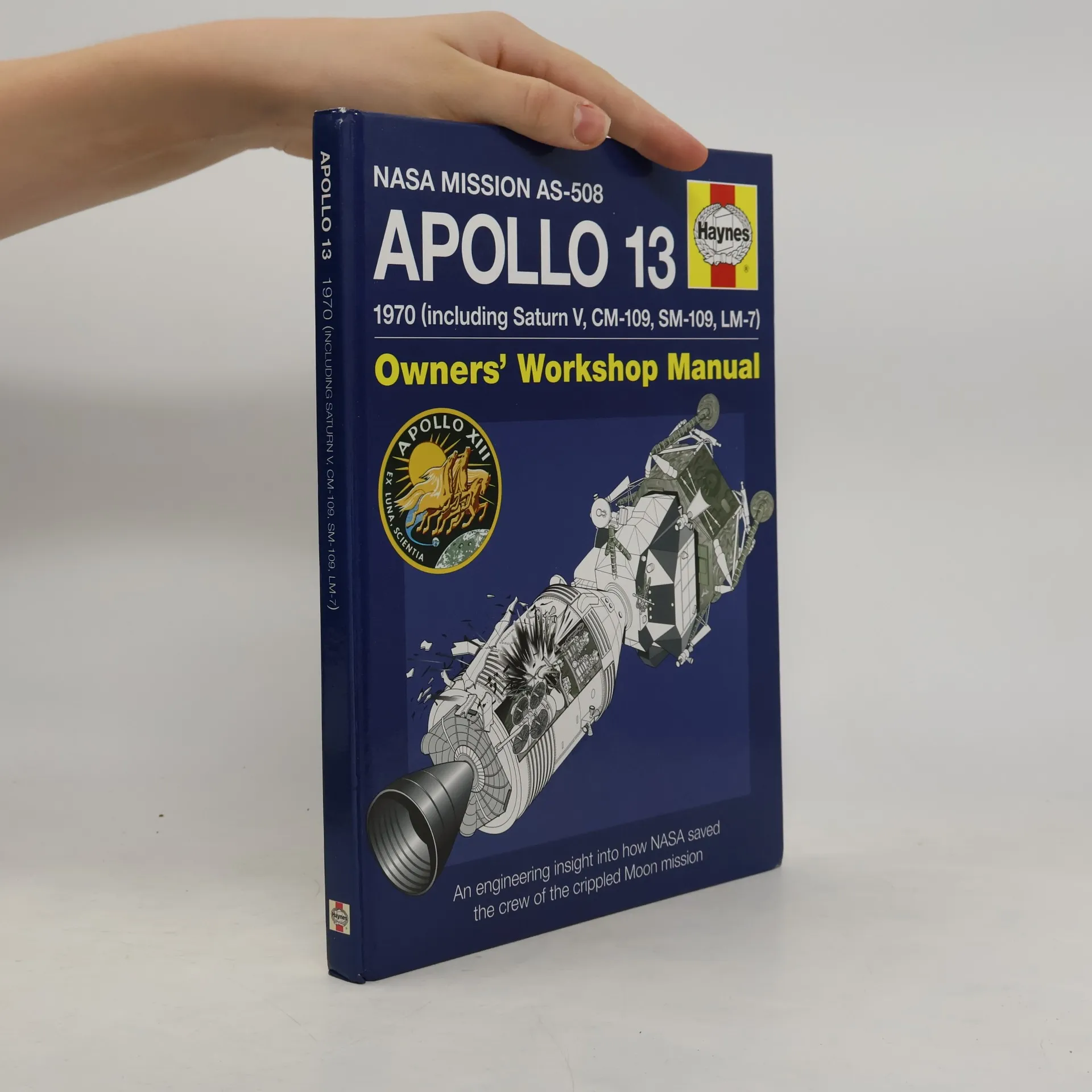
An expanded special new edition of the Apollo 13 Manual, published to coincide
with the 50th Anniversary of the mission launched in April 1970, which nearly
turned into a catastrophe. This Manual chronicles the complex technical
challenges involved in returning the crippled spacecraft safely to... číst
celé
Set in a near-future dystopia, the narrative follows an immigrant teenager who faces the harsh realities of a family separation program. After being forcibly taken from her mother at a border, she is transported across the U.S. and faces the threat of deportation despite needing vital medical care. Blending dark humor with political commentary, the story critiques contemporary immigration policies while exploring themes of resilience and injustice.
On April 13, 1970, NASA's Apollo 13 suffered a near-catastrophic explosion in space. The planned lunar landing that day was promptly called off, and a new challenge prioritized: get the spacecraft safely back to Earth. Written by David Baker, an original member of NASA's Apollo 13 Houston Mission Control team, Apollo 13 Owners' Workshop Manual offers unprecedented, meticulous coverage of the Apollo 13 mission. Beginning with an overview of the era's equipment and technology, Baker focuses primarily on the planning, goals, and execution of the mission itself, including an hour-by-hour timeline of the crew's near-disaster in space. Additionally, his thorough analysis of the post-flight investigation and lurking design problems with the spacecraft offer the rare viewpoint of a true Apollo 13 insider. Not only does Baker present and analyze the mission itself, but he also celebrates NASA's legacy in the wake of the event with the redesign of sections of the Apollo spacecraft and the changes to the way later missions were organized, beginning with Apollo 14. In typical fully illustrated Haynes Manual detail, Apollo 13 Owners' Workshop Manual presents the fascinating circumstances behind a team who recovered their spacecraft just hours before hurtling back into the earth's atmosphere. But more than that, the book is a brand-new insight into the remarkable story of how clever, improvised engineering, remarkable teamwork, and sheer will to succeed averted a major catastrophe in space
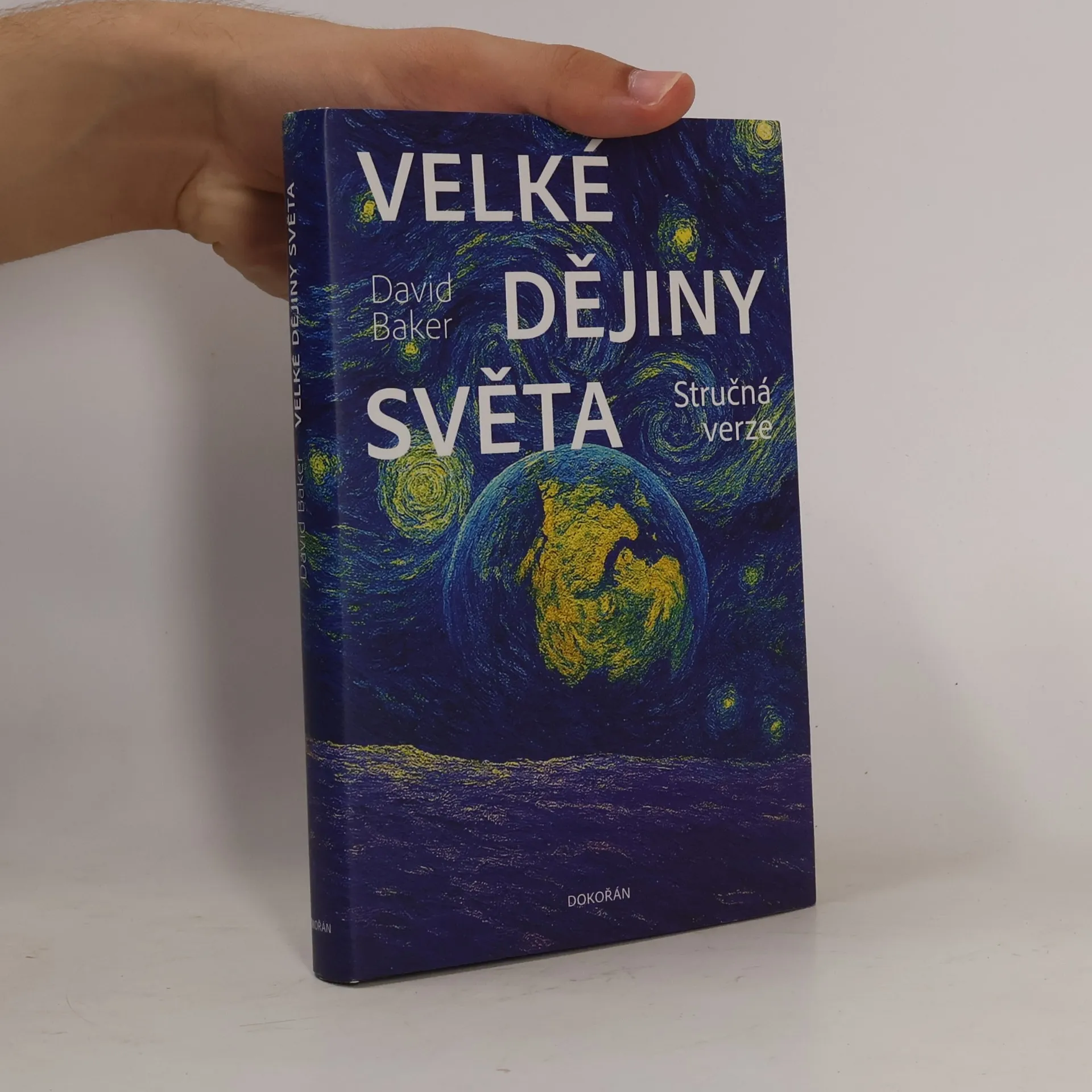
How did time begin? What conditions led to humans evolving on Earth? Will we survive the Anthropocene? And is it really true that we're all made from stars? Combining knowledge from chemistry, biology, and physics, with insights from the social sciences and humanities, A Brief History of the Last 13.8 Billion Yearsfollows the continuum of historical change in the cosmos -- from the Big Bang, through the evolution of life, to human history. In this compelling and revealing book, David Baker traces the rise of complexity in the cosmos, from the first atoms to the first life and then to humans and the things we have made. He shows us how simple clumps of hydrogen gas transformed into complex human societies. This approach -- Big History -- allows us to see beyond the chaos of human affairs to the overall trajectory. Finally, Baker looks at the dramatic and sudden changes we're making to our planet and its biosphere and how history hints at what might come next.