Carolyn L. Baker crafts insightful prose that delves into the complexities of diversity, equity, and inclusion, drawing from extensive experience in nonprofit leadership. Her writing offers a critical examination of societal divides, particularly concerning race, and explores pathways toward healing and repair. Baker's work is characterized by a willingness to challenge established norms and advocate for marginalized voices. Through her essays and commentaries, she fosters a deeper understanding of urgent social issues.
Confronting the stark realities of climate change and the potential for human extinction, this book addresses the emotional turmoil many face, including anxiety and despair. It emphasizes the importance of living with intention and compassion amidst the challenges of a divided world and rising authoritarianism. Rather than providing false solutions or succumbing to hopelessness, it equips readers with practical skills and practices to navigate these unprecedented times with resilience and clarity.
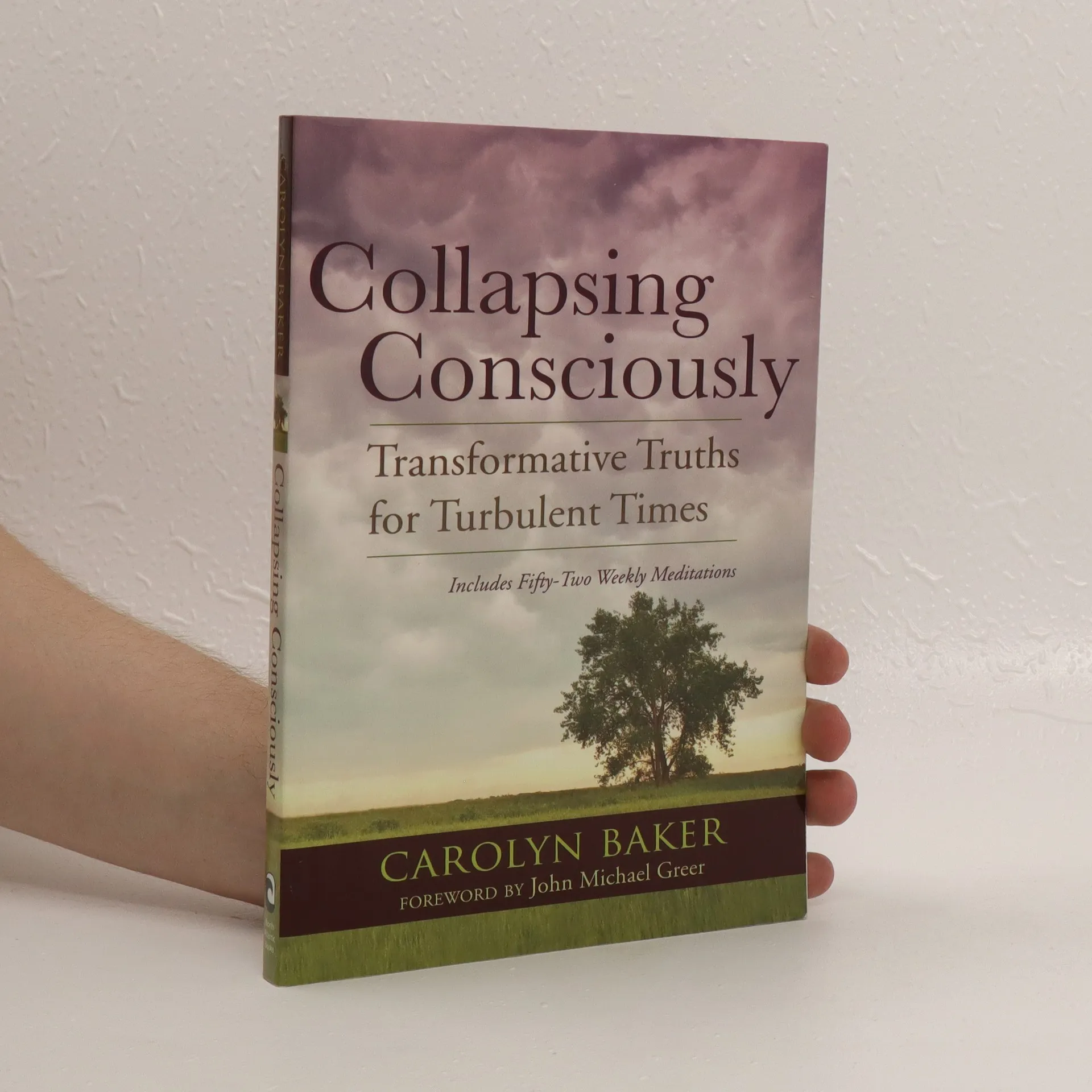
"A collection of 17 meditative essays and 52 weekly reflections, this book is for readers who are concerned about the daunting future humankind has created and who seek inspiration, wisdom, and spiritual purpose in the face of the collapse of industrial civilization"-- Provided by publisher
Addressing the complexities of contemporary life, the book challenges readers to confront demanding truths. It emphasizes the necessity of honesty in a world that often obscures reality, urging a deep reflection on societal issues. Through its candid approach, it seeks to resonate with those who recognize the urgency of authenticity in today's environment.
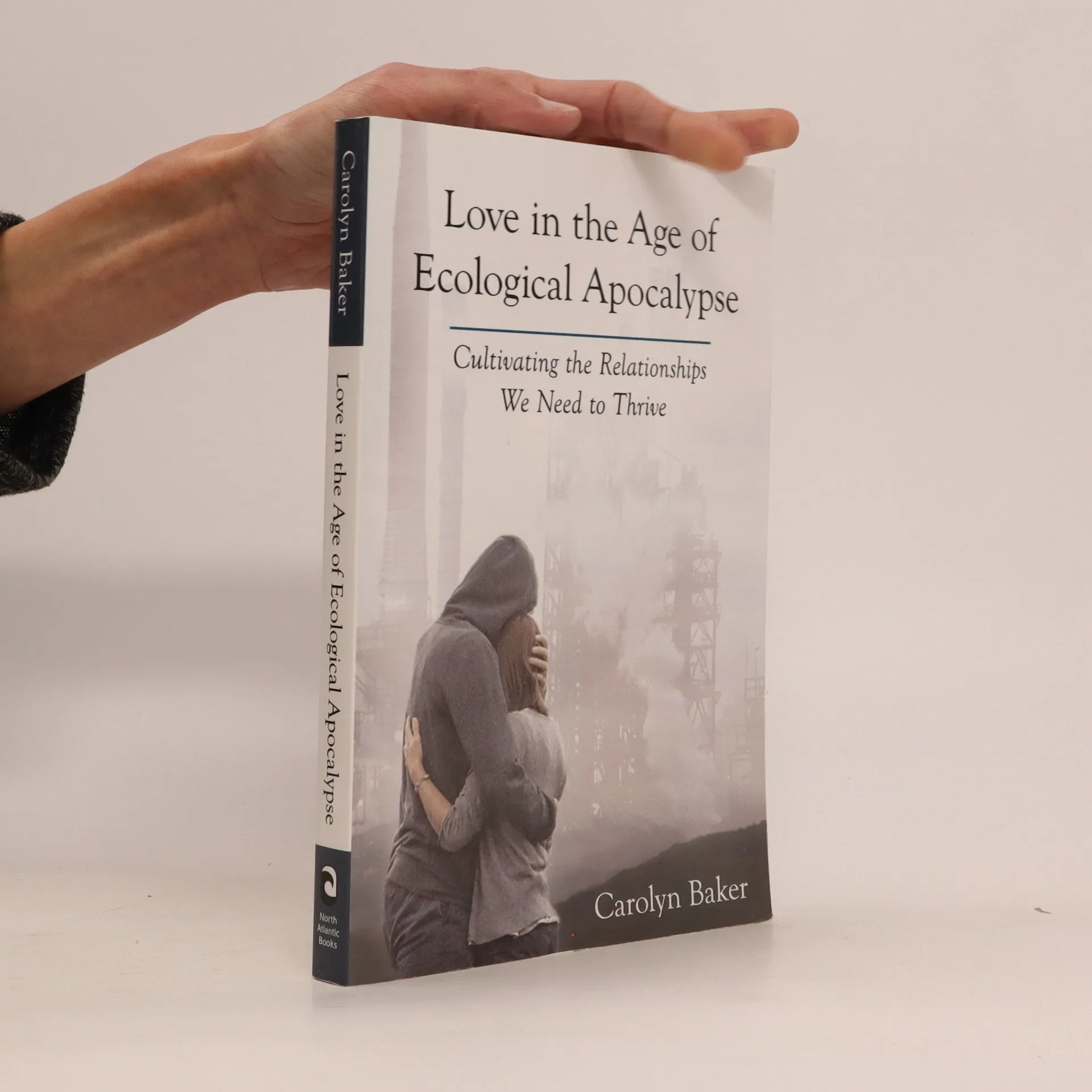
In the face of our planet's daunting challenges, social critic James Howard Kunstler's notion of a "Long Emergency" may evolve into a "Last Emergency" for humanity. Carolyn Baker aims to inspire and guide us in embracing our remaining days with passion, empathy, and kindness toward all beings. She emphasizes the importance of gratitude, emotional intimacy, and creating beauty, urging us to find joy even in the face of demise. The narrative explores various relationships during this Last Emergency, particularly how our self-relationship influences interactions with others. Drawing from her experience as a life coach, Baker highlights the necessity of understanding key relationships amidst societal collapse and navigating acceptance of trauma and grief. These relationships encompass partners, children, friends, neighbors, work, our bodies, natural resources, food, animals, and the universe itself. Baker's engaging and candid writing introduces spiritual practices that help cultivate a connection with the deeper Self, enabling us to access this aspect more readily when confronted by ego. Through support from others on a similar journey, we can learn to live more authentically. The book's chapters delve into themes of love, community, mindful eating, and the significance of our connections with future generations and the universe.