

Explore the latest books of this year!
Bookbot

Adrian Slywotzky

    June 28, 1951

    Adrian J. Slywotzky is a distinguished author focusing on economic theory and management. His work delves into the core principles of profitability and growth, exploring strategies essential for achieving and sustaining business prosperity. Slywotzky's approach is recognized for its sharp insights and practical applicability, offering readers valuable perspectives on complex economic concepts. His analyses are tailored for those seeking a deeper understanding of market dynamics and effective management methodologies.

    Value Migration
    The Profit Zone
    How to Grow when Markets Don't
    Profit Patterns
    The Art of Profitability
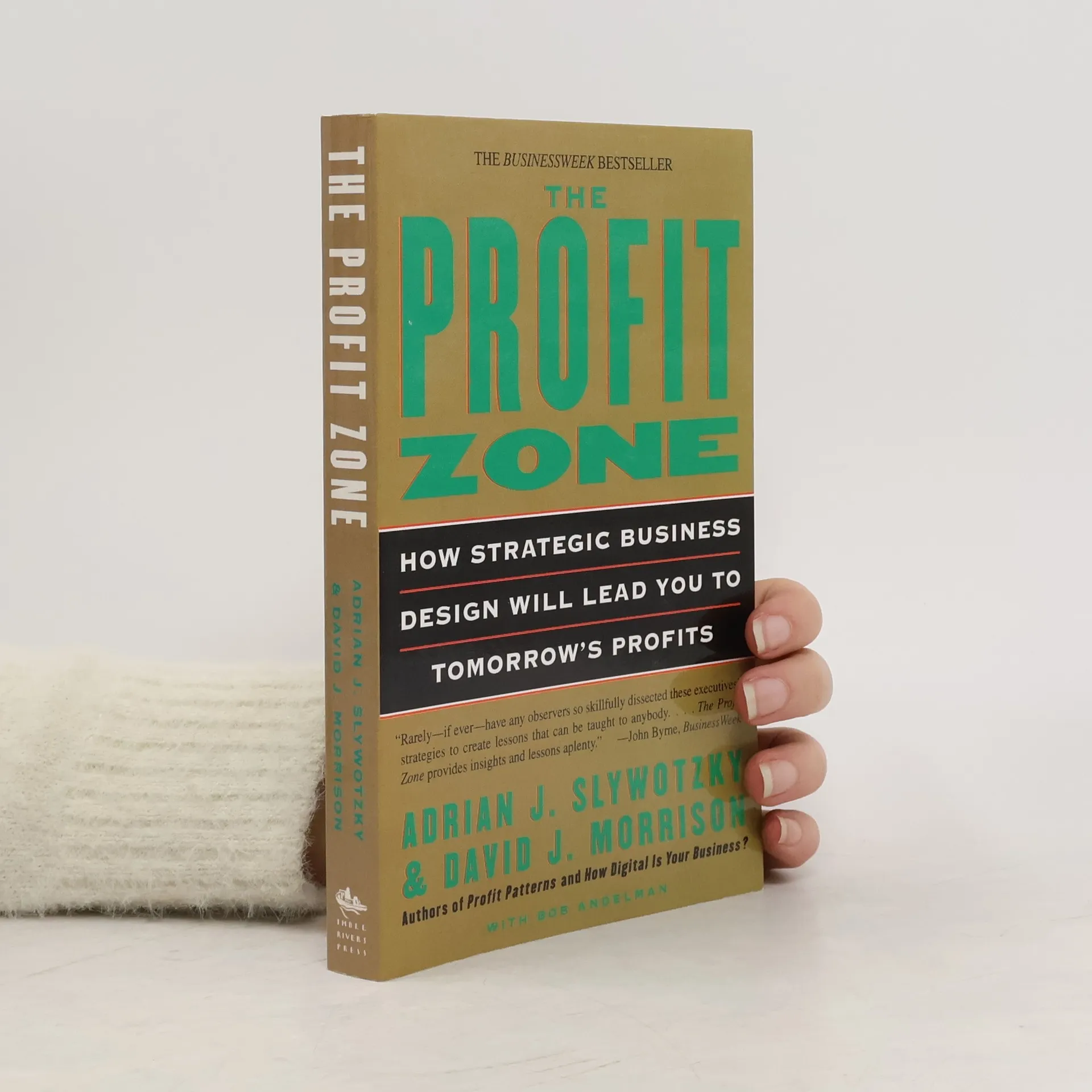
    The Profit Zone
    • The Profit Zone

      How Strategic Business Design Will Lead You to Tomorrow's Profits

      • 342 pages
      • 12 hours of reading

      "The Profit Zone" reveals the the profit-strategy secrets of ten of the world's greatest business personalities, including Roberto Goizueta of Coca-Cola, Bill Gates of Microsoft, and Andrew Grove of Intel.

      The Profit Zone
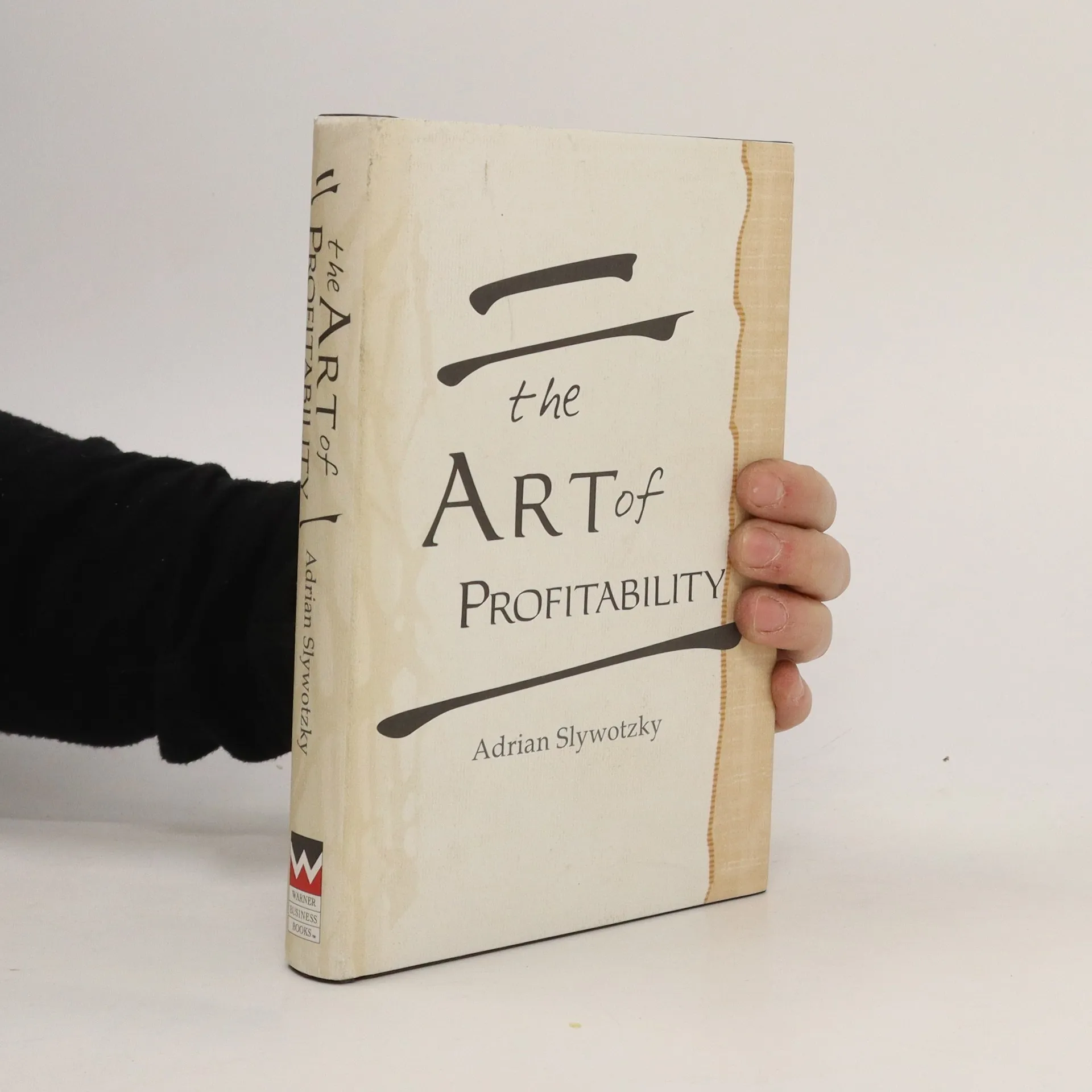
    • The Art of Profitability

      • 206 pages
      • 8 hours of reading
      4.0(758)Add rating

      Describes the various patterns of business operation that lead to profitability through a series of conversations in which an expert on profits teaches a student.

      The Art of Profitability
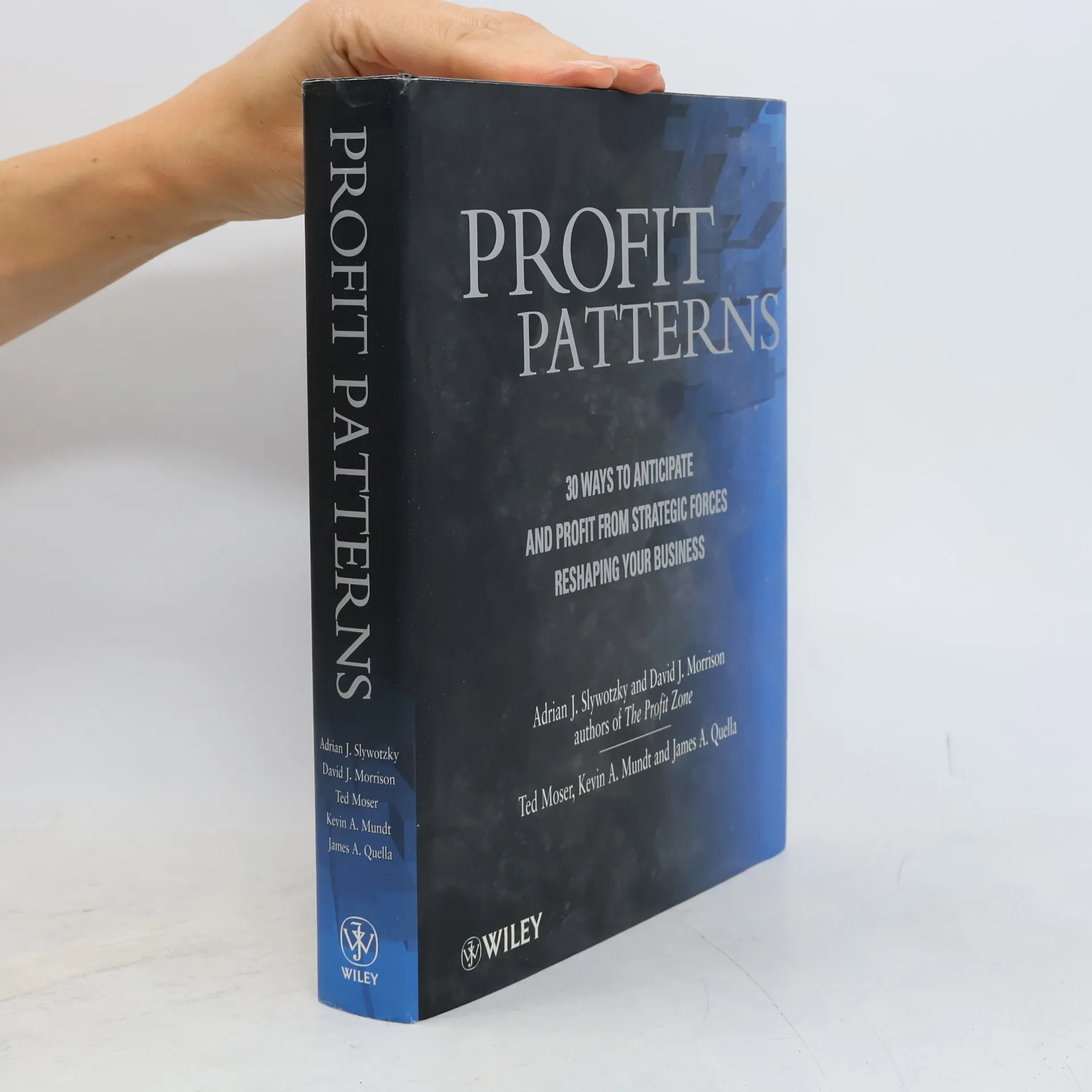
    • "Profit Patterns" shows how to make sense of the trends that are changing theway companies make money.

      Profit Patterns
    • How to Grow when Markets Don't

      • 272 pages
      • 10 hours of reading
      3.4(11)Add rating

      "Addresses today's economic challenges by providing powerful and practical strategies to generate new growth, otherwise known as 'demand innovation'." - dust jacket.

      How to Grow when Markets Don't
    • The Profit Zone

      How Strategic Business Design Will Lead You to Tomorrow s Profits

      • 352 pages
      • 13 hours of reading
      3.8(128)Add rating

      The book that answers the most fundamental question in business: Where Will I Make a Profit Tomorrow? Why do some companies create sustained, superior profits year after year? Why are they always far ahead of their competitors in discovering the ever-changing profit zones of their industry? Why do others languish as their traditional way of doing business turns into a no-profit zone? The Profit Zone provides the answers. It is a brilliant, original, and practical explanation of how and why high profit happens.

      The Profit Zone
    • Value Migration

      How to Think Several Moves Ahead of the Competition

      According to Slywotzky, "value migration" is the flow of economic and shareholder value away from an increasingly outmoded business design toward others that are better equipped to create utility for customers and profit for the company. This book describes the skills that managers will need to identify value shifts in their own industries and to craft the key moves that will determine their ability to achieve and sustain value growth. "A strategy guide that will show you why businesses rise and fall, and how to profit at each phase of a market's life cycle".--Success "[Slywotzky's] far-sighted new book...is likely to shake up the way executives look at their priorities".--Journal of Business Strategy
      Value Migration
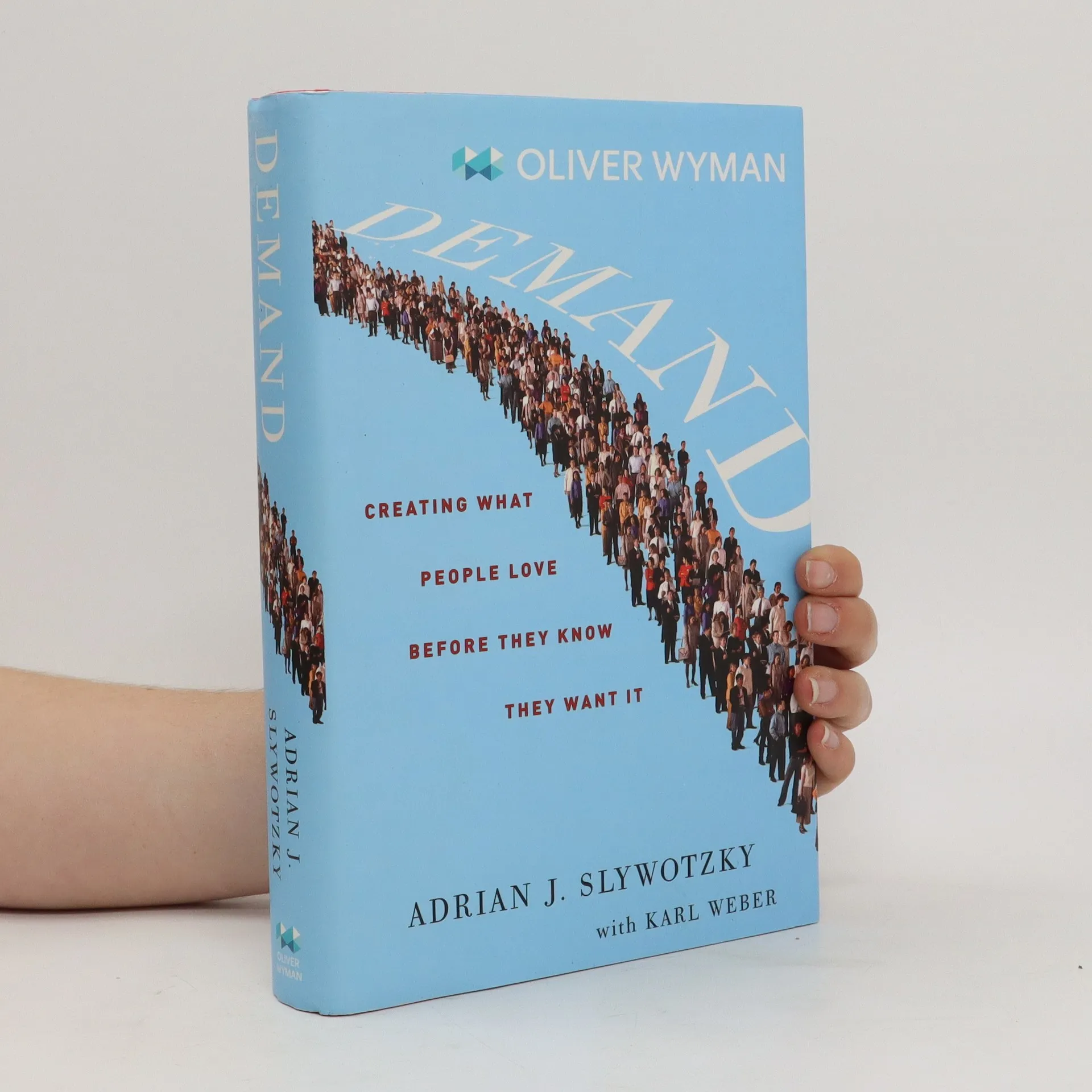
    • "Combines the clever, counterintuitive stories about everyday life and human behavior of Freakonomics with the big idea impact of Execution and Good to Great to provide a powerful way of getting a grip on the big issue facing not only business but nonprofits and cultural organizations: declining demand. A core business title as useful for CEOs and middle managers as for the pastor of a church wondering how best to build a congregation and the head of the local symphony looking to diversify and build an audience"--

      Demand
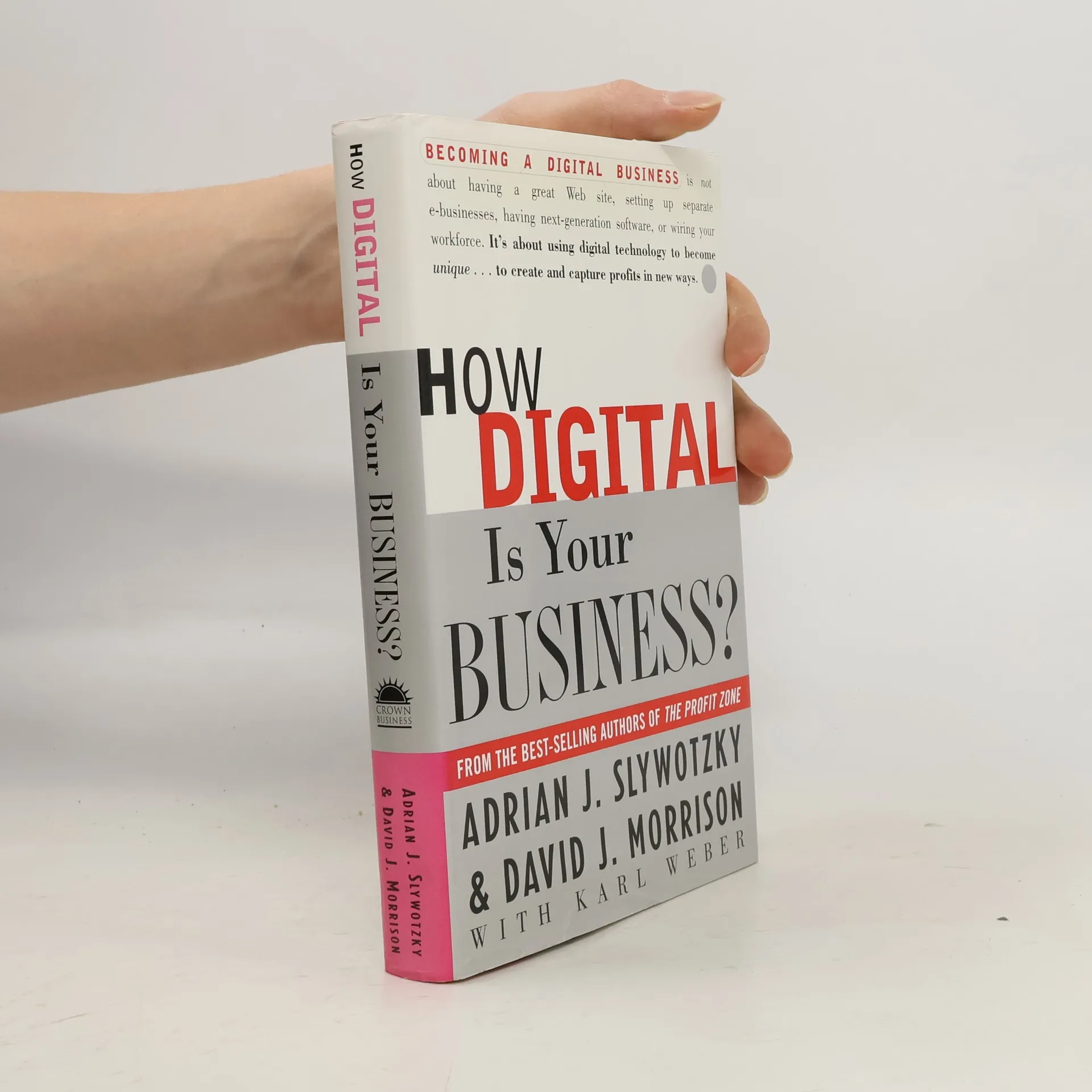
    • How Digital Is Your Business?

      • 326 pages
      • 12 hours of reading

      The biggest, most important issue in business today--becoming digital--touches not only traditional enterprises but the most avant-garde of Internet companies as well.Old-economy companies must take steps to avoid becoming victims of capitalism's creative destruction, the unofficial system that flushes out the old to make way for the new. For dot-com companies the question is whether or not they are flash-in-the-pan businesses with no long-term prospects of profitability and customer loyalty.Most of the early efforts to answer the question "How digital is your business?" have been shrouded in a veritable Tower of Babel unconnected with the real needs of business. Slywotzky and Morrison show, first of all, that becoming digital is not about any of the having a great Web site, setting up a separate e-business, having next-generation software, or wiring your workforce.What they so creatively demonstrate is that a digital business is one whose strategic options have been transformed--and significantly broadened--by the use of digital technologies. A digital business has strategic differentiation, a business model that creates and captures profits in new ways and develops powerful new value propositions for customers and talent. Above all, a digital business is one that is unique.How Digital Is Your Business? is a groundbreaking book with universal appeal for everyone in the business world. It * Profiles of the the in-depth story of the digital pioneers--Dell Computer, Charles Schwab, Cisco Systems, Cemex.* Insight into how to change a traditional enterprise into a digital the stories of GE and IBM.* An analysis of the profitable AOL, Yahoo!, and eBay.While How Digital Is Your Business? has great stories and case studies, its most invaluable central idea is that of digital business design and the array of powerful digital tools it offers for use in creating a digital future for your own company.

      How Digital Is Your Business?
    • Der führende Wachstumsspezialist Slywotzky weiß, wie Manager stagnierende Märkte wieder auf Wachstumskurs bringen: Es gilt, das verborgene Kapital des Unternehmens zu nutzen und mit Nachfrage- Innovationen neue Märkte selbst zu erfinden. John Deere, führender Hersteller von landwirtschaftlichen Nutzfahrzeugen, nutzte seinen guten Ruf in der „grünen Branche“ und schuf sich mit dem Vertrieb von Landschaftsartikeln vom Mulch bis zur Bewässerungsanlage ein zweites Standbein. Dank fundierter Strategien schaffte es auch ein Scheckanbieter, in Zeiten des Onlinebankings zu expandieren, und der traditionelle Filmehersteller Kodak ging mit Digitaltechnologien auf Wachstumskurs. Mit vielen Beispielen, Fragebögen und Implementierungstipps geben Slywotzky und Wise die Methoden und das Know-How an die Hand, das Wachstum auch in Ihrem Unternehmen anzukurbeln.

      Wachsen ohne Wachstumsmärkte