

A Guide to Navajo Sandpaintings
- 64 pages
- 3 hours of reading
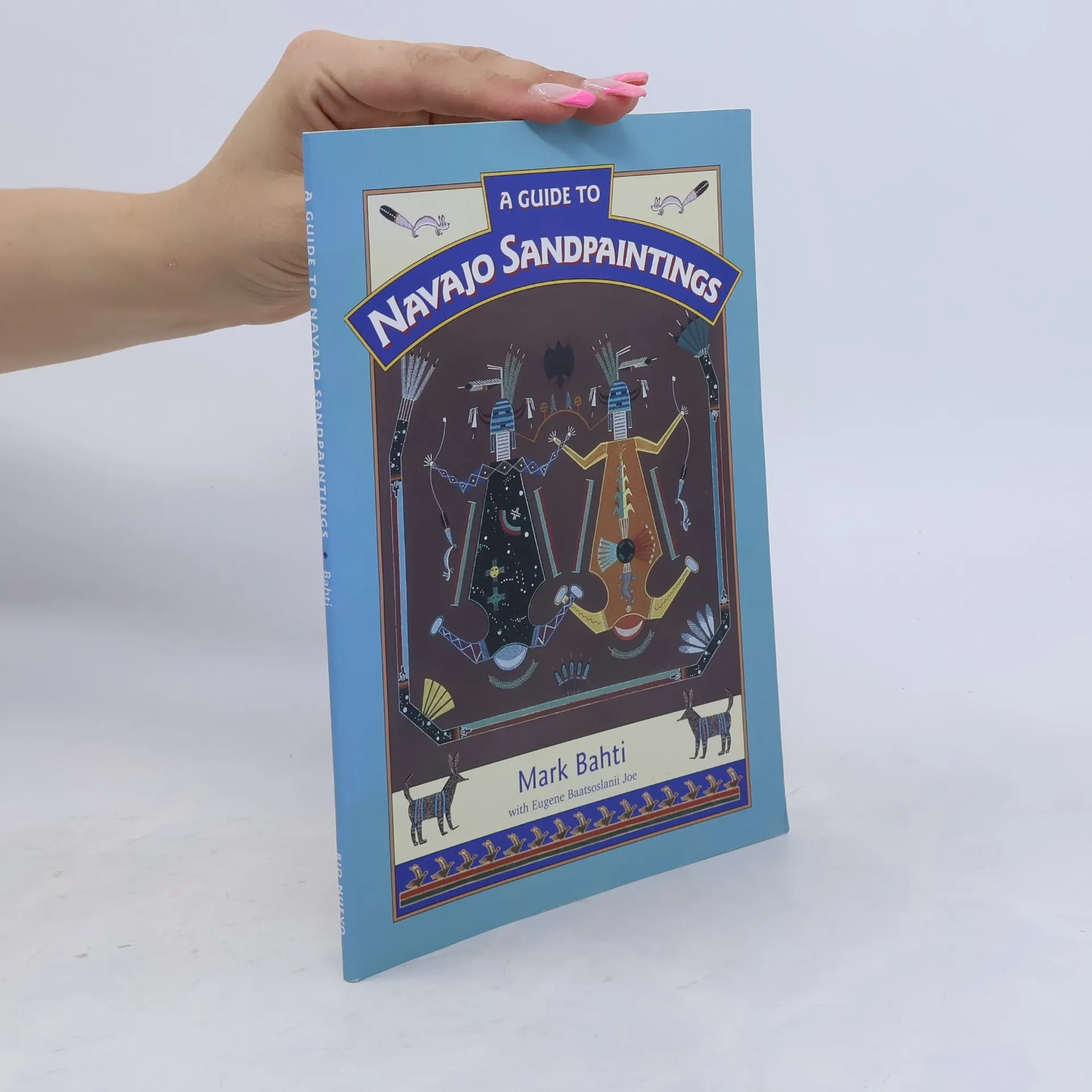
A Guide to Navajo Sandpaintings provides the best introduction to the religious images created by Navajo medicine men as part of traditional curing ceremonies. These carefully prescribed designs depict ancient Navajo gods and heroes to whom medicine men appeal to help restore their patients to harmony. Every shape and color has to be just right lest irremediable harm come to medicine man and his patient. Although many ancient sandpaintings designs and their accompanying chants have been lost to time, others remain a vital part of Navajo religious practice and have emerged as a dynamic art form. Navajo artists now incorporate heroes, gods, traditional design icons, and landscape features from their homeland into stunning, contemporary. In A Guide to Navajo Sandpaintings, noted Native American arts authority Mark Bahti describes the history and development of this healing art. For each of the more than sixty individual sandpaintings included, Bahti provides the legend from which the design originated. He also explains how contemporary artists honor the traditions of their elders while breaking new ground for this fascinating art form.