




Explore the latest books of this year!
Bookbot

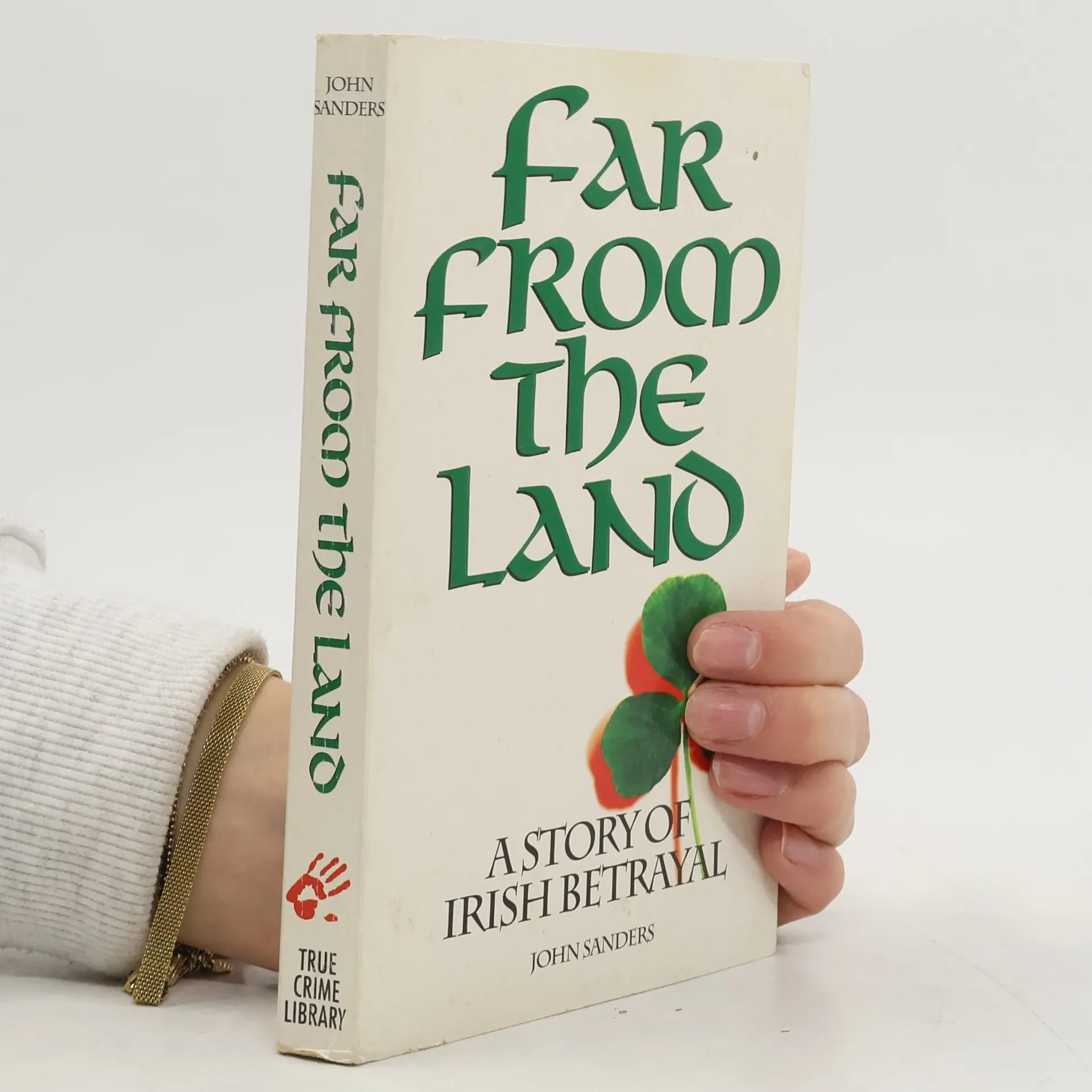
John Sanders

    Photography year book. 1974
    Photography Year Book 1977
    The World's Greatest Wonders
    Workers of Their Own Emancipation
    Divine Action
    Embracing Prodigals
    • Embracing Prodigals

      • 154 pages
      • 6 hours of reading
      4.5(24)Add rating

      The book explores the theological and political divides among Christians, focusing on two social science models: Nurturant and Authoritative. Nurturants emphasize empathy and cooperation, while Authoritatives prioritize obedience and law. These differing core values shape distinct views on issues like atonement, salvation, and social policies. Highlighting Jesus as a model of the Nurturant way, the text argues that this approach fosters better mental and spiritual health and creates stronger communities, contrasting it with the historical competition of these two perspectives.

      Embracing Prodigals
    • Divine Action

      Challenges for Muslim and Christian Theology

      • 231 pages
      • 9 hours of reading

      Exploring the intersection of free will theism, this book presents insights from both Christian and Muslim scholars on Divine Action. It delves into the nature of a personal God who engages with humanity, addressing the complexities of petitionary prayer, gratitude, and justice in the face of suffering. Key contributors, including Ebrahim Moosa and Gregory Boyd, offer thoughtful responses to pressing questions about divine involvement and the efficacy of intercession, highlighting shared beliefs and differences between the two faiths.

      Divine Action
    • Workers of Their Own Emancipation

      Working-class leadership and organisation in the West Riding textile district, 1829-1839

      • 554 pages
      • 20 hours of reading

      Focusing on the working-class radical efforts in the West Riding textile district between 1829 and 1839, this study highlights the critical roles of local leadership and organization in early labor movements. It examines the impact of trade unions, popular radicalism, and factory reforms, leading to the emergence of Chartism. This movement represented a culmination of discontent and activism, shaped by shared experiences of the working population. The local leaders of this era are portrayed as pivotal figures in the formation of the first mass working-class movement, emphasizing the need to remember their contributions.

      Workers of Their Own Emancipation