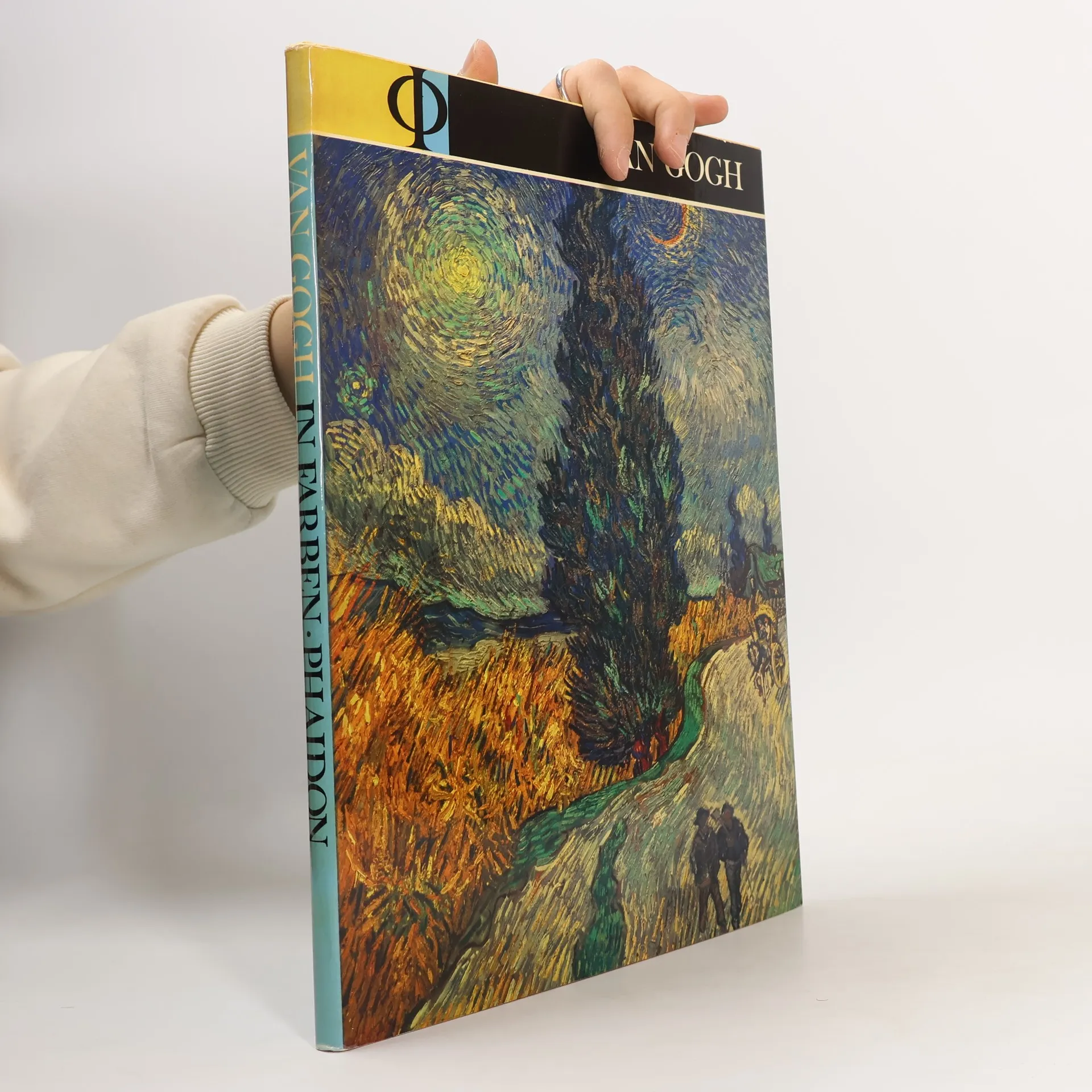
Vincent van Gogh s Schicksal ist eine Tragödie der Kunstgeschichte. Heute gilt er als einer der wichtigsten Maler aller Zeiten, Ausstellungen seiner Werke sind stets ausverkauft, die ihm gewidmeten Museen gefeiert, und seine Werke erzielen auf Auktionen Preise im zweistelligen Millionenbereich. Doch zu Lebzeiten, als er die Leinwände bemalte, die später zu Meisterwerken der Moderne werden würde, hatte Van Gogh nicht nur mit dem Desinteresse seiner Zeitgenossen zu kämpfen, sondern auch mit schweren Anfällen psychischer Krankheit: Depressionen und lähmende Angstzustände, die ihn schließlich dazu brachten, sich im Jahr 1890, kurz nach seinem 37. Geburtstag, das Leben zu nehmen. Diese umfassende Studie über Vincent van Gogh (1853–1890) verbindet eine detailreiche Monografie seines Lebens und Werks mit dem vollständigen Werkkatalog seiner 871 Gemälde.
Michael Hulse Books
Michael Hulse is a distinguished translator from German, bringing a vast range of literature to readers. His work spans from canonical German authors to Nobel laureates, demonstrating a broad command of literary styles and voices. He is particularly recognized for his renderings of W. G. Sebald's profound narratives, skillfully capturing their unique melancholic tone and intricate prose. Hulse's translations are celebrated for their precision and deep engagement with the source material, ensuring that the spirit and artistry of the original works are vividly conveyed.

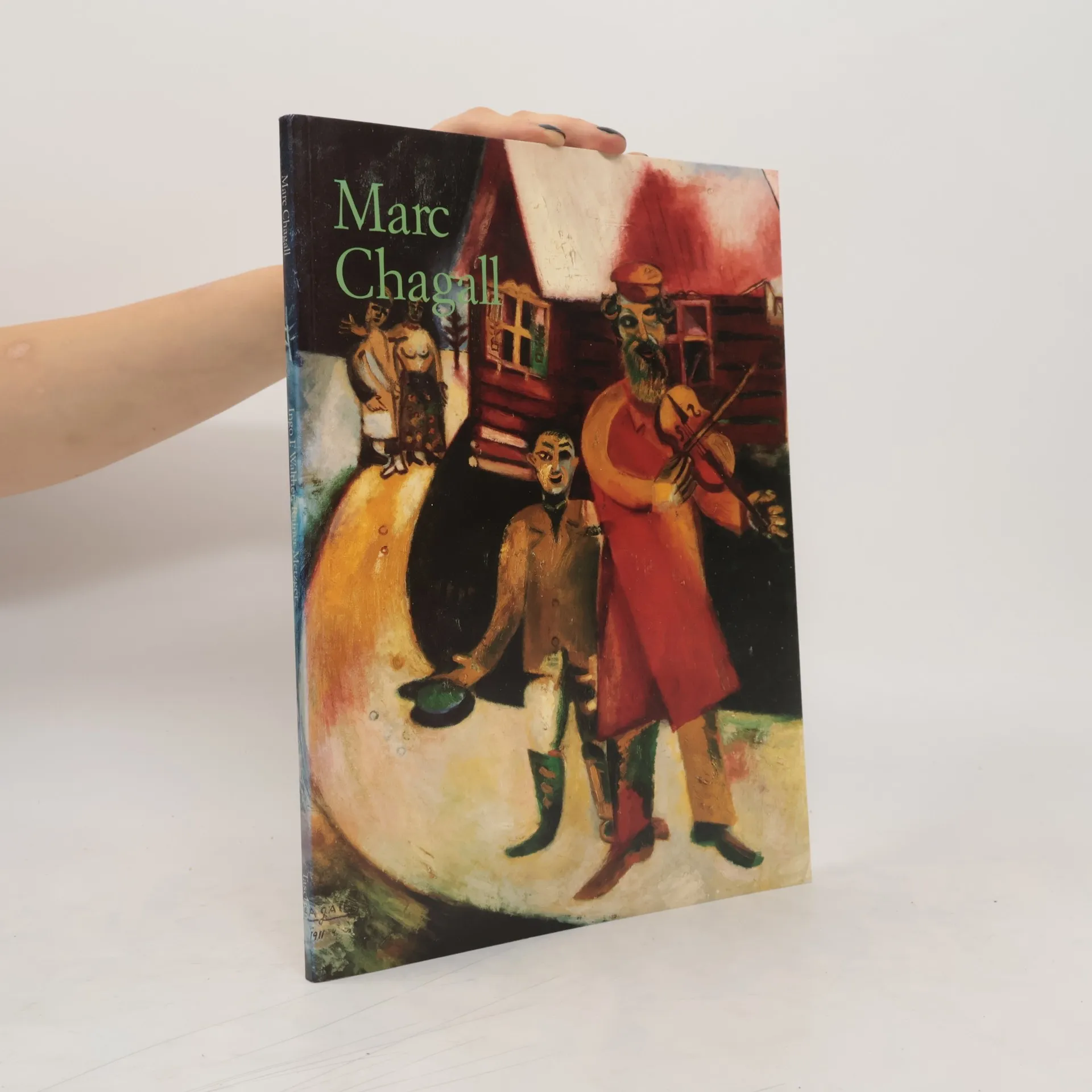
Surveys the life and work of the artist, and discusses the influence of his Russian village childhood on his art
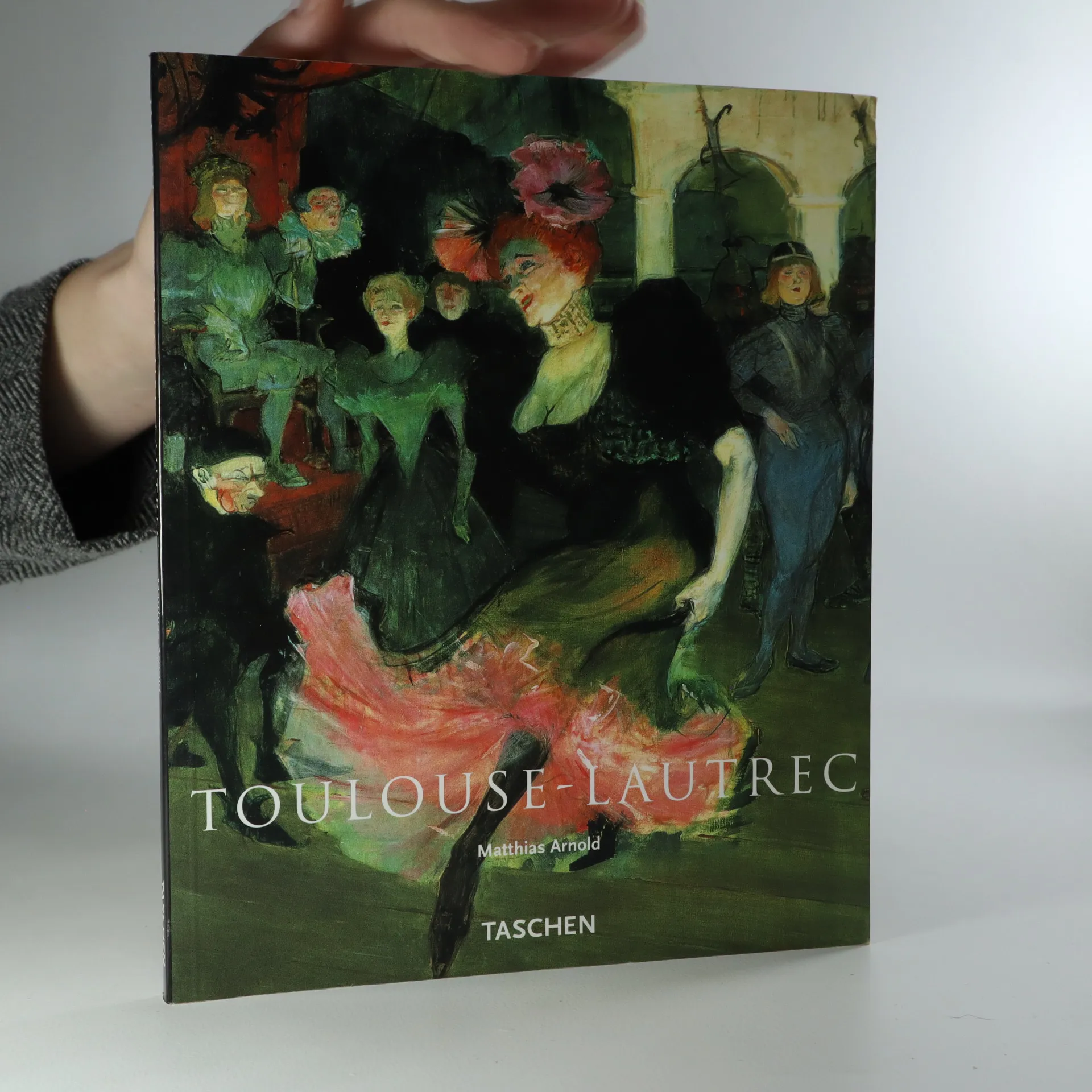
Though he died aged 36, Toulouse-Lautrec's influence was immense, immortalizing the nightlife of the Belle Époque and putting the Paris neighborhood of Montmartre on the global map of hedonist-creative hotspots. Walk through his world of singers, dancers, musicians, and prostitutes and discover an artist of great humanity, figurative skill, and...
Egon Schiele : 1890-1918
- 200 pages
- 7 hours of reading
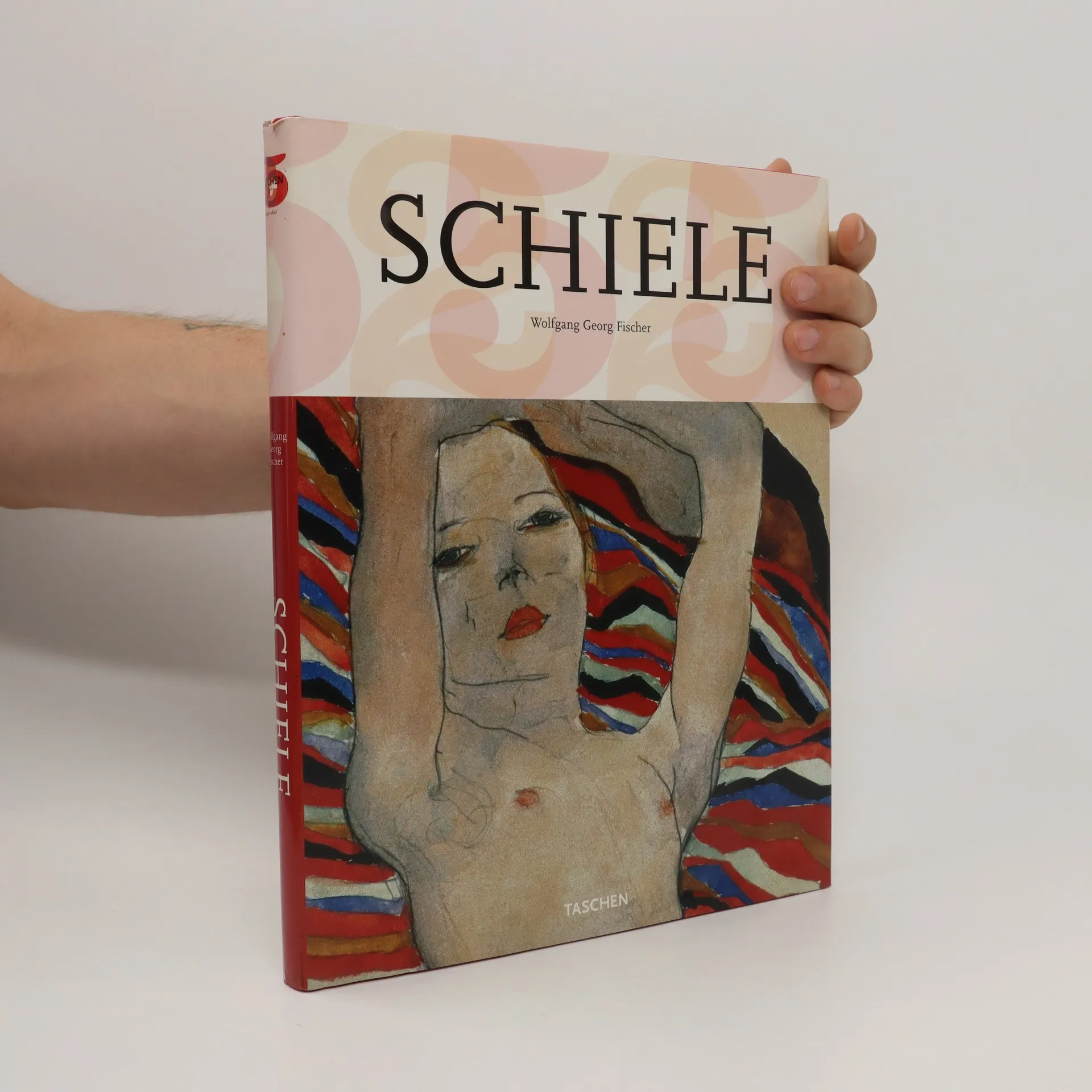
""Hindering the artist is a crime,"" wrote Egon Schiele in 1912. At the time he was in prison for disseminating immoral drawings. Throughout his work the note of defiance, provocation, and rebellion was sounded. Schiele's favorite subjects were female nudes and self-portraits, and he worked at his art with furious commitment, though it was not until shortly before his early death that he began to win real recognition. Today, with Oskar Kokoschka, he is seen as the most important of the Austrian artists who came after Klimt. This study examines the life and work of Egon Schiele through all the major oil paintings and many of his erotic drawings.
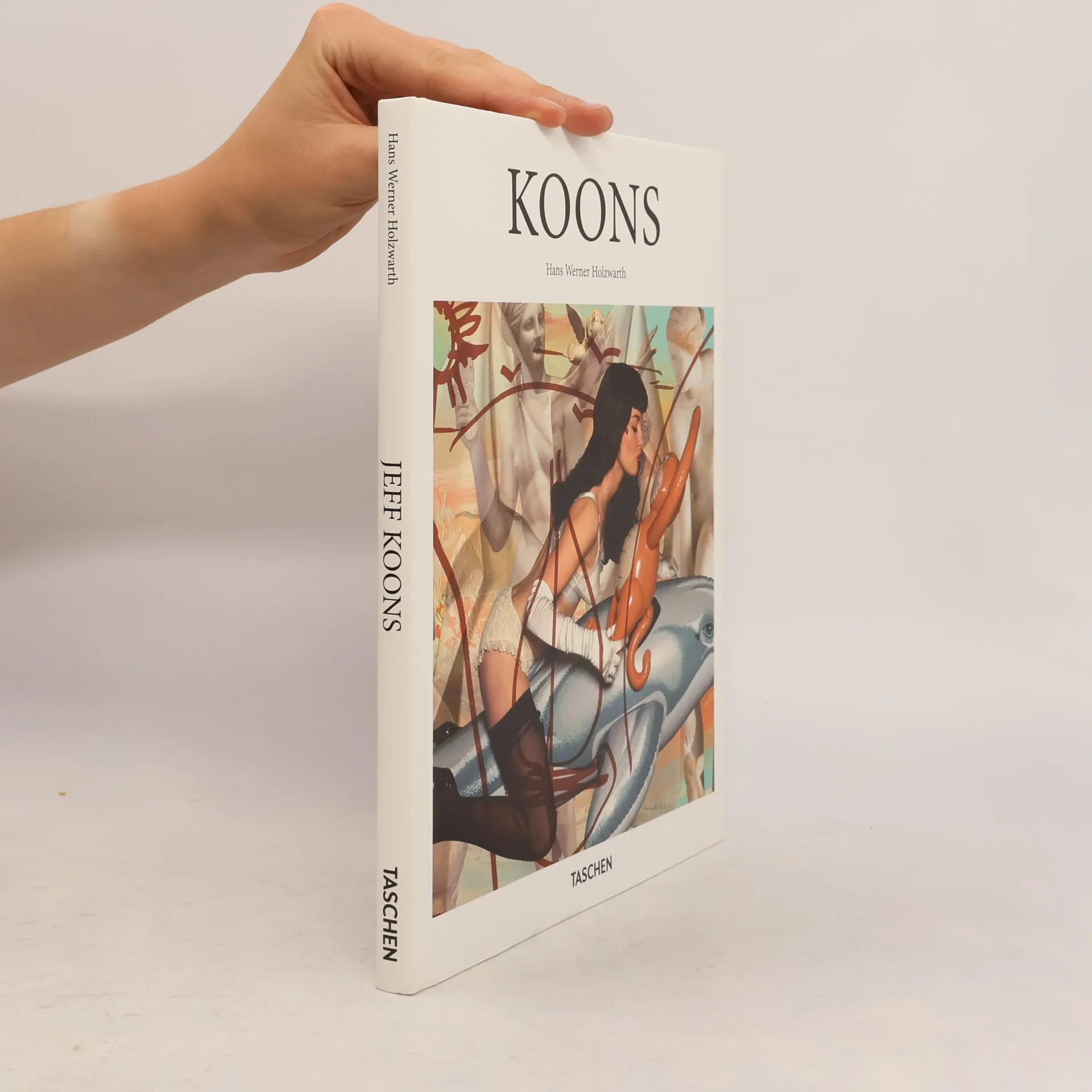
Koons
- 96 pages
- 4 hours of reading
The creations of Jeff Koons (born 1955) are at once immediately accessible and eloquently art historical. From basketball tanks to flower puppies, his instantly recognizable work frolics with banal imagery as much as it integrates cultural references such as Surrealism and Pop Art. Koons’ art revels in visual pleasure, but also in the power to affront. He has made his name as much for stainless-steel rabbits as he has with his sinister sculpture of Michael Jackson, or his sexually explicit photographic series with then-wife Cicciolina. The result is mega-artist status. An indisputable king of contemporary visual culture, Koons is lauded by collectors, institutions, and the public alike. With landmark works and concise texts by Katy Siegel, Hans Werner Holzwarth, and Eckhard Schneider, this book offers the complete Koons at a glance, introducing an art world giant from his early inflatable flowers through to today. About the series Born back in 1985, the Basic Art Series has evolved into the best-selling art book collection ever published. Each book in TASCHEN’s Basic Art series a detailed chronological summary of the life and oeuvre of the artist, covering his or her cultural and historical importance a concise biography approximately 100 illustrations with explanatory captions
Four narratives weave history and fiction together as refugees from the Holocaust remember their experiences.
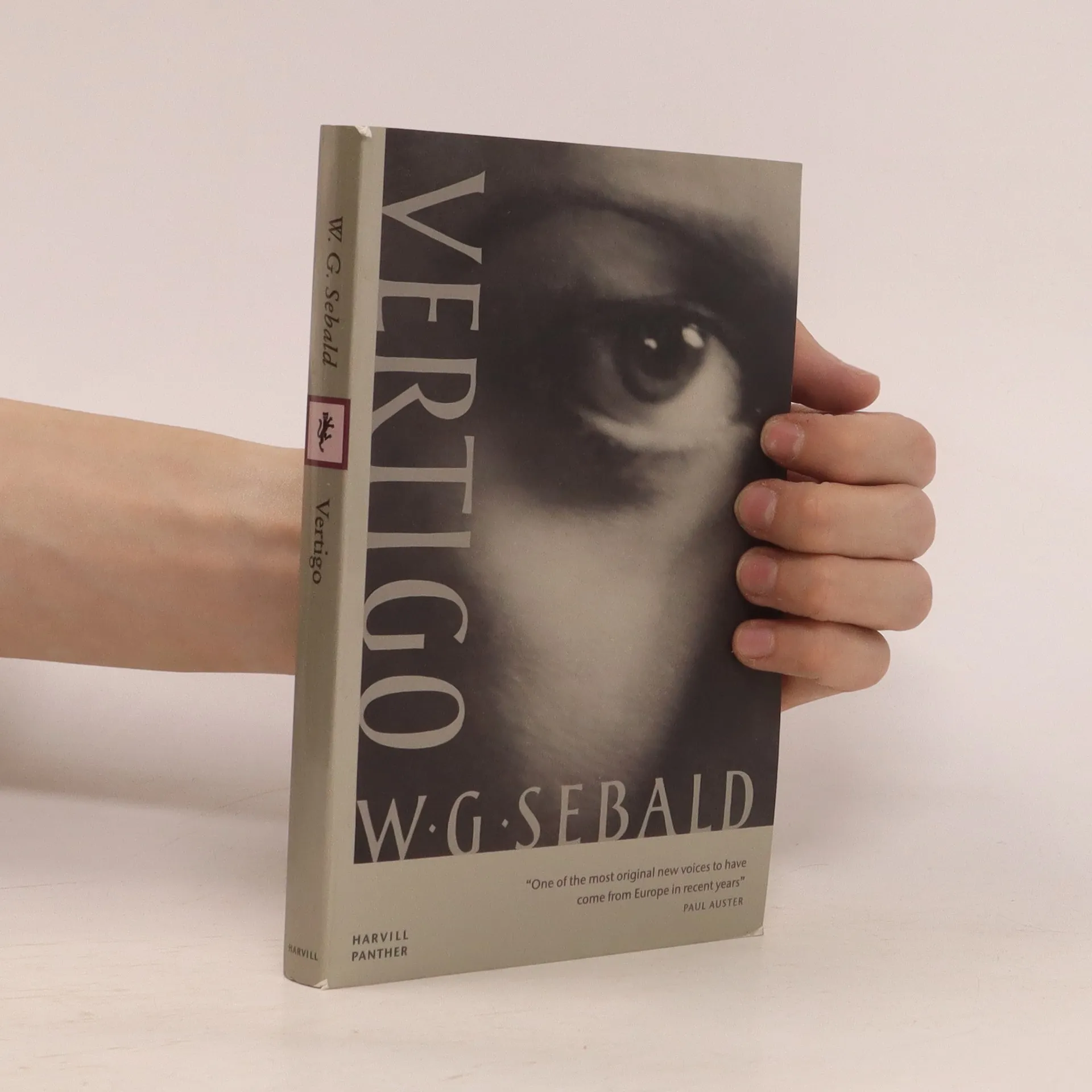
Vertigo
- 263 pages
- 10 hours of reading
At moments when reality shows itself to be unstable or uncanny, we experience a form of vertigo. W.G. Sebald explores this theme through four stories and four journeys - the journeys of Stendhal, Kafka, and twice of the unnamed narrator.
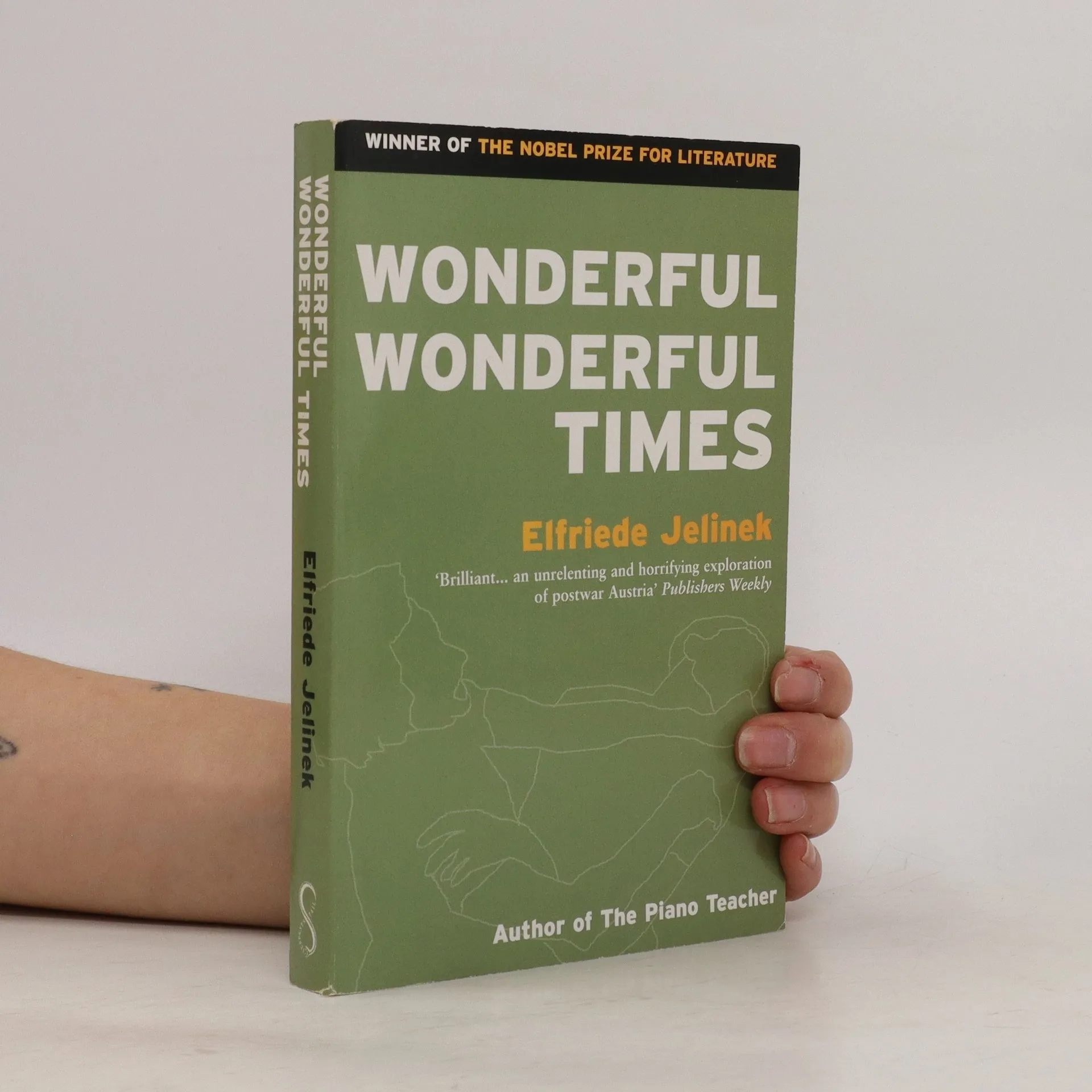
'That's brutal violence on a defenceless person, and quite unnecessary, declares Sophie, and she pulls with an audible tearing sound at the hair of the man lying in an untidy heap on the ground. What's unnecessary is best of all, says Rainer, who wants to go on fighting. We agreed on that.' It is the late 1950s. A man is out walking in a park in Vienna. He will be beaten up by four teenagers, not for his money, he has an average amount ? nor for anything he might have done to them, but because the youths are arrogant and very pleased with themselves. Their arrogance is their way of reacting to the maggot?ridden corpse that is Austria where everyone has a closet to hide their Nazi histories, their sexual perversions and their hatred of the foreigner. Elfriede Jelinek, who writes like an angel of all that is tawdry, shows in Wonderful, Wonderful Times how actions of the present are determined by thoughts of the past
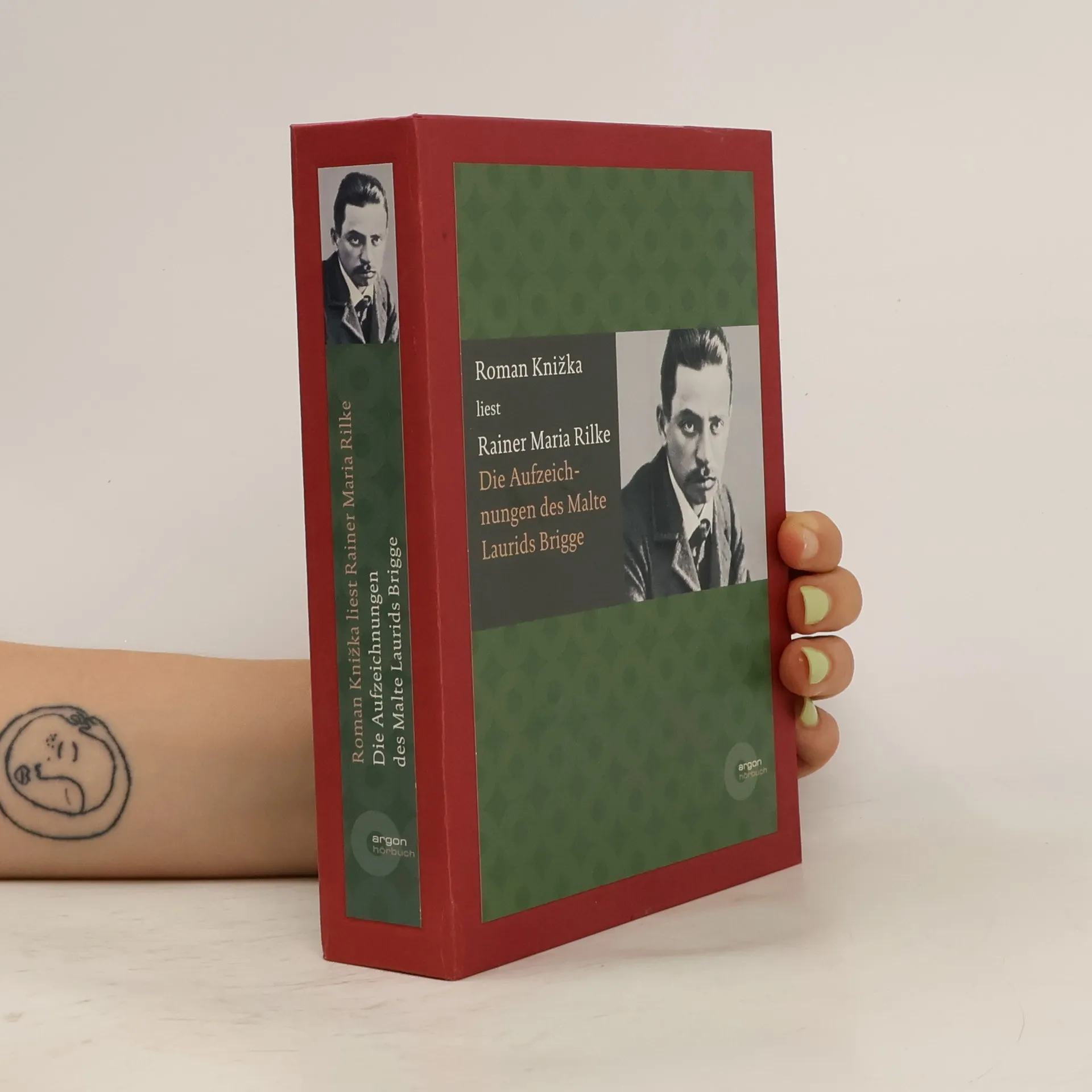
The Notebooks of Malte Laurids Brigge is Rilke’s major prose work and was one of the earliest publications to introduce him to American readers. The very wide audience which Rilke’s work commands today will welcome the reissue in paperback of this extremely perceptive translation of the Notebooks by M. D. Herter Norton. A masterly translation of one of the first great modernist novels by one of the German language's greatest poets, in which a young man named Malte Laurids Brigge lives in a cheap room in Paris while his belongings rot in storage. Every person he sees seems to carry their death within them and with little but a library card to distinguish him from the city's untouchables, he thinks of the deaths, and ghosts, of his aristocratic family, of which he is the sole living descendant. Suffused with passages of lyrical brilliance, Rilke's semi-autobiographical novel is a moving and powerful coming-of-age story.
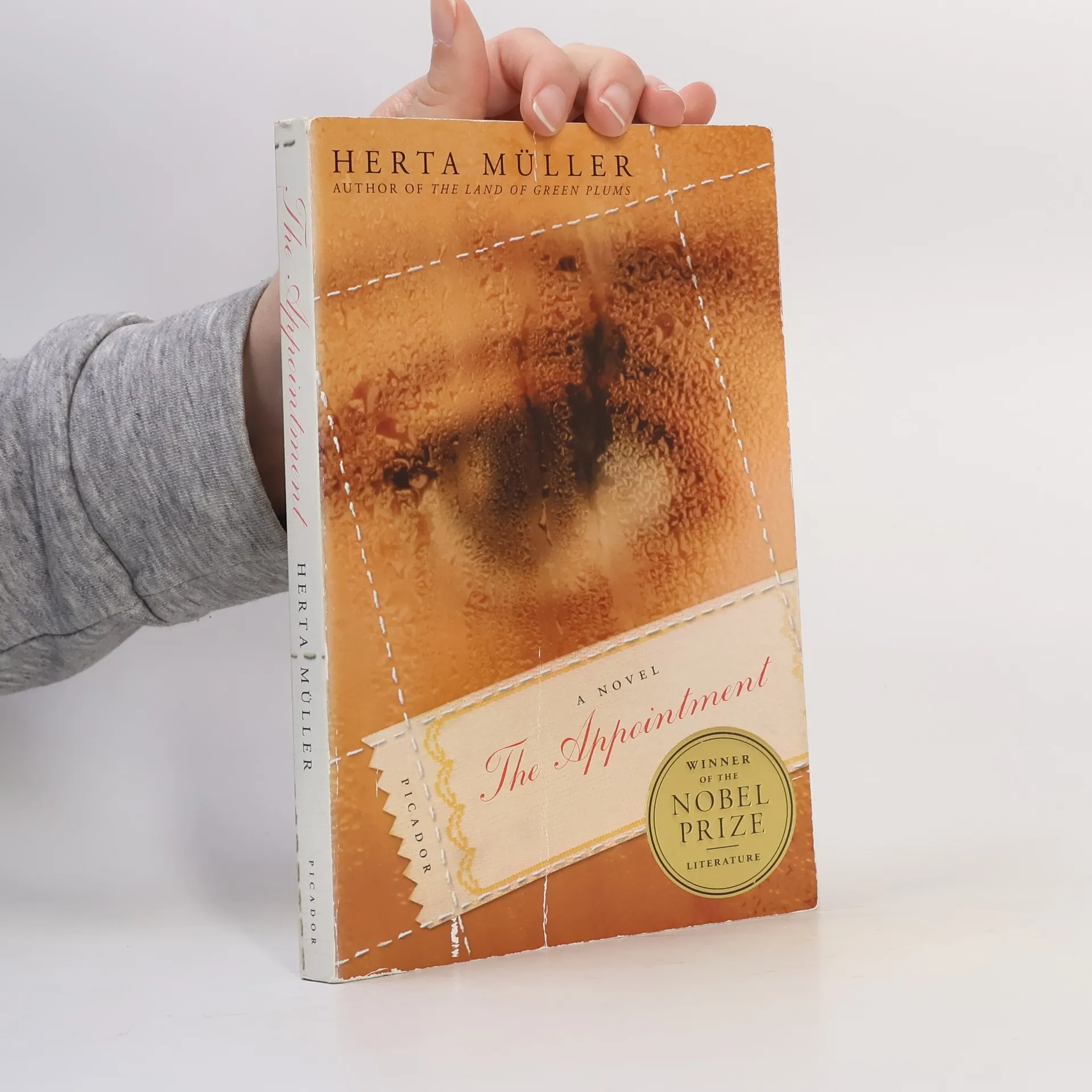
The Appointment
- 214 pages
- 8 hours of reading
From the winner of the IMPAC Award, a fierce novel about a young Romanian woman's discovery of betrayal in the most intimate reaches of her life"I've been summoned. Thursday, ten sharp." Thus begins one day in the life of a young clothing-factory worker during Ceaucescu's totalitarian regime. She has been questioned before; this time, she believes, will be worse. Her crime? Sewing notes into the linings of men's suits bound for Italy. "Marry me," the notes say, with her name and address. Anything to get out of the country.As she rides the tram to her interrogation, her thoughts stray to her friend Lilli, shot trying to flee to Hungary, to her grandparents, deported after her first husband informed on them, to Major Albu, her interrogator, who begins each session with a wet kiss on her fingers, and to Paul, her lover, her one source of trust, despite his constant drunkenness. In her distraction, she misses her stop to find herself on an unfamiliar street. And what she discovers there makes her fear of the appointment pale by comparison.Herta Müller pitilessly renders the humiliating terrors of a crushing regime. Bone-spare and intense, The Appointment confirms her standing as one of Europe's greatest writers.
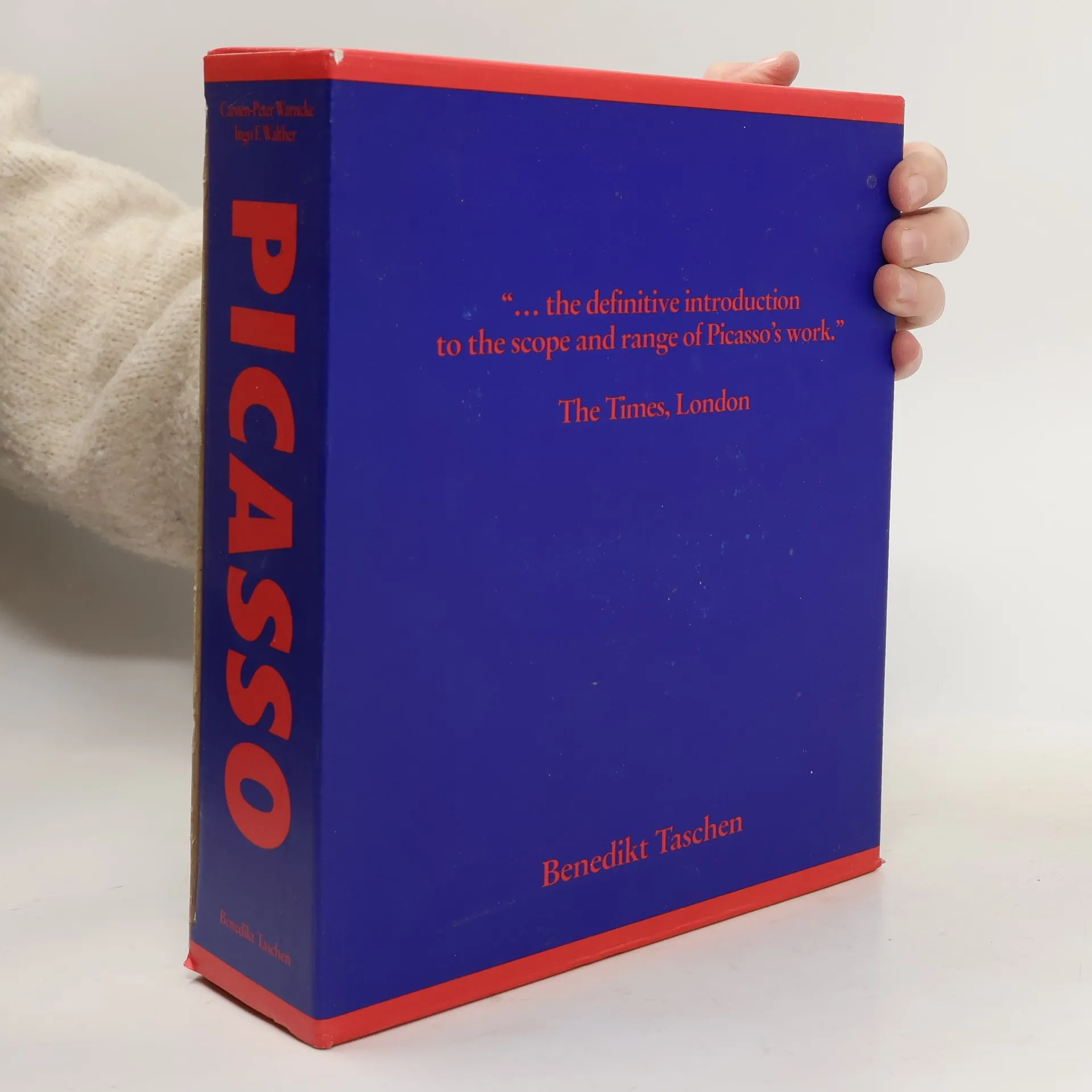
"The definitive introduction to the scope and range of Picasso's work." The Times, London "I wanted to be a painter, and I became Picasso," declared Pablo Picasso (1881-1973) in an apt survey of a triumphant career. He had good grounds for the confidence palpable in his statement, for in the history of 20th century art, his name stands out over all the others. In Picasso's paintings, drawings, lithographs, ceramics, and sculptures, he was tirelessly inventive and innovative, exhibiting an aesthetic bravado that kept him one step ahead of his contemporaries. From subject matter to new forms and techniques to new media, Picasso got there first. The Spanish artist's enormous output, from the eight-year-old's beginnings to the late work of a man of ninety-one, is surely one of the most diverse and creatively energetic in the whole history of art, and it is no exaggeration to see him as the genius of the century. Carsten-Peter Warncke's study is a thorough review of Picasso's entire oeuvre, from the early Blue and Rose Periods, through the analytic and synthetic cubism and classicist phase all the way up to the art of the old savage Picasso. Our study of Picasso, the most exhaustive record of his work to date, contains almost 1500 illustrations, from his earliest drawings to the master's very last painting. Extensive bibliography section as well as illustrated section about Picasso's life and work Index of Names
Schule des Schreckens: Nachsitzen um Mitternacht
- 208 pages
- 8 hours of reading
Halloween unter Untoten – kann das gut gehen? Die Schlagzeilen überschlagen sich, ein Shop verkauft Masken mit den Gesichtern der Gruftis, aber im Internat Buchenschlag steigt die Party des Jahres. Alles scheint gut, bis Kilian zum Nachsitzen um Mitternacht verdonnert wird und eine geheimnisvolle Gestalt über das Schulgelände schleichen sieht …
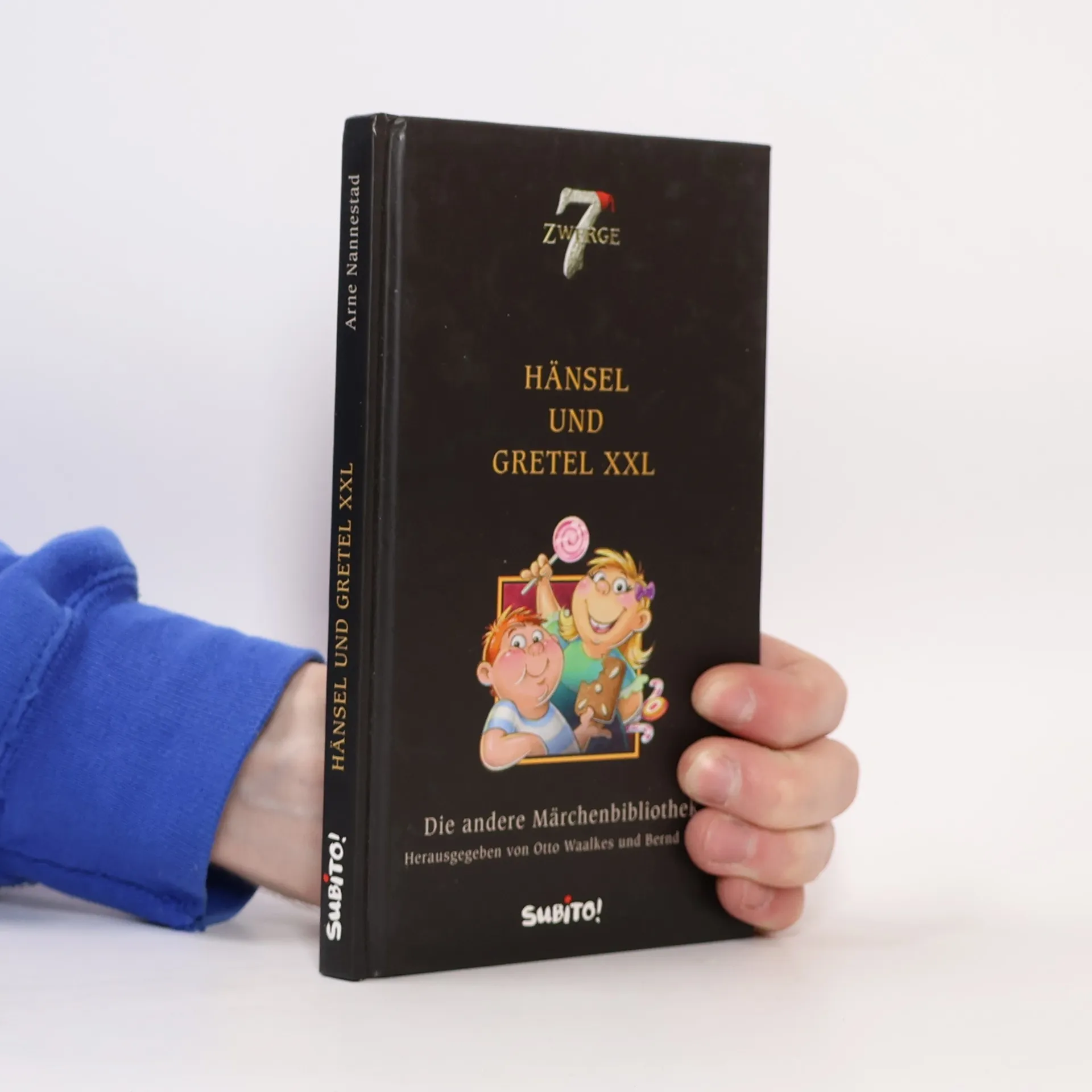
Hänsel und Gretel XXL
Ein lustiges Märchen frei nach Motiven der Brüder Grimm
- 45 pages
- 2 hours of reading