Rebecca Mead is a staff writer for The New Yorker, where she explores a variety of subjects with her characteristic insightful prose. Her writing delves into the complexities of modern life and society, offering readers a deeper understanding of the world around them. Through meticulous research and elegant storytelling, Mead crafts narratives that are both informative and profoundly engaging.
Exploring the intricate emotions tied to home and homeland, this memoir delves into the heartache and adventure of returning to one's native land after living abroad. It captures the bittersweet essence of departure and the complexities of identity, revealing how a collection of uncertainties shapes a person's life. Through personal reflections, the narrative offers a poignant look at belonging and the transformative power of place.
Raymond Carver, Alice Munro, John Updike, Gabriel García Márquez, Mavis Gallant, Julian Barnes, Michael Chabon, Jamaica Kincaid, John O'Hara, Muriel Spark, Ann Beattie, and William Maxwell are among the contributors to Nothing But You: Love Stories from The New Yorker--assembled by Roger Angell, senior editor at The New Yorker. This is the first fiction anthology in more than three decades from the magazine that has defined the American short story for almost a century. As noteworthy for its range as for its excellence, Nothing But You features a stunning array of present and past masters writing about love in all its varieties, from the classic love story to dislocated narratives of weird modern romance. Taken separately, these stories suggest the infinite variety of the human heart. Taken together, they are a literary milestone, a comprehensive review of the way we live and love now.
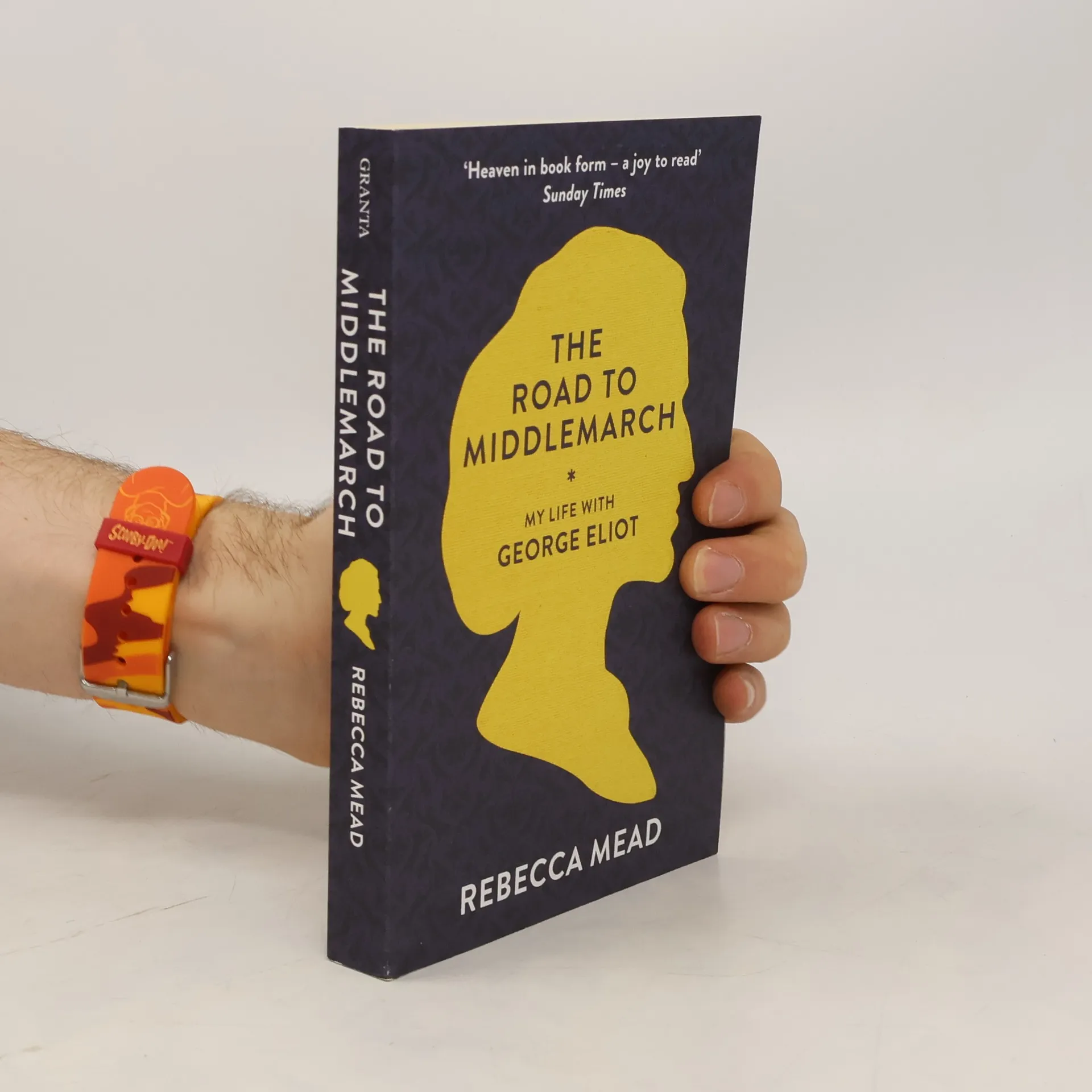
A celebration of George Eliot's life, work and greatest novel, exploring
through a mixture of literary biography, deep reading and personal memoir how
Middlemarch answers fundamental questions about life and love
The book delves into the complexities of the $160 billion wedding industry, blending investigative journalism with sharp social commentary. It reveals the intricate dynamics among various players, including event planners, retailers, and major corporations like Disney. Through insightful observations, the author examines brides' hopes and fears, illustrating how the wedding experience reflects personal identity and societal expectations. The narrative highlights the industry's influence on modern marriage, showcasing both its allure and its pressures.
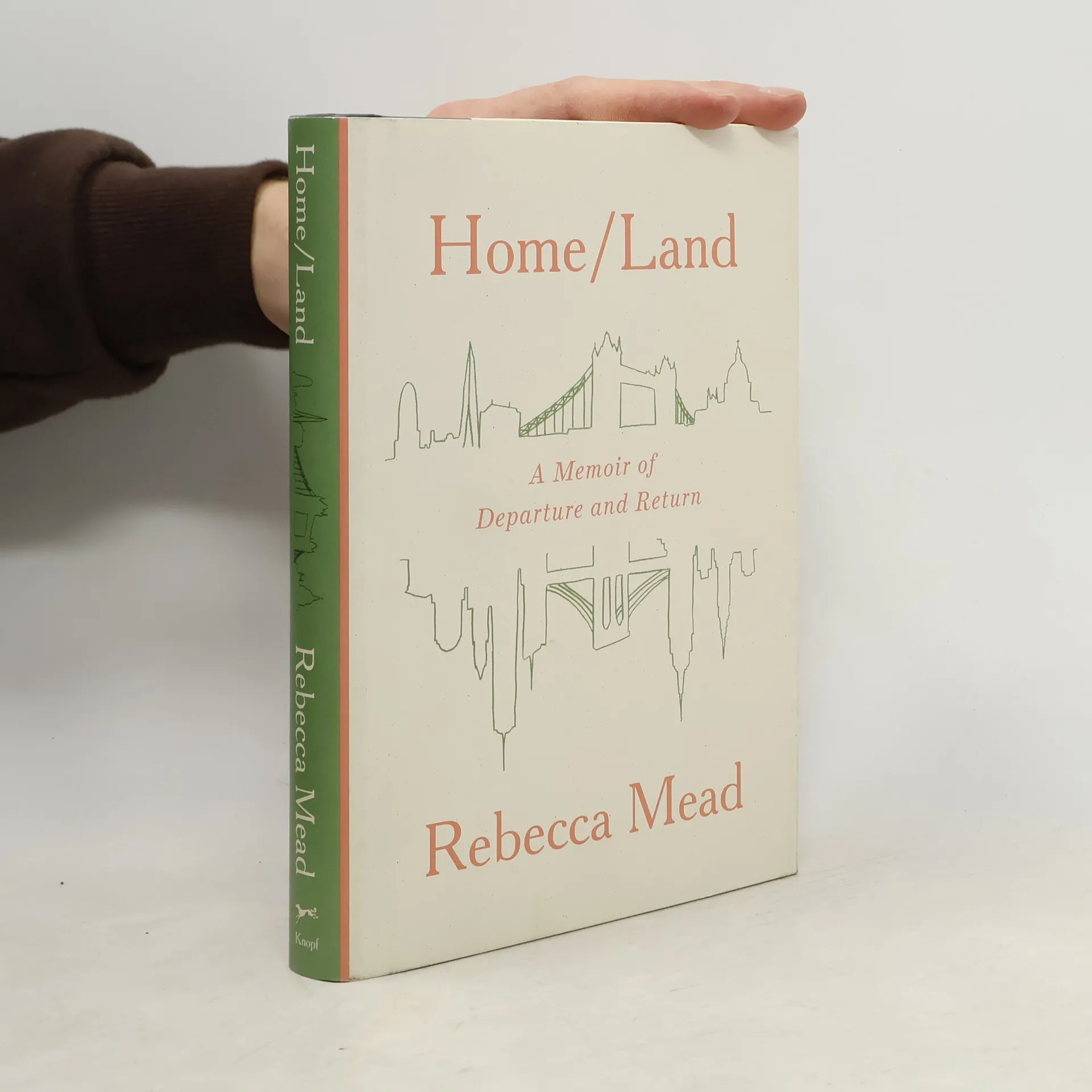
A moving reflection on the complicated nature of home and homeland, and the
heartache and adventure of leaving an adopted country in order to return to
your native land.
A moving reflection on the complicated nature of home and homeland, and the heartache and adventure of leaving an adopted country in order to return to your native land—this is a “winsome memoir of departure and reversal . . . about the way a series of unknowns accrue into a life” (Jia Tolentino, author of Trick Mirror). When the New Yorker writer Rebecca Mead relocated to her birth city, London, with her family in the summer of 2018, she was both fleeing the political situation in America and seeking to expose her son to a wider world. With a keen sense of what she’d given up as she left New York, her home of thirty years, she tried to knit herself into the fabric of a changed London. The move raised poignant questions about place: What does it mean to leave the place you have adopted as home and country? And what is the value and cost of uprooting yourself? In a deft mix of memoir and reportage, drawing on literature and art, recent and ancient history, and the experience of encounters with individuals, environments, and landscapes in New York City and in England, Mead artfully explores themes of identity, nationality, and inheritance. She recounts her time in the coastal town of Weymouth, where she grew up; her dizzying first years in New York where she broke into journalism; the rich process of establishing a new home for her dual-national son in London. Along the way, she gradually reckons with the complex legacy of her parents. Home/Land is a stirring inquiry into how to be present where we are, while never forgetting where we have been.