
Explore the latest books of this year!
Bookbot

Jean-Paul Sartre

  • Jacques Guillemin
June 21, 1905 – April 15, 1980

Jean-Paul Sartre was a French novelist, playwright and essayist. He refused to accept the Nobel Prize for Literature in 1964.

Jean-Paul Sartre
Between Existentialism and Marxism
The Psychology of the Imagination
The Freud Scenario
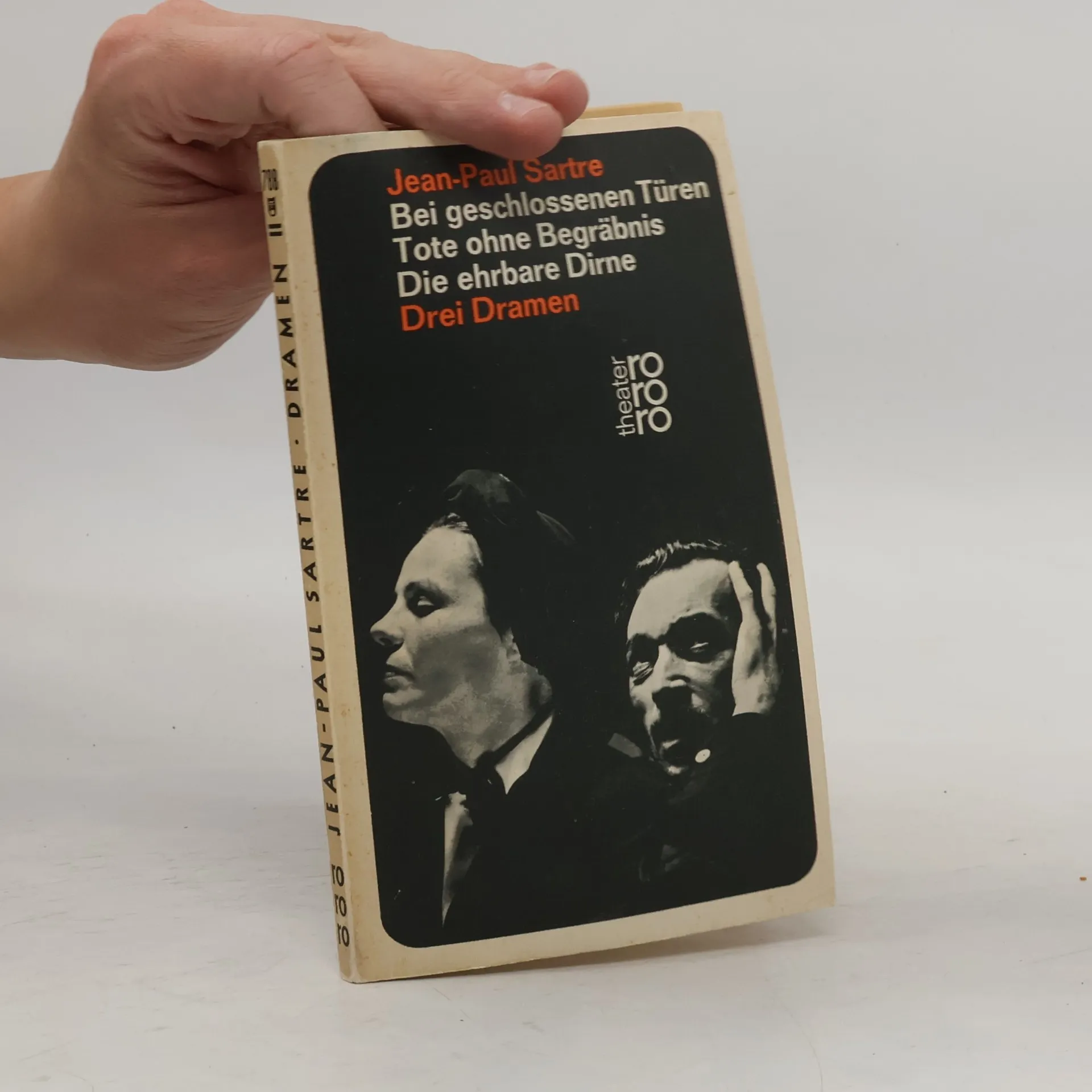
No Exit and Three Other Plays
The Last Chance. Roads of Freedom IV
Critical Essays
  • Critical Essays

    • 532 pages
    • 19 hours of reading

    Critical Essays (Situations I) contains essays on literature and philosophy from a highly formative period of French philosopher and leading existentialist Jean-Paul Sartre’s life, the years between 1938 and 1946. This period is particularly interesting because it is before Sartre published the magnum opus that would solidify his name as a philosopher, Being and Nothingness. Instead, during this time Sartre was emerging as one of France’s most promising young novelists and playwrights - he had already published Nausea, The Age of Reason, The Flies, and No Exit. Not content, however, he was meanwhile consciously attempting to revive the form of the essay via detailed examinations of writers who were to become central to European cultural life in the immediate aftermath of World War II. -- Provided by publisher
    Critical Essays
  • No Exit and Three Other Plays
    • 281 pages
    • 10 hours of reading
    4.3(246)Add rating

    "No Exit is an unforgettable portrayal of hell. The Flies is a modern reworking of the Electra-Orestes story. Dirty Hands is about a young intellectual torn between theory and praxis. The Respectful Prostitute is a scathing attack on American racism."--Cover.

    No Exit and Three Other Plays

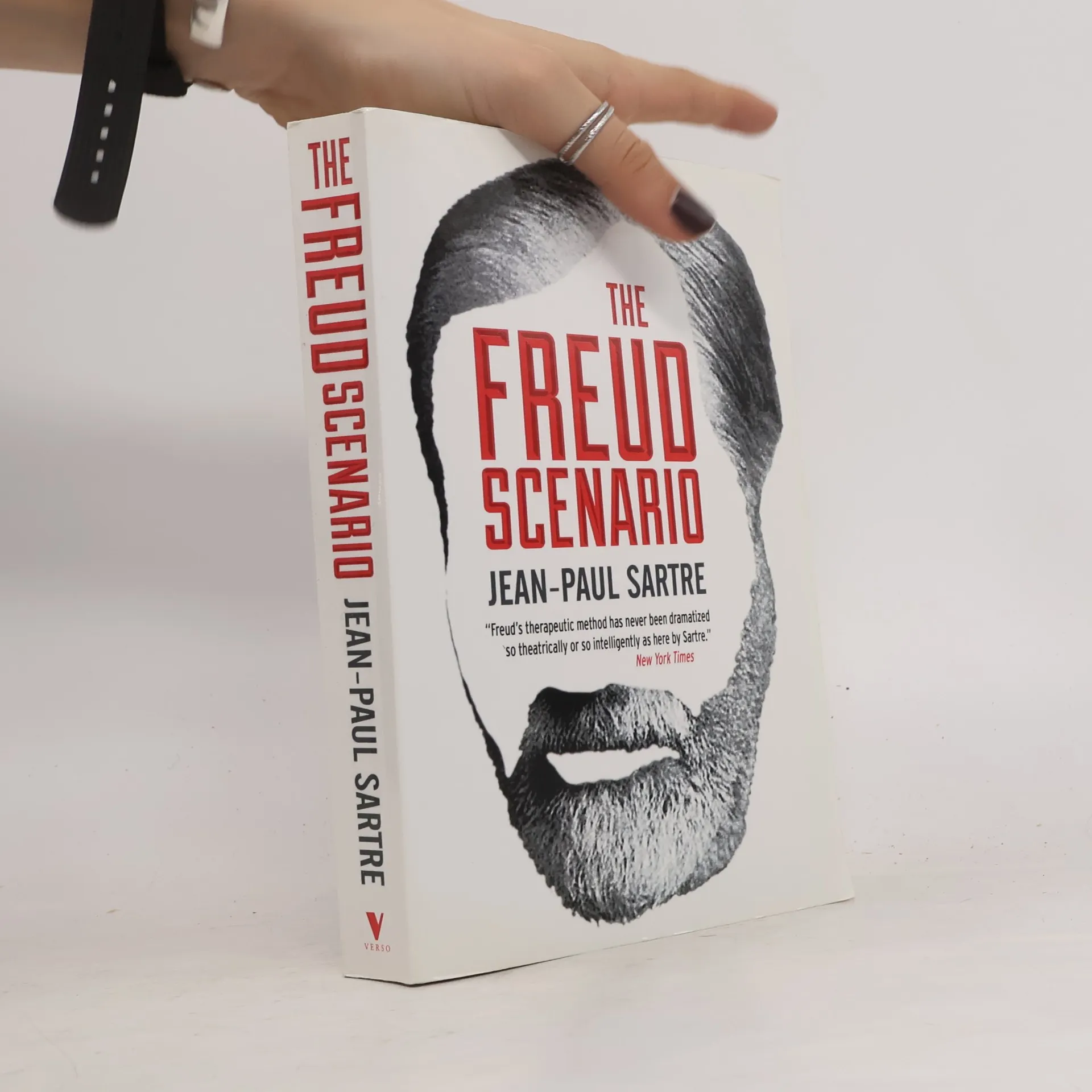
  • The Freud Scenario

    • 576 pages
    • 21 hours of reading

    The book presents a previously lost script by Sartre, centered on the life and theories of Freud. This unrealised classic sheds light on Sartre's unique perspective on Freud's work, revealing insights into psychological and philosophical themes. Discovered posthumously, it offers readers a rare glimpse into Sartre's creative process and his engagement with one of the 20th century's most influential thinkers.

    The Freud Scenario
  • Between Existentialism and Marxism

    • 304 pages
    • 11 hours of reading

    Exploring the intersection of existentialism and Marxism, this classic work delves into the philosophical ideas of its author, a key figure in existential thought. It examines the implications of individual existence, freedom, and responsibility while critiquing societal structures. Through rigorous analysis, the text reveals how existentialist principles can coexist with, and even enhance, Marxist theory, offering a profound commentary on human experience and social justice.

    Between Existentialism and Marxism
  • Existentialism and Humanism

    • 94 pages
    • 4 hours of reading
    4.1(30118)Add rating

    "Over the past sixty years the writings of Jean-Paul Sartre have probably been more influential in the West than those of any other philosopher and literary figure. In his theoretical writings, Sartre laid the foundation for an original doctrine of Existentialism. His concern, however, was to relate his theory to human response and the practical demands of living. To achieve this, he carried his philosophical concepts into his novels and plays, and there subjected them to the test of imagined experience. His uniqueness lies in the success with which he demonstrated the utility of Existentialist doctrine while creating, at the same time, works of the highest literary merit. Thus Sartre became the populariser of his own literary thought. Originally delivered as a lecture in Paris in 1945, "Existentialism and Humanism" is Jean-Paul Sartre's seminal defence of Existentialism as a doctrine true to Humanism, as opposed to a purely nihilistic creed, and a plan for its practical application to everyday human life. This exploration of one of the central tenets of his philosophical thought has become the essential introduction to his work, and a fundamental text for all students of philosophy"--page 4 of cover.
    Existentialism and Humanism
  • Set in the volatile Paris summer of 1938, The Age of Reason follows two days in the life of Mathieu Delarue, a philosophy teacher, and his circle in the cafés and bars of Montparnasse. Mathieu has so far managed to contain sex and personal freedom in conveniently separate compartments. But now he is in trouble, urgently trying to raise 4,000 francs to procure a safe abortion for his mistress, Marcelle. Beyond all this, filtering an uneasy light on his predicament, rises the distant threat of the coming of the Second World War. The Age of Reason is the first volume in Sartre’s Roads to Freedom trilogy

    The age of reasons