Emma
- 59 pages
- 3 hours of reading
Follows the adventures of the self-assured and accomplished Emma, a twenty-one-year-old girl of privilege who believes she is immune to romance and has several chaotic and often humorous experiences


Marilyn Butler was a distinguished British literary critic renowned for her profound engagement with the Romantic period and the literature of the 18th and 19th centuries. Her scholarship delved into the social and intellectual forces shaping literary creation, with a particular focus on authors such as Maria Edgeworth. Butler was celebrated for her meticulous analysis and her ability to connect literary works to their broader cultural and historical contexts. Her influential critical studies illuminate the complexities of literary movements and enrich our understanding of British literature.
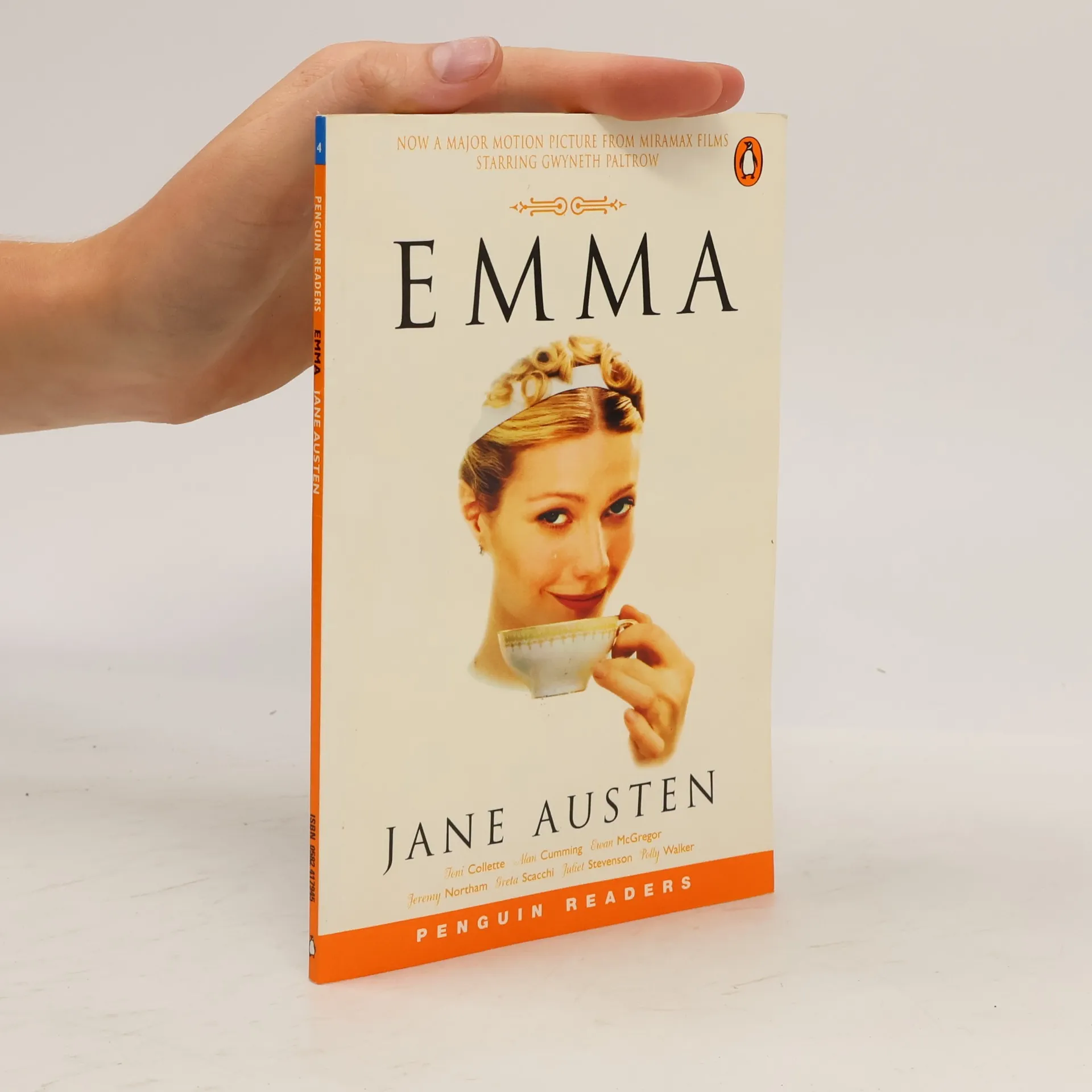
Follows the adventures of the self-assured and accomplished Emma, a twenty-one-year-old girl of privilege who believes she is immune to romance and has several chaotic and often humorous experiences
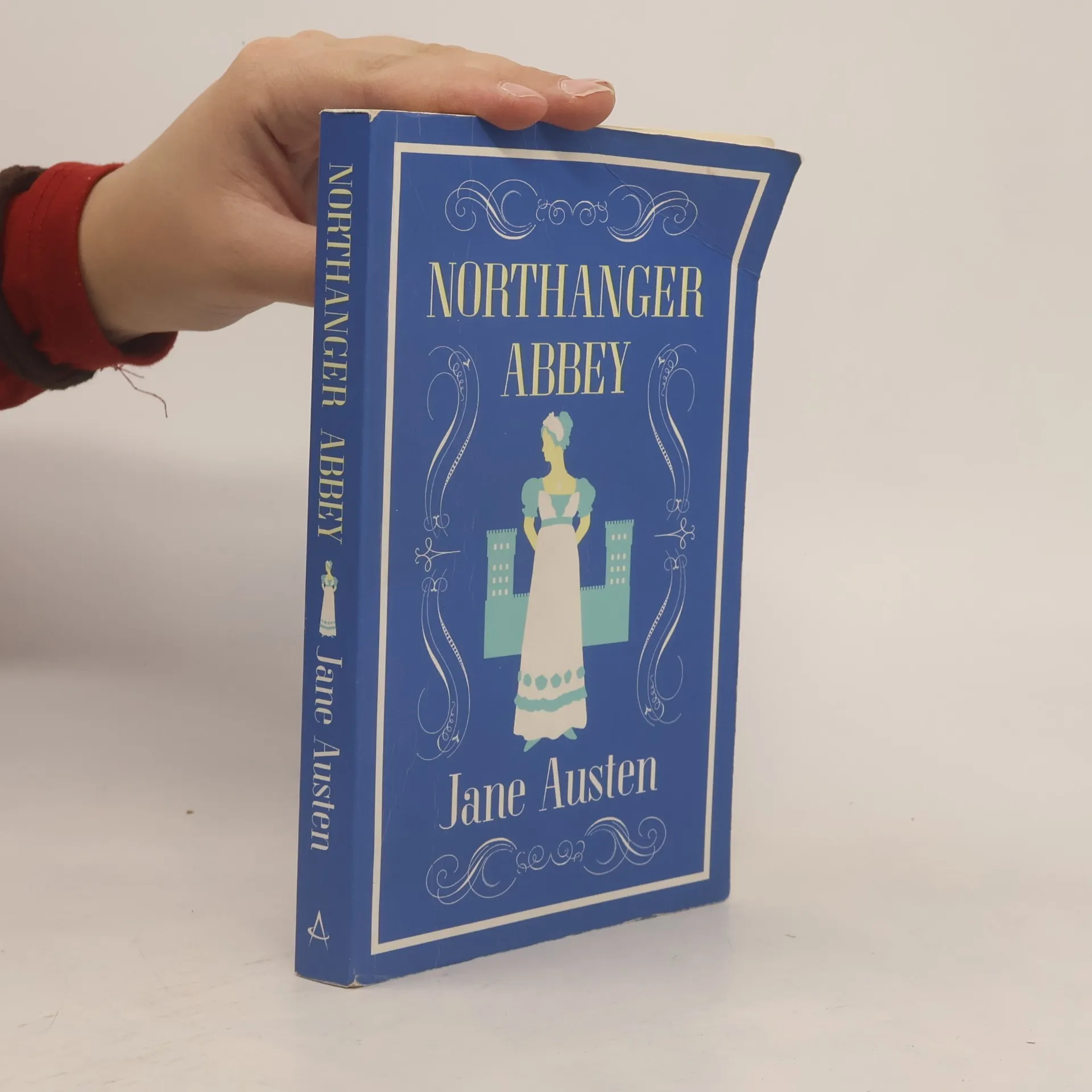
While enjoying a six weeks' stay in fashionable Bath, the young and callow Catherine Morland is introduced to the delights of high society. Thanks to a new literary diet of the sensational and the macabre, Catherine travels to Northanger Abbey fully expecting to become embroiled in a Gothic adventure of intrigue and suspense – and, once there, soon begins to form the most gruesome and improbable theories about the exploits of its occupants. An early work, but published posthumously, Northanger Abbey is a parody of the Gothic genre typified by the novels of Ann Radcliffe, as well as a witty comedy of manners in the style of Jane Austen's later novels and, ultimately, an enchanting love story.
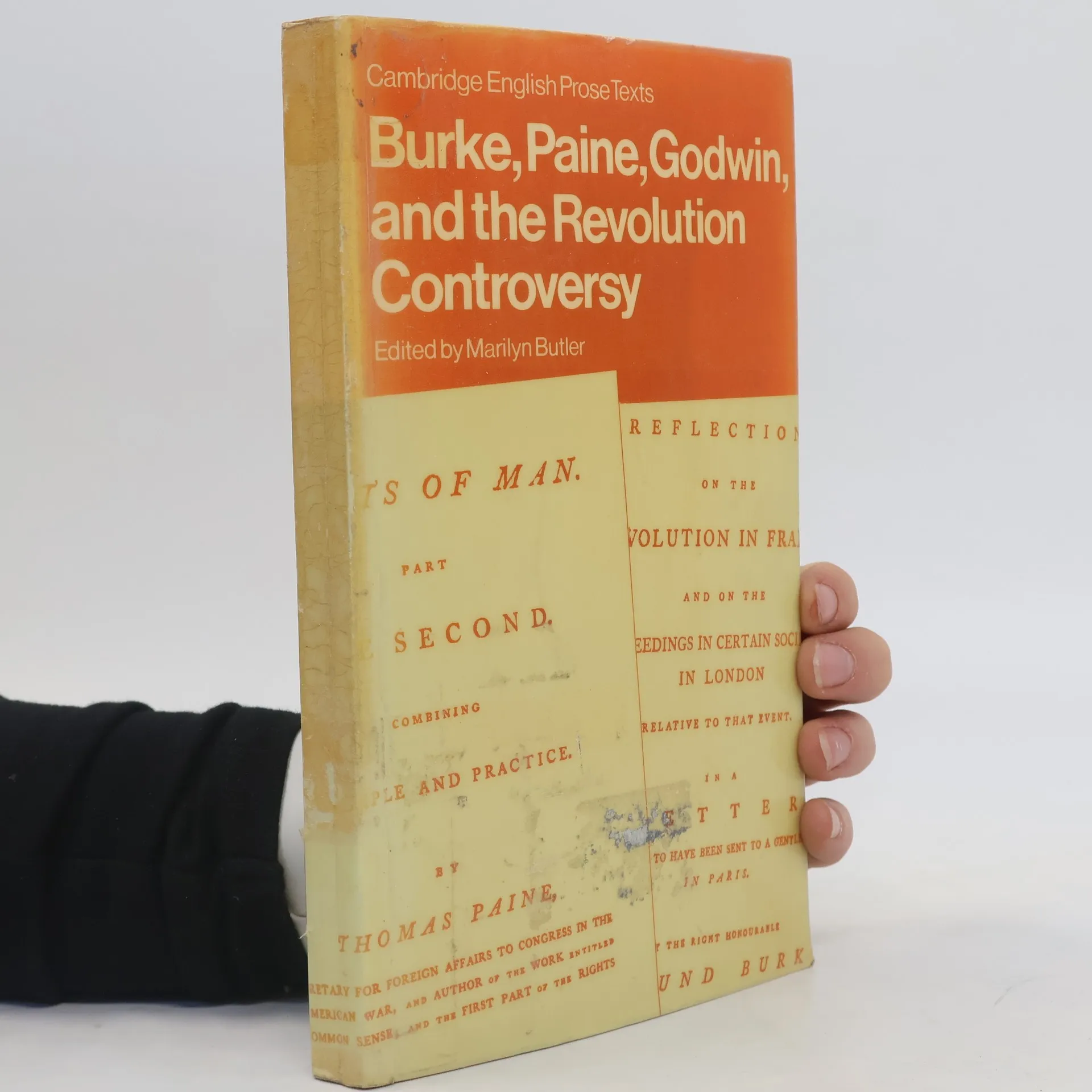
This volume focuses on the significant Revolution debate in England during the 1790s, sparked by the French Revolution. It includes major works by Burke, Paine, and Godwin, alongside shorter pieces by writers like Cobbett and More. Part of the Cambridge English Prose Texts series, it highlights non-fictional prose from the late sixteenth to mid-nineteenth centuries, providing access to influential yet often overlooked writers. The debate featured interconnected works that reflect the historical context of their creation. Major tracts such as Burke's *Reflections on the Revolution in France*, Paine's *The Rights of Man*, and Godwin's *Enquiry Concerning Political Justice* are presented in depth, while important shorter writings are included almost in full. The volume portrays a community of oppositional writers who engaged with each other and challenged the pro-government majority, offering insights into Romanticism and the development of extra-parliamentary opposition through the press. It also illustrates the debate's influence on figures like Mary Wollstonecraft, Coleridge, and Wordsworth. Comprehensive annotations clarify obscure references, while an introduction by Dr. Butler provides an overview of the pamphlet war and its key players. A critical guide for further reading is also included, making this volume an essential resource for students of English Romantic literature, history, and political history.