
Explore the latest books of this year!
Bookbot

Claire Colebrook

    Claire Colebrook is an Australian cultural theorist whose work engages with a broad spectrum of subjects including visual art, poetry, queer theory, film studies, and contemporary literature. Through her extensive publications, she explores the intersections of theory, visual culture, and literary movements. Her intellectual approach offers incisive perspectives on modern cultural and theoretical discourses.

    Who Would You Kill to Save the World?
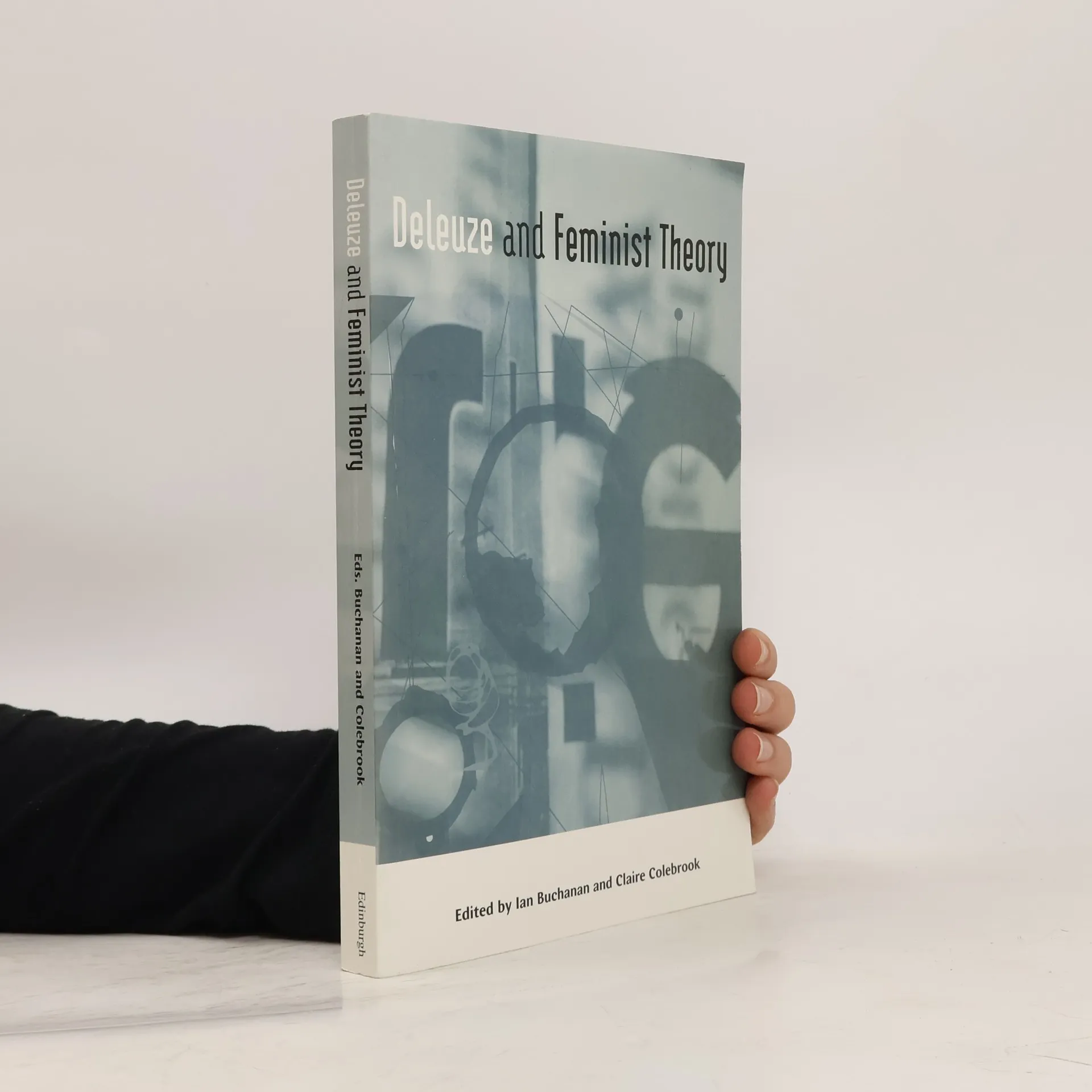
    Deleuze and Feminist Theory
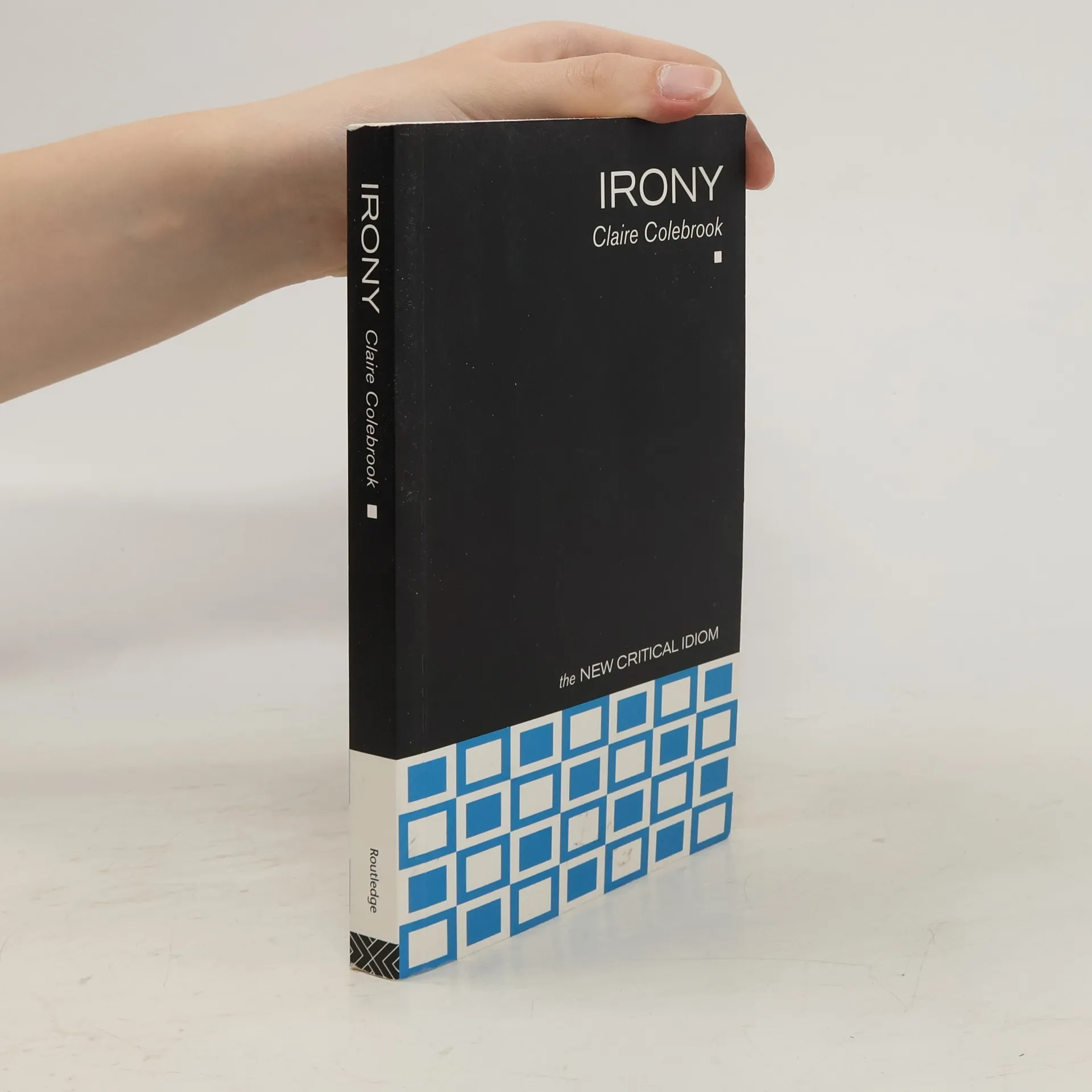
    Irony
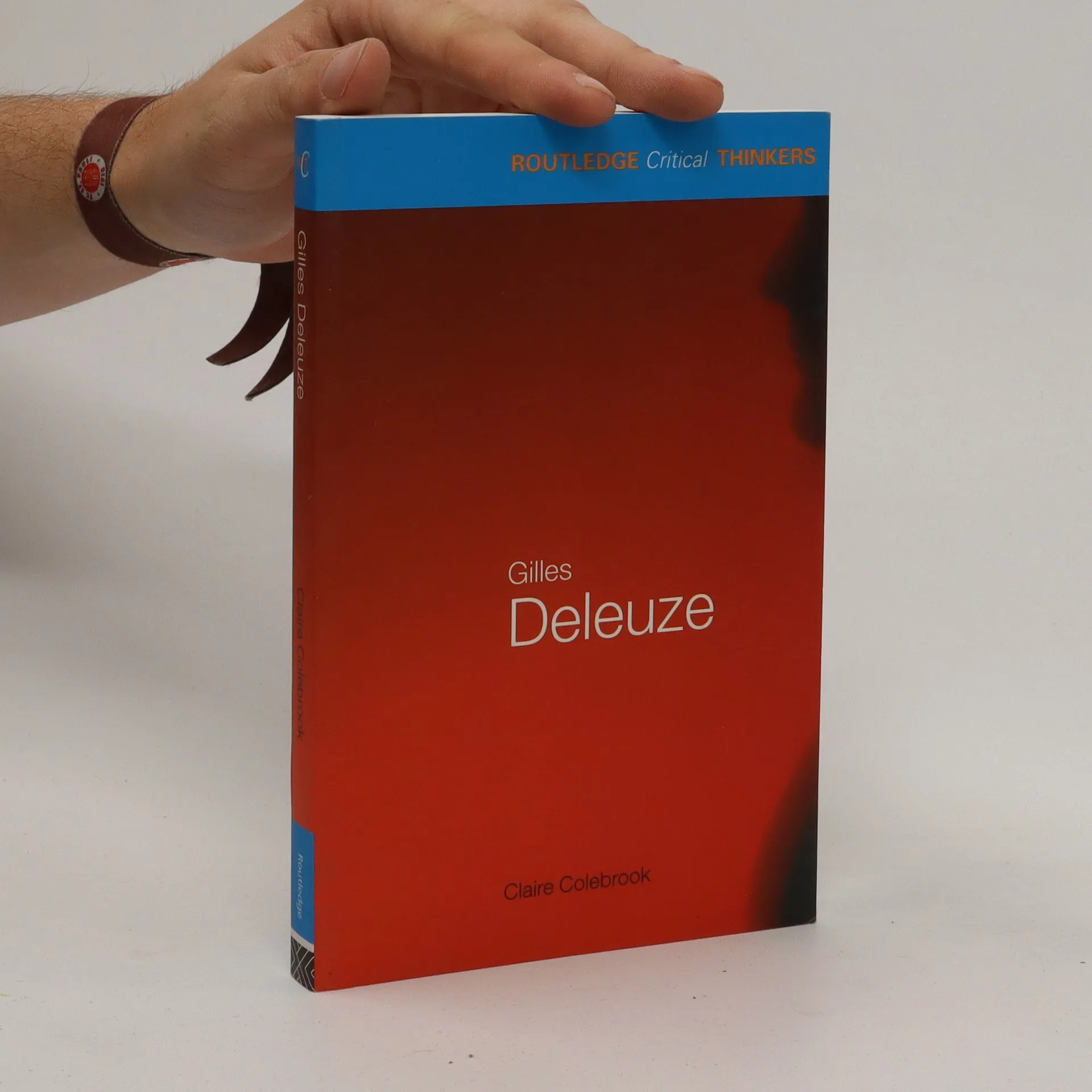
    Gilles Deleuze
    • Gilles Deleuze

      • 200 pages
      • 7 hours of reading
      4.0(446)Add rating

      Why think? Not, according to Gilles Deleuze, in order to be clever, but because thinking transforms life. Why read literature? Not for pure entertainment, Deleuze tells us, but because literature can recreate the boundaries of life. With his emphasis on creation, the future and the enhancement of life, along with his crusade against 'common sense', Deleuze offers some of the most liberating, exhilarating ideas in twentieth-century thought. This book offers a way in to Deleuzean thought through such topics as: * 'becoming' * time and the flow of life * the ethics of thinking * 'major' and 'minor' literature * difference and repetition * desire, the image and ideology. Written with literature students in mind, this is the ideal guide for students wishing to think differently about life and literature and in this way to create their own new readings of literary texts.

      Gilles Deleuze
    • An overview of the history and structure of irony, this guide traces its use through history, from Greek times to the Romantic period and on to the postmodern era. It looks closely at the work of Socrates and the more contemporary theorists; explores the philosophical, literary and political dimensions; and applies theories to literary texts. schovat popis

      Irony
    • Claire Colebrook examines how postapocalyptic cinema uses images from the past and present to depict what it means to preserve the world-and who is left out of the narrative of rebuilding society.

      Who Would You Kill to Save the World?