
Explore the latest books of this year!
Bookbot

Jonathan Conlin

    The Met
    The National Gallery
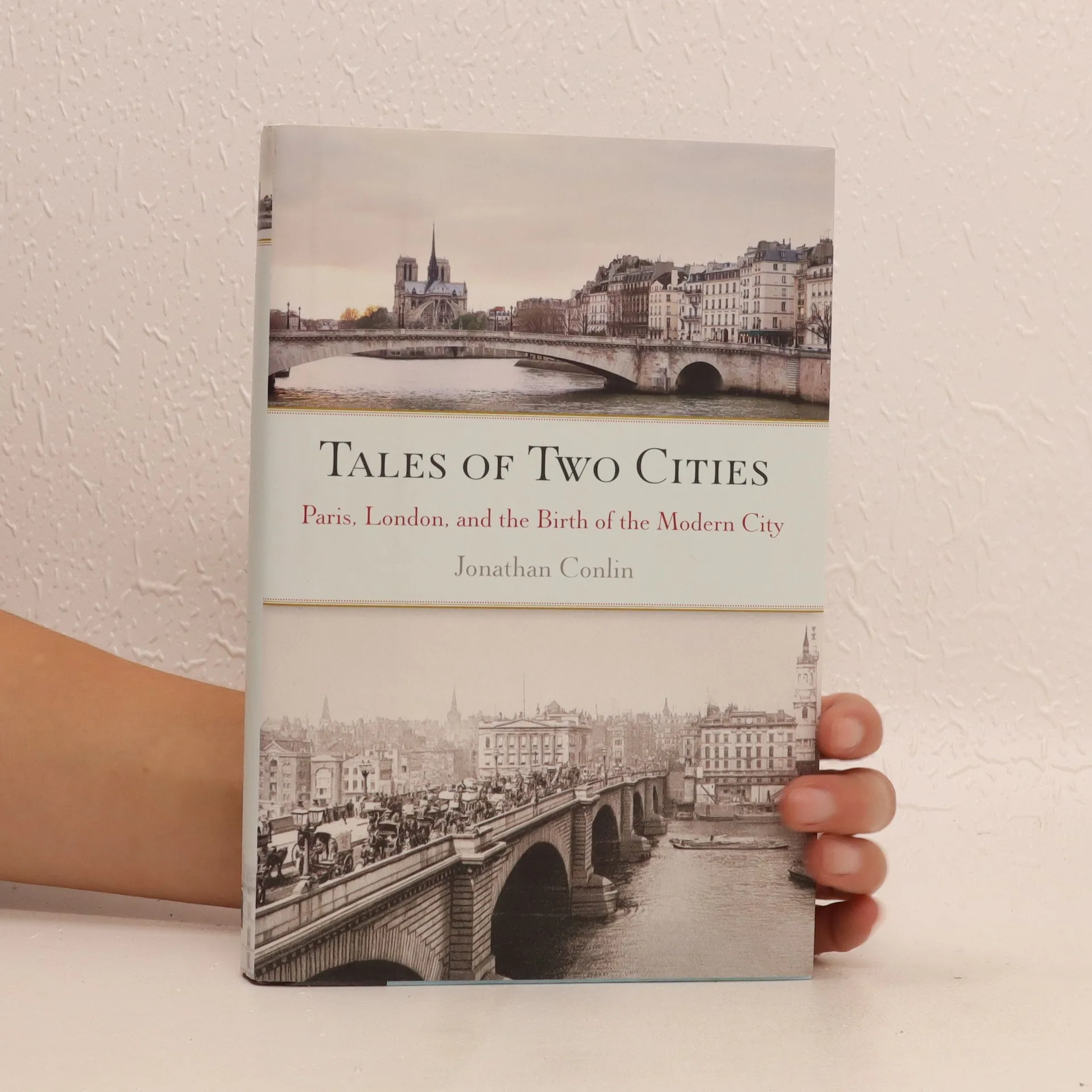
    Tales of two cities : Paris, London and the birth of the modern city
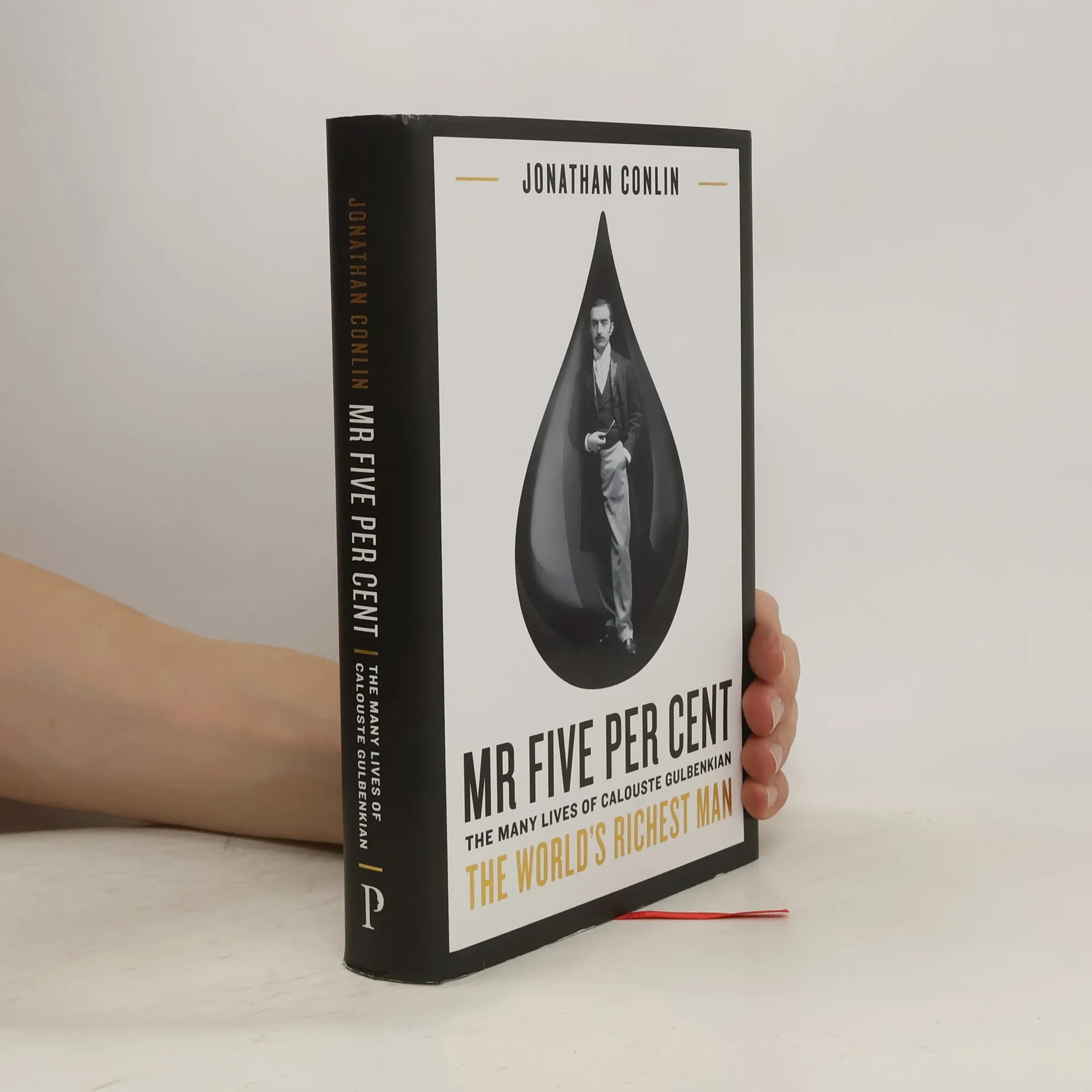
    Mr Five Per Cent
    • When Calouste Gulbenkian died in 1955 at 86, he was the wealthiest man globally, dubbed 'Mr Five Per Cent' for his share of Middle East oil. Born to a prosperous Armenian merchant in Istanbul, he spent half a century brokering high-stakes oil deals, skillfully concealing his intricate network of business interests among Asian and European cartels while presenting himself as an impartial 'honest broker' to governments and oil magnates. Today, he is primarily remembered through the Gulbenkian Foundation in Lisbon, which received his remarkable art collection and substantial wealth. Gulbenkian's private life mirrored the complexity of his business dealings; he espoused high 'moral values' yet exploited his wife's charm to advance his career and demanded strict obedience from his family, whom he monitored closely. In his youth, he led a lavish lifestyle, mingling with actresses and showgirls, while later, on medical advice, he engaged with a series of discreetly arranged young women. His art collection included masterpieces like Rembrandts, some acquired from Stalin at the Hermitage Museum. This account, published for the 150th anniversary of his birth, delves into Gulbenkian's multifaceted life and his significant influence on the modern oil industry.

      Mr Five Per Cent
    • Paris and London have long held a mutual fascination, and never more so than in the period 1750–1914, when they vied to be the world's greatest city. Each city has been the focus of many books, yet Jonathan Conlin here explores the complex relationship between them for the first time. The reach and influence of both cities was such that the story of their rivalry has global implications. By borrowing, imitating and learning from each other Paris and London invented the true metropolis. Tales of Two Cities examines and compares five urban spaces—the pleasure garden, the cemetery, the apartment, the restaurant and the music hall—that defined urban modernity in the nineteenth century. The citizens of Paris and London first created these essential features of the modern cityscape and so defined urban living for all of us.

      Tales of two cities : Paris, London and the birth of the modern city
    • The National Gallery

      A History

      • 384 pages
      • 14 hours of reading

      Focusing on the history of the National Gallery, this book explores the development of one of the world's premier art collections, shaped by the contributions and aspirations of the British public. It delves into the gallery's significance in cultural heritage and its role in making art accessible to all, highlighting key moments and figures involved in its establishment. Through this narrative, readers gain insight into the intersection of art, society, and national identity in Britain.

      The National Gallery
    • The Met

      A History of a Museum and Its People

      • 440 pages
      • 16 hours of reading

      Focusing on the people and events that shaped the Met, Jonathan Conlin's work delves into the museum's 150-year history through the lens of its directors, curators, and the diverse communities that interacted with it. By examining archival materials and oral histories, he presents a narrative that moves beyond traditional top-down histories, highlighting pivotal moments like European acquisitions during the Franco-Prussian War and the influence of benefactors. The book explores the complex interplay of social classes, art connoisseurship, and cultural identity within this iconic institution.

      The Met