The Tongue Set Free
- 288 pages
- 11 hours of reading
The Tongue Set Free is the first volume in Elias Canetti's three-volume autobiography. Translated from the German by Joachim Neugroschel.



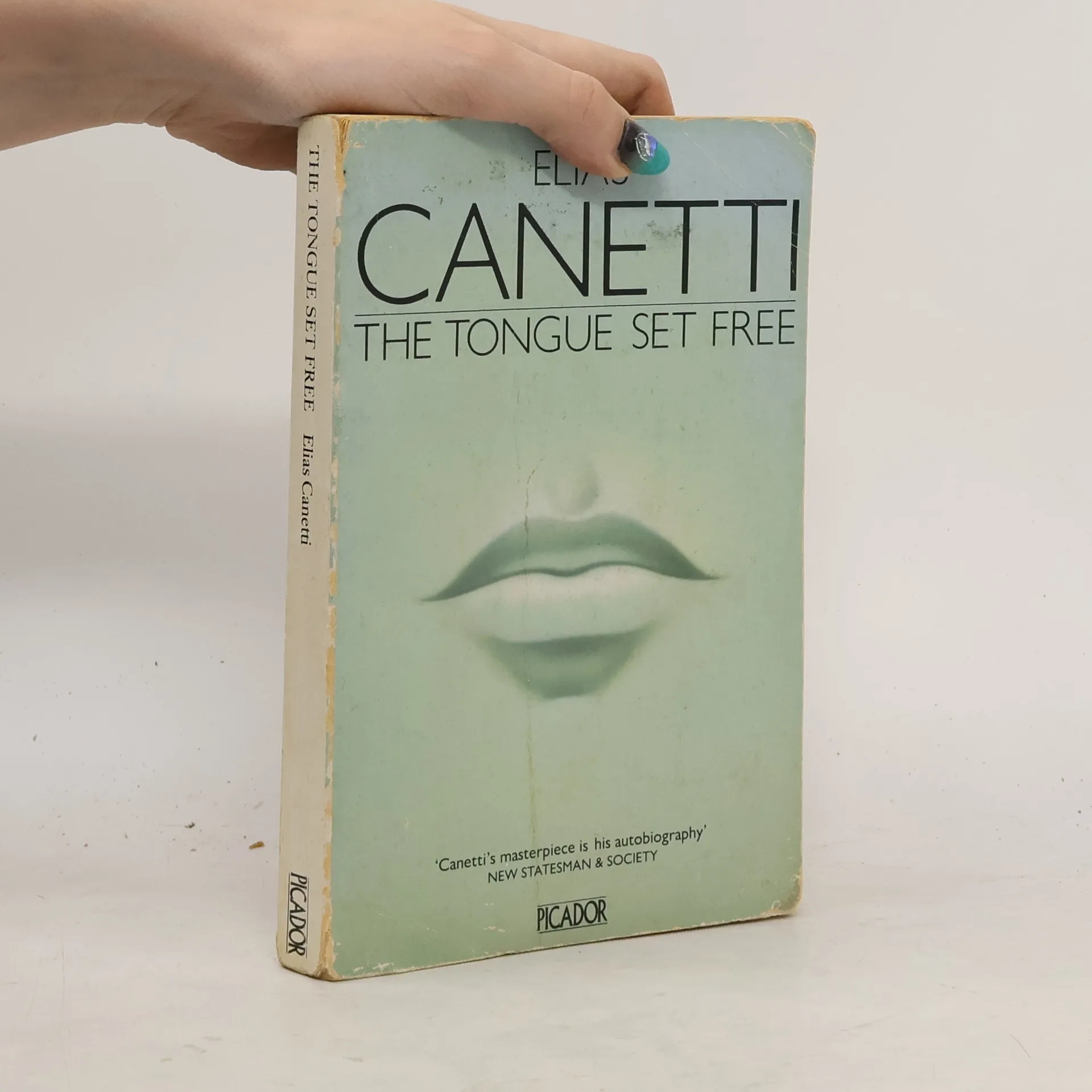
The Tongue Set Free is the first volume in Elias Canetti's three-volume autobiography. Translated from the German by Joachim Neugroschel.
«Stizzita per la scemenza dei suoi stessi oracoli e per l’ingenua credulità dei Greci, la sacerdotessa di Delfi Pannychis XI, lunga e secca come quasi tutte le Pizie che l’avevano preceduta, ascoltò le domande del giovane Edipo, un altro che voleva sapere se i suoi genitori erano davvero i suoi genitori, come se fosse facile stabilire una cosa del genere nei circoli aristocratici, dove, senza scherzi, donne maritate davano a intendere ai loro consorti, i quali peraltro finivano per crederci, come qualmente Zeus in persona si fosse giaciuto con loro». Con queste parole spigolose e beffarde ha inizio La morte della Pizia e subito il racconto investe alcuni dei più augusti miti greci, senza risparmiarsi irriverenze e furia grottesca. Ma Dürrenmatt è troppo buono scrittore per appagarsi di una irrisione del mito. Procedendo nella narrazione, vedremo le storie di Delfi addensarsi in un «nodo immane di accadimenti inverosimili che danno luogo, nelle loro intricatissime connessioni, alle coincidenze più scellerate, mentre noi mortali che ci troviamo nel mezzo di un simile tremendo scompiglio brancoliamo disperatamente nel buio». L’insolenza di Dürrenmatt non mira a cancellare, ma a esaltare la presenza del vero sovrano di Delfi: l’enigma.
LRB BOOKSHOP'S AUTHOR OF THE MONTH ONE OF THE GUARDIAN'S BEST BOOKS OF 2019 'If you haven't read Bernhard, you will not know of the most radical advance in fiction since Joyce ... My advice: dive in.' Lucy Ellmann 'I absolutely love Bernhard: he is one of the darkest and funniest writers ... A must read for everybody.' Karl Ove Knausgaard Mid-century Austria. Three aspiring concert pianists - Wertheimer, Glenn Gould, and the narrator - have dedicated their lives to achieving the status of a virtuoso. But one day, two of them overhear Gould playing Bach's Goldberg Variations, and his incomparable genius instantly destroys them both. They are forced to abandon their musical ambitions: Wertheimer, over a tortured process of disintegration that sees him becoming obsessed with both writing and his own sister, with whom he has a quasi-incestuous relationship culminating in death; and the narrator, instantly, retreating into obscurity to write a book that he periodically destroys and restarts. Written as a monologue in one remarkable unbroken paragraph, Thomas Bernhard's dazzling meditation on failure, genius, and fame is a radical new reading experience: musical, paralysing, raging, and inimitable.
Leonidas, aus kleinen Verhältnissen zum Sektionschef im Wiener Unterrichtsministerium aufgestiegen - nicht zuletzt durch die Ehe mit der reichsten Erbin der Stadt -, erhält im Herbst 1936 einen Brief von Vera Wormser. Die Tochter eines jüdischen Arztes, mit der er vor 18 Jahren, bald nach seiner Heirat, den ''einzigen echten Liebesrausch im Leben'' erfahren hat, bittet ihn, einem Jungen zu helfen, der im nationalsozialistischen Deutschland nicht länger das Gymnasium besuchen darf.