Remembering Reinhold Niebuhr
- 448 pages
- 16 hours of reading
These letters provide a unique look at the life and times of one of the most original religious and political minds America has ever produced.


This American theologian forcefully critiqued liberal Protestant thought, emphasizing the persistence of evil in human nature and social institutions. His theological and philosophical works often delve into the complex relationship between morality and society, examining the nature and destiny of humankind. Influenced by his years of pastoral service in an industrial city, he became a critic of capitalism and an advocate for socialism. His writings are known for their incisive examination of the ongoing struggle between good and evil in the world.



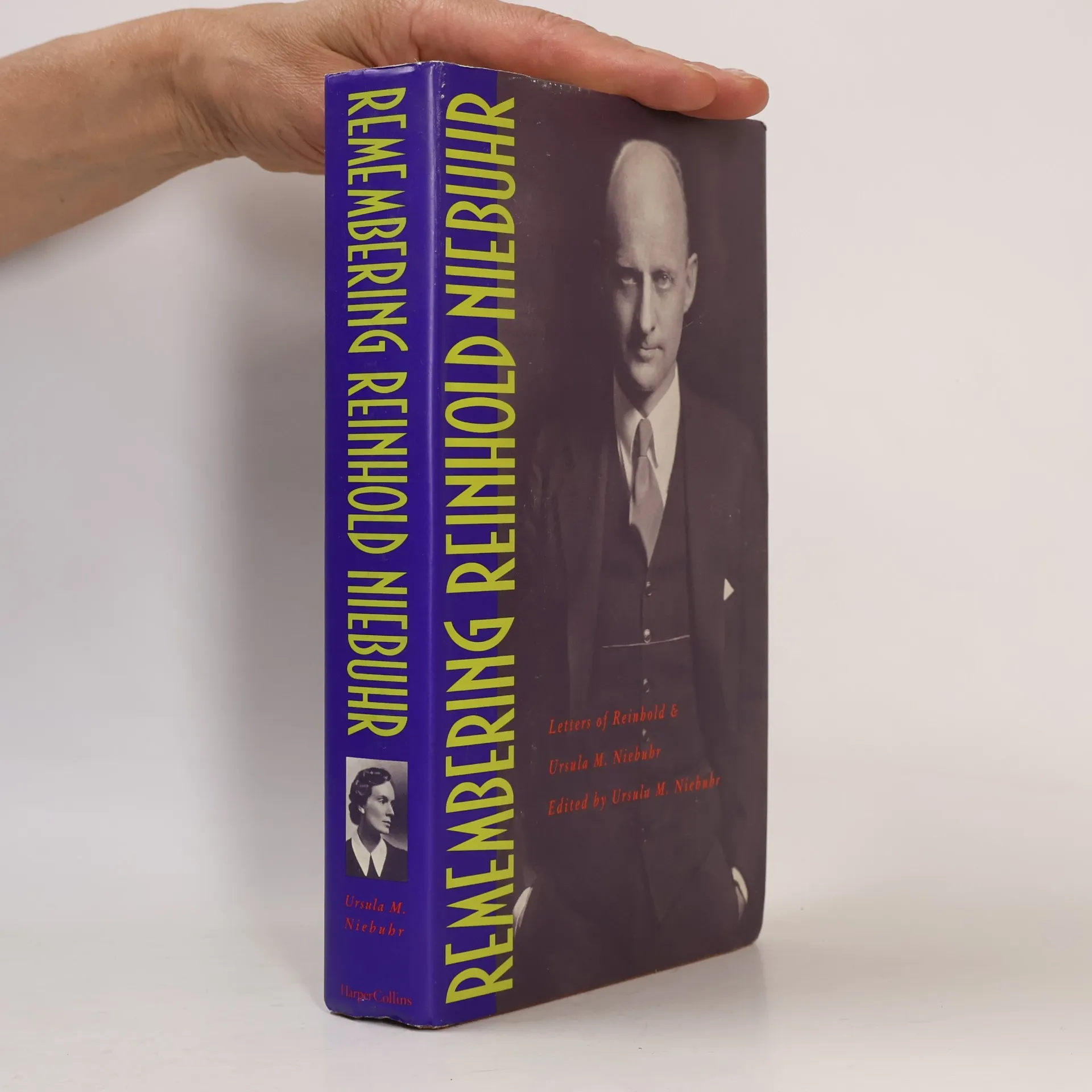
These letters provide a unique look at the life and times of one of the most original religious and political minds America has ever produced.
Reinhold Niebuhr, a prominent ethicist and theologian, had a significant impact on political philosophy during his tenure at Union Theological Seminary from 1928 to 1960. His earlier experience as a minister in Detroit enriched his perspectives. Niebuhr authored several influential works, including 'Faith and History' and 'The Irony of American History', exploring themes of faith, morality, and the complexities of American society. His contributions continue to resonate in discussions of ethics and politics.
The book presents a series of theological lectures by Niebuhr that delve into the Christian understanding of human nature and its historical implications. Addressing themes of powerlessness and the influence of Christianity on human history, these lectures were notably delivered on the eve of World War II. Their profound impact is evident in later political strategies, including Cold War containment policies. This work is particularly relevant for readers interested in ontology and the intersection of theology and political thought.
Focusing on a realistic understanding of human challenges, the book presents Reinhold Niebuhr's unique approach to Christian ethics. It emphasizes the importance of justice, acknowledging its imperfections, as a true expression of love in a flawed world. This work serves as both an introduction to Christian ethical thought and a deep exploration of the moral complexities individuals and institutions face.
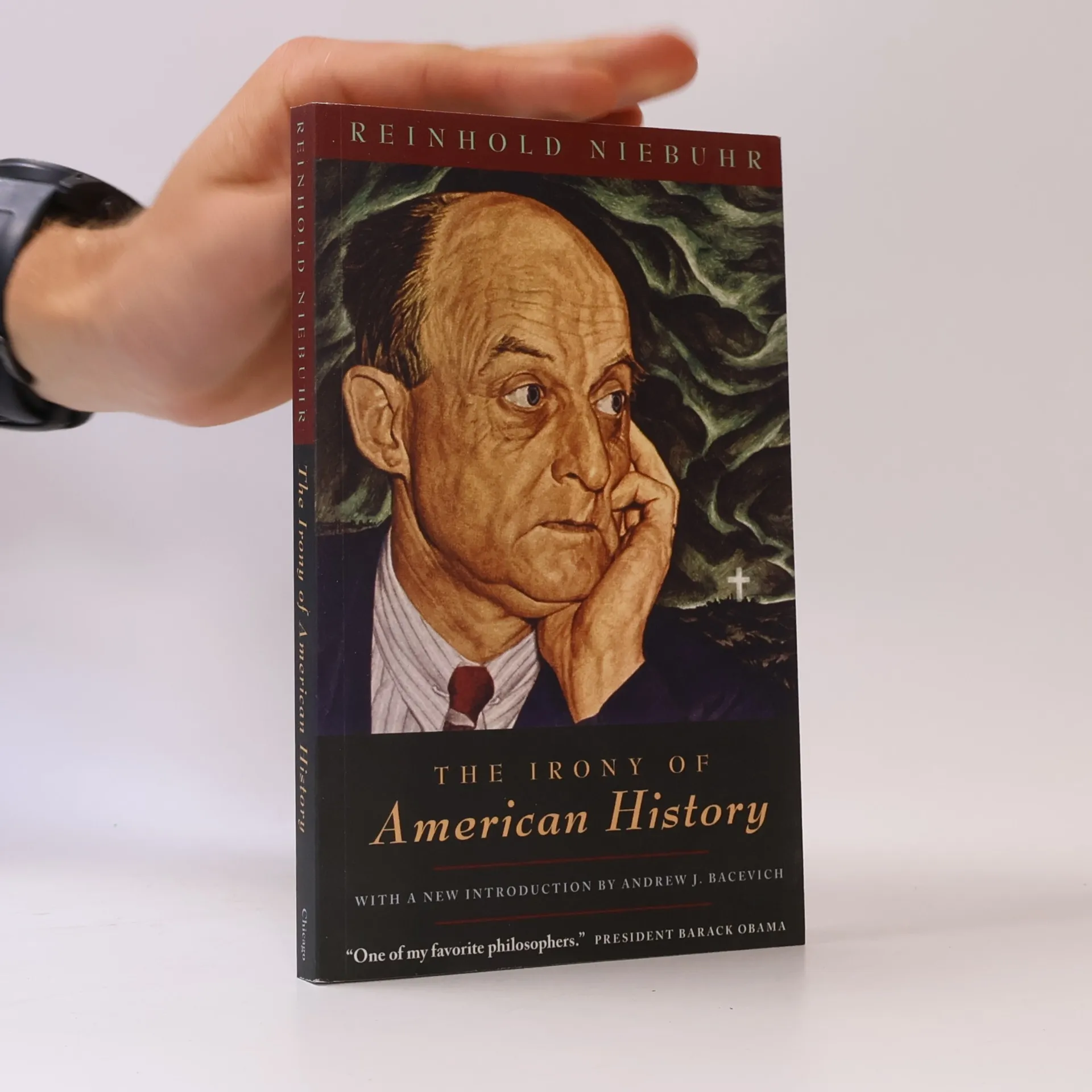
With a New Introduction by Andrew J. Bacevich - "One of My Favorite Philosophers." President Barack Obama
Forged during the tumultuous but triumphant postwar years when America came of age as a world power, The Irony of American History is more relevant now than ever before. Cited by politicians as diverse as Hillary Clinton and John McCain, Niebuhr's masterpiece on the incongruity between personal ideals and political reality is both an indictment of American moral complacency and a warning against the arrogance of virtue. Impassioned, eloquent, and deeply perceptive, Niebuhr's wisdom will cause readers to rethink their assumptions about right and wrong, war and peace.
A Study of the Recurring Patterns and Problems of the Political Order in Relation to the Unique Problems of the Nuclear Age