

Wine and dine with Victorian London's literati in a heatwave in one of the first ever group biographies, introduced by Francesca Wade (author of Square Haunting). Though she loved the heat she could do nothing but lie on the sofa and drink lemonade and read Monte Cristo ... June 1846. As London swelters - sunstroke strikes, meat rots, ice is coveted - a glamorous coterie of writers and artists indulge in decadent parties. With her ringletted 'face of an Egyptian cat goddess', Elizabeth Barrett is courted by her secret fiancé, the poet Robert Browning, who plots their elopement to Italy; Keats roams the Heath; Wordsworth visits the zoo; Dickens is intrigued by Tom Thumb; the Carlyles suffer a marital crisis. But when the visionary painter Benjamin Robert Haydon commits suicide, their lives begin to spiral around the tragedy ... One of the first group biographies, inspired by the "Pop Artists", Althea Hayter's glorious A Sultry Month was a groundbreaking feat of creative non-fiction in 1965 - and as radical today. "An experiment in the art of biography that has [been] never bettered." -- Guardian "A form which was so new as to lack a name ... A masterpiece." -- Anthony Burgess
Alethea Hayter Books
This author explores the complexities of human nature through her literary work, often focusing on themes of identity and displacement. Her style is characterized by precise language and profound psychological insight, drawing readers into the inner lives of her characters. The author's works reflect her personal experiences of living in diverse cultural settings and her deep engagement with art and social values. Through her writing, she offers a unique perspective on the world that is both intimate and universal.
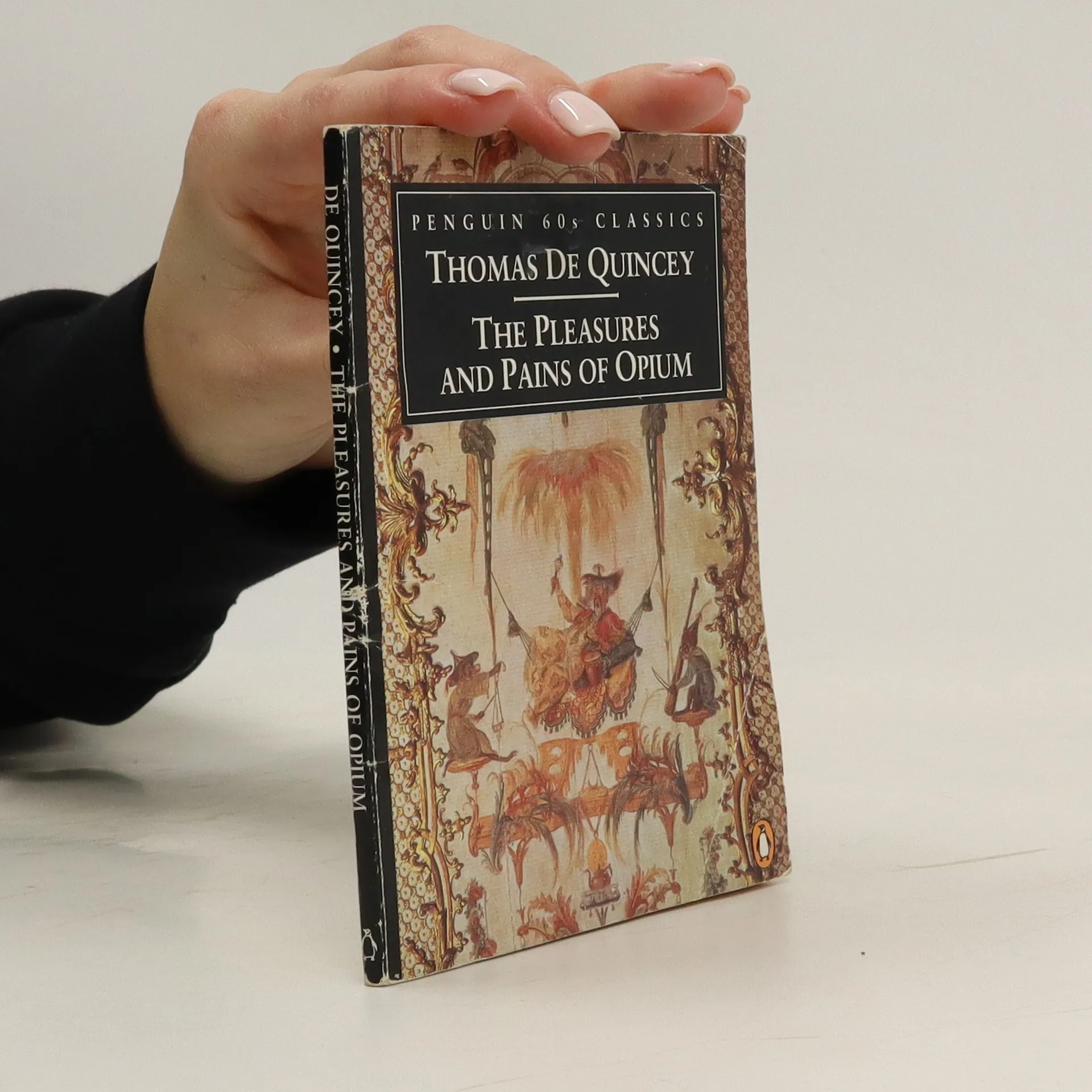

The Pleasures and Pains of Opium
- 64 pages
- 3 hours of reading
One of 60 low-priced classic texts published to celebrate Penguin's 60th anniversary. All the titles are extracts from "Penguin Classics" titles.
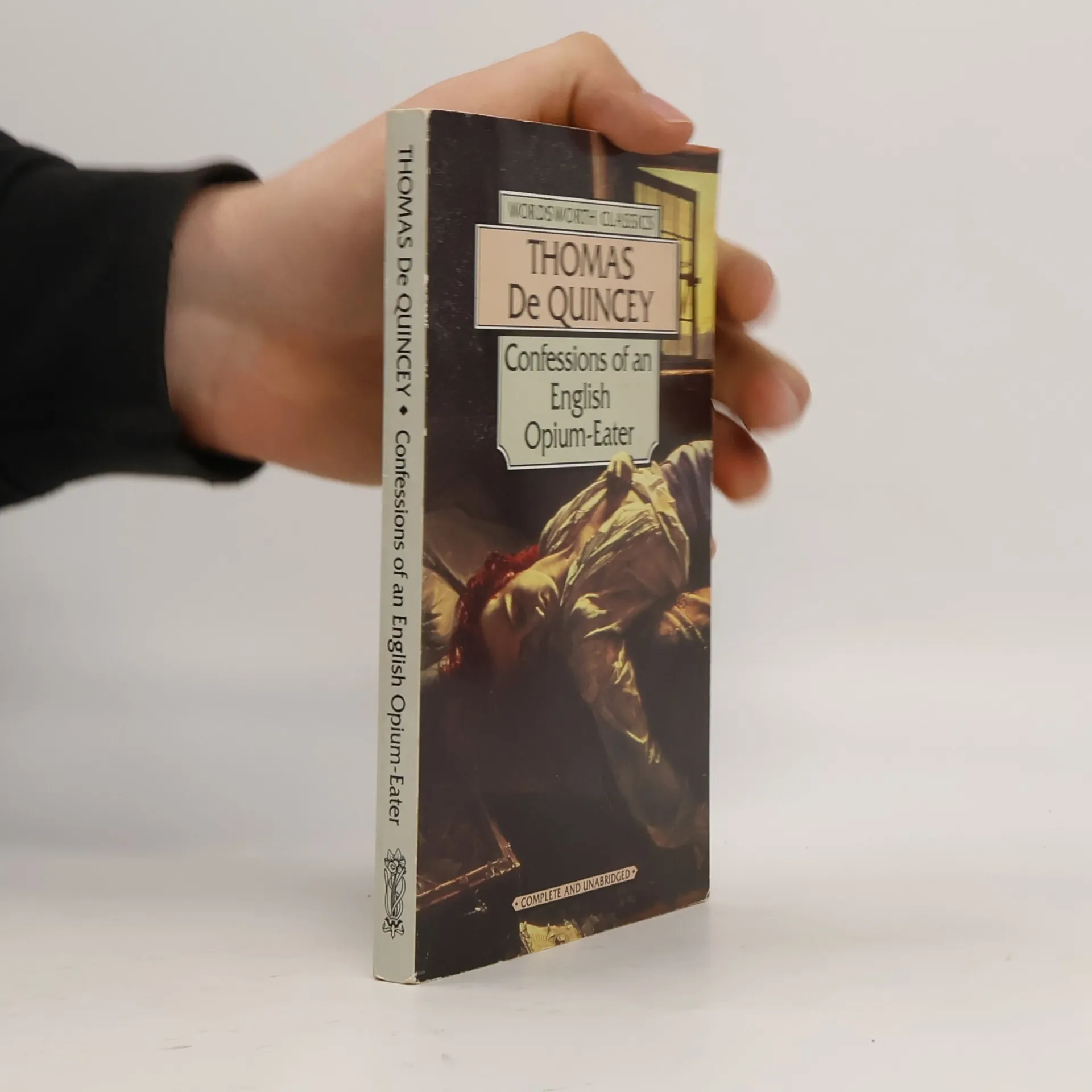
Confessions of an English Opium-Eater Thomas De Quincey One of the leading critics and imaginative prose writers of English Romanticism, De Quincey spent a great deal of life living in a Bohemian manner, while struggling against debt and addiction to opium. This famed book is his compelling account of this early life and his experiences with opium.