A Scarcity of Love
- 200 pages
- 7 hours of reading
A novel about a young girl, rejected by her mother, whose life is constantly betrayed and consequently the girl goes mad.


Anna Kavan's work delves into the darker aspects of the human psyche, exploring the shadowed corners of the mind. Her early writings offered little hint of the experimental and disturbing nature that would come to define her later literary output. This shift in style and theme coincided with profound personal struggles, leading her to adopt a new identity and explore the inner landscapes of psychological experience. Kavan's writing remains a stark and unflinching examination of human suffering and the complexities of existence.


A novel about a young girl, rejected by her mother, whose life is constantly betrayed and consequently the girl goes mad.
A classic later novel by Anna Kavan. A largely autobiographical account of an unhappy childhood, this daring synthesis of memoir and surrealist experimentation chronicles the subject's gradual withdrawal from the daylight world of received reality. Brief flashes of daily experience from childhood, adolescence, and youth are described in what is defined as "nighttime language"—a heightened, decorative prose that frees these events from their gloomy associations. The novel suggests we have all spoken this dialect in childhood and in our dreams, but these thoughts can only be sharpened or decoded by contemplation in the dark. Revealing that side of life which is never seen by the waking eye but which dreams and drugs can suddenly emphasize, this startling discovery illustrates how these nighttime illuminations reveal the narrator's joy for the living world.
Enter the strange and haunting world of Anna Kavan, author of mind-bending stories that blend science fiction and the author's own harrowing experiences with drug addiction, in this new collection of her best short stories. Anna Kavan is one of the great originals of twentieth-century fiction, comparable to Leonora Carrington and Jean Rhys, a writer whose stories explored the inner world of her imagination and plumbed the depths of her long addiction to heroin. This new selection of Kavan’s stories gathers the best work from across the many decades of her career, including oblique and elegiac tales of breakdown and institutionalization from Asylum Piece (1940), moving evocations of wartime from I Am Lazarus (1945), fantastic and surrealist pieces from A Bright Green Field (1958), and stories of addiction from Julia and the Bazooka (1970). Kavan’s turn to science fiction in her final novel, Ice, is reflected in her late stories, while “Starting a Career,” about a mercenary dealer of state secrets, is published here for the first time. Kavan experimented throughout her writing career with results that are moving, funny, bizarre, poignant, often unsettling, always unique. Machines in the Head offers American readers the first full overview of the work of a fearless and dazzling literary explorer.
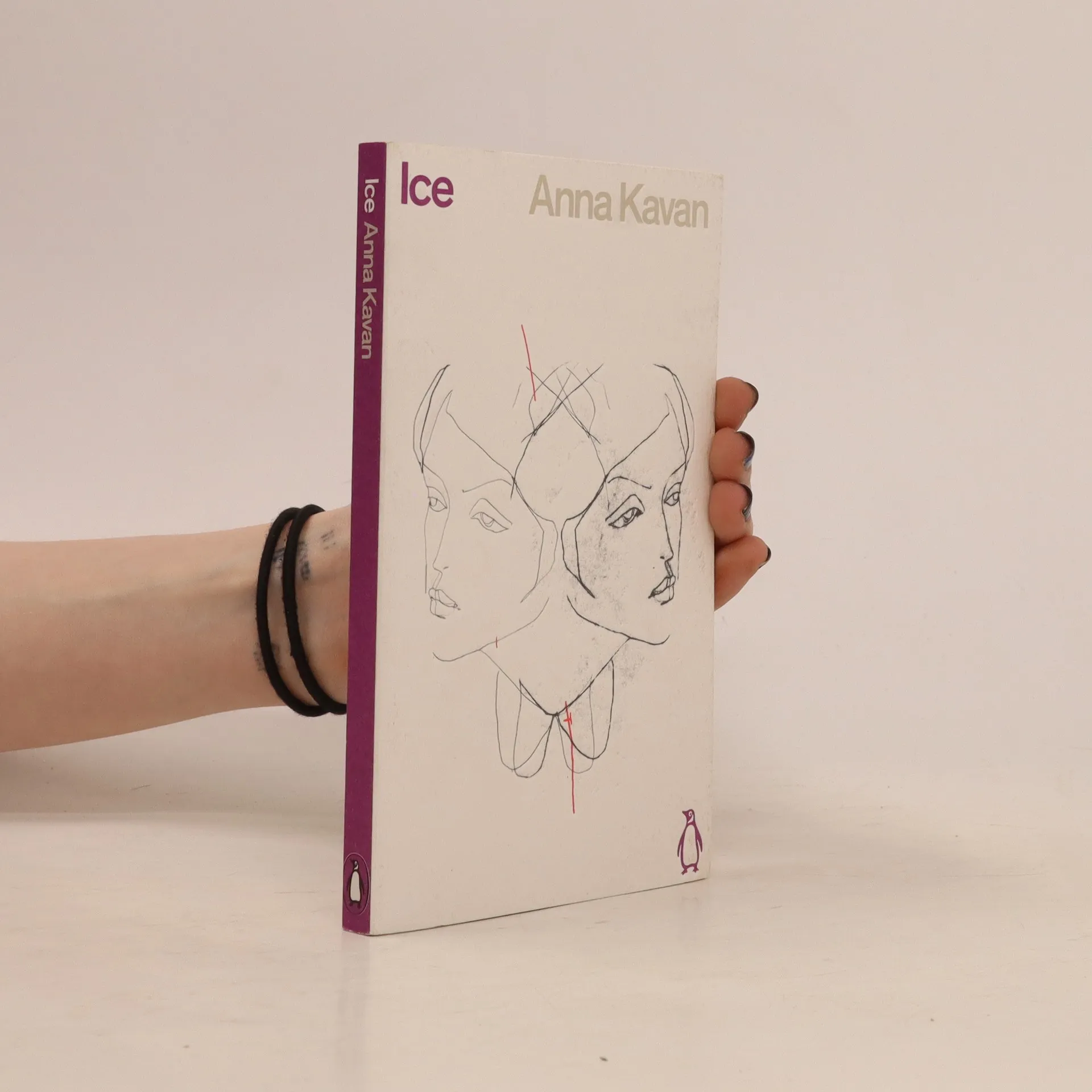
No one knows why the ice has come, and no one can stop it. Every day it creeps further across the earth. Through this bleached, devastated world, one man pursues the silver-haired girl he loves, as she keeps running - away from her husband; away from the sinister 'warden' who seeks to control her; away from him
Diese Sammlung von Geschichten, die größtenteils miteinander verknüpft und weitgehend autobiografisch sind, beschreibt den Abstieg der Erzählerin von den Anfängen der Neurose bis zur endgültigen Unterbringung in einer Schweizer Klinik. Das Gefühl von Paranoia, von Verfolgung durch einen Feind oder eine Kraft, die nie benannt wird, erinnert an "Der Prozess" von Kafka, einem Schriftsteller, mit dem Kavan oft verglichen wird, obwohl ihr zutiefst persönlicher, zurückhaltender und fast fremdsprachlich akzentuierter Stil kein wahres Vorbild hat. Die gleichen Charaktere, die immer wieder auftreten - die unhilfreiche 'Beraterin' der Protagonistin, die Freundin/Liebhaberin, die sie in der Klinik verlässt, und eine Vielzahl von illusorischen Begleitern - werden ohne einen Hauch von Wut, Selbstmitleid oder Sentimentalität skizziert, die neuere Berichte über psychische Instabilität geprägt haben.
Das zentrale Thema dieses Romans ist das Scheitern einer Ehe mit einem Mann, der trinkt und als Zeitvertreib mit einem Tennisschläger Ratten erschlägt.