D'étranges évènements ont lieu à Paris et en province : un enlèvement, un assassinat et le vol d'un diamant très célèbre. Pour l'inspecteur Ganimard, le responsable de ces méfaits n'est autre qu'Arsène Lupin... mais, comment le prouver?
Professor Aronnax embarks on an expedition to hunt down and destroy a menacing monster. However, he discovers that it is metal - it is a giant submarine called Nautilus built by the renegade Nemo. So begins an underwater adventure that takes them from the South Pole to the city of Atlantis.
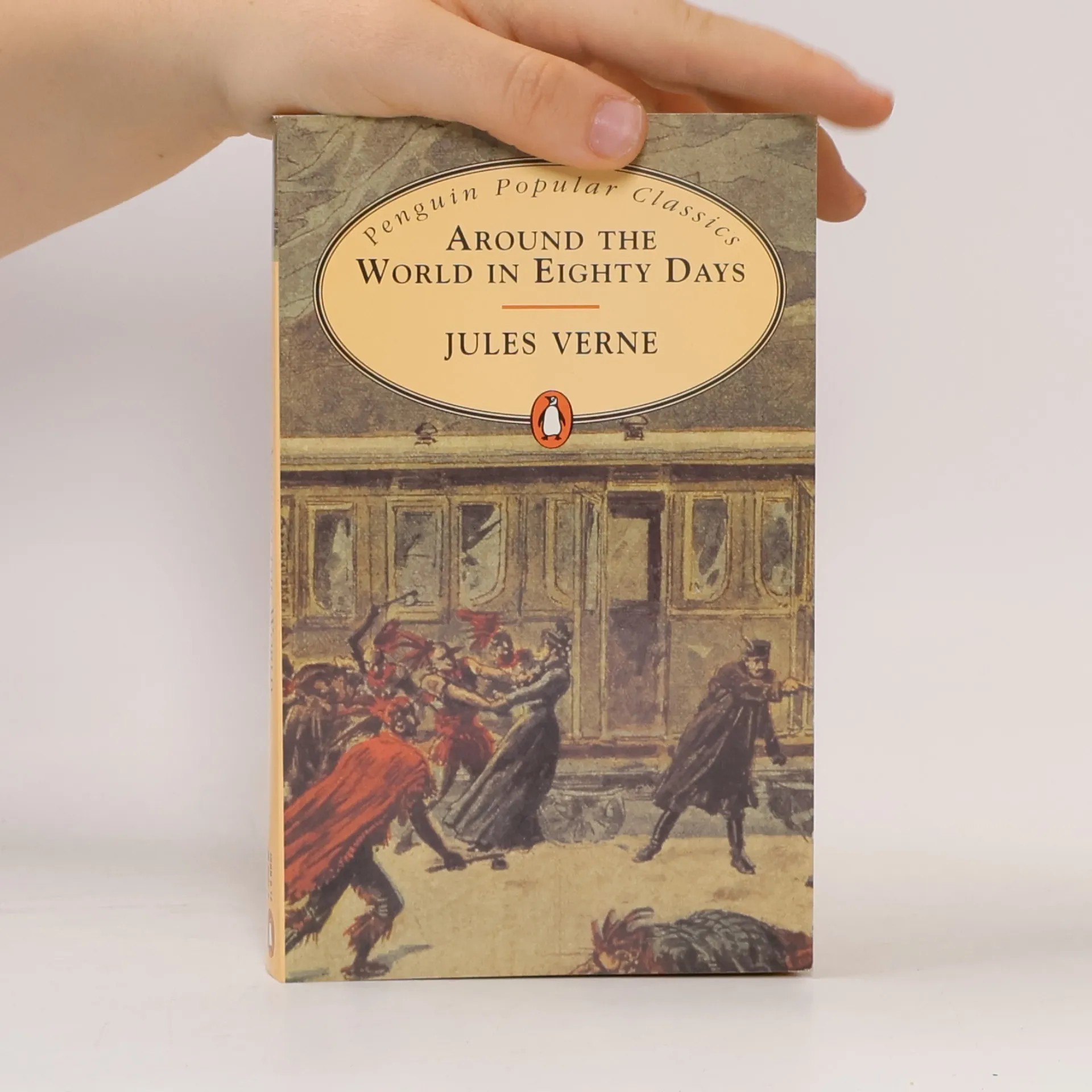
Jules Verne’s career as a novelist began in 1863, when he struck a new vein in fiction—stories that combined popular science and exploration. In Around the World in Eighty Days, Phileas Fogg rashly bets his companions £20,000 that he can travel around the entire globe in just eighty days—and he is determined not to lose. Breaking the well-established routine of his daily life, the reserved Englishman immediately sets off for Dover, accompanied by his hot-blooded French manservant, Passepartout. Traveling by train, steamship, sailboat, sledge, and even elephant, they must overcome storms, kidnappings, natural disasters, Sioux attacks, and the dogged Inspector Fix of Scotland Yard to win the extraordinary wager. Combining exploration, adventure, and a thrilling race against time, Around the World in Eighty Days gripped audiences upon its publication and remains hugely popular to this day.
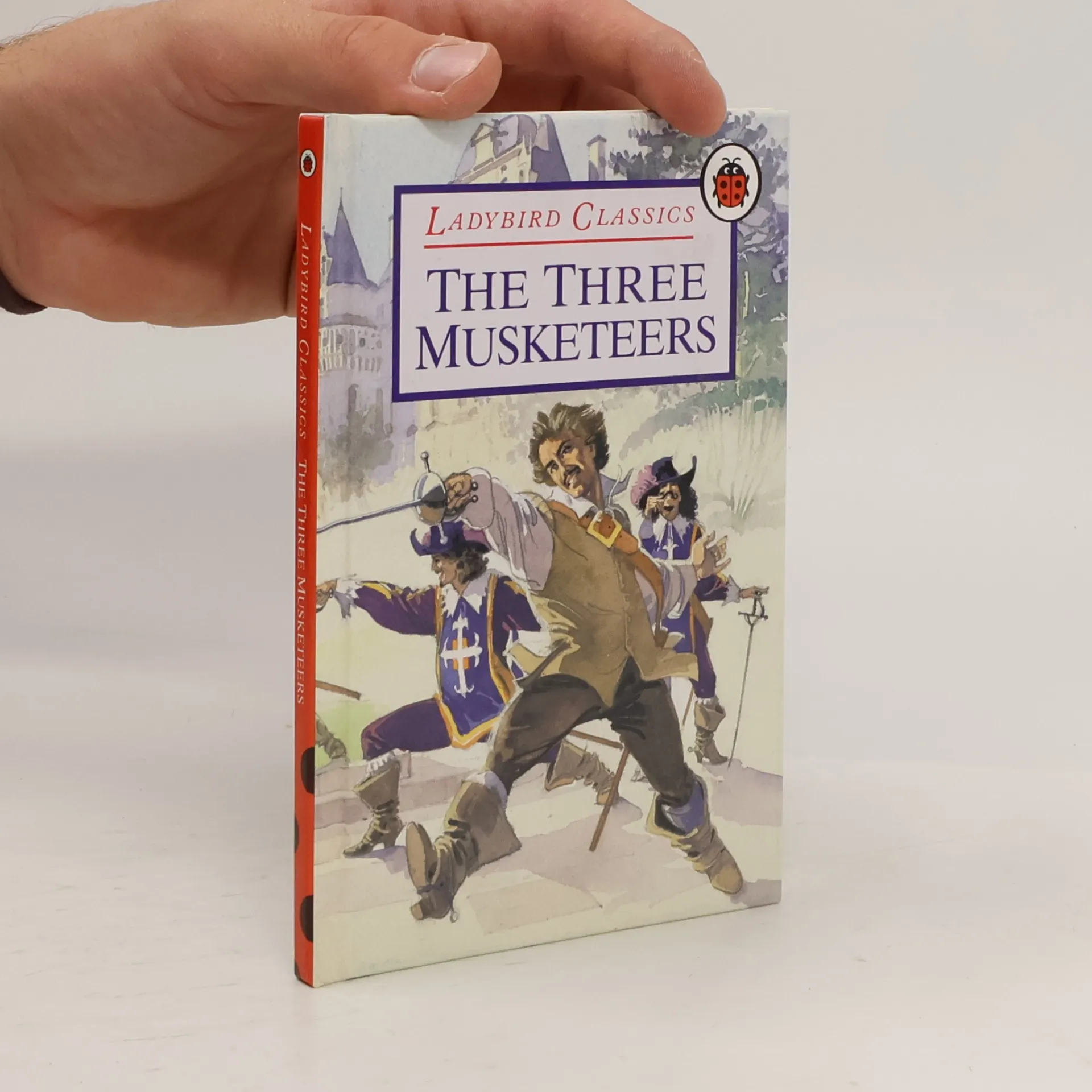
In seventeenth-century France, young D'Artagnan initially quarrels with, then befriends, three musketeers and joins them in trying to outwit the enemies of the king and queen.
Two years after his wife's death, Germain is encouraged to move on and find a new woman and home to accommodate his three growing children. He travels to visit a single woman who is eager to start a new family. Following his daughter's death, Père Maurice has provided constant support for his son-in-law Germain. But after two years, he pushes him to find a new wife. Germain is a young man with three children in need of a mother. Maurice sends him to visit the daughter of a friend, who is also widowed and interested in remarrying. Germain reluctantly agrees, taking his son and the teenager Mary, who is seeking employment. The trip proves to be an eye-opening experience for the duo who form an unexpected bond. Similar to Sand's previous work, Indiana, The Devil's Pool examines the obligations of marriage. The story illustrates how duty and perception take priority over love and kindness. It's a dichotomy that continues to present itself, regardless of one's social or political status. With an eye-catching new cover, and professionally typeset manuscript, this edition of The Devil's Pool is both modern and readable.
This translation of Lancelot brings to English-language readers, the fourth of
Chretien's five surviving romantic Arthurian poems. This poem was the first to
introduce Lancelot as an important figure in the King Arthur legend.
The story follows Tartarin, a character with an exaggerated sense of heroism, as he embarks on humorous adventures in the picturesque landscapes of Provence. Through satire and comedy, the novel cleverly critiques French society's quirks and idiosyncrasies. Daudet's lighthearted narrative explores themes of heroism, identity, and the human spirit, providing a joyful and imaginative escape for readers. With its vivid portrayal of Southern France and engaging storytelling, the book delivers a delightful blend of adventure and humor.
The story centers on François, an abandoned child navigating the challenges of love and belonging in the French countryside. George Sand masterfully depicts the intricacies of rural life in nineteenth-century France, highlighting the contrast between the warmth of human relationships and the harsh realities faced by peasants. Through François's journey, the narrative explores deep emotional themes, making it a compelling and poignant read.
Le commissaire Maigret a la visite de la grande perche, une femme qu'il a jadis arrêtée, venue lui demander de l'aide. Une collection de lectures dans un français adapté à l'apprentissage de la langue avec le CD MP3.
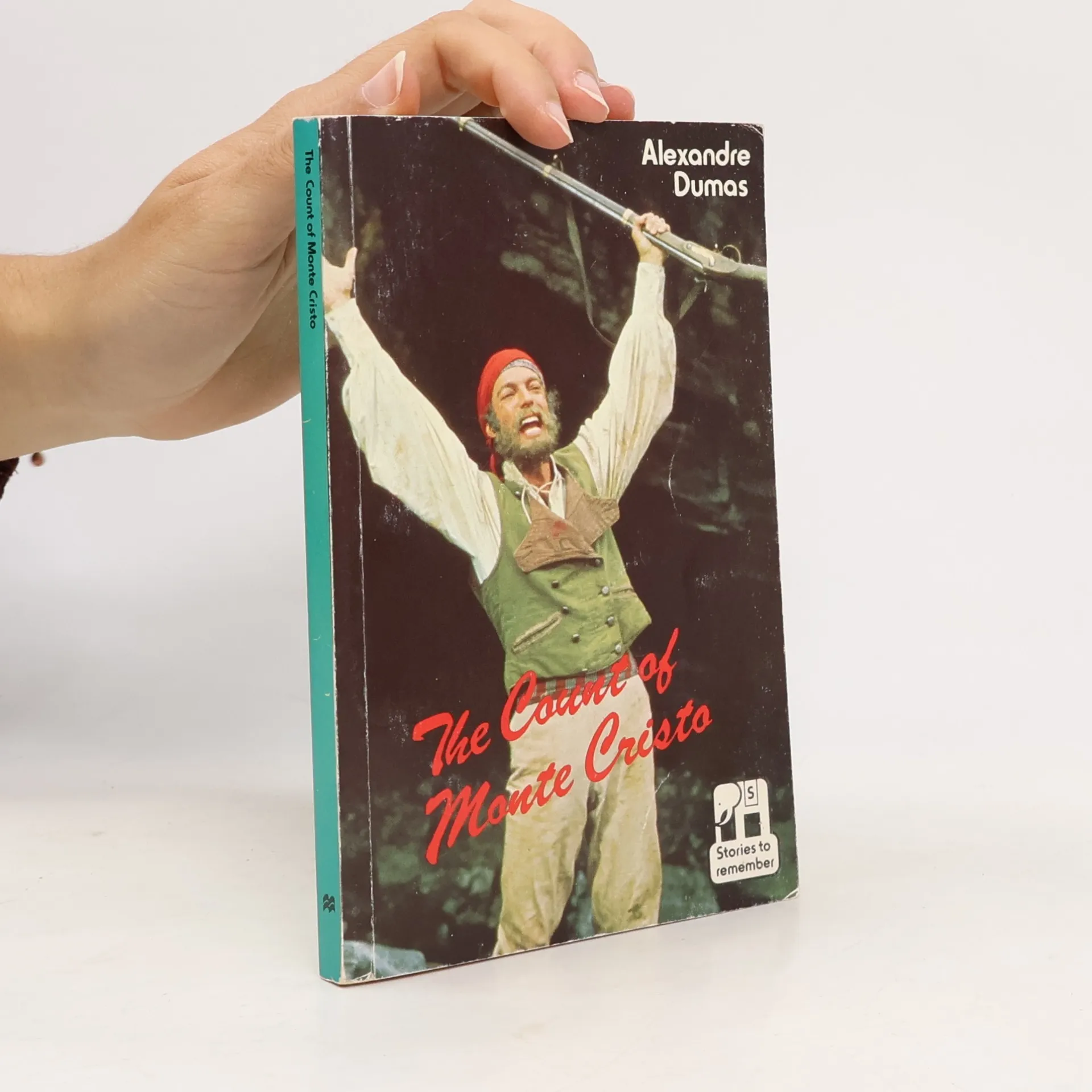
A young sailor, Edmond Dantes, is unfairly imprisoned because his enemies are jealous of him. Torn away from the girl he wants to marry, he spends many bitter years in the grim island prison of the Chateau d'If. A fellow prisoner, the Abbe Faria, tells him the secret of the treasure hidden on the island of Monte Cristo. Now, if only he can escape from the fortress, he can become rich - and be revenged on the people who betrayed him all those years ago...The Count of Monte Cristo has been abridged and simplified by Beatrice Conway
Under the canvas of a small caravan, a young woman dies after a painful illness, leaving her little girl, Perrine, on the harsh pavement of Paris. The child must now navigate alone along paths filled with hostile figures: cantankerous old men, unyielding foremen, shrill scolds, and distrustful peasants. This vibrant yet absurd humanity ruminates on the bitterness of buried pains, creating a world haunted by the grimacing masks of the human carnival. Against this harsh and contrasting backdrop, the portrait of a brave and delicate little soul unfolds.
Au début du XIXe siecle, Jacquou et ses parents vivent comme métayers au domaine du comte de Nansac. Victimes de la cruauté du comte, les parents meurent et Jacquou veut se venger.
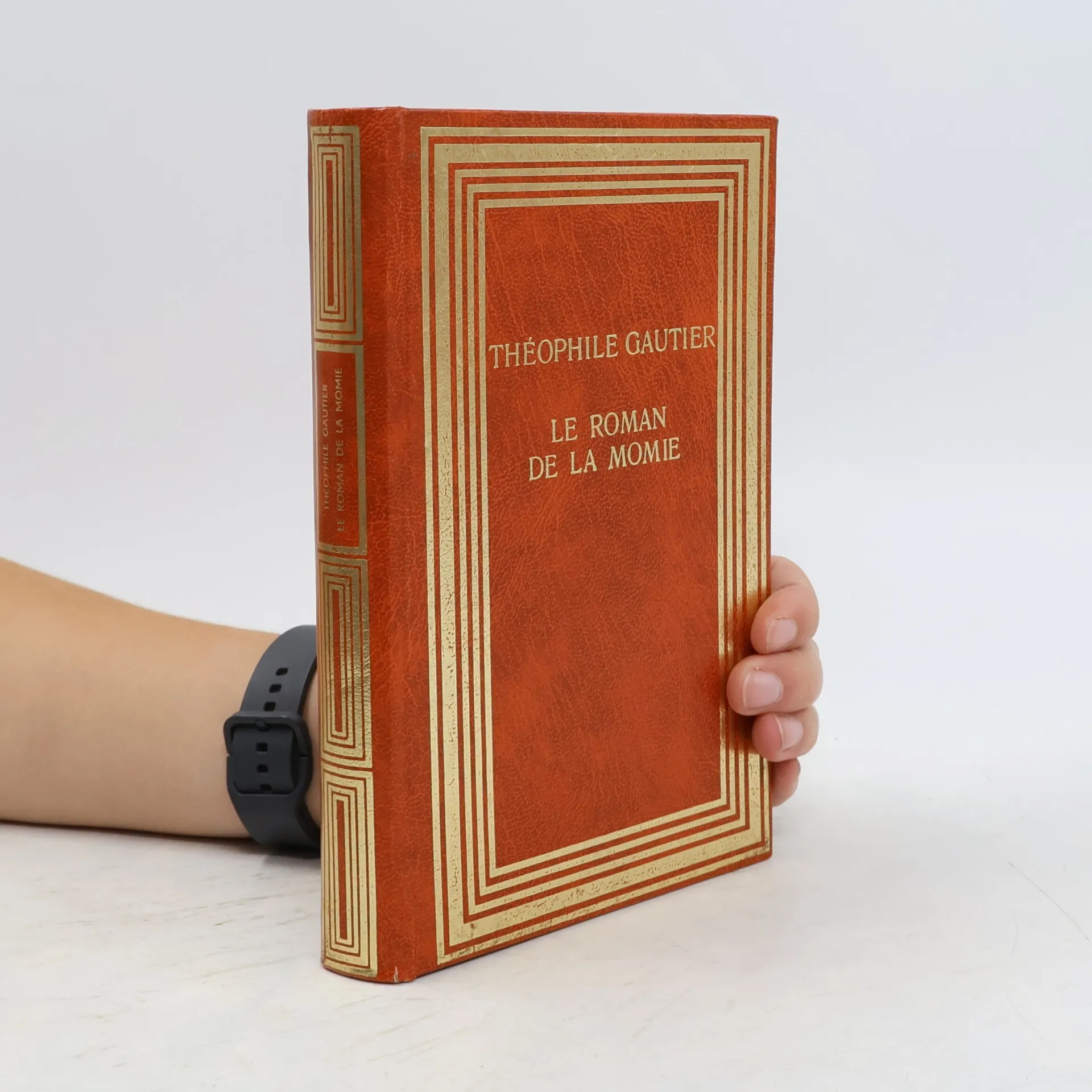
Un lord anglais et un savant allemand réussissent à pénétrer dans le tombeau inviolé d'un pharaon dans la vallée des Rois. Ils y trouvent intacte la momie d'une très belle jeune fille à qui l'embaumement a laissé l'apparence de la vie. Le jeune Anglais tombe amoureux de cette jeune femme morte depuis plus de trente siècles. Un papyrus placé dans la tombe explique le mystère de sa présence dans une tombe destinée à un roi. Gautier évoque de façon frappante et colorée la vie de cette jeune femme dans l'ancienne Egypte.
Osem až štrnásťroční chovanci Chairmanovho penzionátu tešia sa na dva mesiace prázdnin, ktoré strávia na mori. No ako hovorí už názov knihy z plánovaných dvoch mesiacov stanú sa dva roky prázdnin. Nevedno ako, ocitne sa loď s chlapcami na rozbúrenom mori, až ich napokon vyhodí na neznámompobreží. Naši malí hrdinovia,takmer deti, odvážne sa postavia proti ťažkostiam, ktoré vyplývajú z ich neradostného položenia. Objavia pozostatky francúzskeho stroskotanca, usídlia sa v jaskyni, poprenášajú si z vraku lode potrebné veci, šatstvo, zásoby potravín a prispôsobia sa danému osudu. Celých dlhých dvadsať mesiacov žijú priam ako Robinson. Sú odkázaný na svoj um a šikovnosť, sami poľujú na zver, podnikajú výskumné výpravy. Nakoniec sa všetko dobre skončí a takmer po dvoch rokoch ocitnú sa v náručí milujúcich rodičov. Vďaka odvahe a usilovnosti vyviazli z nebezpečnej situácie, vyspeli v ťažkej skúške a dobrodružných príhodách tvrdej školy života, takže pri návrate boli z maličkých chlapcov už takmer veľkí a z veľkých chlapcov takmer dospelí mužovia.
One of the defining novels of the entire crime genre, Gaston Leroux's The
Mystery of the Yellow Room has inspired readers and writers including Agatha
Christie and John Dickson Carr, and is now republished in hardback in the
Detective Club series with a brand new introduction.
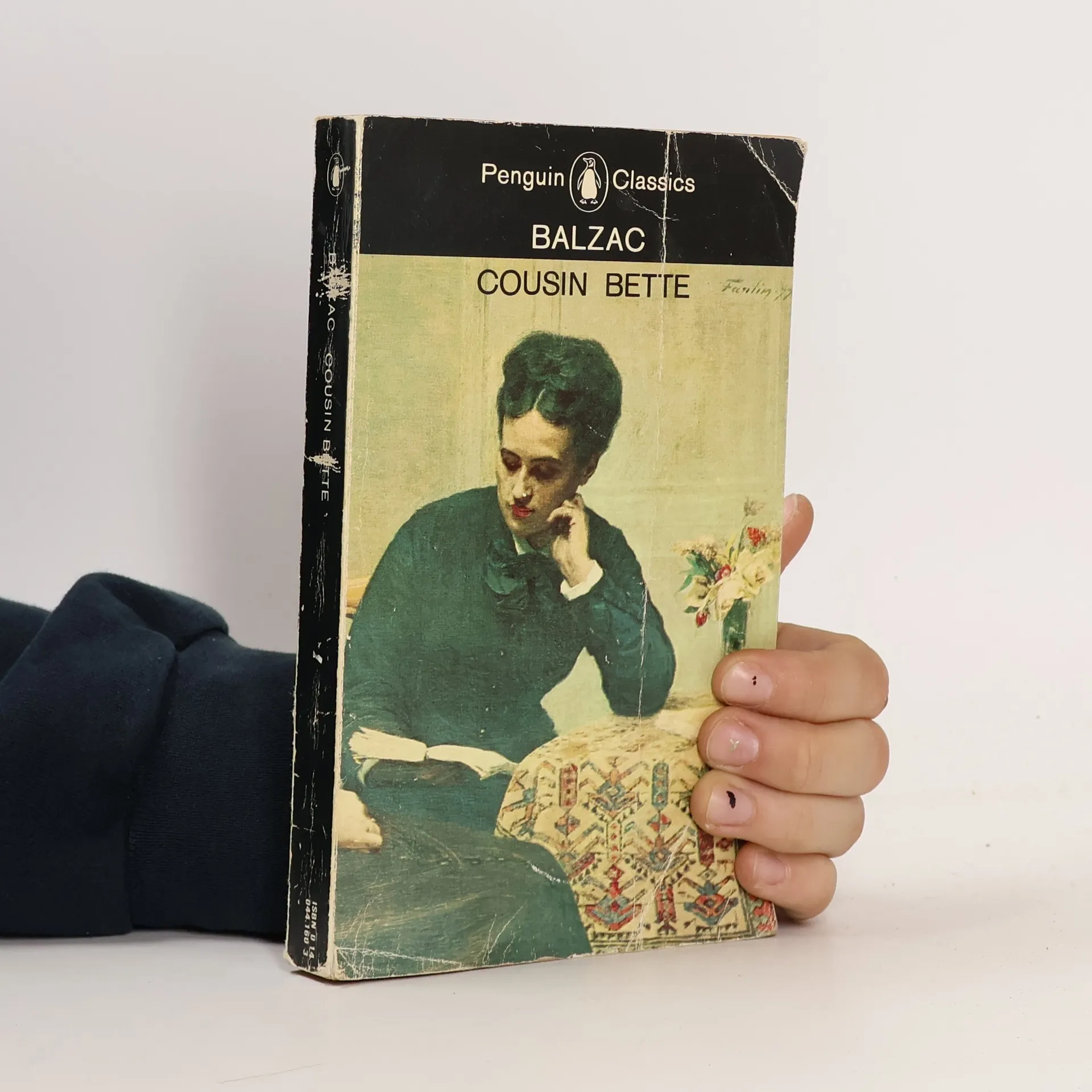
Poor, plain spinster Bette is compelled to survive on the condescending patronage of her socially superior relatives in Paris: her beautiful, saintly cousin Adeline, the philandering Baron Hulot and their daughter Hortense. Already deeply resentful of their wealth, when Bette learns that the man she is in love with plans to marry Hortense, she becomes consumed by the desire to exact her revenge and dedicates herself to the destruction of the Hulot family, plotting their ruin with patient, silent malice. Cousin Bette is a gripping tale of violent jealousy, sexual passion and treachery, and a brilliant portrayal of the grasping, bourgeois society of 1840s Paris. The culmination of the Comédie humaine, Balzac's epic chronicle of his times, it is one of his greatest triumphs as a novelist.
Headstrong and naïve, the young Italian aristocrat Fabrizio del Dongo is determined to defy the wrath of his right-wing father and go to war to fight for Napoleon. He stumbles on the Battle of Waterloo, ill-prepared, yet filled with enthusiasm for war and glory. Finally heeding advice, Fabrizio sneaks back to Milan, only to become embroiled in a series of amorous exploits, fuelled by his impetuous nature and the political chicanery of his aunt Gina and her wily lover. Judged by Balzac to be the most important French novel of its time, The Charterhouse of Parma is a compelling novel of extravagance and daring, blending the intrigues of the Italian court with the romance and excitement of youth. For more than seventy years, Penguin has been the leading publisher of classic literature in the English-speaking world. With more than 1,700 titles, Penguin Classics represents a global bookshelf of the best works throughout history and across genres and disciplines. Readers trust the series to provide authoritative texts enhanced by introductions and notes by distinguished scholars and contemporary authors, as well as up-to-date translations by award-winning translators.
1572. La France des guerres de religion est devenue le champ clos des grands seigneurs et des prétendants au trône. A Paris, le jeune roi protestant de Navarre, le futur Henri IV, vient d'épouser Marguerite de Valois, dite Margot ; mariage politique qui n'empêche pas les Guise et le roi Charles IX de fomenter les horreurs de la Saint-Barthélemy. Sur les pas du jeune comte de La Mole, dont s'éprend éperdument la belle Margot, et de son compagnon, le tonitruant Annibal de Coconnas, nous entrons dans ce labyrinthe d'intrigues, d'alliances, de trahisons. Les poignards luisent sous les pourpoints. René le Florentin fournit les poisons à l'implacable Catherine de Médicis. Le vieux Louvre avec ses fêtes brillantes, ses passages secrets, son peuple de soldats et de jolies femmes, est le théâtre où se déploient en mille péripéties les jeux de l'amour, de la politique, de la haine. Le père des Trois Mousquetaires nous en donne une passionnante chronique, où sa pétulante bonne humeur survit aux plus sanglants épisodes.