Albert Camus, a Nobel Prize-winning author, remains a vital figure 50 years after his death. His daughter, Catherine, presents his life and work through extracts, photographs, and archival material, showcasing his passionate defense of freedom and human dignity. She aims to reveal the warm, generous man behind the art.
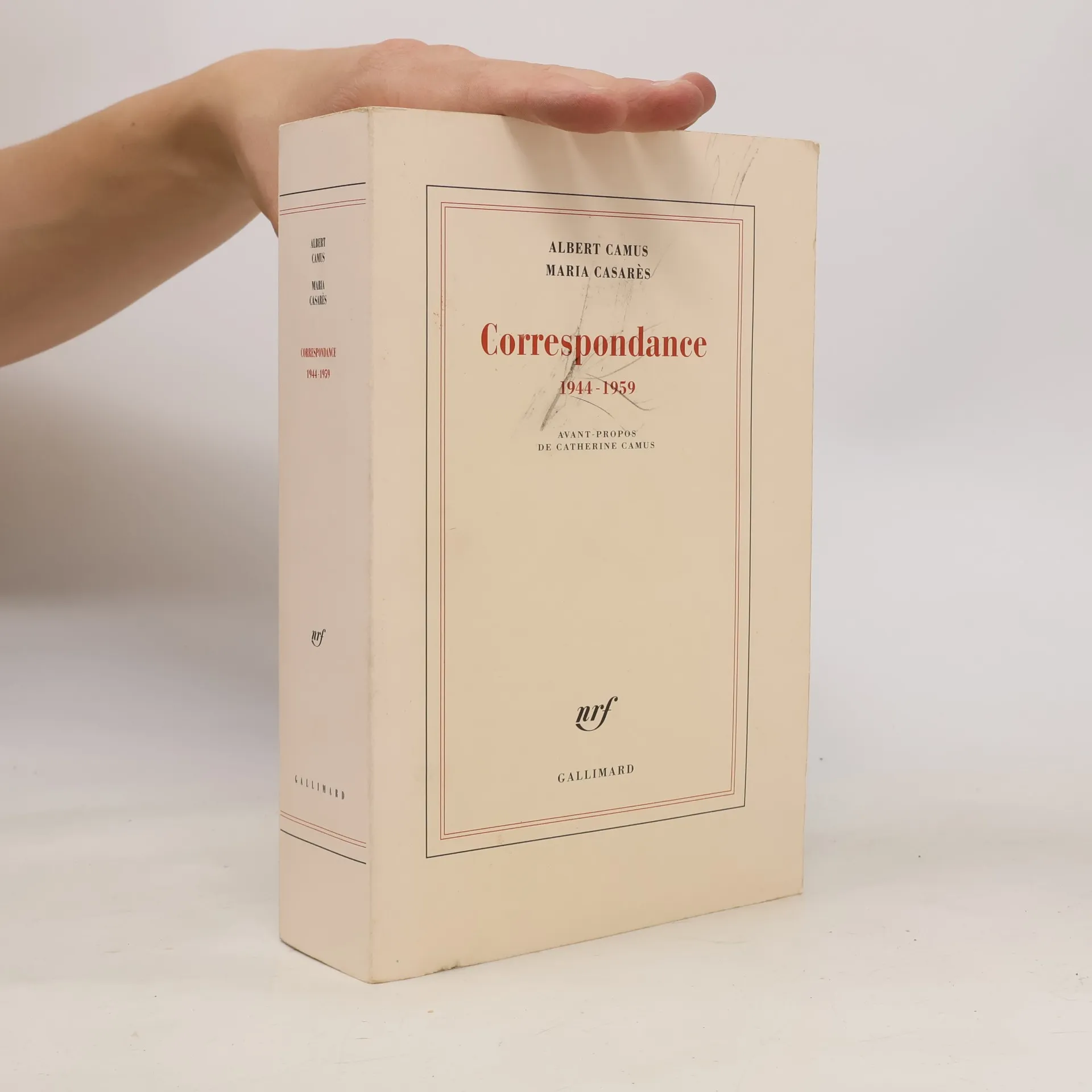
Le 19 mars 1944, Albert Camus rencontre Maria Casarès lors d'une représentation-lecture à Paris. À seulement vingt-deux ans, Maria, ancienne élève du Conservatoire national d'art dramatique et originaire de La Corogne, a débuté sa carrière d'actrice en 1942. À cette époque, Camus, isolé à Paris à cause de la guerre, est séparé de son épouse. Séduit par le talent et la beauté de Maria, il lui confie le rôle de Martha dans sa pièce Le Malentendu en juin 1944. Lors d'une soirée chez un ami, ils deviennent amants, mais Maria, voyant leur relation comme sans avenir à cause de la situation conjugale de Camus, décide de mettre fin à leur liaison. Quatre ans plus tard, par un heureux hasard, ils se retrouvent à Paris et reprennent leur histoire, plus passionnée que jamais, jusqu'à la mort tragique de Camus en 1960. Leur correspondance, inédite jusqu'à présent, témoigne de l'intensité de leur relation, marquée par des séparations dues à leurs engagements artistiques et familiaux. À travers leurs échanges, on découvre leur quête de l'amour véritable, la douleur de l'absence, ainsi que la joie des moments partagés. Cette correspondance met en lumière l'importance de l'amour dans l'œuvre de Camus, révélant une préoccupation constante pour ce sentiment inévitable. Maria résumera cette expérience en affirmant que l'on n'oublie jamais un grand amour.
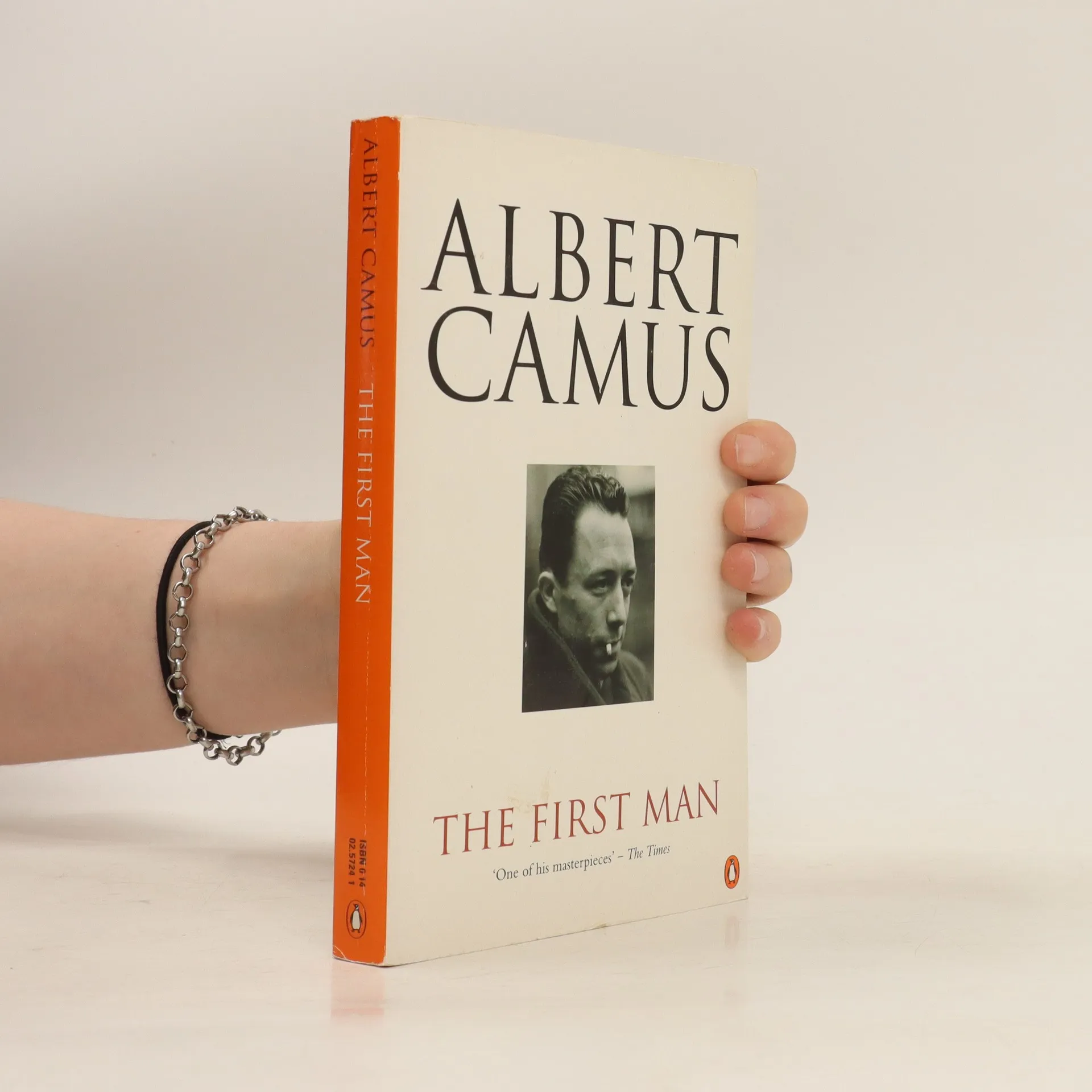
Told as a novel, this is a moving account of the author's poverty-stricken childhood in Algeria, the love of his mother and the old schoolteacher who saved him from ignorance. The book acts as a novel on Algeria, on the relationship between man and the land, and between the French and Arabs.