Explore the latest books of this year!
Bookbot

Jutta Kappel

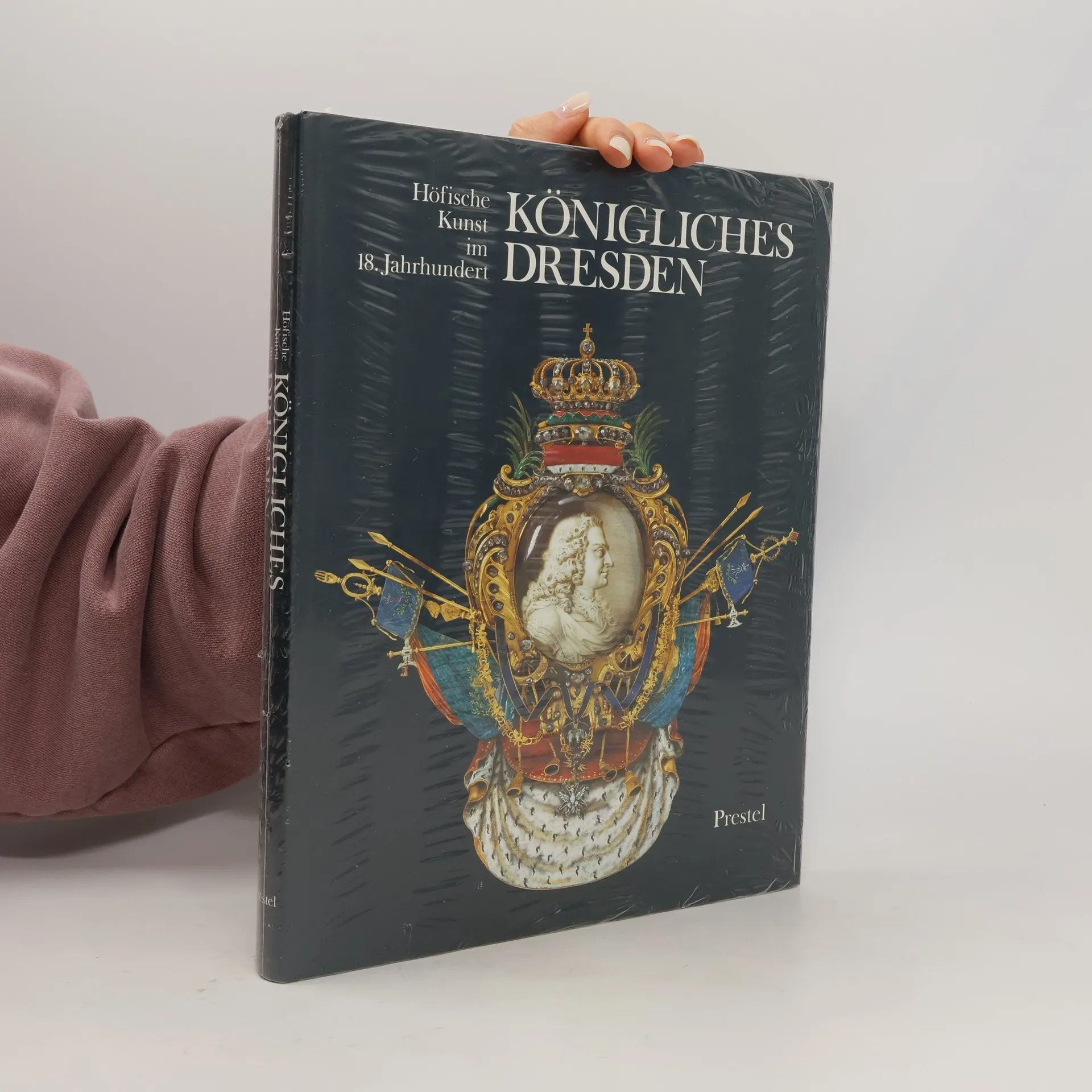
    Königliches Dresden
    Augen-Blicke
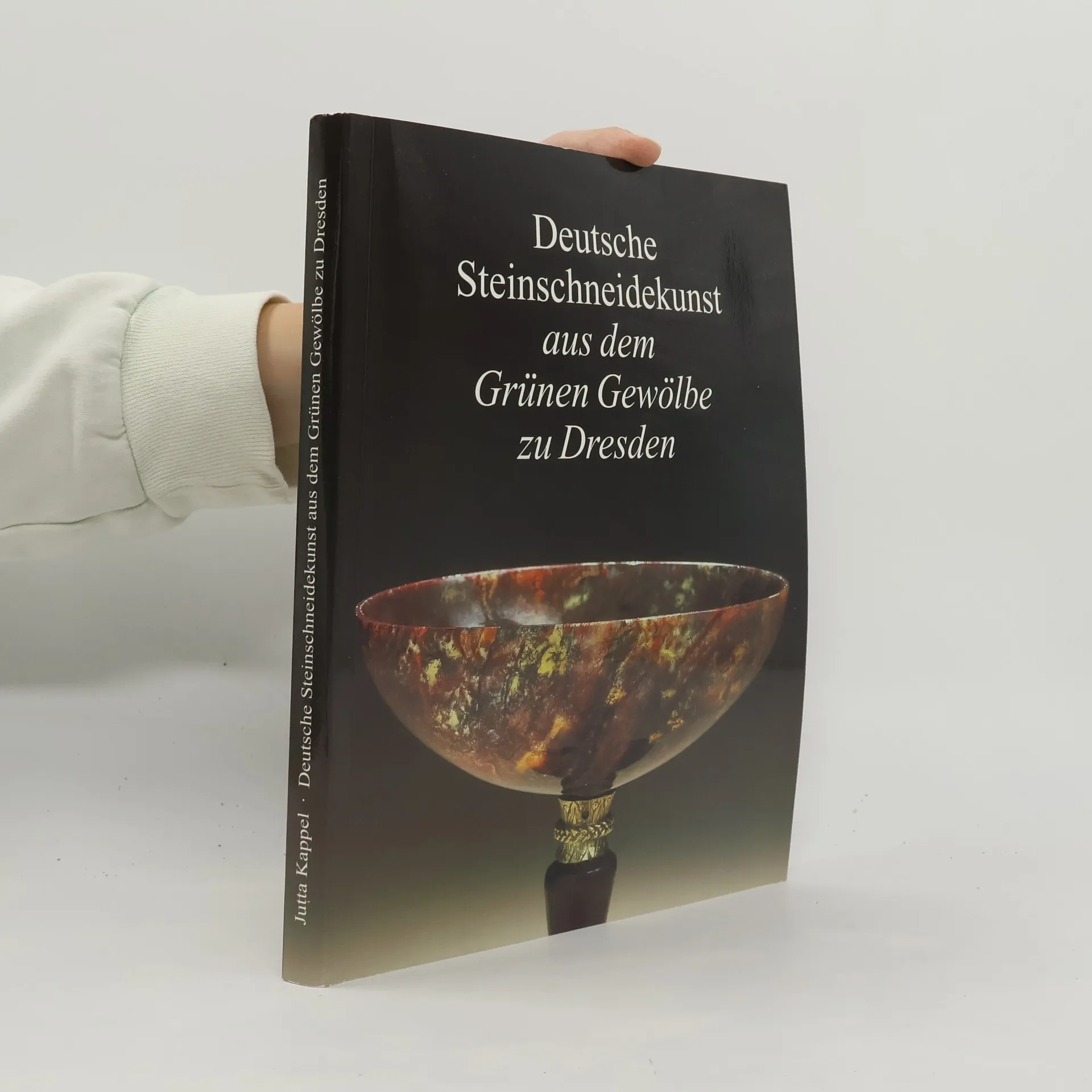
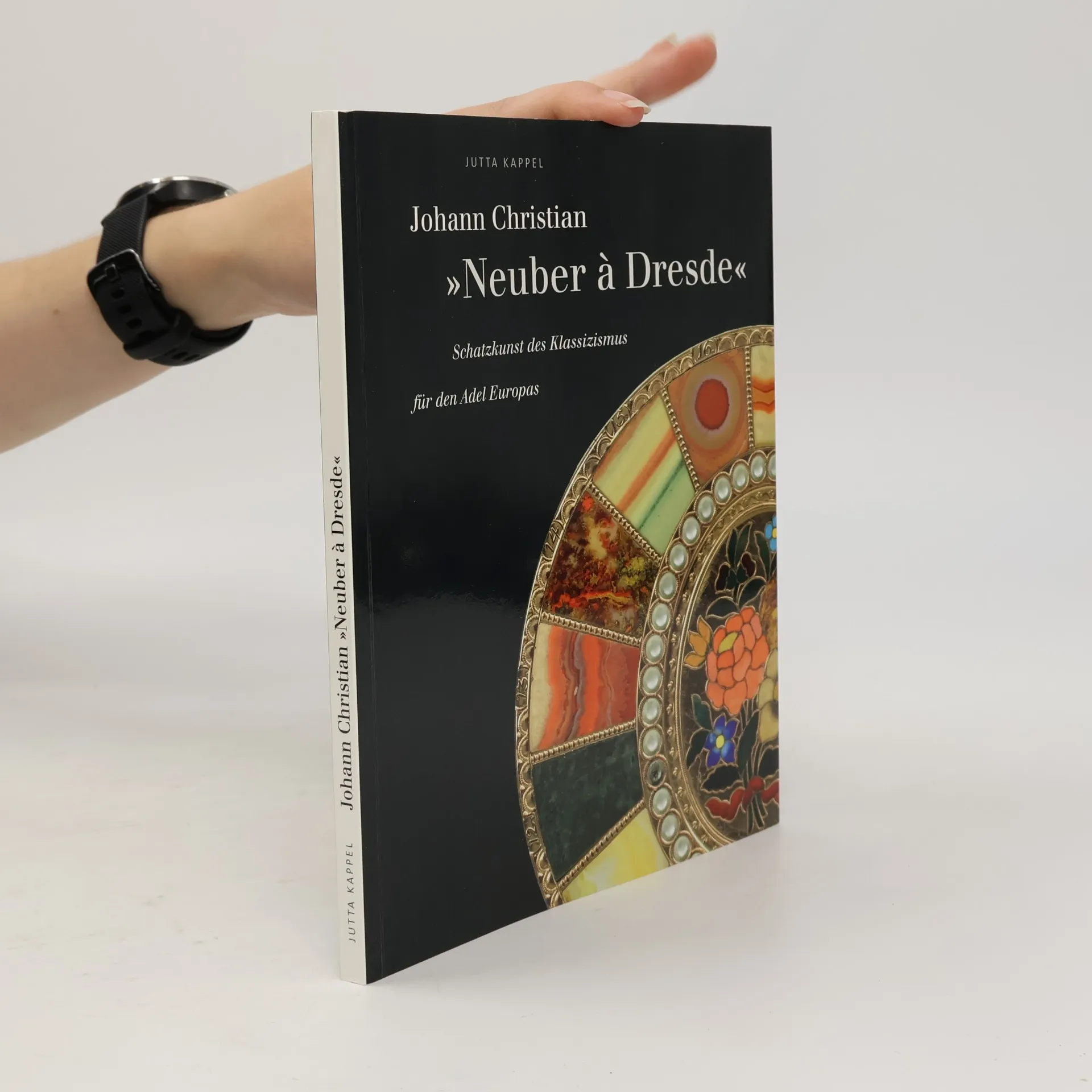
    Deutsche Steinschneidekunst aus dem Grünen Gewölbe zu Dresden
    Kaiser Rudolf II. zu Gast in Dresden
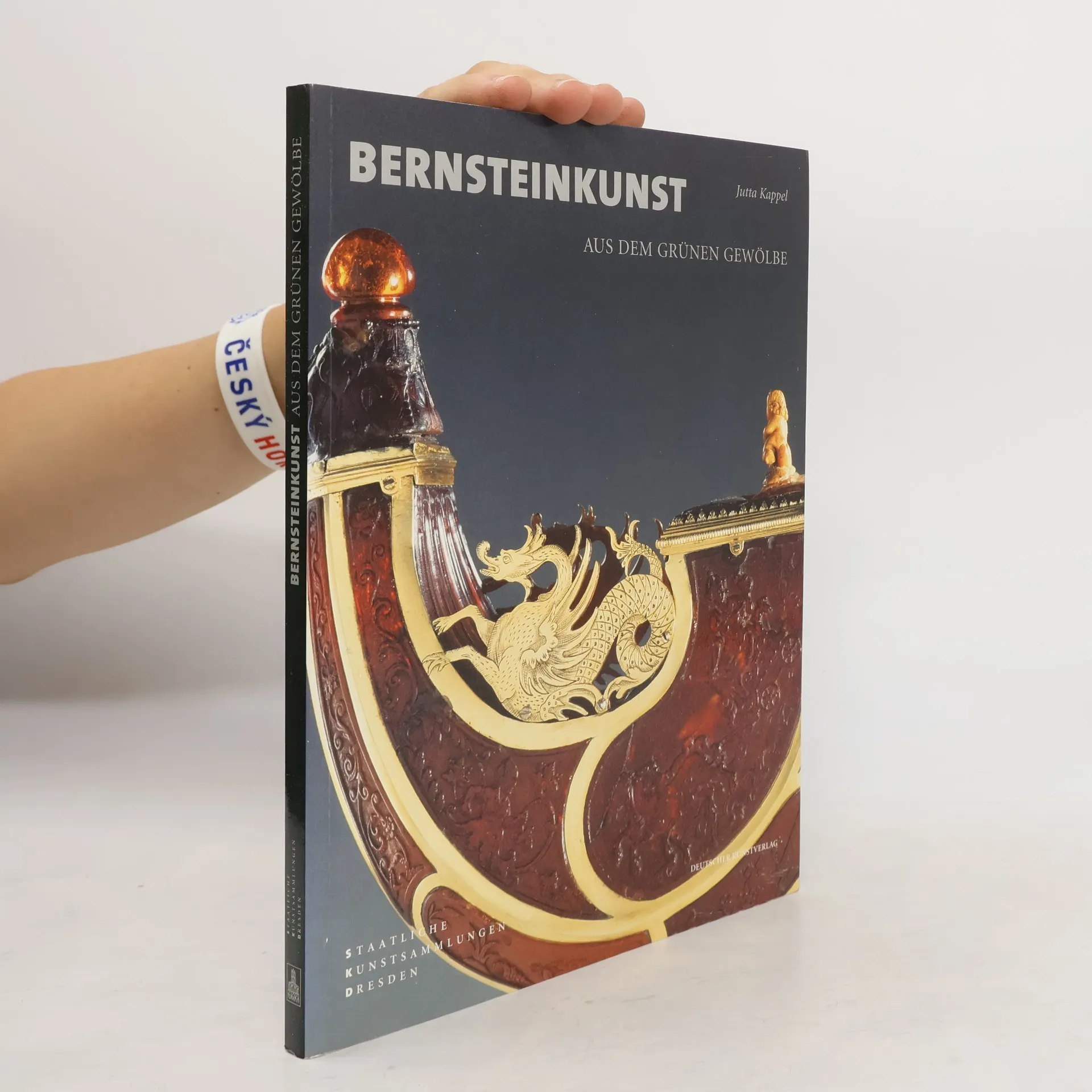
    Bernsteinkunst aus dem Grünen Gewölbe
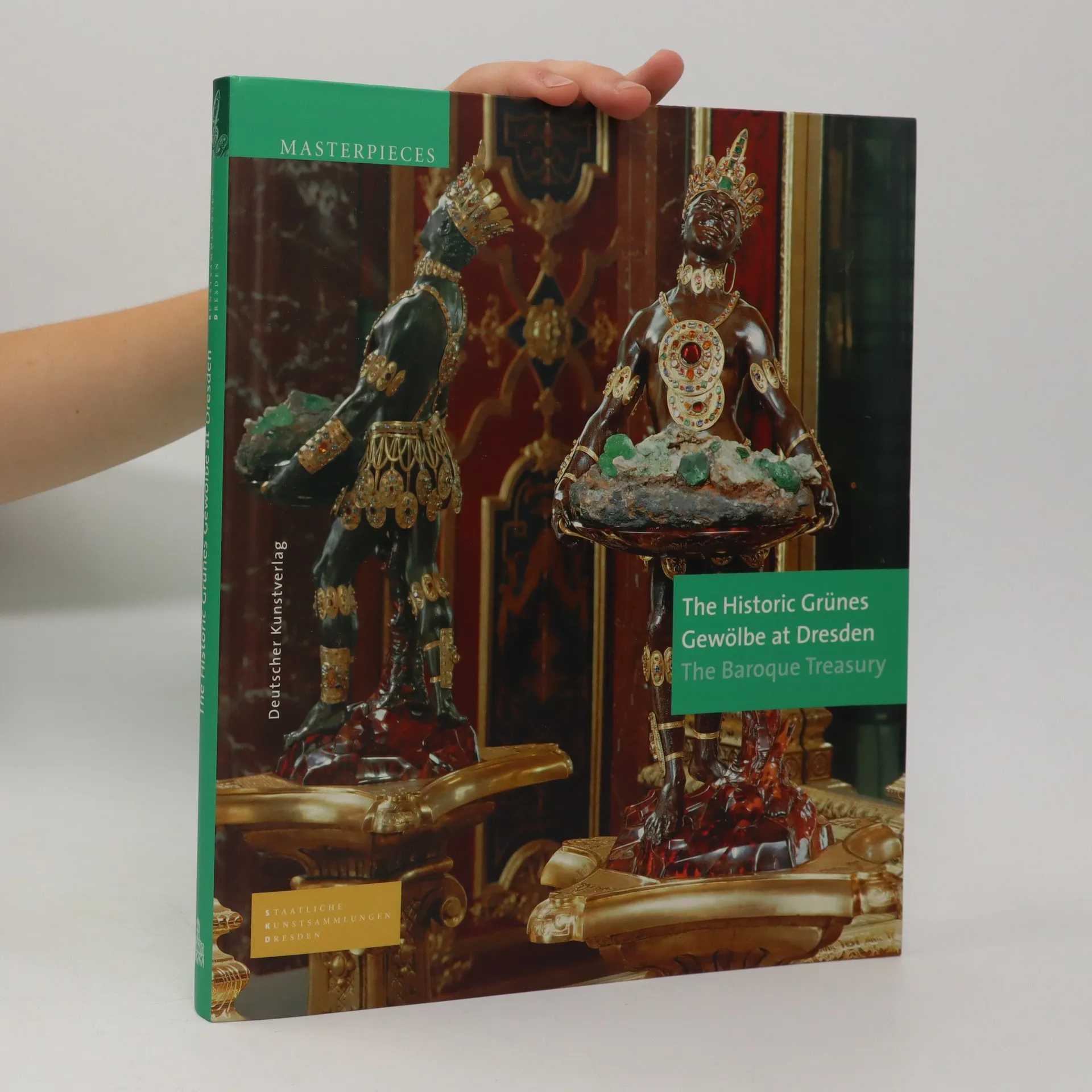
    The historic Grünes Gewölbe at Dresden : the baroque treasury
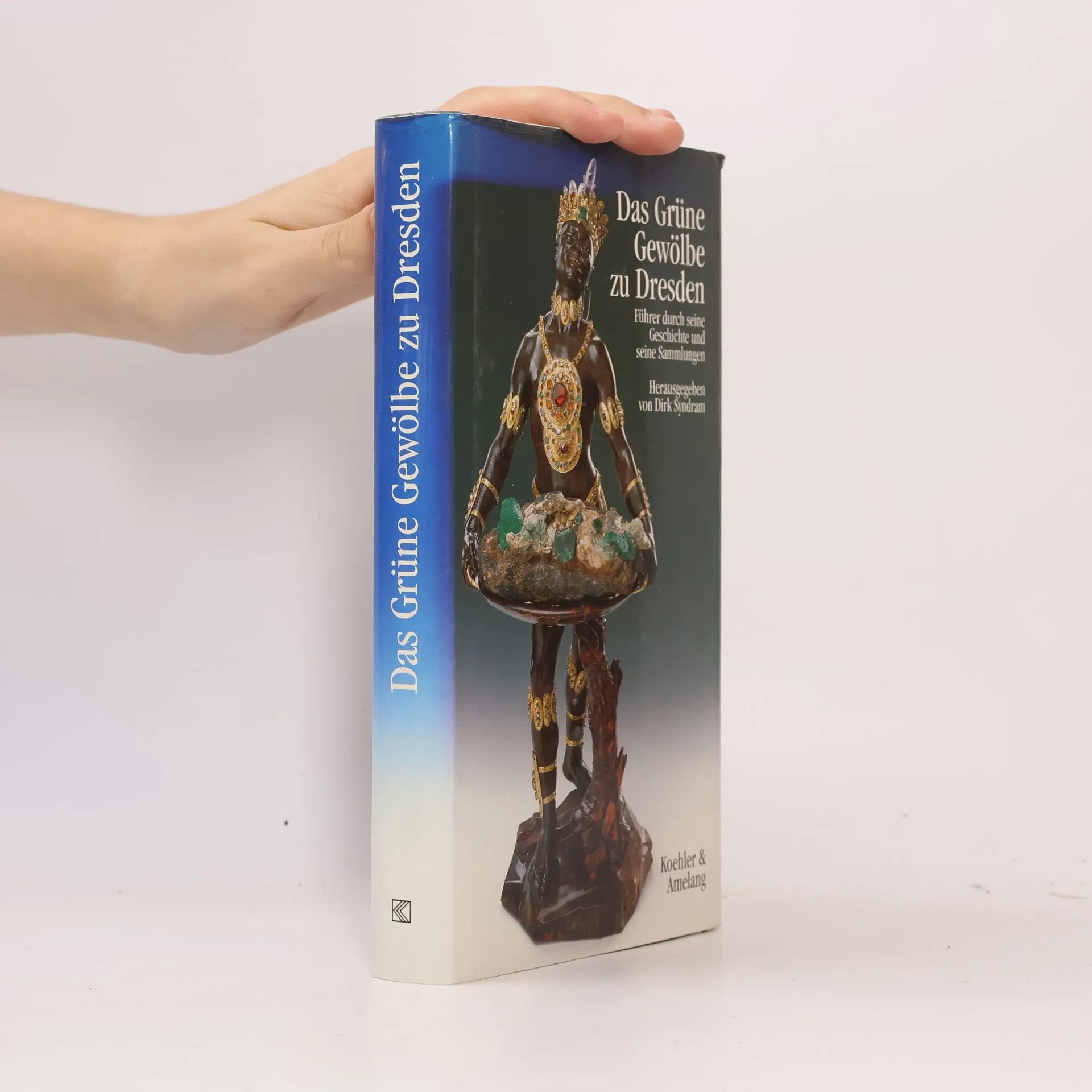
    • The famous “Historisches Grünes Gewölbe” returns to the residential palace for the first time after 60 years in September 2006. The beautifully illustrated catalogue takes the reader on a fascinating tour through this unique “Gesamtkunstwerk”. The “Grünes Gewölbe” was founded in 1550 by Elector August of Saxony as the state treasury, “Geheime Verwahrung.” Augustus the Strong converted it into a publicly accessible Schatzkunst museum in 1729. His idea was unrivalled: the eight display rooms with their exquisite interiors and the highly impressive mise en scène of the collection were designed to inspire amazement. The extravagant profusion of precious objects in gold, silver, enamel and precious stones, the ivories, bronzes and jewellery proclaimed the wealth and artistic taste of the Saxon dynasty. In 1942 the collection was closed and taken into storage at Königstein fortress. The museum’s exterior and three of the eight rooms were severely damaged during the war. From 1974 a part of the collection could be seen again, but it was not until 2004 when the “Neues Grünes Gewölbe” was reopened with exhibits from the Renaissance to Neo-Classicism. The book introduces the masterpieces of this fascinating collection and provides an insight into the brilliant concept of the museum’s founder, from which the inspiration for this presentation has been drawn.
      The historic Grünes Gewölbe at Dresden : the baroque treasury
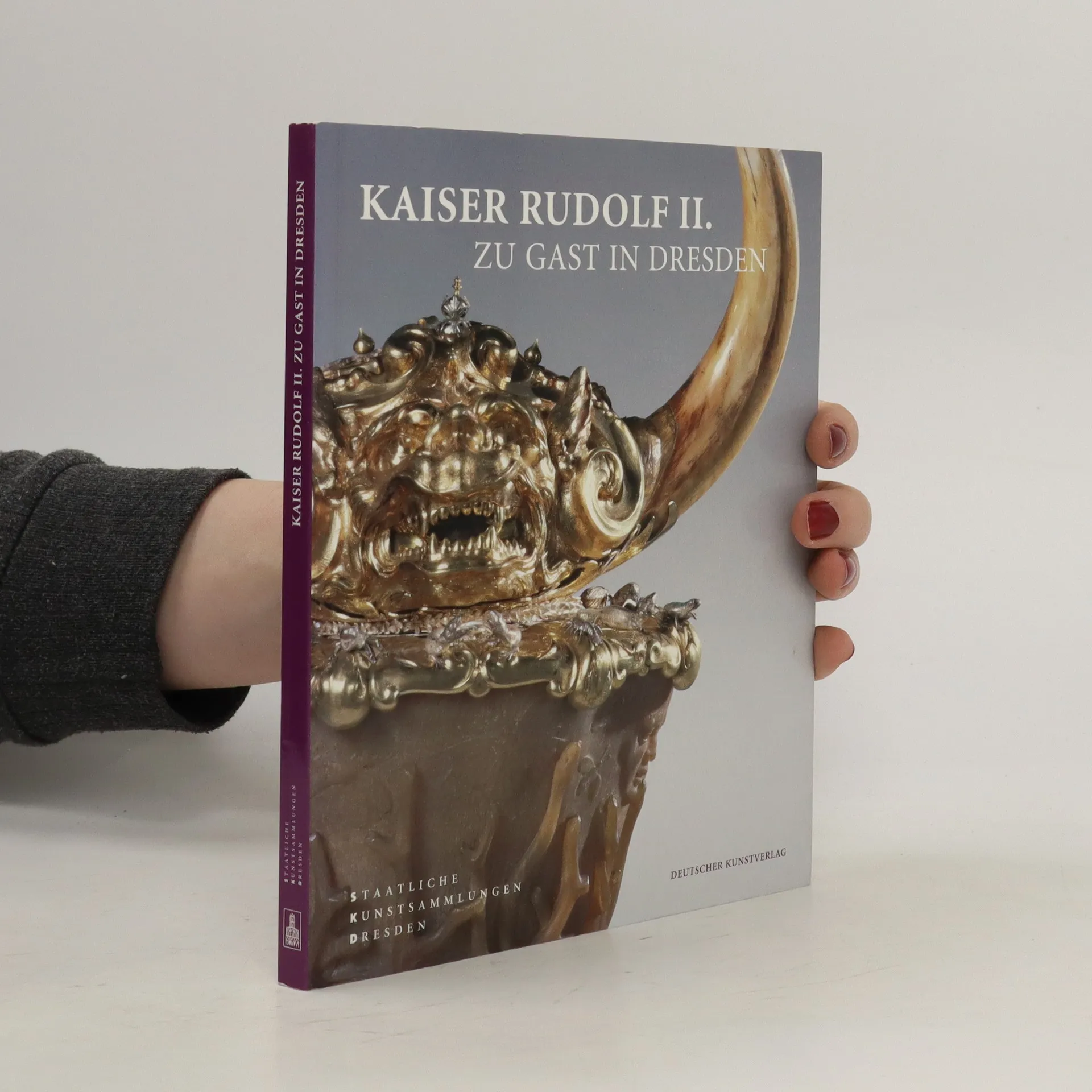
    • Kaiser Rudolf II. (reg. 1576–1612) war ein exzellenter Kenner der Künste. Seine Kunstkammer auf dem Hradschin in Prag galt als die größte und qualitätsvollste ihrer Zeit. Katalog und Ausstellung zeigen unter anderem die Bronzebüste Rudolfs II. von Adriaen de Vries, ein in Onyx geschnittenes Bildnis des Kaisers, farbenprächtige Steineinlegearbeiten, Gefäße aus der Prager Steinschneidewerkstatt der Miseroni, Elfenbeinstatuetten, einen grandiosen Deckelpokal aus Rhinozeroshorn und nicht zuletzt das Tischglöckchen des Kaisers. Die exklusive Auswahl zeugt von der Sammelleidenschaft des Kaisers, gewährt einen Blick auf vergangene Macht und Herrlichkeit und kündet zugleich von Zukünftigem: Denn schon in wenigen Jahren wird die Wiener Kunstkammer nach umfangreichen Sanierungs- und Baumaßnahmen in einer neu konzipierten Ausstellung die Besucher aus aller Welt wieder in ihren Bann ziehen.

      Kaiser Rudolf II. zu Gast in Dresden
    • Augen-Blicke

      Barocke Elfenbeinkunst im Dialog der Künste

      Moments. Baroque Ivory Works as Part of the Dialog between the Arts Baroque ivory works offer a diverse range of art-historical perspectives and interpretations. Dresden’s Green Vault holds one of the most important European collections and presents a choice variety of ivory masterpieces, primarily from the 17th and 18th centuries. The main part of the objects shown are portraits in ivory, on paintings as well as medallions. You are invited to enter into dialog with art works of different genres that meet each other in captured moments. Baroque festivities, the magic of the commedia dell’arte, but also grotesque dwarves come to life in small-format statuettes of ivory, Böttger stoneware, porcelain, and graphic templates. A View into the book you can find under „http://verlag. sandstein. de/reader/98-430_AugenblickeElfenbeinkunst“

      Augen-Blicke