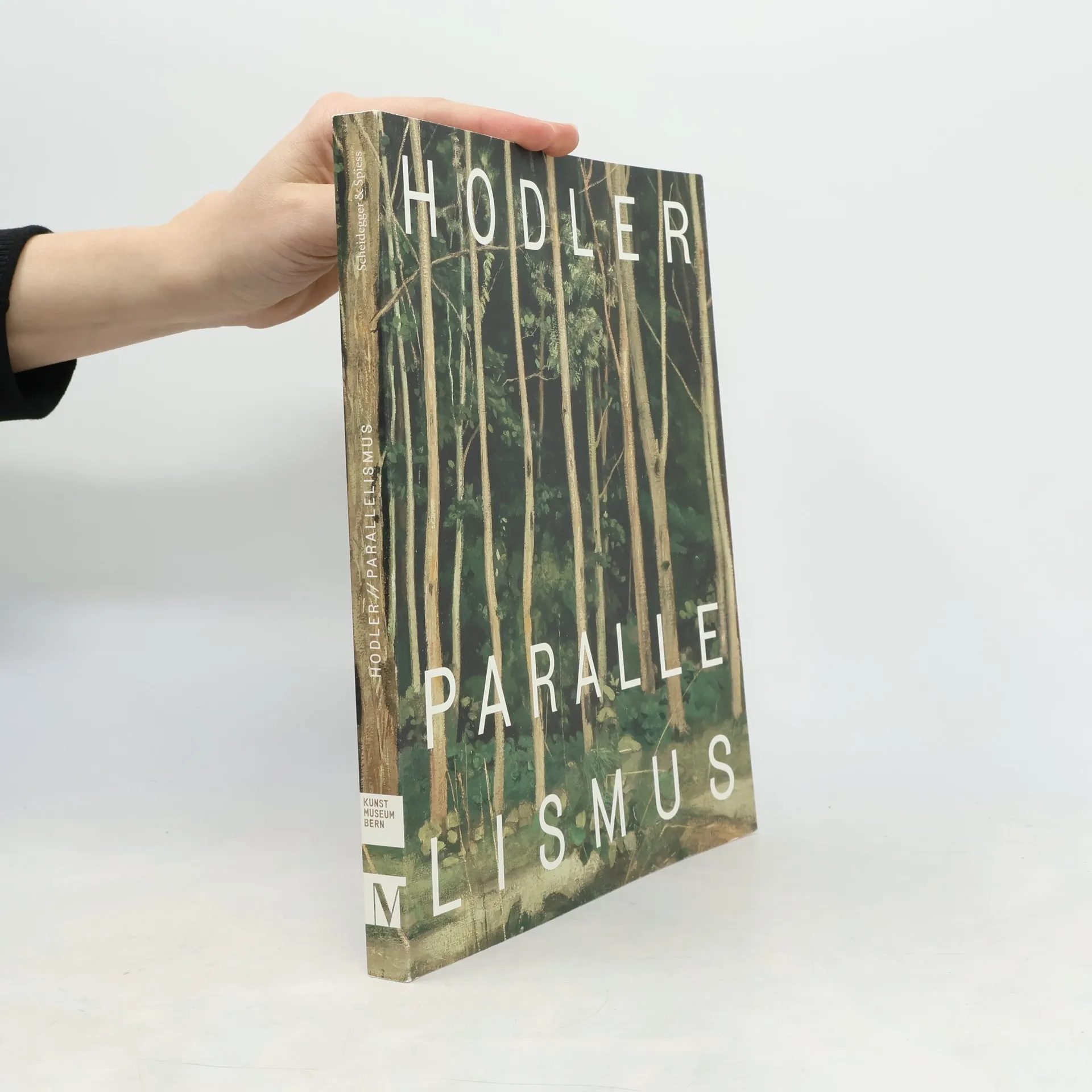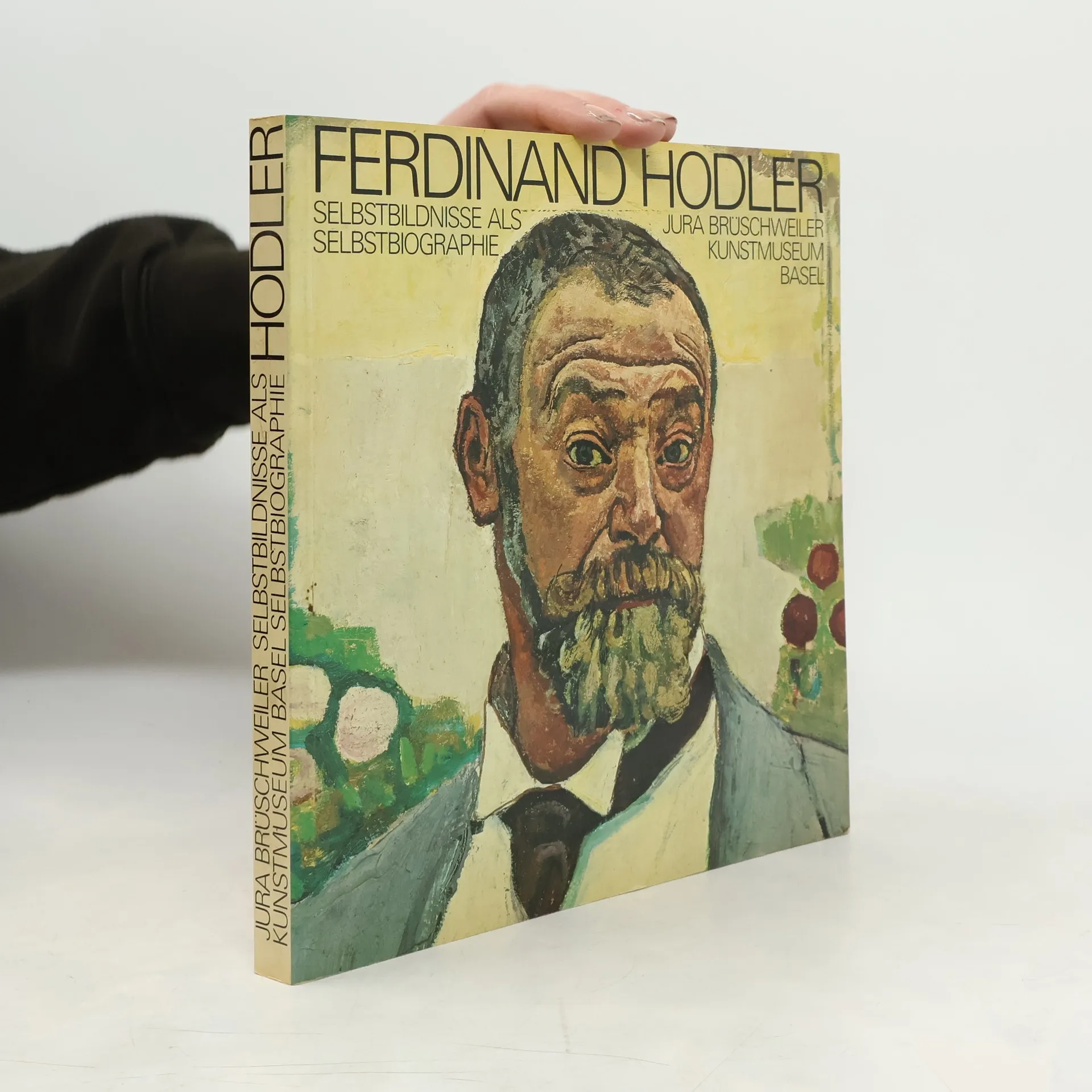
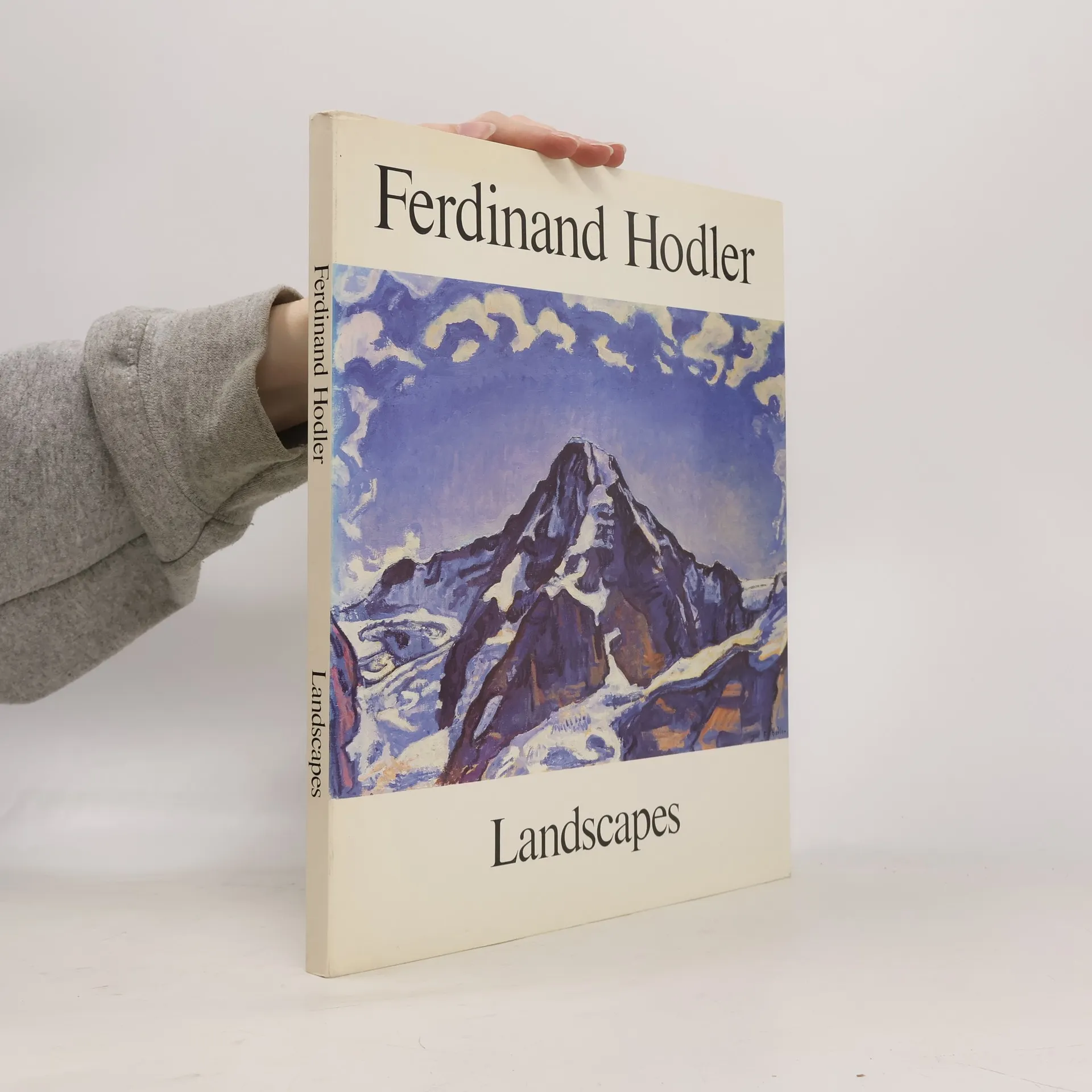
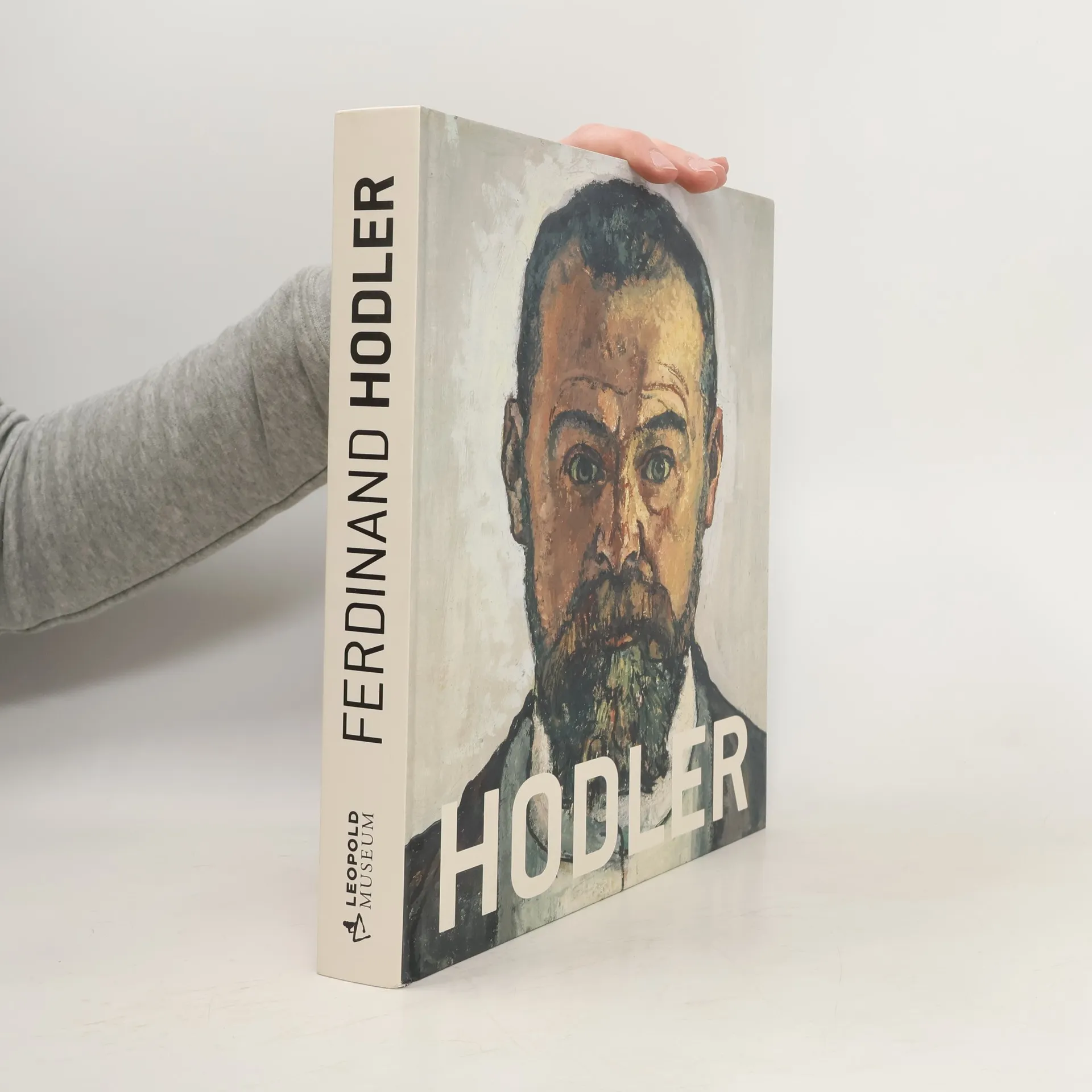
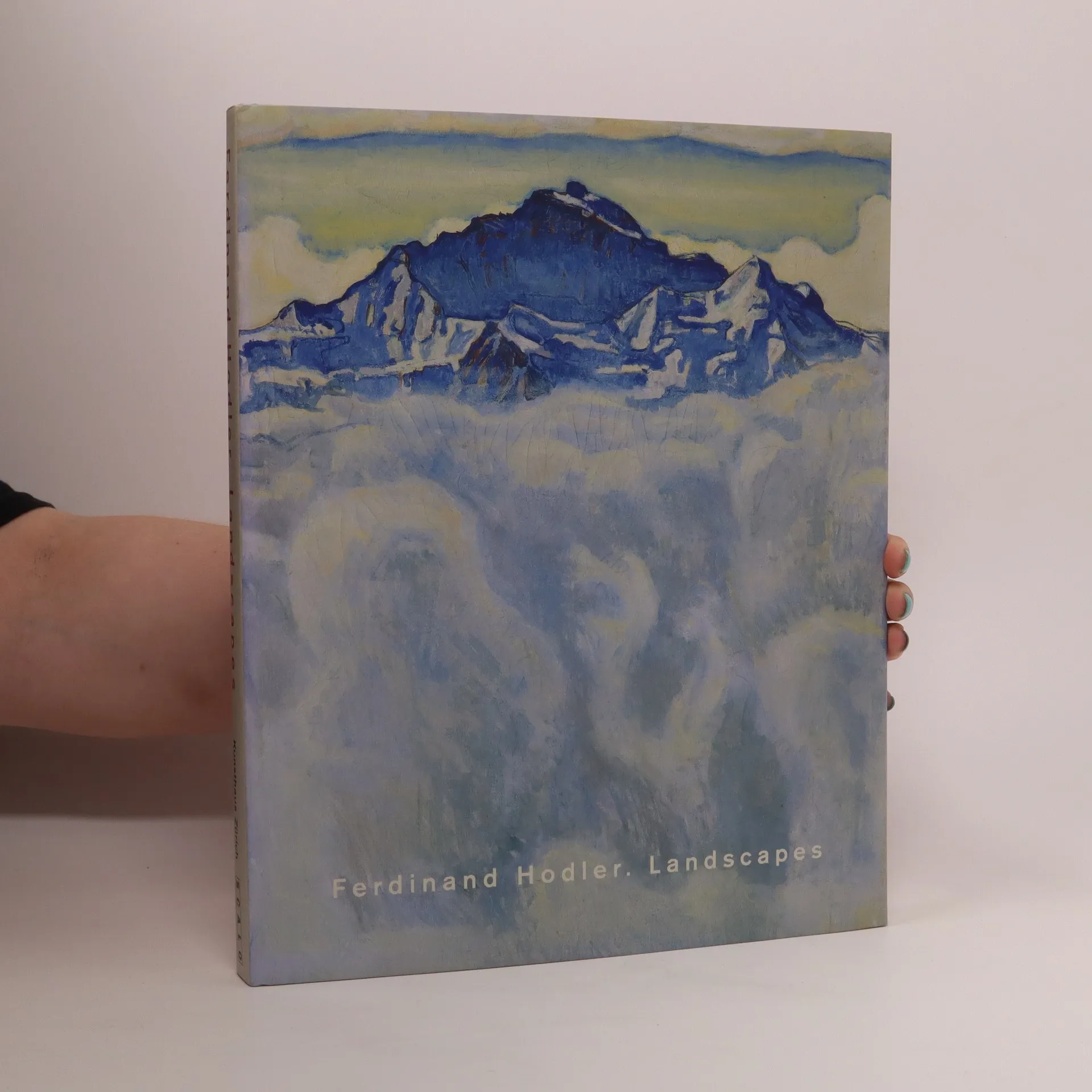
Ferdinand Hodler (1853-1918) is one of the most important Swiss painters. His work, influenced by Realism and Symbolism, was and is widely shown all over Europe and prefigured art nouveau and modernist abstraction. His landscape paintings remain the most vital part of his oeuvre to this day. This book shows around 70 of his most beautiful and important landscape paintings and examines the importance of landscape in the creative development of this seminal Swiss painter. In his beginnings, Hodler was influenced by the late Romantics and French landscape painting. He later developed his own quietly monumental style. In the last two decades of his life, he created a landscape oeuvre counting among the major achievements of modern European painting. An indispensable introduction to the work of this often neglected Swiss master.
Ferdinand Hodler Books


Hodler
- 140 pages
- 5 hours of reading
Hodler, Anker, Giacometti
- 240 pages
- 9 hours of reading
Die Sammlung von Christoph Blocher ist die wohl derzeit bedeutendste Privatsammlung Schweizer Kunst um 1900 und wird im Museum Oskar Reinhart zum ersten Mal in einer repräsentativen Auswahl der Öffentlichkeit präsentiert. Der Katalog vereint über 80 Meisterwerke von Ferdinand Hodler, Albert Anker, Giovanni Giacometti bis hin zu Giovanni Segantini und Félix Vallotton. Der Fokus liegt auf Ferdinand Hodlers Landschaften und den Gemälden von Albert Anker, von dem es auch in öffentlichen Sammlungen keine vergleichbare Werkgruppe gibt. Hinzu kommen gewichtige Ensembles von Giovanni Giacometti und Adolf Dietrich sowie herausragende Einzelwerke von Max Buri, Alexandre Calame, Edouard Castres, Giovanni Segantini, Benjamin Vautier, Robert Zünd und Félix Vallotton. Der Band präsentiert sämtliche Bilder der Ausstellung sowie weitere bisher noch nie publizierte Gemälde der Sammlung Blocher. Die zahlreichen Beiträge stammen von den führenden Forschern der jeweiligen Maler.
Ferdinand Hodler, Piet Mondrian, eine Begegnung
- 299 pages
- 11 hours of reading
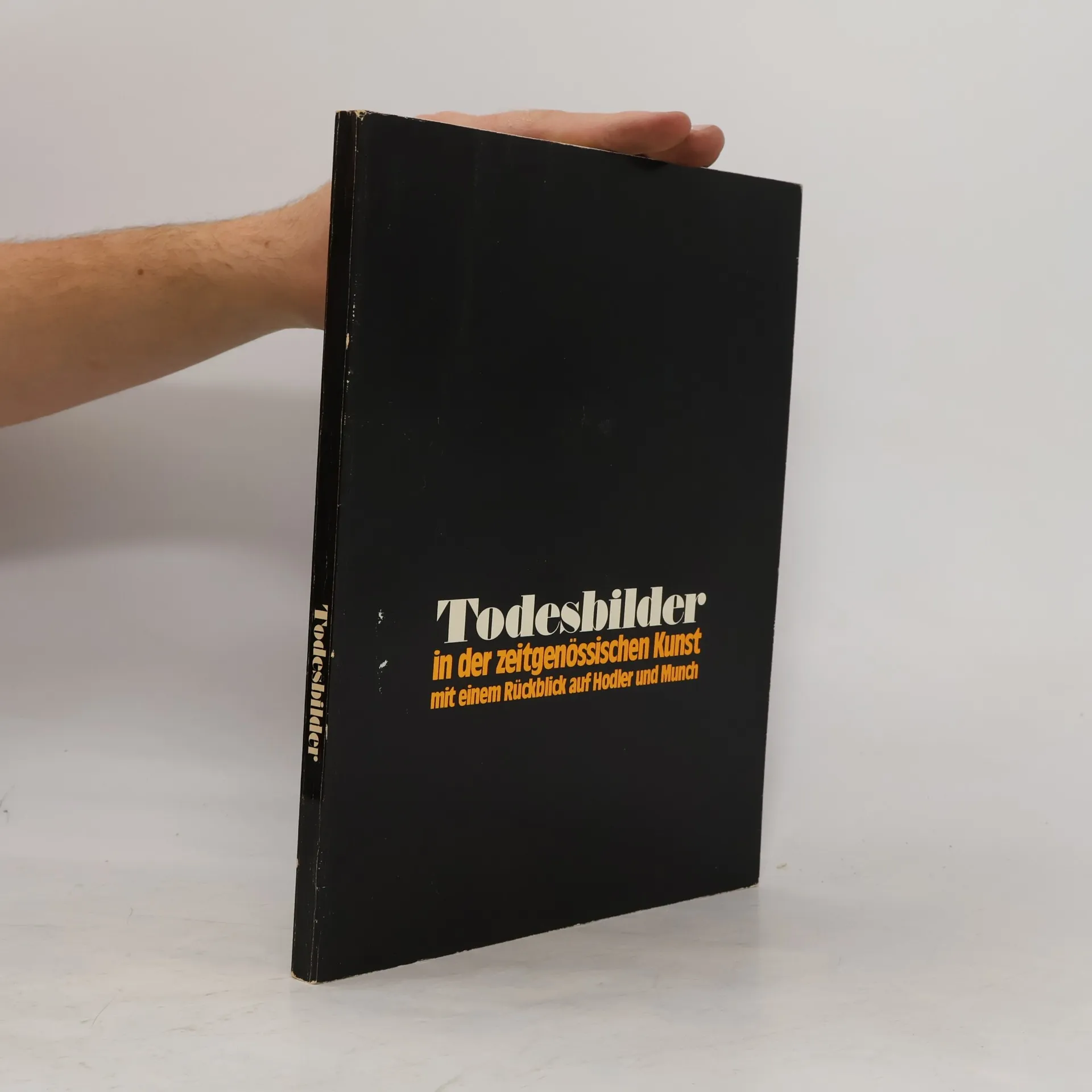
Met de volgende kunstenaars: Edvard Munch, Ferdinand Hodler, Ben d'Armagnac, Joseph Beuys, Günter Brus, Jochen Gerz, Hetum Gruber, Alfred Hrdlicka, Werner Knaupp, Arnulf Rainer, Ulrike Rosenbach, Rudolf Schwarzkogler.
Ferdinand Hodler. Le paysage
- 215 pages
- 8 hours of reading
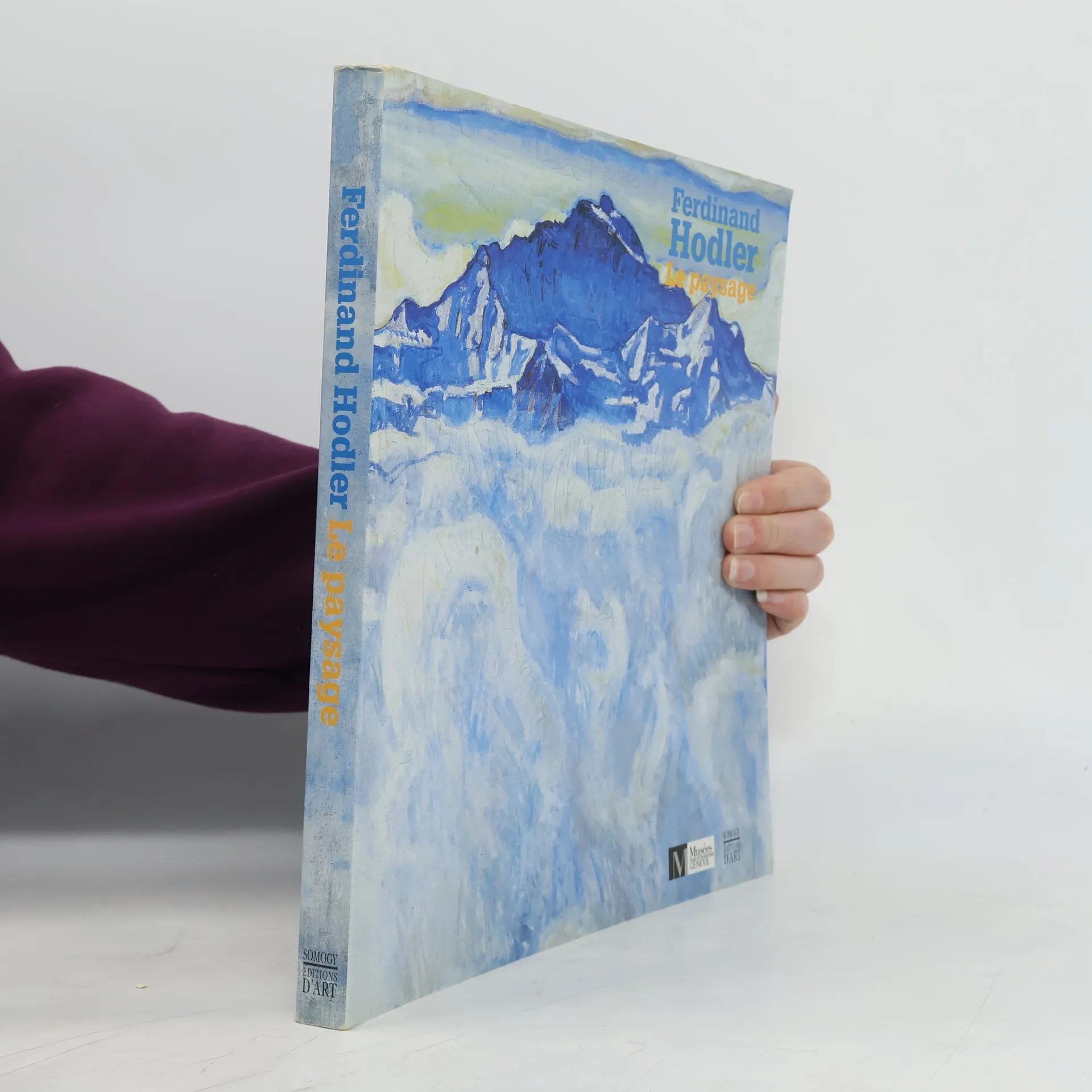
Au-delà des tableaux de figure, des portraits, de la peinture d'histoire et de l'exécution de grands décors, le paysage occupe dans l'œuvre de Ferdinand Hodler (1853-1918) une place fondamentale. Aux tableaux peints sous l'influence du peintre réaliste Ferdinand Sommer succèdent des paysages imprégnés de lumière, tributaires de Barthélemy Menn, souvent dominés par une harmonie de gris. Puis, vers 1890, se détachant de l'influence de ses maîtres, l'artiste donne à sa peinture une dimension mystique, voire religieuse. Dès lors, il utilise la symétrie comme principe de composition. Cette notion, que Hodler nomme " parallélisme ", constitue probablement sa contribution majeure à la peinture symboliste. Hodler, qui remporte un succès croissant, simplifie l'ordonnance de ses tableaux, tout en s'autorisant de remarquables audaces chromatiques. Ses compositions se distinguent alors par une absence de la figure humaine et de manière générale, en réaction au positivisme, par un refus de la civilisation. A partir de 1915 et jusqu'à sa mort, l'artiste exécute essentiellement des paysages dans lesquels il privilégie les lignes de compositions horizontales, et redéfinit les rapports entre la lumière et la couleur. Chez Hodler, le paysage est tout à la fois champ d'expérimentation et support à la réflexion. La peinture s'y affranchit des contraintes pratiques, figuratives et formelles pour redéfinir ses propres bases.