Explore the latest books of this year!
Bookbot

Christian Schittich

    January 1, 1956
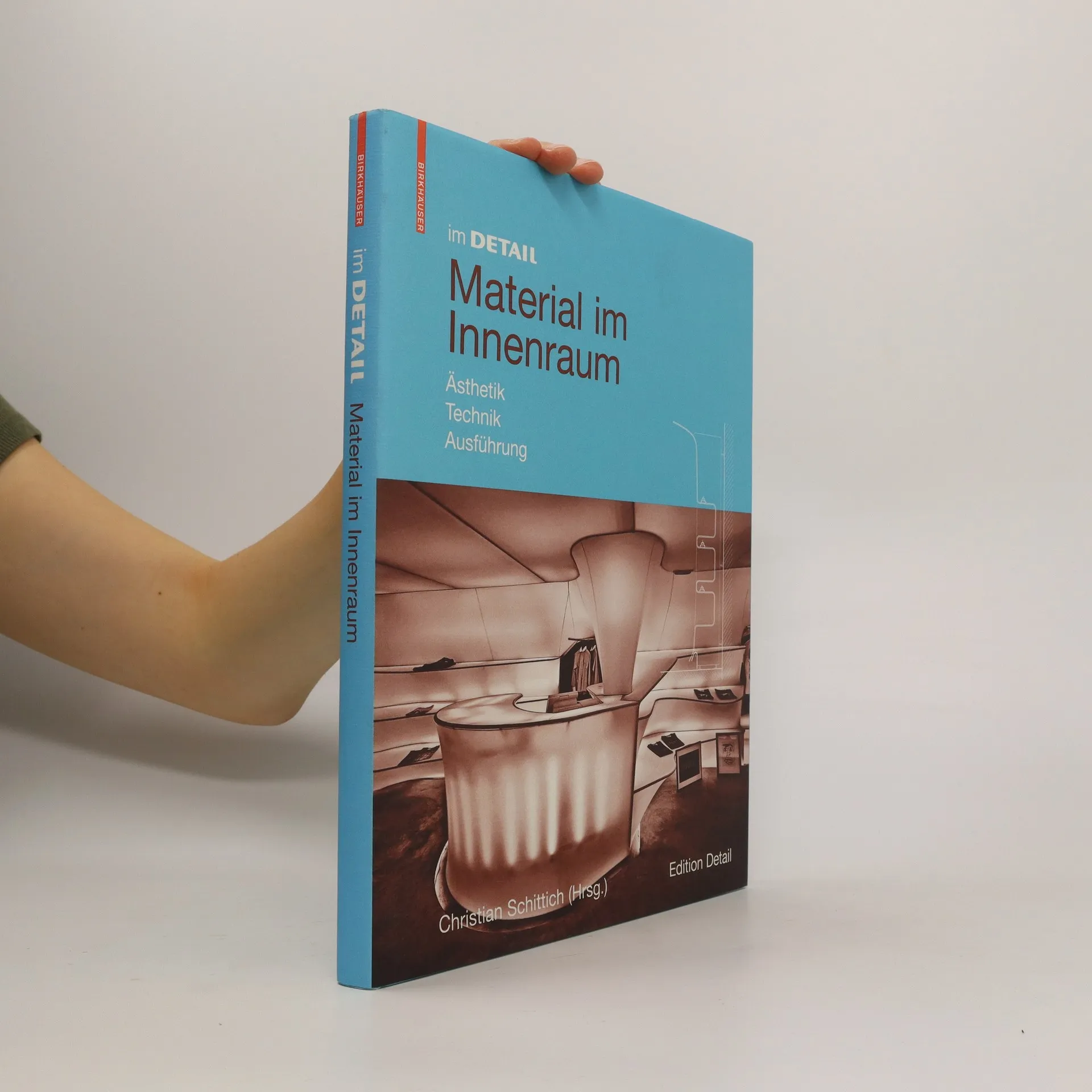
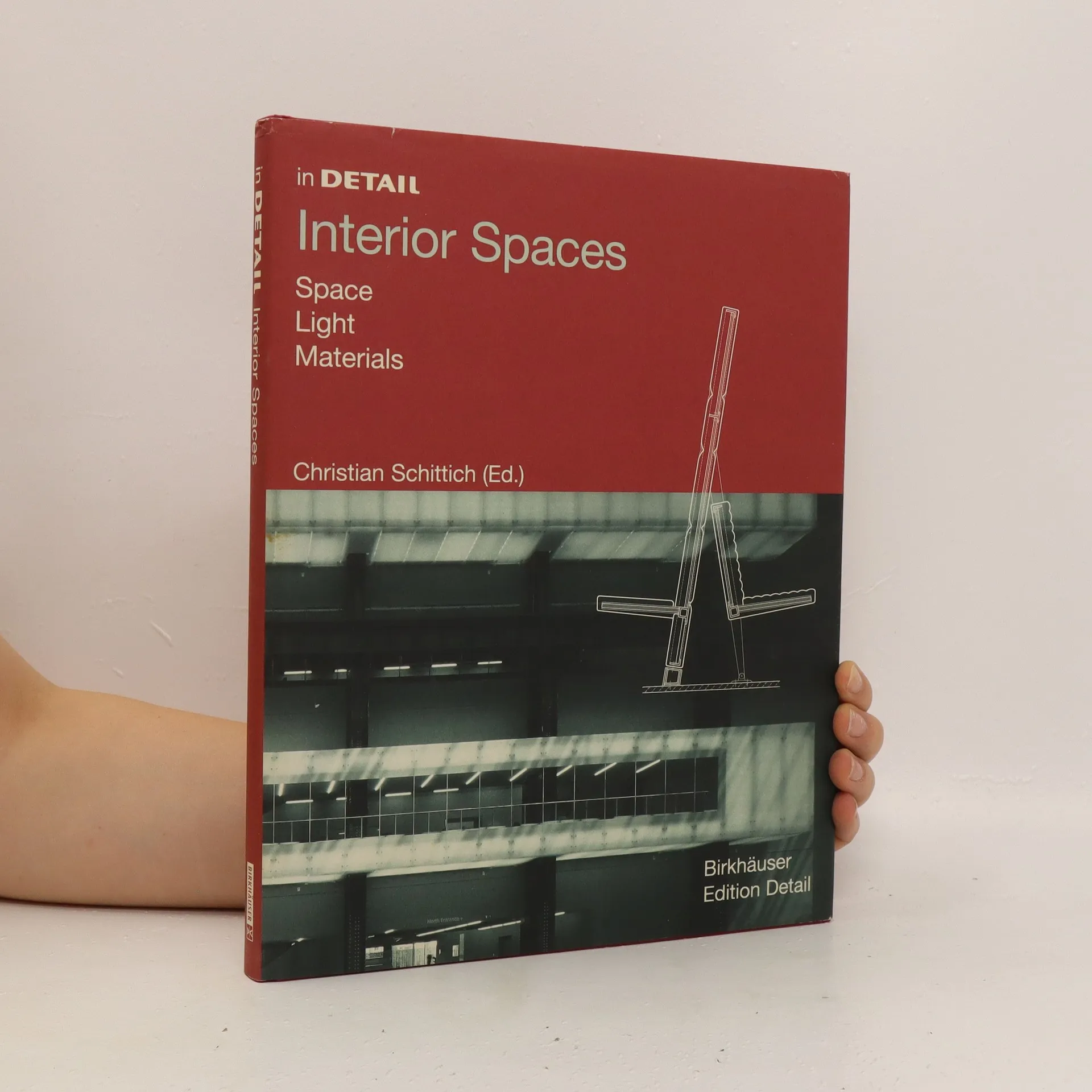
    Interior spaces: space, light, materials
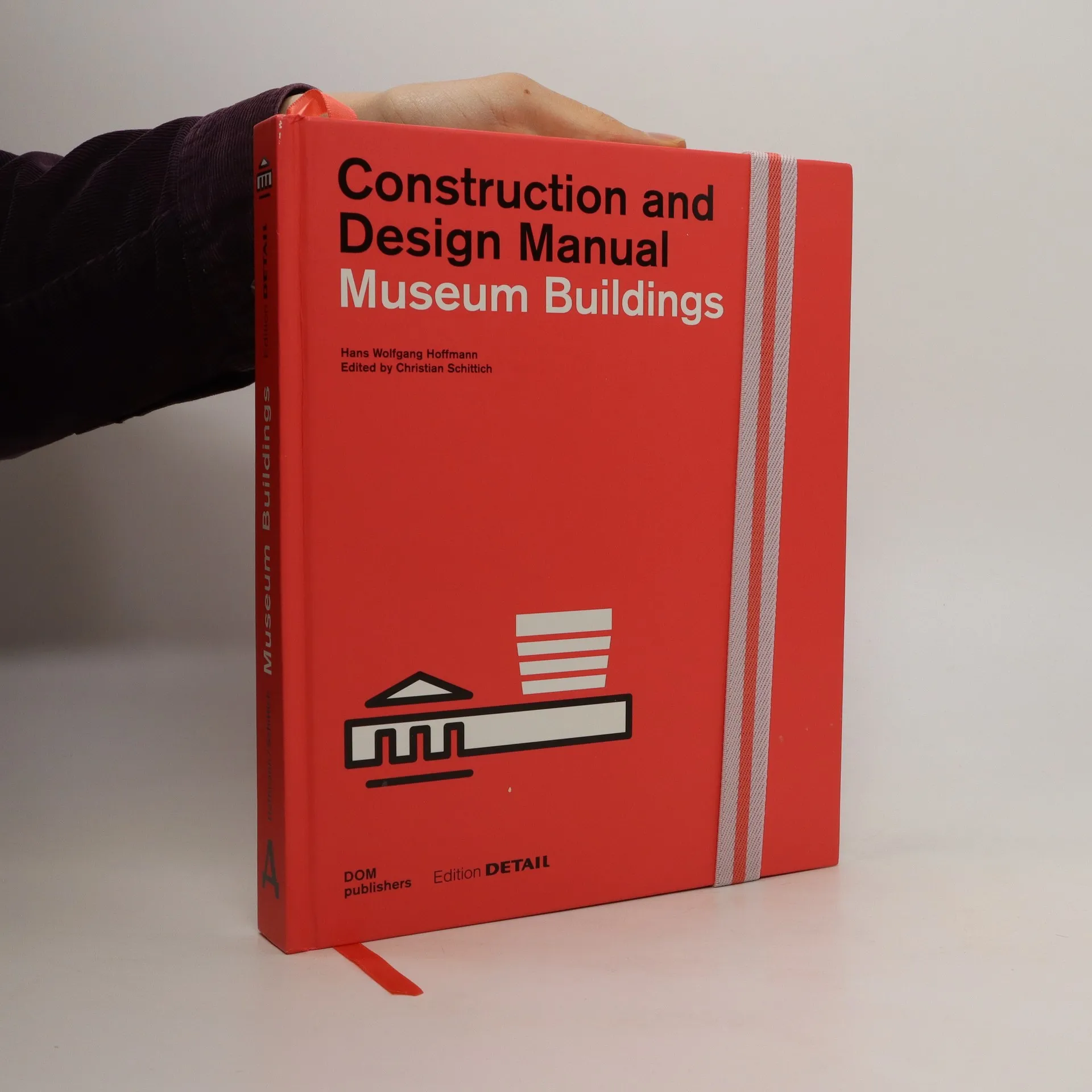
    Museum buildings : construction and design manual
    China's New Architecture
    In detail, exhibitions and displays
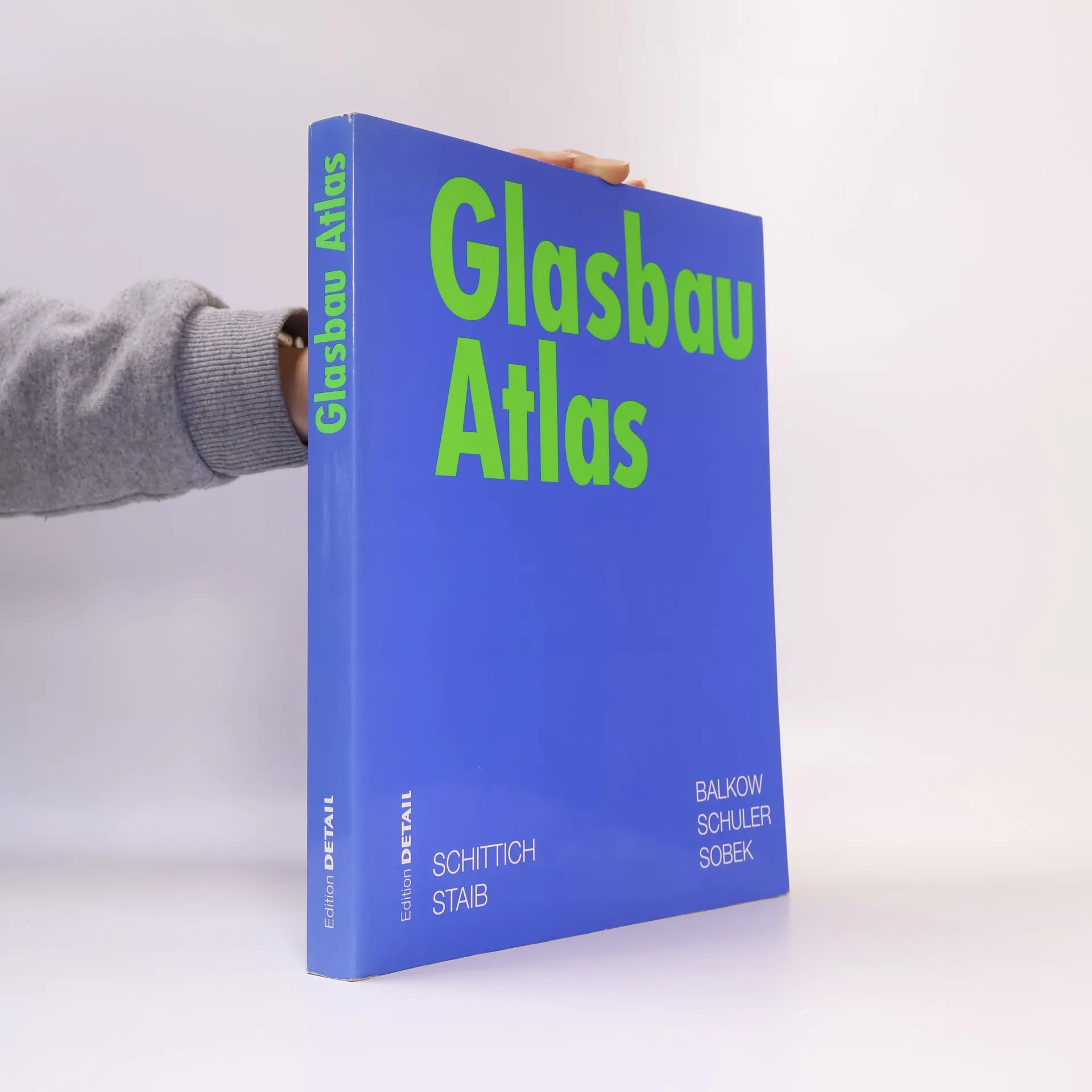
    Glass Construction Manual
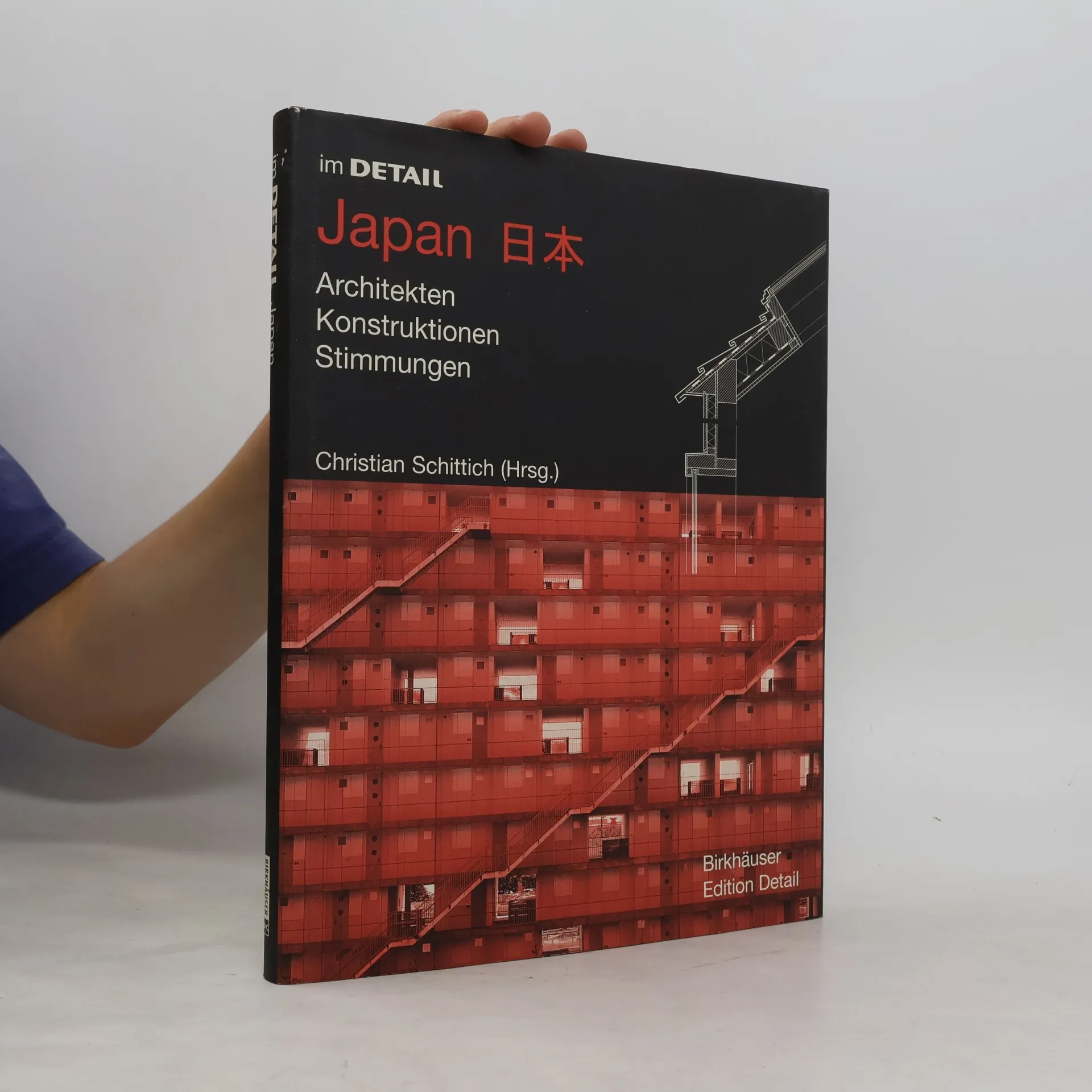
    In detail Japan
    • 2019

      China's New Architecture

      Returning to the Context

      • 144 pages
      • 6 hours of reading

      In recent years, a refreshingly unconventional architectural scene - outside the mainstream - has established itself in China. Its representatives, many of whom were trained in the West, are known for their sensitive handling of space, light, and material, and by their engagement with context and their own tradition. Since Wang Shu, one of the most important representatives of the profession, won the Pritzker Prize, international professionals have become more aware of China's new architecture. Twenty fascinating examples of different building typologies - many with social relevance - as well as an introductory essay illustrate current building activities and provide an insight into the cultural and architectonic influences.

      China's New Architecture
    • 2019

      A comprehensive reference work on vernacular architecture Traditional building methods – such as those used in pueblos, timbered houses, or the Japanese minka – exist in fascinating diversity and create the face of a region. However, as a result of globalization they have been marginalized in many places. In the fastest developing countries in particular, a wealth of experience that goes back hundreds of years is being irretrievably lost, even though valuable insights can be gained for modern building. Using the examples of selected domestic buildings from all continents, 30 international experts demonstrate why we can still learn from vernacular architecture; they analyze the cultural context and the adaptation to topographic/climactic conditions, and focus on the local materials used as well as on the construction, the building process, and the necessary maintenance. A comprehensive reference work covering traditional building methods Numerous examples of vernacular domestic architecture from all five continents More than 1000 impressive color photographs and detailed drawings Also available in German

      Vernacular architecture
    • 2019

      Traditionelle Bauweisen

      Ein Atlas zum Wohnen auf fünf Kontinenten

      Ein umfassendes Referenzwerk zum traditionellen Bauen Vom Pueblo zum Fachwerkhaus oder dem japanischen Minka – traditionelle Bauweisen zeigen eine faszinierende Vielfalt und prägen mit ihrem Erscheinungsbild das Gesicht von Regionen. Doch im Zuge der Globalisierung werden sie vieler Orts zurückgedrängt. Gerade in den sich am schnellsten entwickelnden Ländern geht ein jahrhundertealter Erfahrungsschatz unwiederbringlich verloren, der auch für modernes Bauen von Interesse ist. Am Beispiel von ausgewählten Wohnbauten aus allen Kontinenten zeigen 30 internationale Experten, warum wir noch immer von diesen traditionellen Bauweisen lernen können: Sie analysieren den kulturellen Kontext, die Anpassung an topografisch-klimatische Gegebenheiten und legen ihr Augenmerk auf die verwendeten lokalen Materialien und die Konstruktion, den Bauprozess und den notwendigen Unterhalt. Zahlreiche Beispiele vernakulärer Wohnbauten aus allen fünf Kontinenten Mehr als 1000 eindrucksvolle Farbfotografien und detaillierte Planzeichnungen Auch auf Englisch erhältlich

      Traditionelle Bauweisen
    • 2019

      Building small guesthouses and hotels is an important task for China's new generation of architects. Many of these buildings are characterised by unconventional designs and sensitive use of materials. Unlike the government planning conglomerates, they establish relationships with their local context. This book presents 20 exceptional guesthouses and architect-designed hotels that have been built in China in recent years. A good number of them have been built in the countryside in an effort to improve living conditions there by encouraging sensitive tourism and slowing the rate of mass migration to cities. The book reveals the buildings' designs in brilliant architecture photos and features texts and drawings that document the characteristics of these outstanding places for an overnight stay.

      Übernachten in China
    • 2019

      Chinas neue Architektur

      Bauen im Kontext

      Eine neue Generation prägt die Architektur Chinas In den letzten Jahren hat sich in China abseits vom Mainstream eine erfrischend unkonventionelle Architekturszene etabliert. Oftmals im Westen ausgebildet, zeichnen sich deren Vertreter durch den sensiblen Umgang mit Raum, Licht und Material ebenso aus wie durch die Auseinandersetzung mit Kontext und eigner Tradition. Spätestens seit mit Wang Shu, einer ihrer wichtigsten Vertreter den Pritzker-Preis erhielt, rückt die neue Architektur Chinas ins Bewusstsein einer internationalen Fachöffentlichkeit. 20 faszinierende Gebäudebeispiele der unterschiedlichsten Typologien – viele davon mit gesellschaftlicher Relevanz – sowie ein einführendes Essay portraitieren das aktuelle Baugeschehen und geben Einblicke in die kulturellen und architektonischen Zusammenhänge. Einblick in Chinas aktuelle Architekturszene Gespräch mit Pritzker-Preisträger Wang Shu 20 faszinierende Projekte von etwa 15 führenden Architekten Auch auf Englisch erhältlich

      Chinas neue Architektur
    • 2017

      Gebäude, die Zeichen setzen

      • 192 pages
      • 7 hours of reading

      The architecture of the last three decades will be illuminated in general as well as in detail. A very personal architectural journey through time with around 30 buildings and their history offers insights and a look behind the scenes of a generation’s architecture. What ideas, methods, techniques, as well as social discussions have shaped architecture and the latest trends over the past three decades; which architects have appeared on the scene; which ideas have set standards?

      Gebäude, die Zeichen setzen
    • 2017

      Industrialisation, mechanisation and expansion have wrought profound changes on European cities and the surrounding landscapes in the last century. As regards the positive social and healthy development of inhabitants, landscape planning has become an integral part of all urban planning. Sometimes it is possible to truly merge nature and architecture. “best of DETAIL Landscapes” presents highlights of the past few years from DETAIL: buildings that disappear into their surroundings, lush meadows revealed as roofscapes only after closer inspection, paths and walkways through jungle-like gardens. Architecture and cities can no longer be counterpoints to nature and the landscape. Rather they should strive to create stunning symbioses.

      Landschaft
    • 2017

      Thanks to an automatic reputation of lively urbanity, old neighbourhoods are extremely popular with residents. New buildings, however, can capture some of this charm too, like the variety of successful projects presented in this volume from the “best of DETAIL” series. In the end, it’s a question of mixed usage – residential and commercial as well as open spaces and opportunities for old and young residents of various nationalities and different social structures. Even in these times of an increasingly digitally connected society, urbanity still manages to express itself largely through diversity. In addition to surprising theses on high-density housing, this publication presents a refreshingly inviting selection of projects from around the world that would give anyone the desire to move to the city.

      Urbanes Wohnen
    • 2016

      Wohnkonzepte in Japan. Housing in Japan

      • 144 pages
      • 6 hours of reading

      In den dichtbesiedelten Ballungszentren Japans entstehen – auf scheinbar unbebaubaren engenFlächen – kleine Häuser mit ungewöhnlichen Raumkonzepten und überraschenden Grundrisslösungen. Aber nicht nur dieses Gespür für Raum, auch der sinnliche Umgang mit Materialien, das Gefühl für Ästhetik und die gekonnte Verbindung mit traditionellen Elementen fasziniert Architekten außerhalb Japans. Dass die meisten konstruktiven Lösungen dabei nicht den mitteleuropäischen Standardsentsprechen, ist sekundä Es sind die innovativen Ansätze, die als Inspirationsquelle dienen. Dieser Band stellt die aktuellsten Wohnprojekte aus den letzten Jahren Neben großzügigen Bildstrecken und Grundrissdarstellungen werden zudem ausgewählte Detaillösungen vorgestellt, die für unsere Normen adaptierbar sind.
      Wohnkonzepte in Japan. Housing in Japan
    • 2016

      Bauen zwischen Welten

      • 176 pages
      • 7 hours of reading

      In den vergangenen 50 Jahren hat das Architekturbüro von Gerkan, Marg und Partner weltweit an die 400 Projekte realisiert – von Einfamilienhäusern über Kultur- und Bürogebäude bis hin zu Verkehrsbauten und Masterplanungen. Viele der Gebäude sind im asiatischen Raum entstanden – doch wie baut man in Kulturkreisen und auch für Maßstäbe wie denen zum Beispiel Chinas und Vietnams? Welches Wissen aus der Baupraxis im europäischen Raum fließt hier mit ein – und inwiefern profitieren Bauaufgaben in soziologisch und kulturell vertrautem Umfeld von den dort gewonnenen Erfahrungen? Unterschiedliche Prinzipien, Bedingungen und Zeiten sind der bestimmende Kontext, in dem gmp Architektur entstehen lässt. Der hier vorgestellte Ausschnitt aus dem gmp-Portfolio setzt daher aktuelle nationale und internationale Projekte in Beziehung, ergänzende Referenzen zu Vorgängerbauten erlauben einen Rückblick auf die Entwicklung des Büros. Der Fokus richtet sich dabei vor allem auf die Frage, wie Wissen und Erlebtes in den Dialog mit der auf Rationalität ausgelegten Entwurfsarbeit treten.

      Bauen zwischen Welten