Paul Guimard Book order (chronological)
March 3, 1921 – May 2, 2004
Paul Guimard, a French writer, masterfully intertwined his passion for writing with a profound love for the sea. His novels frequently explore the role of chance in life, the passage of time, and the ironic structures into which people find themselves ensnared. Through dramatic transformations of his characters, he delved into the price of life and the significance of personal choices. Guimard's work resonates with depth and contemplation on the human condition.




Eines Abends, es hatte geregnet
- 224 pages
- 8 hours of reading
Eines Abends, es hatte geregnet - bk184; Droemer Knaur Verlag; Paul Guimard; pocket_book; 1994
Věci života – 1967, oceněný jako nejlepší román roku 1968. Stal se také námětem stejnojmenného filmu, který byl rovněž vyznamenán, a to filmovou cenou Delluc 1970. V románu zobrazuje autor tragickou událost – automobilovou nehodu. Hlavní postavou příběhu je čtyřiačtyřicetiletý advokát Pierre Delhomeau. Ten si nyní tváří v tvář smrti uvědomuje, jak málo si vážil všedních, prostých radostí a jak jsou lidé lhostejní k okolnímu světu, dokud sami bezstarostně žijí
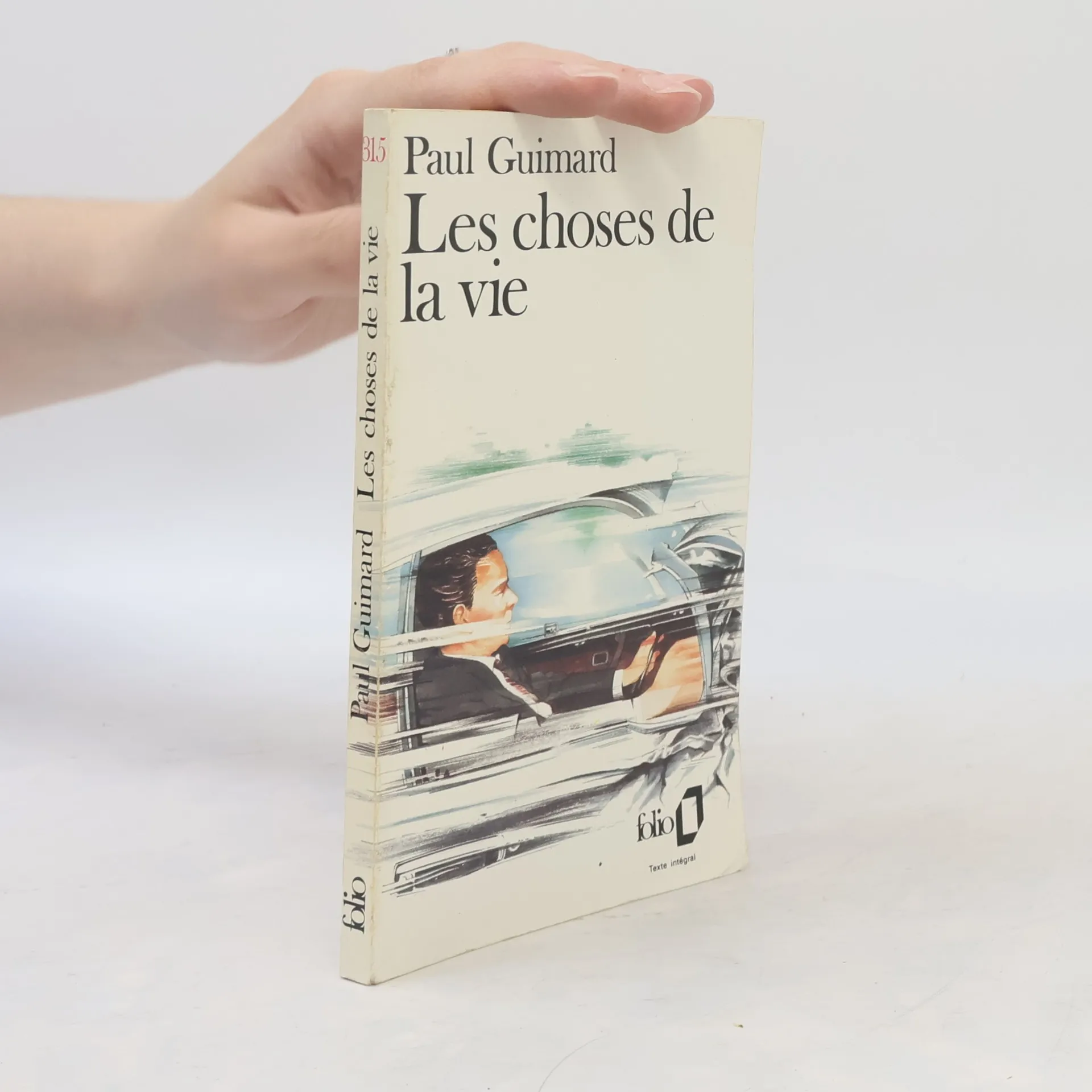
Les choses de la vie
- 149 pages
- 6 hours of reading
L'avocat Pierre Delhomeau est parti de Paris un matin au volant de sa MG pour aller plaider à Rennes. Tout en conduisant, il pense à son amie Hélène mais aussi à vingt autres choses appelées par une association d'idées, un air de musique, un parfum d'herbe mouillée. Sa voiture roule à 140 quand elle aborde le grand virage du lieu?dit La Providence. Au même moment, un poids lourd survient en sens inverse tandis qu'une bétaillère s'apprête à traverser la nationale, entame la manœuvre, hésite, repart et cale au milieu de la chaussée. C'est l'accident. Dix secondes se sont écoulées entre l'instant où la MG aborde le virage et celui où elle brûle. Dans la nuit de ses paupières qu'il ne se sent pas le courage de rouvrir, Pierre Delhomeau prend conscience du moment présent. Un présent qui n'a plus de futur, voilà le sens des paroles qu'il perçoit. Le temps de le nier, le temps d'y croire - c'est l'arrivée à l'hôpital dans un ultime dérapage de souvenirs, d'espoir et de regret de ces mille riens que sont les choses de la vie et qui la font si bonne à vivre. Tel est le thème de ce récit empreint de gravité légère et de sobriété, d'une poignante actualité.
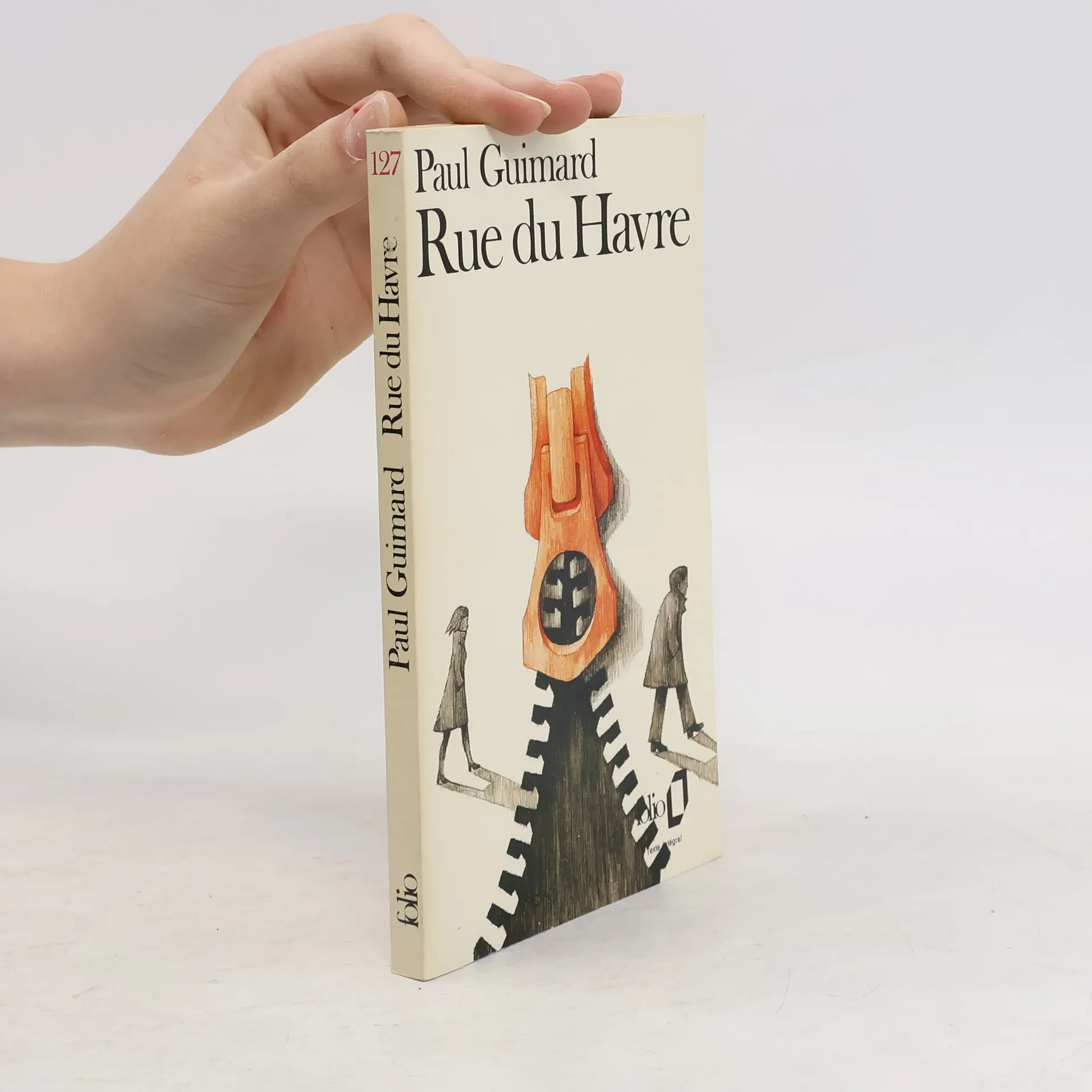
Rue du Havre
- 160 pages
- 6 hours of reading
"Dans l'esprit de Julien, tout ce qui touchait Catherine devait intéresser François et inversement. Il tenait pour certain que les deux jeunes gens étaient faits l'un pour l'autre comme le vent pour la mer, la main pour la main. Des mois d'observation avaient fortifié cette conviction. Mais le train de François arrivait à huit heures quarante et une, celui de Catherine à huit heures cinquante deux. Chaque jour, Julien voyait passer devant lui ces deux êtres complémentaires séparés par une éternité de onze minutes dont la dimension tragique le consternait."