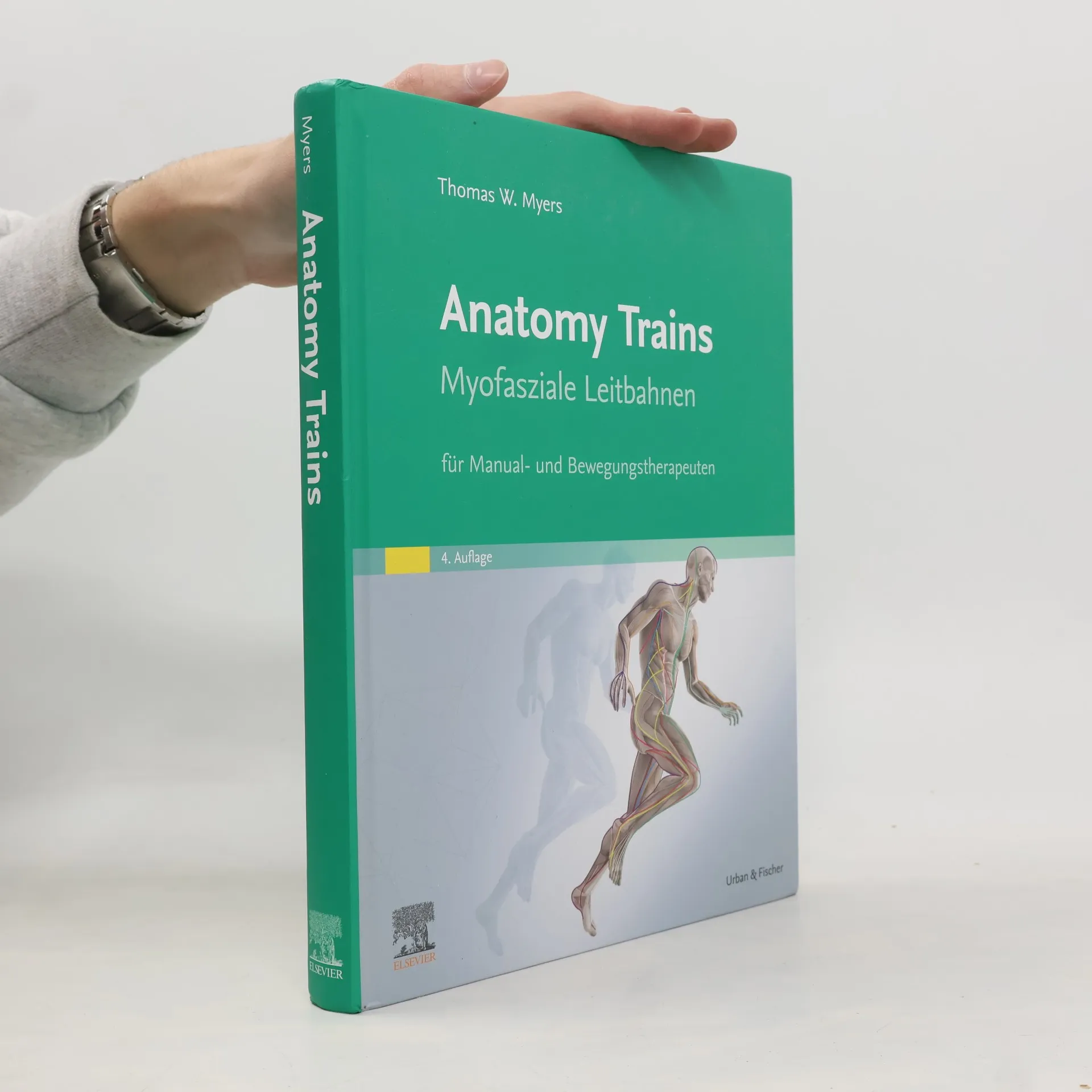
Anatomy Trains: Myofasziale Leitbahnen für Manual- und Bewegungstherapeuten - 4. Auflage
- 432 pages
- 16 hours of reading


This author's work is rooted in a profound sense of ethics and conviction, shaped by a rural upbringing and military service. His journey is characterized by a relentless pursuit of knowledge, moving from the structured environment of the Air Force to the intellectual atmosphere of a university. This experience solidified a core belief system: to understand one's convictions, the reasons behind them, and the ability to articulate and defend them. Teaching has been a natural inclination throughout his diverse career, ultimately inspiring a literary path focused on effecting change in the world and within individuals.


Focusing on the interconnectedness of musculoskeletal anatomy, this book explores how issues in one area can affect distant regions, leading to innovative treatment strategies. The updated edition includes the latest research, insights on anatomy trains in motion, and applications in animals. It features a comprehensive fascial compendium and an expanded library of videos, enhancing the learning experience. This resource is essential for professionals in various movement-related fields, offering a deep understanding of fascial roles in movement and posture.
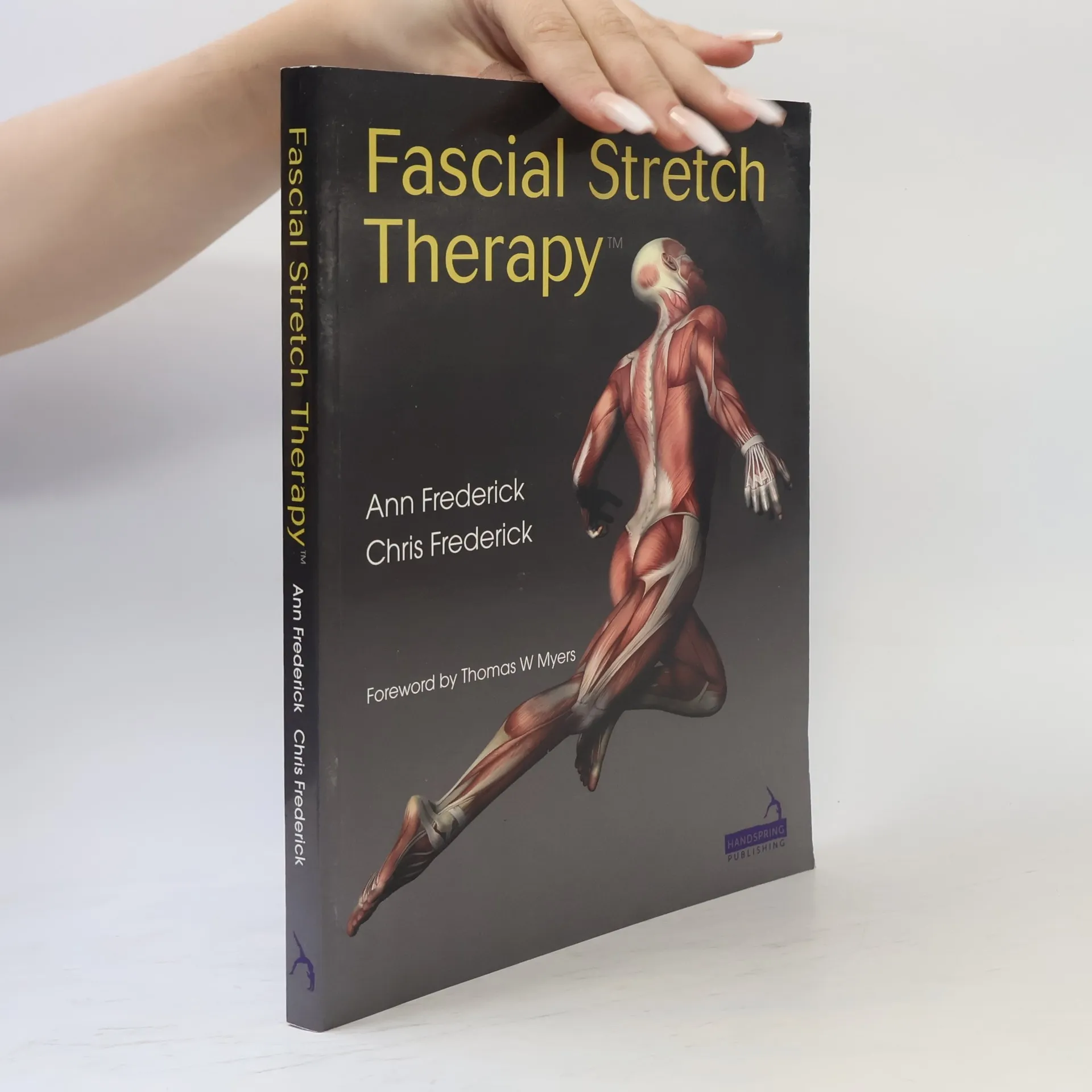
This book shows how Fascial Stretch Therapy assessment, treatment and training are used in a variety of common circumstances encountered in manual therapy and athletic training.
"Fascial release for structural balance is a fully illustrated introductory guide to structural anatomy and fascial release therapy"--Provided by publisher.
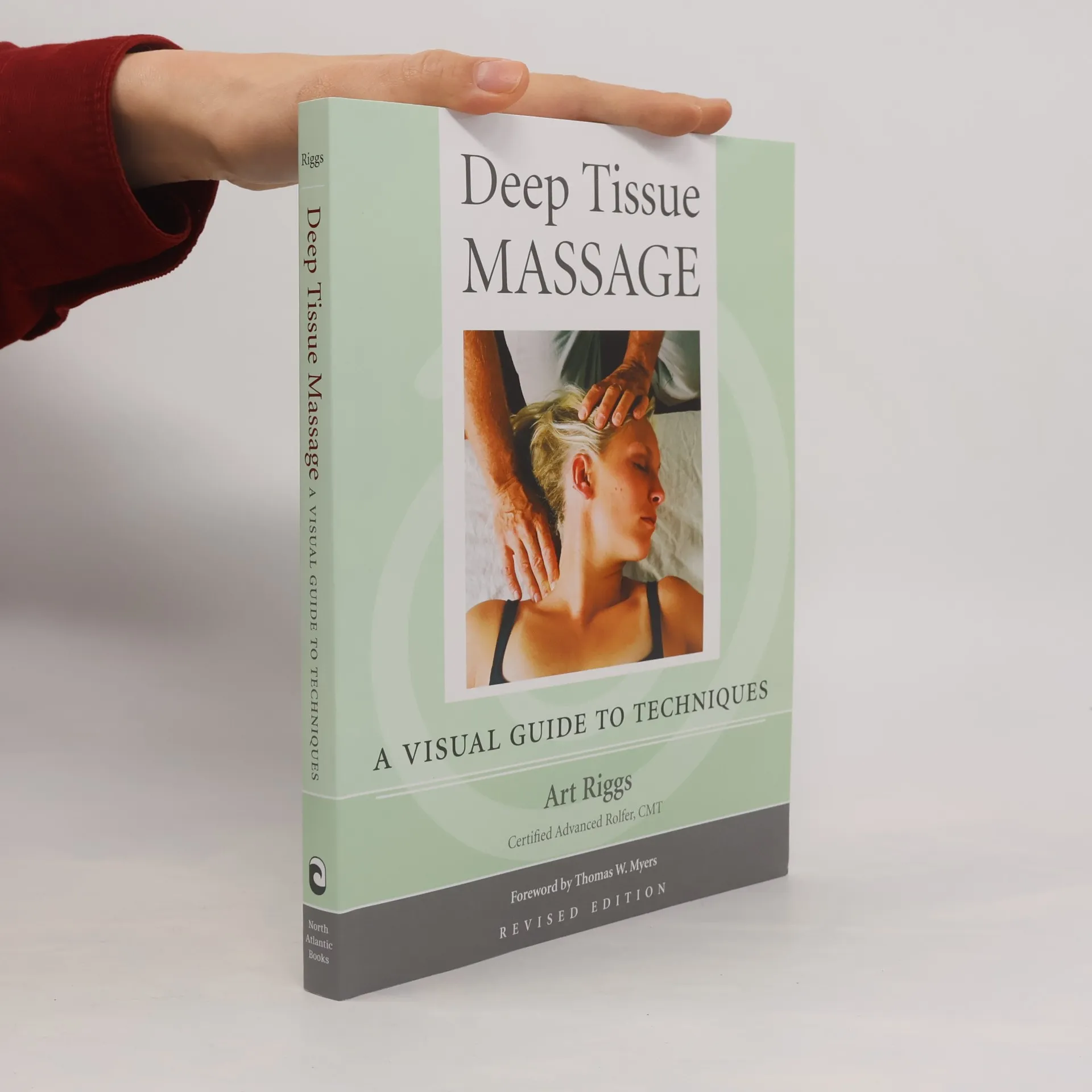
Featuring more than 250 photographs and 50 anatomical drawings, this revised edition of Deep Tissue Massage is the standard guide to the essentials of touch, biomechanics, and positioning options for a multitude of strategies to treat all major conditions encountered in a bodywork practice. The book is divided into three sections. “Fundamentals” covers basic skills of palpation, explaining the deeper layers of the body and presenting detailed instruction on working with these layers to release tension. This section gives clear information on the proper use of knuckles, fist, forearms, and elbows in preventing injury to the therapist. “Strategies” offers more precise protocols and treatment plans for the entire body with emphasis on client positioning options to stretch muscles rather than just kneading tissues. “Caveats” details areas in which the practitioner needs to exercise caution. Deep Tissue Massage presents a wealth of information in a way the therapist can immediately utilize. This new edition has been thoroughly revised and includes a preface to the new edition, a foreword, an index, a Suggested Reading list, and extended sections on integrating deep-tissue massage into bodywork practice and the psychology of treating injuries.
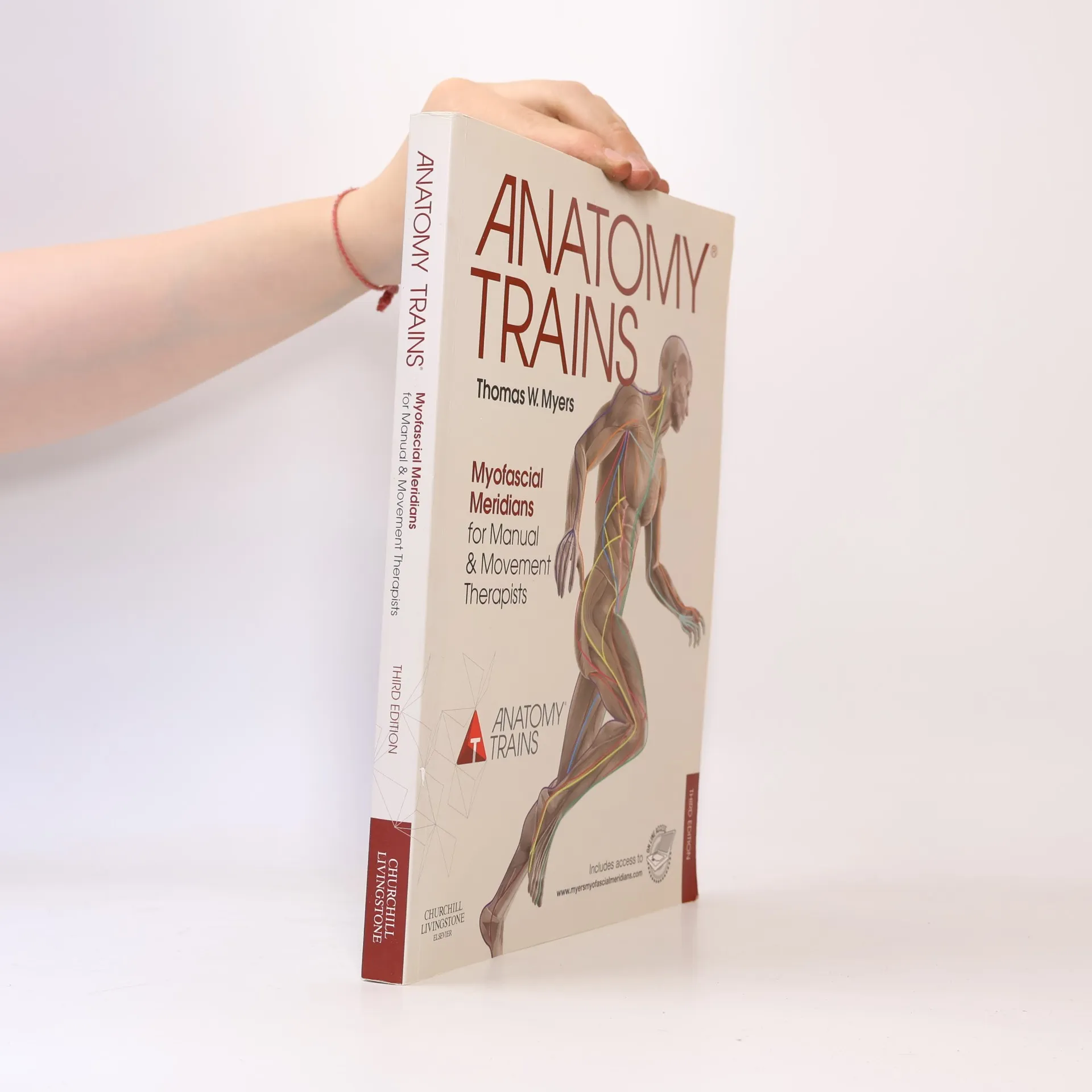
Presents an understanding of the role of fascia in healthy movement and postural distortion which is of vital importance to bodyworkers and movement therapists worldwide. This book presents a 'whole systems' view of myofascial/locomotor anatomy in which the body-wide connections among the muscles within the fascial net are described in detail.