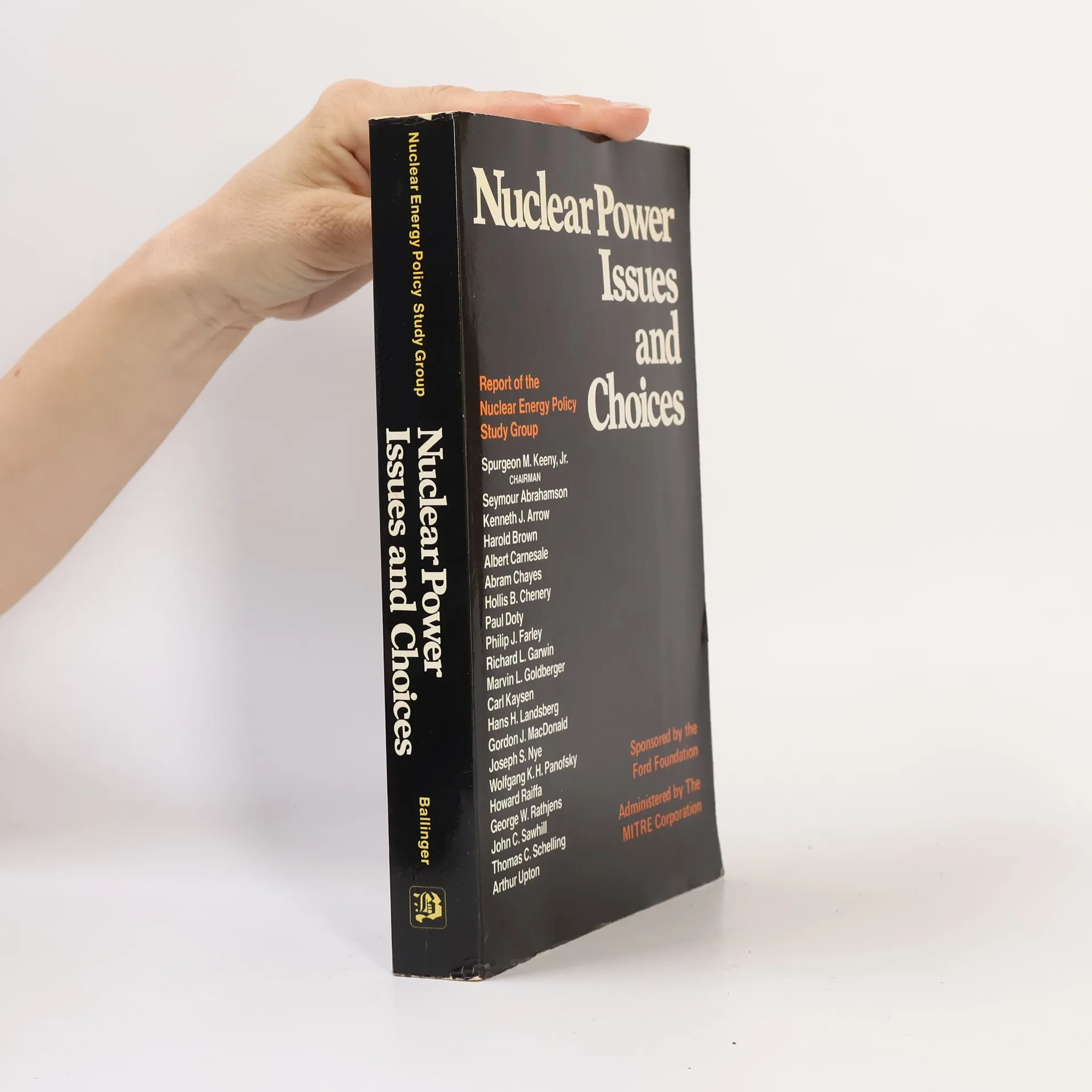
Nuclear Power Issues and Choices
Report of the Nuclear Energy Policy Study Group
- 438 pages
- 16 hours of reading
Book by Keeny


Joseph Nye is a pivotal figure in international relations, deeply exploring the dynamics of power and global politics. He is renowned for developing the theory of neoliberal institutionalism and concepts such as "soft power" and "smart power," profoundly influencing how we understand international relations and foreign policy. His work delves into how states and non-state actors interact in a complex world, offering profound insights into the intricacies of modern global governance. Nye's impact on the field is enduring, cementing his status as one of the most influential scholars in international relations.
Report of the Nuclear Energy Policy Study Group
Book by Keeny
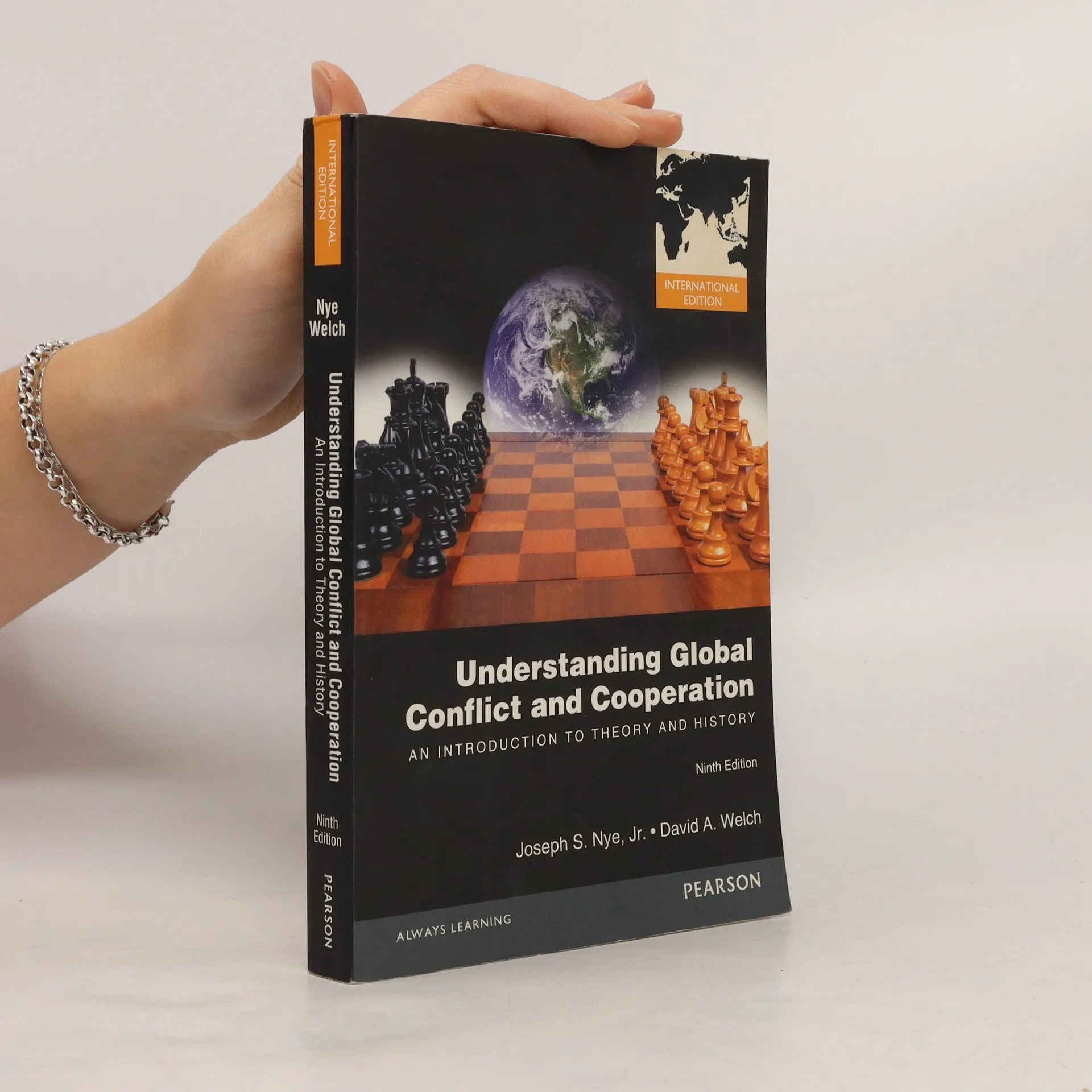
Chapter 1. Are There Enduring Logics of Cooperation in World Politics? Chapter 2. Explaining Conflict and Cooperation: Tools and Techniques of the Trade Chapter 3. From Westphalia to World War I Chapter 4. The Failure of Collective Security and World War II Chapter 5. The Cold War Chapter 6. Post-Cold War Cooperation, Conflict, Flashpoints Chapter 7. Globalization and Interdependence Chapter 8. The Information Revolution and Transnational Actors Chapter 9. What Can We Expect in the Future?
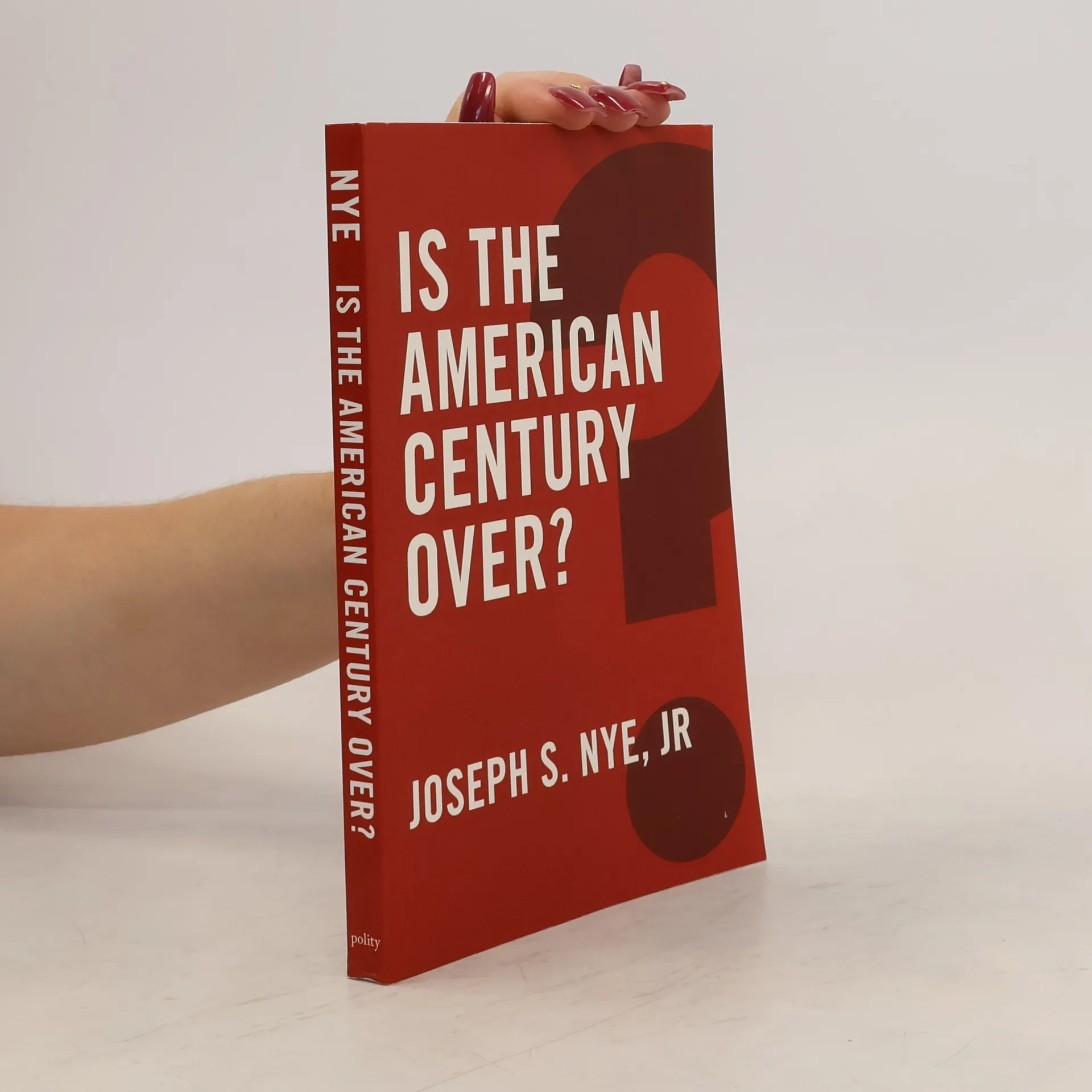
For more than a century, the United States has been the world s most powerful state. Now some analysts predict that China will soon take its place.
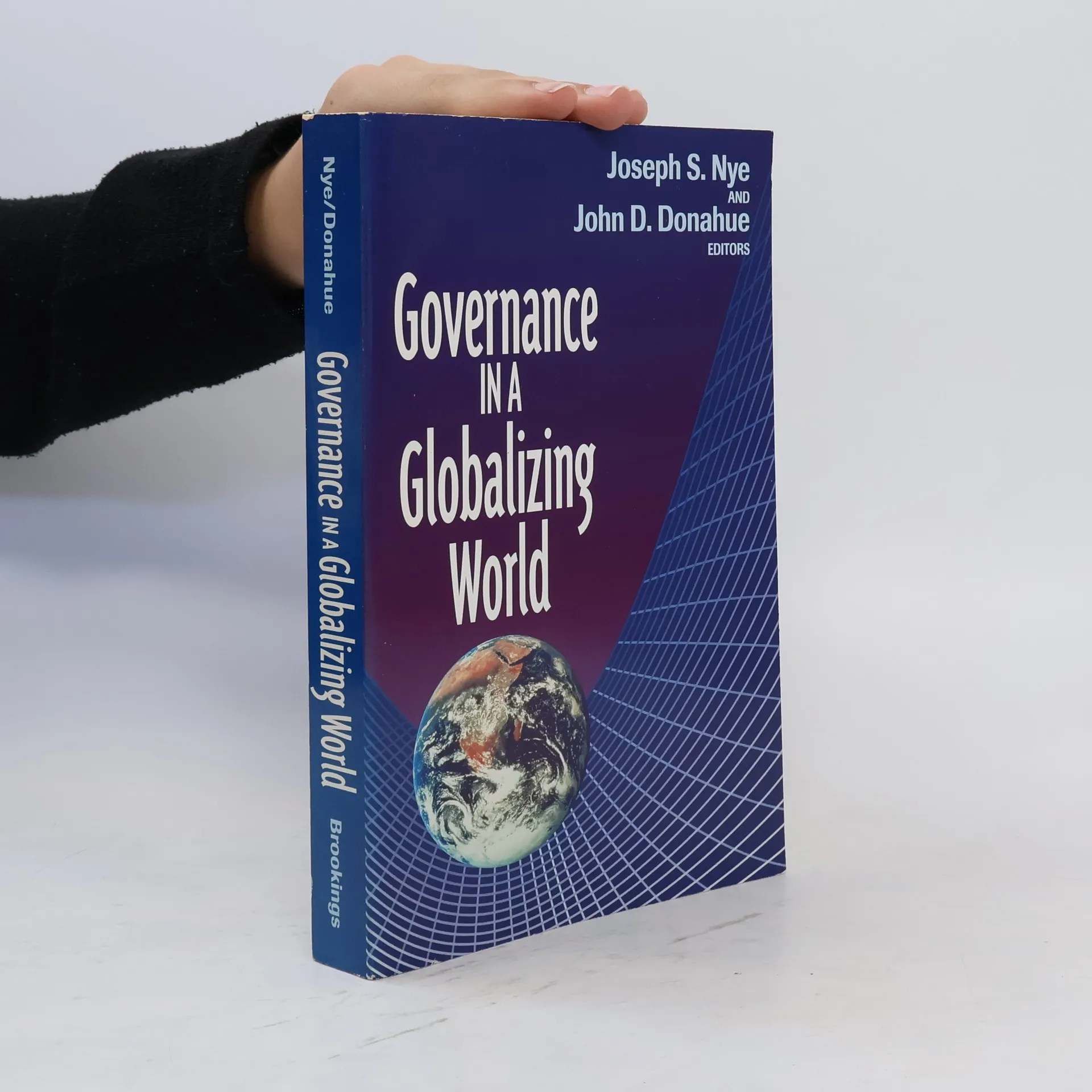
"Far from being another short-lived buzzword, ""globalization"" refers to real changes. These changes have profound impacts on culture, economics, security, the environment—and hence on the fundamental challenges of governance. This book asks three fundamental How are patterns of globalization currently evolving? How do these patterns affect governance? And how might globalism itself be governed? The first section maps the trajectory of globalization in several dimensions—economic, cultural, environmental, and political. For example, Graham Allison speculates about the impact on national and international security, and William C. Clark develops and evaluates the concepts of ""environmental globalization."" The second section examines the impact of globalization on governance within individual nations (including China, struggling countries in the developing world, and the industrialized democracies) and includes Elaine Kamarck's assessment of global trends in public-sector reform. The third section discusses efforts to improvise new approaches to governance, including the role of non-governmental institutions, the global dimensions of information policy, and Dani Rodrik's speculation on global economic governance."
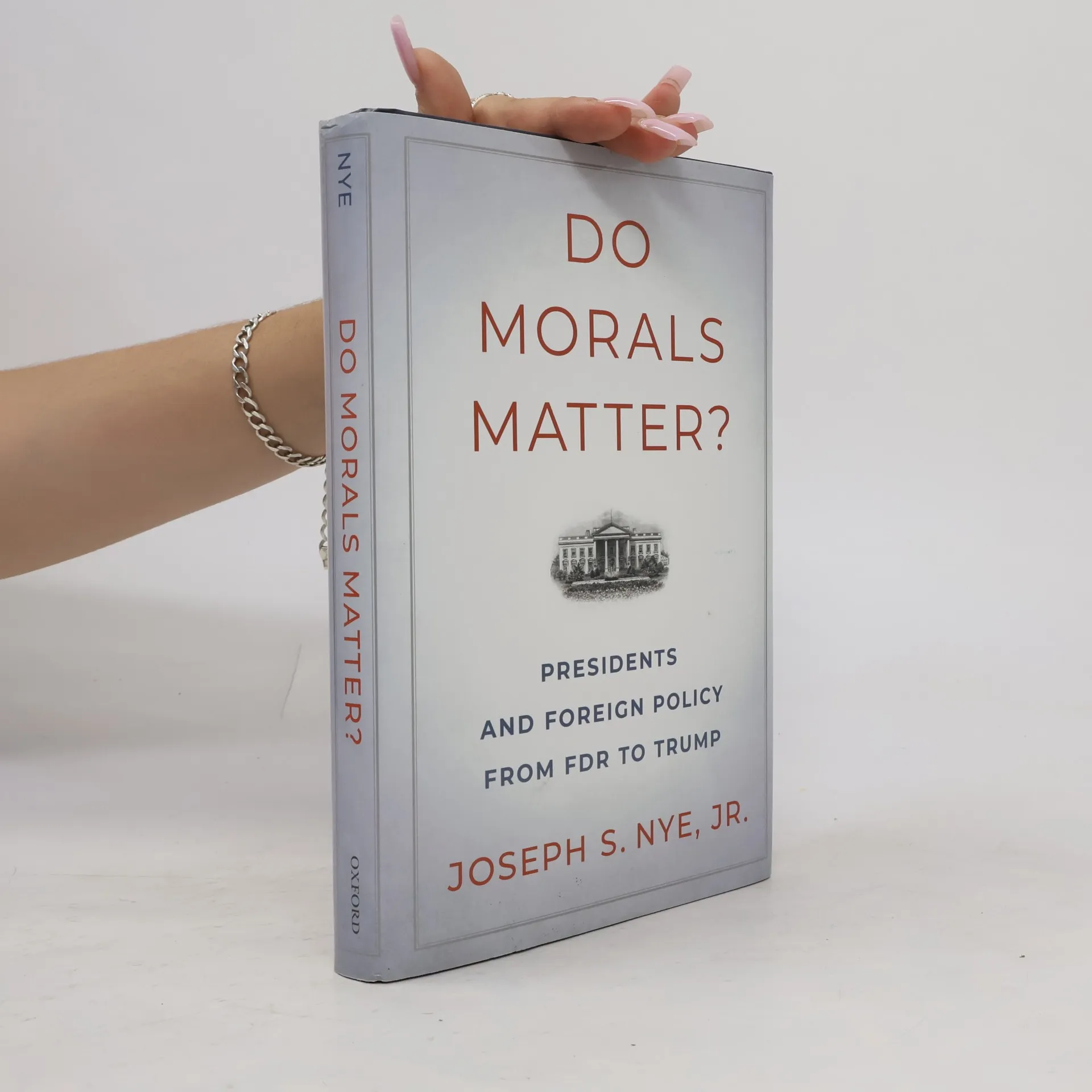
Americans frequently assess the morality of presidents and their foreign policies, often without deep consideration. Praise is given for moral clarity, while judgments focus solely on outcomes. Historical examples illustrate this: Woodrow Wilson's good intentions led to negative consequences, while Richard Nixon's actions to end the Vietnam War resulted in significant loss of life for minimal gain. In this analysis, Joseph S. Nye, Jr., a prominent international relations scholar, examines the ethical dimensions of U.S. foreign policy from Truman to Trump, evaluating each presidency based on intentions, means, and consequences. He also assesses leadership qualities, identifying effective and ineffective approaches. Nye emphasizes that presidents had choices beyond the constraints of the system, highlighting the ethical implications of inaction, such as Truman's decision to avoid nuclear weapons in Korea. Given the frequent application of moral reasoning in foreign policy, Nye offers guidance on improving this process. He stresses the importance of considering political context and resource availability when crafting ethical policies, particularly in a future characterized by great power competition and transnational threats, including drugs, diseases, terrorism, cybercrime, and climate change.
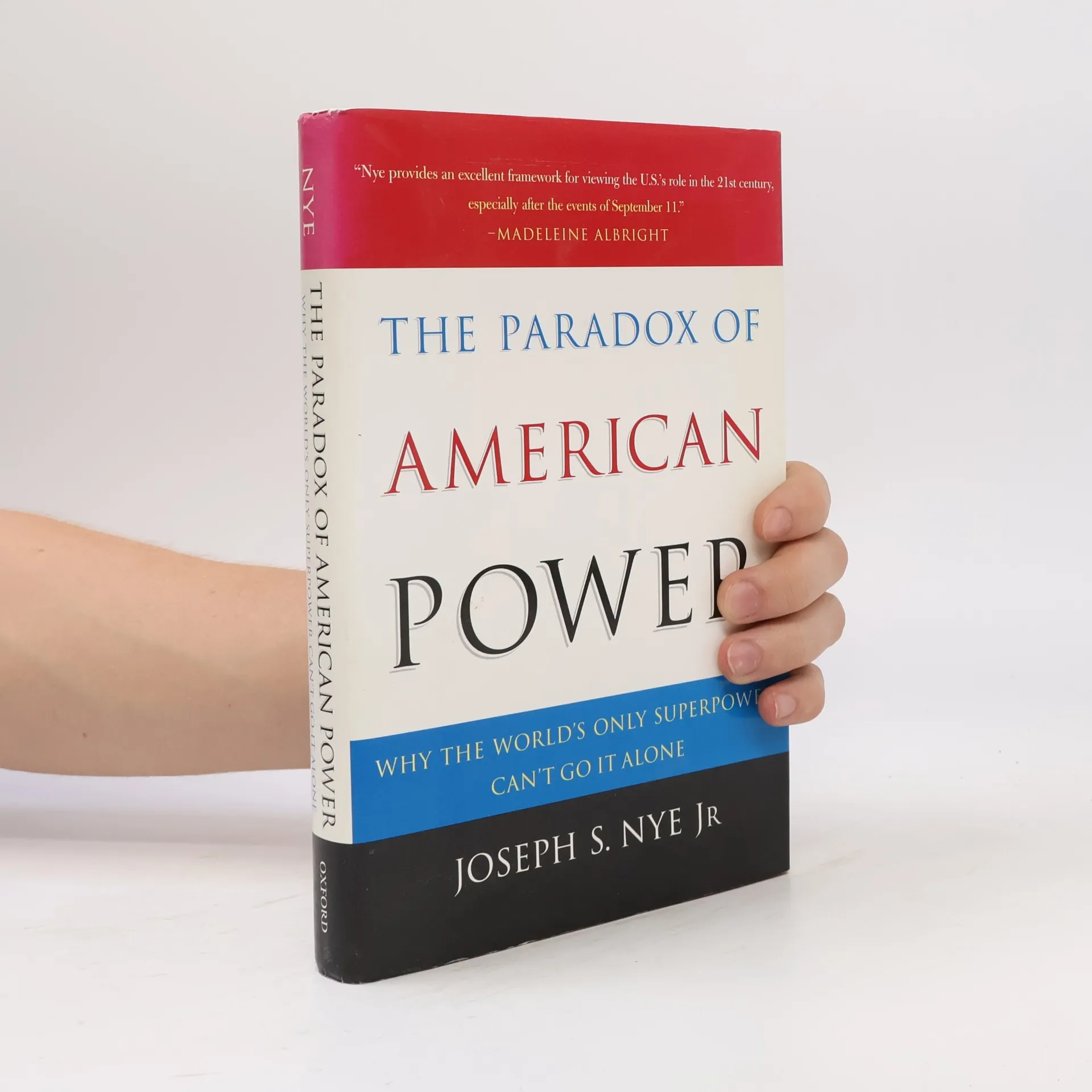
"What role should America play in the world? What key challenges face us in the 21st century, and how should we define our national interests? These questions have been given electrifying new significance in the wake of the terrorist attacks of September 11, 2001." "Not since Rome has any nation had so much economic, cultural, and military power, but that power does not allow us to solve global problems like terrorism, environmental degradation, and the proliferation of weapons of mass destruction without involving other nations. In The Paradox of American Power, Joseph S. Nye Jr. focuses on the rise of these and other new challenges and explains clearly why America must adopt a more cooperative engagement with the rest of the world."--Publisher's description
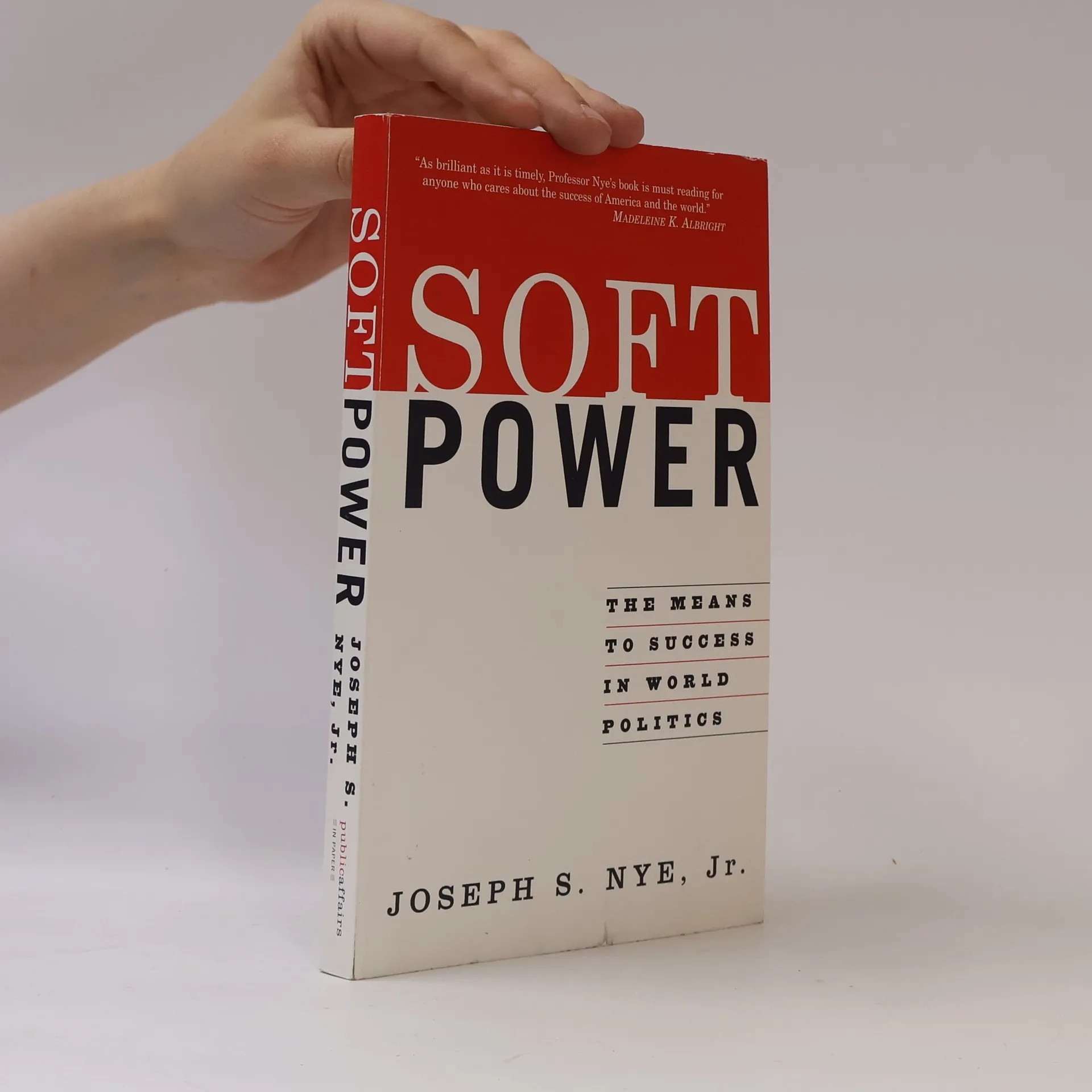
Joseph Nye coined the term "soft power" in the late 1980s. It is now used frequently—and often incorrectly—by political leaders, editorial writers, and academics around the world. So what is soft power? Soft power lies in the ability to attract and persuade. Whereas hard power—the ability to coerce—grows out of a country's military or economic might, soft power arises from the attractiveness of a country's culture, political ideals, and policies. Hard power remains crucial in a world of states trying to guard their independence and of non-state groups willing to turn to violence. It forms the core of the Bush administration's new national security strategy. But according to Nye, the neo-conservatives who advise the president are making a major miscalculation: They focus too heavily on using America's military power to force other nations to do our will, and they pay too little heed to our soft power. It is soft power that will help prevent terrorists from recruiting supporters from among the moderate majority. And it is soft power that will help us deal with critical global issues that require multilateral cooperation among states. That is why it is so essential that America better understands and applies our soft power. This book is our guide.
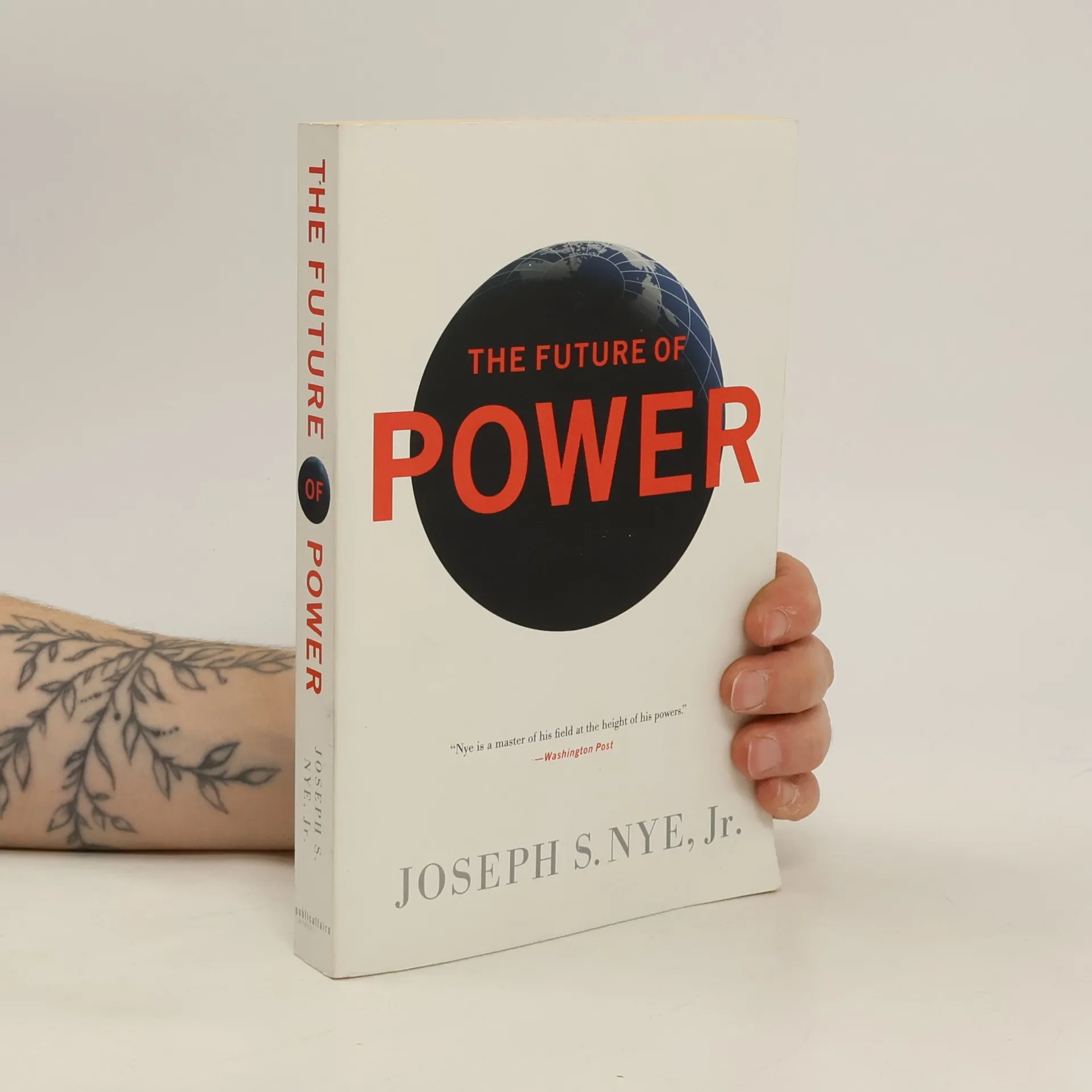
One of America's leading policy intellectuals, who coined the term soft power, looks at what has happened to American power from the time of Kennedy in the 60's through the present day. In the era of Kennedy and Khrushchev, power in the US was expressed in terms of nuclear missiles, industrial Capacity, numbers of men under arms, and tanks lined up ready to cross the plains of Eastern Europe. By 2010, none of these factors confer power in the same way: industrial capacity seems an almost a Victorian virtue, and cyber threats are wielded by non-state actors. Politics changed, and the nature of power - defined as the ability to affect others to obtain the outcomes you want - had changed dramatically. Power is not static, its story is of shifts and innovation, technologies and relationships. Josephy Nye is a long-term analyst of power and a hands-on practitioner in government. Many of his ideas have been at the heart of recent debates over the role America should play in the world: his concept of 'soft power' has been adopted by leaders from Britain to China: 'smart power' has been adopted as the bumper-sticker for the Obama Administration's foreign policy. This book is the summary of his work, as relevant to general readers as to foreign policy specialists. It is a vivid narrative that delves behind the elusive faces of power to discover its enduring nature in the cyber age.
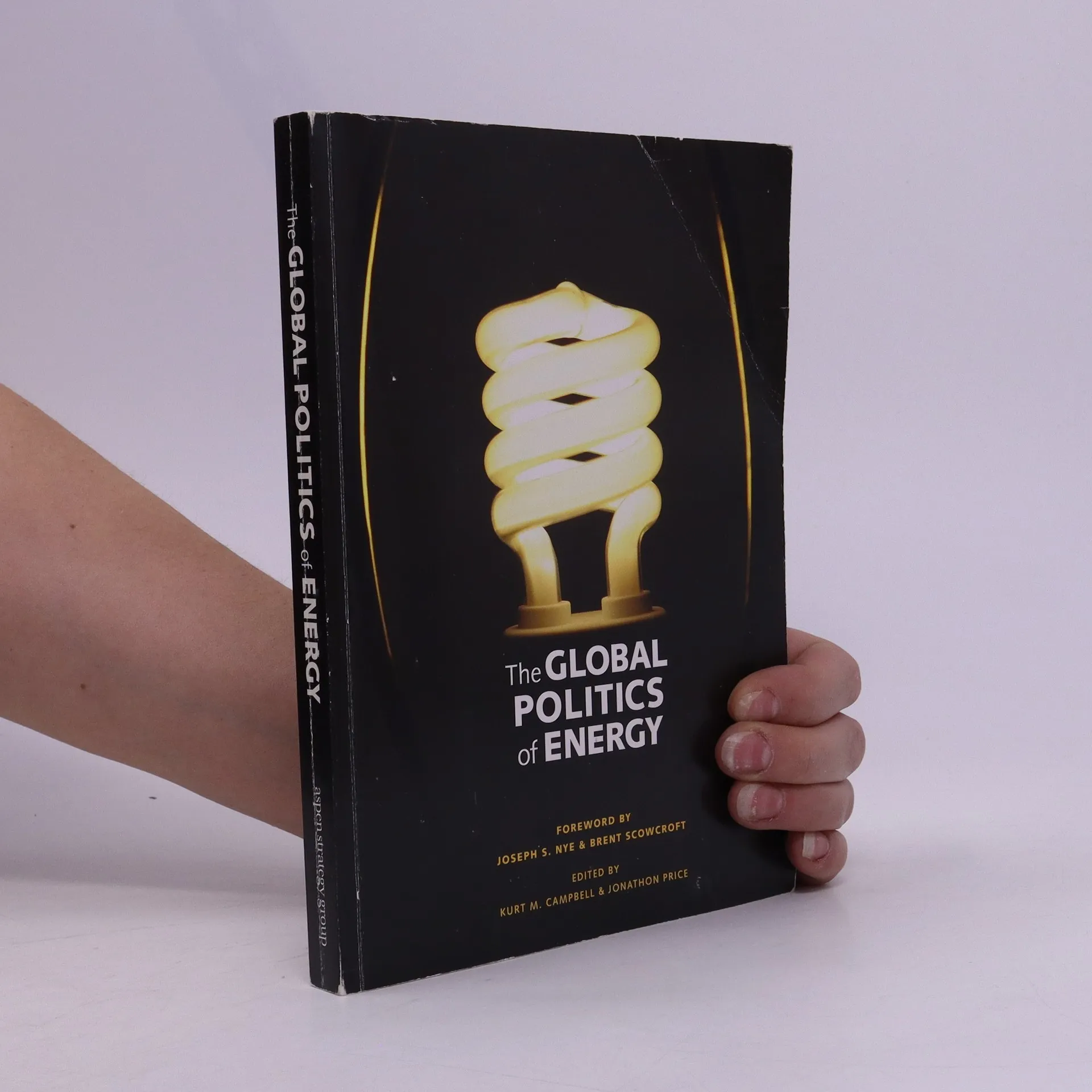
Aspen policy books is a series devoted to developing critical new thinking on U.S. national security policy. This book is a collection of papers prepared for the 2007 Aspen Strategy Group conference on The Global Politics of Energy. This cross-disciplinary and high-level examination of policy strategies for addressing the challenges posed by the soaring demand for oil, the rise of petro-powers, and the implications of climate change makes energy security issues urgently relevant to the American and global policy communities. Contributors include: Jeffrey Bader (The Brookings Institution), Stephen Biegun (Ford Motor Company), Ivo Bozon (McKinsey & Co.), Diana Farrell (McKinsey Global Institute), Jay Gulledge (Pew Center on Global Climate Change), Robert Hefner (The GHK Company), John Podesta (Center for American Progress), Dennis Ross (The Washington Institute for Near East Policy), David Rothkopf (Carnegie Endowment for International Peace), Angela Stent (Georgetown University), David Victor (Stanford University), and Daniel Yergin (Cambridge Energy Research Associates)
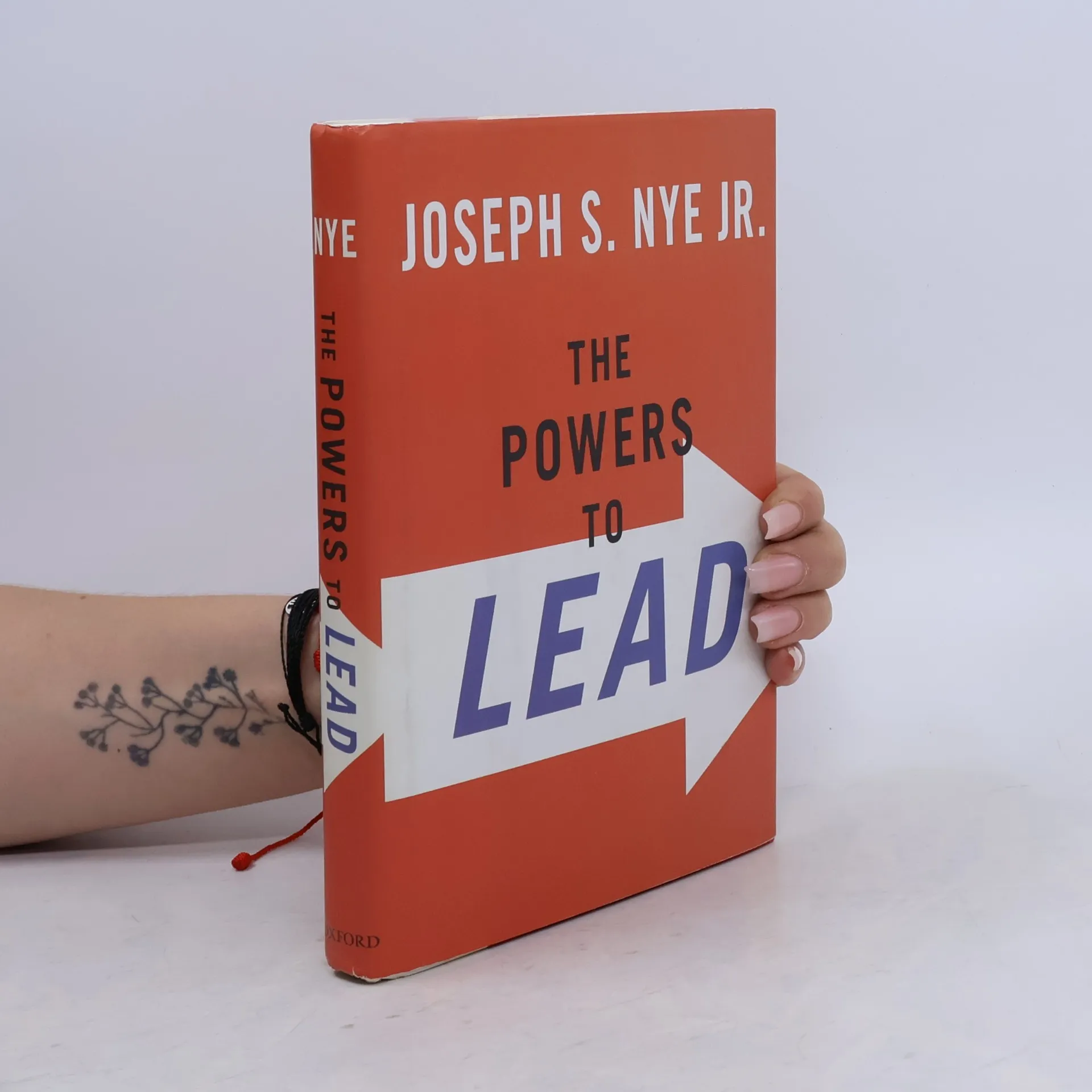
What qualities make a leader succeed in business or politics today? In an era transformed by the information revolution and rising mistrust of leaders, our understanding of leadership needs redefinition. Joseph S. Nye, Jr. explores the nature of leadership in the contemporary world through a blend of history, business case studies, and psychological research. He notes that authoritarian leadership styles have largely been replaced by soft power approaches that focus on attraction and persuasion. However, Nye argues that the most effective leaders combine both hard and soft power skills, adapting their approach to different situations—a concept he terms "smart power." Drawing on examples from leaders like Gandhi, Franklin D. Roosevelt, Lee Iacocca, and George W. Bush, Nye examines leadership types, the needs of followers, and the ethics and effectiveness of leadership. One notable chapter delves into contextual intelligence, the ability to adapt to changing environments and capitalize on trends. Rich in analysis and anecdotes, this work is grounded in real-world applications, making it relevant across various fields, from small businesses to global governance.
Shifting Sands in the Balance of Power Between the United States and China
Exploring the nature of power and international relations, this collection features essays from Joseph S. Nye, Jr. over three decades. It delves into the role of the United States on the global stage and the dynamics of US-China relations. The essays emphasize that while competition among great powers is likely, there are opportunities for cooperation to tackle transnational challenges, offering a nuanced perspective on today's complex global landscape.
Smart Power – was heißt Macht in unserer Zeit? Die Koordinaten der Macht haben sich seit dem Ende des Kalten Krieges dramatisch verschoben: Künftig zählen nicht mehr nur militärische Stärke, sondern auch neue Technologien und der intelligente Umgang mit politischen Interessen und Kulturen. Mit diesem Buch liefert Joseph Nye überraschende Antworten auf wichtige Fragen der Geopolitik und der Mittel, mit denen sich strategische Vorteile erringen lassen. Was bedeutet es, im globalen Informationszeitalter des 21. Jahrhunderts Macht auszuüben? Aus welchen Ressourcen wird sich Macht künftig speisen? Die herkömmliche Auffassung besagt, dass sich derjenige Staat mit der größten Militärgewalt durchsetzt. Im Informationszeitalter könnte es jedoch durchaus sein, dass jene Staaten (oder auch nicht-staatlichen Organisationen) am meisten erreichen, die auf andere, 'weichere' und dabei klügere Strategien setzen. Joseph Nye behandelt Themen, die im Zentrum aktueller weltpolitischer Debatten stehen und die um den von ihm geprägten Begriff der 'Smart Power' kreisen. Seine anschauliche Darstellung hilft, eines der wichtigsten Grundprinzipien der Gegenwart näher zu verstehen, und bietet zugleich wertvolle Einsichten in die Kunst der politischen Strategie.