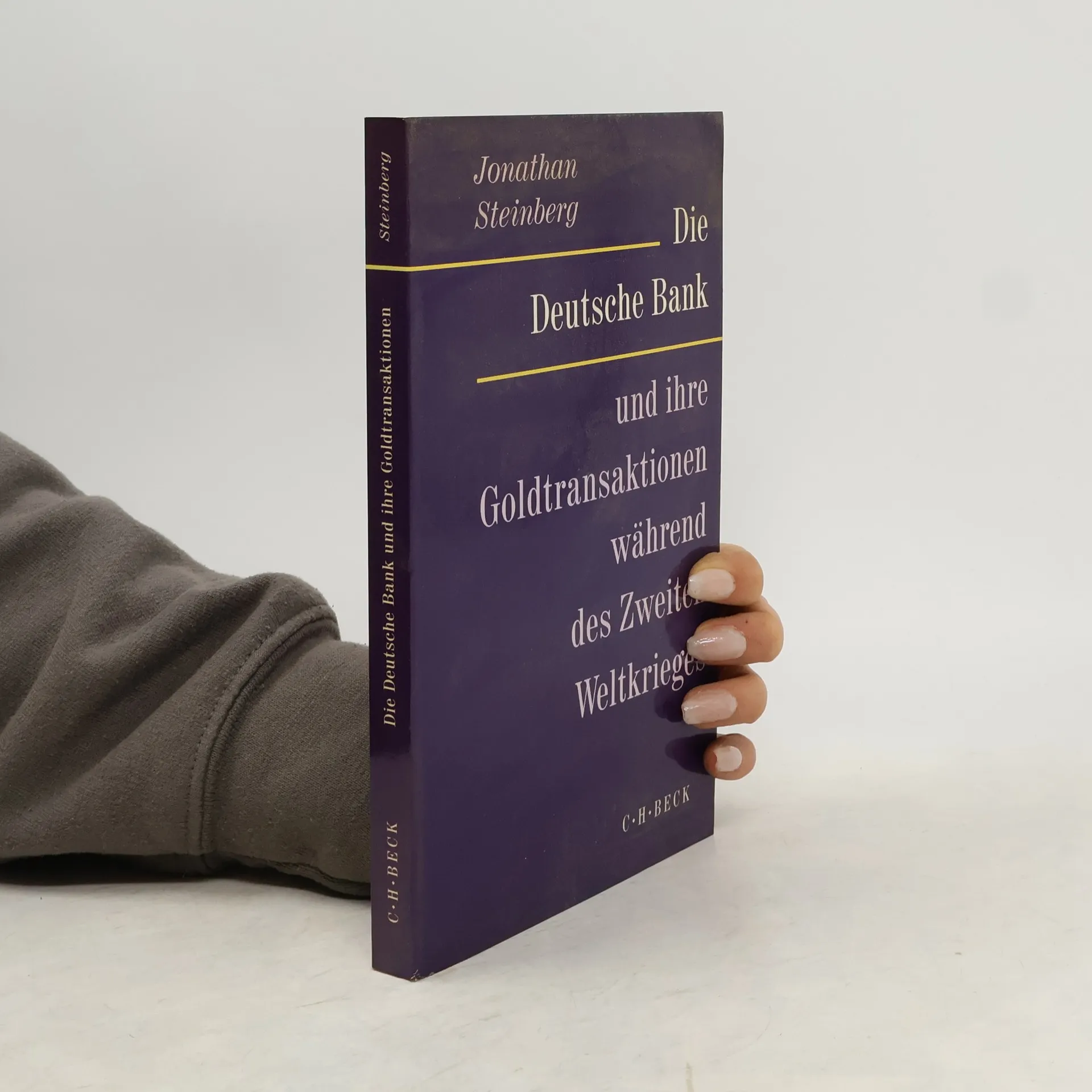
Jonathan Steinberg is a professor of European history whose work is dedicated to meticulous historical inquiry. His style is characterized by deep insights into the past and an analytical approach. Through his writings, he examines the complex social and political forces that have shaped European history. His work offers readers engaging and illuminating perspectives on pivotal historical events.
A comprehensive new biography exploring the greatness and limits of the 'Iron Chancellor', Otto von Bismarck: a political genius who remade Europe and united Germany between 1862 and 1890 by the sheer power of his great personality.
Why Switzerland?, first published in 1976, offers a unique analysis of the structures that make Switzerland work and provides a short, concise "working model" for the visitor or student. Linking an analysis of the microeconomy to the major features in politics, history, religion and language, it shows how a "bottom up" society has survived in a world of "top down" states. For this new edition Jonathan Steinberg has completely revised and extended his text, and a number of unusual and attractive illustrations have been added.