Examines the author's personal experience of how the Buddhism that was part of his culture gradually reacted to his becoming a Jungian. This work provides an understanding of the human psyche from the perspective of someone rooted in the East.
This book examines the haunting, sad, and lively depths of the Japanese soul by interpreting some of major themes in fairy tales. A Japanese Jungian psychologist credited with founding Japanese analytical and clinical psychology and a senior professor at Kyoto University, Hayao Kawai (1928-2007) addresses here such questions as why so many Japanese fairy tales end in a "Happily ever after" marriage, and why the female figure best expresses the culture's ego and the country's possible future. Throughout the book, Kawai delicately presents the multiple layers of the Japanese psyche.The American poet and essayist Gary Snyder, who lived for years in Japan, gaining familiarity with the soul of its culture and thought, introduces Kawai's book to the reader.
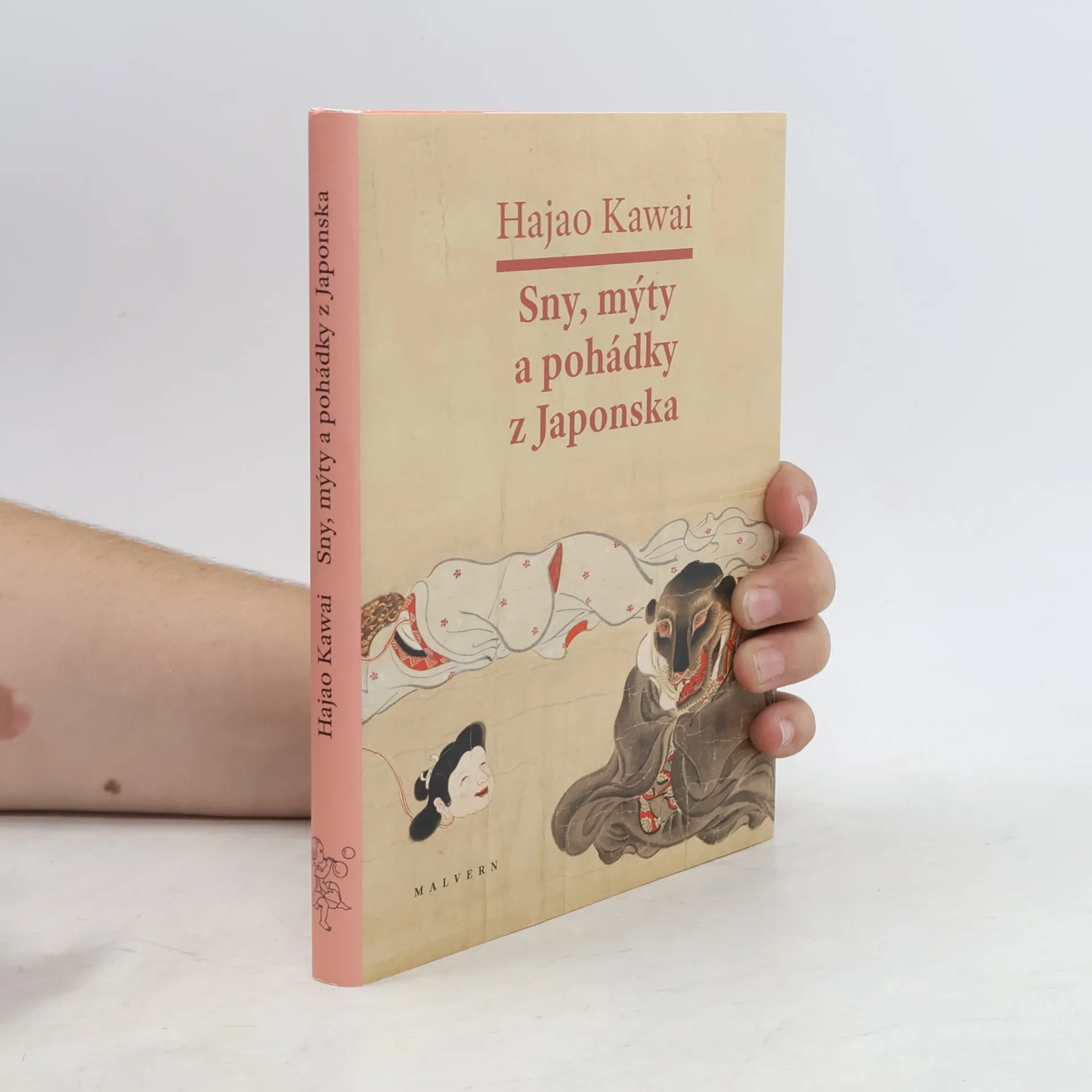
Hajao Kawai (1928–2007), první jungiánský psychoanalytik v Japonsku, byl významnou osobností japonské kultury a školství, známý svými publikacemi, jako je oceňované Japanese Psyche. Věnoval se vztahům mezi zenovým buddhismem a psychoterapií. V přednáškách pro sdružení Eranos v Asconě, z nichž tato kniha čerpá, se snažil přiblížit východní chápání světa Západu, zamýšlejíc nad koncepty bytostného Já a individuace v kontextu východních pojetí duše. Kawaiova práce zahrnuje pohádkové, snové a mytologické motivy z klasických japonských příběhů a teogonických textů ze středověkých kronik, které popisují složité vztahy mezi božstvy. Autor identifikuje klíčové prvky, jako zahrnutí skutečnosti do pojmu džinen, kosmologický princip jüan-čchi, koncept „prázdného středu“ a pojetí krásy založené na vyváženosti. Z pohledu hlubinné psychologie nachází klíč k obtížně uchopitelným tématům, jako jsou estetické vyústění v pohádkách, proměnlivost genderových rolí a funkce ošklivosti a smrti. Jeho postřehy vycházejí z dlouhodobé osobní praxe a japonského umění zachycovat plynutí života v lidské přirozenosti.