

"Hormegeddon" is a term coined by entrepreneur and New York Times Bestselling Author Bill Bonner to describe the consequences of excess in public policy, economics, and business, which ultimately leads to disaster. Bonner explores historical examples, from Napoleon's invasion of Russia to the collapse of the American healthcare system, and from WWII to the Great Recession. His aim is to understand the failures of history, which is often a narrative filled with debacles rather than a clean tale told by victors. Each disaster serves as a warning; for instance, if a shipbuilder claims that "not even God could sink this ship," it's wise to choose another vessel. Likewise, if the stock market is overvalued and analysts urge investment, it may be time to exit. Public policy failures often arise when well-meaning individuals apply small-scale problem-solving logic to large-scale issues, leading to diminishing returns and eventual catastrophe. These disasters persist despite the intentions of informed individuals, as they are often the architects of the very problems they seek to solve. Bonner's insights illuminate how a small dose of something beneficial can yield favorable results, but excess inevitably leads to downfall, particularly in the realms of public policy and economics.
Will Bonner Books
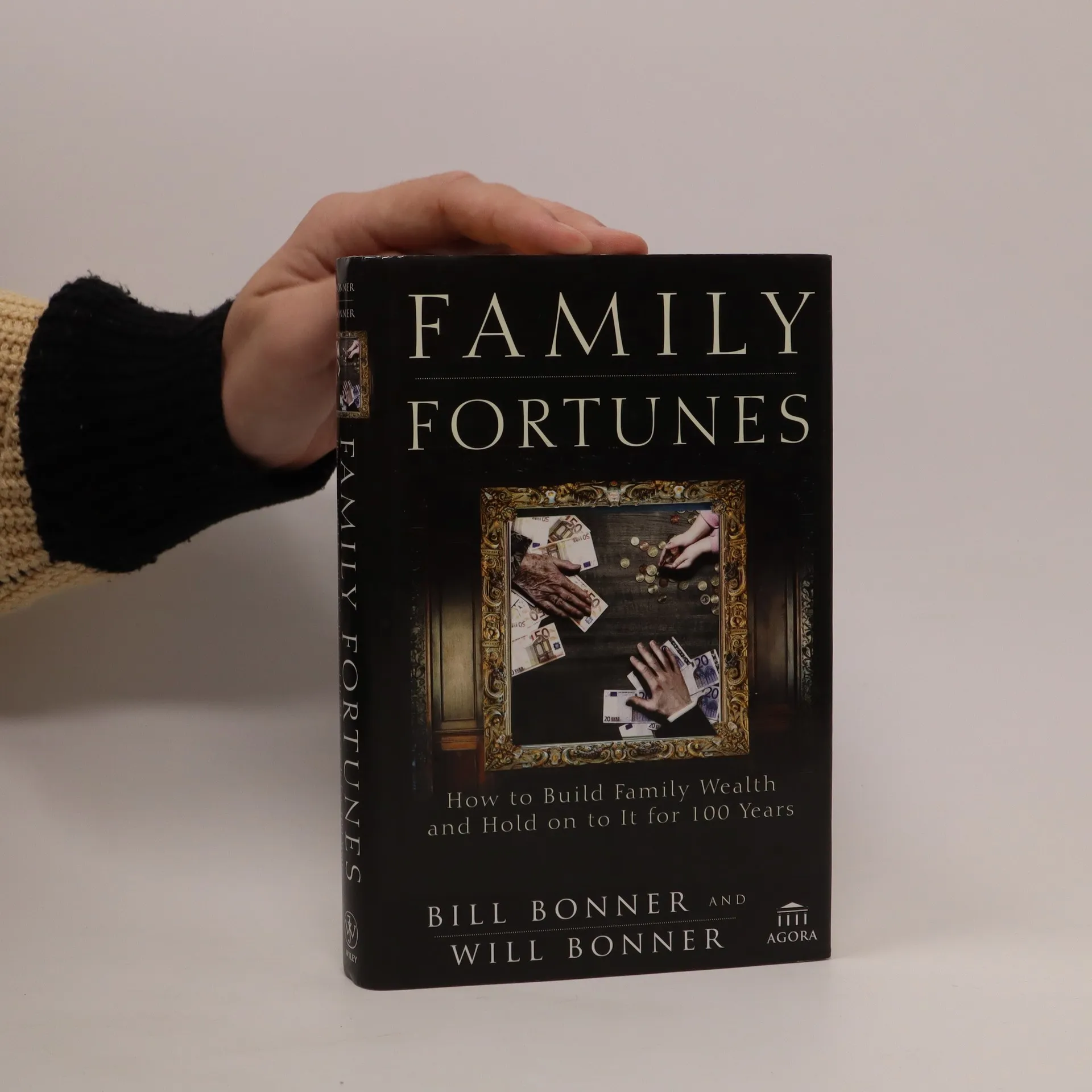

From bestselling author Bill Bonner comes a radical perspective on managing family wealth, offering a practical guide to achieving and sustaining multigenerational prosperity. This comprehensive resource is infused with Bonner's personal anecdotes about his family's wealth philosophy. It emphasizes the importance of training and motivating all family members to collaboratively pursue uncommon goals, challenging conventional notions about wealth management. The book is essential for individual investors, even those not intending to leave money to their children, as it questions widely accepted investment principles. Rather than adopting a conservative outlook, Bonner presents a revolutionary manifesto, arguing against investing family money in "safe" options and highlighting the pitfalls of charitable giving. He contends that allowing children too much independence, relying on wealth "professionals," and over-educating them can be detrimental. Bonner critiques the calls for higher tax rates from wealthy figures like Warren Buffett, views Wall Street as detrimental to capital, and asserts that many celebrity CEOs threaten their companies. This book redefines family wealth as dynamic and forward-looking, offering actionable advice for passing wealth across generations. It is a compelling read for anyone interested in a fresh approach to wealth management.