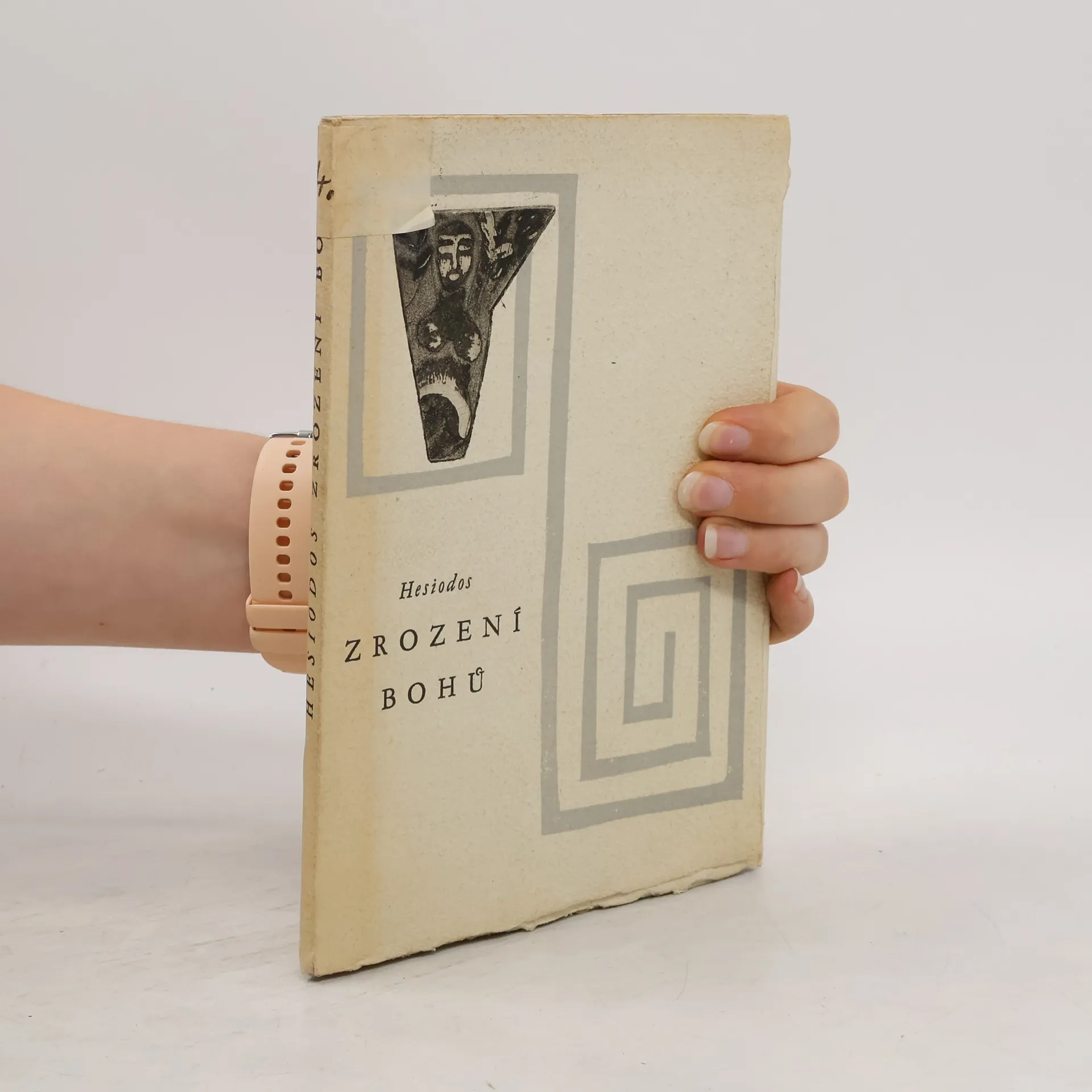
Hesiod's interpretation of the world's origins unfolds through a focus on genealogy, starting with primordial entities like Chaos, Gaia, Tartarus, and Eros. The text explores the creation of gods and the universe, revealing a tapestry of variant tales that reflect the diverse myths of ancient times. This work not only serves as a foundational mythological narrative but also highlights the complexity and richness of early Greek cosmology.
Hesiod Book order (chronological)
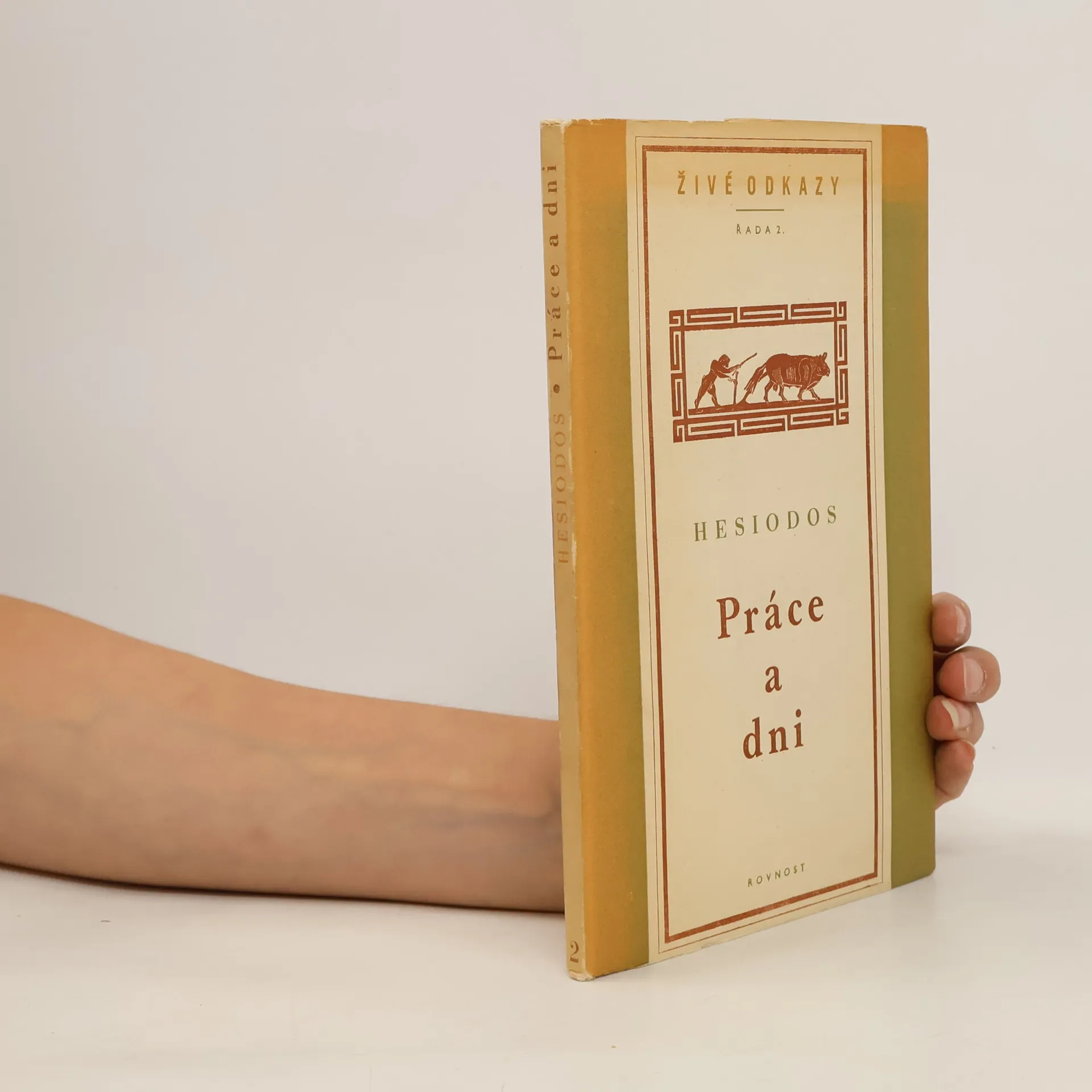
Hesiod stands as a foundational figure in Greek didactic poetry, deeply exploring themes of daily life and the divine. His work weaves together personal experience, fables, and allegorical elements, offering a unique perspective on the realities of agrarian life in his time. Furthermore, he undertook the monumental task of systematically organizing ancient myths about the gods and their origins. Through his vivid narratives and systematic approach, Hesiod profoundly shaped the trajectory of Western literature and thought.


Theogony/Works and Days
- 144 pages
- 6 hours of reading
This adaptation explores the foundational themes and narratives of Hesiod's two major poems, which significantly influenced the development of Greek philosophy, particularly the works of Plato. By reinterpreting these ancient texts, the book highlights their enduring relevance and the philosophical concepts that emerged from them, showcasing their impact on Western thought.
Teogonia
- 118 pages
- 5 hours of reading
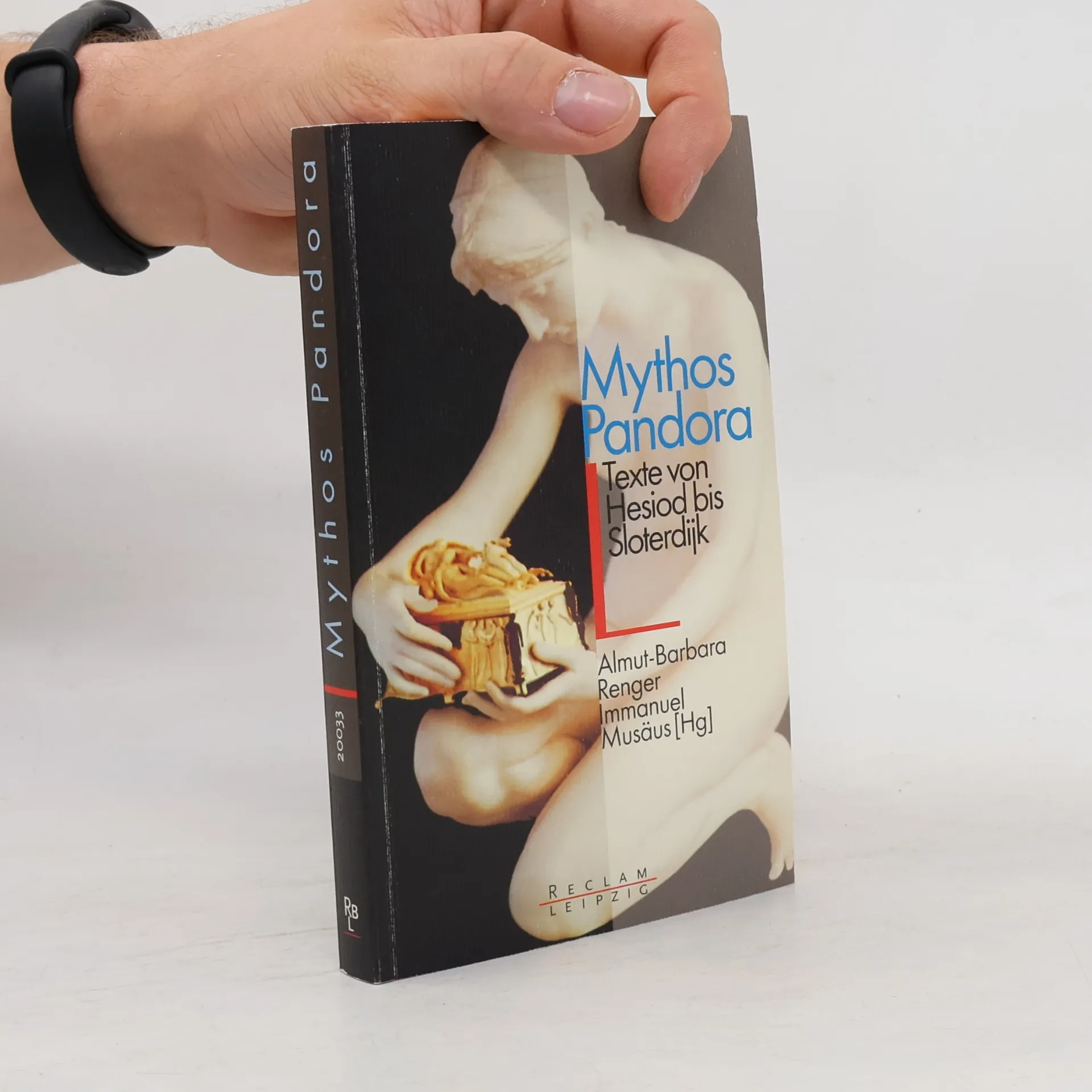
Mythos Pandora
- 259 pages
- 10 hours of reading
Théogonie et autres poèmes suivi des Hymnes homériques
- 416 pages
- 15 hours of reading
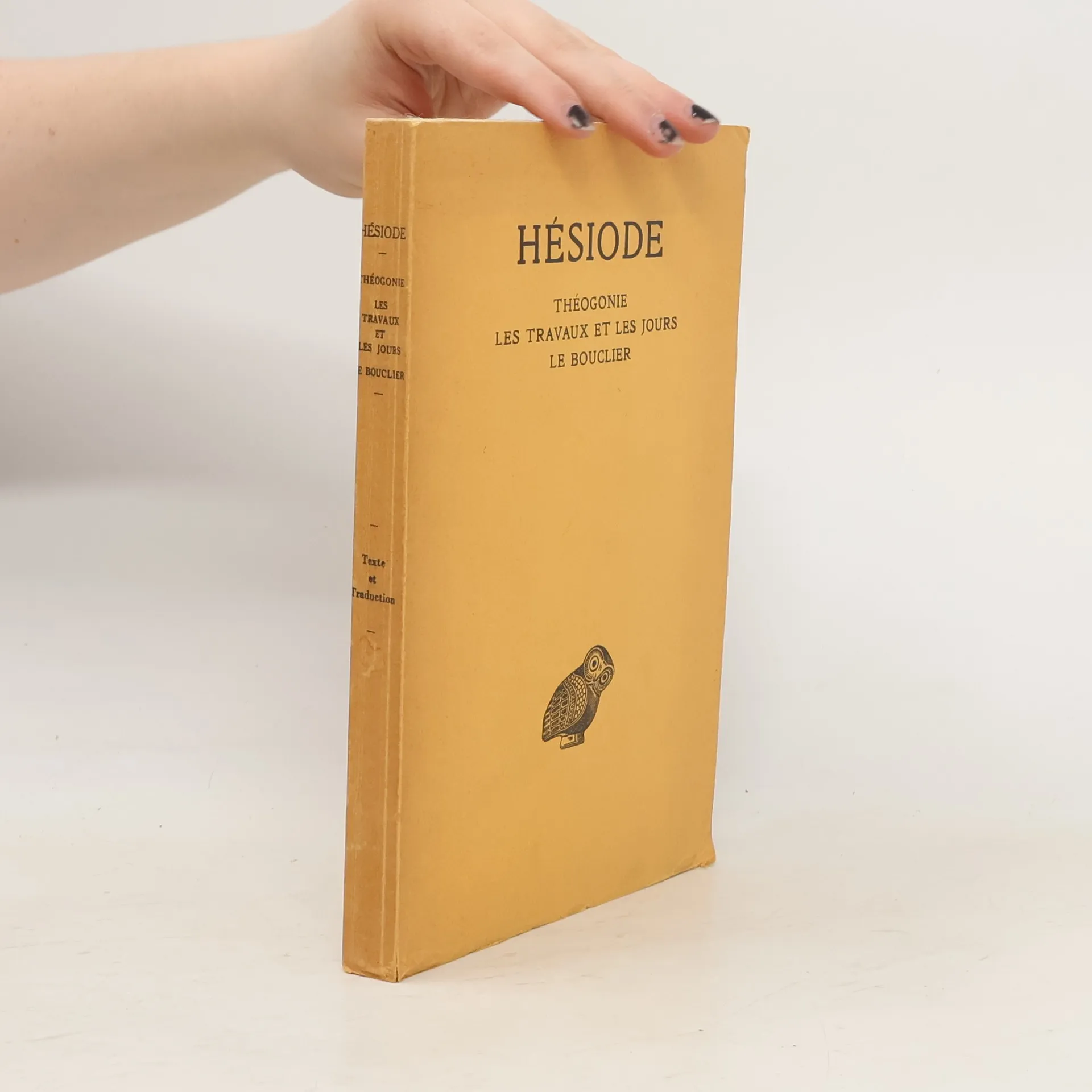
"Homère et Hésiode ont donné aux dieux leurs noms." Voilà ce que pensait Hérodote, quelques siècles après la mort des deux poètes. De fait, c'est dans la Théogonie, dans les hymnes homériques que les petits Grecs, pendant des siècles, ont appris ce qu'il fallait savoir des Immortels. Cette poésie religieuse n'est pas une poésie sacrée. Pas de vérité révélée. Pas de dogmes. Des récits qui se développent librement. Les divinités sont d'abord des figures lumineuses qui, soudain, apparaissent. Elles ne sont pas encore entravées par des allégories. Hésiode a rencontré les muses. Il a vu les dieux. Il sait que son art, comme le leur, contribue à l'ordre du monde. "Cosmos" veut dire à la fois "monde" et "ordre". Ordre fragile. Le poète, comme les Olympiens, résiste au chaos qui toujours menace. Il a soin de la justice. Il a soin de la musique.
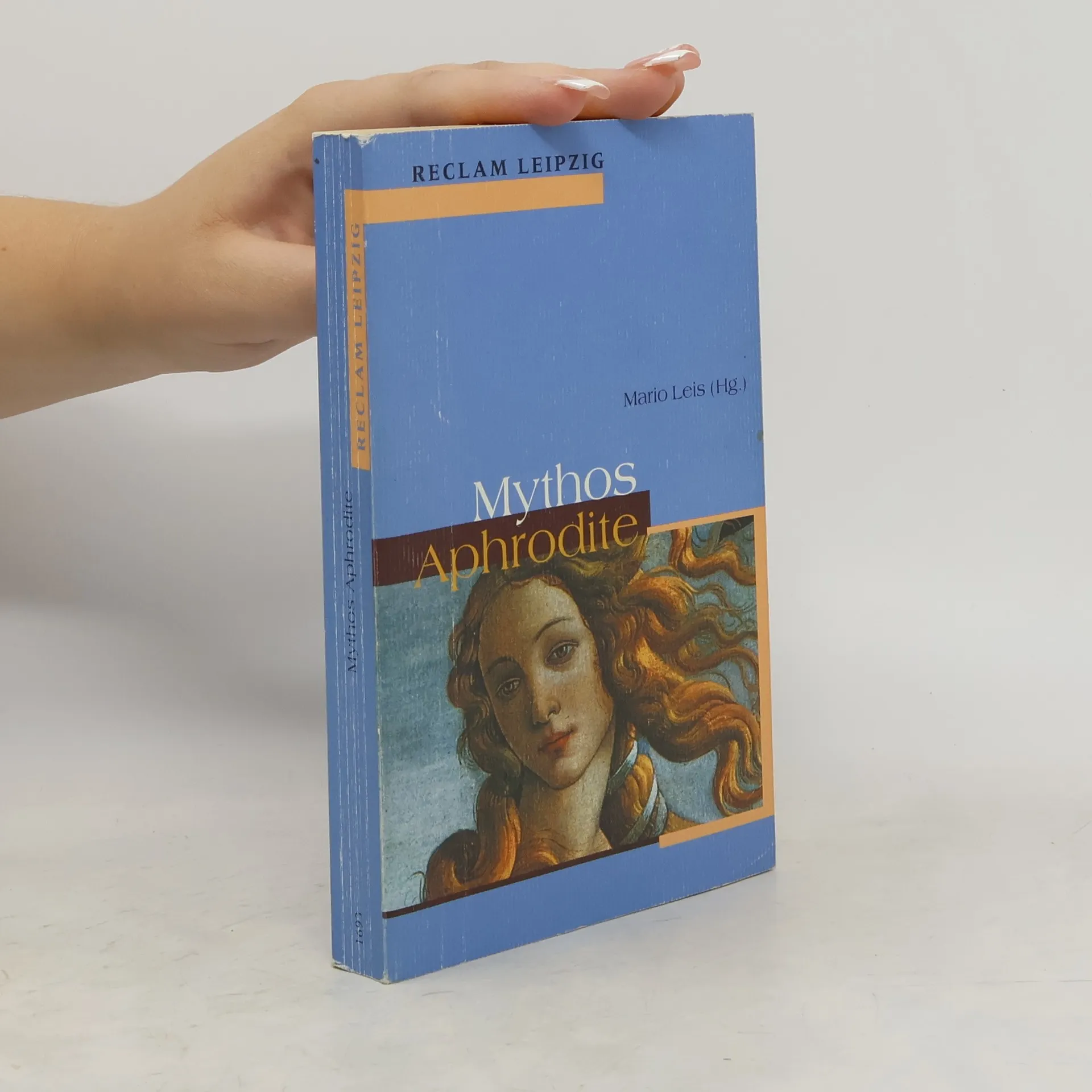
Mythos Aphrodite
- 309 pages
- 11 hours of reading
Werke in einem Band
- 298 pages
- 11 hours of reading
Texte zur Philosophie - 1: Theogonie
- 138 pages
- 5 hours of reading
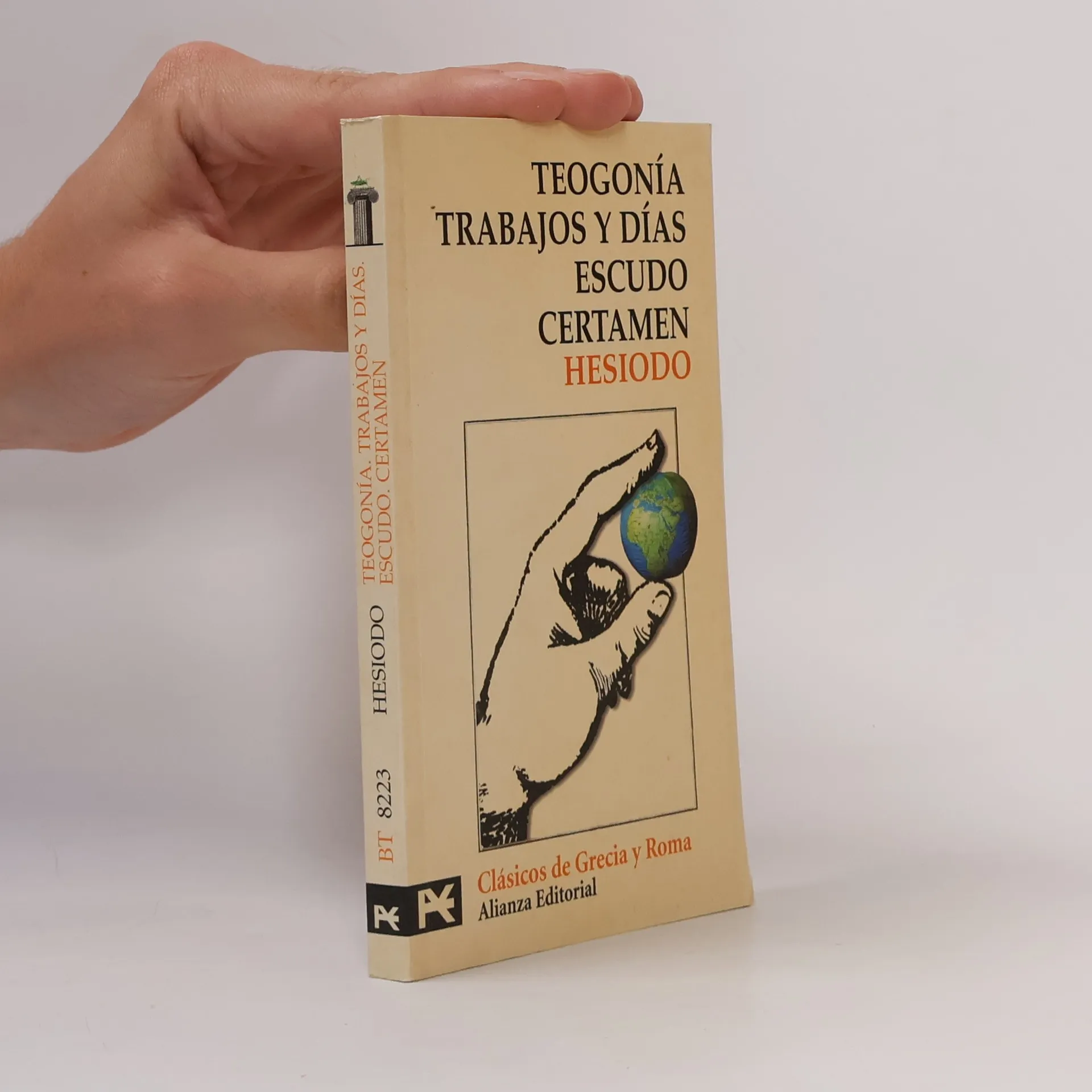
Teogonía. Trabajos y días. Escudo. Certamen.
- 199 pages
- 7 hours of reading
Contemporáneo de las primeras colonizaciones griegas en la época arcaica y de la consolidación del estado aristocrático, Hesíodo de Ascra (ss. VIII-VII a.C.) se sitúa en la frontera entre dos mundos y dos sistemas de pensamiento. “Teogonía” se ordena en torno a una sucesión de divinidades marcada por la violencia y que acaba con el triunfo de Zeus, garantía de un cierto orden moral. “Trabajos y días” se estructura alrededor de una serie de secuencias o temas diversos, como el mito de Pandora o las edades del mundo, que se van encadenando y desarrollando al hilo de la idea de justicia y exaltación del trabajo, denunciando las imposiciones que sufrían los campesinos de Beocia. Completan esta edición “Escudo” y “Certamen”, obras de redacción posterior, pero atribuidas tradicionalmente a Hesíodo.Traducción e introducción de Adelaida y M.ª Ángeles Martín Sánchez.
subtitle: The English experience, its record in early printed books published in facsimile
Hesiodi Theogonia (1856)
- 48 pages
- 2 hours of reading
As a facsimile reprint of an original antiquarian work, this book preserves the cultural significance of its content despite potential imperfections like marks and flawed pages. It reflects a commitment to protecting and promoting literature by providing accessible, high-quality editions that remain true to the original text.
Hesiod and Theognis
- 176 pages
- 7 hours of reading
Offers an introduction to the life and thought of ancient Greece.
Báseň rolnická
- 50 pages
- 2 hours of reading
Hesiodos, po Homérovi nejznámější řecký básník a filosof, kterého si ceníme jako prvního kritika třídní společnosti i jako myslitele, který poukázal na zhoubné účinky peněz, hrdě oslavuje v této básni svobodnou práci, příkře odsuzuje aristokracii a vyzdvihuje zdravou a přirozenou morálku s prací jako smyslem života.