William Julius Wilson stands as a leading figure and pioneer in African-American sociology. His work critically examines the struggles of the urban African-American poor, exploring how the interplay of socioeconomic class and racial barriers impedes progress. While emphasizing the significance of class, his research has sparked debate regarding its potential to overshadow the impact of race and discrimination. Wilson's influential writings have resonated widely, even inspiring major television series, underscoring their profound cultural relevance.
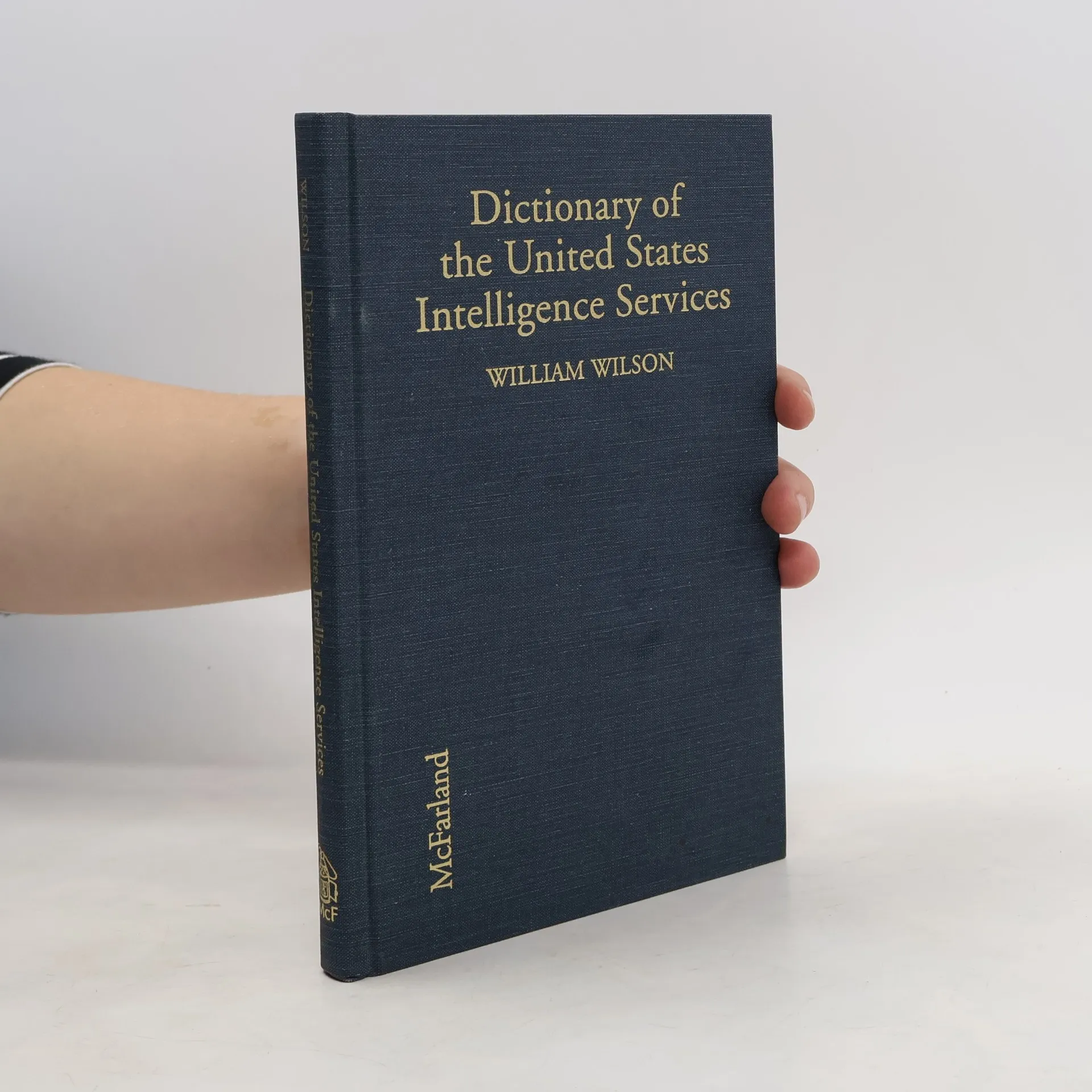
Better than a secret decoder ring, explains such jargon as a gull, nonoperating proprietary, a cloak, Semtex, and sheep- dipping; agencies and programs such as the S Organization, HILEV, and USSOCOM; and historical events such as the Halloween Massacre. Retired army intelligence officer Wilson notes that the end of the Cold War has not slowed the growth of the US spy network. Annotation c. by Book News, Inc., Portland, Or.
Exploring the legacy of Full Moon Entertainment, this book chronicles the rise of a pivotal B-movie studio that shaped the sci-fi, fantasy, and horror genres during the 1990s. It details the studio's journey from its origins in the late '80s to its adaptation in the digital age, highlighting its impact on home video culture. With rare artwork, behind-the-scenes photos, and over 50 exclusive interviews with key figures, it offers a deep dive into the beloved cult films that captivated audiences and fostered a dedicated fan base.
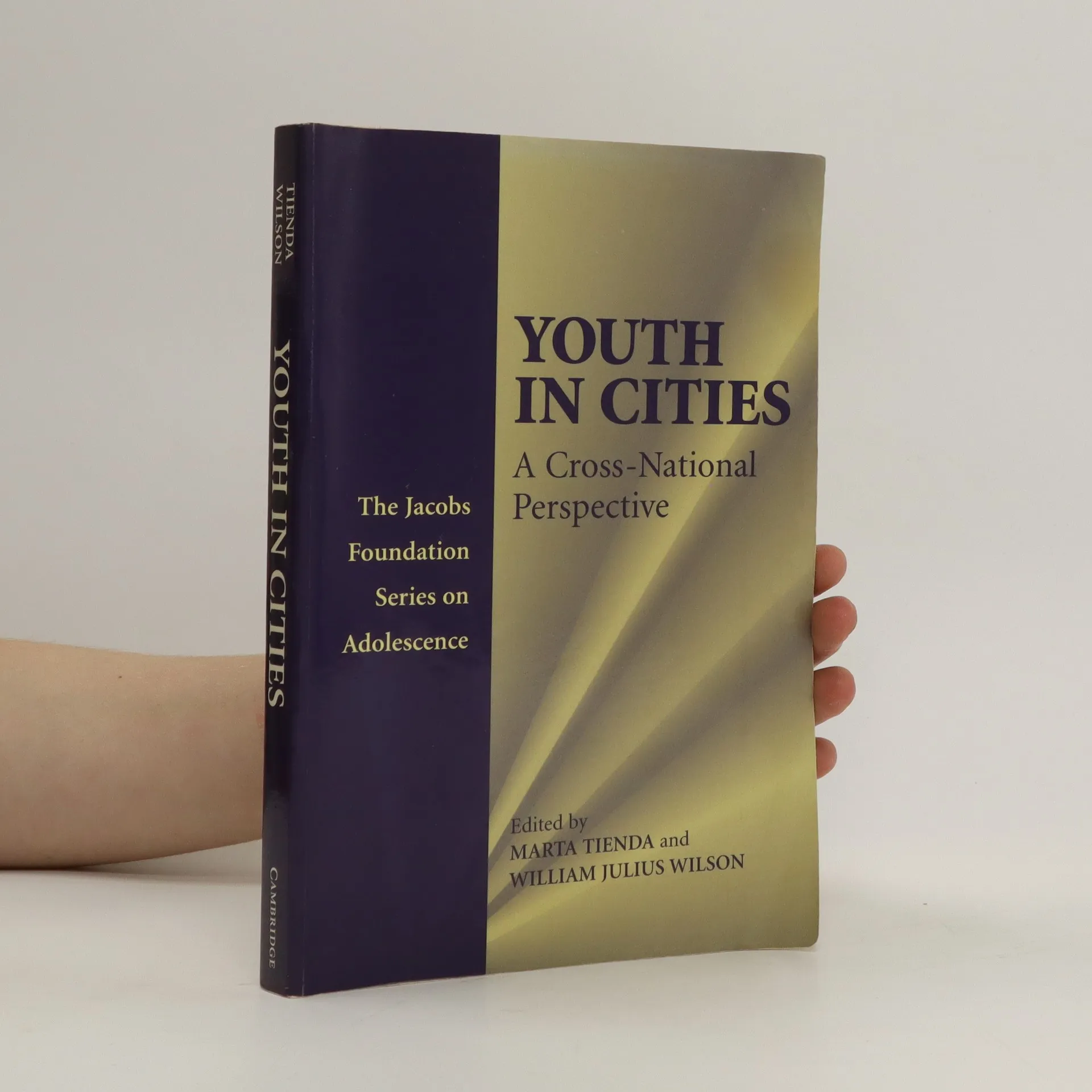
There is growing awareness of the common difficulties experienced by poor young people who grow up in cities--crime and juvenile delinquency, limited access to education, the spread of infectious diseases, homelessness, and high rates of unprotected sex. They must contend with weak families and social institutions, poor labor market prospects, and for the most unfortunate, the ravages of gang war and the HIV/AIDS epidemic. Chapters in this volume present and assess comparative evidence on the well-being of urban youth and proven interventions for assuaging the deleterious effects of poverty.
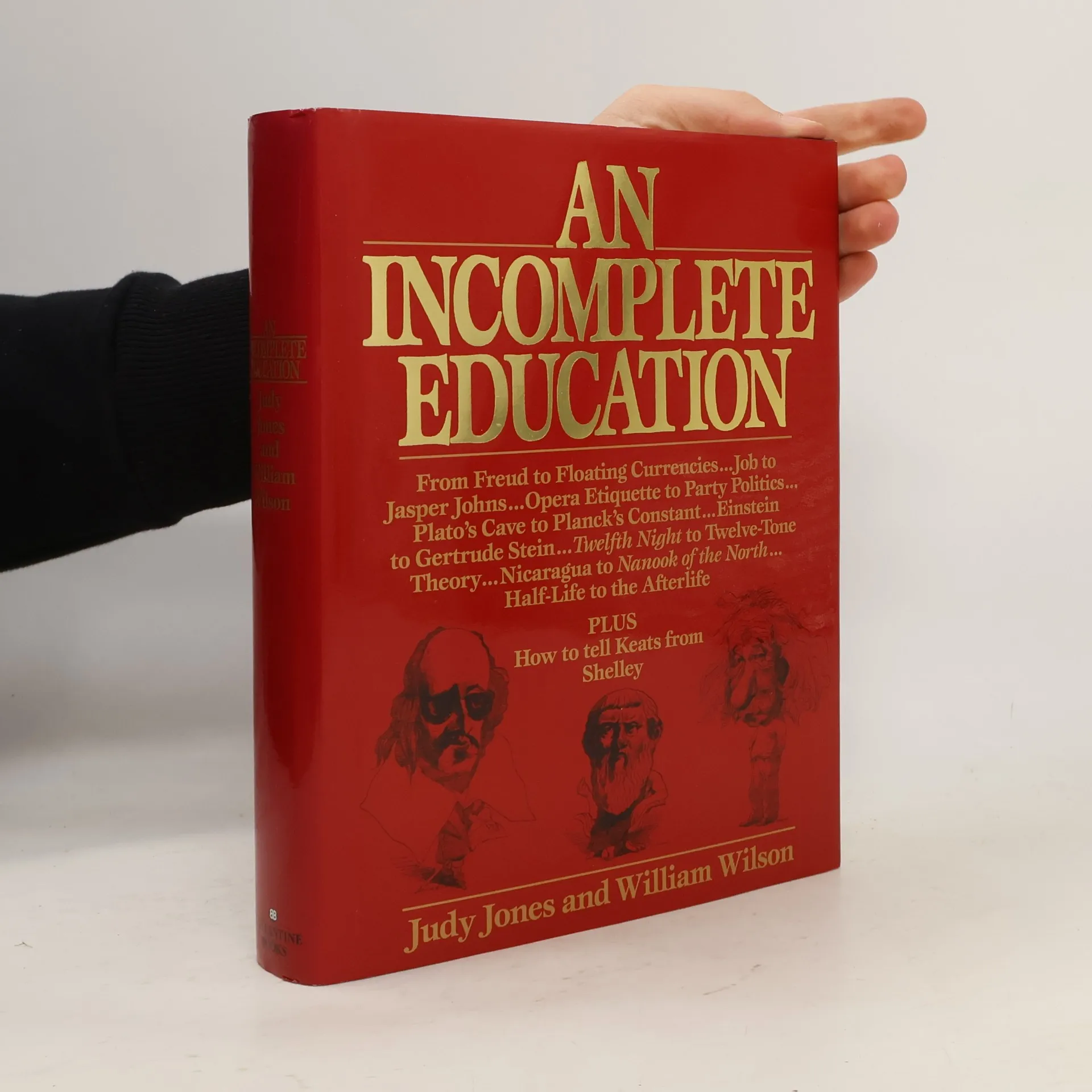
When it was originally published in 1987, An Incomplete Education became a surprise bestseller. Now this instant classic has been completely updated, outfitted with a whole new arsenal of indispensable knowledge on global affairs, popular culture, economic trends, scientific principles, and modern arts. Here?s your chance to brush up on all those subjects you slept through in school, reacquaint yourself with all the facts you once knew (then promptly forgot), catch up on major developments in the world today, and become the Renaissance man or woman you always knew you could be!How do you tell the Balkans from the Caucasus? What?s the difference between fission and fusion? Whigs and Tories? Shiites and Sunnis? Deduction and induction? Why aren?t all Shakespearean comedies necessarily thigh-slappers? What are transcendental numbers and what are they good for? What really happened in Plato?s cave? Is postmodernism dead or just having a bad hair day? And for extra credit, when should you use the adjective continual and when should you use continuous?An Incomplete Education answers these and thousands of other questions with incomparable wit, style, and clarity. American Studies, Art History, Economics, Film, Literature, Music, Philosophy, Political Science, Psychology, Religion, Science, and World History: Here?s the bottom line on each of these major disciplines, distilled to its essence and served up with consummate flair.
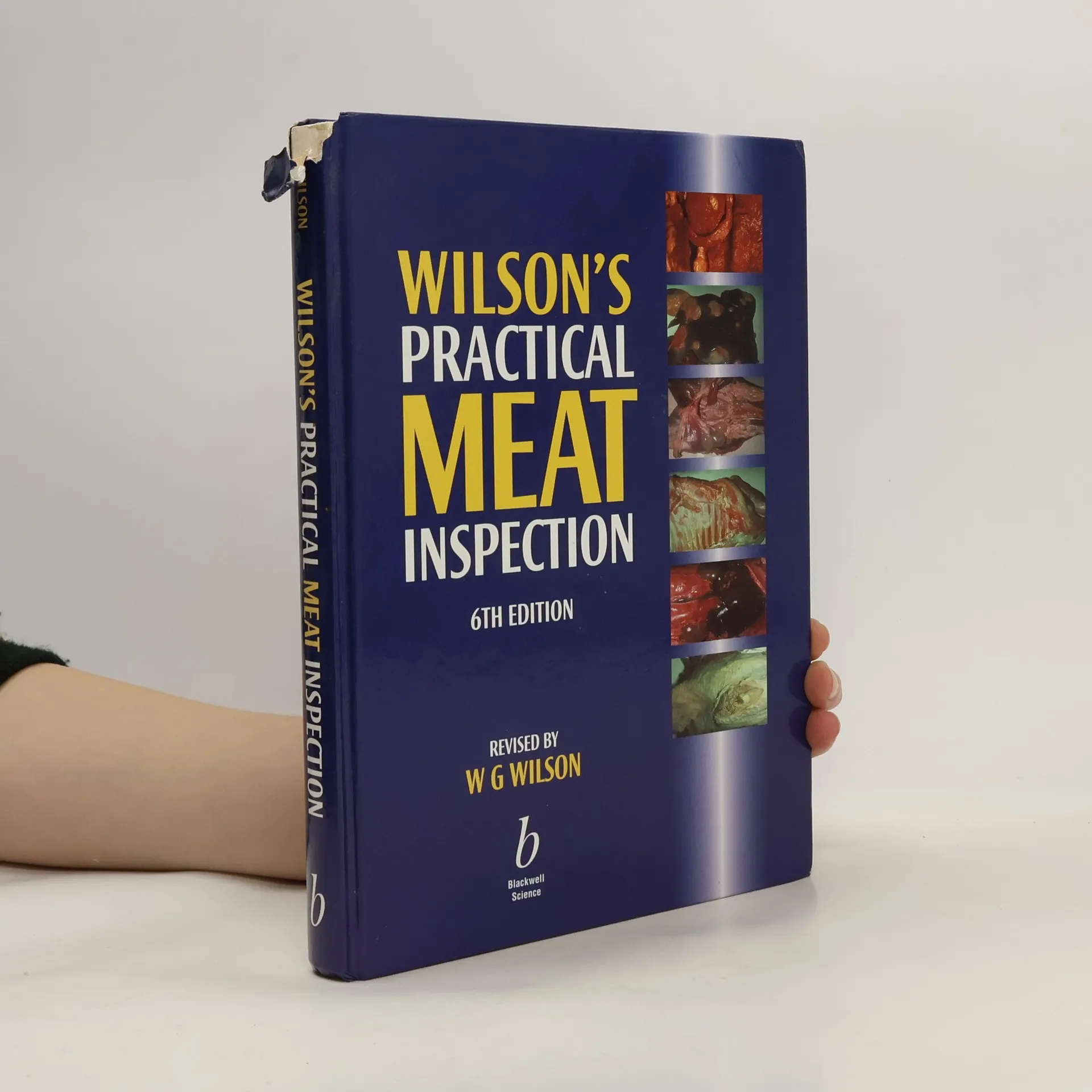
Awareness of food safety and its economic significance has never been higher after public alarm following the BSE crisis and the Foot-and-Mouth outbreak.This classic text is an essential handbook for all persons involved in meat inspection and the meat industry seeking information on the latest diseases and parasites. Now in its seventh edition, it has been revised to reflect the latest knowledge of BSE, Foot-and-Mouth and TB. Information on specific diseases, parasites and physiological processes has been updated and the latest legislation included. As well as this, a new chapter on illegal meat imports has been added, with the aim of helping the detection of illegal meat and ensuring its removal from the food chain.Well-established and respected reference for all those seeking hands-on, practical information;Details the latest reports on diseases and includes crucial information on meat related legislation.
High-rise public housing developments emerged as hopeful solutions for post-World War II urban living but soon became associated with the struggles of the black urban poor, marked by isolation, overcrowding, and violence. As some of these structures are demolished, Sudhir Venkatesh reexamines public housing from within, aiming to salvage its complex legacy. Drawing on nearly a decade of fieldwork at Chicago's Robert Taylor Homes, he provides the first comprehensive account of life in a public housing complex. Through his connections with tenants, gang members, police, and local organizations, Venkatesh offers an intimate portrait of a community often viewed from afar. He challenges the prevailing narrative of public housing as a failure, highlighting the tenants' thirty-year fight to create a safe neighborhood. This includes their political struggles for services from an indifferent city, their daily battles against entrenched poverty, and their difficult choices regarding collaboration with street gangs that both supported and threatened their lives. The work delves into what makes a community viable, showcasing the tenants' efforts to secure a decent living environment and revealing the heart of their experiences.
Criminal Law provides an essential guide to all aspects of criminal law doctrine and the theories and policy considerations which underpin it. Criminal Law forms part of the successful Longman Law series, trusted by generations of students to spark their intellectual curiosity, it provide today's law students with the best possible basis for legal study through: - Clear, academically rich and scholarly exposition of legal doctrine - Scintillating analysis of the theories, policies and societal influences underpinning the legal principles - Engaging author commentary, a highly readable style and innovative stylistic features to support study and illuminate the complexities of the law
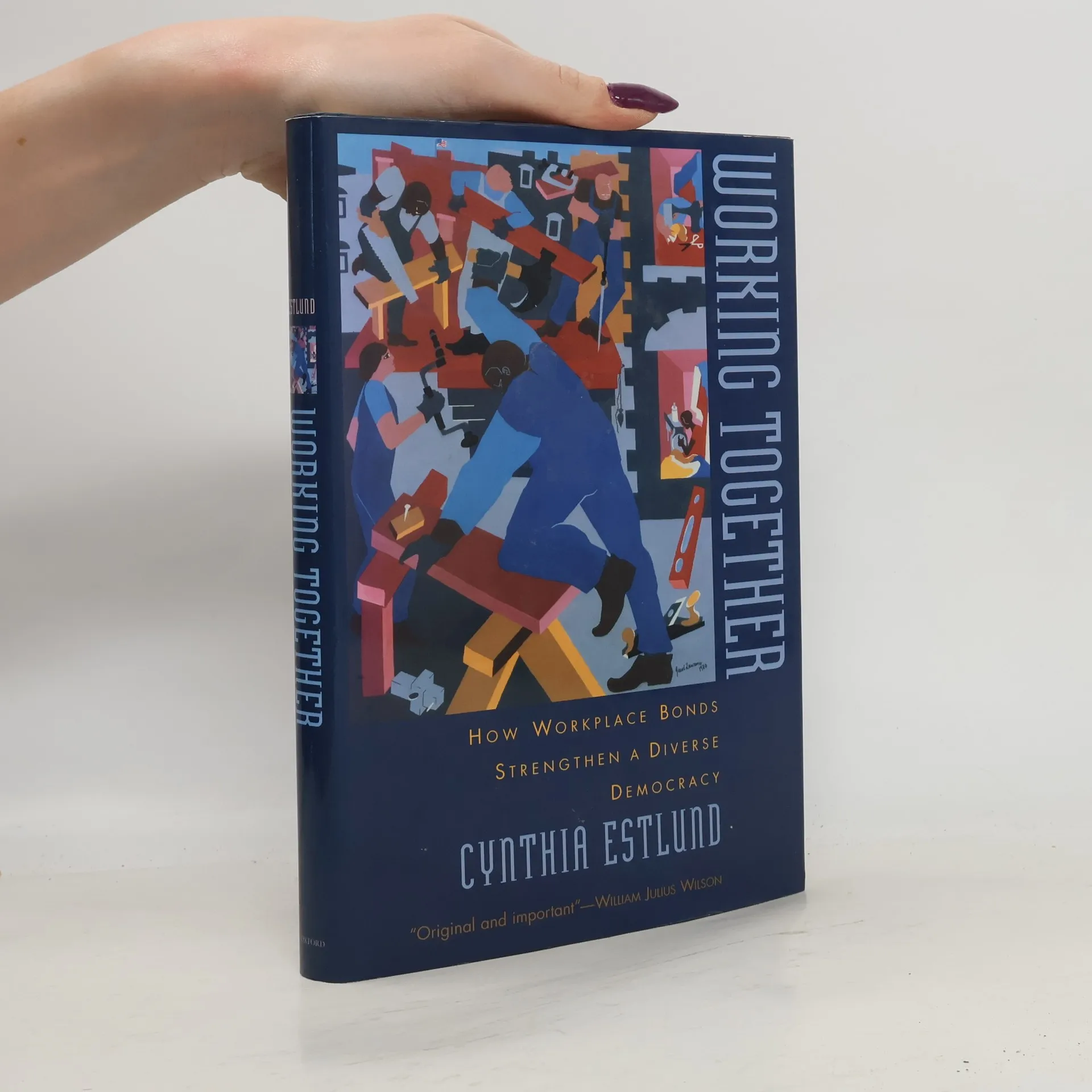
How Workplace Bonds Strengthen a Diverse Democracy
256 pages
9 hours of reading
The typical workplace is a dynamic environment filled with a range of human relationships, including friendships, conflicts, and collaborations. Here, individuals navigate diverse interactions to solve problems and achieve progress, often within increasingly varied groups of co-workers. In a time when American society faces frayed communal ties and ongoing segregation, the workplace serves as a critical venue for individuals from different ethnic, religious, and racial backgrounds to connect and form meaningful bonds. This raises important questions about the implications of these structured relationships in a society still grappling with issues of gender and race.
The nature of workplace interactions is shaped by economic power, necessity, and legal regulations, often diverging from the ideal of free citizens collaborating for common goals. Interestingly, the involuntary nature of these interactions can facilitate successful racial integration in the workplace, despite the potential for friction. This exploration highlights the paradoxical yet vital role of workplace relationships and concludes with actionable recommendations for how legal frameworks can enhance the democratic potential of collaboration. By linking workplace integration with broader social connectedness, the author proposes an innovative approach to tackling some of the most pressing challenges in American society today.