Cult [Smart]
Student's Book-Workbook. Per le Scuole superiori. Con CD Audio. Con DVD-ROM. Con E-Book. Con Espansione Online


Student's Book-Workbook. Per le Scuole superiori. Con CD Audio. Con DVD-ROM. Con E-Book. Con Espansione Online
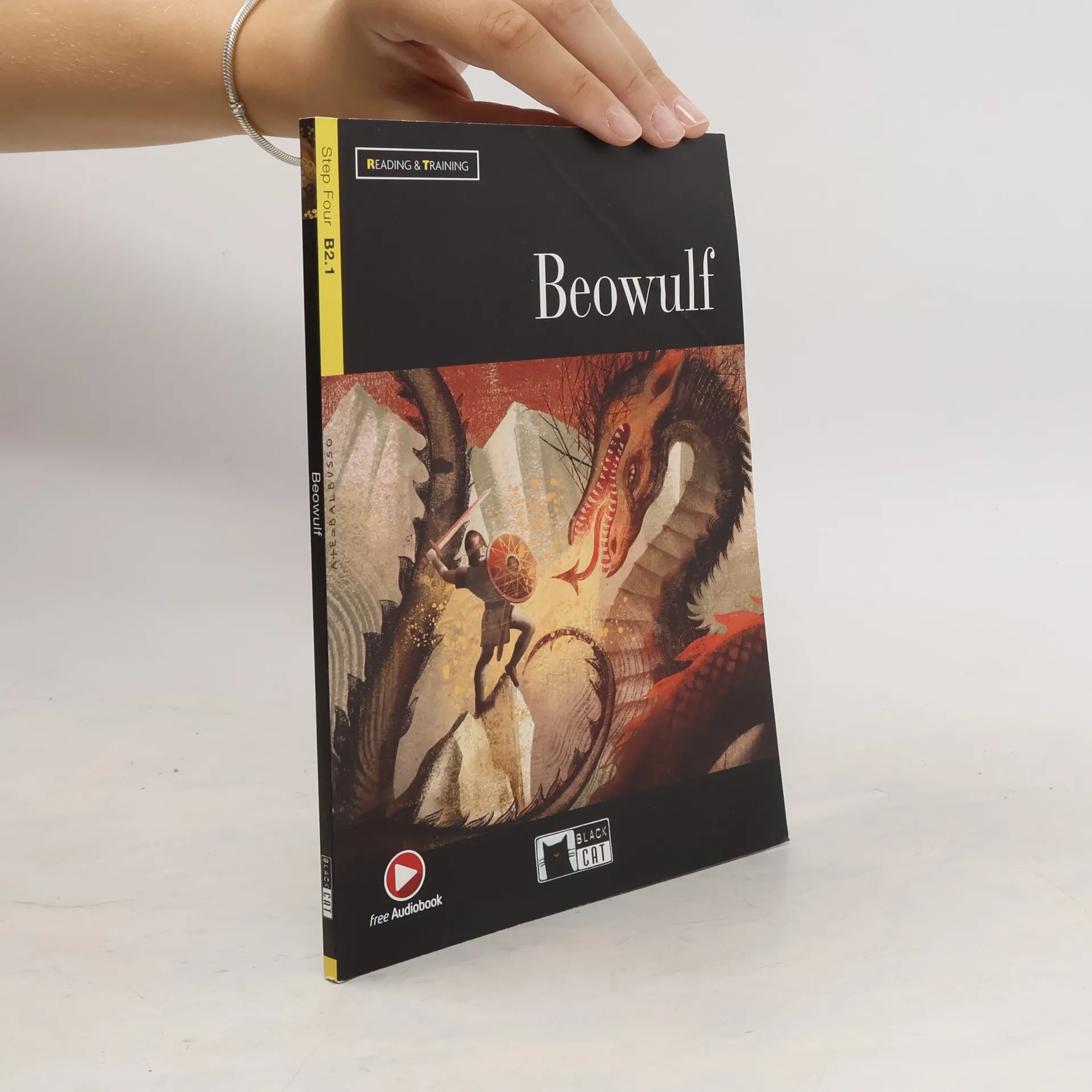
The mighty warrior Beowulf offers to help the King of the Danes in a quest to kill the monster Grendel and free his people from terror. After killing Grendel, Beowulf must also kill the monster's mother before he can return to his homeland, where he eventually becomes king. But he is called for a new adventure ... [4e de couverture]
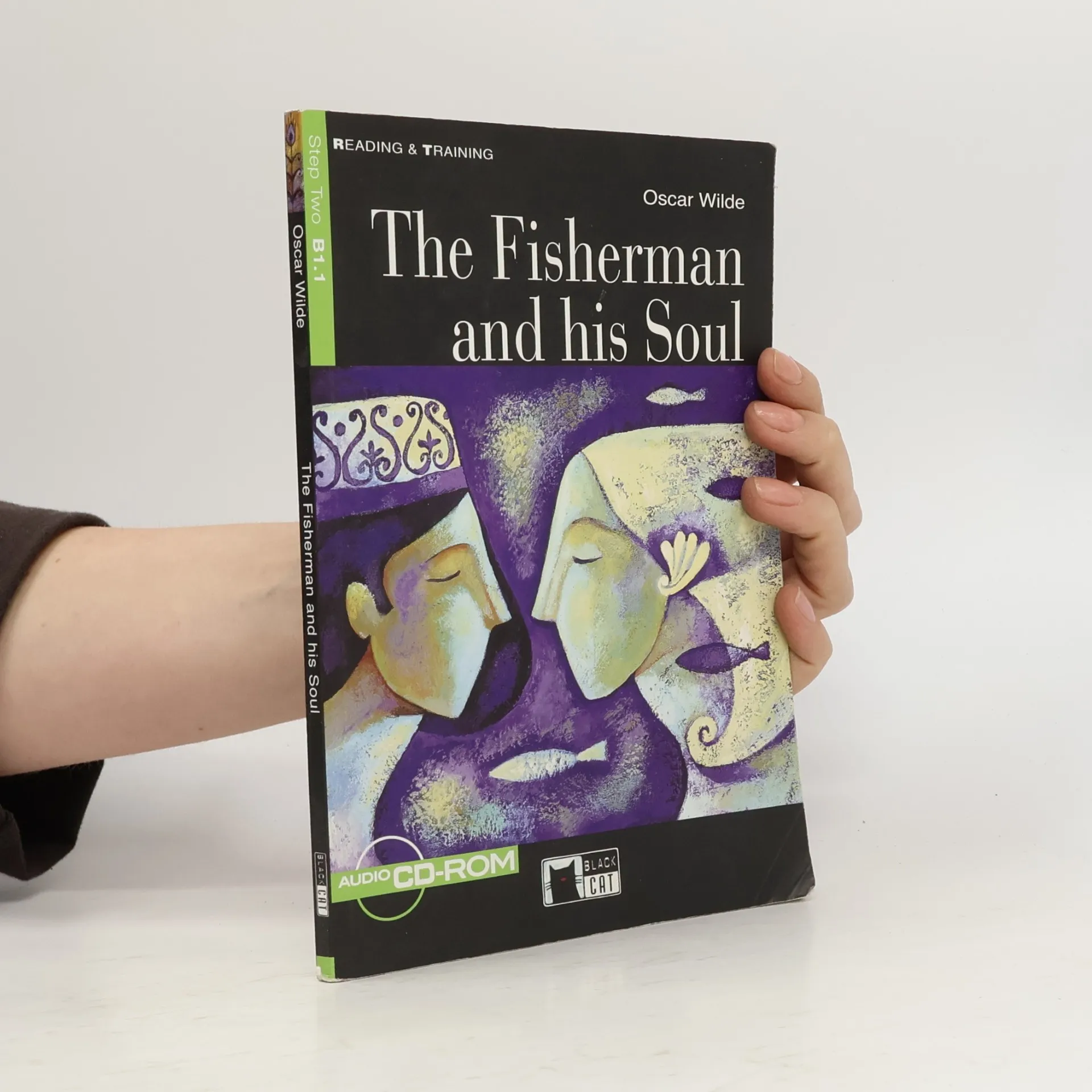
FAIRY TALE & FANTASY A story of love and friendship about a fisherman who catches a mermaid. He lets her go because she promises to help him fish. Each day the mermaid appears and sings her song, so he falls in love with her. However, she cannot marry him until he has lost his human soul. Dossiers: Children’s Literature Aestheticism
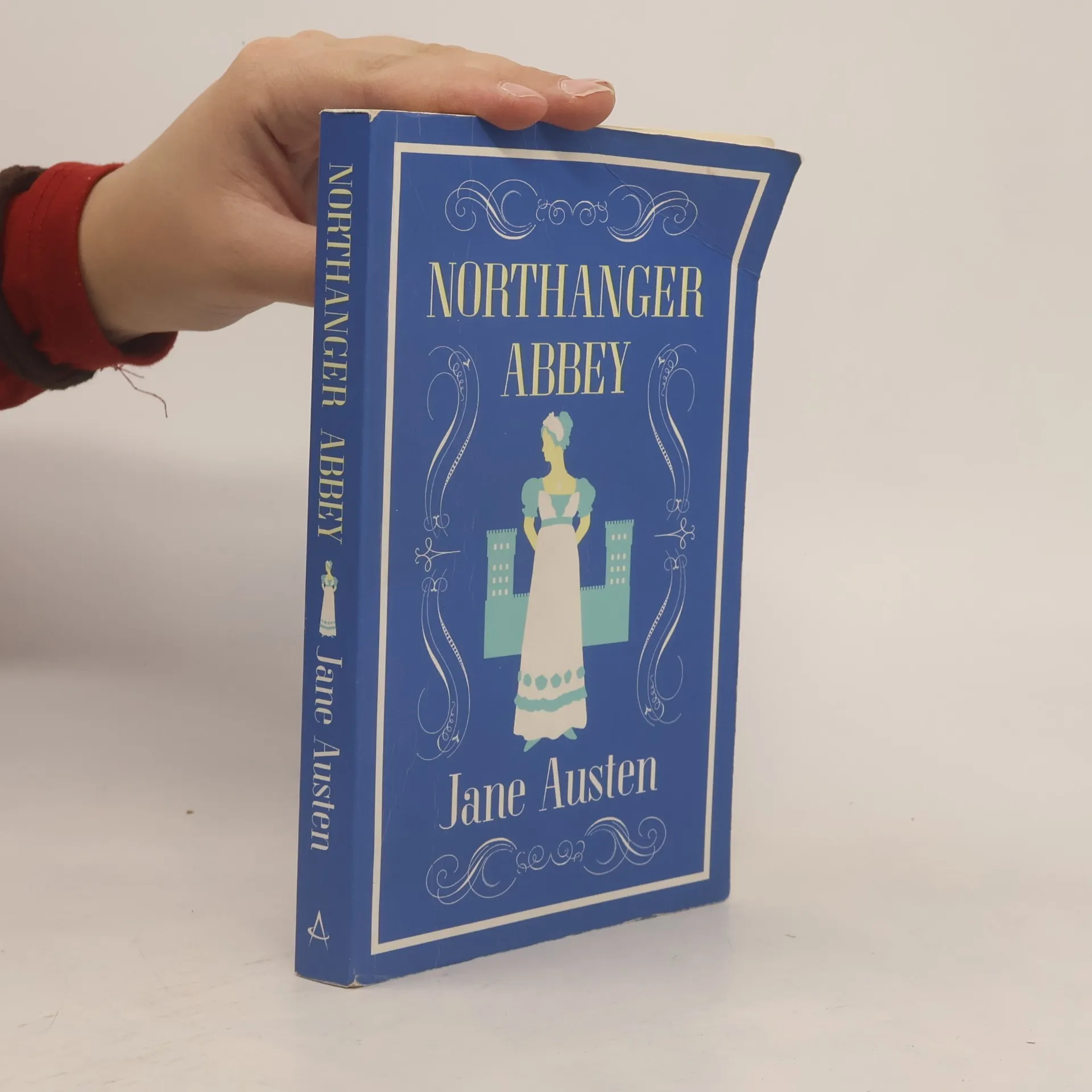
While enjoying a six weeks' stay in fashionable Bath, the young and callow Catherine Morland is introduced to the delights of high society. Thanks to a new literary diet of the sensational and the macabre, Catherine travels to Northanger Abbey fully expecting to become embroiled in a Gothic adventure of intrigue and suspense – and, once there, soon begins to form the most gruesome and improbable theories about the exploits of its occupants. An early work, but published posthumously, Northanger Abbey is a parody of the Gothic genre typified by the novels of Ann Radcliffe, as well as a witty comedy of manners in the style of Jane Austen's later novels and, ultimately, an enchanting love story.
Many of the earliest books, particularly those dating back to the 1900s and before, are now extremely scarce and increasingly expensive. We are republishing these classic works in affordable, high quality, modern editions, using the original text and artwork.
This award-winning collection of adapted classic literature and original stories develops reading skills for low-beginning through advanced students. Accessible language and carefully controlled vocabulary build students' reading confidence. Introductions at the beginning of each story, illustrations throughout, and glossaries help build comprehension. Before, during, and after reading activities included in the back of each book strengthen student comprehension. Audio versions of selected titles provide great models of intonation and pronunciation of difficult words.
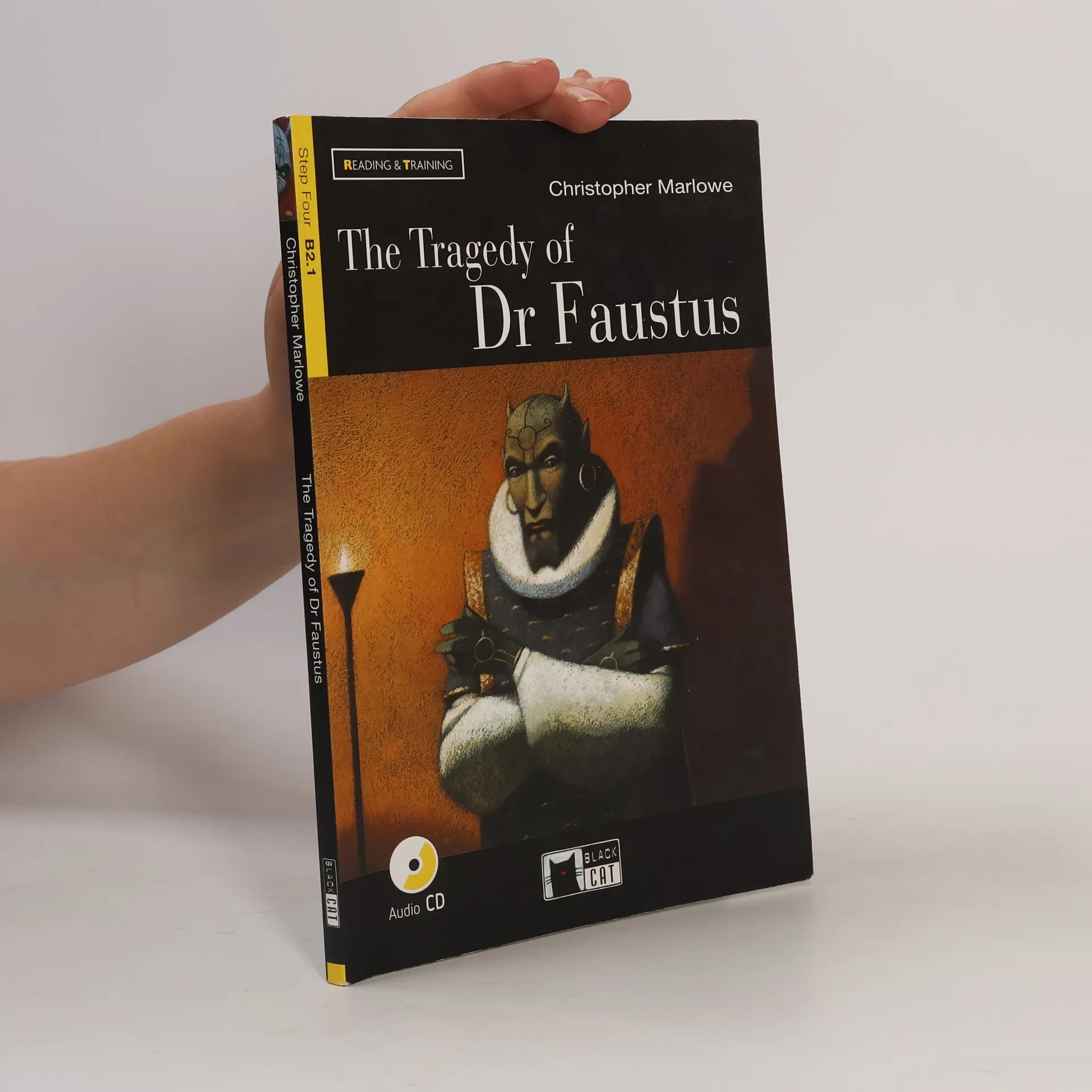
Doctor Faustus is the most brilliant scholar of his day. He has studied hard and is now master of all areas of learning. However, he wants something more, so he enters into an agreement with the Devil. He agrees to sell his soul in return for twenty-four years of knowledge, power and riches, which only brings him despair and terror as he realises the full implication of his impulsive action.
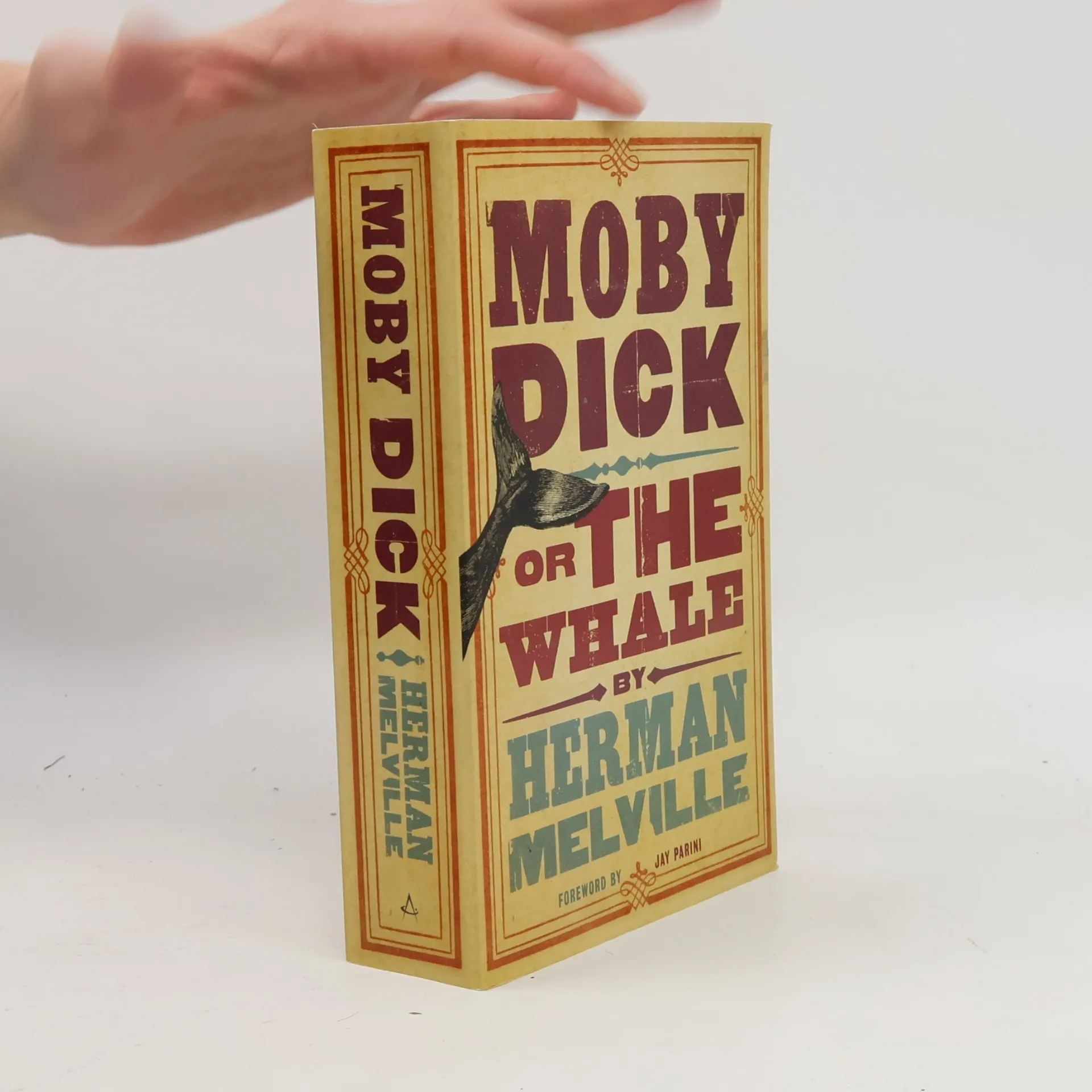
When the young Ishmael gets on board Captain Ahab's whaling ship, little does he suspect that the mission on which he is about to embark is the fulfilment of his master's obsessive desire for revenge on Moby Dick, a white whale who has already claimed countless human victims and destroyed many fleets. With some sinister crew members in their midst and the hazardous conditions of the sea to contend with, the expedition becomes increasingly dangerous the closer it gets to its quarry. One of the great American novels, if not the greatest, Moby Dick epically combines rip-roaring adventure, a meticulously realistic portrayal of the whaling trade and a profound philosophical disquisition on the nature of good and evil.
![Cult [Smart]](https://rezised-images.knhbt.cz/1920x1920/95390750.webp)