Explore the latest books of this year!
Bookbot

Richard Mabey

    February 20, 1941

    Richard Mabey stands as one of England's most esteemed nature writers. His work is characterized by a profound exploration of the relationship between humanity and the natural world. Mabey masterfully intertwines personal reflection with keen observations of the landscape and its ecological significance. His writing is a celebration of nature and its enduring impact on the human spirit.

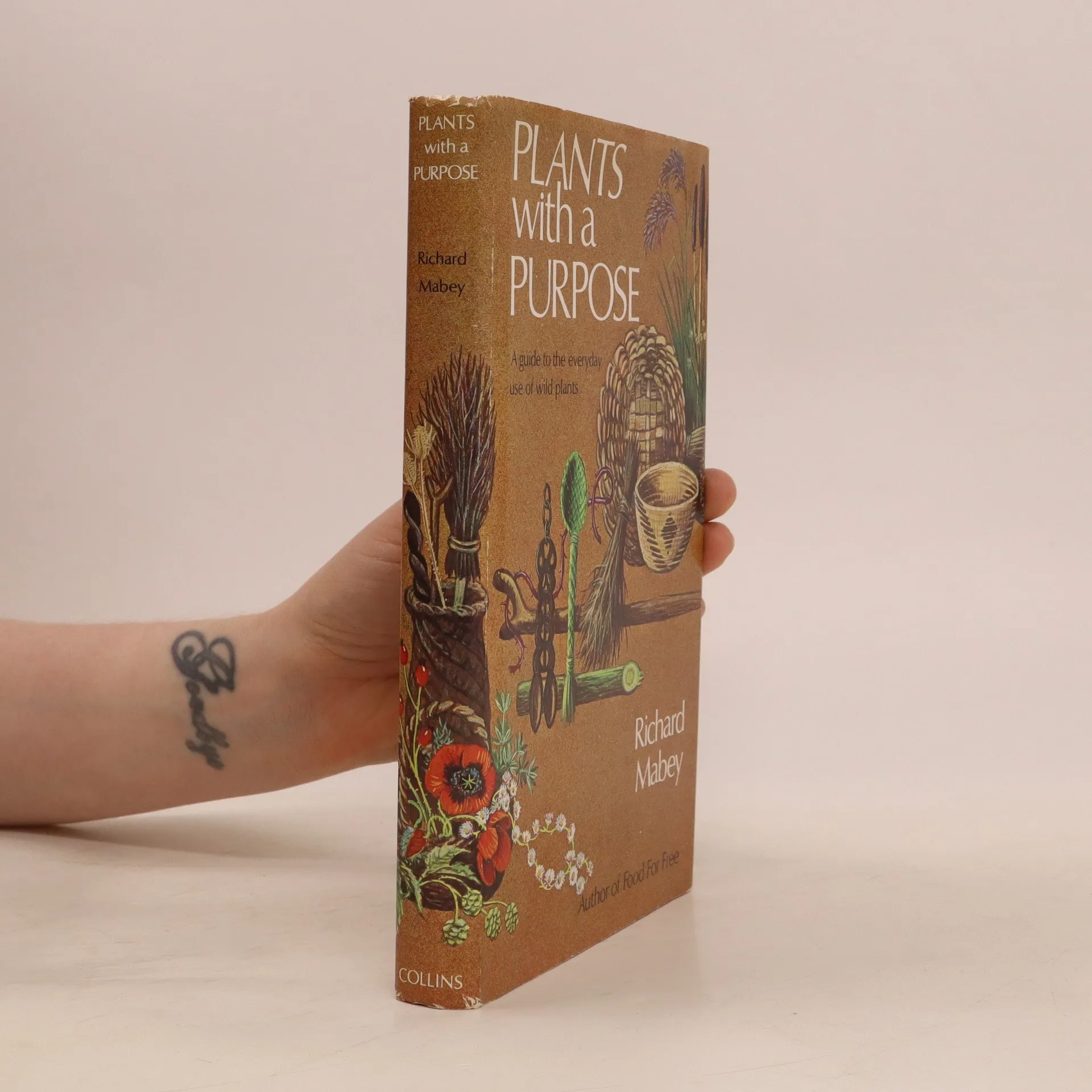
    Plants with a Purpose
    Turning the Boat for Home
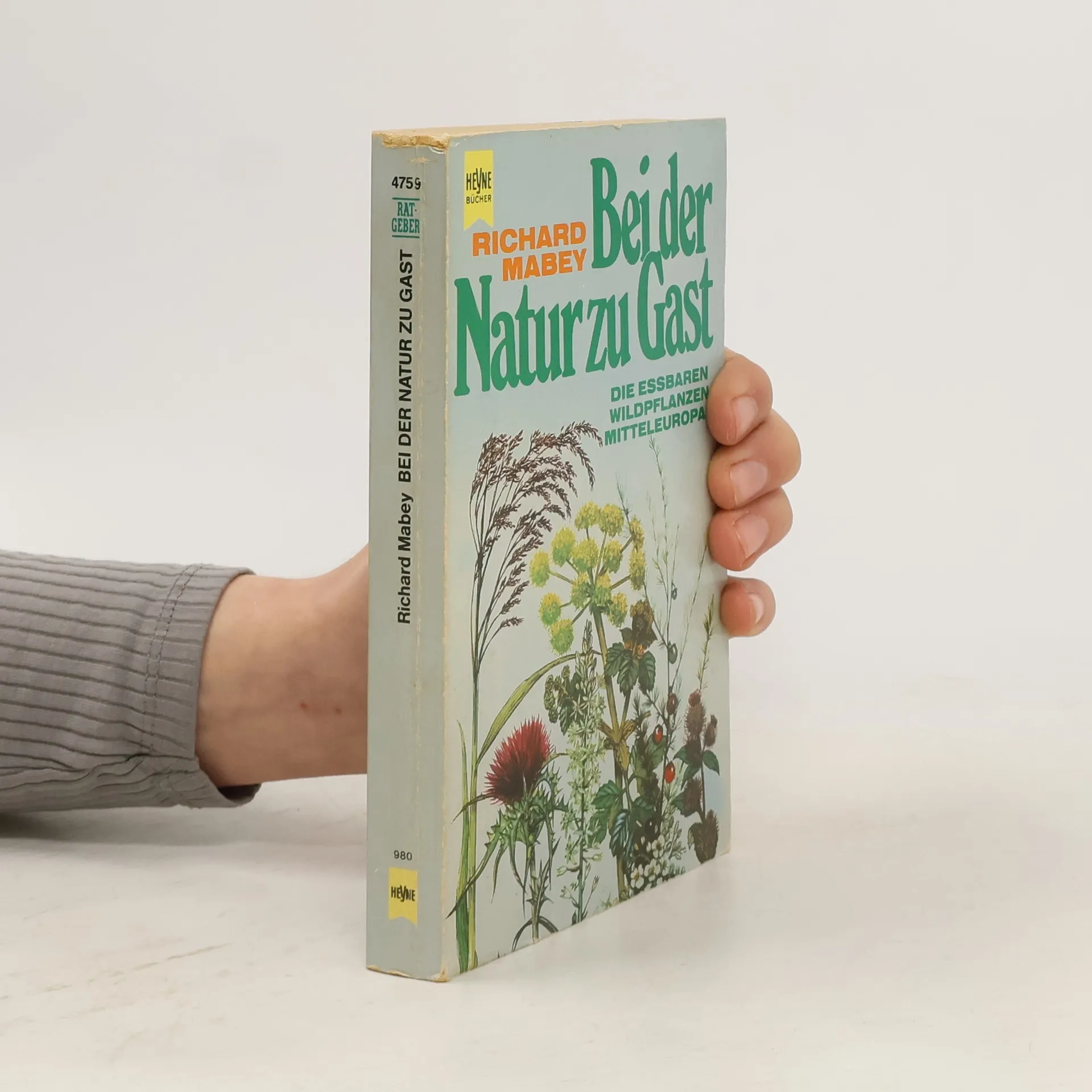
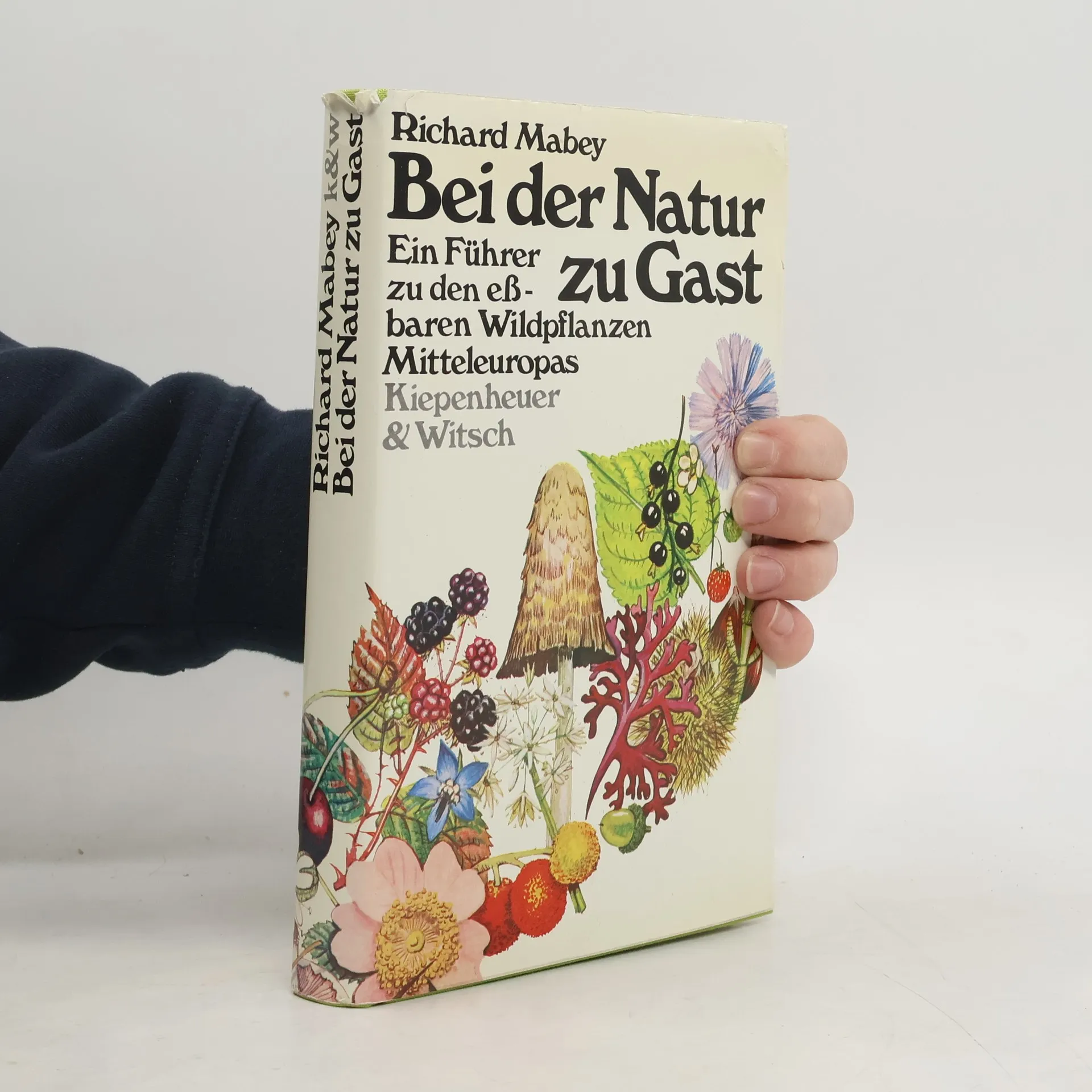
    Food for Free
    The Dead Hand Book
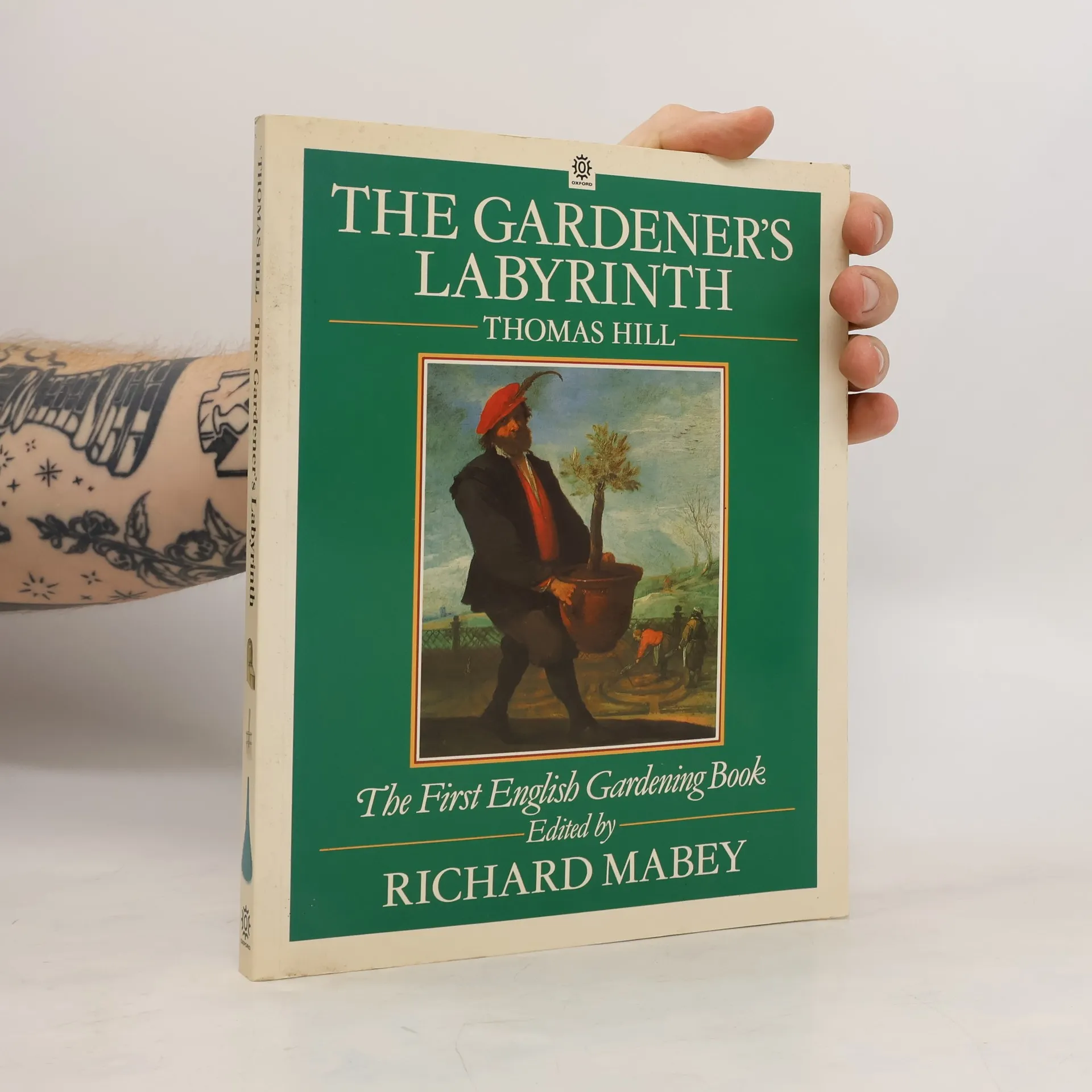
    The Gardener's Labyrinth
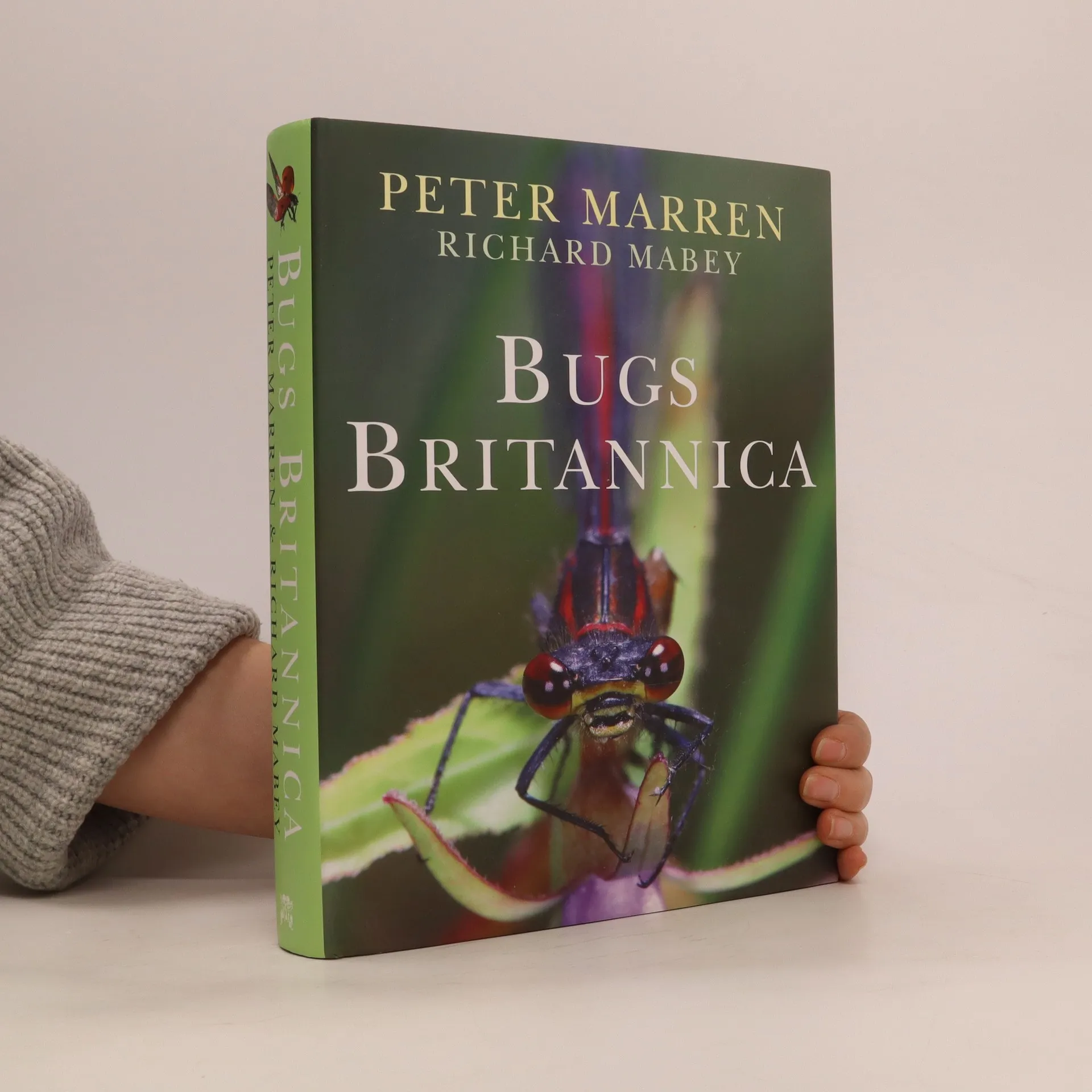
    Bugs Britannica
    • Bugs Britannica

      • 500 pages
      • 18 hours of reading
      4.6(35)Add rating

      From sea squirts to slugs to swallowtails—the third, fabulous, and gorgeously illustrated book in Richard Mabey's series, a companion volume to Flora Britannica and Birds BritannicaA comprehensive look at invertebrates that proves it’s the little things that count, this essential and accessible work on bugs is not a biological guide but a richly illustrated cultural one, seen through the eyes of writers, musicians, artists, and naturalists—from the great Tudor naturalist Thomas Muffet, father of Little Miss Muffet, to Irvine Welsh’s talking tapeworm in Filth —as well as contributions by ordinary men and women who are fascinated by creepy crawlies of all kinds. Structured along a roughly evolving path, the book ranges from simple cell life-forms to spiders, butterflies, and bees, and then back into the water to meet mollusks and "almost-fish." In addition to the fascinating habits of the bug world, the eccentric behavior of the bug obsessives themselves is also included. But of course, the true heroes of the book are the bugs themselves—the nimble-dicks, clock ladies, and coffin-cutters. From the Boring Sponge to the Mermaid’s Glove to the Penis Worm, this rich compendium of bugs is a must not only for naturalists but also for anyone who cares about the crawling and buzzing swarms at their feet.

      Bugs Britannica
    • The Gardener's Labyrinth

      • 224 pages
      • 8 hours of reading

      "The Gardener's Labyrinth" was the first popular gardening book to appear in the English language in 1577. Hill broke away from the pattern of formal, purely descriptive studies and pioneered a genre that has remained firmly in the best-seller lists ever since - a practical gardening handbook.

      The Gardener's Labyrinth
    • The classic foraging guide to over 200 types of food that can be gathered and picked in the wild, Food for Free returns in its 40th year as a sumptuous, beautifully illustrated and fully updated anniversary edition.

      Food for Free
    • For over fifty years, Richard Mabey has been a pioneering voice in modern nature writing. This book collects pieces across his rich career, tracing his continually evolving ideas as much as the profound changes in our environment. From the rediscovery of food foraging in the 1970s, to reflections on the musicality of birdsong, these essays show Mabey's passionate belief that our planet is a commonwealth for all species, and that our reconnection with the living world is more vital than ever.

      Turning the Boat for Home
    • During the early 1970s Richard Mabey explored the edgelands of cities: crumbling city docks and overgrown bomb-sites, inner city canals and car parks, and discovered there was scarcely a nook in our urban landscape incapable of supporting life.

      The Unofficial Countryside
    • Add some color to your life and put your creative touch on this collection of more than 45 Bridgerton-inspired coloring scenes from every corner of Grosvenor Square.

      The Unofficial Bridgerton Coloring Book
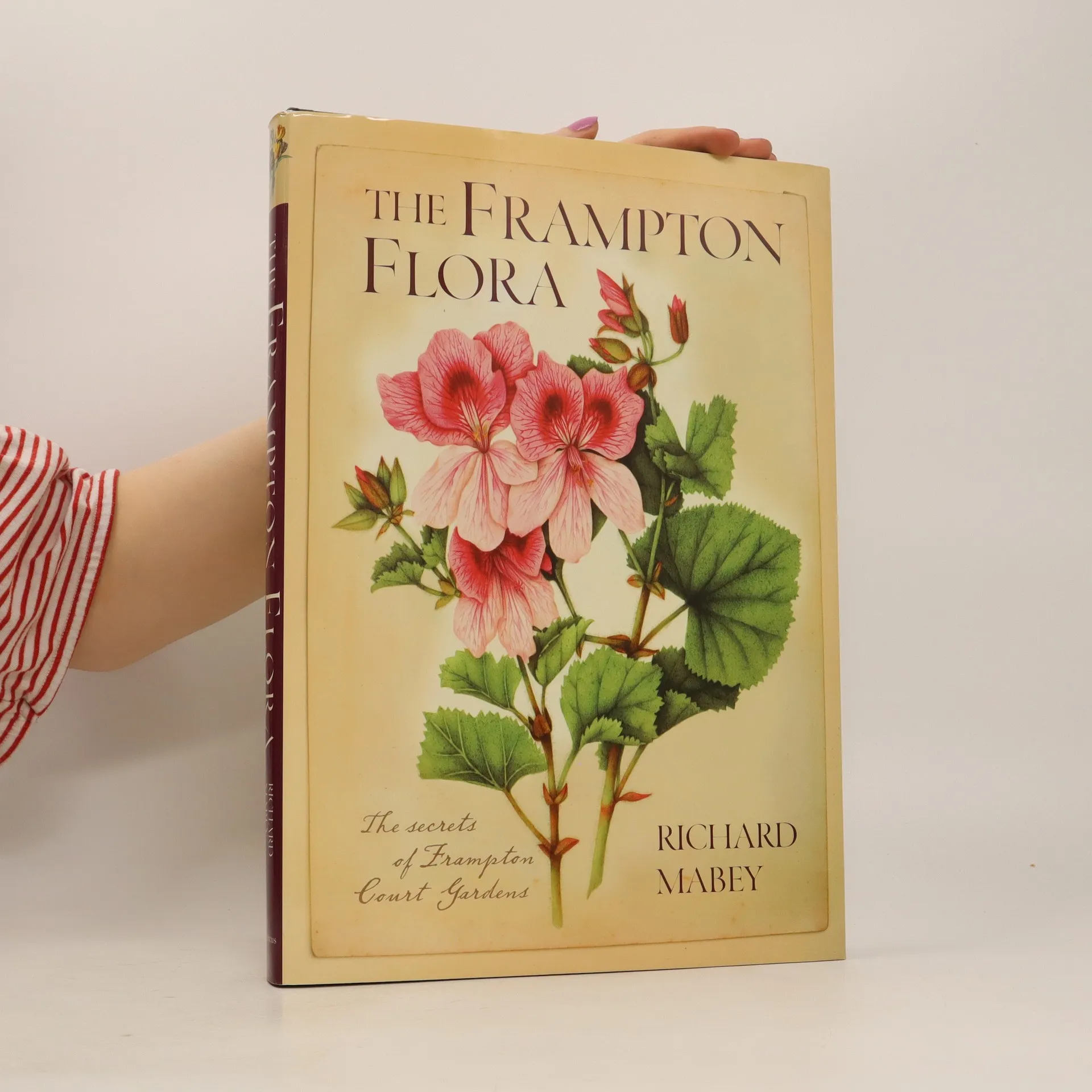
    • The Frampton Flora

      • 192 pages
      • 7 hours of reading
      3.8(10)Add rating

      Offers a collection of Victorian botanical paintings discovered in the attic of Frampton Court in Gloucestershire over a century after they were created. This work includes paintings that have come to light since the original discovery. It describes the paintings and the family, and relates it to the rich flora of England in the mid-19th century.

      The Frampton Flora
    • In this prize-winning biography, Richard Mabey brilliantly recreated the life of the pioneering naturalist and wonderfully evoked White's Hampshire landscape.

      Gilbert White