
Renata Salecl is a philosopher and sociologist whose work delves into the intricate ways societal pressures and psychological mechanisms shape our choices and sense of freedom. She critically examines contemporary issues, focusing on themes such as anxiety and the overwhelming nature of choice in modern life. Through her insightful analysis, Salecl uncovers the hidden forces influencing our decisions and personal relationships. Her writing offers a profound exploration of the complexities of the human condition.
"Drawing on philosophy, social and psychoanalytic theory, popular culture, and her own experience, Salecl explores how the passion for ignorance plays out in many different aspects of life today, from love, illness, trauma, and the fear of failure to genetics, forensic science, big data, and the Incel movement--and she concludes that ignorance is a complex phenomenon that can, on occasion, benefit individuals and society as a whole"--
Warum es eine Zumutung ist, sich anhaltend entscheiden zu müssen
240 pages
9 hours of reading
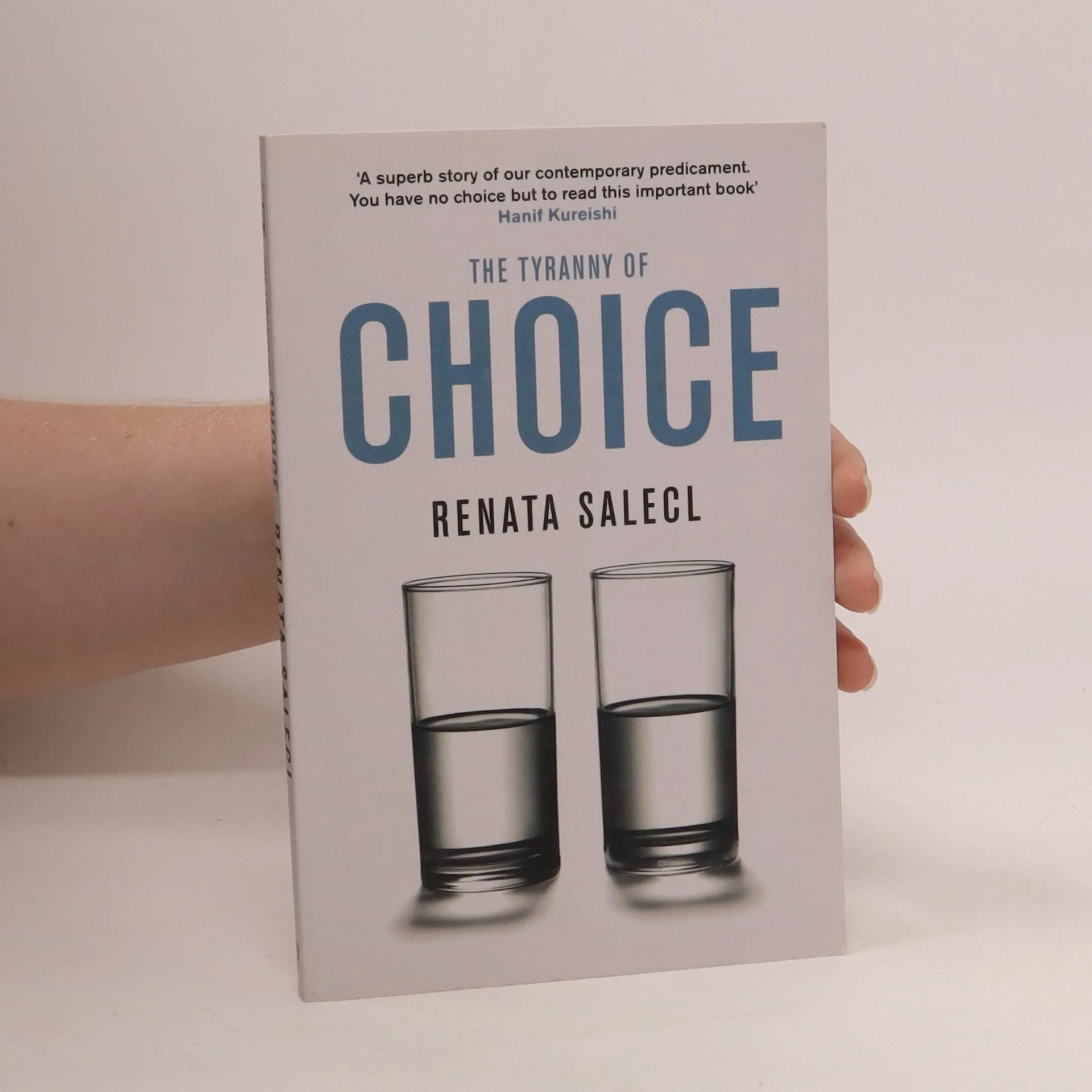
Kaffeesorte und Karriere, Kinderwunsch und unser Körper – alles eine Frage der richtigen Entscheidung? Renata Salecl entlarvt eine gefährliche Illusion Es ist das große Versprechen der Gegenwart schlechthin: Wir sind frei, unser eigener Herr, unseres Glückes Schmied, die Bildhauer unserer eigenen Identität. Doch die Ideologie der grenzenlosen Entscheidungsfreiheit hat gravierende Mängel. Renata Salecl legt dar, wie diese vermeintliche Freiheit zur Tyrannei wird: Zu viel Auswahl überfordert, produziert Stress, sorgt dafür, dass einmal getroffene Entscheidungen laufend hinterfragt oder ewig aufgeschoben werden. Die totale Verantwortung für das eigene Glück lastet Menschen jede Enttäuschung, jeden Missstand persönlich an, sie macht sozialen Wandel undenkbar und erzeugt einen neurotischen Menschen, der nicht in Freiheit lebt, sondern unter Zwängen leidet. In ihrem mitreißenden Essay blickt Renata Salecl mit dem Gespür einer Philosophin und dem Fokus einer Psychologin tief in die Seele der konsumkapitalistischen Gesellschaft.
We are encouraged from all sides to view our lives as being full of choices. Like the products on a supermarket shelf, our careers, our relationships, our bodies, our very identity seem to be there for the choosing. But paradoxically this seeming freedom to choose can create extreme anxiety, and feelings of inadequacy and guilt. Choice explores how late capitalism s shrill exhortations to be oneself can be a tyranny which only leads to ever-greater disquiet and how insistence on choice being a purely individual matter prevents social change.Drawing on diverse examples from popular culture from dating sites and relationship self-help books, to our obsession with imitating celebrities lifestyles and fusing sociology, psychoanalysis and philosophy, Salecl shows that choice is rarely based on a simple rational decision with a predictable outcome. With wisdom, humour and sensitivity, she examines the complexity of the essential human capacity to choose which has become mired in.Table of Contents Introduction Why choice makes us anxious Choosing through other s eyes Love Choices to have or have not? Forced choice Shame and the lack of social change.
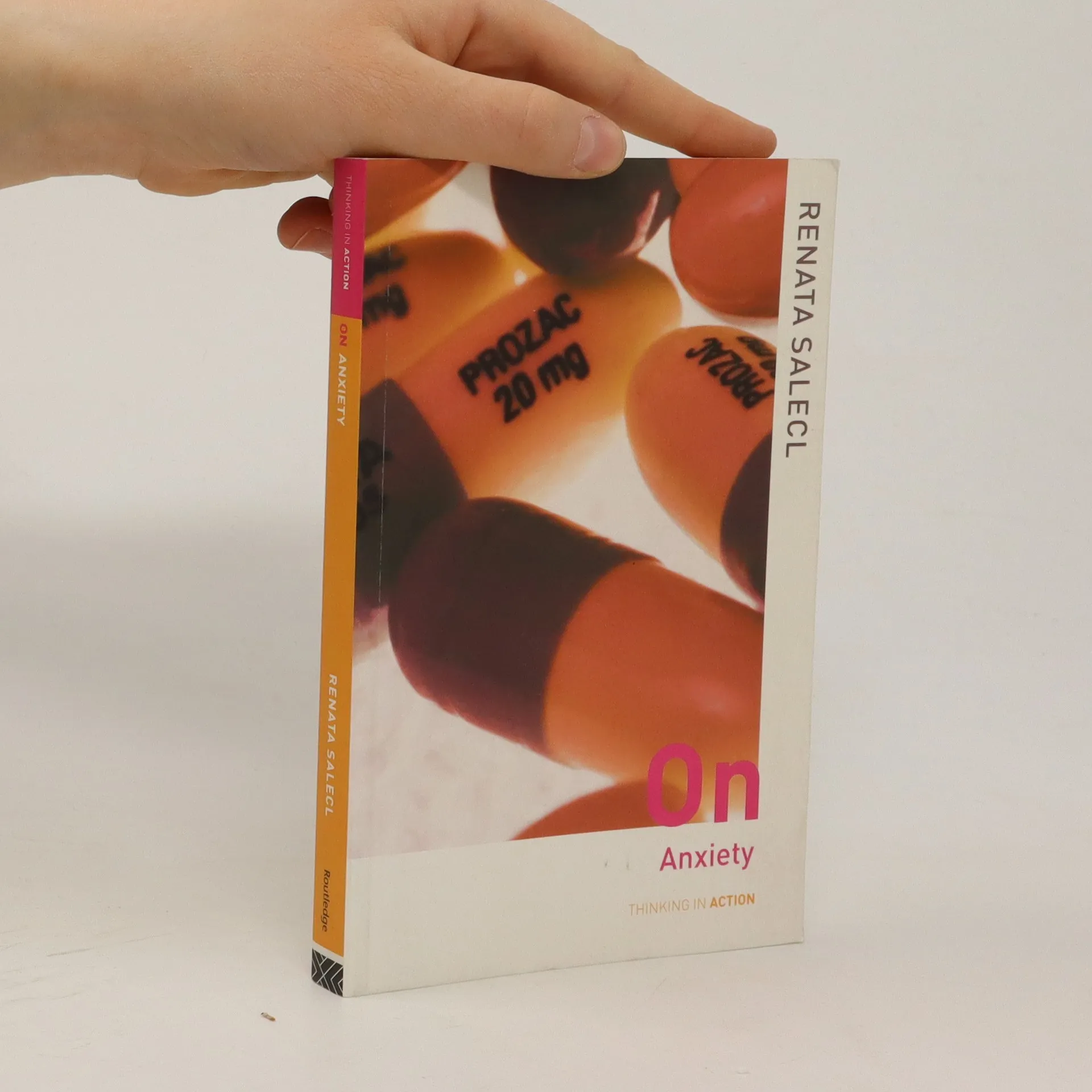
Drawing on vivid examples, Renata Salecl argues that what really produces anxiety is the attempt to get rid of it. Erudite and compelling - essential reading for anyone interested in philosophy, psychology and the cultural phenomenon of anxiety.
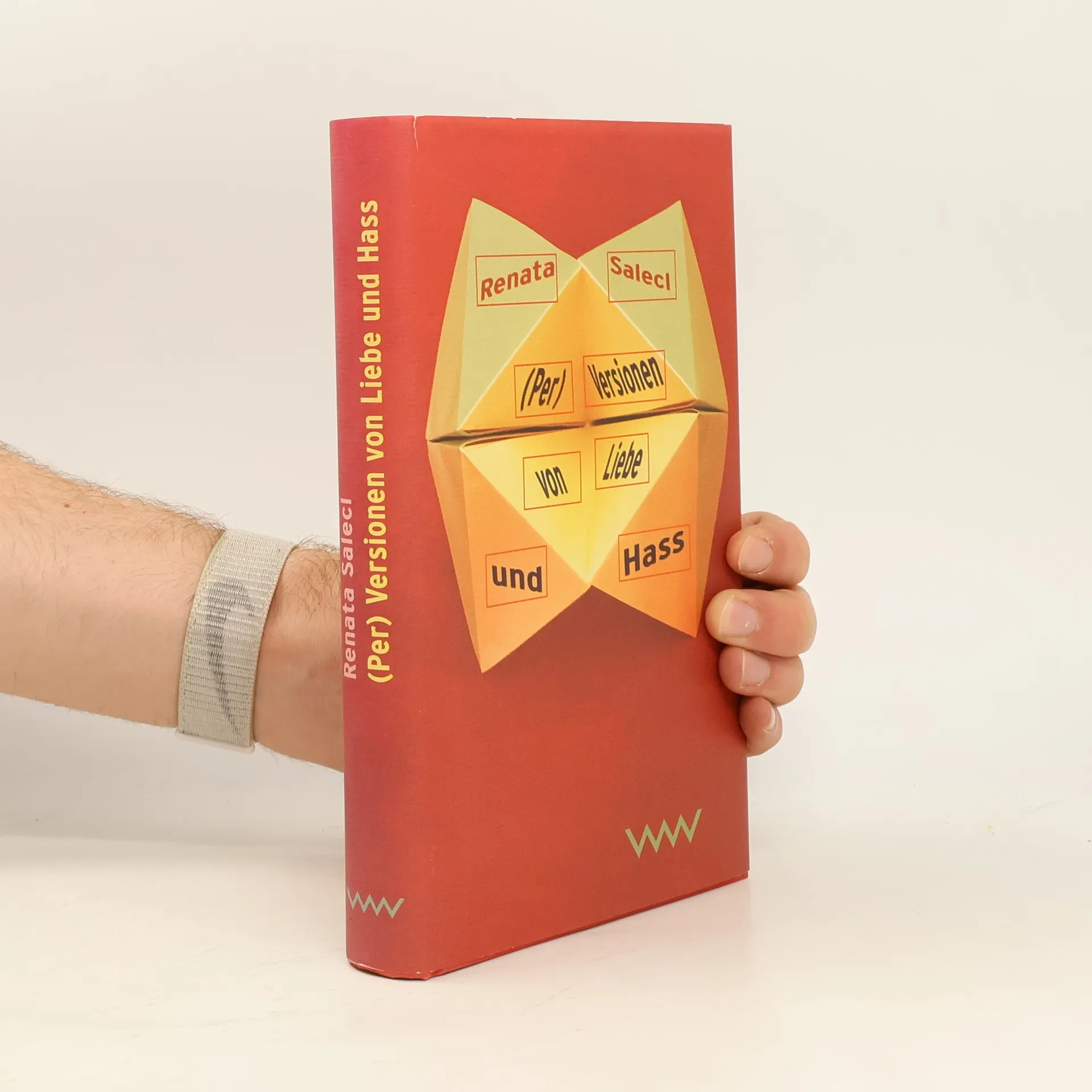
In (Per)Versions of Love and Hate, Renata Salecl explores the disturbing and complex relationships between love and hate, violence and admiration, libidinal and destructive drives, through investigation of phenomena as diverse as the novels The Age of Innocence and The Remains of the Day, classic Hollywood melodramas, the Sirens' song, Ceausescu's Romania, and the Russian performance artist Oleg Kulik, who acts like a dog and bites his audience. For Salecl - who questions the legitimacy of the calls for 'tolerance and respect' by multiculturalists - practices such as body multilation are symptoms of the radical change that has affected subjectivity in contemporary society.