





Explore the latest books of this year!
Bookbot

Susie Tate

    Drawing from her experiences as a general practitioner, Susie finds inspiration in the demanding pace of healthcare. Her writing serves as an anchor, helping her navigate the complexities of her profession and the lives she touches. Through her work, she aims to share profound insights into the human condition, infused with empathy and a deep sense of humanity. Her narratives are a testament to the power of storytelling in processing the intricacies of modern life.

    Zákon přitažlivosti
    Wenn Liebe schmerzt - 1: Unperfect – Liebe wider Willen
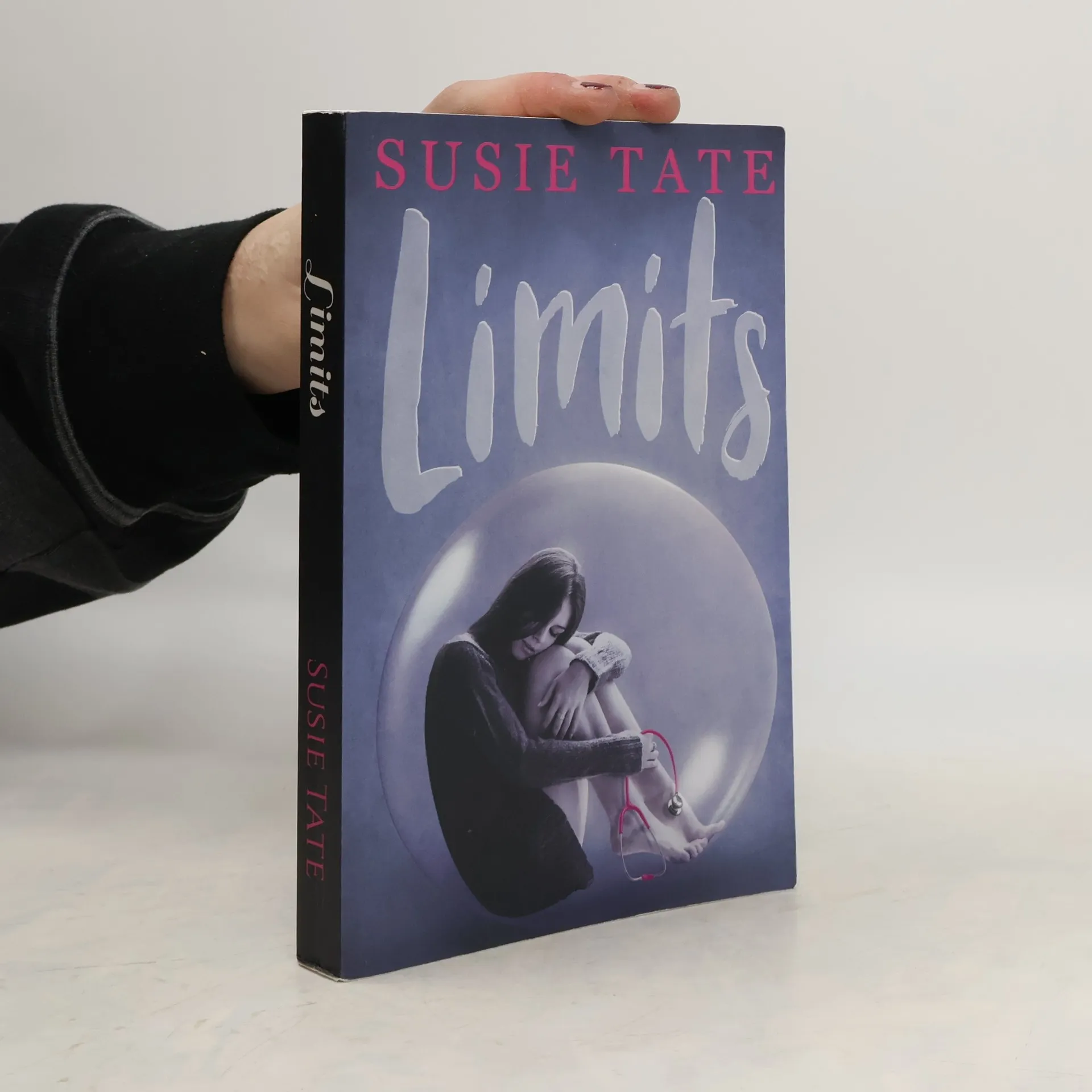
    Limits
    • Limits

      • 290 pages
      • 11 hours of reading

      For as long as she can remember, Millie has had her limits. Staying within them keeps her isolated, safe; helps her to cope. Why then have they started to feel so stifling? Why is her loneliness starting to rival her fears? When she watches him, she wishes she could be normal; she wishes she could be like the people he interacts with so seamlessly. Pavlos Martakis is her complete and total opposite: physically intimidating, likable, naturally attractive, extremely confident, sexually promiscuous: the most uninhibited, charming, outgoing, and free person she has ever encountered in her life. He fascinates Millie; thrills and intimidates her in equal measure. But, as the culprit behind the invention of her nickname Nuclear Winter, Millie knows that if Pav feels anything for her, it is more than likely contempt. Cold, boring, robotic: that is how the rest of the hospital sees her. So she can safely watch him from afar. He would never notice her … would he?

      Limits
      4.0
    • Svérázná Kira vtrhne do spořádaného života ministra Barclayho Lucase jako malé růžové tornádo. Barclayho serióznost stejně jako snaha mít věci pod kontrolou berou za své. Ale poté, co se s ním Kira rozejde, Barclay pochopí, jak šedivý je svět bez ní, a rozhodne se využít všech politických dovedností, aby ji získal zpět.

      Zákon přitažlivosti
      4.2