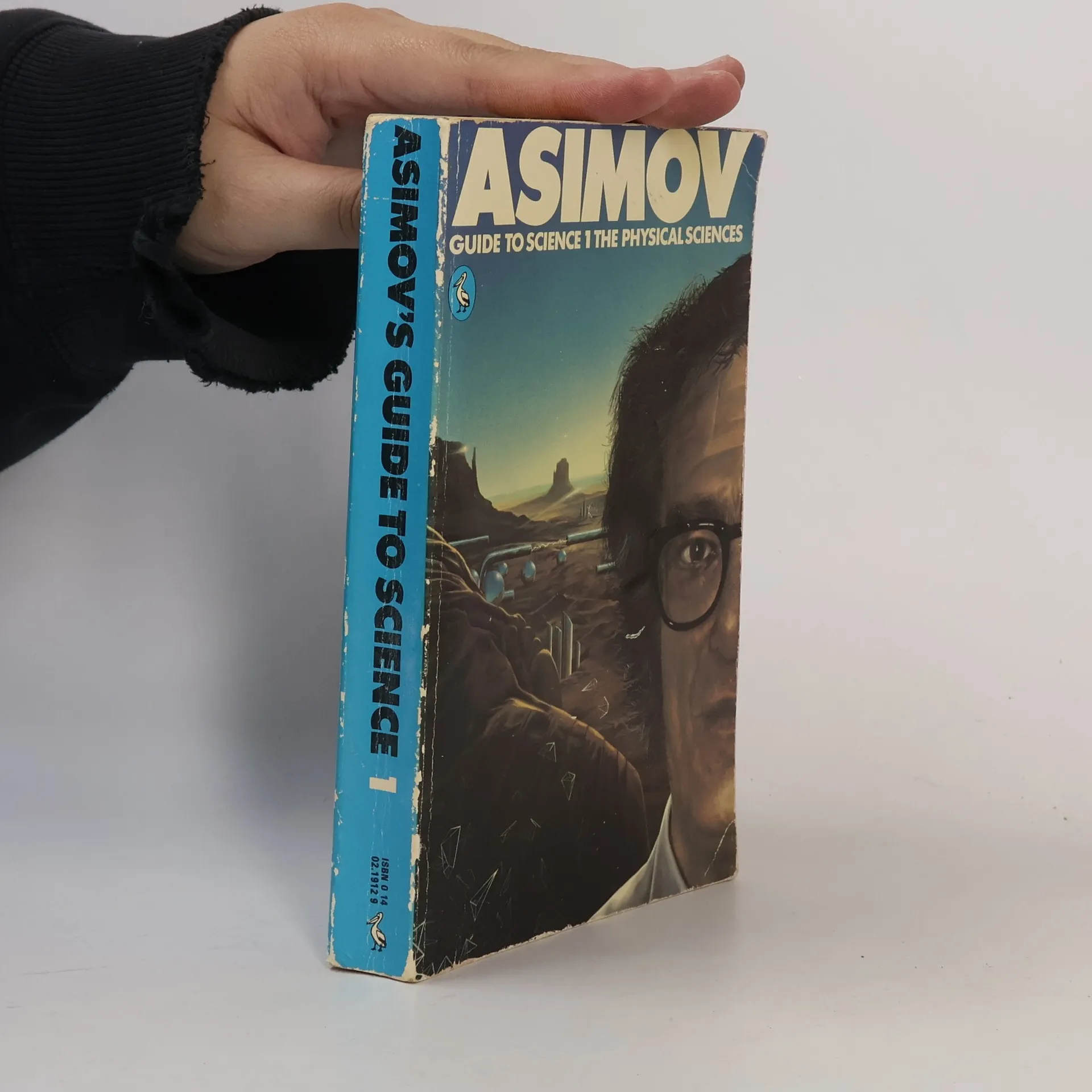
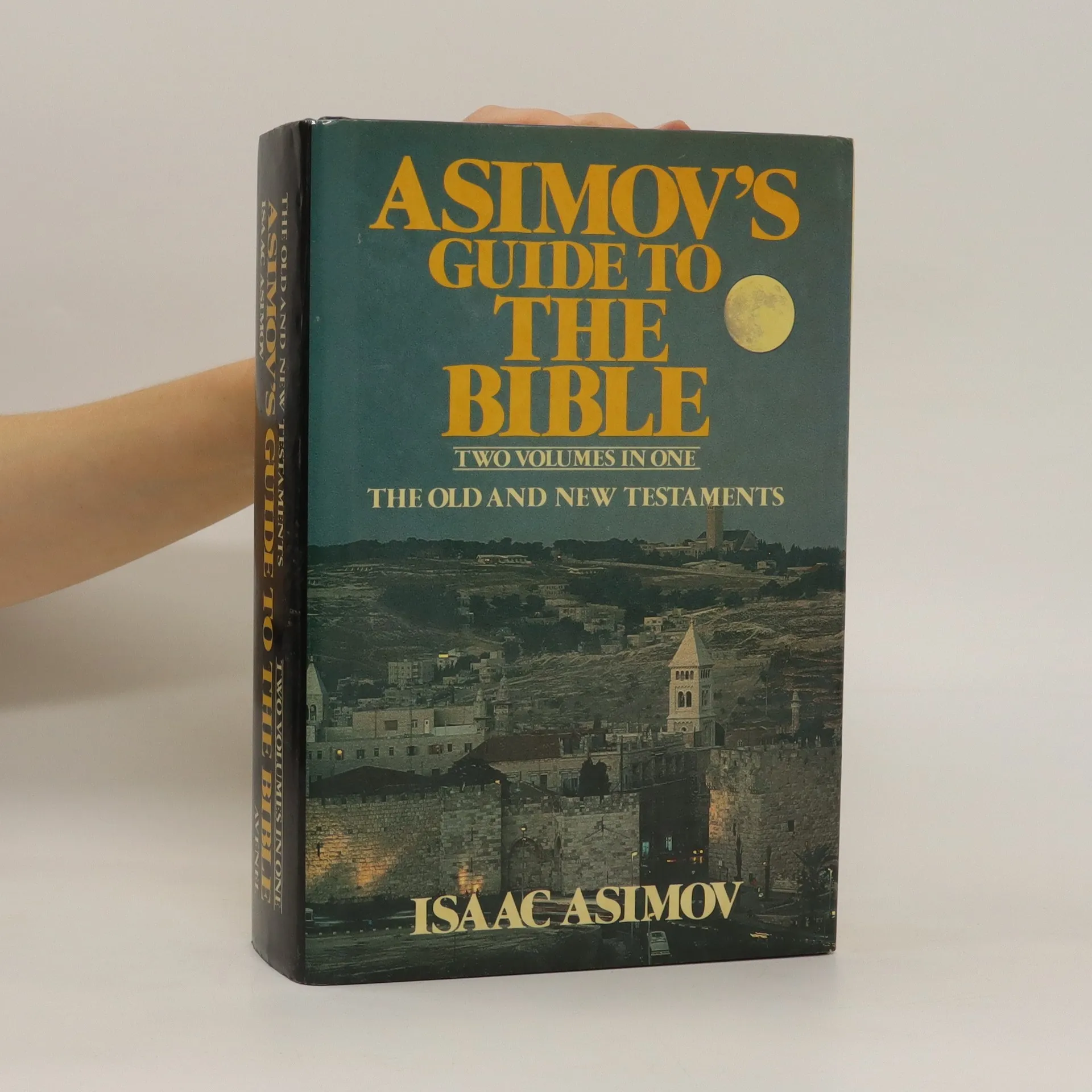
Asimov's Guide to the Bible
- 1296 pages
- 46 hours of reading
"Explores the historical, geographical, and biographical aspects of the events described in the Old and New Testaments"--Jacket


Isaac Asimov was a prolific author celebrated as a master of science fiction, significantly shaping the genre. His extensive series and short stories, often interwoven into a unified fictional universe, showcase his visionary storytelling. Beyond his imaginative fiction, Asimov excelled at popularizing science, explaining complex concepts through engaging historical narratives that made scientific ideas accessible to a broad audience.

"Explores the historical, geographical, and biographical aspects of the events described in the Old and New Testaments"--Jacket
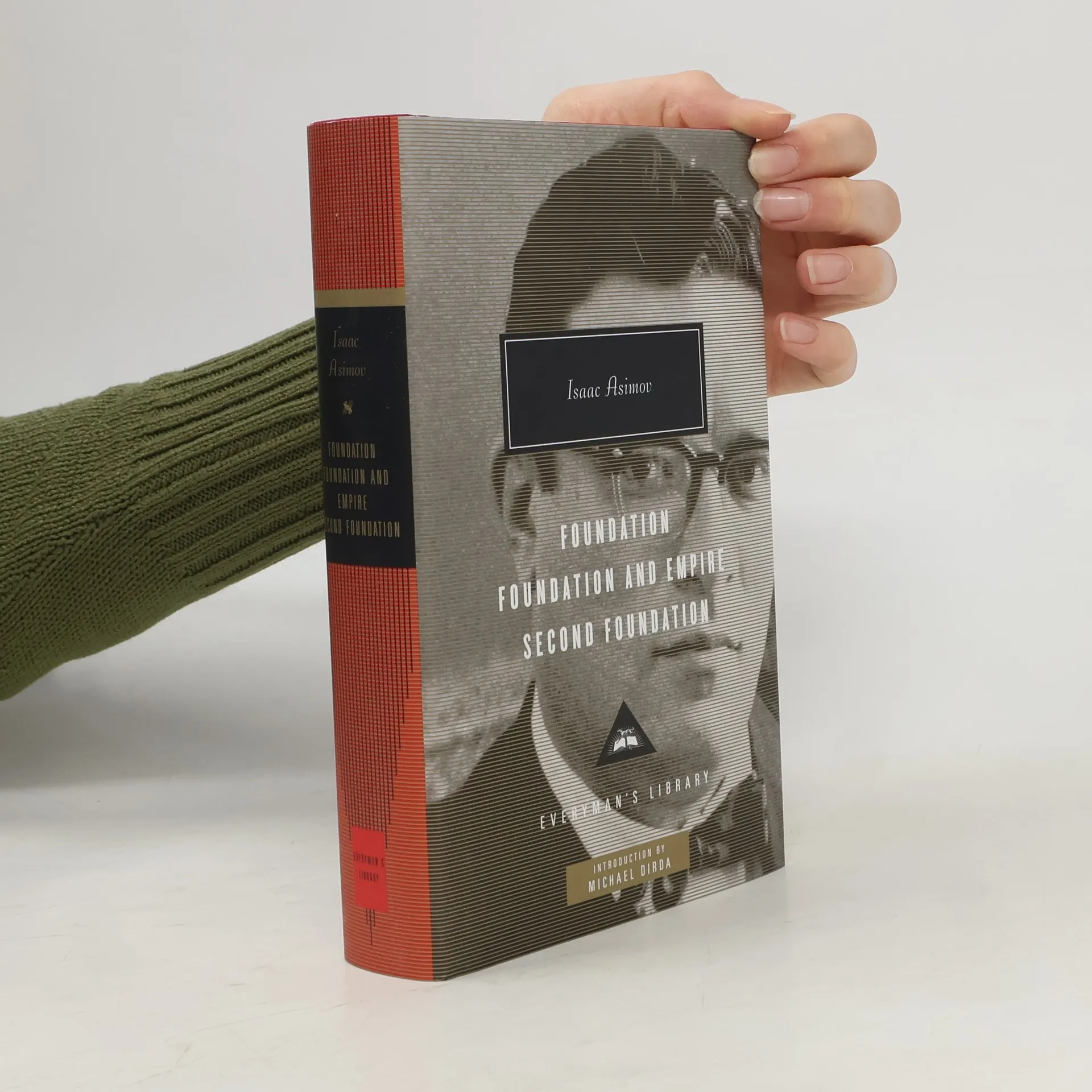
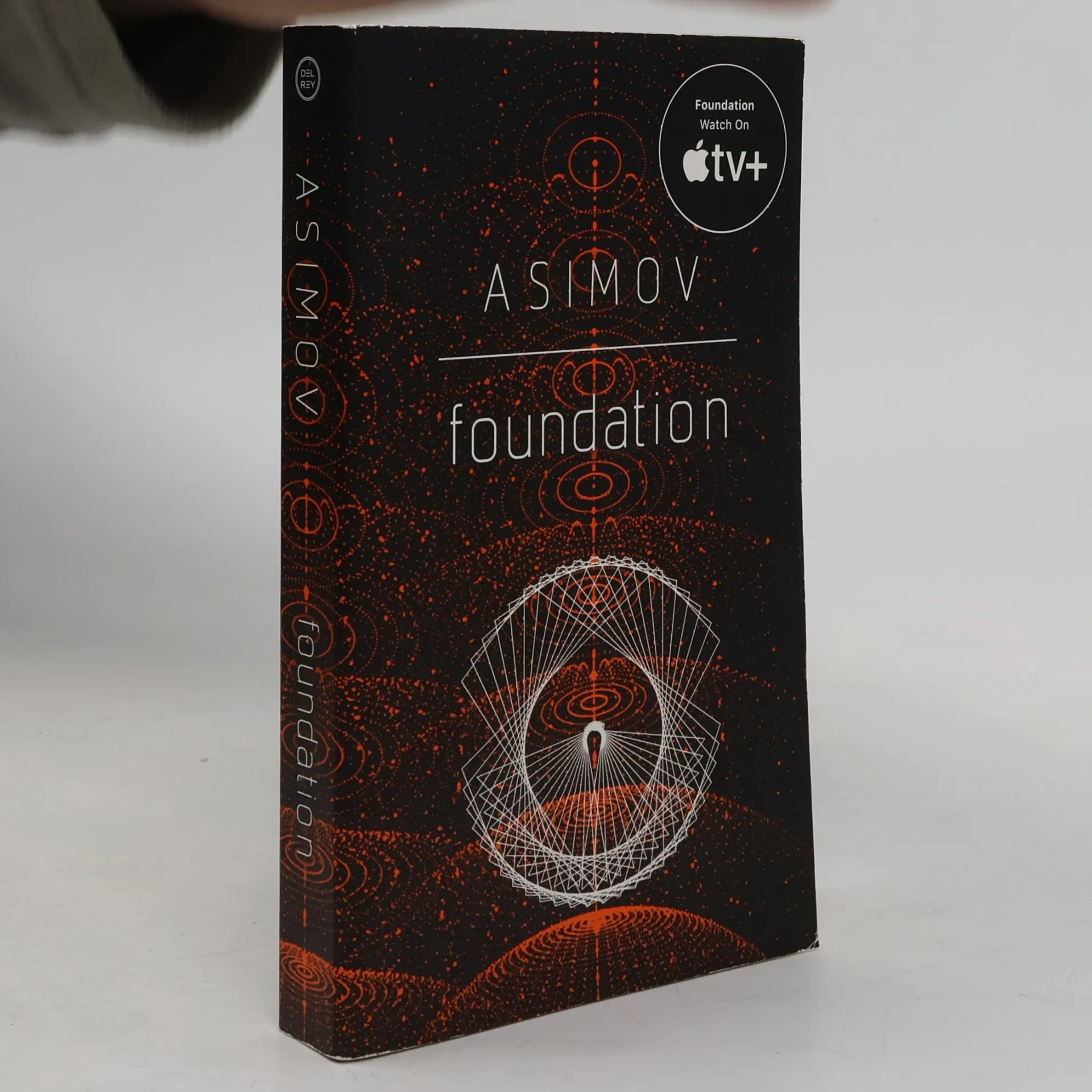
The first novel in Isaac Asimov’s classic science-fiction masterpiece, the Foundation series THE EPIC SAGA THAT INSPIRED THE APPLE TV+ SERIES FOUNDATION • Nominated as one of America’s best-loved novels by PBS’s The Great American Read For twelve thousand years the Galactic Empire has ruled supreme. Now it is dying. But only Hari Seldon, creator of the revolutionary science of psychohistory, can see into the future—to a dark age of ignorance, barbarism, and warfare that will last thirty thousand years. To preserve knowledge and save humankind, Seldon gathers the best minds in the Empire—both scientists and scholars—and brings them to a bleak planet at the edge of the galaxy to serve as a beacon of hope for future generations. He calls his sanctuary the Foundation. The Foundation novels of Isaac Asimov are among the most influential in the history of science fiction, celebrated for their unique blend of breathtaking action, daring ideas, and extensive worldbuilding. In Foundation, Asimov has written a timely and timeless novel of the best—and worst—that lies in humanity, and the power of even a few courageous souls to shine a light in a universe of darkness.
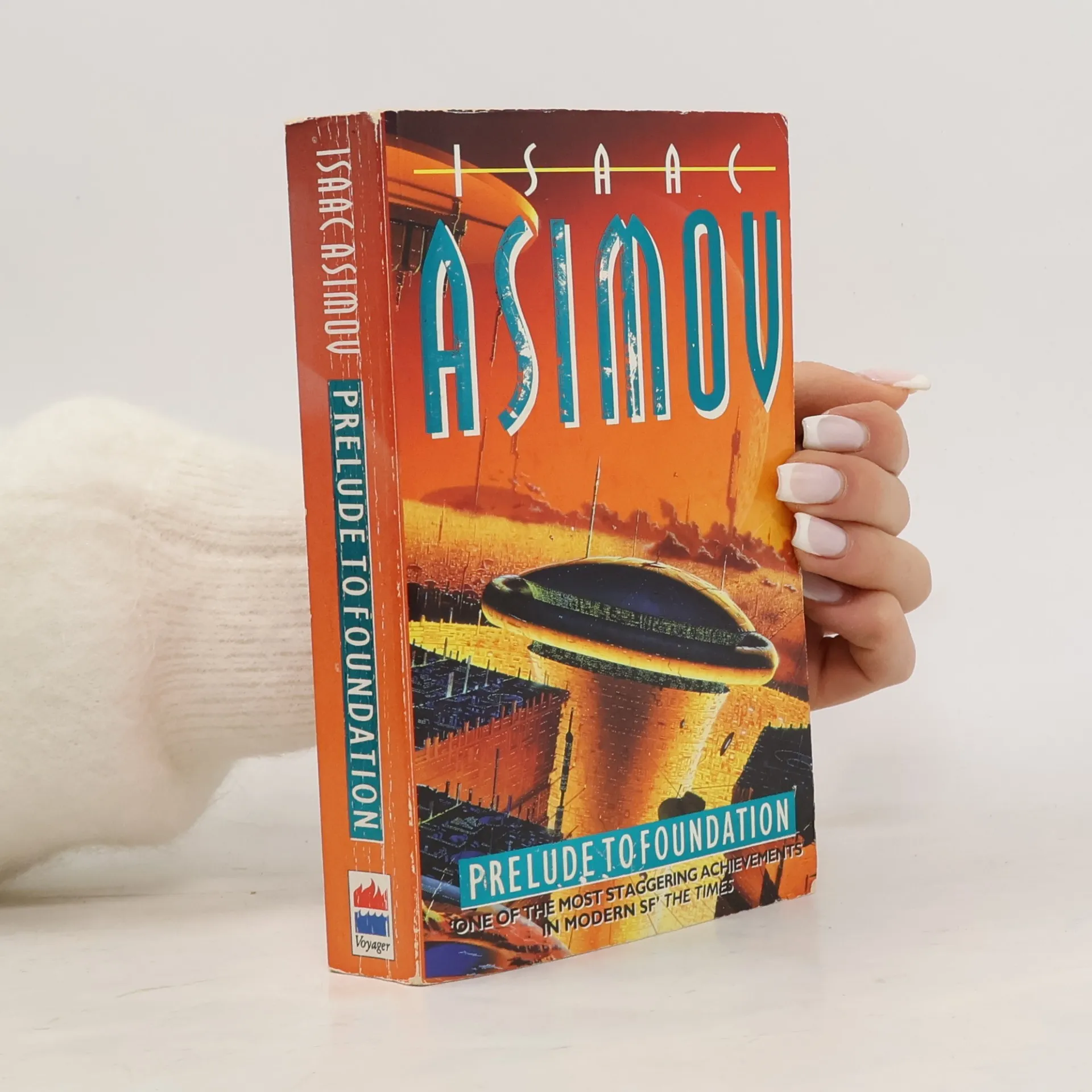
In PRELUDE TO FOUNDATION, what happed in the many centuries before the events made famous in Asimov's other Foundation novels - hitherto only hinted at - is now revealed.
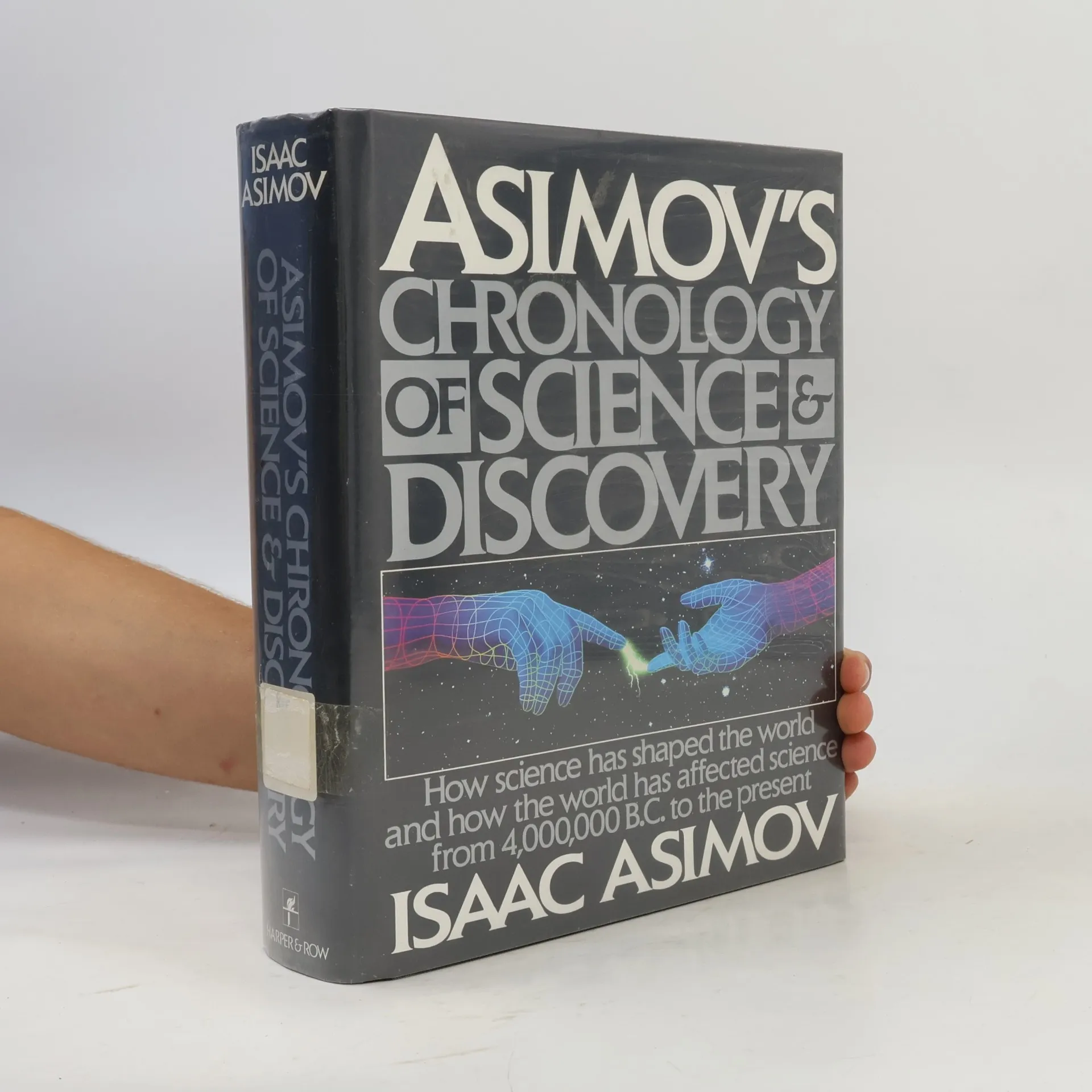
s/t: The Lives & Achievements of 1195 Great Scientists From Ancient Times To The Present, Chronologically Arranged
Short stories deal with underground cities, robot rulers, alien invasions, nuclear war, time travel, artificial life, telepathy, and space exploration
The second volume in an extraordinary collection published shortly after the author's death. In these twenty-three stories, Asimov's vivid awareness of the potential of technology is translated into human dilemmas.
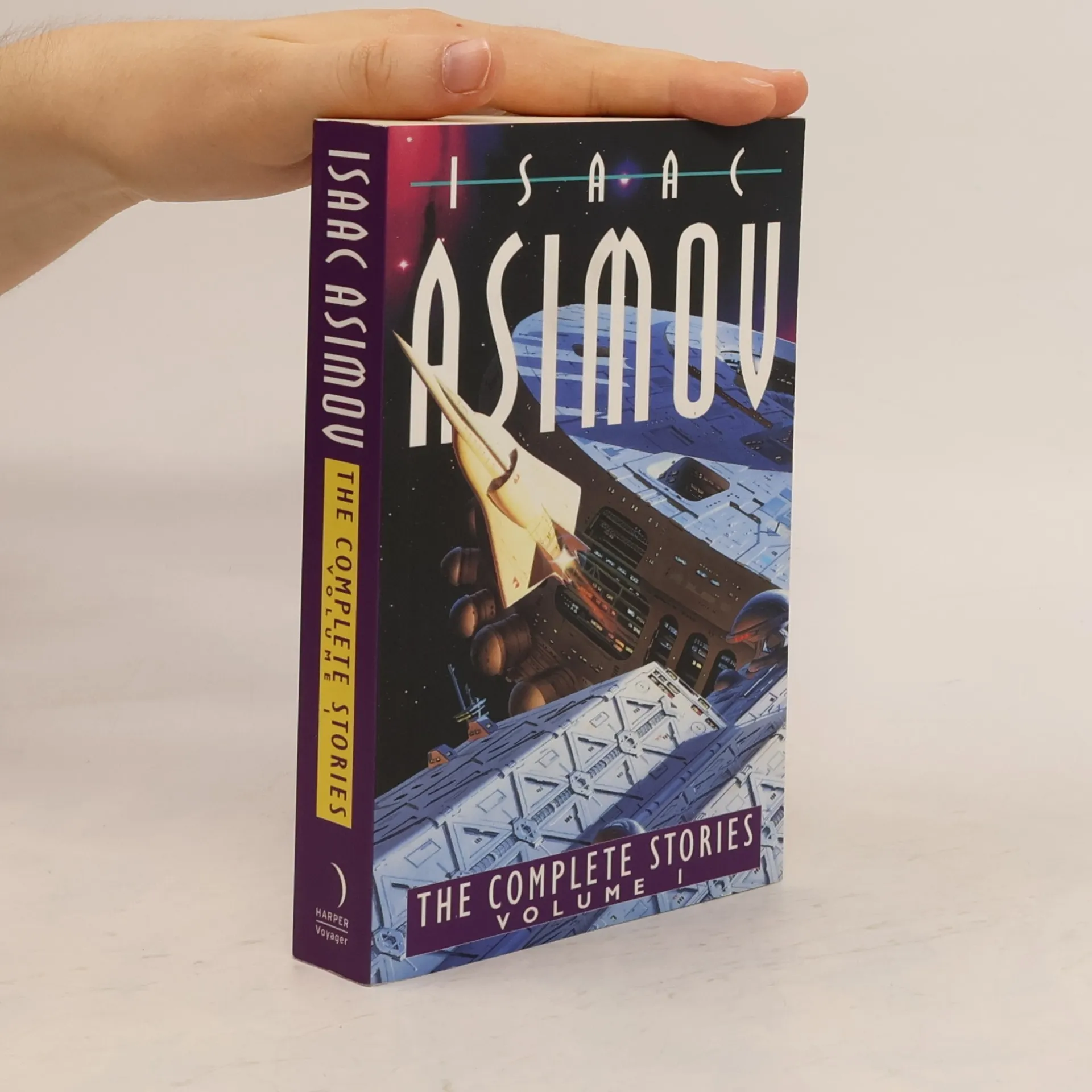
First published fifteen years ago, shortly after his death, inside this collection are some of the finest short stories of science fiction writing from one of the genre's greatest writers, Isaac Asimov. Isaac Asimov was the Grand Master of the Science Fiction Writers of America, the founder of robot ethics, and one of the world's most prolific authors of fiction and non-fiction. The Good Doctor's short fiction has been enjoyed by millions for more than half a century. Now the definitive Asimov collection is underway with Volume One of The Complete Stories. Many of these stories are classics of the genre, and the last, 'The Last Question', the absolute personal favourite of Asimov himself. Always entertaining and thought provoking, these stories display Asimov's mastery of the short story form. He remains supreme as the thinking person's science fiction writer.
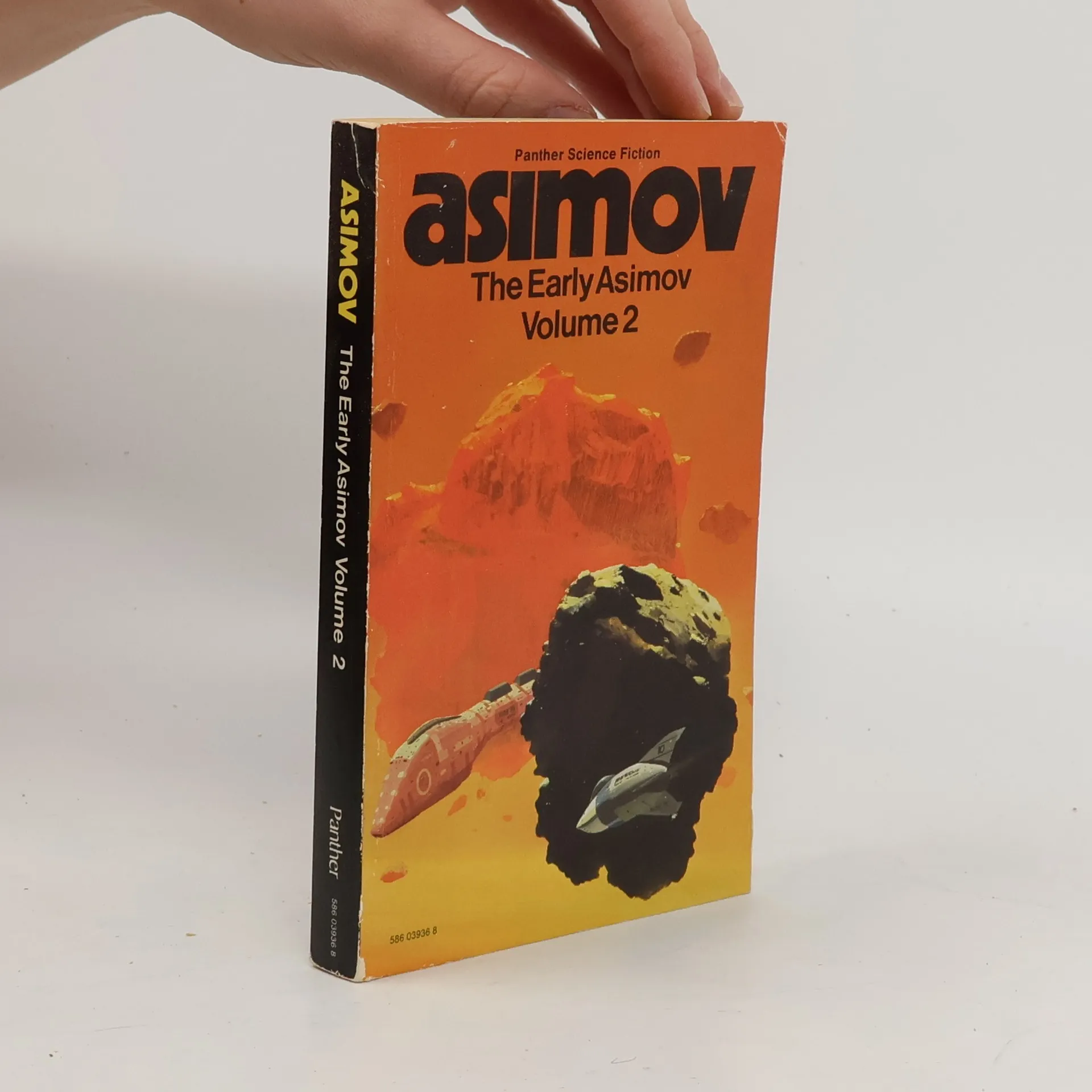
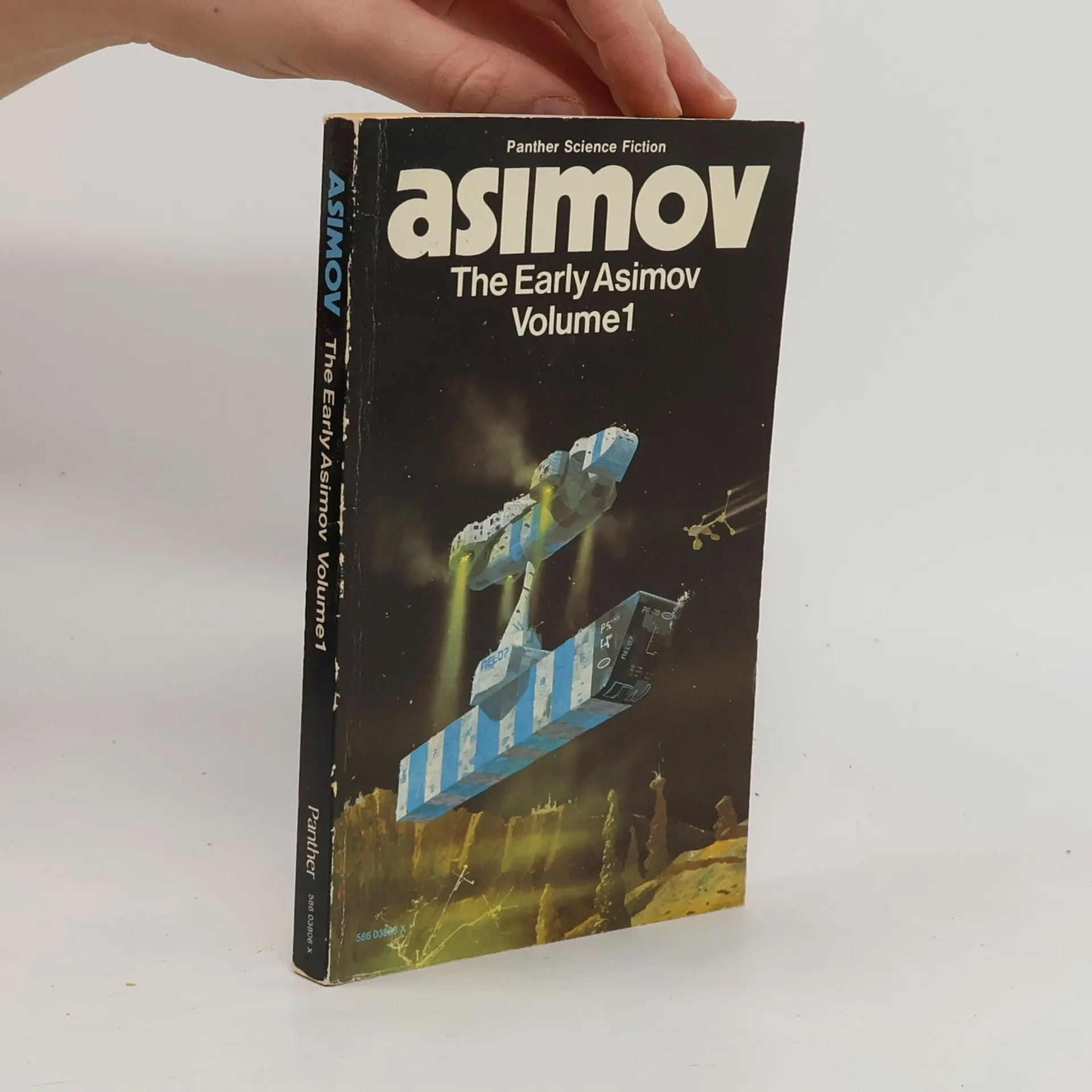
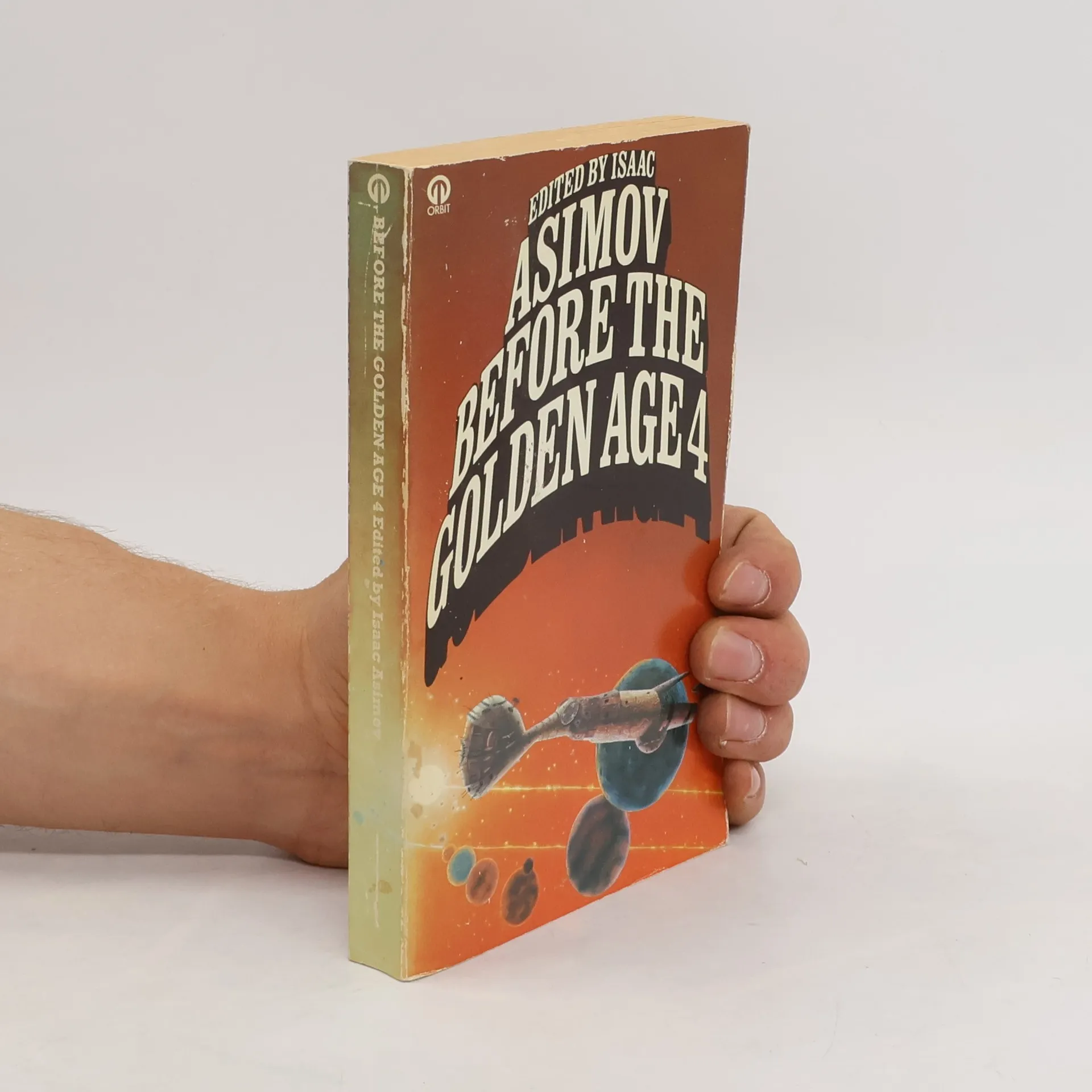
Isaac Asimov began his literary career as a science fiction writer, exclusively penning short stories for magazines during the first eleven years. The idea of publishing a book seemed far-fetched due to his inherent modesty. However, as he transitioned to writing books, he sought to compile the materials he had previously created for magazines. Between 1950 and 1969, he published ten collections. While this might seem sufficient, it did not satisfy the insatiable appetite of his readers. When publishers suggested he create a collection of stories that had not made it into those earlier volumes, accompanied by brief introductions, he could not refuse. This volume showcases Asimov's early works, reflecting his imaginative storytelling and the themes that would come to define his illustrious career in science fiction.
Stories deal with social planning, evolution, immortality, computers, sea farming, invaders, time travel, a tragic stowaway, androids, experiments, and war
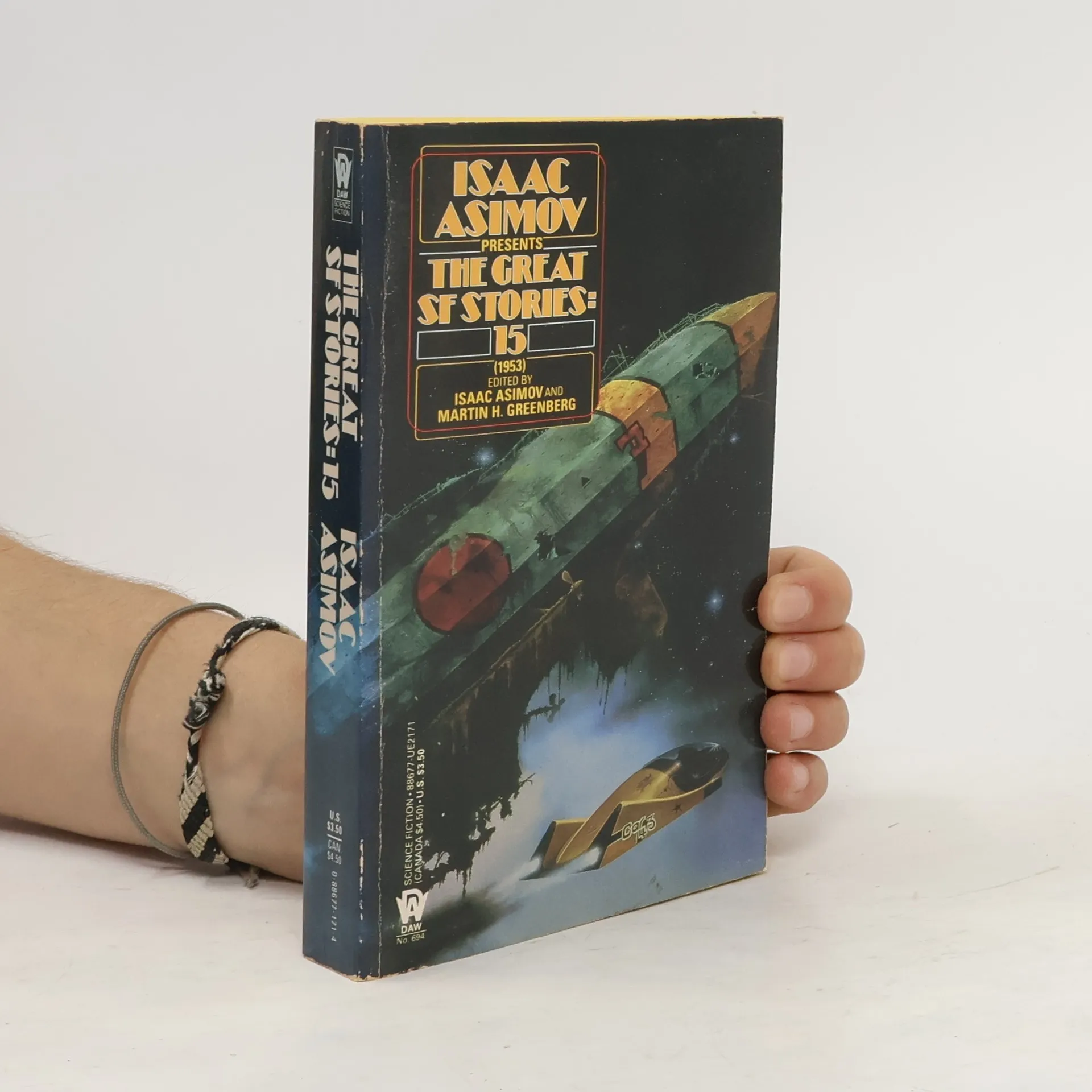
Contents:9 · 1955 Introduction · Martin H. Greenberg · in 13 · The Tunnel Under the World · Frederik Pohl · nv Galaxy Jan ’55 46 · The Darfsteller · Walter M. Miller, Jr. · na Astounding Jan ’55 112 · The Cave of Night · James E. Gunn · ss Galaxy Feb ’55 130 · Grandpa · James H. Schmitz · nv Astounding Feb ’55 153 · Who? · Theodore Sturgeon · nv Galaxy Mar ’55 187 · The Short Ones · Raymond E. Banks · nv F&SF Mar ’55 209 · Captive Market · Philip K. Dick · ss If Apr ’55 228 · Allamagoosa · Eric Frank Russell · ss Astounding May ’55 243 · The Vanishing American · Charles Beaumont · ss F&SF Aug ’55 254 · The Game of Rat and Dragon · Cordwainer Smith · ss Galaxy Oct ’55 270 · The Star [Star of Bethlehem] · Arthur C. Clarke · ss Infinity Science Fiction Nov ’55 277 · Nobody Bothers Gus [as by Paul Janvier] · Algis Budrys · ss Astounding Nov ’55 292 · Delenda Est [Manse Everard (Time Patrol)] · Poul Anderson · nv F&SF Dec ’55 333 · Dreaming Is a Private Thing · Isaac Asimov · ss F&SF Dec ’55
The complete collection of Isaac Asimov's classic Robot stories.
The Foundation trilogy is a saga of humaity's struggle against darkness played on the the grandest possible scale - is one of the corner-stones of modern science fiction. It is the story of the Galactic empire, crumbling after 12,000 years of rule, and the story of psycho-historian Hari Seldon, the only man who can see the horrors the future has in store..
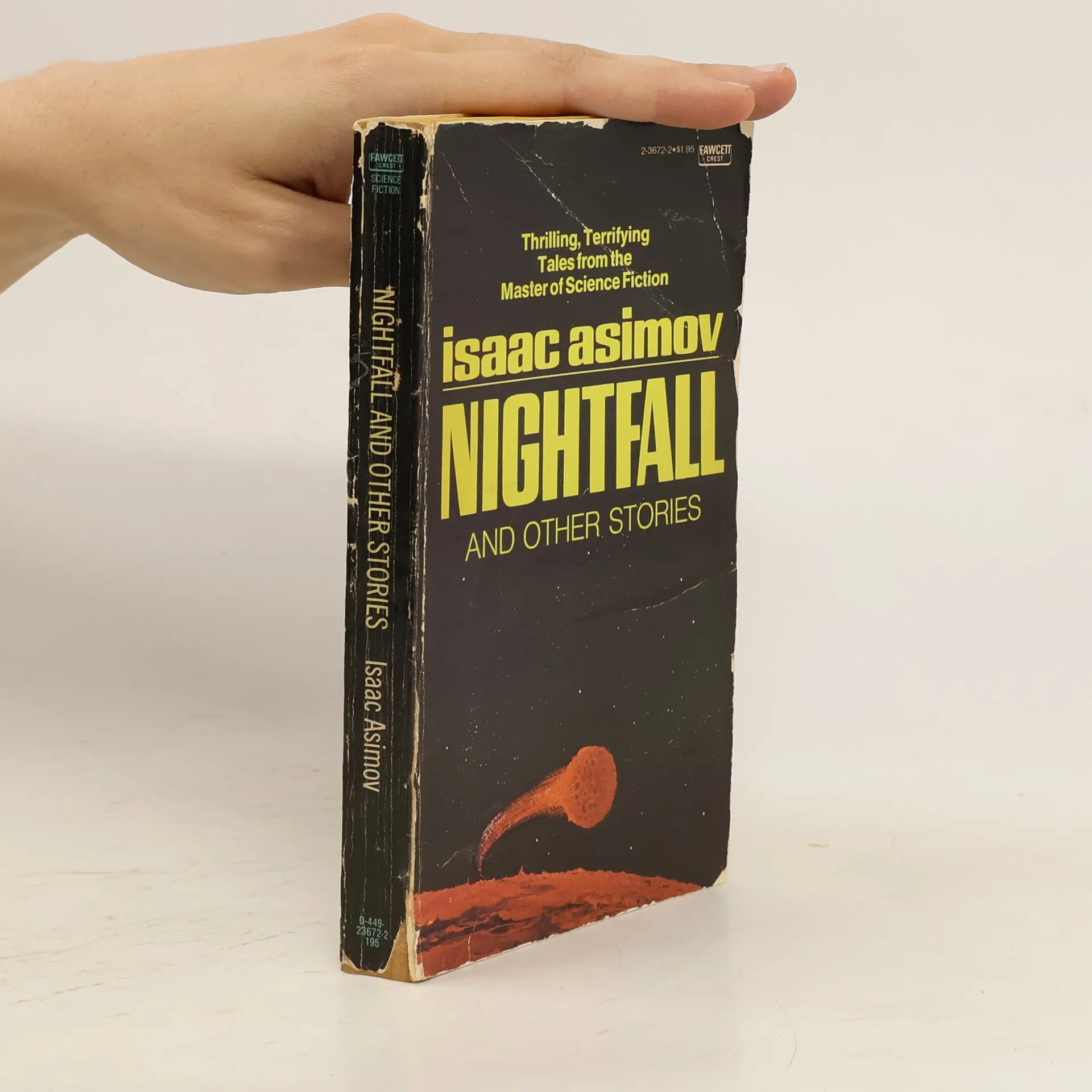
Contents: - Marooned Off Vesta (1939) - Nightfall (1941) - The C-Chute (1951) - The Martian Way (1952) - The Deep (1952) - The Fun They Had (1951) - The Last Question (1956) - The Dead Past (1956) - The Dying Night (1956) - Anniversary (1959) - The Billiard Ball (1967) - Mirror Image (1972)
Isaac Asimov began his literary career as a science fiction writer, focusing exclusively on short stories for magazines during the first eleven years. The idea of publishing a book seemed distant due to his inherent modesty. However, as he transitioned to writing books, he sought to compile materials previously created for magazines. Between 1950 and 1969, he published ten collections. While this might seem sufficient, it did not satisfy the insatiable appetite of his readers. When publishers suggested he create a collection of stories that did not fit into those earlier volumes, accompanied by brief introductions, he could not refuse. This collection showcases Asimov's early works, reflecting his imaginative storytelling and the themes that would define his career, offering readers a glimpse into the origins of his literary contributions to the science fiction genre.
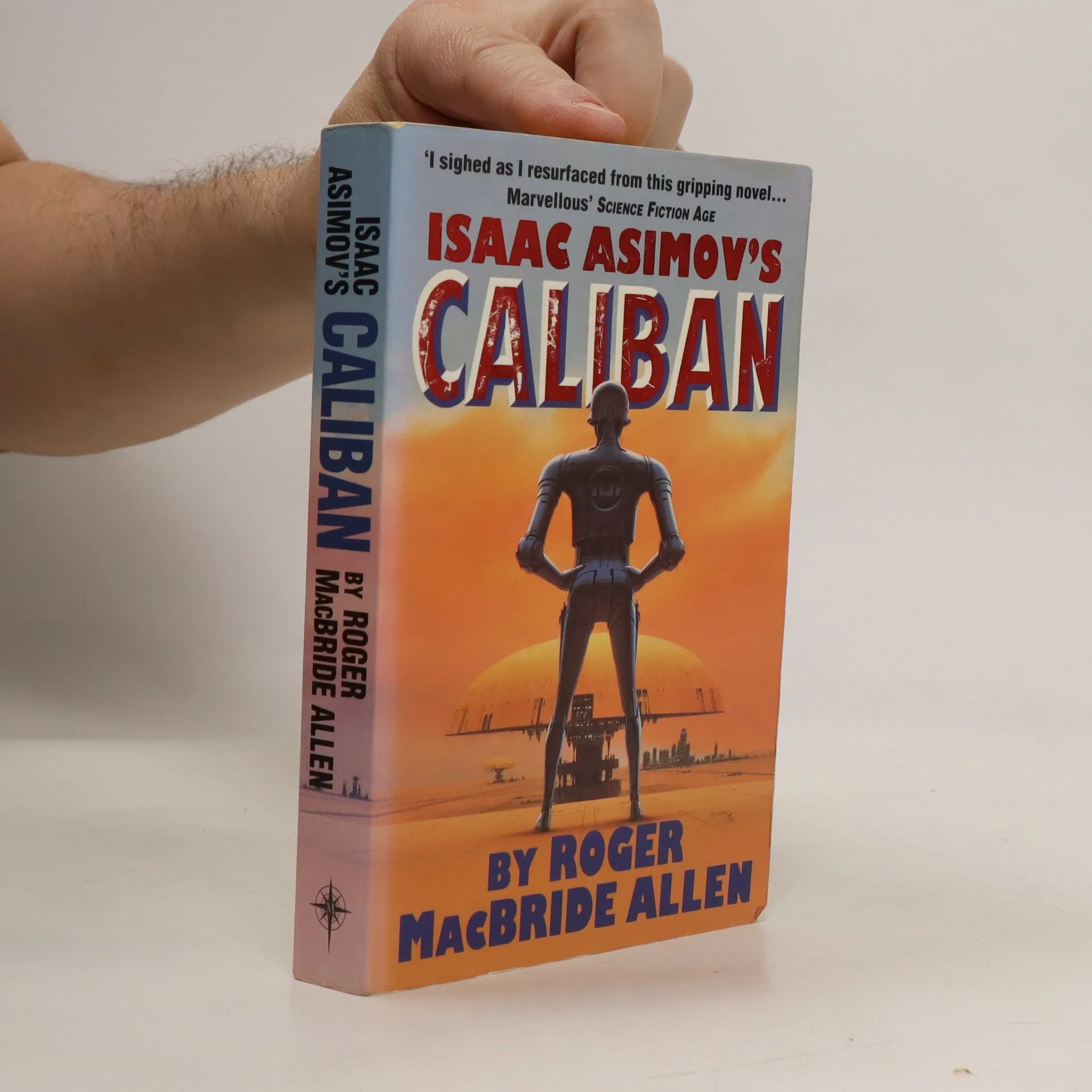
In a universe protected by the Three Laws of Robotics, humans are safe. The First Law states, A robot may not injure a human being, or, through inaction, allow a human being to come to harm. When an experiment with a new type of robot brain goes awry, the unthinkable happens. Caliban is created... A robot without guilt or conscience. A robot with no knowledge of or compassion for humanity. A robot without the Three Laws. Caliban is a searing examination of Asimov's Three Laws of Robotics, a challenge welcomed and sanctioned by Isaac Asimov, the late beloved genius of science fiction, and written with his cooperation by one of today's hottest talents, Roger MacBride Allen, New York Times bestselling author of Ambush at Corella, The Modular Man, and The Ring of Charon.
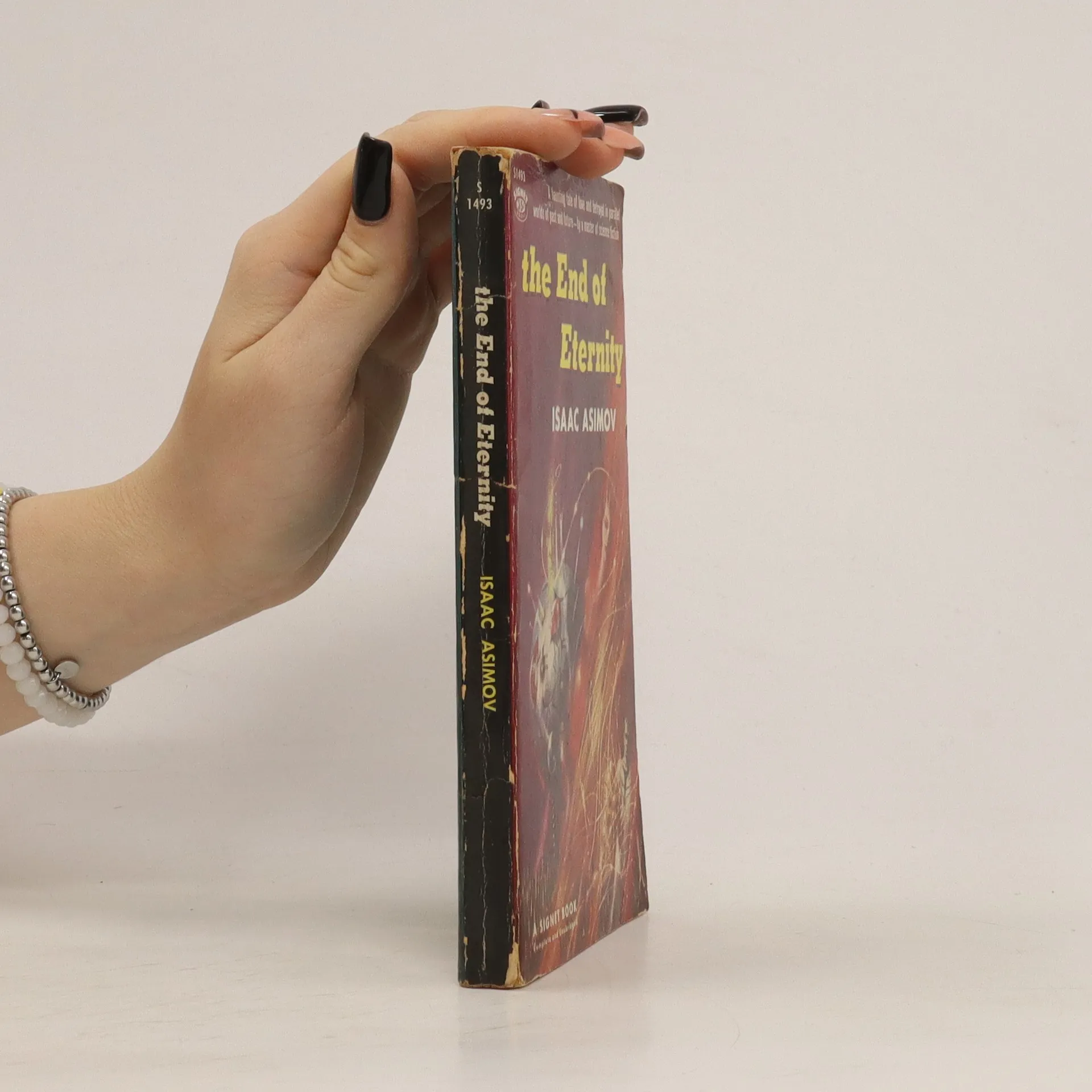
Andrew Harlan, one of the operatives who help control human history, breaks the rules to help Noys Lambent, the woman he loves, escape a reality change
Isaac Asimov gives an explanation of living cells and the chemistry of life; evolution and the family tree of the animal world; human behavior and the human brain.
This anthology contains:Don't Look Now by Henry KuttnerRedhead by John D. MacDonaldKnock by Fredric BrownHe Walked Around the Horses by H. Beam PiperThe Strange Case of John Kingman by Murray LeinsterThat Only a Mother by Judith MerrilThe Monster Dormant by A.E. Van VogtDreams are Sacred by Peter PhillipsMars is Heaven by Ray BradburyThang by Martin GardnerBrooklyn Project by William TennPeriod Piece by J.J. CouplingIn Hiding by Wilmar H. Shirasand Late Night Final by Eric Frank Russell.
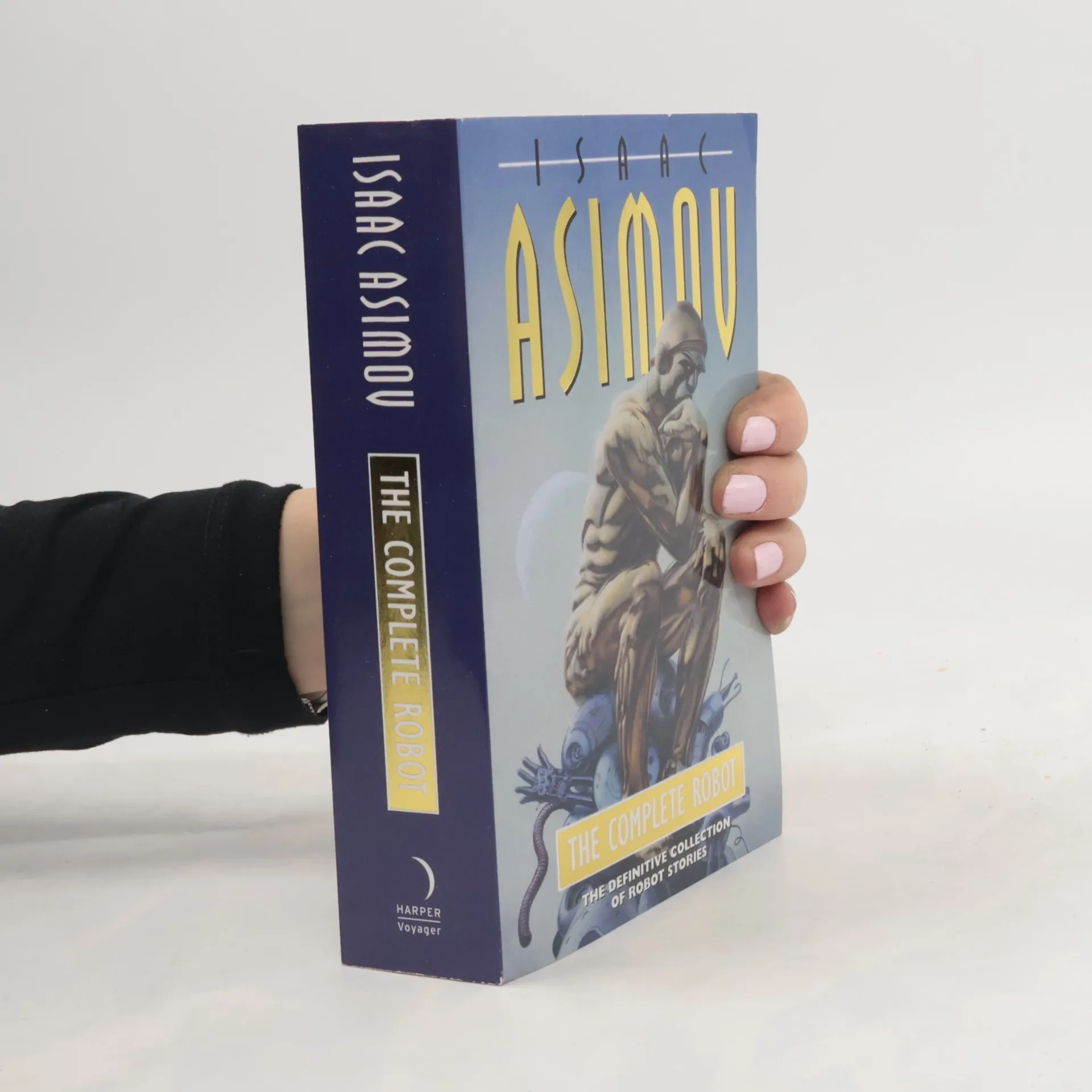
From Isaac Asimov, the Hugo Award-winning Grand Master of Science Fiction, comes five decades of robot visions: thirty-four landmark stories and essays—including three rare tales—gathered together in one volume. Meet all of Asimov’s most famous creations including: Robbie, the very first robot that his imagination brought to life; Susan Calvin, the original robot psychologist; Stephen Byerley, the humanoid robot; and the famous human/robot detective team of Lije Bailey and R. Daneel Olivaw, who have appeared in such bestselling novels as The Robots of Dawn and Robots and Empire. Let the master himself guide you through the key moments in the fictional history of robot-human relations—from the most primitive computers and mobile machines to the first robot to become a man. “It’s good to have Isaac’s classic robot stories, and his commentary on them, in one handsome volume.”—Arthur C. Clarke
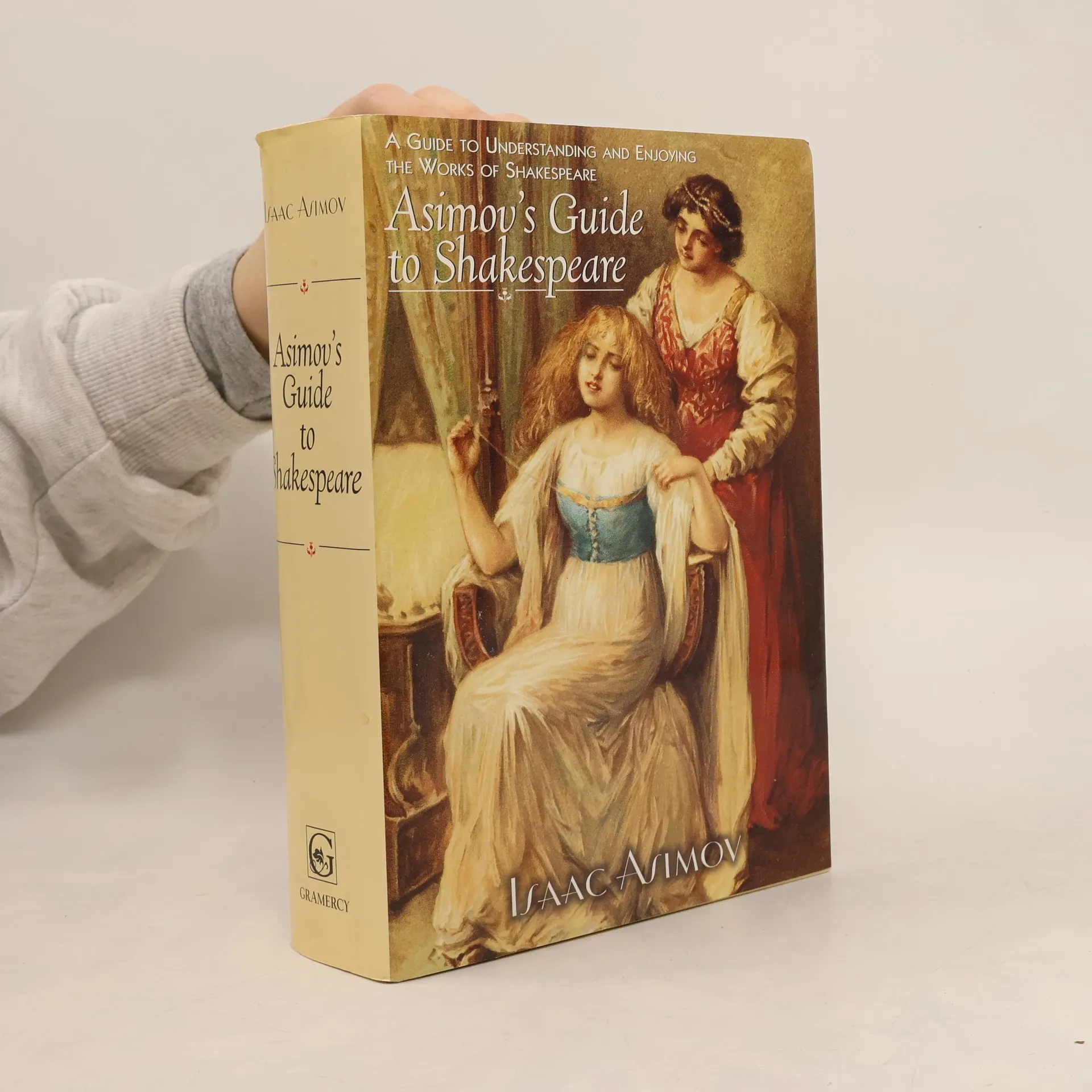
Highly respected and widely read author Isaac Asimov offers a fresh, easy-to-read approach to understanding the greatest writer of all time.Designed to provide the modern reader with a working knowledge of topics pertinent to Shakespeare's audience, this book explores, scene-by-scene, thirty-eight plays and two narrative poems, including their mythological, historical and geographical roots.
Tells the stories behind the science - the men and women who made the important discoveries and how they did it. Ranging from Galilei, Achimedes, Newton and Einstein, this title takes the complex concepts.
This anthology contains:A Logic Named Joe by Will F. JenkinsMemorial; Mewhu's Jet by Theodore SturgeonLoophole; Rescue Party; and Technical Error by Arthur C. ClarkeThe Nightmare by Chan DavisPlacet is a Crazy Place by Fredric BrownConqueror's Isle by Nelson S. BondLorelei of the Red Mist by Ray Bradbury and Leigh BrackettThe Million Year Picnic by Ray BradburyThe Last Objective by Paul A. CarterMeihem in Ce Klasrum by Dolton EdwardsVintage Season by Lawrence O' DonnellAbsalom by Henry KuttnerEvidence by Isaac Asimov
A collection of some of the greatest science fiction tales features Fred Saberhagen's "Berserker" series, John Brunner's "The Totally Rich," and other tales. Reprint.
Another excellent volume in this unique, ongoing series which, year by year, provides a fascinating overview of both society's and the science fiction community's ever shifting hopes, concerns, and fears about the future. Authors include Fritz Leiber, Poul Anderson, Gordon R. Dickson, Theodore Sturgeon, and others.
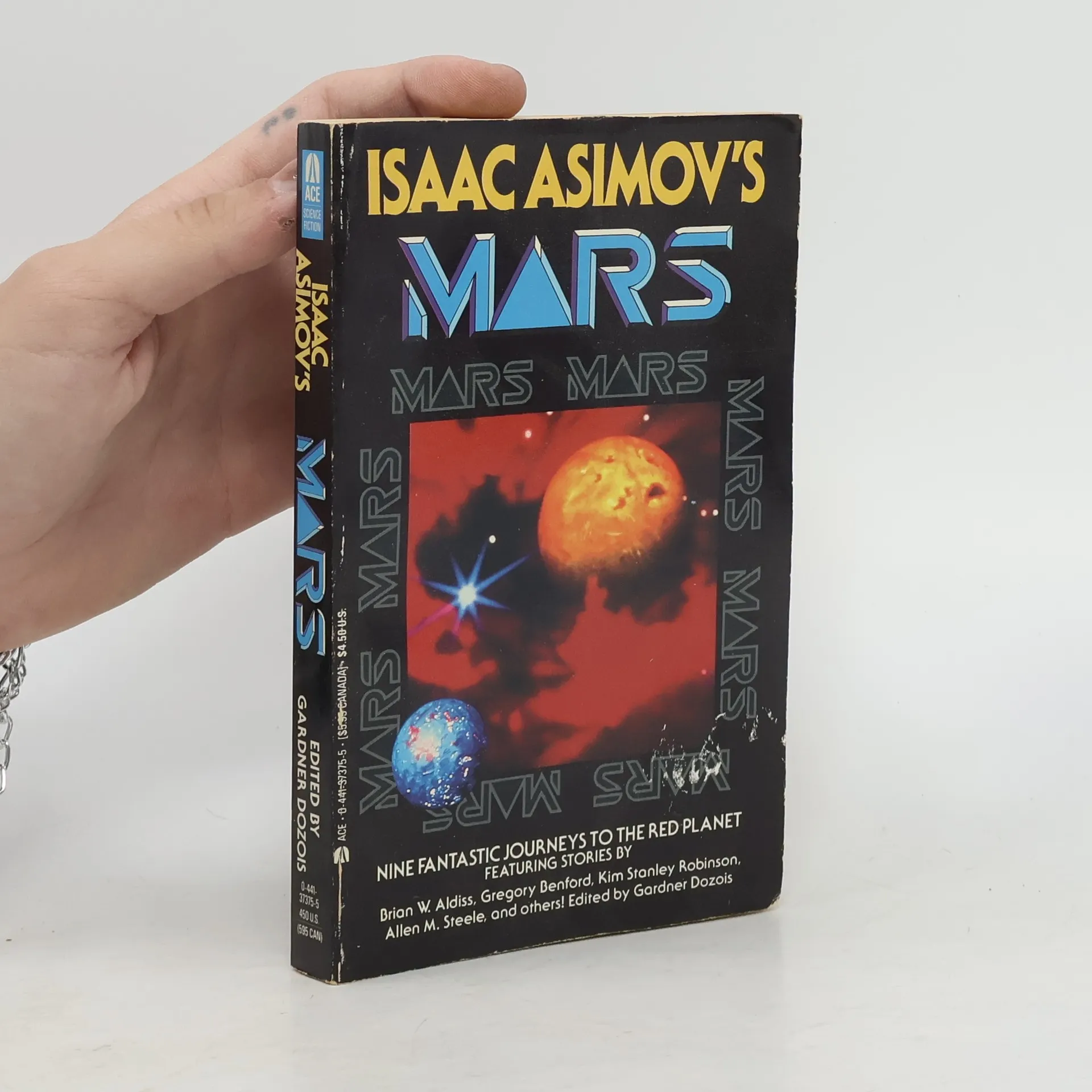
Contents 1 • Live from the Mars Hotel • [Near Space] • (1988) • shortstory by Allen Steele21 • The Difficulties Involved in Photographing Nix Olympica • (1986) • shortstory by Brian W. Aldiss39 • Windwagon Smith and the Martians • (1989) • shortstory by Lawrence Watt-Evans55 • Retrovision • (1988) • shortstory by Robert Frazier69 • The Great Martian Railroad Race • (1988) • shortstory by Eric Vinicoff87 • All the Beer on Mars • (1989) • shortstory by Gregory Benford107 • The Catharine Wheel • (1984) • novelette by Ian McDonald (aka The Catharine Wheel (Our Lady of Tharsis))129 • Mars Needs Beatniks • (1984) • shortstory by George Alec Effinger145 • Green Mars • (1985) • novella by Kim Stanley Robinson
Contents:9 · 1954 Introduction · Martin H. Greenberg · in 13 · The Test · Richard Matheson · ss F&SF Nov ’54 34 · Anachron · Damon Knight · ss If Jan ’54 54 · Black Charlie · Gordon R. Dickson · ss Galaxy Apr ’54 72 · Down Among the Dead Men · William Tenn · nv Galaxy Jun ’54 100 · The Hunting Lodge · Randall Garrett · nv Astounding Jul ’54 138 · The Lysenko Maze · Donald A. Wollheim · ss F&SF Jul ’54 151 · Fondly Fahrenheit · Alfred Bester · nv F&SF Aug ’54 174 · The Cold Equations · Tom Godwin · nv Astounding Aug ’54 203 · Letters from Laura · Mildred Clingerman · ss F&SF Oct ’54 211 · Transformer · Chad Oliver · ss F&SF Nov ’54 227 · The Music Master of Babylon · Edgar Pangborn · nv Galaxy Nov ’54 258 · The End of Summer · Algis Budrys · nv Astounding Nov ’54 289 · The Father-Thing · Philip K. Dick · ss F&SF Dec ’54 304 · The Deep Range · Arthur C. Clarke · ss Star Science Fiction Stories #3, ed. Frederik Pohl, Ballantine, 1954 315 · Balaam · Anthony Boucher · ss 9 Tales of Space and Time, ed. Raymond J. Healey, Holt, 1954 332 · Man of Parts · Horace L. Gold · ss 9 Tales of Space and Time, ed. Raymond J. Healey, Holt, 1954 349 · Answer · Fredric Brown · vi Angels and Spaceships, Dutton, 1954
A Science Fiction Anthology of the 1930s
A Science Fiction Anthology of the 1930s, vol 4 of 4Contents* He Who Shrank / Henry Hasse;* The Human Pets of Mars / Leslie Frances Stone;* The Brain Stealers of Mars / John W. Campbell Jr.;* Devolution / Edmond Hamilton;* Big Game / Isaac Asimov, [Written 11/18/41];* Other Eyes Watching / John W. Campbell Jr.;* Minus Planet / John D. Clark,;* Past, Present, and Future / Nat Schachner;* The Men and the Mirror / Ross Rocklynne.Originally 26 stories published in one hardcover volume.
Multivac, the gigantic computer that controls the entire world and can even predict the probabilities of potential crimes before they happen, suddenly announces that someone is plotting to destroy Multivac.
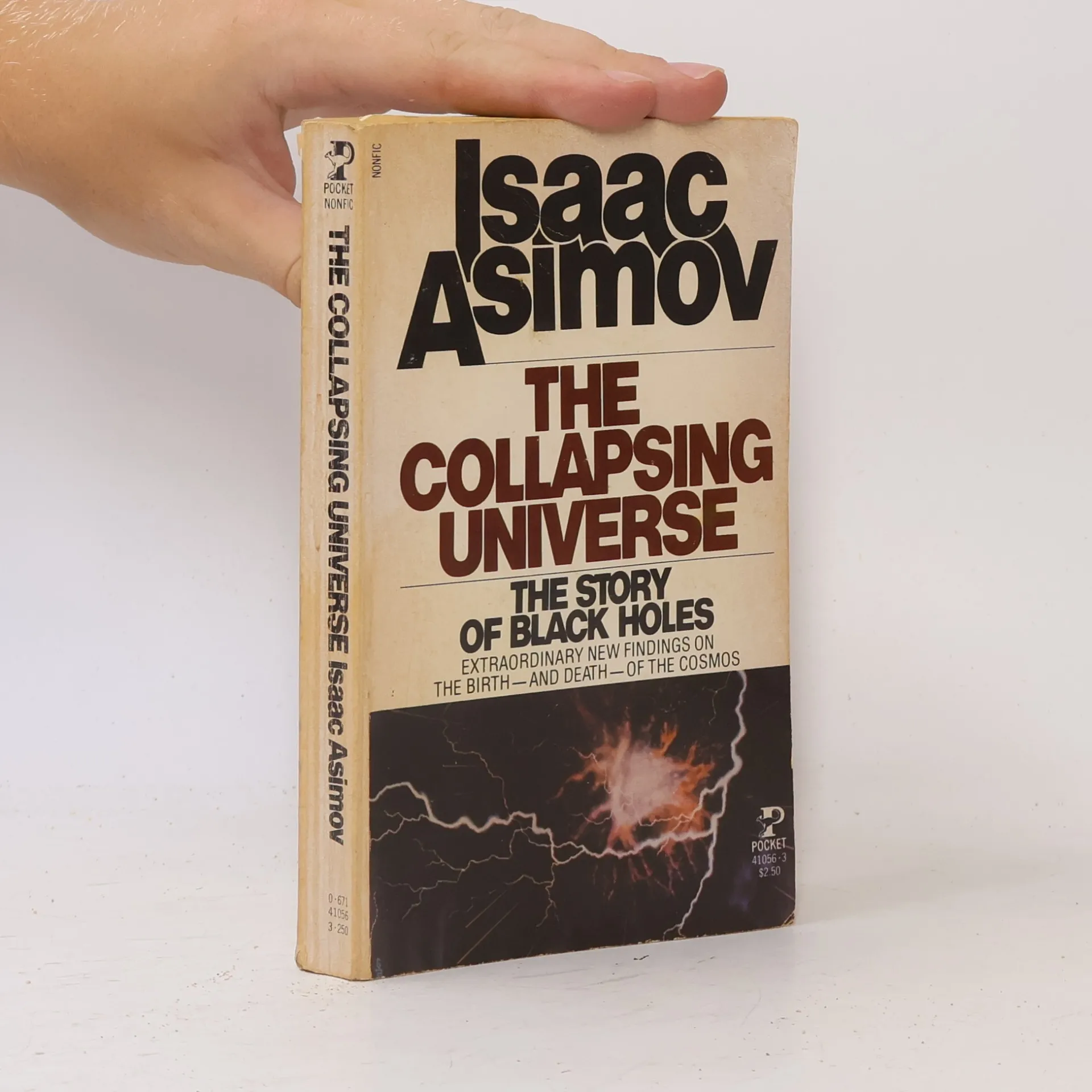
The Story of Black Holes: Extraordinary New Findings on the Birth—and Death—of the Cosmos
Was the mysterious 30-megaton blast that flattened a Siberian forest in 1908 actually caused by a small black hole? Does matter drawn into a black hole reappear out the 'other side' as anti-matter, a sort of mirror-image of the universe as we know it? Could back holes explain the 'Big Bang'? Does their existence raise the possibility that matter can move faster than the speed of light? The noted scientist and science fiction author explores the exciting implications of black holes, taking the reader on an engaging tour from the atom's innermost core to the outermost reaches of the universe.
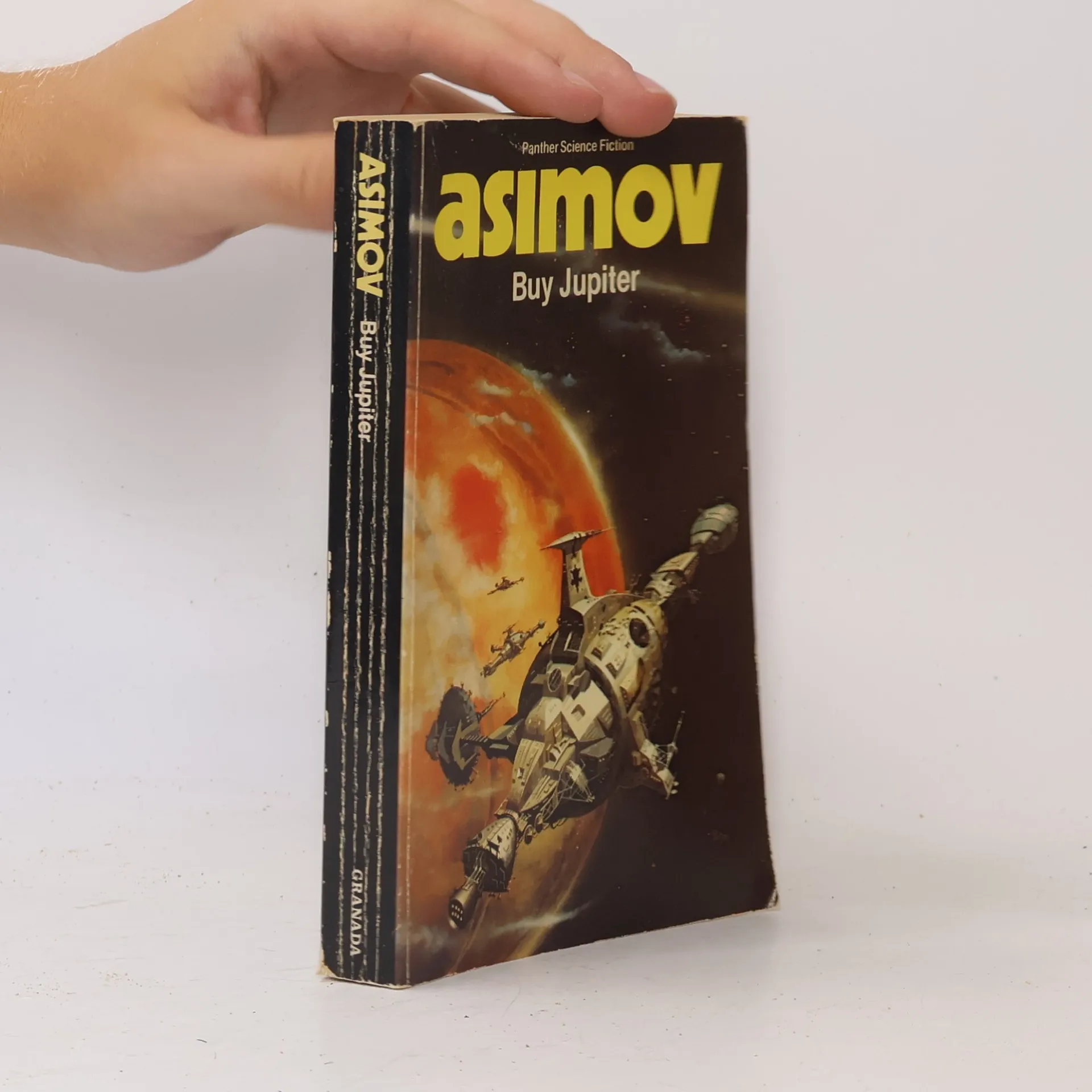
From backyard miracles to cosmic conundrums, enter the incredible world of Isaac Asimov. Spanning twenty-three years of Asimov's amazing career, these stories display to the full the exhilarating power of one of science fiction's most astonishing writers. Each tale is accompanied by Asimov's own intriguing account of how and why it came to be written.Contents:• Darwinian Pool Room • (1950)• Day of the Hunters • (1950)• Shah Guido G. • (1951)• Button, Button • (1953)• The Monkey's Finger • (1953)• Everest • (1953)• The Pause • (1954)• Let's Not • (1954)• Each an Explorer • (1956)• Blank! • (1957)• Does a Bee Care? • (1957)• Silly Asses • (1958) • Buy Jupiter • (1976)• A Statue for Father • (1959)• Rain, Rain, Go Away • (1959)• Founding Father • (1965)• Exile to Hell • (1968)• Key Item • [Multivac] • (1968)• The Proper Study • (1968)• 2430 A.D. • (1970)• The Greatest Asset • (1972)• Take a Match • (1972)• Thiotimoline to the Stars • [Thiotimoline 4] • (1973)• Light Verse • (1973)
Eighteen stories edited by the master of science-fiction, Isaac Asimov: "No Life of Their Own" by Clifford D. Simak"The Accountant" by Robert Sheckley"Novice" by James M. Schmitz "Child of Void" by Margaret St. Claire "When the Bough Breaks" by Lewis Padgett "A Pail of Air" by Fritz Leiber "Junior Achievement" by William Lee "Cabin Boy" by Damon Knight "The Little Terror" by Will F. Jenkins "Gilead" by Zenna Henderson "The Menace From Earth" by Robert Heinlein "The Wayward Cravat" by Gertrude Friedberg "The Father-Thing" by Philip K. Dick "Star Bright" by Mark Clifton "All in a Summer Day" by Ray Bradbury "It's a Good Life" by Jerome Bixby "The Place of the Gods" by Stephen Vincent Benet "The Ugly Little Boy" by Isaac Asimov
Good reading copy. Some wear from normal use and age.
An anthology of science fiction tales from 1958 features works by Robert Silverberg, Poul Anderson, Brian Aldiss, C.M. Kornbluth, and Clifford Simak, among others
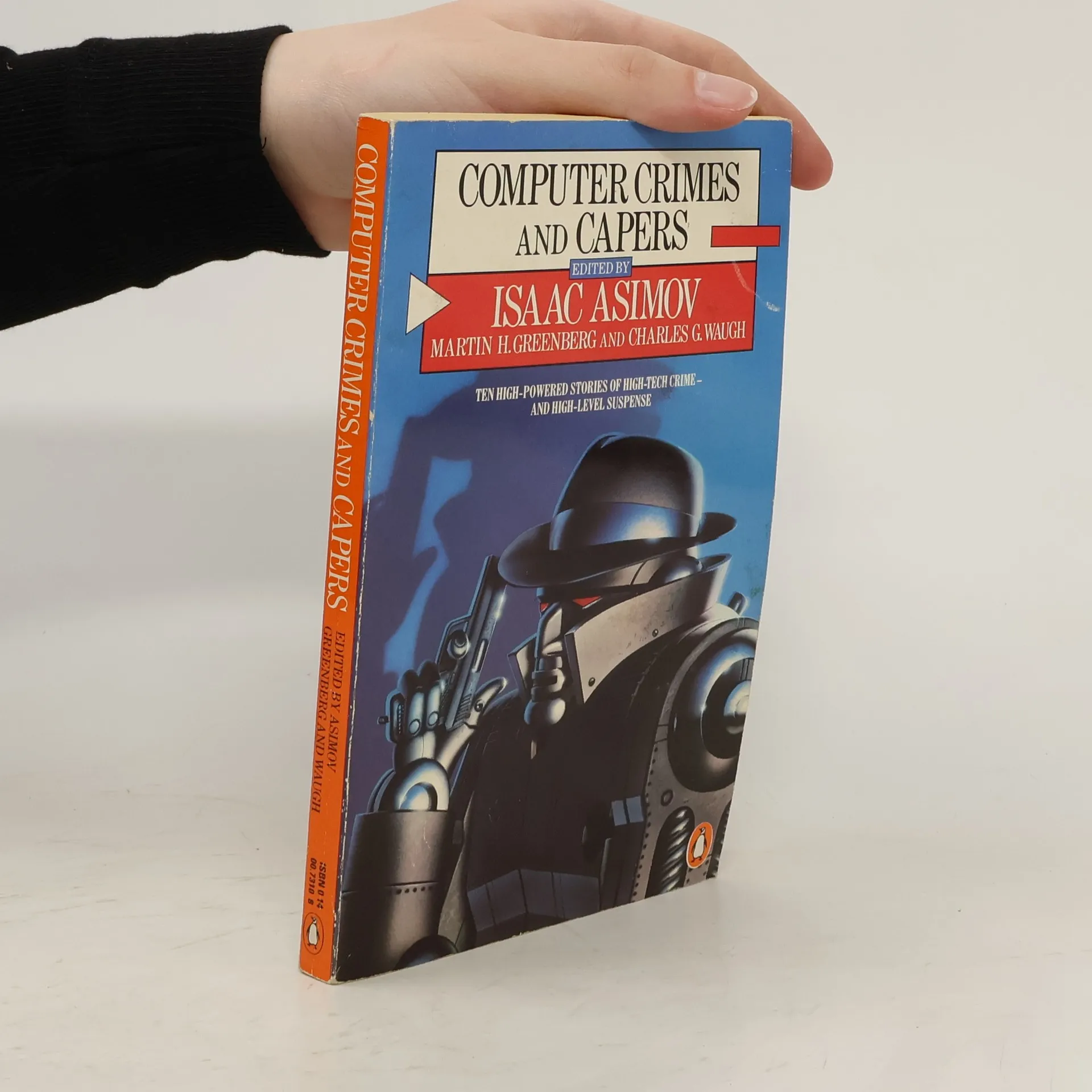
In these stories computers appear as both the abused and as abusers. Among the writers represented are Robert Silverberg, Joe Cores, Edward Wellen, Edward Hoch, Gordon R. Dickson, Stan Dryer, J.T. Mcintosh and Isaac Asimov.
This anthology contains:The Witches of Karres by James H. SchmitzFlaw by John D. MacDonaldManna by Peter PhillipsPrivate Eye by Lewis Padgett (Henry Kuttner and C.L. Moore)Cold War by Henry KuttnerAlien Earth by Edmond HamiltonHistory Lesson by Arthur C. ClarkeEternity Lost by Clifford D. SimakPrivate - Keep Out by Philip MacDonaldThe Hurkle is a Happy Beast by Theodore SturgeonKaleidoscope by Ray BradburyDefense Mechanism by Katherine MacLeanand The Red Queen's Race by Isaac Asimov.
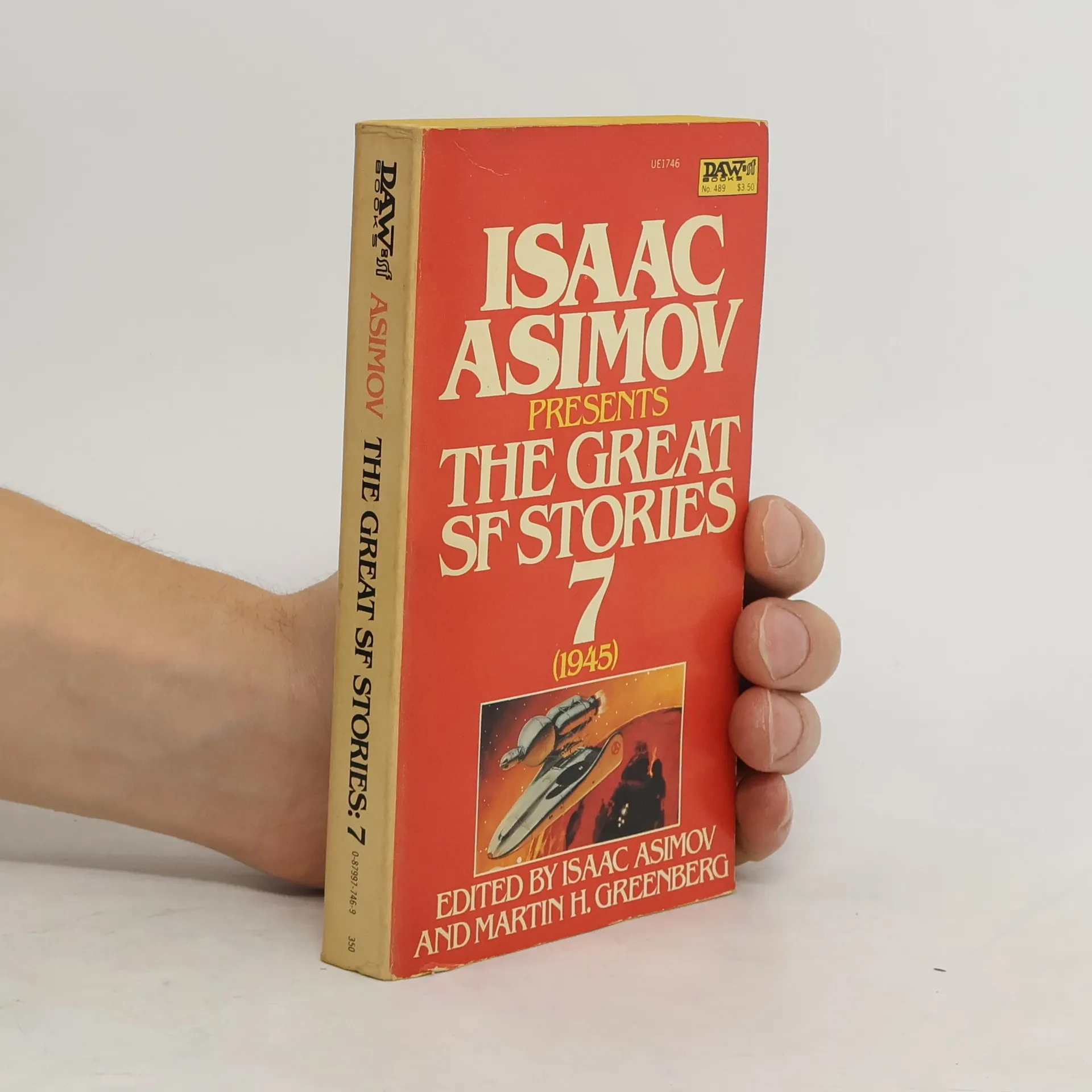
1945-a momentous year: January 9, U.S. forces invade the Philippines; February 13, Dresden firebombed; Iwo Jima falls March 16; F.D.R. dead on April 12; Hitler, April 30. And on August 6, the Enola Gay dropped an atomic bomb on Hiroshima, altering the fate of humanity. And most certainly altering the face of science fiction. Stories of dramatic mutations, "outsiders," aliens, superhumans, were in high gear and the tremendous transition of the times was reflected in powerful stories by Fritz Leiber, Leigh Brackett, Fredric Brown, Lester del Rey, Henry Kuttner, A. Bertram Chandler, Isaac Asimov and more. The world was expanding at a rapid rate, but no more quickly than the world of science fiction!
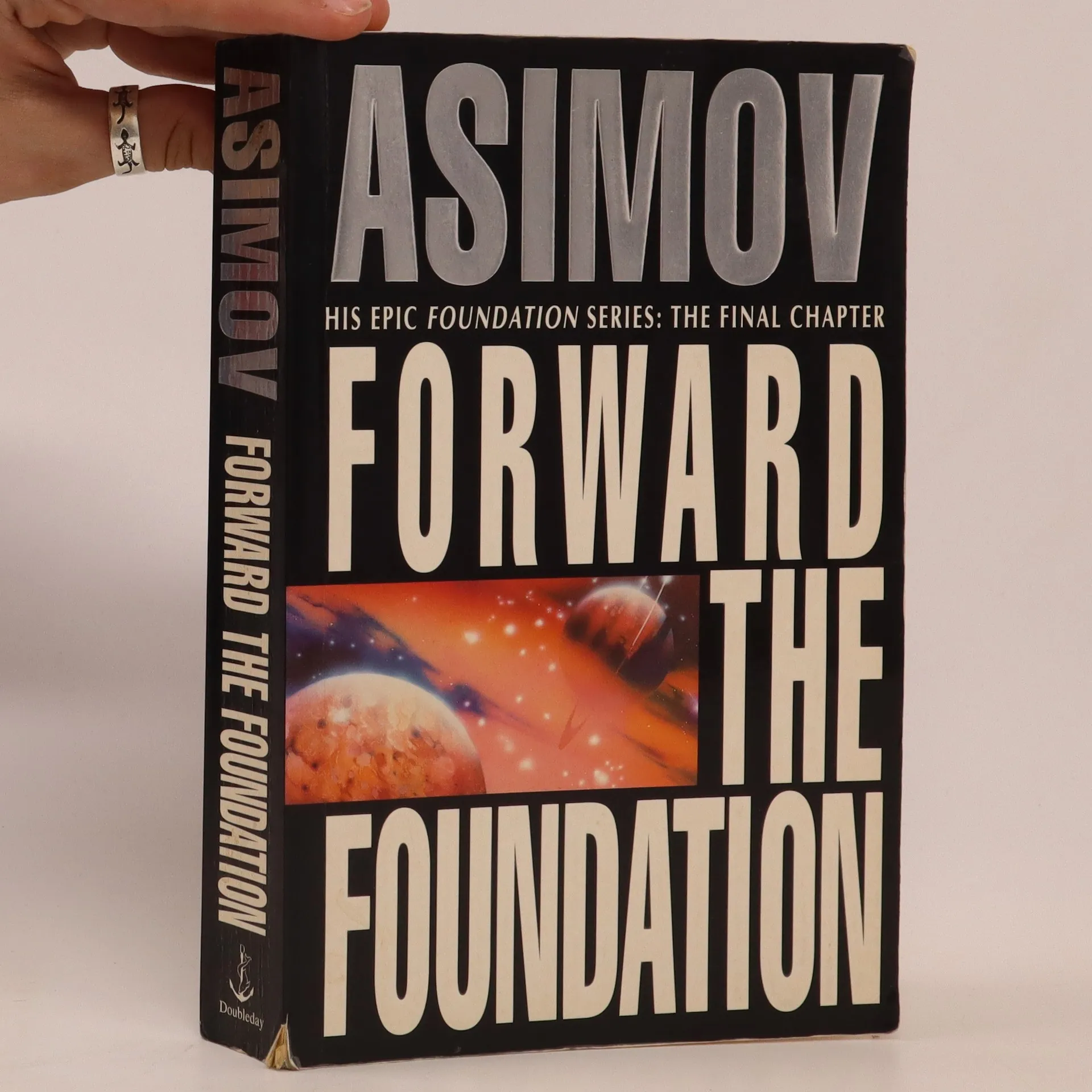
For use in schools and libraries only. In the final novel of the "Foundation" series, Hari Seldon struggles to perfect his revolutionary theory of psychohistory while the great Galactic Empire totters on the brink of apocalyptic collapse.
Featuring an extensive anthology of one hundred stories, this collection showcases over three hundred thousand words from renowned authors in science fiction, fantasy, and horror. Readers can immerse themselves in a diverse range of narratives, offering hours of captivating entertainment and a glimpse into the imaginative realms crafted by some of the genre's greatest writers.
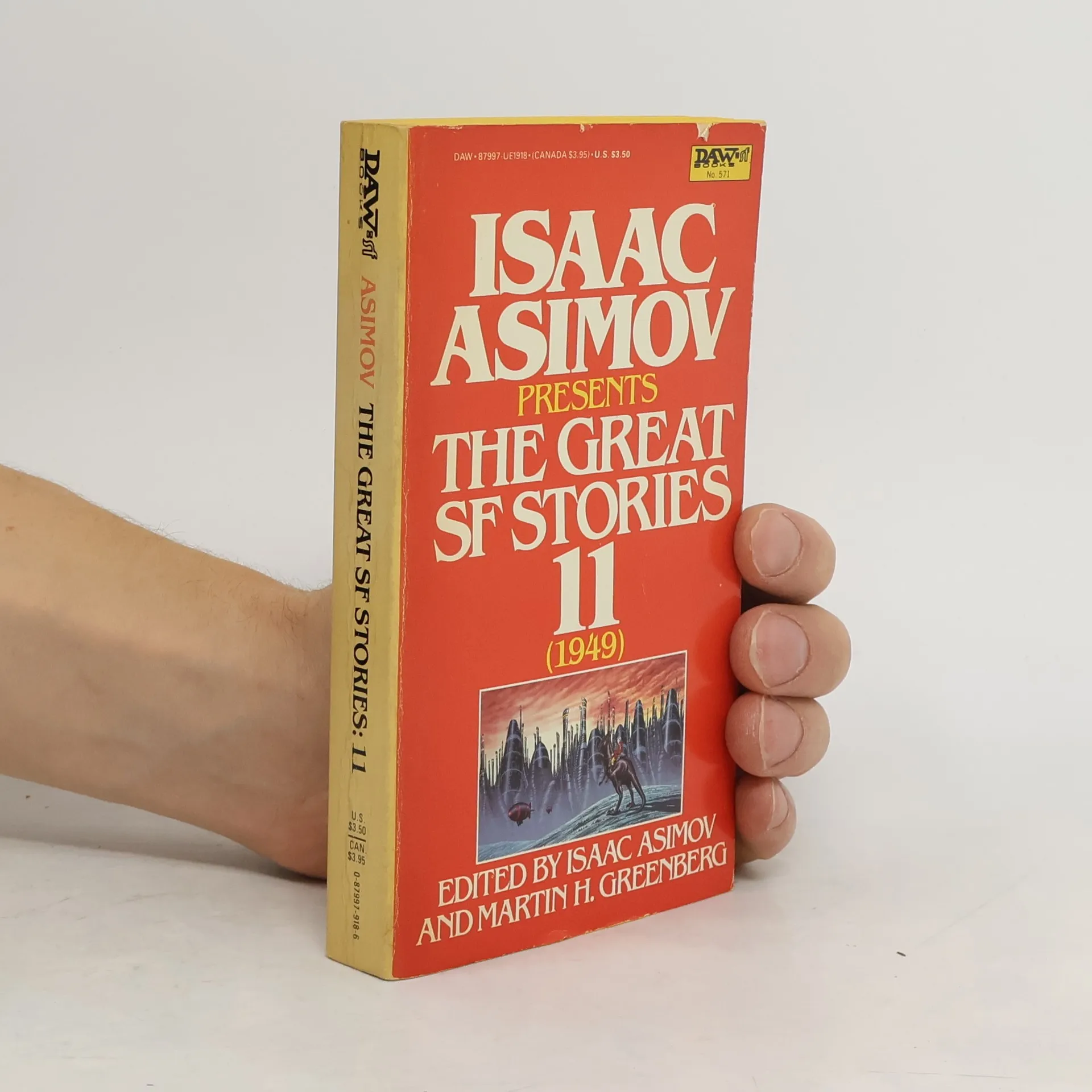
Featuring Asimov's personal choices, this collection offers a variety of science fiction stories that cover the period from 1949 to the present, each accompanied by a brief introduction
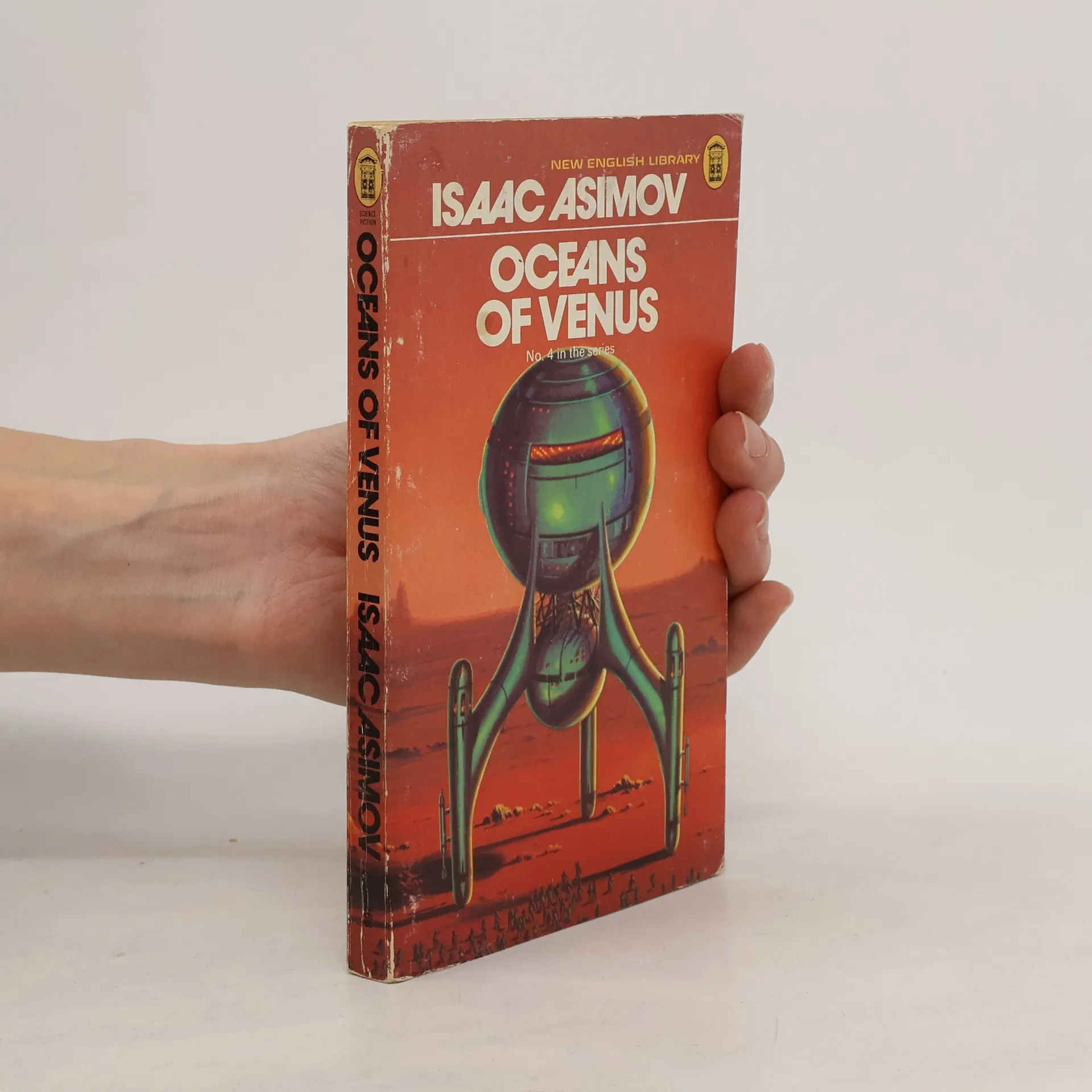
From the distance it seemed an emerald green, fairyland bubble! Aphrodite, the largest city of Venus, deep under the planet's sea. There Earthmen had established an incredible civilization, but now it was threatened by some awesome force which preyed on men's minds.
The fourth novel in Isaac Asimov’s classic science-fiction masterpiece, the Foundation series THE EPIC SAGA THAT INSPIRED THE APPLE TV+ SERIES FOUNDATION At last, the costly and bitter war between the two Foundations has come to an end. The scientists of the First Foundation have proved victorious, and now they return to Hari Seldon’s long established plan to build a new Empire on the ruins of the old. But rumors persist that the Second Foundation is not destroyed after all—and that its still-defiant survivors are preparing their revenge. Now two exiled citizens of the Foundation—a renegade Councilman and a doddering historian—set out in search of the mythical planet Earth . . . and proof that the Second Foundation still exists. Meanwhile someone—or something—outside of both Foundations seems to be orchestrating events to suit its own ominous purpose. Soon representatives of both the First and Second Foundations will find themselves racing toward a mysterious world called Gaia and a final, shocking destiny at the very end of the universe.
9 · Introduction · Martin H. Greenberg · in 15 · Mariana · Fritz Leiber · ss Fantastic Feb ’60 23 · The Day the Icicle Works Closed · Frederik Pohl · nv Galaxy Feb ’60 70 · The Fellow Who Married the Maxill Girl · Ward Moore · nv F&SF Feb ’60 108 · Mine Own Ways · Richard M. McKenna · ss F&SF Feb ’60 132 · Make Mine Homogenized · Rick Raphael · nv Astounding Apr ’60 196 · The Lady Who Sailed the Soul · Cordwainer Smith · nv Galaxy Apr ’60 231 · I Remember Babylon · Arthur C. Clarke · ss Playboy May ’60 247 · Chief · Henry Slesar · vi Playboy Jun ’60; After, gp 250 · Mind Partner · Christopher Anvil · nv Galaxy Aug ’60 297 · The Handler · Damon Knight · ss Rogue Aug ’60 304 · The Voices of Time · J. G. Ballard · nv New Worlds Oct ’60
Detective Elijah Bailey and his robot partner R. Daneel Olivaw are sent to the Spacer world of Aurora to solve a bizarre case of roboticide.
Nine stories: Profession; The Feeling of Power; The Dying Night; I'm in Marsport without Hilda; The Gentle Vultures; All the Troubles of the World; Spell my Name with an S; The Last Question (one of Asimov's most often requested stories); and The Ugly Little Boy (Asimov's own personal favorite).
A medley of tales focusing on humankind's ancestor, the Neanderthal, features works by Poul Anderson, Philip Jose Farmer, Isaac Asimov, L. Sprague de Camp, and Bertram Chandler
The third novel in Isaac Asimov’s classic science-fiction masterpiece, the Foundation series THE EPIC SAGA THAT INSPIRED THE APPLE TV+ SERIES FOUNDATION The Foundation lies in ruins—destroyed by a mutant mind bent on humanity’s annihilation. But it’s rumored that there’s a Second Foundation hidden somewhere at the end of the Galaxy, established as insurance to preserve the knowledge of mankind. Now a desperate race has begun between the survivors of the First Foundation and an alien entity to find this last flicker of humanity’s shining past—and future hope. Yet the key to it all might be a fourteen-year-old girl burdened with a terrible secret. Is she the Foundation’s savior—or its deadliest enemy? Unforgettable, thought-provoking, and riveting, Second Foundation is a stunning novel of adventure and ideas writ huge across the Galaxy—a powerful tale of humankind’s struggle to preserve the fragile light of wisdom against the threat of its own dark barbarism.
A thrilling nonfiction tour of the cosmos that brings the universe down to Earth, from one of the all-time masters of science fiction. No one makes sense out of science like Isaac Asimov. Are you puzzled by pulsars? Baffled by black holes? Bewildered by the big bang? If so, here are succinct, crystal-clear answers to more than one hundred of the most significant questions about the essential nature of the universe—questions that have fired the imagination since the beginning of history. Over the course of this fantastic voyage, the origins, the discoveries, and the stunning achievements of astronomy will unfold before your eyes. You will experience close encounters with giant planets, exploding stars, distant galaxies, and more. For anyone who has ever asked the ultimate questions, who has ever looked up at the sky and asked What in heaven is going on? , Isaac Asimov’s unique vision, skill, and authority will bring the big picture into focus. “A fine introduction to modern astronomical theory.”— Library Journal
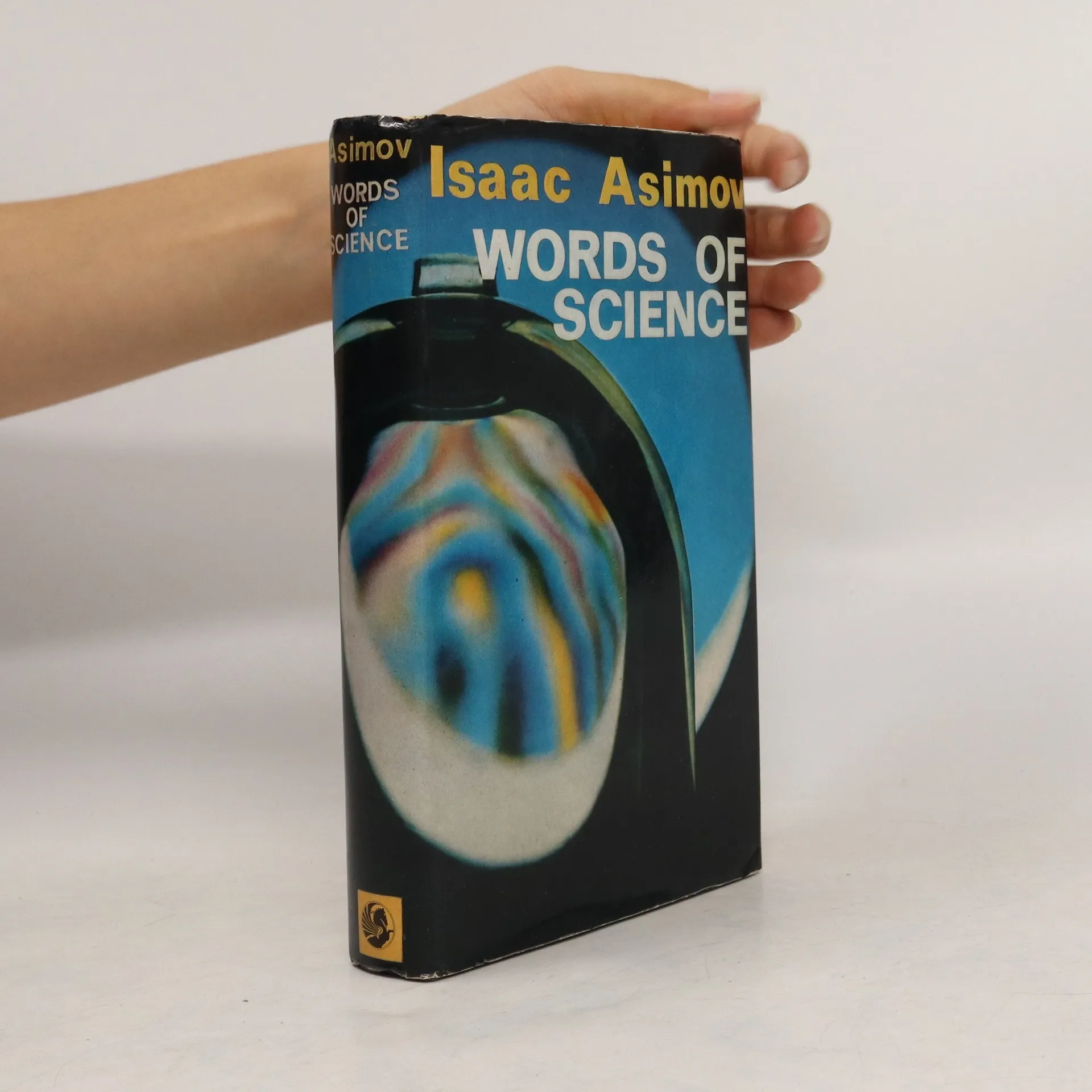
The famous science fiction writer, world-renowned scientist, and great popularizer of science invites you on an exciting journey into the world of science. This book reveals the history of scientific terms. Isaac Asimov's dictionary of special definitions transforms into a delightful alphabet of science for everyone. You will easily grasp the fundamental concepts of physics, chemistry, and biology, and become acquainted with outstanding discoveries and the highest achievements of human thought. Asimov's books are an original combination of scientific accuracy, vivid imagery, and masterful presentation.
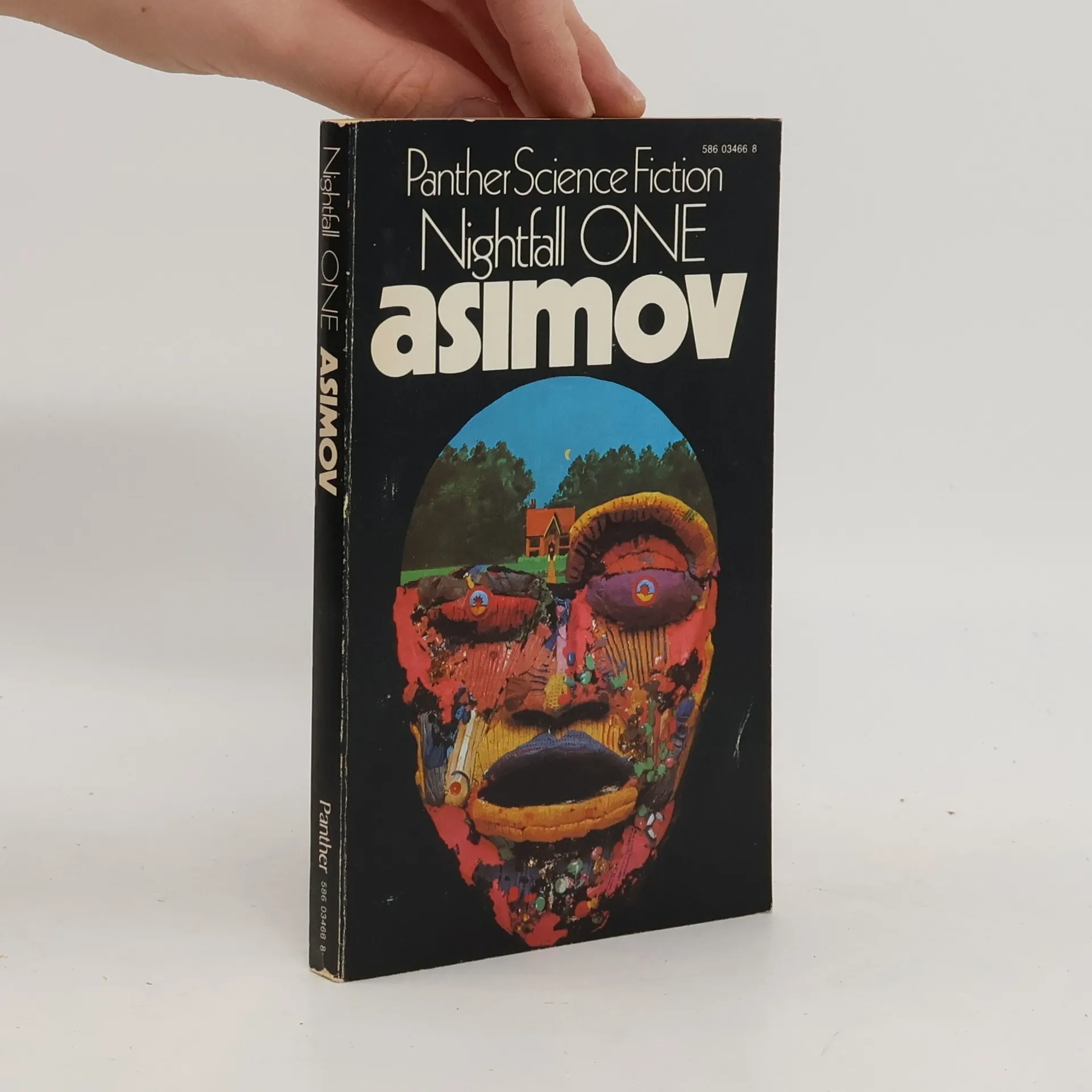
Nightfall One is the first half of a collection of Isaac Asimov's science fiction, short stories. Each story has been selected by the author himself, and each has an introduction specifically written for this collection by Dr. Asimov. Together the two volumes showcase Isaac Asimov's story-telling talent.Nightfall --Green patches --Hostess --Breeds there a man --C-chase
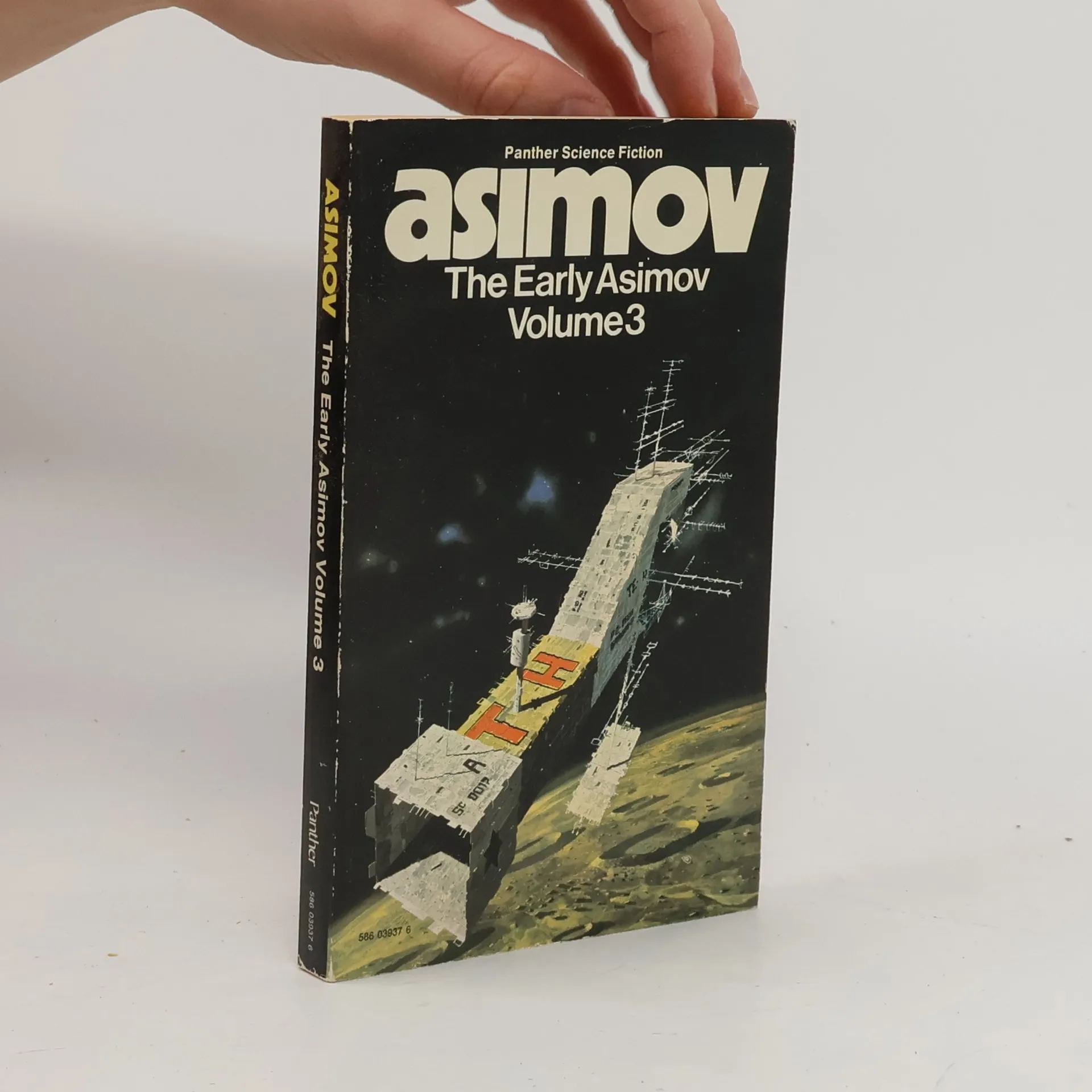
Through Isaac Asimov's world-renowned fame, one might forget that he was once an unknown beginner. The three volumes of "Early Works" showcase a less experienced, yet more inspired young Asimov. They contain stories from 1939 to 1948 that have not been previously collected. Each volume stands as a complete entity. Asimov comments on the stories with brief notes on their origins, the criticism he faced, and the modest payments he received. For enthusiasts, these are excellent stories; for fans and connoisseurs, they represent a piece of history from the Golden Age of science fiction.
ROBOT TONY is the first robot designed to perform domestic duties by the US Robots and Mechanical Men Corporation. Is it Tony's fault that the lady of the house where he's field tested falls in love with him?ROBOT AL was intended for shipment to a mining outfit on the moon. Instead, he's loose in the mountains of Virginia...building from scraps of junk his very own, very dangerous disintegrator.ROBOT LENNY answers workaday questions in babytalk. So why is Dr Susan Calvin, the world's top robopsychologist, fascinated by this messed up specimen of an industrial robot?
A classic collection of stories by the world's greatest SF writer schovat popis
Only a few know the terrifying truth--an outcast Earth scientist, a rebellious alien inhabitant of a dying planet, a lunar-born human intuitionist who senses the imminent annihilation of the Sun. They know the truth--but who will listen? They have foreseen the cost of abundant energy--but who will believe? These few beings, human and alien, hold the key to the Earth's survival.
Robot Dreams collects 21 of Isaac Asimov's short stories spanning the body of his fiction from the 1940s to the 1980s, exploring not only the future of technology, but the future of humanity's maturity and growth.
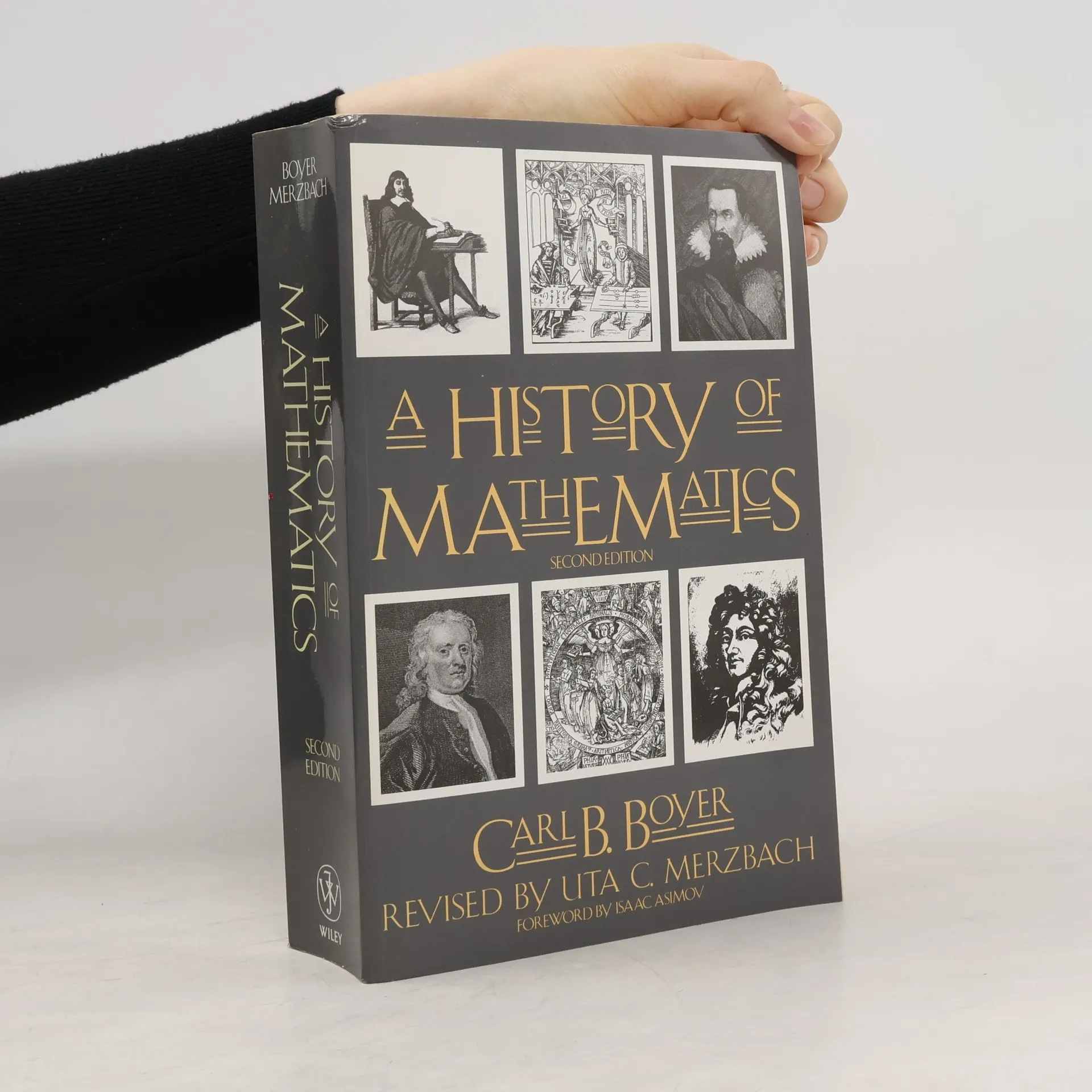
Boyer and Merzbach distill thousands of years of mathematics into a captivating chronicle, showcasing brilliant mathematics and a distinguished cast of characters. They trace the development of European mathematics while also acknowledging the significant contributions from Chinese, Indian, and Arabic civilizations. This work stands as a classic one-volume history of mathematics and the mathematicians behind it. The authors present a mounting structure of knowledge, with a solid foundation dating back to Thales' early geometrical theorems nearly 26 centuries ago. It is regarded as one of the most useful and comprehensive general introductions to the subject. Both readable and scholarly, it serves as an excellent introduction and reference source. Revised for accessibility, the text vividly illustrates humankind's relationship with numbers and includes broadened coverage of twentieth-century advances in probability and computing. Additionally, it features an appendix with an extensive chronological table of mathematical and historical developments, appealing to a wide range of readers.
Humans battle evil aliens to save Earth and its people from certain doom when the Martians land in England.
Published by Avon Books, 1983, this First Paperback Edition has 253 pages. Isaac Asimov was considered to be one of the big three authors who brought science fiction into the American households.
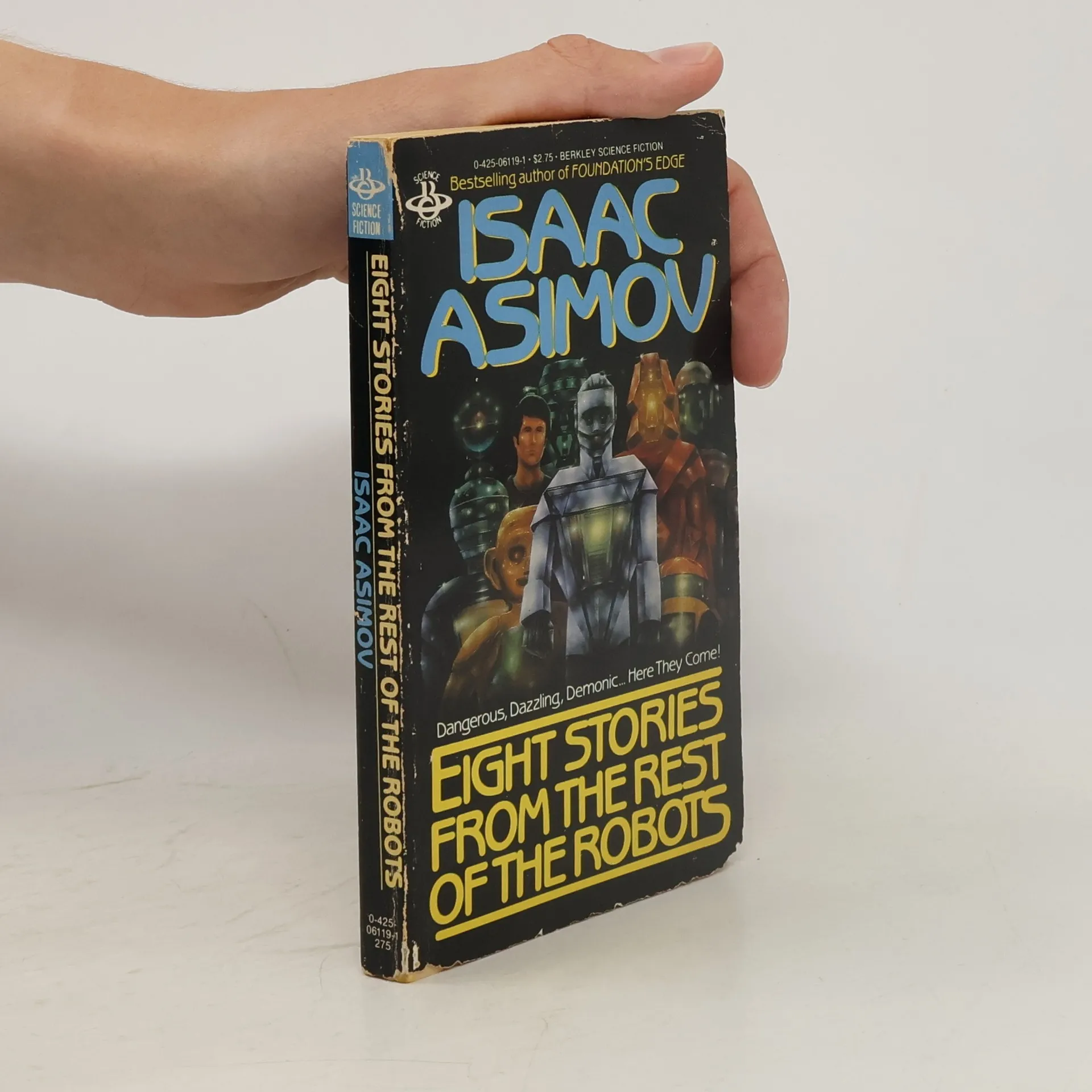
"The First Law of Robotics" A Robot may not injure a human being, or, through inaction, allow a human being to come to harm. So how could Robot MA-2 abandon its owner to certain death? How could Robot LNE-Pr break it's masters are with a blow of its fist? How could Robot EZ-27 turn against its owner and utterly ruin him? Meet Dr. Susan Calvin, robopsychologist, whose mission is to investigate the robots and save humanity from destruction from their hands. Dangerous, Dazzling, Demonic...Here they come!" In these eight stories selected from his monumental classic The Rest of the Robots Isaac Asimov displays the wit, drama and imagination that make his robot stories the most popular of all!
WINNER OF THE HUGO AWARD FOR BEST ALL-TIME SERIES The Foundation series is Isaac Asimov's iconic masterpiece. Unfolding against the backdrop of a crumbling Galactic Empire, the story of Hari Seldon's two Foundations is a lasting testament to an extraordinary imagination, one that shaped science fiction as we know it today. Faced with determining the fate of the galaxy, Golan Trevize hesitantly chose to hand over the rule of the galaxy to planet Gaia. Two mysteries now remain: who has erased the records of Earth - and why? Determined to ensure his choice was right, Golan sets off with Janov Pelorat and Bliss, to answer these questions once and for all. But nothing could prepare them for the secrets which await them on Earth. Secrets which predate history as they know it, and will change its significance forever...
Although small and seemingly helpless, the Foundation had managed to survive against the greed of its neighboring warlords. But could it stand against the mighty power of the Empire, who had created a mutant man with the strength of a dozen battlefleets...? "From the Paperback edition."
The last Isaac Asimov science fiction collection which contains all of his previously uncollected stories.
Scientist, author, and Earth-dweller, explores the many potential natural and man-made catastrophes that could change life as we know it, or erase us from the face of the Earth. Natural properties and laws might change at any time, rendering life on this planet--or anywhere in the universe--impossible. But the disasters that are most imminent are in our power to control--technology, nuclear warfare, pollution... Natural forces far more powerful than man might destroy us. Or they may have nothing to do with bringing about the end.
The master of science fiction speculates about life on other planets... "Intriguing"--"Publishers Weekly"
This book presents three thousand unusual, fantastic, and amazing bits of information, presented in almost one hundred different categories, ranging all the way from astronomy to show business, from the ancients to the moderns, and from history to animal life.
The electrifying sequel to Caves of Steel in which Elijah Baley is once more teemed up with R. Daneel. The two must travel to Solaria, where no human has gone in over a thousand years!
Twenty stories of adventure set in a world of the not-too-distant future which could change from fiction to fact any day!
Long after his humiliating defeat at the hands of Earthman Elijah Baley, Keldon Amadiro embarked on a plan to destroy planet Earth. But even after his death, Baley's vision continued to guide his robot partner, R. Daneel Olivaw, who had the wisdom of a great man behind him and an indestructable will to win....
Includes stories by Greg Bear, Spider Robinson, Joanna Russ, John Varley, Connie Willis, and Timothy Zahn, among others.
Nightfall Two is the second half of a collection of Isaac Asimov's science fiction, short stories. Each story has been selected by the author himself, and each has an introduction specifically written for this collection by Dr. Asimov. Together the two volumes showcase Isaac Asimov's story-telling talent.
Contents: · The Dead Past · nv Astounding Apr ’56 · The Foundation of Science Fiction Success · pm F&SF Oct ’54 · Franchise · ss If Aug ’55 · Gimmicks Three [“The Brazen Locked Room”] · ss F&SF Nov ’56 · Kid Stuff · ss Beyond Fantasy Fiction Sep ’53 · The Watery Place · ss Satellite Oct ’56 · Living Space · ss Science Fiction Stories May ’56 · The Message · vi F&SF Feb ’56 · Satisfaction Guaranteed [Susan Calvin (Robot)] · ss Amazing Apr ’51 · Hell-Fire · vi Fantastic Universe May ’56 · The Last Trump · ss Fantastic Universe Jun ’55 · The Fun They Had · ss The Boys and Girls Page Dec 1 ’51; F&SF Feb ’54 · Jokester · ss Infinity Science Fiction Dec ’56 · The Immortal Bard · vi Universe May ’54 · Someday · ss Infinity Science Fiction Aug ’56 · The Author’s Ordeal · pm Science Fiction Quarterly May ’57 · Dreaming Is a Private Thing · ss F&SF Dec ’55
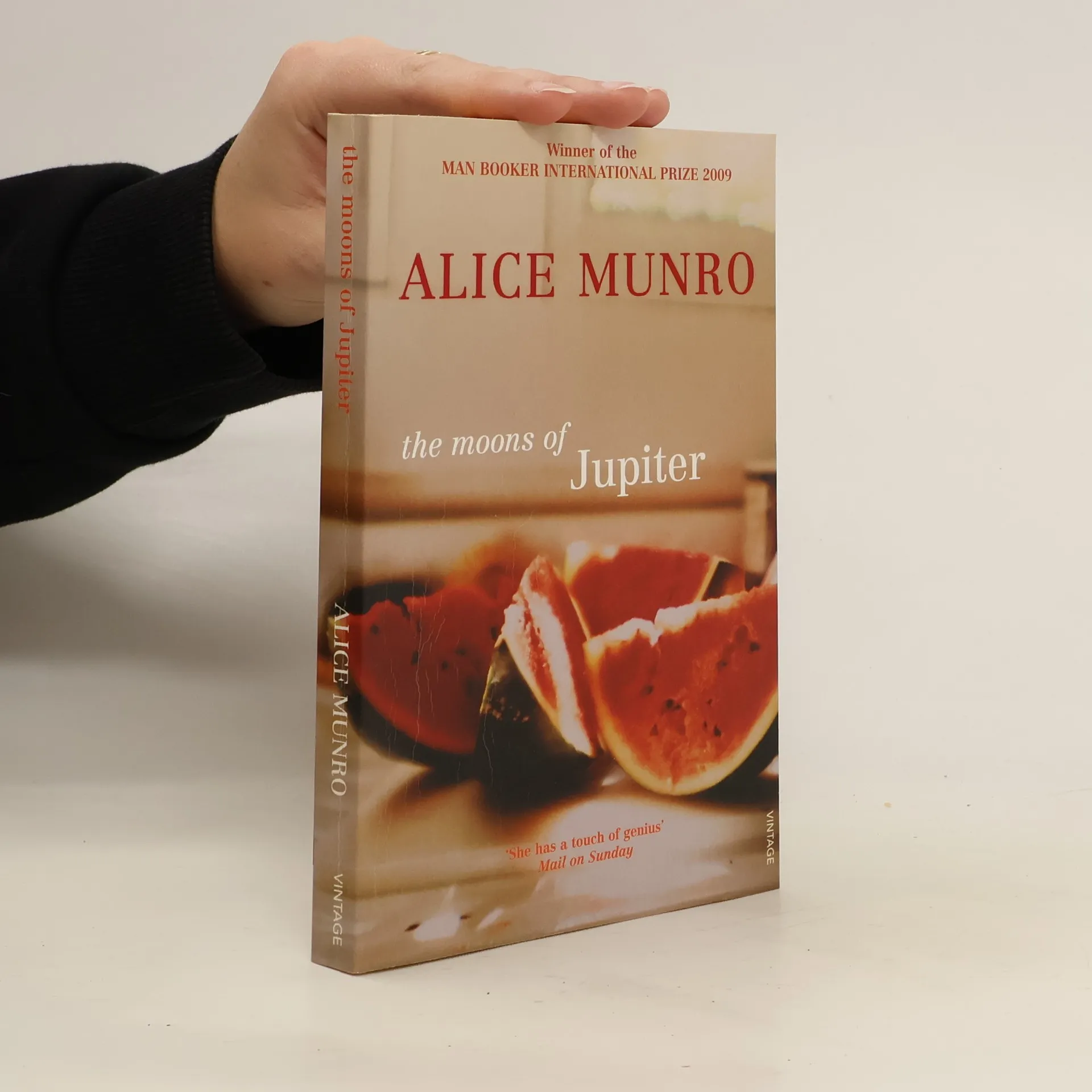
THE WINNER OF THE NOBEL PRIZE IN LITERATUREThe characters who populate an Alice Munro story live and breathe. Passions hopelessly conceived, affections betrayed, marriages made and broken: the joys, fears, loves and awakenings of women echo throughout these twelve unforgettable stories, laying bare the unexceptional and yet inescapable pain of human contact.
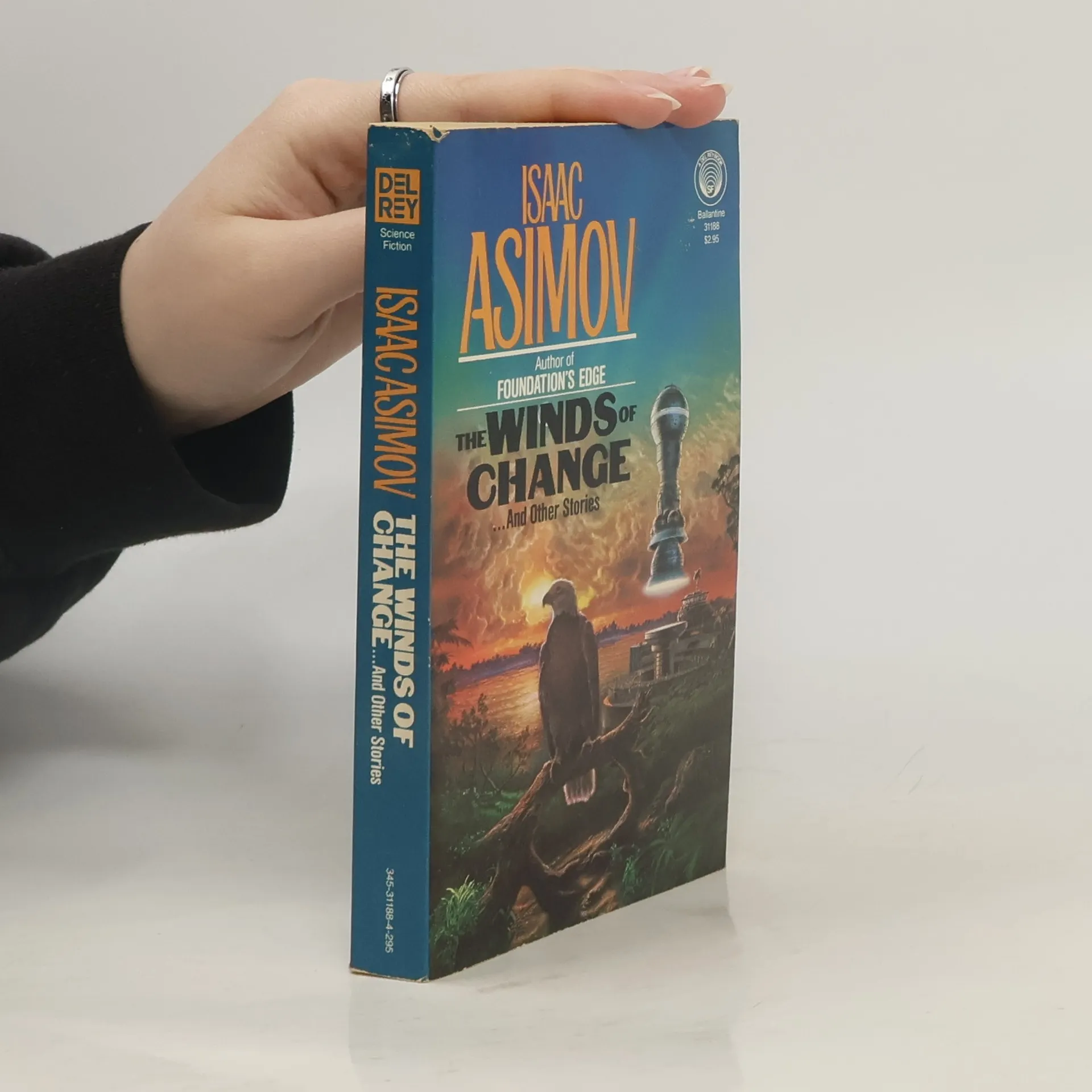
Asimov at his best! A 21-story saluteAbout Nothing • (1975)A Perfect Fit • (1981)Belief • (1953)Death of a Foy • (1980)Fair Exchange? • (1978)For the Birds • (1980)Found! • (1978)Good Taste • (1976)How It Happened • (1979)Ideas Die Hard • (1957)Ignition Point! • (1981)It Is Coming • [Multivac] • (1979)The Last Answer • (1980)The Last Shuttle • (1981)Lest We Remember • (1982)Nothing for Nothing • (1979)One Night of Song • [Azazel] • (1982)The Smile That Loses • [Azazel] • (1982)Sure Thing • (1977)To Tell at a Glance • (1983)The Winds of Change • (1982)
Arguably the greatest science fiction writer who ever lived, Isaac Asimov also possessed one of the most brilliant and original minds of our time. His accessible style and far-reaching interests in subjects ranging from science to humor to history earned him the nickname "the Great Explainer." I. Asimov is his personal story—vivid, open, and honest—as only Asimov himself could tell it.Here is the story of the paradoxical genius who wrote of travel to the stars yet refused to fly in airplanes; who imagined alien universes and vast galactic civilizations while staying home to write; who compulsively authored more than 470 books yet still found the time to share his ideas with some of the great minds of our century. Here are his wide-ranging thoughts and sharp-eyed observations on everything from religion to politics, love and divorce, friendship and Hollywood, fame and mortality. Here, too, is a riveting behind-the-scenes look at the varied personalities—Campbell, Ellison, Heinlein, Clarke, del Rey, Silverberg, and others—who along with Asimov helped shape science fiction.As unique and irrepressible as the man himself, I. Asimov is the candid memoir of an incomparable talent who entertained readers for nearly half a century and whose work will surely endure into the future he so vividly envisioned.
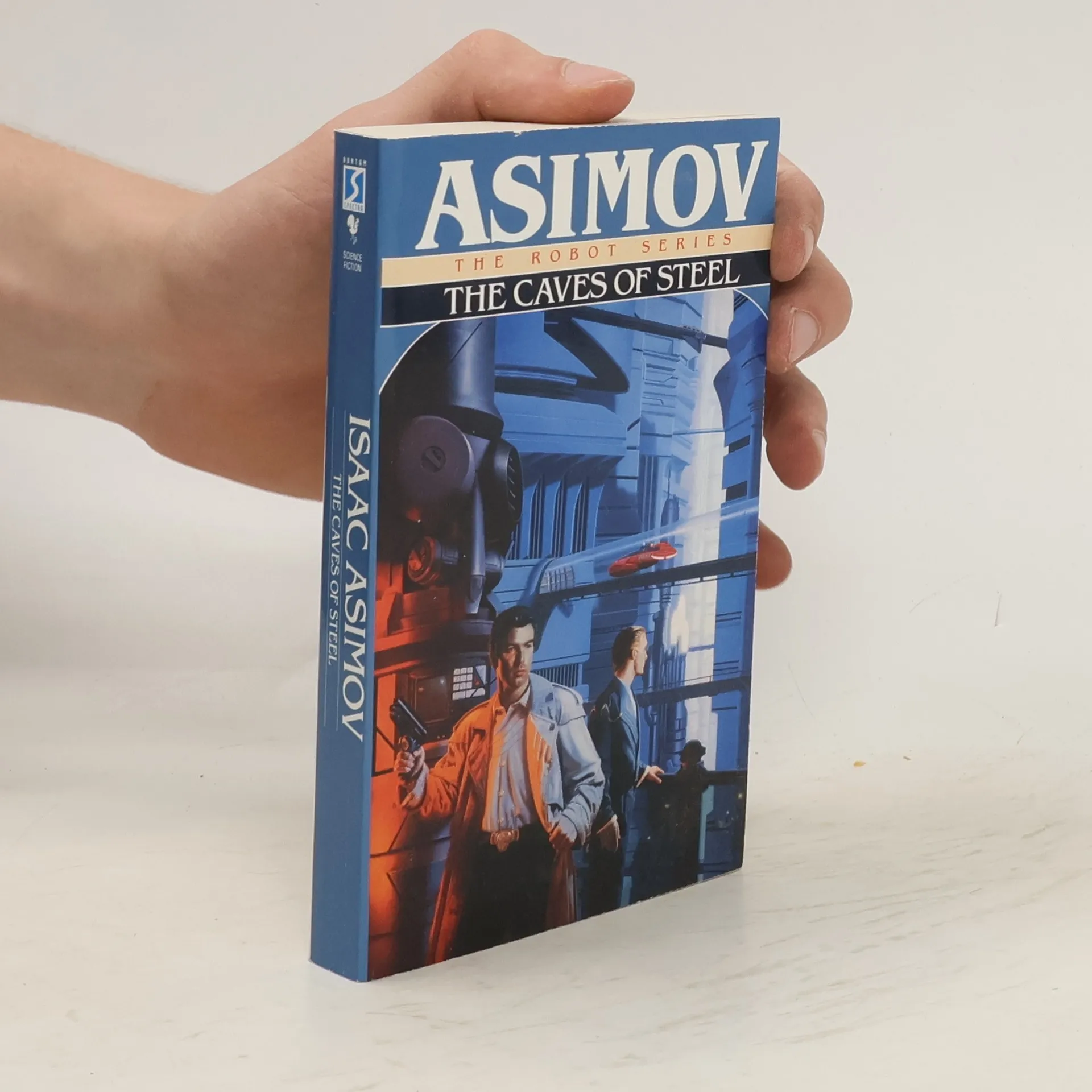
A millennium into the future two advancements have altered the course of human history: the colonization of the galaxy and the creation of the positronic brain. Isaac Asimov’s Robot novels chronicle the unlikely partnership between a New York City detective and a humanoid robot who must learn to work together. Like most people left behind on an over-populated Earth, New York City police detective Elijah Baley had little love for either the arrogant Spacers or their robotic companions. But when a prominent Spacer is murdered under mysterious circumstances, Baley is ordered to the Outer Worlds to help track down the killer. The relationship between Life and his Spacer superiors, who distrusted all Earthmen, was strained from the start. Then he learned that they had assigned him a partner: R. Daneel Olivaw. Worst of all was that the “R” stood for robot—and his positronic partner was made in the image and likeness of the murder victim!
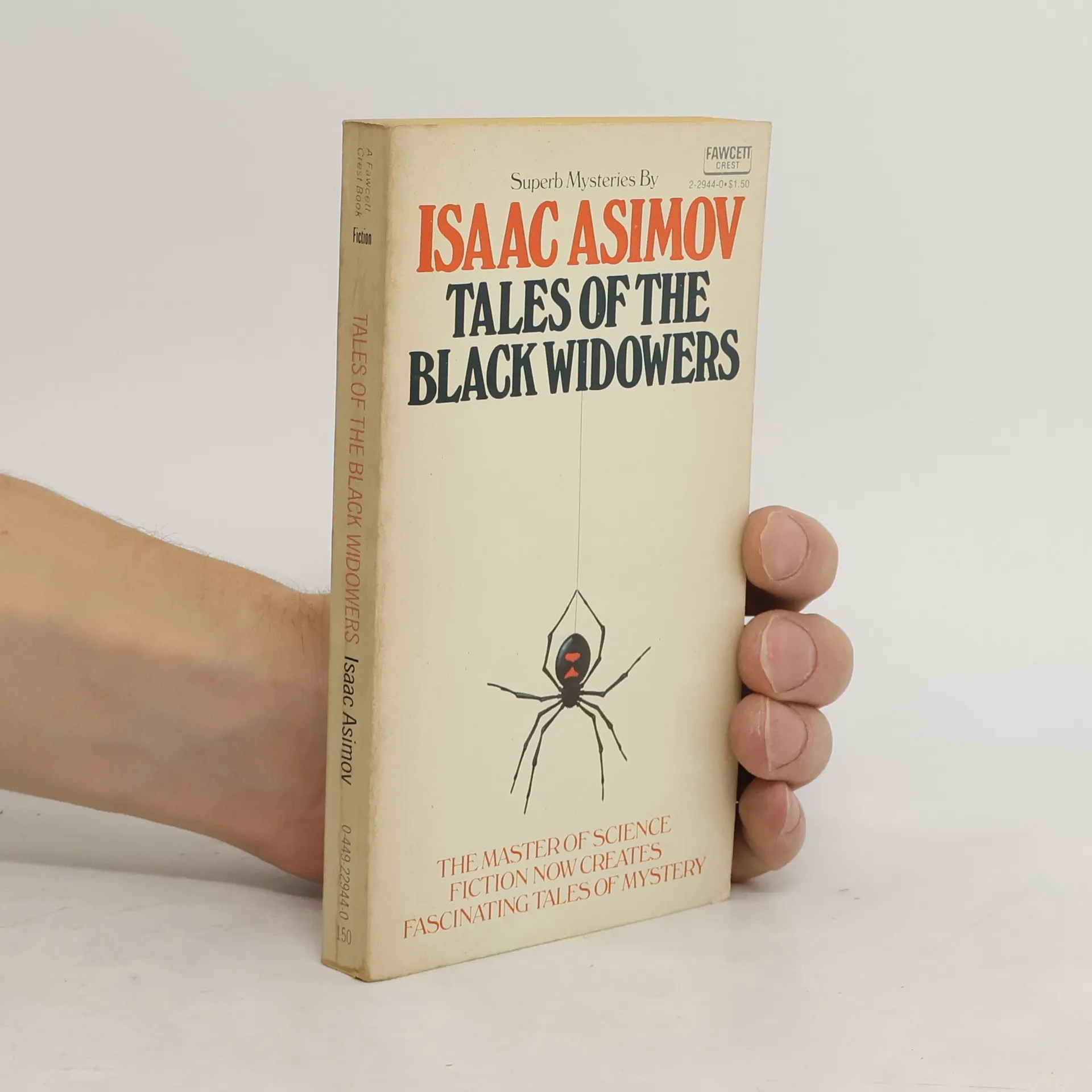
There were six of them. Professional men and their waiter. They gather at the Milano Restaurant once a month for good food and good conversation. But lately the Black Widowers have added a new entertainment to their meetings. They have begun to solve mysteries, murders, and conspiracies of seemingly impossible dimensions -- book cover
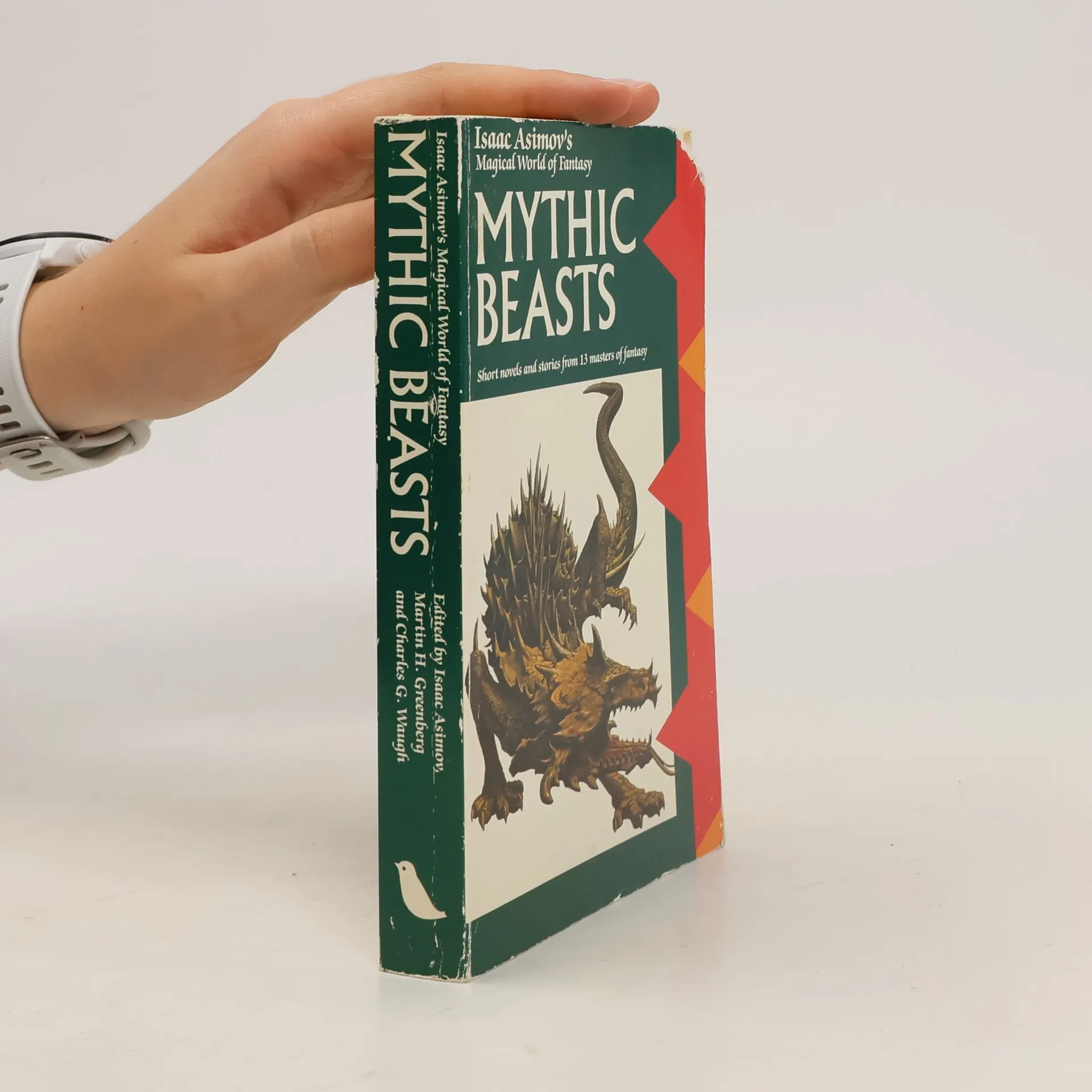
Stories by Tanith Lee, Theodore Sturgeon, Hans Christian Andersen, and others highlight a collection of fantasy tales about such legendary creatures as unicorns, mermaids, sea monsters, and centaurs
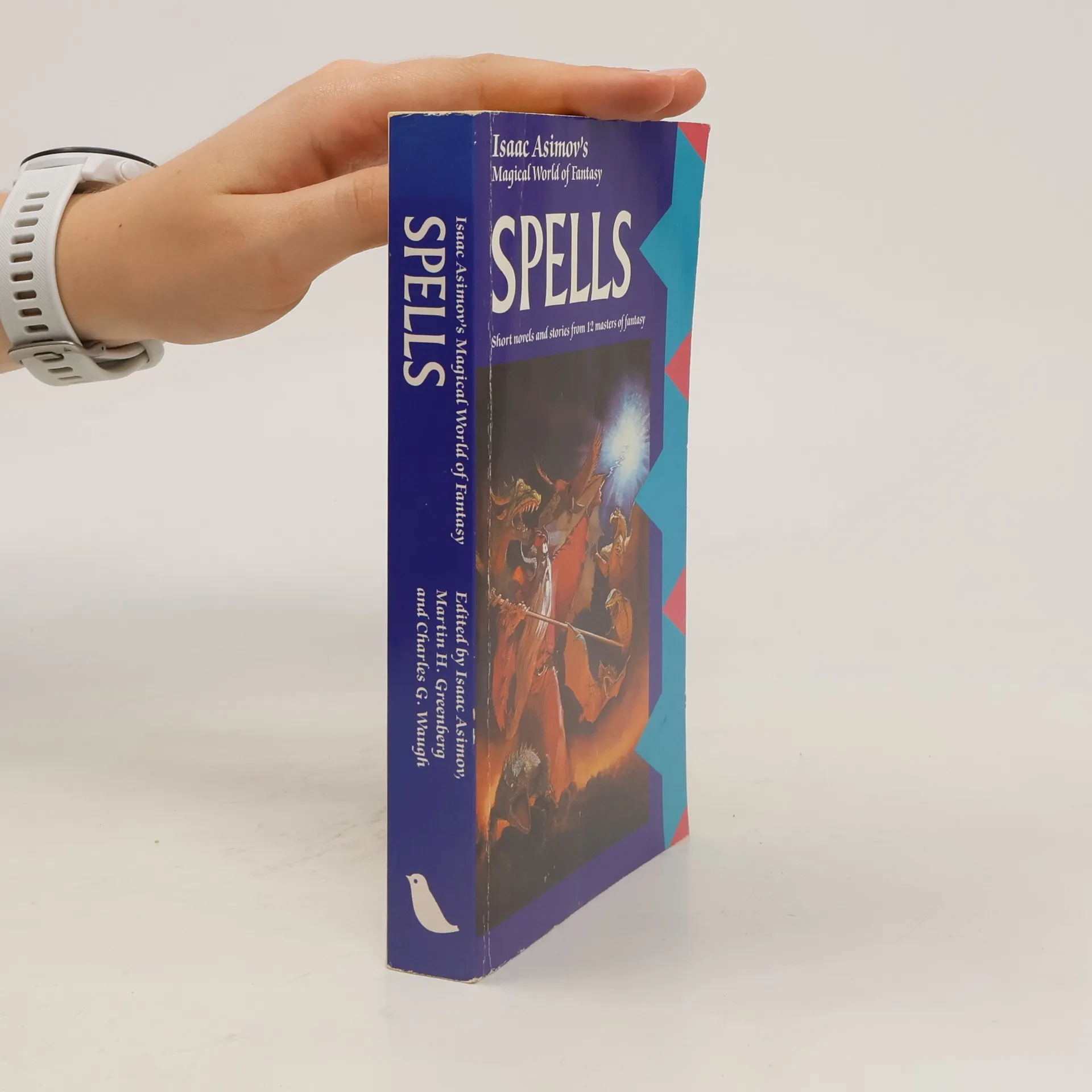
Short stories by authors such as Ray Bradbury, Stephen King, and Andre Norton depict the strange effects of curses and magic spells
Tales of dark magic, sinister spells, deadly vengeance, and terrifying powers highlight a collection featuring the work of Wilkie Collins, Robert Bloch, Arthur C. Clarke, and other authors