Stella Rollig Books


Klimt and antiquity
- 255 pages
- 9 hours of reading
Gustav Klimt’s 1907 publication of his illustrated edition of Lucian’s ancient work Dialogues of the Courtesans was the first time he exhibited his erotic art to the public, and it led to his denouncement by censors disturbed by the work’s graphic content. This volume revives Klimt’s masterful book, which pairs his erotic drawings with Wiener Werkstätte design, and which arguably resulted in the Art Nouveau era’s most beautiful book. Klimt and Antiquity also compares the red- and blackfigure Attic vases dating from the 5th century with Klimt’s art. It presents Klimt’s antiquity-inspired art as a dialogue between contemporary and ancient art, between genders, and between women’s roles in times of antiquity and modernity. Essays explore Klimt’s interest in ancient art; the ancient role of the courtesan; and the phenomenon of the Greek symposium as fertile ground for Greek art.
Akseli Gallen-Kallela
Finnland Erfinden/ Picturing Finland - Bilingual Edition
- 172 pages
- 7 hours of reading
A celebration of the work of Finnish national hero Akseli Gallen-Kallela and his depictions of Finland's people, myths and landscape. Akseli Gallen-Kallela (1865-1931) was Finland's most famous progressive artist around 1900 and a major figure in international modern art. At the turn of the century, Finland was a grand duchy striving for independence from Russian rule. Gallen-Kallela's depictions of Finland's people, myths, and nature played a key role in forming a national identity. At the same time, his modern visual language, developed in constant dialogue between Finnish sources of inspiration and influences from artistic centres such as Paris, Berlin, London and Vienna, brought him international acclaim. This English-Finnish bilingual catalogue invites readers to explore these fascinating interactions in Gallen-Kallela's artistic engagement with his country and its people, the Finnish national epic Kalevala, the idea of the Gesamtkunstwerk (total work of art) and the Nordic landscape. The international dimension of Gallen-Kallela's art is showcased by shining a spotlight on his contributions to the Vienna Secession exhibitions of 1901/02 and 1904. The catalogue accompanies an exhibition at the Belvedere, Vienna, in collaboration with the Ateneum Art Museum in Helsinki.
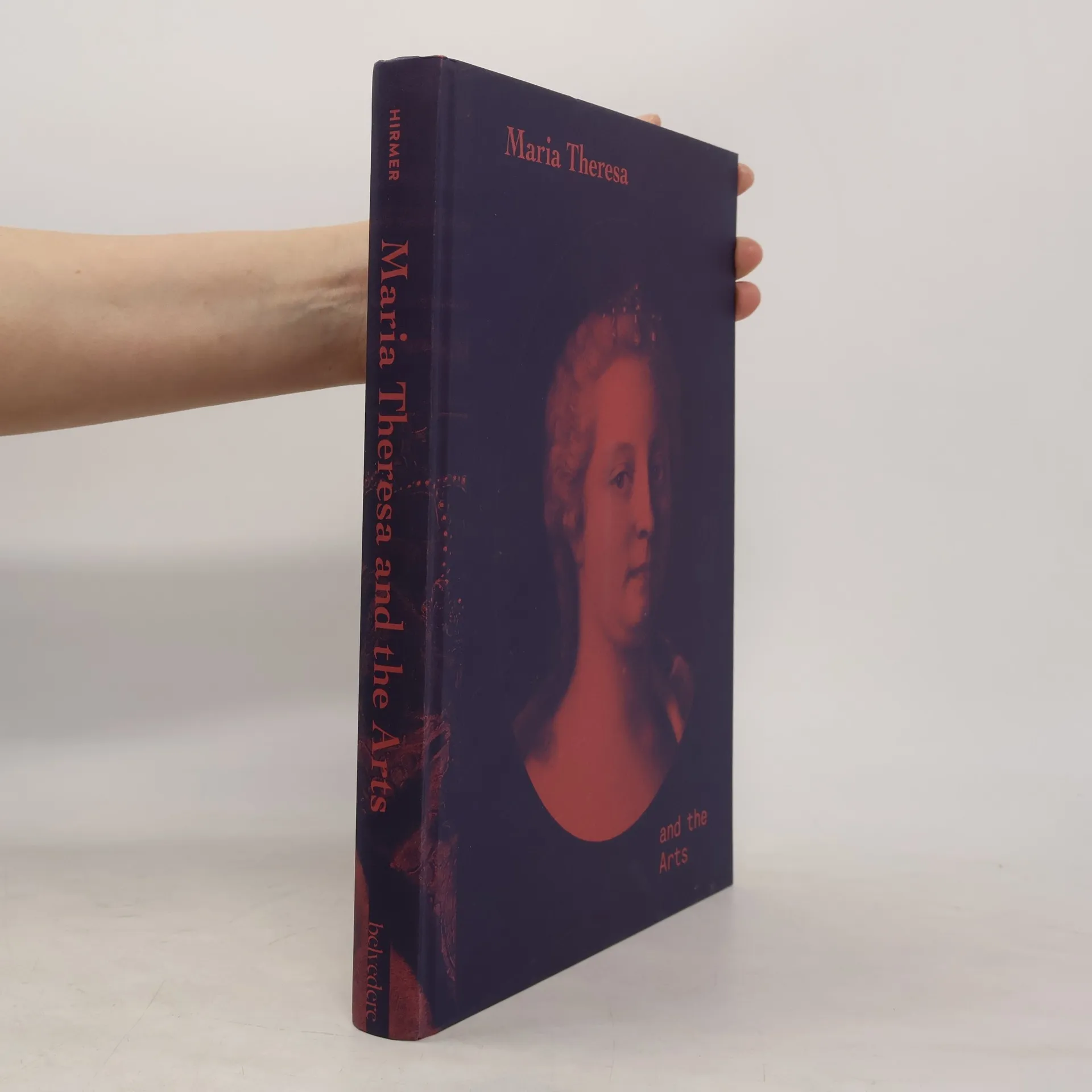
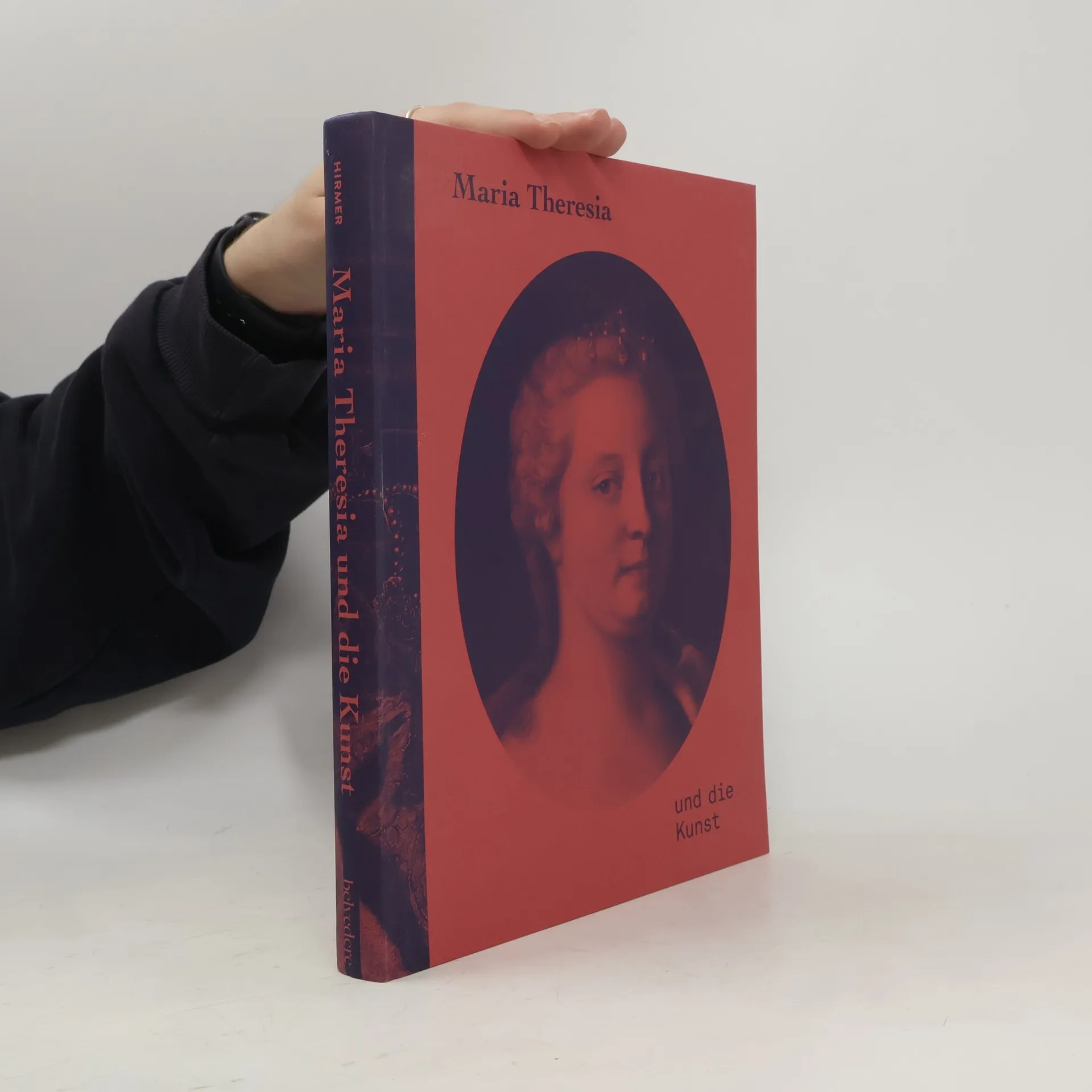
Maria Theresia und die Kunst
- 232 pages
- 9 hours of reading
The 300th anniversary of the monarch Maria Theresa provides an opportunity to explore her particular interest in the visual arts. At her invitation, numerous painters, sculptors, and other artists from both domestic and foreign backgrounds found a rich field of activity. Consequently, this era continues to shape the countries of the former Habsburg monarchy to this day.
This anniversary publication celebrates the Belvedere in Vienna, highlighting its evolution over three centuries as a museum. Originally constructed by Prince Eugene of Savoy to boost his status, the Upper Belvedere transitioned under Maria Theresa into one of the first public museums globally. The establishment of the Modern Gallery in the Lower Belvedere in 1903 aimed to present Austrian art within an international framework, a vision that remains central to the institution today. Esteemed authors delve into timeless questions that span different eras, such as the ordering concepts in art presentation, the contemporary relevance of these displays in a global context, and the target audience for such exhibitions. This critical homage reflects on the Belvedere's rich artistic history and its significance as a cultural landmark. The exhibition runs until January 7, 2024, featuring contributions from a diverse group of scholars and artists, including Johanna Aufreiter, Björn Blauensteiner, and many others, each offering unique insights into the museum's legacy and its role in the art world.
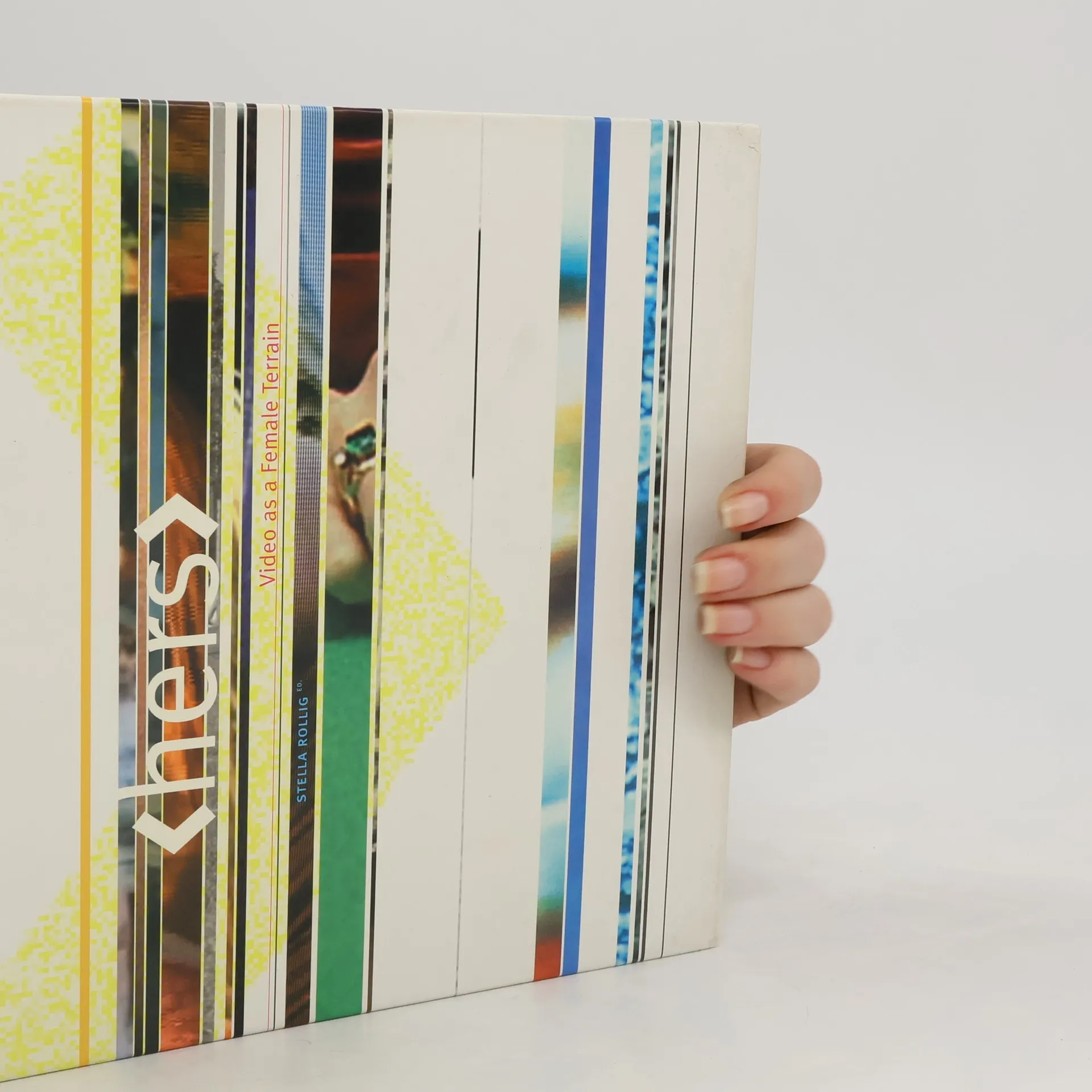
"Hers"
- 216 pages
- 8 hours of reading
The medium of video has achieved a dominating role in 21st-century art. This study of the phenomenon emphasizes the investigation of female identity in video art. This visual anthology features essays by Stella Rollig, Ruth Noack, Anna Harding and Yvonne Volkart.
Maria Theresa and the Arts
- 232 pages
- 9 hours of reading
The 300th birthday of Empress Maria Theresa provides an opportunity to examine her outstanding interest in the fine arts. At the invitation of the reforming monarch a large number of painters, sculptors and other artists in Austria and abroad found a wealth of work opportunities. Correspondingly, this era has left its mark on the countries of the former Habsburg monarchy to this day. Maria Theresa pursued an individual approach with regard to cultural policy. She was interested in reform not only in education, but also in the field of art. She commissioned contemporary artists and helped portrait painting to a new upswing, leading not least to the international consolidation of the newly formed House of Habsburg-Lorraine. This was the function also fulfilled by the allegorical paintings and ceiling frescoes for which impressive cartoons have survived. Landscape painting was highly esteemed, and finally outstanding masterpieces were produced in sculpture and three-dimensional works, for example by Balthasar Ferdinand Moll and Franz Xaver Messerschmidt. Exhibition: Unteres Belvedere, Vienna, Austria (30.06.-05.11.2017)
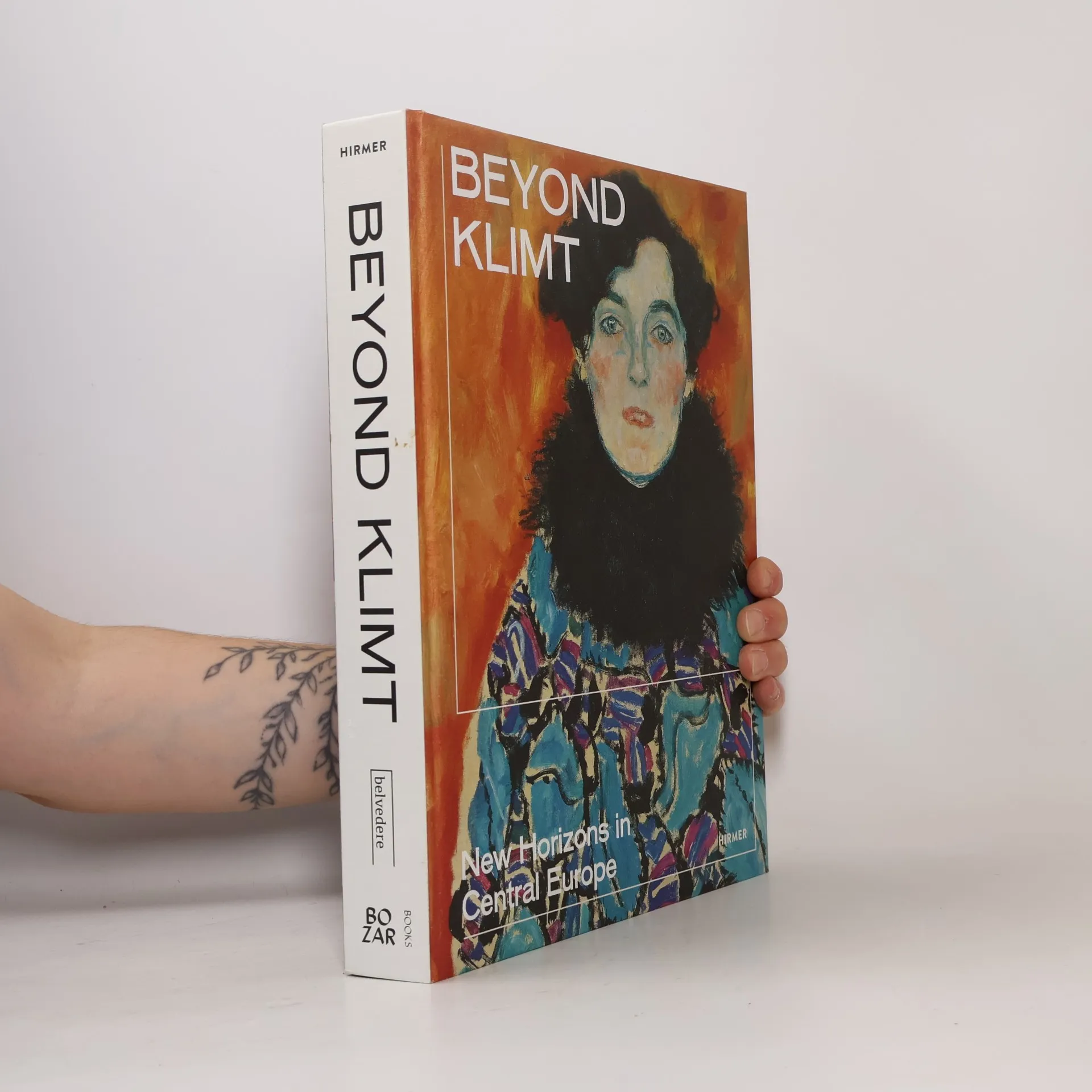
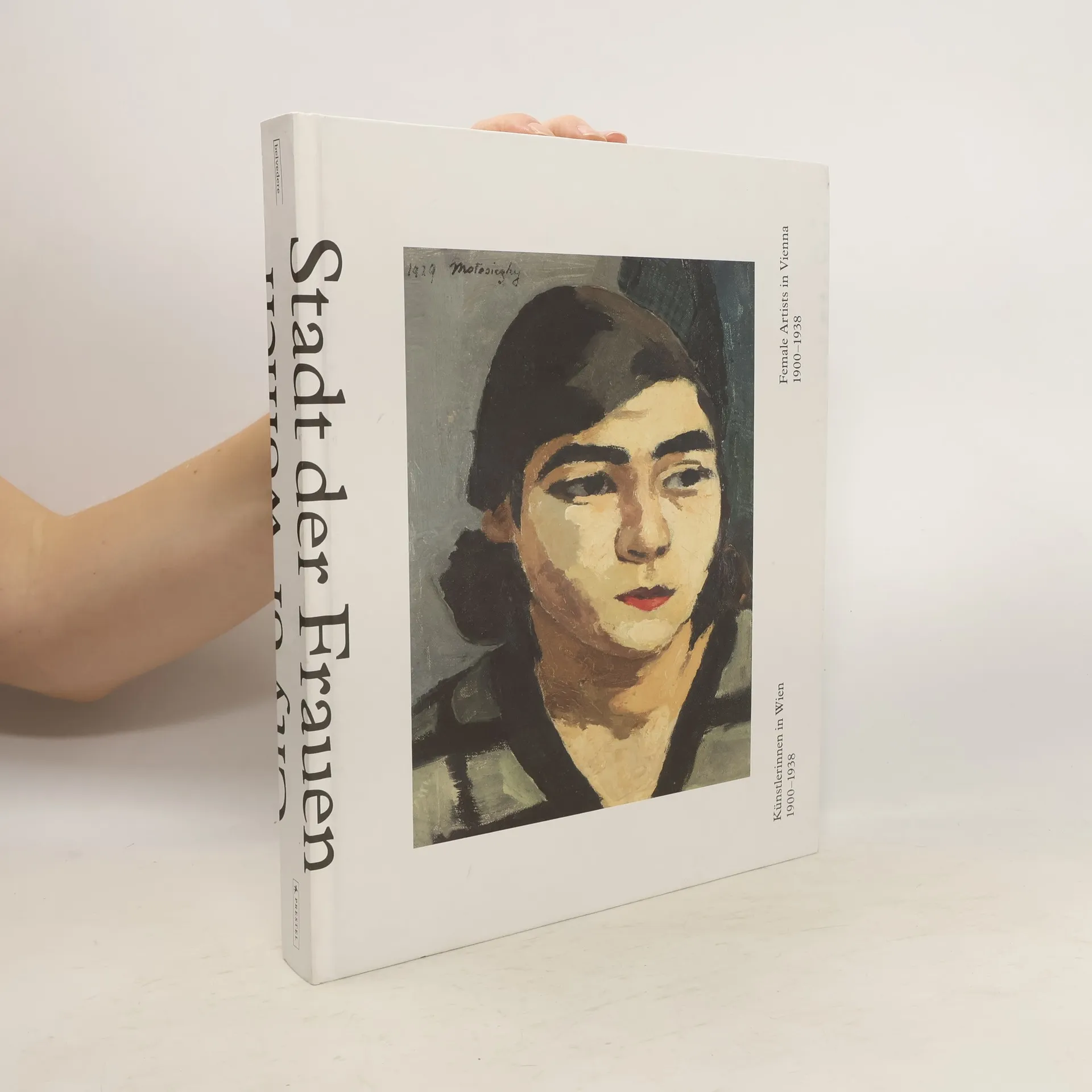
Das Jahr 1918 markiert das Ende einer großen Ära: Es ist das Todesjahr von Gustav Klimt, Egon Schiele, Koloman Moser und Otto Wagner. Das Kunstgeschehen hatte sich jedoch schon früher von deren Einfluss gelöst. Von politischen Umbrüchen kaum berührt entfaltet sich in den Nachfolgestaaten der Donaumonarchie ein reges Kunstschaffen, geprägt vom Wunsch nach Aufbruch.
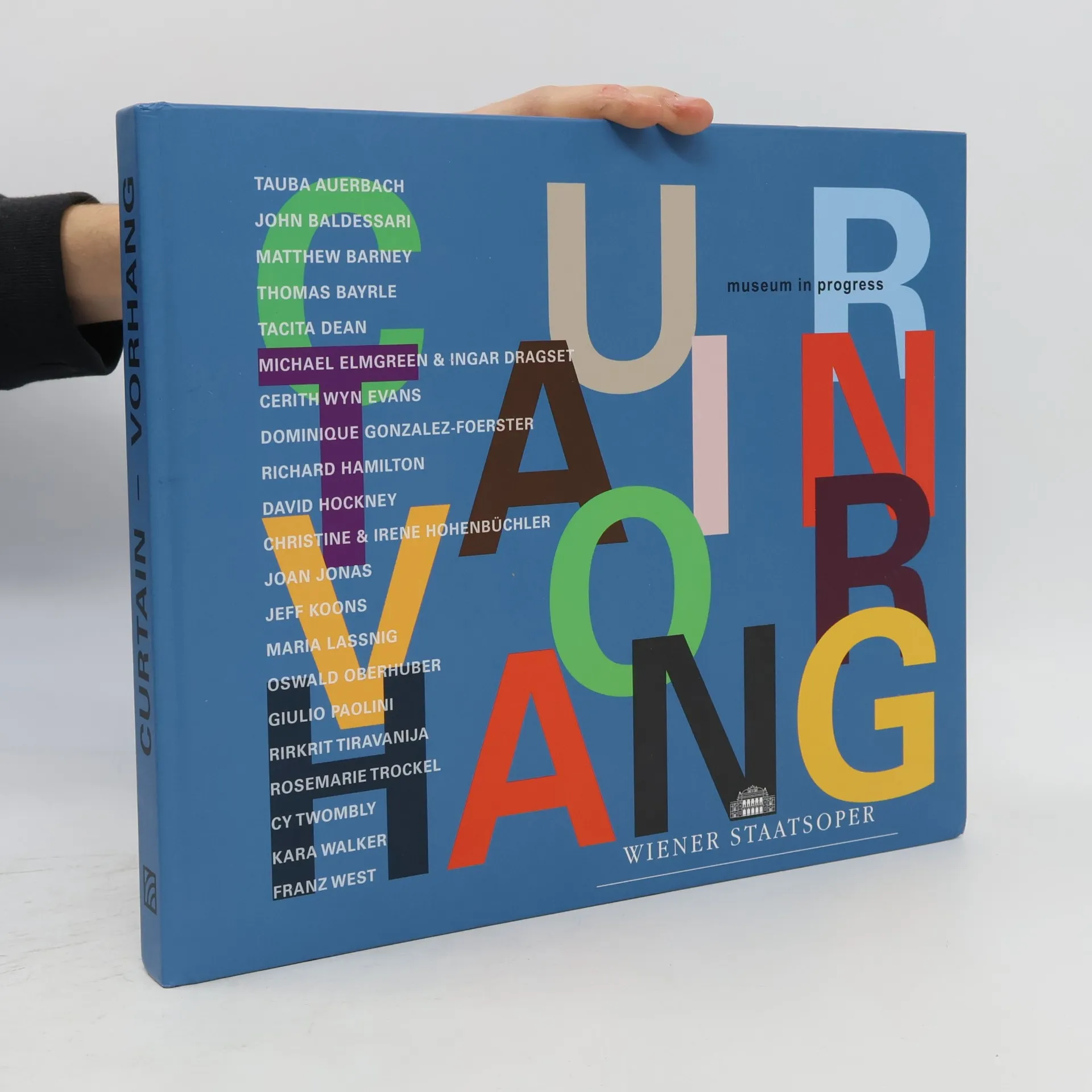
Curtain - Vorhang
A Living Museum Space - The Vienna State Opera Safety Curtain
- 206 pages
- 8 hours of reading
This volume documents the long-term initiative 'Safety Curtain' of Museum in progress, a project that is unique in the world. The exhibition series in the Vienna State Opera has represented a symbolic interface between performance and visual arts since 1998. It also creates a link between thorny historical questions and contemporary ways to address them. Beyond the actual curtain images that have originated over the years an associative and sensuous view to further related works of the participating artists in several different media forms is presented. The art project 'Safety Curtain', because of its exceptional quality, its year-long existence and its unusual dimension of 175 m² is singular and enables a distinctive perspective of art history of the past twenty years.
Notes bibliogr. Index.
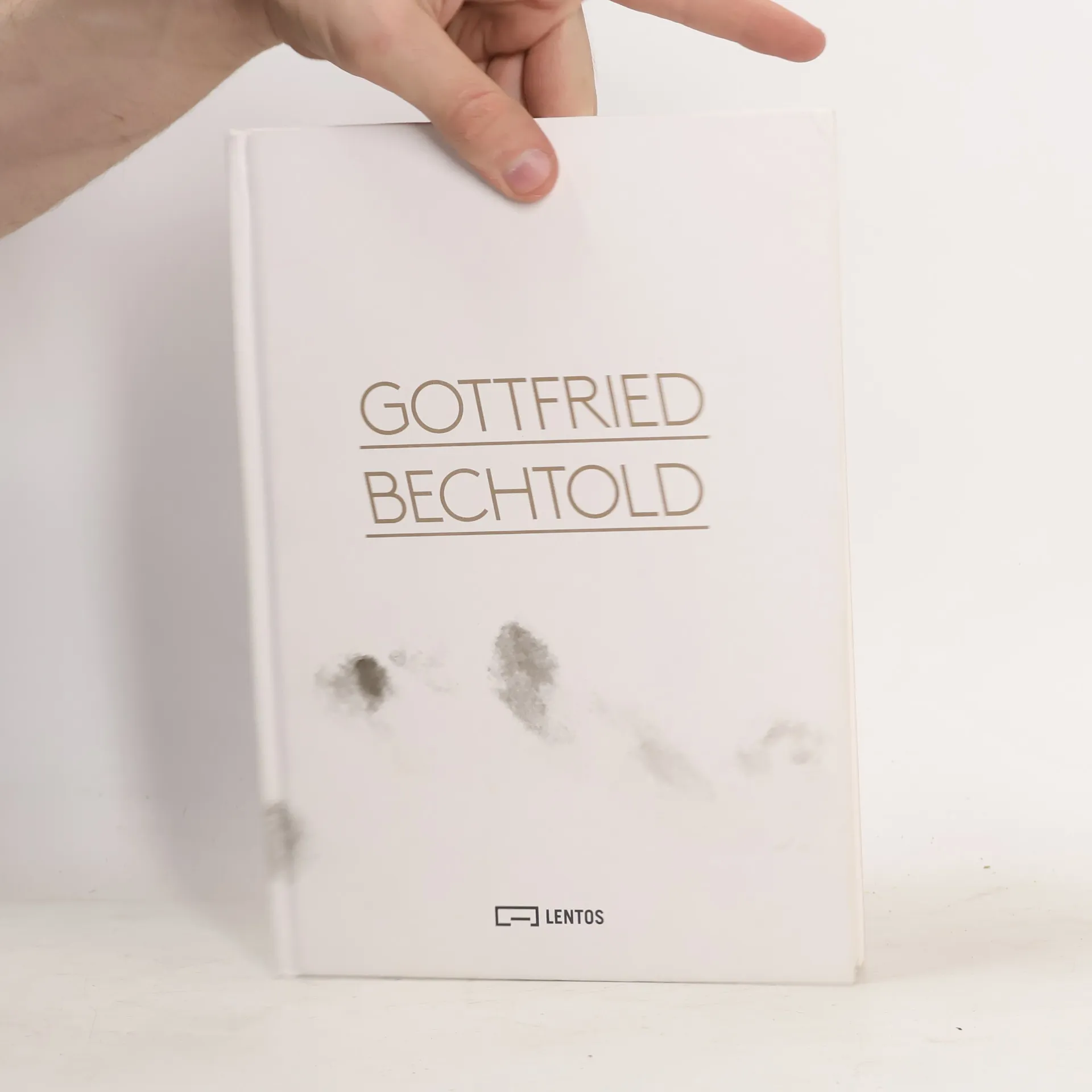
Gottfried Bechtold
- 160 pages
- 6 hours of reading
Gottfried Bechtolds Werk steht für eine Erweiterung des Kunstbegriffs, anknüpfend an die Radikalität Marcel Duchamps, an Land Art, Minimalismus und prozesshafte Kunst. Seit den 1970er-Jahren dem Experiment und künstlerischer Freiheit verpflichtet, hat Bechtold ein umfangreiches, vielfältiges Werk geschaffen. Ihn interessieren der Transfer der Realität in Medien, physikalische Phänomene, das Thema Mobilität, der Mythos Auto und die Idee von Zeit und Bewegung. In intelligenter Weise spielt der Künstler mit den Gegensätzen zwischen Be- und Entschleunigung. Seine Betonporsches, Original-Nachgüsse des Porsche 911, transformieren als bekanntestes Beispiel seines Werks das Symbol für Geschwindigkeit schlechthin in die perfektionierte Form des Stillstands.
Viva Venezia!
- 163 pages
- 6 hours of reading
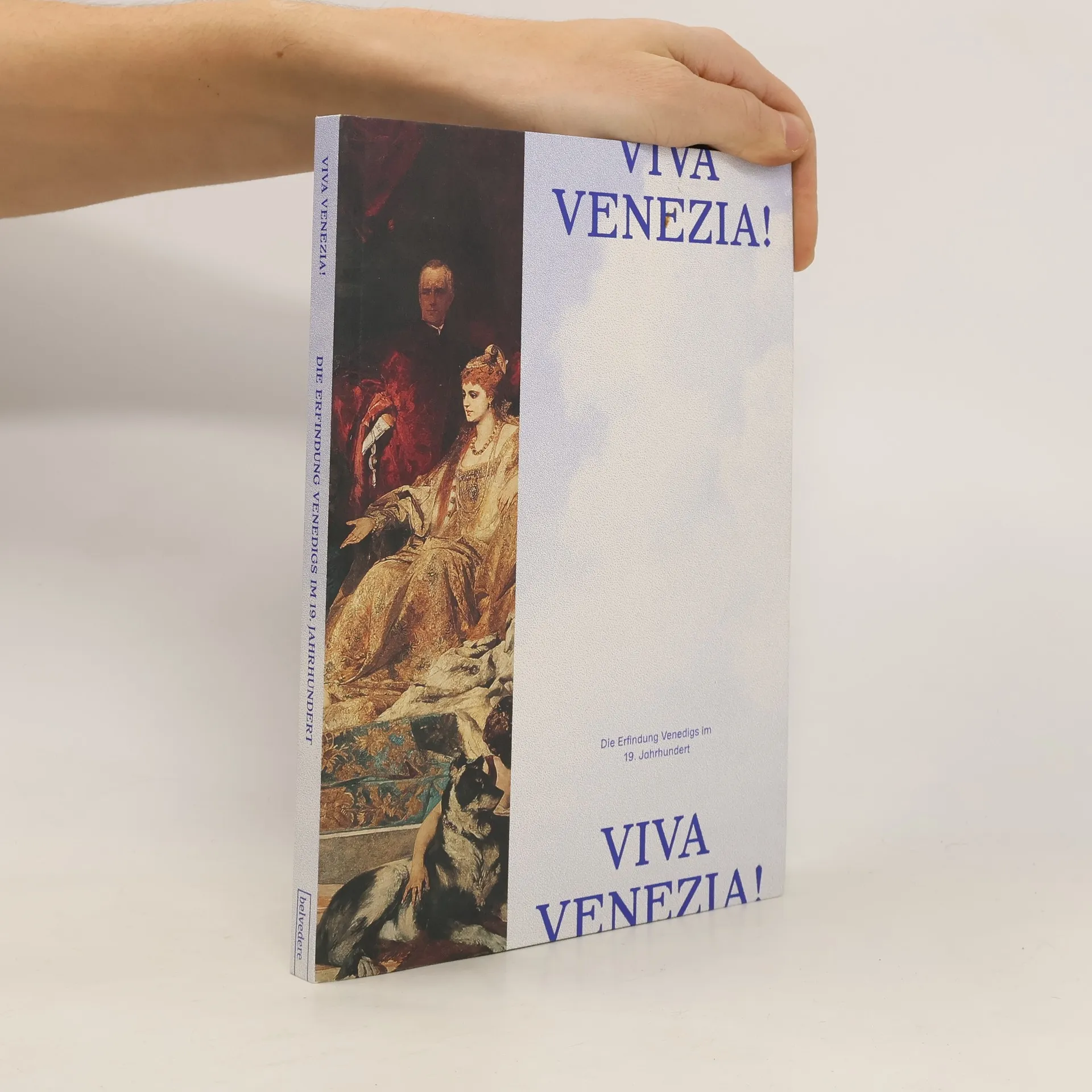
Venedig - Kaum eine andere Stadt hat sich so tief in das kollektive Bewusstsein der Welt eingeschrieben. Stadt der Träume, Stadt der Romantik, aber auch eine Stadt, die besonders gefährdet erscheint. Viele Fragen die sich uns heute gerade zu letzterem Punkt stellen, etwa die Bewahrung der Bausubstanz Venedigs, die Gefahren des Massentourismus, die Musealisierung der Stadt, haben ihren Anfang bereits im 19.Jahrhundert. Die vorliegende Publikation widmet sich speziell dieser Periode von 1800 bis 1900, vom Ende der venezianischen Republik bis zur Gründung der Kunstbiennale. Zahlreiche Essays beleuchten die Stadt aus dem Blickwinkel von Geschichte, Politik, bildender Kunst, Literatur bis hin zu Filmproduktionen, die im Venedig des 19.Jahrhunderts spielen. Einen Schwerpunkt bilden dabei die komplexen Beziehungen zwischen Venedig und der österreichischen Monarchie, unter deren Herrschaft Venetien von 1815 bis 1866 stand.
Lovis Corinth. Das Leben - ein Fest! / Life, a Celebration!
Ausst. Kat. Belvedere 21, Wien Saarlandmuseum – Moderne Galerie, Saarbrücken
- 224 pages
- 8 hours of reading
Themes of eroticism, family and mortality in the art and life of Lovis Corinth This book examines the stylistic and thematic transformations of the art of Lovis Corinth (1858–1925), from the eroticism of his nude portraits of his young wife to the images of mother and child, family life, depictions of Corinth’s own aging and his landscape paintings from the Walchensee.
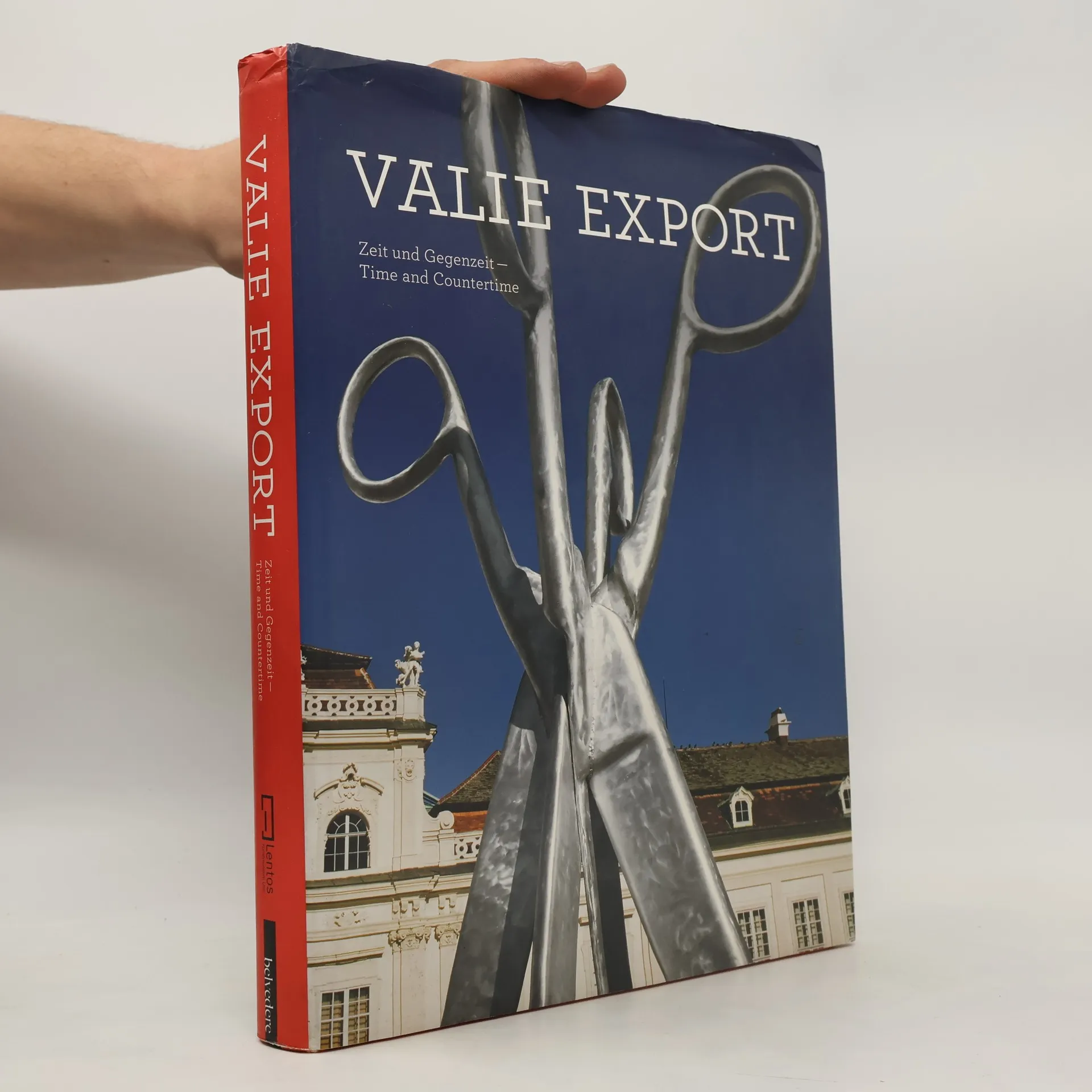
Valie Export, Zeit und Gegenzeit, Time and Countertime
- 304 pages
- 11 hours of reading
This publication presents Valie Export's newer and newest works, complemented by a concentrated selection of earlier work to enable a comprehensive analysis of the artist's oeuvre.
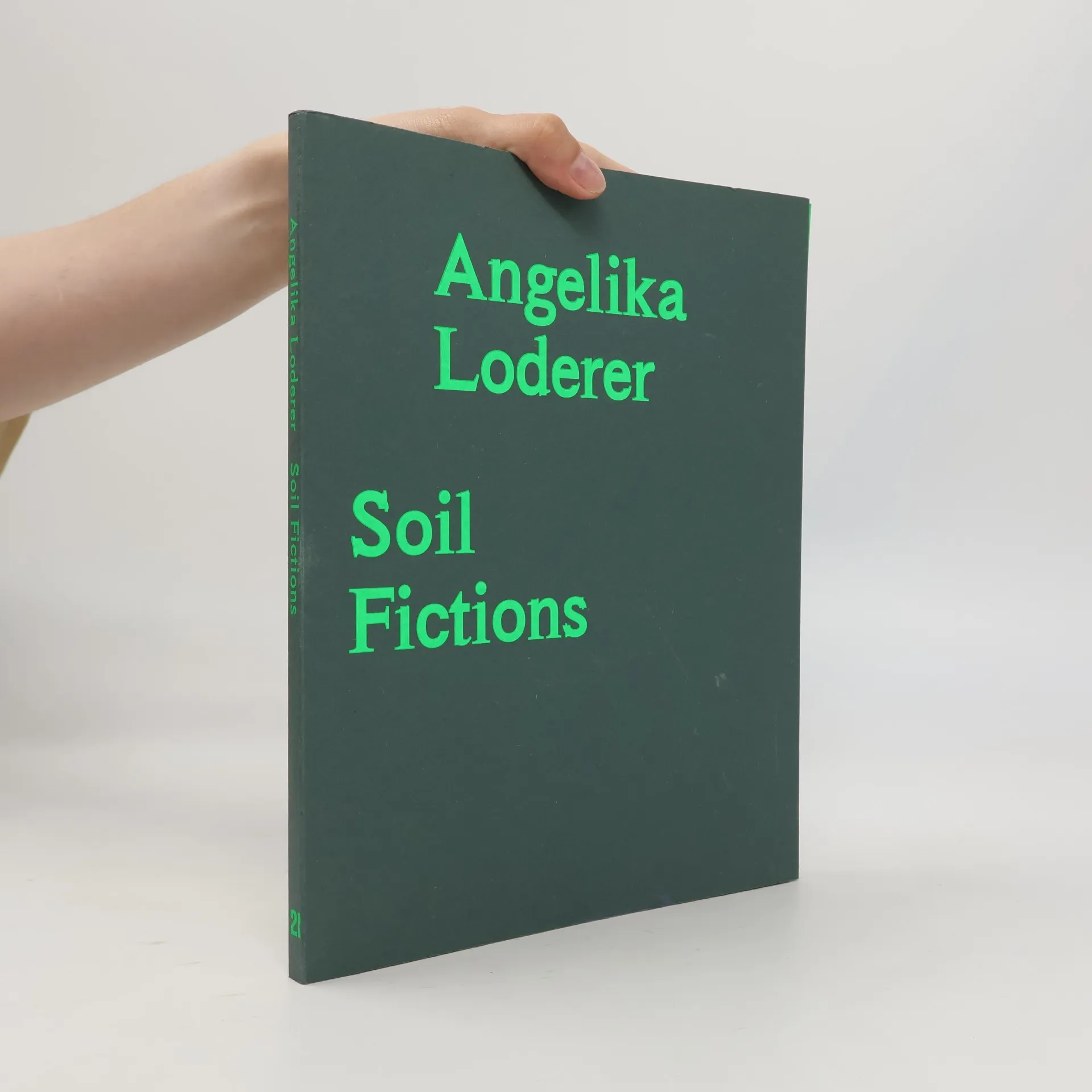
Angelika Loderer. Soil Fictions
Belvedere, Wien
Joseph Beuys. Denken. Handeln. Vermitteln / Think. Act. Convey
- 208 pages
- 8 hours of reading
Why did Joseph Beuys carry out his action EURASIENSTAB in Vienna? Should 7000 Oaks also have been planted here? And why should wet laundry constantly hang in Palais Liechtenstein? Joseph Beuys's relationships to the Austrian capital, the actions he carried out here, the spatial installations he set up, exhibitions, lectures, and discussion groups are investigated in the current publication on the pioneering artist's 100th birthday. With the expanded concept of art, Beuys not only significantly shaped the art after 1945; his oeuvre also has an unwavering relevance today. Text: Theo Altenberg, Harald Krejci, Doris Leutgeb, Lisa Moravec, Ana Petrovic, Stella Rollig
Fritz Wotruba. Himmelwärts Eine Kirche auf dem Georgenberg
- 128 pages
- 5 hours of reading
Der 1974 begonnene und heftig umstrittene Kirchenbau Zur Heiligsten Dreifaltigkeit im 23. Wiener Gemeindebezirk geht auf einen ku?nstlerischen Entwurf des o?sterreichischen Bildhauers Fritz Wotruba zuru?ck und wurde bis 1976 in Zusammenarbeit mit dem Architekten Fritz Gerhard Mayr errichtet. Der Katalog bereitet die langwierige Entstehung dieses einzigartigen Geba?udes gesellschaftspolitisch, baugeschichtlich sowie kunst? und architekturhistorisch auf und bietet somit eine neue wissenschaftliche Bearbeitung dieses zentralen Werks von Fritz Wotruba. Plastische Modelle, Entwurfszeichnungen, Pla?ne und Fotografien machen die Werkgenese nachvollziehbar. Schwerpunktma?ßig wird die formale Entwicklung des Kirchenbaus im Kontext des Gesamtwerks Fritz Wotrubas beleuchtet, wobei der Aspekt des Dialogs zwischen Skulptur und Architektur, der sich durch das Œuvre Wotrubas zieht, differenziert betrachtet wird
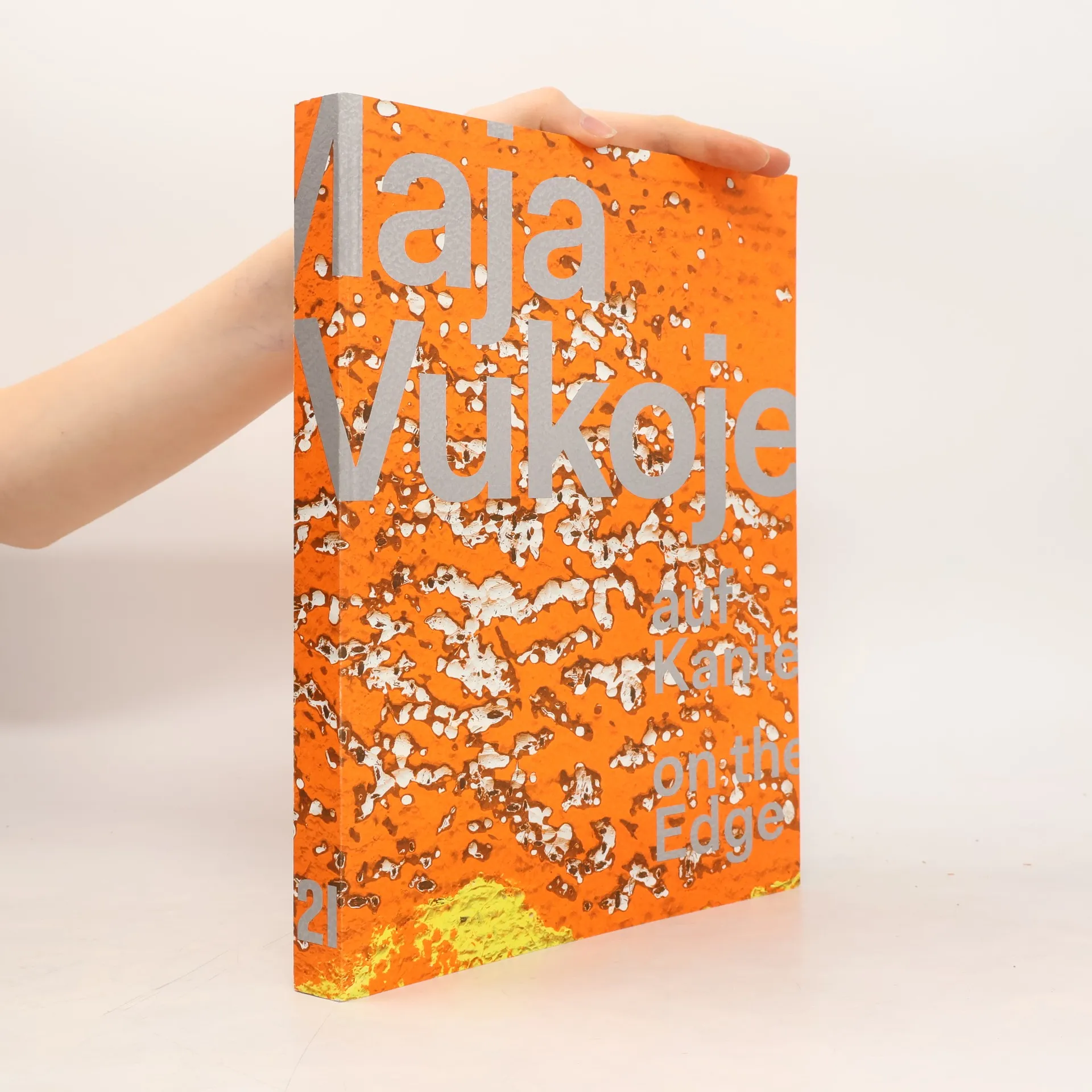
Maja Vukoje. Auf Kante / On the Edge
- 256 pages
- 9 hours of reading
In her painting Maja Vukoje explores cultural hybridity and transculturality as basic conditions of our globalized lives. Over various stages of her artistic career, Vukoje has developed a distinct artistic language in which she not only focuses on the mixture and fusion of elements of different cultures as visual motifs. The book will comprise more than two hundred images from the past fifteen years, with an emphasis on her most recent work series. In the latter tropical fruits and so-called colonial goods like coffee and sugar come face to face with symbols of our digitized everyday lives, motifs from popular culture, and iconic works of painterly abstraction. Text: Isabelle Graw, Isin Önol, Stella Rollig, Luisa Ziaja
Dürerzeit. Österreich am Tor zur Renaissance
Ausst. Kat. Belvedere, Wien
Die Wende zum 16. Jahrhundert und die folgenden Jahrzehnte waren geprägt von gesellschaftlichen und kulturellen Umbrüchen, die sich auch in der Kunst jener Zeit widerspiegeln. Deutlich waren noch Reminiszenzen der ausklingenden Gotik spürbar, als die Errungenschaften der italienischen Renaissancekunst auf dem Gebiet des heutigen Österreich Einzug hielten. In dieser Zeit des Wandels wurden Kunstwerke zunehmend von Funktionen befreit, die ihnen im Mittelalter zugedacht waren ? etwa die Bewahrung eines Andenkens, die Belehrung der Gläubigen oder die Förderung der Andachtsübung. Die ästhetische Wirkung der Objekte begann in den Vordergrund zu treten, und ihre Schöpfer etablierten sich mehr und mehr als Künstler in einem modernen Sinne. So entstanden auch auf dem Gebiet des heutigen Österreich mathematische Perspektivkonstruktionen, minutiöse Naturschilderungen und psychologisierende Porträts. Im Katalog wird diese Kunstproduktion nun erstmals fokussiert.(u. a. Werke von Lucas Cranach d. Ä., Albrecht Altdorfer, Wolf(gang) Huber oder Jacopo de? Barbari.00Exhibition: Belvedere, Wien, Austria (22.10.2021 - 30.01.2022)
Public Matters. Zeitgenössische Kunst im Belvedere-Garten
Belvedere, Wien
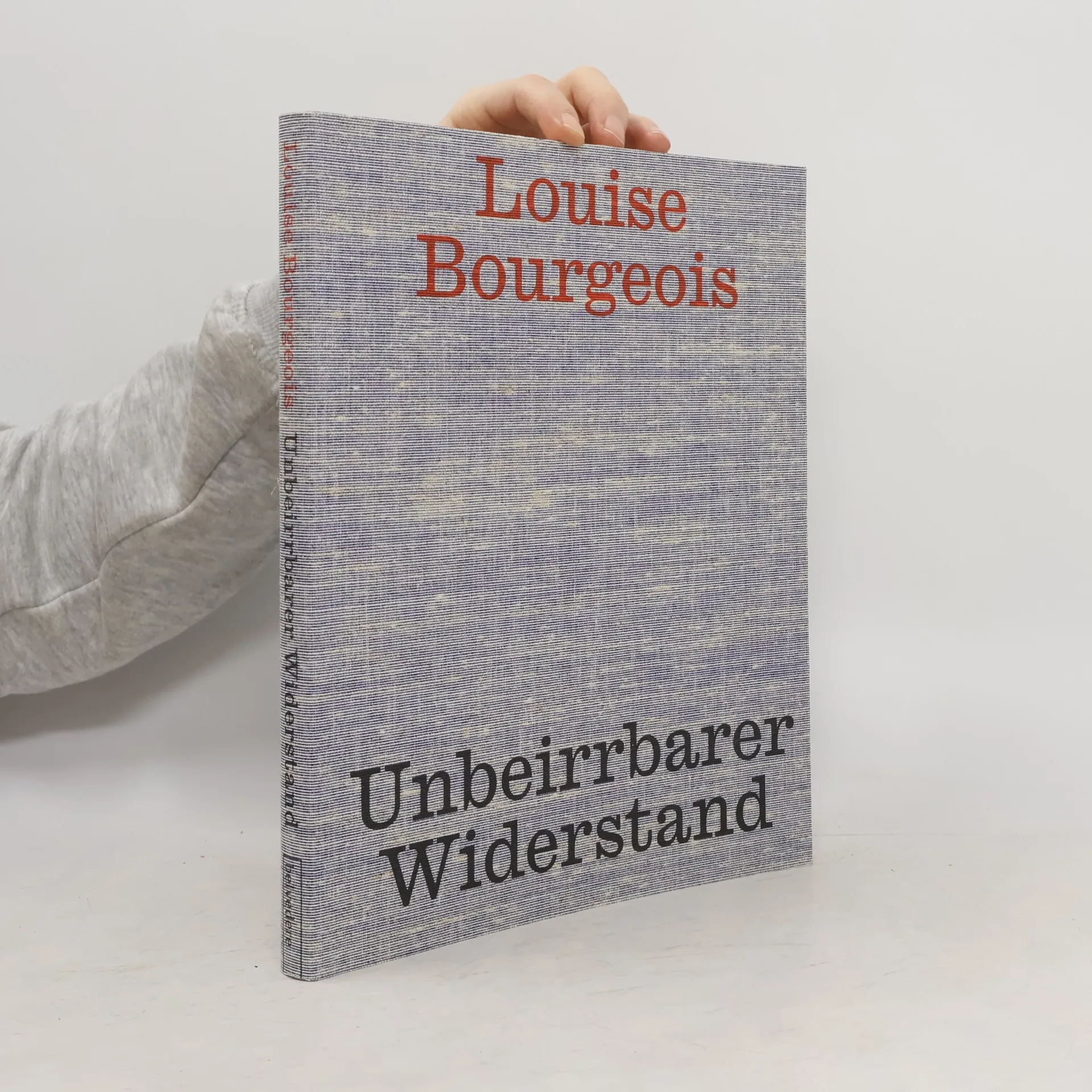
Louise Bourgeois. Unbeirrter Widerstand
Belvedere, Wien
Gerwald Rockenschaubs Werk ist geprägt durch das Prinzip der Reduktion auf wenige, aber wesentliche Elemente, Strukturen und Farbkontraste. Die Arbeiten des radikalen Minimalisten sind einfach und präzis, aber komplex. Sie reichen von den geometrisch-abstrakten Ölbildern der frühen 1980er-Jahre, die zur Neo-Geo-Bewegung gezählt werden, über industriell gefertigte Plexiglasplatten und riesige aufblasbare PVC-Objekte bis zu den jüngeren computergenerierten Animationen. Sparsame Eingriffe in die Architektur der jeweiligen Ausstellungsräume legen das Verhältnis von Betrachter*in, Kunstwerk und Raum offen und kehren es um.00Exhibition: Belvedere 21, Wien, Austria (25.11.2022 - 12.03.2023)
Oversized bronze sculptures from a British artist known for her often grotesque or comically exaggerated figuration British artist Rebecca Warren (born 1965) makes sculptures and assemblages using a wide variety of materials. Her distinctive and complex oeuvre blends tradition with the quotidian, seriousness with frivolity, mastery with mismatch. This publication accompanies Warren’s recent exhibition in Vienna featuring new works.
Salvador Dalí und Sigmund Freud. Die Kunst des einen ist ohne die Theorien des anderen nicht vorstellbar. Sie scheinen untrennbar miteinander verbunden, obwohl sich ihre Wege nur ein einziges Mal - im Luli 1938 in London - kreuzten. Dalís Erinnerungen an Wien, den Geburtsort der Psychoanalyse, bilden den Ausgangspunkt für diesen Band, der den Künstler vor dem Hintergrund seiner komplexen Familienverhältnisse beleuchtet und ihn von der Entdeckung der Schriften Freuds bis zum Treffen mit dem Begründer der Psychoanalyse im Jahr 1938in dessen Londoner Exil Begleitet
Viva Venezia! Die Erfindung Venedigs im 19. Jahrhundert
- 162 pages
- 6 hours of reading
Ugo Rondinone. Akt in der Landschaft / nude in the landscape
Ausst. Kat. Belvedere 21, Wien, 2021
- 112 pages
- 4 hours of reading
Tamuna Sirbiladze. Not Cool but Compelling
Belvedere, Wien
The Eye of the Storm. Modernismen in der Ukraine
Belvedere, Wien
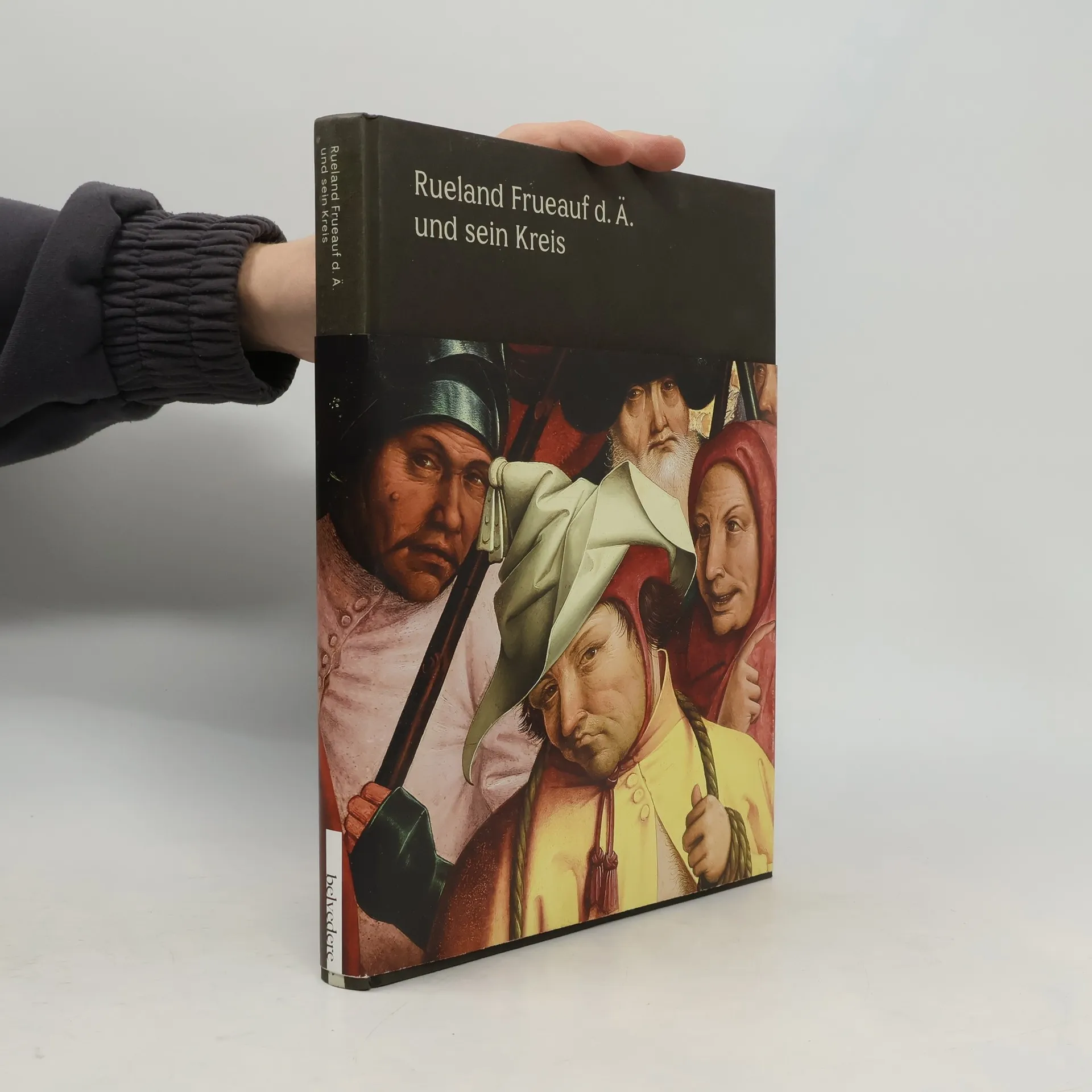
Rueland Frueauf d.Ä. und sein Kreis
- 216 pages
- 8 hours of reading
Rueland Frueauf der Ältere, der zwischen 1470 und 1507 in Salzburg und Passau dokumentiert ist, zählt zu den bedeutendsten spätgotischen Malern des deutschsprachigen Raums. Sein Hauptwerk bilden acht großformatige Altarbilder, denen nun eine Ausstellung im Oberen Belvedere gewidmet ist. Acht großformatige Altarbilder von Rueland Frueauf d. Ä., die er um 1490/91 für eine Salzburger Kirche schuf, stehen im Zentrum des Bands. Neben dem Œuvre von Frueauf zeigt die Publikation auch ausgewählte Werke von Künstlern aus seinem Umkreis, etwa dem Meister von Großgmain, sowie das Schaffen von Frueaufs Sohn Rueland d. J. Diese erstmalige Gegenüberstellung ermöglicht einen eingehenden Vergleich der Maler. Neue Erkenntnisse hierzu liefern kunsttechnologischen Untersuchungen, die im Zuge der Restaurierung an den Salzburger Altartafeln vorgenommen wurden.
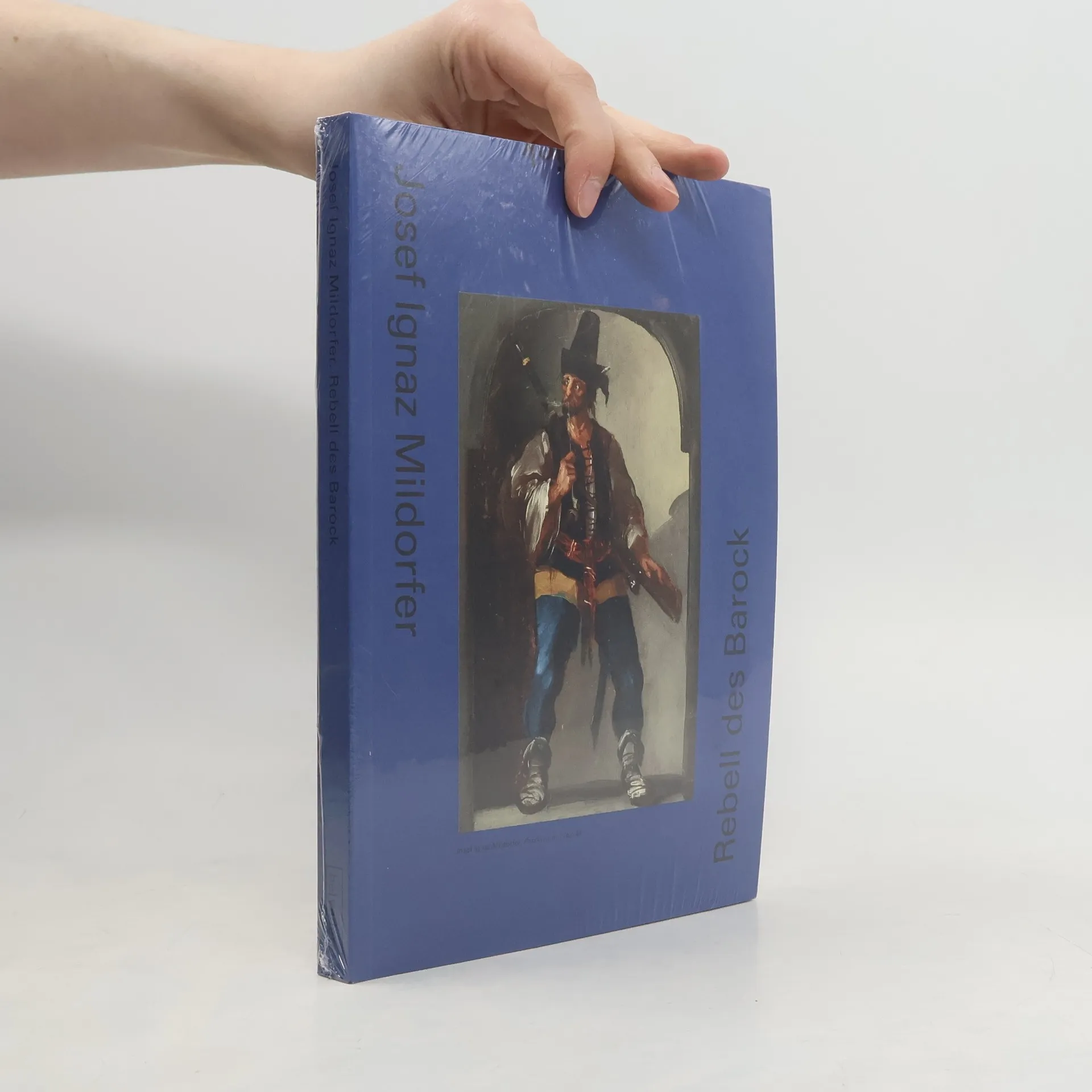
Josef Ignaz Mildorfer - Rebell des Barock
- 184 pages
- 7 hours of reading
Aus Anlass des dreihundertsten Geburtstags von Josef Ignaz Mildorfer (1719–75) widmet sich dieser Katalog dem Schaffen des spätbarocken Malers. Er stellt einen Künstler vor, dessen Werke nun erstmals überhaupt in einer monografischen Ausstellung zusammengeführt worden sind. Den aus Innsbruck gebürtigen Mildorfer zieht es, so wie viele seiner Künstlerkollegen, von Tirol nach Wien. Um 1750 lernt und lehrt er an der Wiener Kunstakademie, an der in dieser Zeit eine alles andere als konventionelle Kunst entsteht. Die Institution ist gewissermaßen ein Ort der Wiener Avantgarde des 18. Jahrhunderts. Mildorfer ist – zunächst als Schüler, dann als Professor für Malerei – Teil dieser spannenden Entwicklung, die Extreme in Bewegung, Ausdruck und Licht auslotet. Die Suche nach mutigen künstlerischen Lösungen prägt sein Schaffen – davon zeugen seine eindrucksvollen Schlachtenbilder ebenso wie viele seiner Werke, die für verschiedene Auftraggeber aus Kirche, Adel und Bürgertum entstanden sind. Neben Texten zu diesen Schwerpunktthemen bietet der Katalog weiterführende Essays und ediertes Quellenmaterial, die Mildorfer in seiner Zeit verankern und ihn als künstlerische wie als soziale Figur greifbar machen. Und so lädt dieses Buch seine Leserinnen und Leser zur Entdeckung eines weitgehend unbekannten Rebellen des österreichischen Spätbarock ein.
Der Canalettoblick
- 136 pages
- 5 hours of reading
Wiens berühmteste Stadtansicht und ihre Geschichte stehen im Zentrum dieser Publikation. Mitte des 18. Jahrhunderts malte Bernardo Bellotto, genannt Canaletto, Wien vom Belvedere ausgesehen, den weltberühmten Canalettoblick. Er zieht bis heute viele Besucherinnen und Besucher an und wird bei städtebaulichen Entscheidungen häufig als Maßstab herangezogen. Anhand der historischen Herleitung und der Gegenüberstellung der Veduten unterschiedlicher Künstlerinnen und Künstler wird veranschaulicht, wie sich die Ansicht der Stadt vom Belvedere aus im Laufe der Geschichte entwickelte. Zu sehen sind u. a. Werke von Salomon Kleiner, Rudolf von Alt, Tina Blau, Carl Moll, Gerhart Frankl oder Kiki Kogelnik. Damit wird auch die städtebauliche Diskussion der jüngsten Zeit aufgegriffen. Das Buch zeigt, dass Canalettos Werk nicht nur ein objektives Stadtpanorama wiedergibt, sondern dass es im Auftrag Kaiserin Maria Theresias zahlreiche Gebäude, die von ihr oder ihren Vorfahren errichtet worden waren, gekonnt in Szene setzt. In diesem Sinne sind Veduten wie diese nach wie vor relevante Vorbilder für architektonische Visualisierungen und Fotomontagen, mit denen neue Bauprojekte beworben werden. Damals wie heute besteht die Kunst in der Inszenierung des urbanen Raums.
Klimt und die Antike
- 255 pages
- 9 hours of reading
Faszinierender Dialog zwischen Gustav Klimt, dem Meister des Wiener Jugendstils, und der antiken Kunst – das Buch zur Ausstellung im Unteren Belvedere, Wien. Über alle zeitlichen und geographischen Räume hinweg widmet sich das Buch der Linienkunst Klimts und der antiken Kunst. Ausgangspunkt der ungewöhnlichen Zusammenschau sind die mit Illustrationen von Klimt versehenen Hetärengespräche des Lukian (um 120–185 n. Chr.). Dieses 1907 publizierte Erotikon verbindet die freizügigen Zeichnungen Klimts – die zur Entstehungszeit zu skandalösen Beschlagnahmungen führten – mit der von Josef Hoffmann gestalteten Ausstattung der Wiener Werkstätte zum vielleicht schönsten Buch des europäischen Jugendstils. Ein besonderes Augenmerk des Katalogs liegt neben dieser Buchgestaltung aus der Zeit des Jugendstils auf der Gegenüberstellung Klimts und der antiken Vasenmalerei. Trotz der zeitlichen Distanz von mehr als zwei Jahrtausenden offenbaren sich hierbei überraschende Übereinstimmungen. Dieser aufwendig gestaltete und reich bebilderte Band eröffnet neue, anregende Sichtweisen auf das Antikenverständnis des bedeutendsten Künstlers des Wiener Jugendstils.
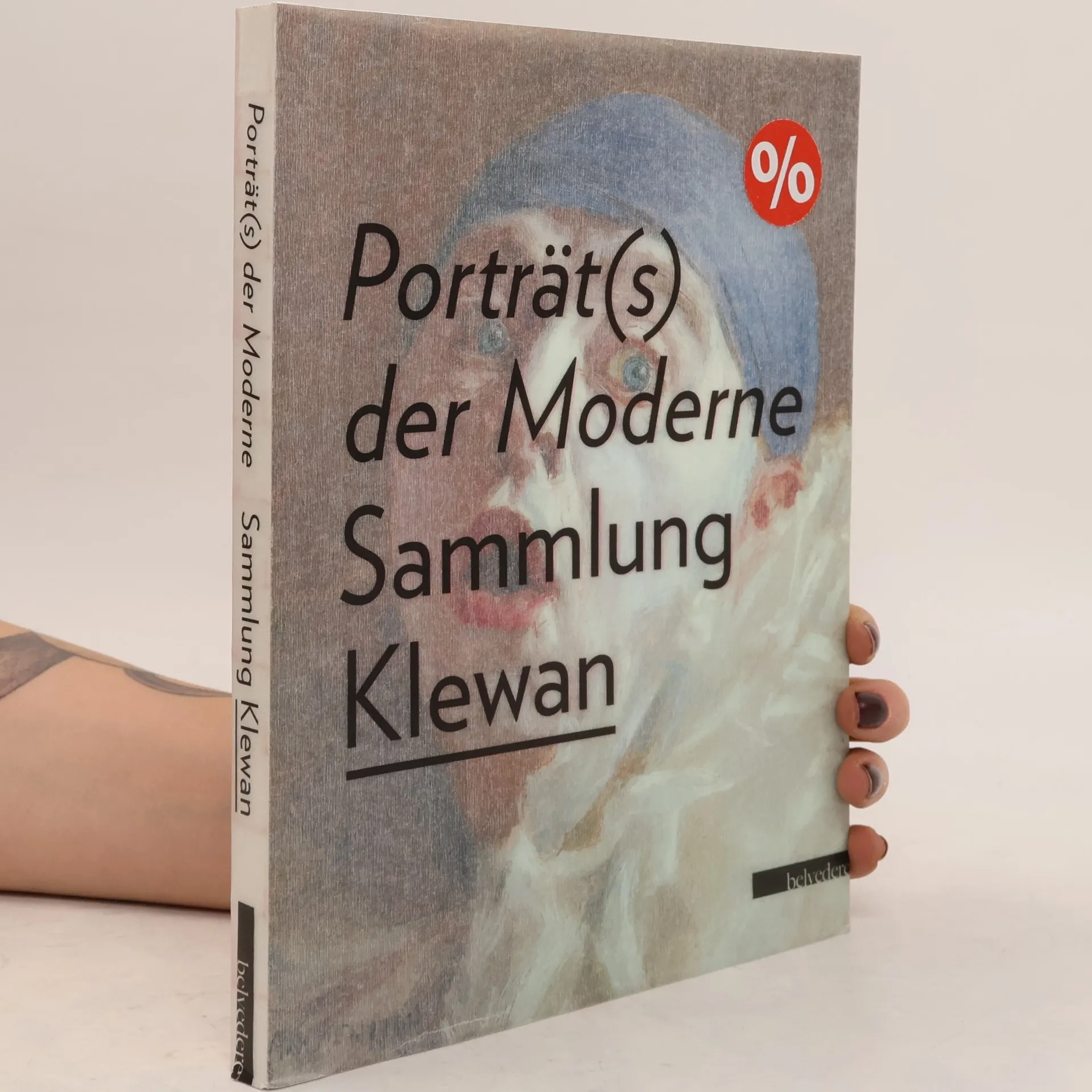
Porträt(s) der Moderne - Sammlung Klewan
- 144 pages
- 6 hours of reading
Der leidenschaftliche Kunstkenner Helmut Klewan (geb. 1943) war als Galerist in Wien und München tätig. Er hat in den vergangenen vier Jahrzehnten eine beachtliche Sammlung zusammengetragen, die bedeutende Werke der internationalen klassischen Moderne bis hin zu zentralen Positionen der Nachkriegskunst umfasst.0In der Orangerie im Unteren Belvedere werden vom 17. Februar bis 11. Juni 2017 insgesamt 193 Werke von mehr als fünfzig Künstlerinnen und Künstlern aus dieser Sammlung gezeigt. Der Hauptfokus liegt dabei auf Porträtdarstellungen der unterschiedlichsten Künstler, etwa von Francis Bacon oder dem nahezu unbekannten Armand François Henrion. Im übertragenen Sinn wird es dadurch möglich, der Moderne in ihrer Vielfalt ein Gesicht zu geben.0Die Sammlung Klewan zeichnet sich nicht nur durch die Vielgestaltigkeit der gesammelten Positionen aus, sondern auch durch eine selbstbestimmte Rezeption. So haben auch ausgefallene Werke der Kitschrezeption darin ihren Platz. Eine Besonderheit stellt außerdem die Sammlung von Schlüsselwerken der österreichischen Kunst seit 1945 dar. Helmut Klewan pflegte Kontakt mit bedeutenden österreichischen Künstlerinnen und Künstlern, darunter Arnulf Rainer, Maria Lassnig oder Friedensreich Hundertwasser. Als Galerist agierte er als wichtiger Vermittler der österreichischen Kunstproduktion im Ausland.00Exhibition: Museum Belvedere, Vienna, Austria (17.02.-11.06.2017).
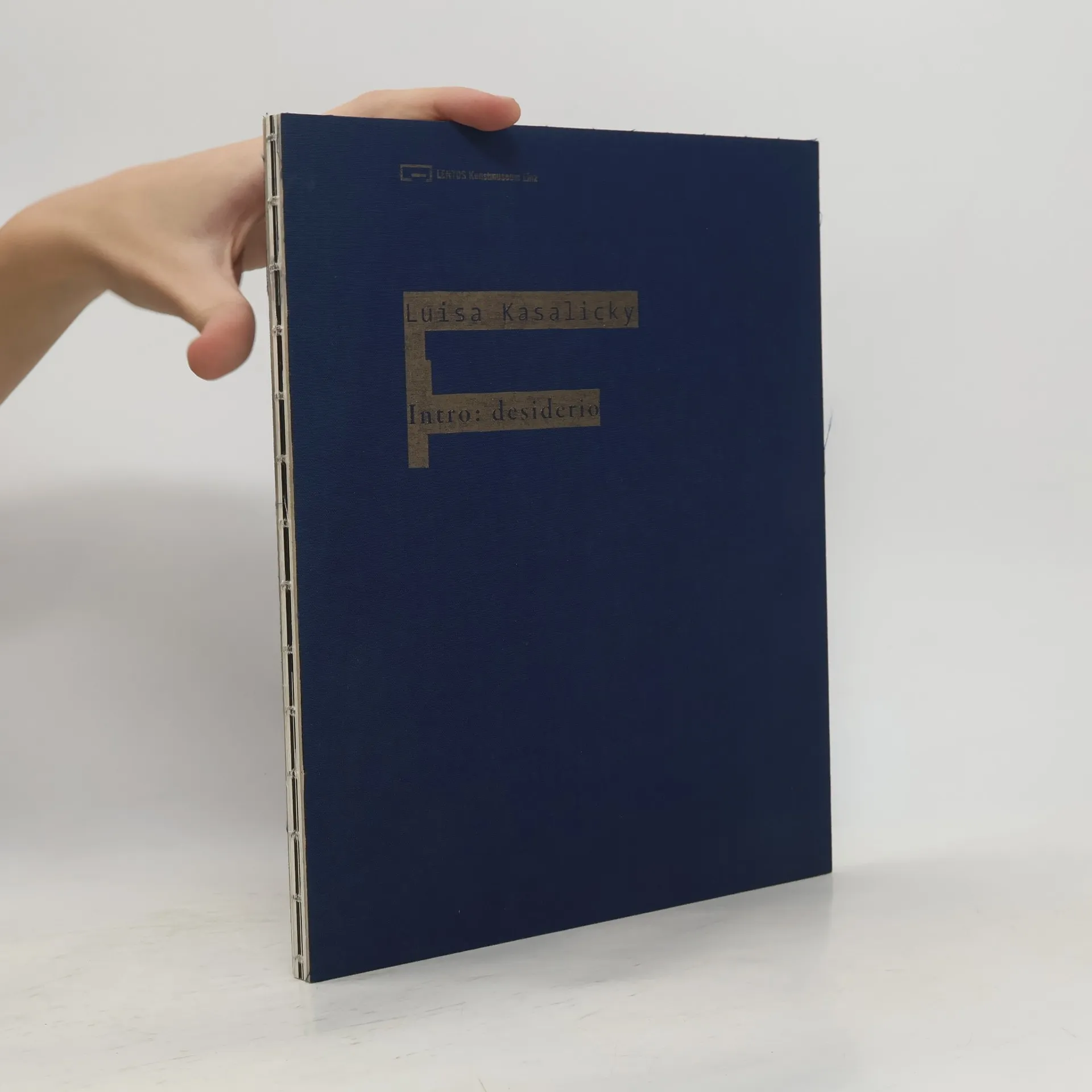
Luisa Kasalicky
- 56 pages
- 2 hours of reading
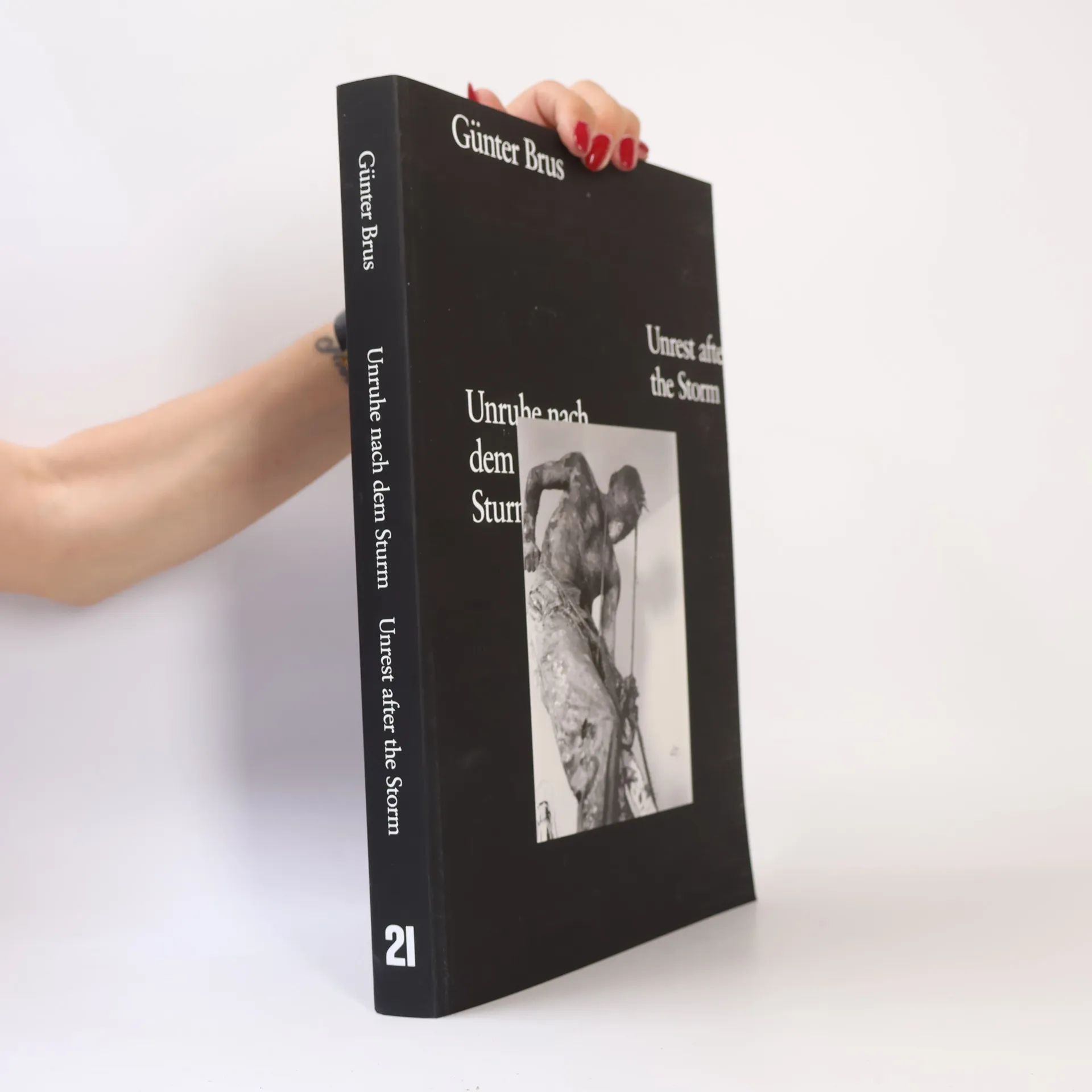
Günter Brus: Unruhe nach dem Sturm
Unrest After the Storm: Ausst.Kat. Belvedere 21, Wien, vom 2. Februar bis 12. August 2018
- 286 pages
- 11 hours of reading
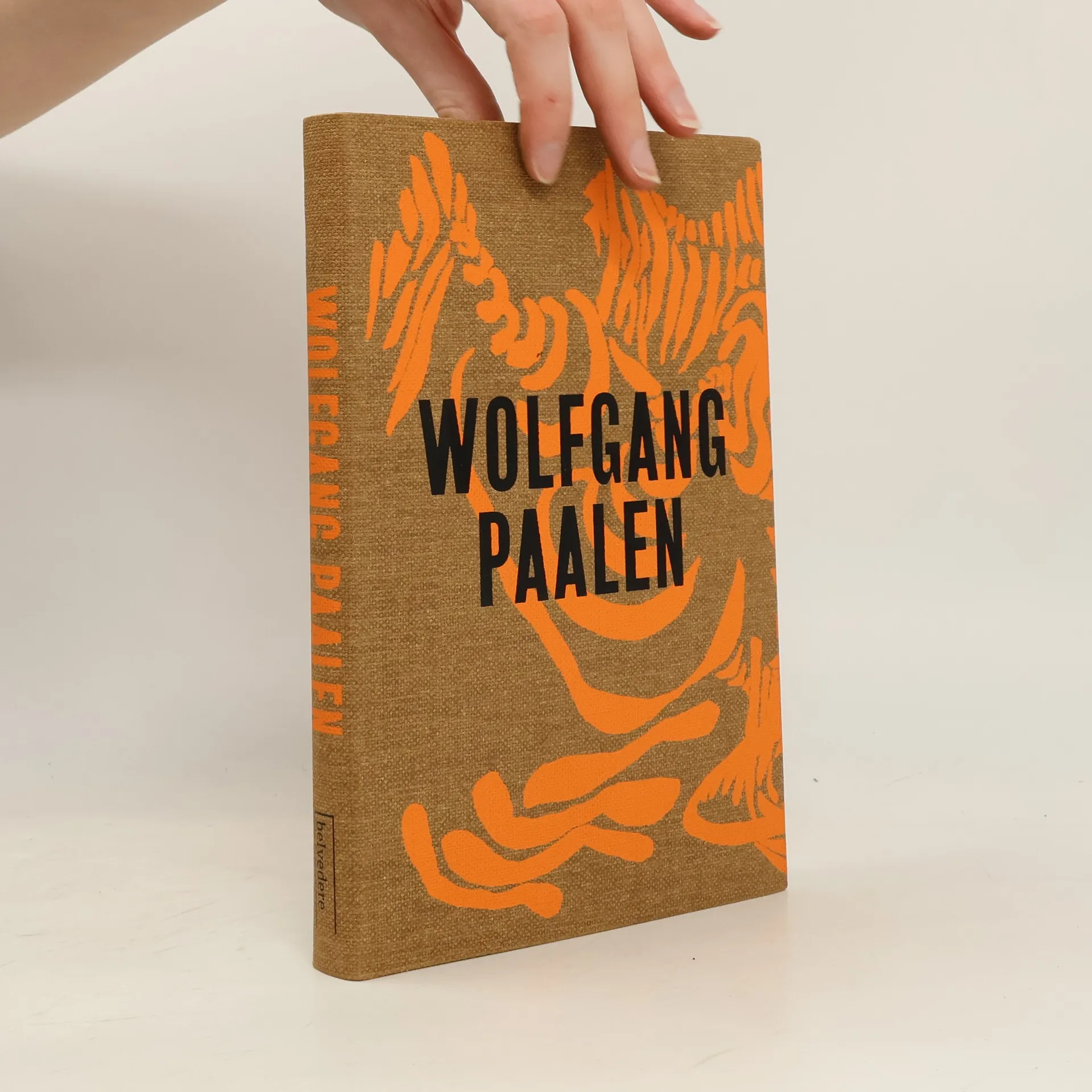
Wolfgang Paalen
Der österreichische Surrealist in Paris und Mexiko
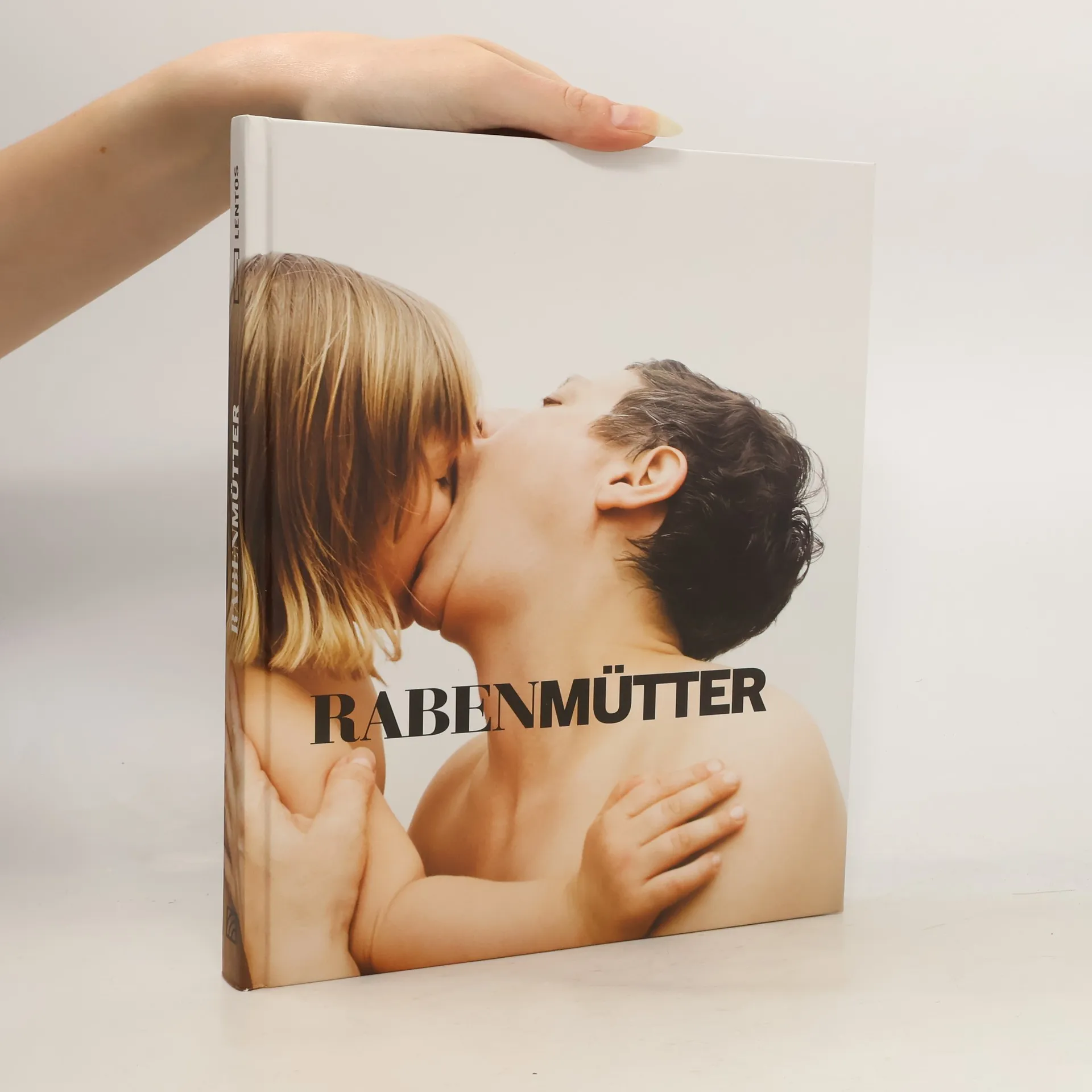
Rabenmütter
- 191 pages
- 7 hours of reading
Super mom or childless? It almost looks as if there were no such thing any longer as motherhood pure and simple, as if all that is left is the choice between perfectionism and eschewal. Nevertheless, motherhood has many aspects: joy, an intense experience of life, love relationship, learning, exulation, on the one hand, and, on the other, frustration, being weighed down by expectations and the fear of being inadequate to the task. In the 19th century motherhood was never called into question even if in actual reality the rewards often fell woefully short of projected ideals. It was only the advent of career openings for women that created alternatives to motherhood as a fulfilled life. Nor did we have to wait for 1960s feminist art to produce realistic portrayals of the mother's role, but we find renderings of social reality and individual conflicts already as early as the beginning of the 20th century. The catalog showcases not only shifts in the stereotypes of motherhood from 1900 to today but also the changes in the perspective from which children see their mothers.
Verkehr - Steirische Landesausstellung 1999
- 356 pages
- 13 hours of reading
Anger, Kenneth ; Bechtold, Gottfried ; Binder, Gerhard ; Cebul, Karl ; Cebul, Katrin ; Feininger, Andreas ; Fischli, Peter ; Flatz ; Fleury, Sylvie ; Funk, Rudolf ; Gironcoli, Bruno ; Günther, Ingo ; Gursky, Andreas ; Guse, Rudolf ; Hahsler, Johann ; Hanson, Duane ; Höller, Carsten ; Kainbrecht, Reinhold ; Kcho ; podgorschek, Prinzgau / ; Reinthaler, Arnold ; Research, Survival ; Slominski, Andreas ; Spitzer, Serge ; Wadsack, Werner ; Weinberger, Lois ; Weiss, David ; Wodiczko, Krzysztof ; Yanagi, Yukinori ; Zittel, Andrea.
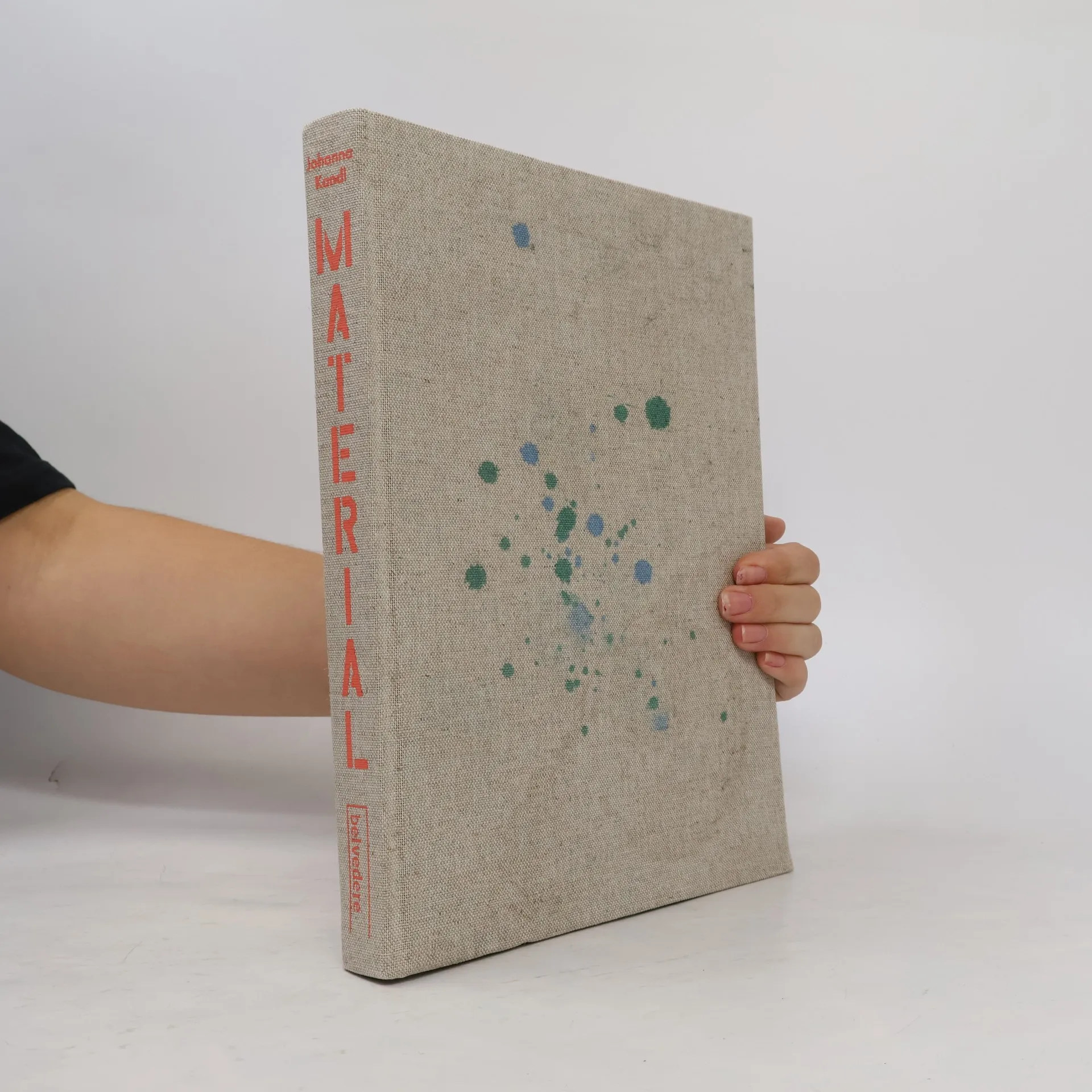
Johanna Kandl, Material
- 256 pages
- 9 hours of reading
The Austrian artist Johanna Kandl has worked with the material side of art for many years. She researches organic and inorganic painting materials and travels to their respective places of origin, e. g. to Hormuz Island, to Sudan, to Sumatra or Slovakia. Using resin and gum yielding plants (Gummi arabicum in Sudan), themes such as economic sustainability for the inhabitants in the regions concerned are addressed. The artist’s works—paintings, photos and films—interact with minerals, pigment samples and archive documents. In this way she creates a narrative that oscillates between factual documentation and personal fiction. In the catalogue Johanna Kandl makes use of both a detached scientific perspective as well as her emotional and personal attachment that derives from the fact that she is from a family of paint manufacturers. With the help of specialists, the stories behind the painting materials are traced out in this publication and pressing social questions are broached. Text: Hubert de Foresta, Miroslav Haľák, Vera M. F. Hammer, Stefanie Jahn, Johanna Kandl, Georg Kremer, Stella Rollig, Manfred Schreiner / Bernadette Frühmann / Wilfried Vetter, Andreas Spiegl