

Iris Marion Youngs klassischer Aufsatz beleuchtet, wie Erziehungsgrundsätze Mädchen dazu bringen, ihre Körper als zerbrechlich zu empfinden. Sie analysiert die gesellschaftliche Konstruktion von Körperwahrnehmung und thematisiert geschlechtsbedingte Ungerechtigkeiten, die weiterhin bestehen. Ein wichtiger Beitrag zur feministischen Theorie.
Iris Marion Young Book order (chronological)
Iris Marion Young was an American political theorist and feminist whose work centered on the nature of justice and social difference. Her writings explored how societal structures and power relations can lead to oppression and inequality, advocating for nuanced approaches to achieving justice. Drawing inspiration from thinkers like Michel Foucault and Jürgen Habermas, Young developed original perspectives on political theory and ethics. Her analyses, often focused on marginalized groups, profoundly influenced contemporary discussions on social justice and political philosophy.
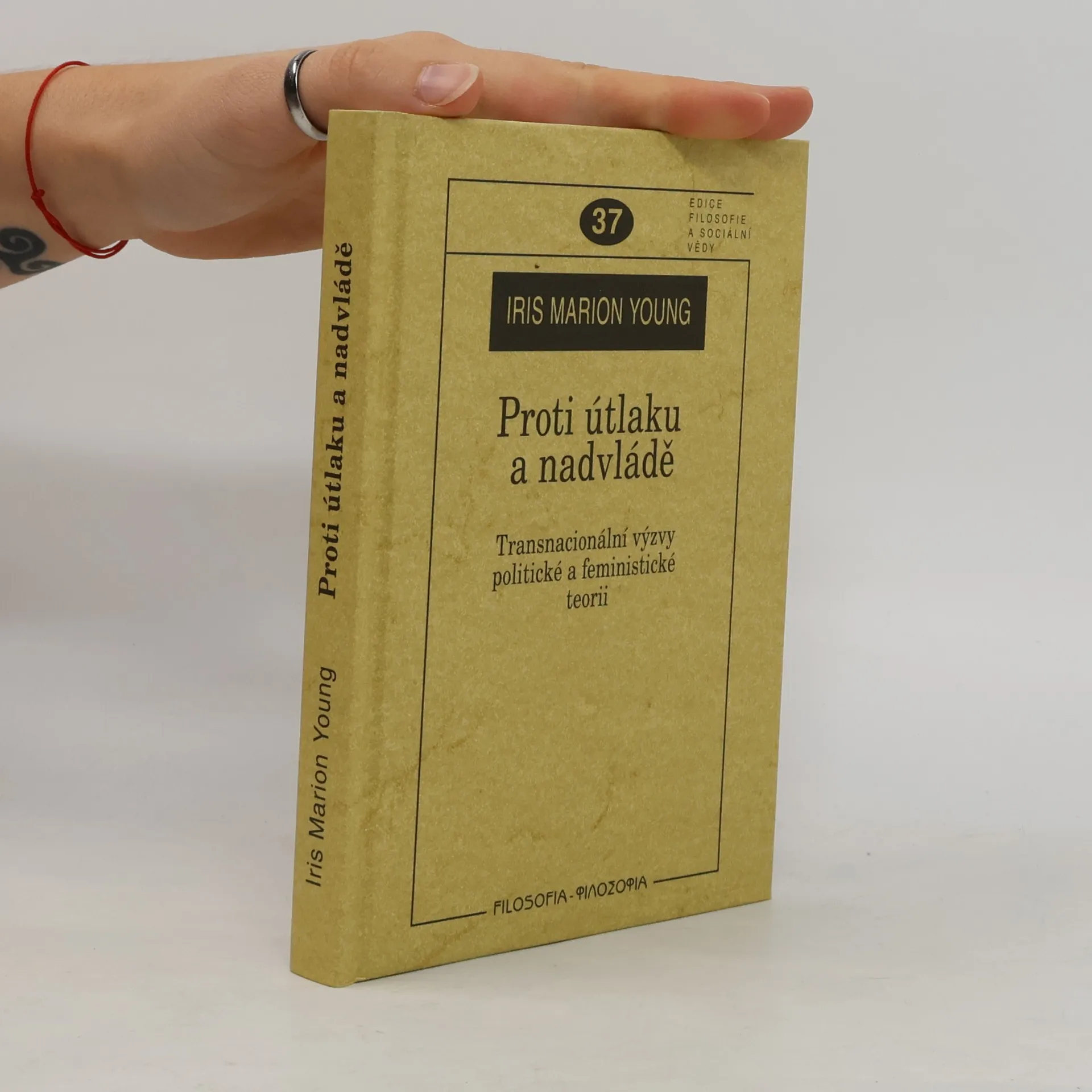



Předkládaná kniha Proti útlaku a nadvládě - Transnacionální výzvy politické a feministické teorii je výběrem reprezentativních prací I.M. Young z poslední doby. Autorka se v nich zabývá pojetím politického sebeurčení v globálním kontextu a sociálními a genderovými strukturálními nespravedlnostmi.
Inclusion and Democracy
- 280 pages
- 10 hours of reading
"Inclusion and Democracy broadens our understanding of democratic communication by reflecting on the positive political functions of narrative, rhetorically situated appeals, and public protest. It reconstructs concepts of civil society and public sphere as enacting such plural forms of communication among debating citizens in large-scale societies."--Jacket
First published in 1998, this collection brings together key articles by prominent feminist thinkers, providing a sophisticated exploration of theoretical topics central to feminist social thought. It highlights significant concerns in contemporary feminist scholarship and the advancements made by feminist philosophers. The editor's introduction offers alternative pathways through the text, enabling instructors to tailor the reader to their specific courses and student interests. Each article includes a brief introduction that contextualizes it, emphasizing the main issues and conclusions, which aids students in navigating challenging theoretical concepts. Organized around seven topics—constructions of gender; theorizing diversity; figurations of women; subjectivity, agency, and feminist critique; social identity, solidarity, and political engagement; care and its critics; and women, equality, and justice—this collection represents a broad spectrum of feminist thinking. Students will engage with critical questions, including how gender norms are instilled and perpetuated, the relationships between gender and other social positions like race and class, the resources available for recognizing and resisting subordination, the goals of feminist politics, and the reconciliation of social and legal equality with difference.
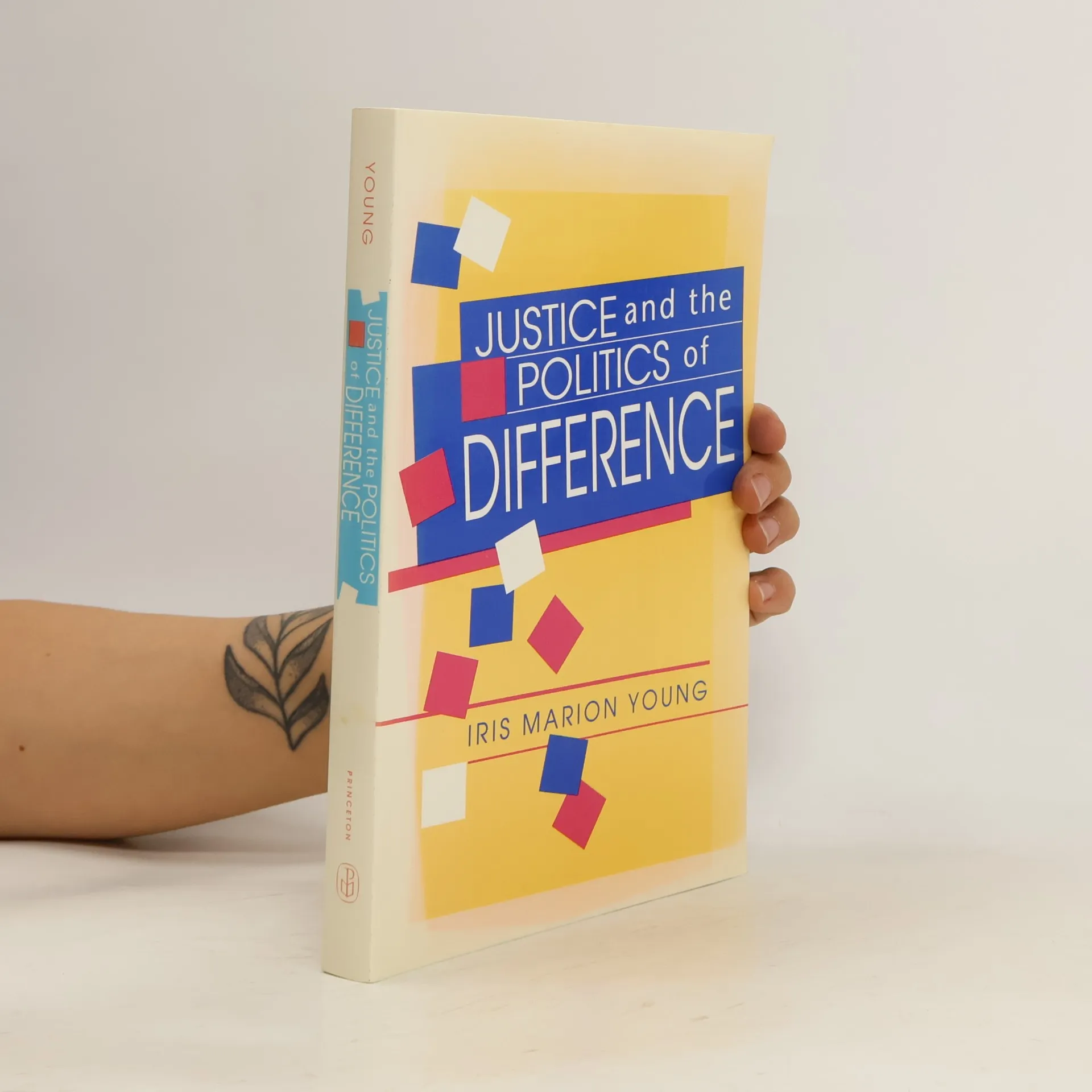
Justice and the Politics of Difference
- 286 pages
- 11 hours of reading
This work critiques the reduction of social justice to distributive justice, examining fundamental concepts in justice theories such as impartiality and formal equality. It begins with the perspectives of marginalized groups regarding decision-making, cultural expression, and labor division. Young introduces the concepts of domination and oppression to address issues overlooked by the distributive model. She argues that democratic theorists often fail to create an inclusive participatory framework, as they assume a homogeneous public and neglect institutional arrangements that include those not aligned with white European male norms. Young advocates for a normative theory and public policy that confronts group-based oppression by recognizing and affirming social group differences. Drawing from the culturally diverse landscape of contemporary urban life, she proposes a principle of group representation in democratic settings and supports group-differentiated policies. This innovative analysis is a significant contribution to feminist theory and political thought, linking postmodern critiques of universalism with practical implications for social justice. As noted by Seyla Benhabib, it compellingly articulates the emancipatory potential of postmodernism.