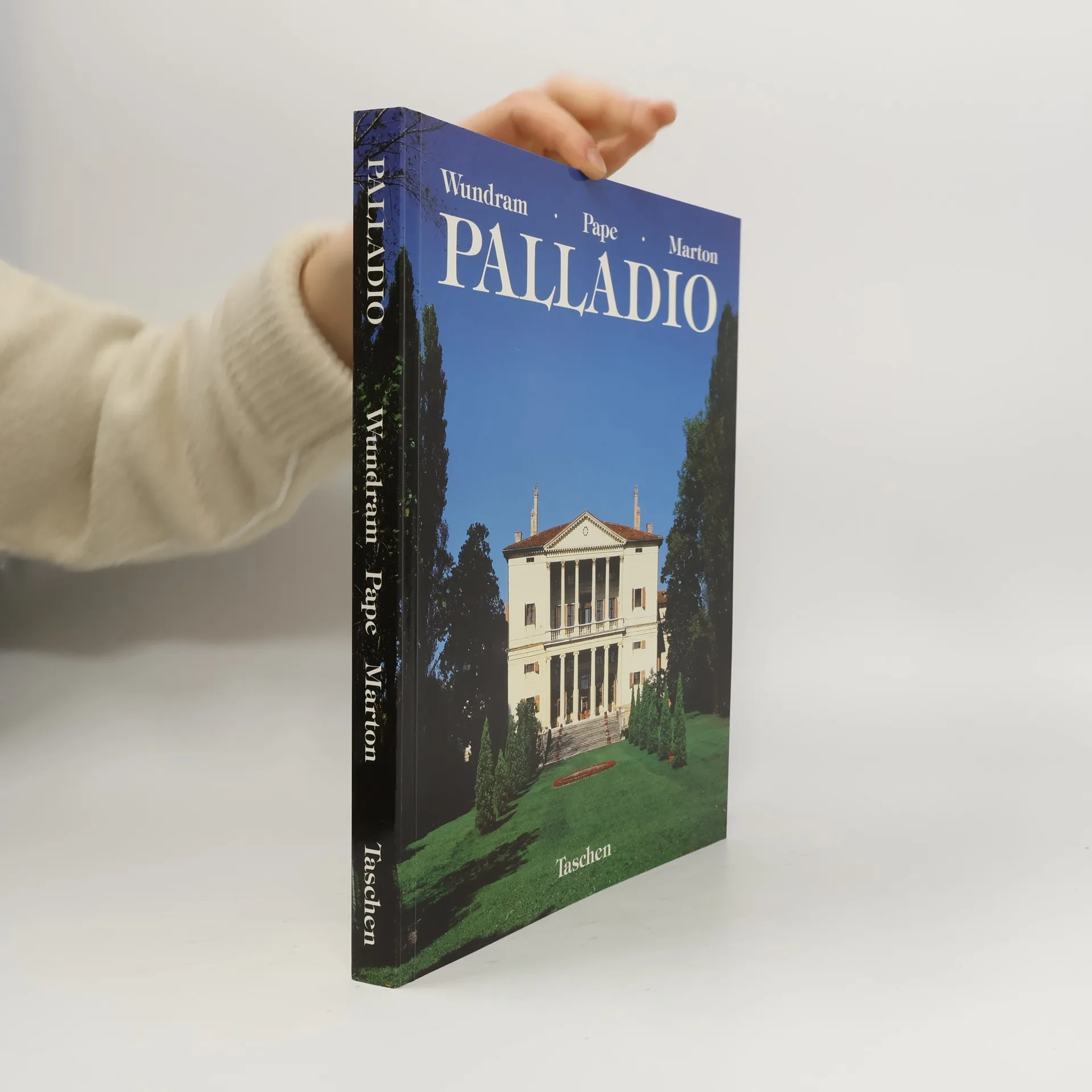
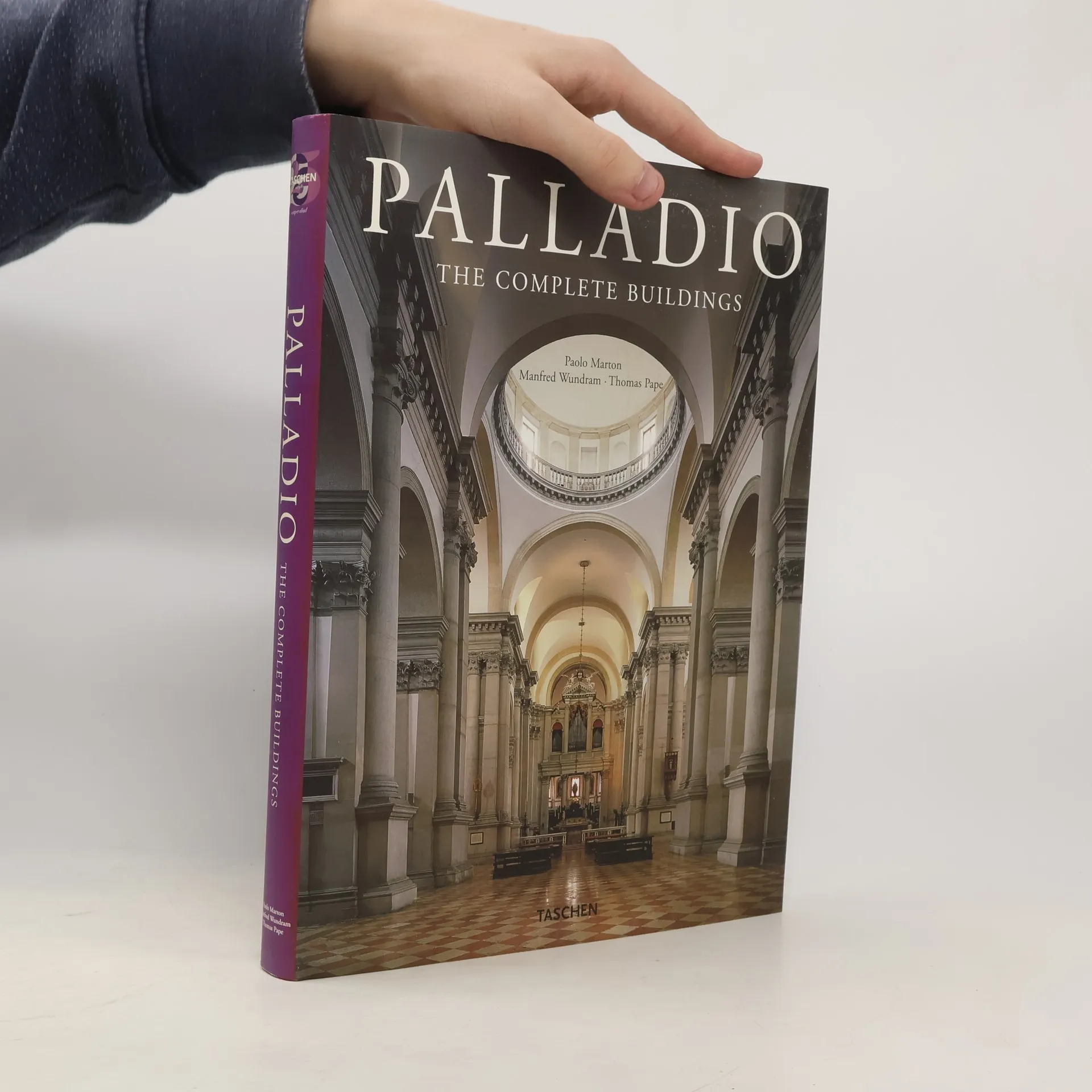
No other architect in the history of Western art has had an influence so spontaneous and yet so enduring as Andrea Palladio. Palladianism broke through all cultural stylistic barriers. It spread not only throughout the Neo-Latin nations but also influenced Germany, the Netherlands, Scandinavia, and the countries of Eastern Europe, shaping English architecture of the 17th and 18th centuries. Palladio lived in an age that was extremely exciting for the historical development of architecture, and his work was an important factor in the evolution from Renaissance to Baroque. This volume offers a thorough introduction to the architecture of Palladio and includes all works attributed to him.
Manfred Wundram Book order (chronological)
August 20, 1925 – June 14, 2015


Gothic
- 96 pages
- 4 hours of reading
Mysticism of the Middle Ages The earliest Gothic art dates back to mid-12th century France, from which it spread throughout Western Europe through the 15th century. The Gothic style, which dominated the European aesthetic for four centuries, was prominent both in architecture, especially cathedrals and churches, and the arts—painting, sculpture, stained glass, illuminated manuscripts, and frescoes. Predominantly religious, Gothic art was dark and emotional, marked by intensity and logical formalism. The later Gothic period, known as the International Style, was a precursor to the Renaissance. Artists featured: Giotto di Bondone, Duccio di Bouninsegna, Dieric Bouts, Robert Campin, Cimabue, Petrus Christus, Barthélemy d’Eyck, Jan van Eyck, Andrea da Firenze, Jean Fouquet, Nicolas Froment, Hugo van der Goes, Jaume Huguet, Stefan Lochner, Ambrogio Lorenzetti, Simone Martini, Master Bertram, Master Franke, Master of the Glatz Madonna, Master of the Paradise Garden, Master of Saint Veronica, Master Theoderich, Master of the Wilton Diptychons, Master Wittingau, Hans Memling, Lorenzo Monaco, Lukas Moser, Michael Pacher, Martin Schongauer, Rogier van der Weyden, Konrad Witz
Die zwölfbändige Reihe 'Kunst-Epochen' bietet einen fundierten Einstieg in die Kunstgeschichte, von ihren Anfängen bis zur Gegenwart. Sie begleitet den Leser auf dem Weg zur Kunst, macht mit den Hintergründen, den wichtigsten Künstlern und Werken vertraut. Gleichzeitig zeigt sie Methoden auf, mit deren Hilfe man Bilder, Plastiken und Bauwerke erschließen und verstehen lernen kann. Der Aufbau der Bände: Die verschiedenen Epochen und ihre wichtigsten künstlerischen Strömungen - Epochale Errungenschaften und herausragenden Einzelwerke - Materialien und Quellen zum zeitgenössischen Kunstverständnis - Die wichtigsten Künstler, ihr Leben und Werk, Künstlergruppen - Personenregister und Literaturhinweise. Band 6: Mit der Rückbesinnung auf die Antike sowie der Hinwendung zur Natur und zum Menschen werden ab etwa 1400 die Grundlagen für die Kunst der folgenden Jahrhunderte gelegt, fassbar zunächst in der Entwicklung der Skulptur, dann aber auch in der Malerei und Architektur.
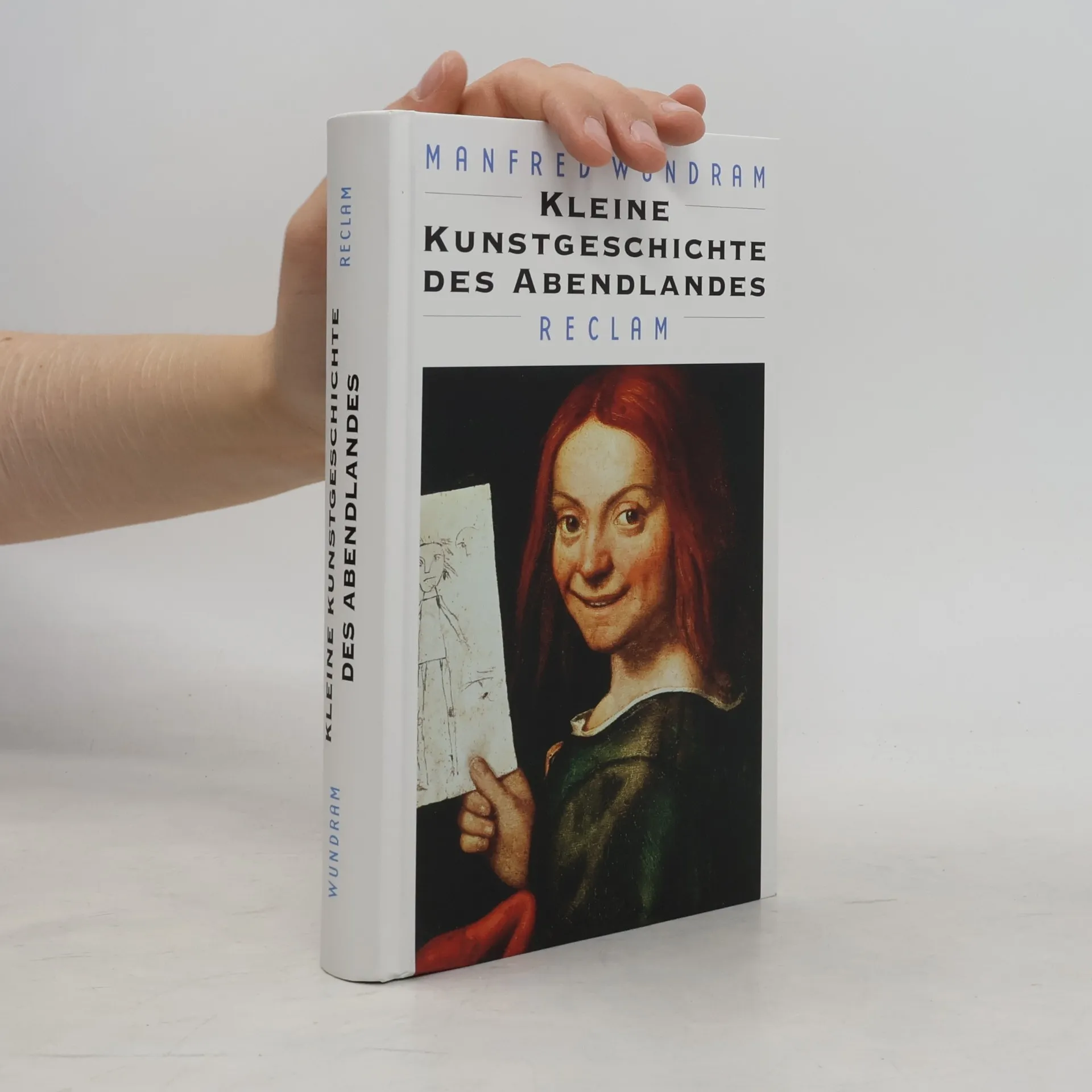
Kleine Kunstgeschichte des Abendlandes
- 349 pages
- 13 hours of reading
Andrea Palladio
- 96 pages
- 4 hours of reading
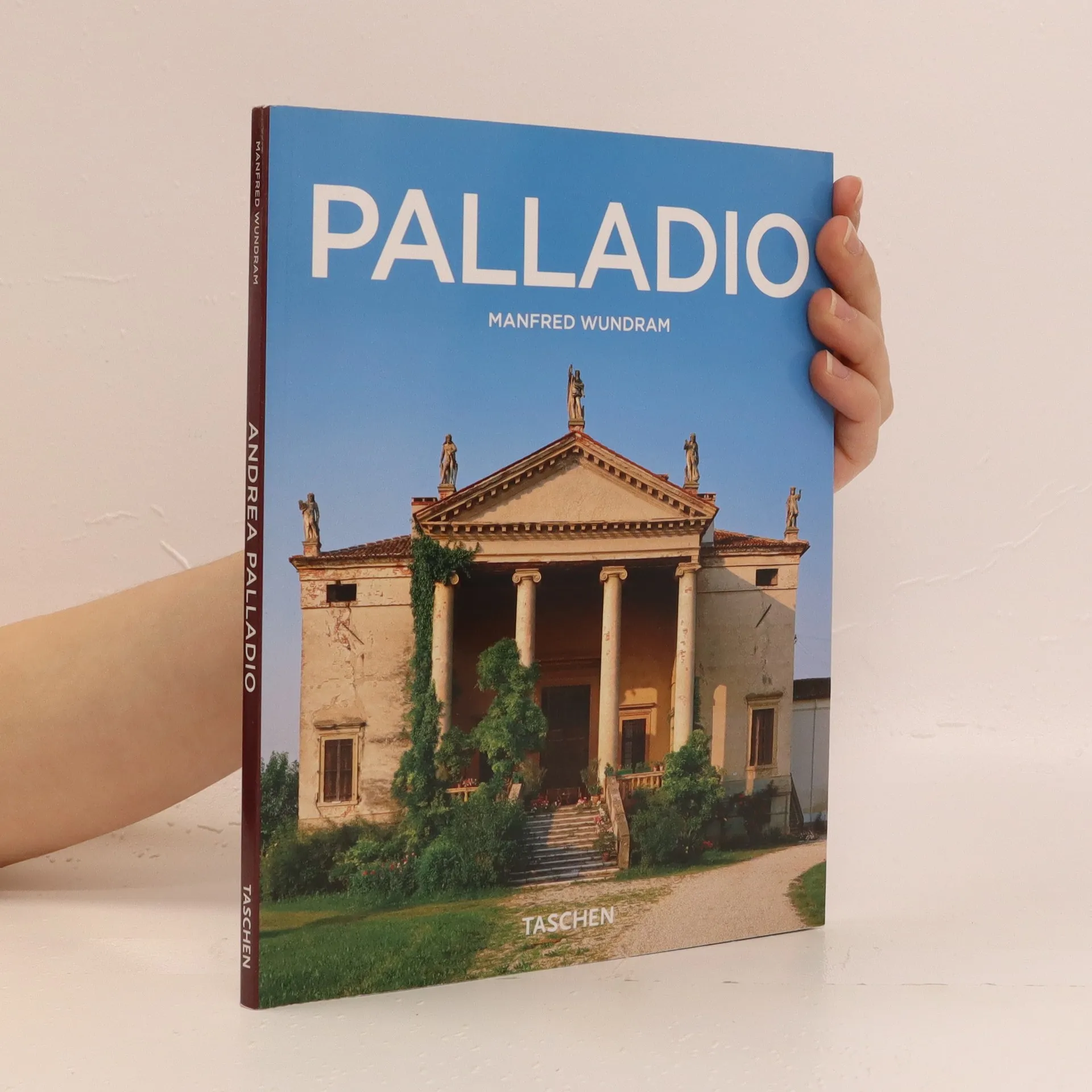
Andrea Palladio's 'Villa Rotonda' in Vicenza became the most famous building of its kind; it influenced many later designs and remains an important source of inspiration for architects. Part of the "Basic Architecture" series, this title gives an introduction to the work of Andrea Palladio (1508-1580).
Painting of the renaissance
- 159 pages
- 6 hours of reading
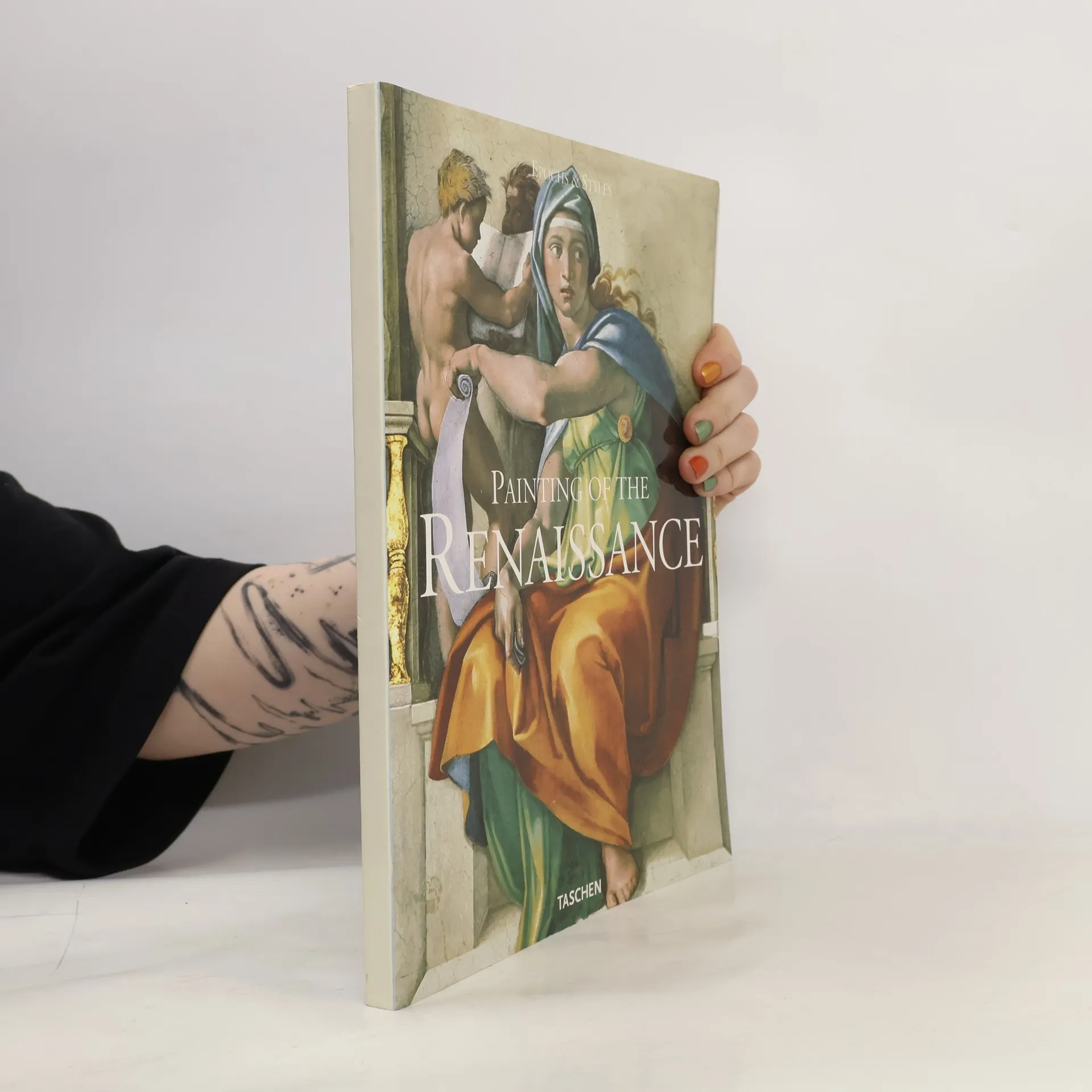
This penetrating study of one of the most fruitful epochs in European art presents the Renaissance not simply as the rebirth of classical styles, but also as the period that saw ""the invasion of man and his world into the domain of the arts"".
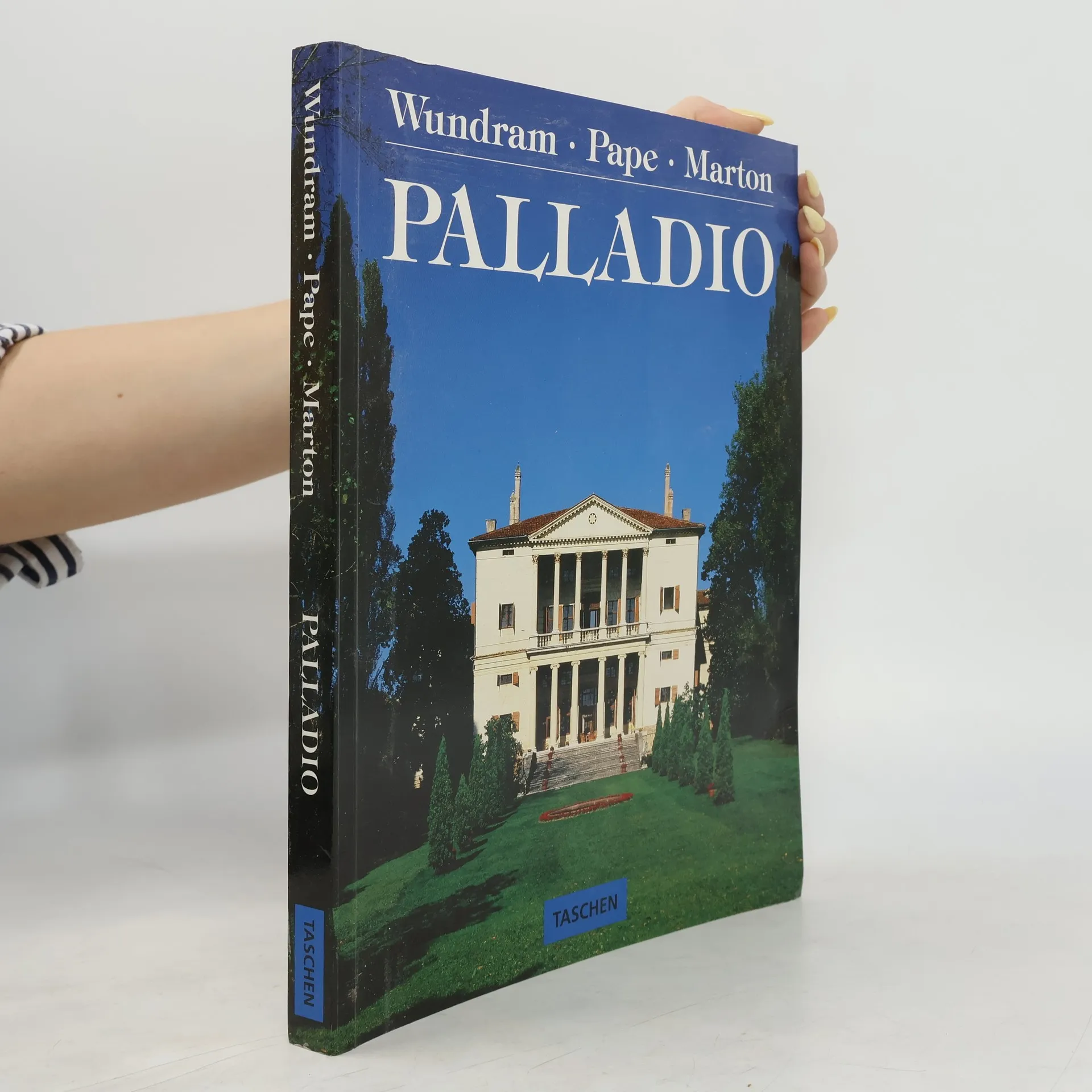
Palladio
- 245 pages
- 9 hours of reading
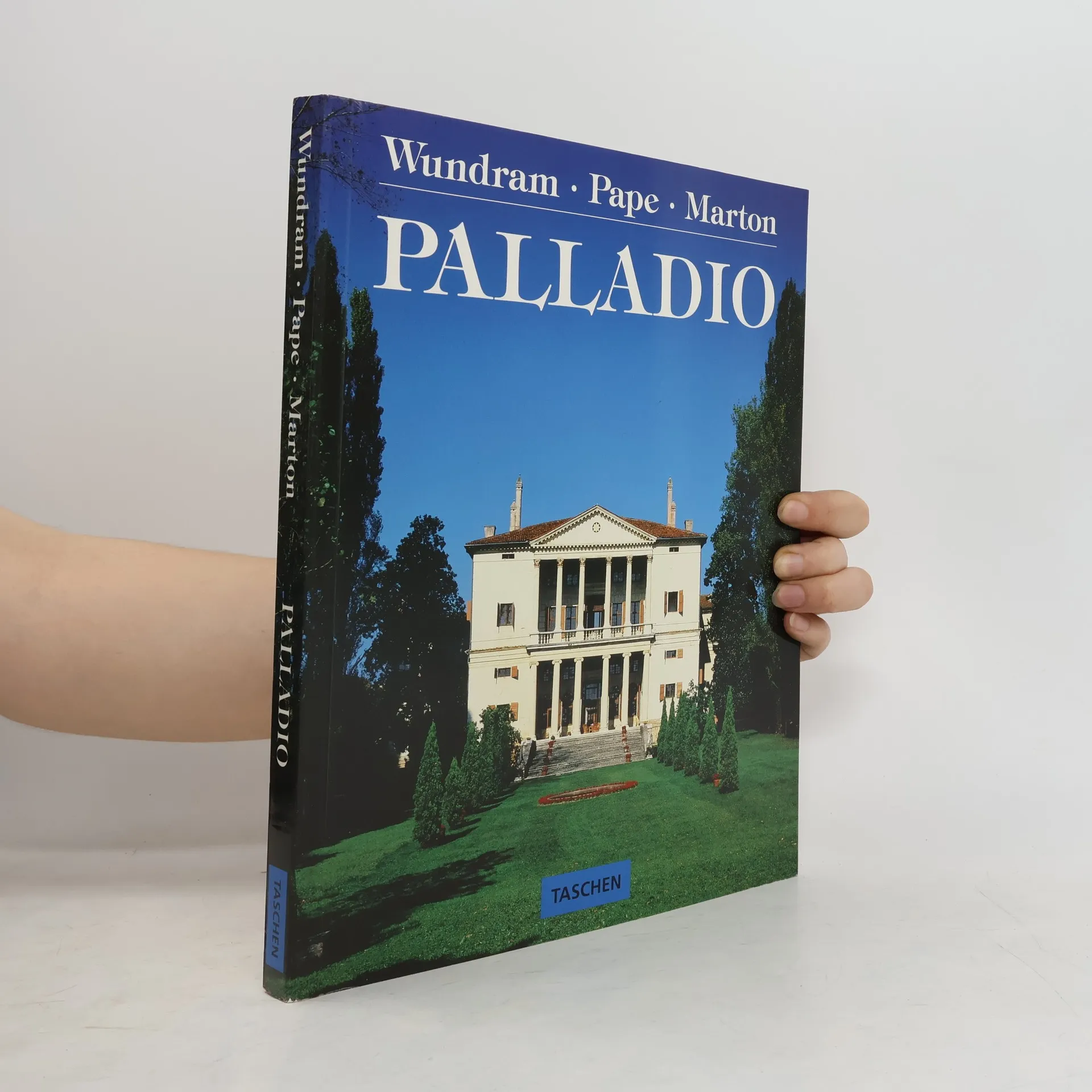
This volume offers a thorough introduction to the architecture of Palladio, whose work includes both villas and town palaces and sacred buildings. It contains many large format colour photographs and only includes those works by Palladio which have been definitely attributed to him by research. "No other architect in the history of Western art has had as lasting an effect as Andrea Palladio. 'Palladianism' became an established style of architecture. This book provides an introduction to the complete works of this great 16th-century Italian architect. His palaces, villas and religious buildings are presented here in a collection of excellent photographs."
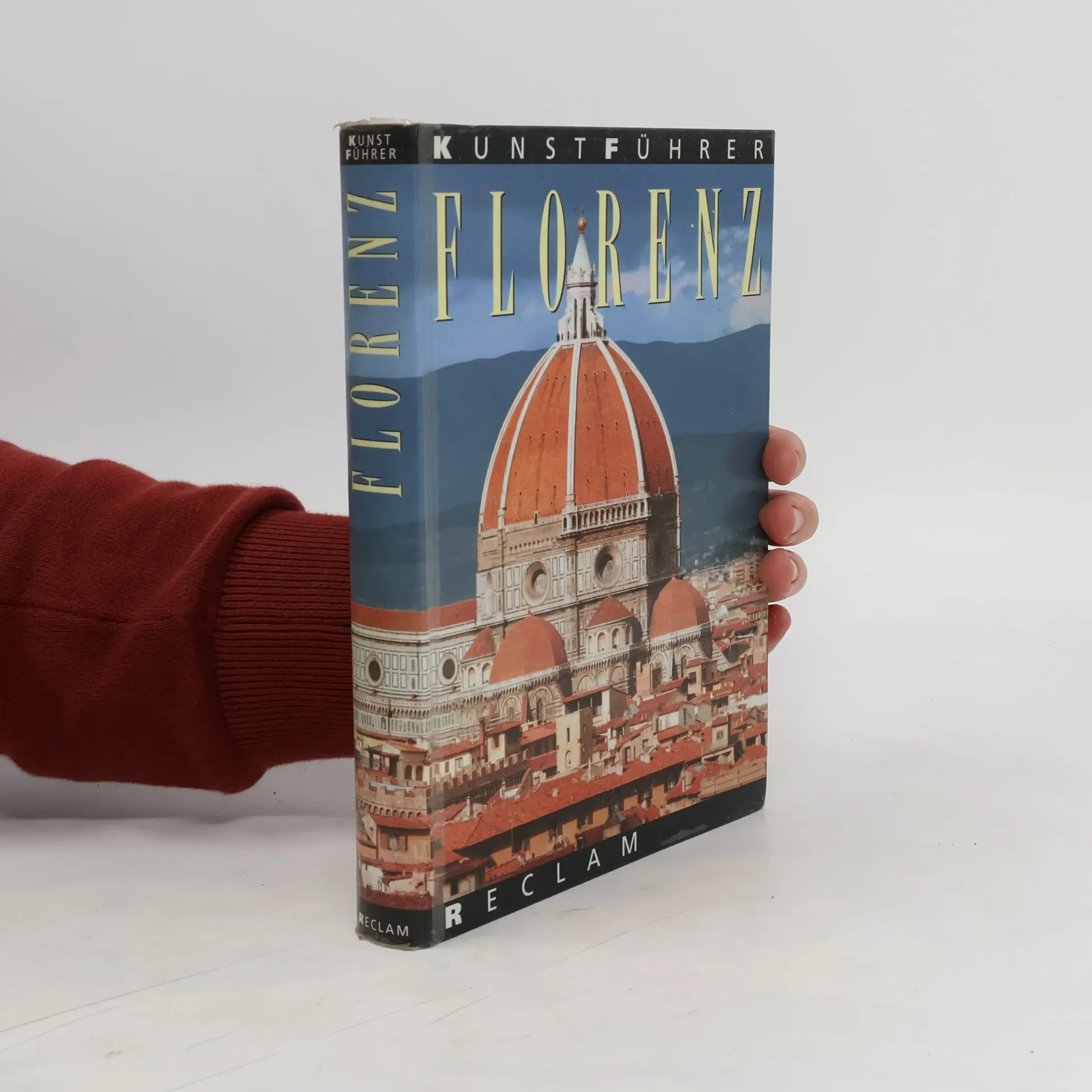
Kunstführer Florenz
- 399 pages
- 14 hours of reading
Andrea Palladio, 1508-1580
- 248 pages
- 9 hours of reading
Rayon : Architecture Editeur : Taschen Date de parution : 1989 Description : In-4, 246 pages, broché remplié, occasion, très bon état. Envois quotidiens du mardi au samedi. Les commandes sont adressées sous enveloppes bulles. Photos supplémentaires de l'ouvrage sur simple demande. Réponses aux questions dans les 12h00. Librairie Le Piano-Livre. Merci. Référence catalogue 54529. Please let us know if you have any questions. Thanks
Meyers kleines Lexikon : Kunst
- 540 pages
- 19 hours of reading
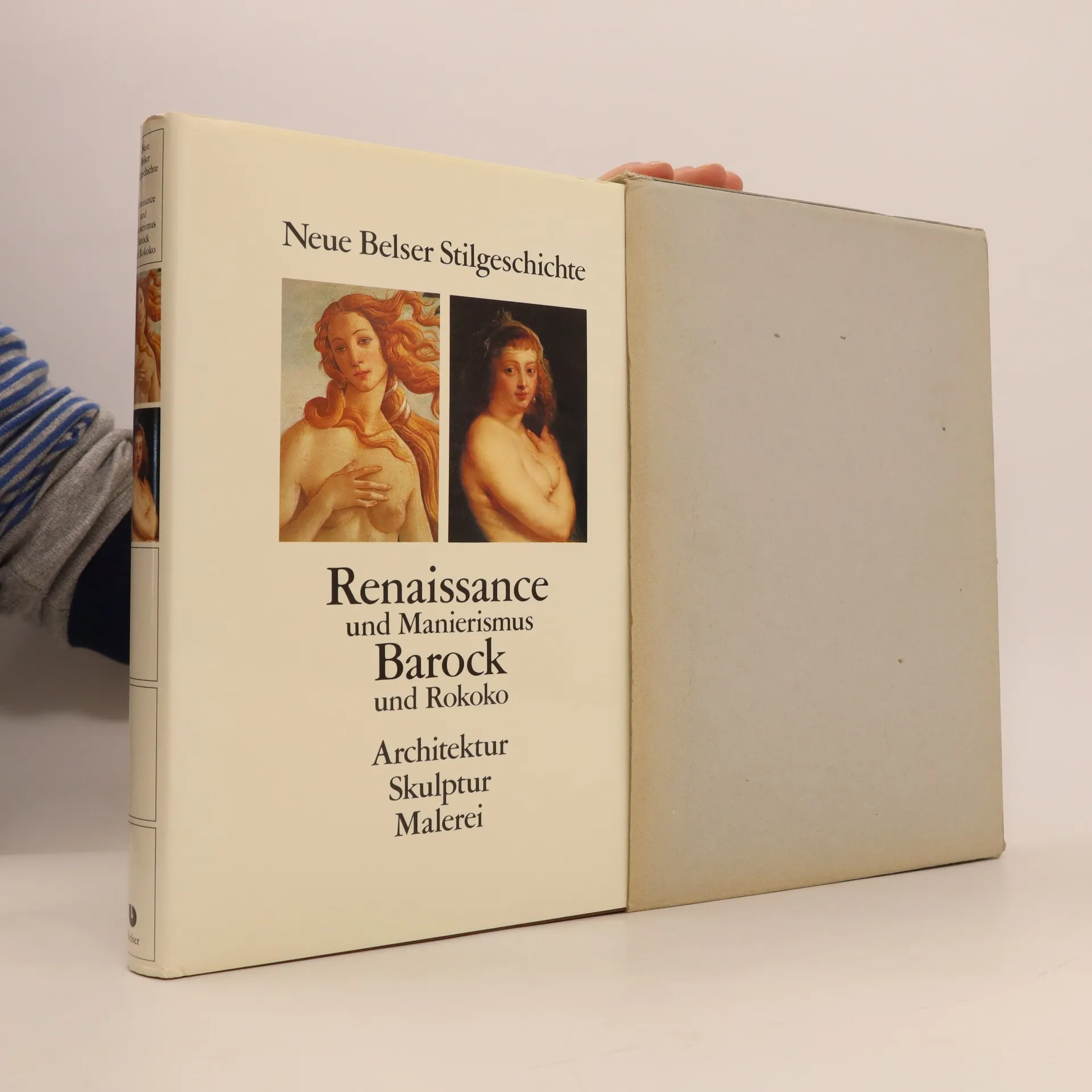
Neue Belser Stilgeschichte. Band 5
- 448 pages
- 16 hours of reading
Das neue Museum der Malerei
- 88 pages
- 4 hours of reading
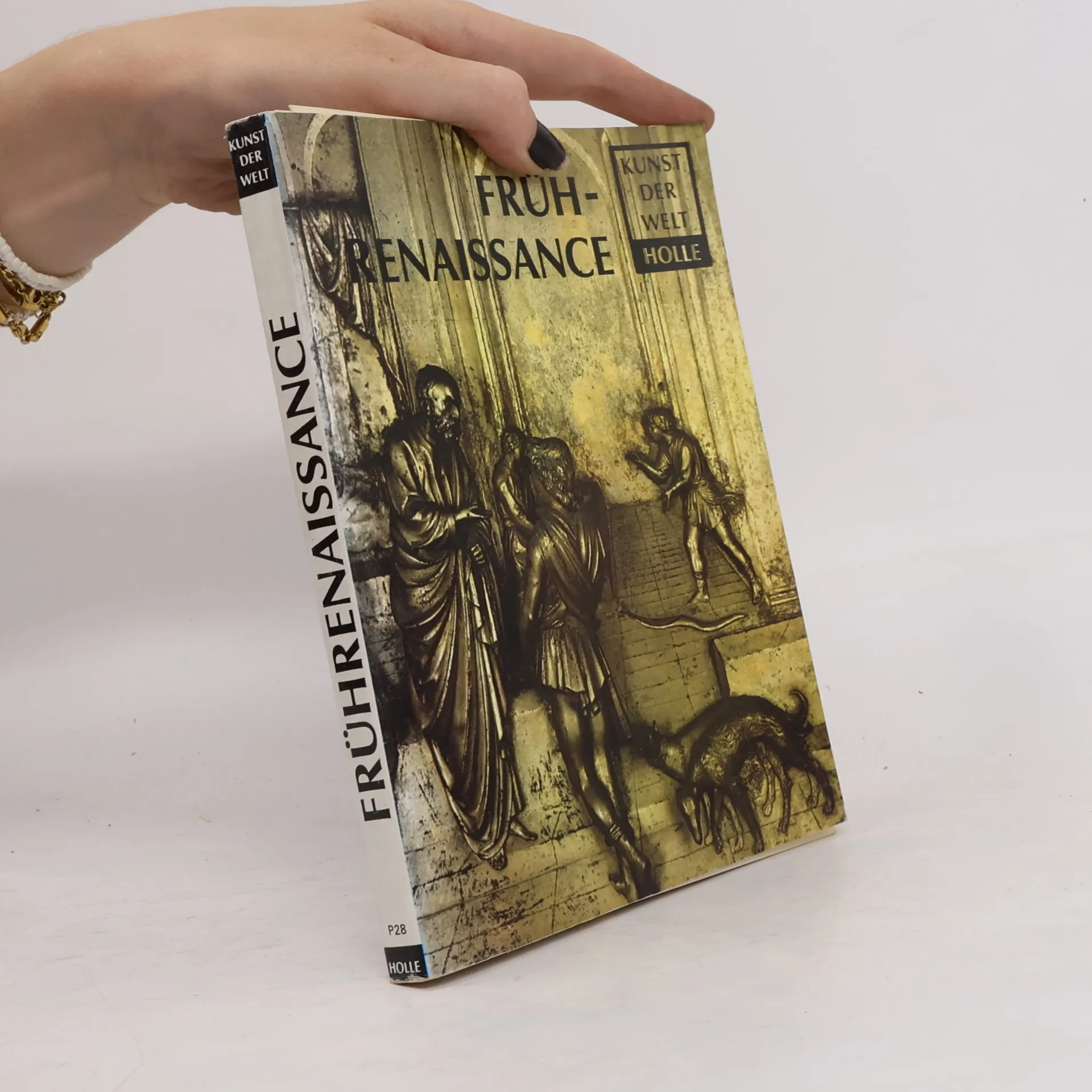
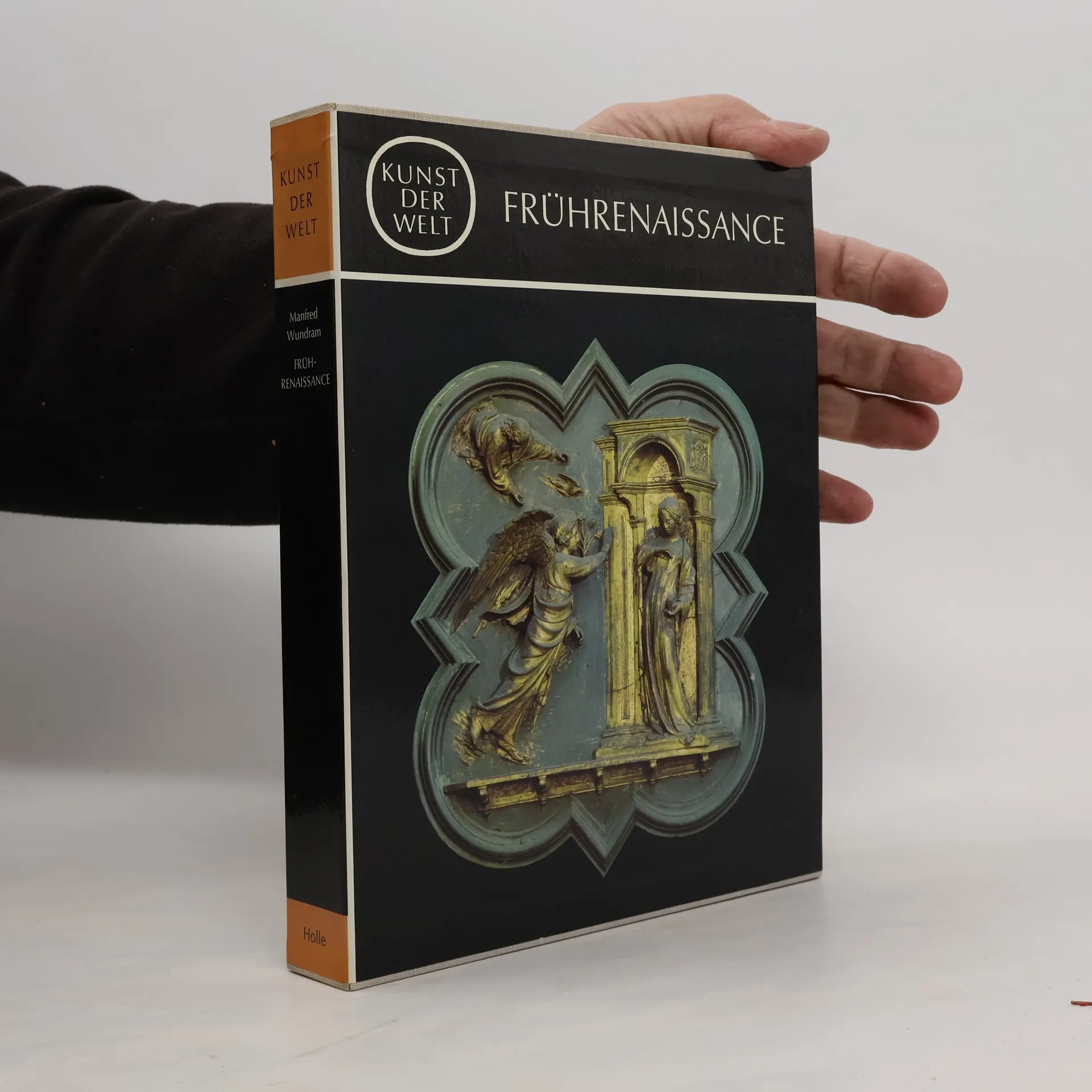
Frührenaissance
- 271 pages
- 10 hours of reading
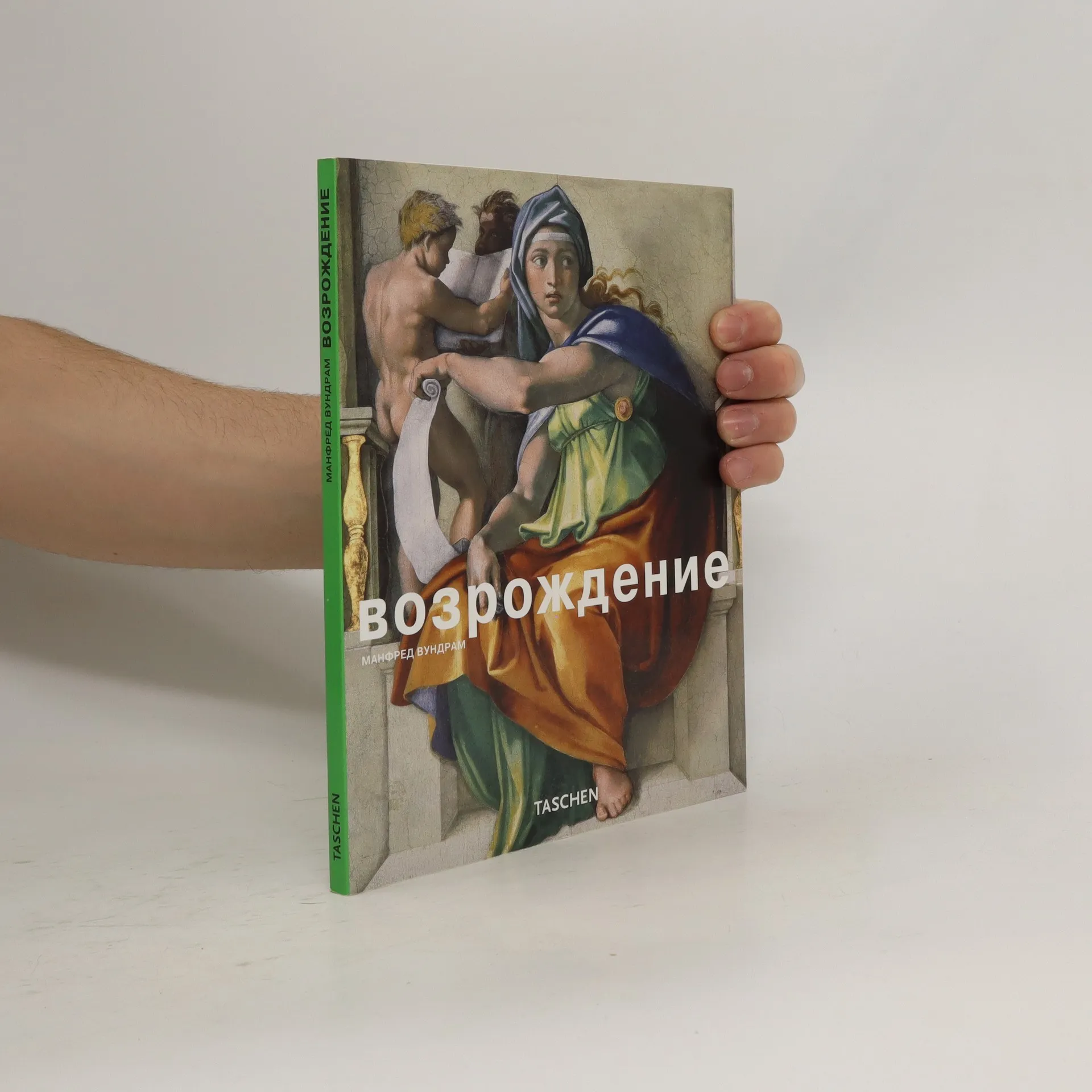
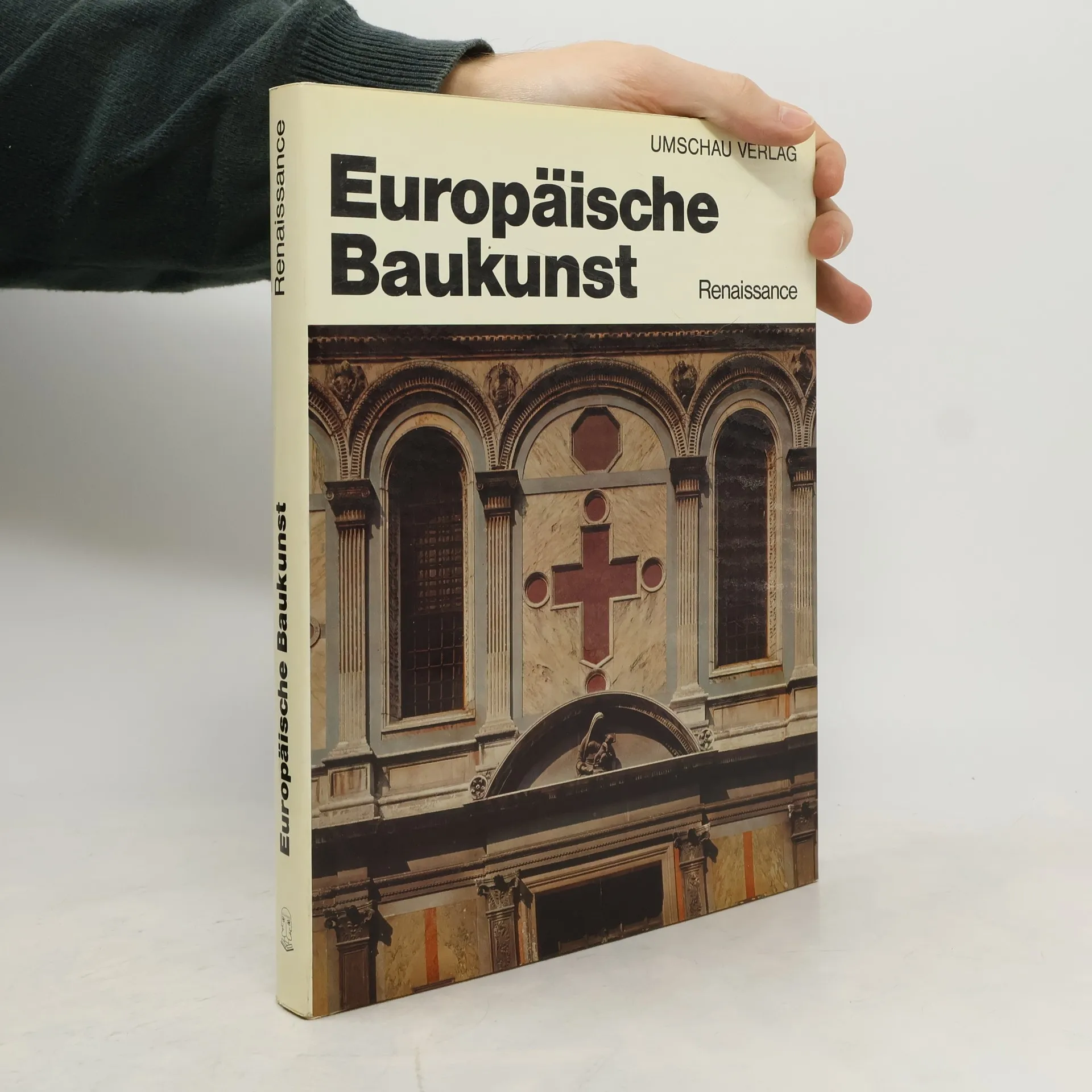
Renaissance
- 95 pages
- 4 hours of reading
Includes an introduction with approximately 35 photographs. This book contains a selection of the most important works of the epoch. It features artists such as: Albrecht Altdorfer, Fra Angelico, Giovanni Bellini, Hieronymus Bosch, Sandro Botticelli, Pieter Breughel, Agnolo Bronzino, Vittore Carpaccio, Francois Clouet, Correggio, and others.