

John D. Caputo is an American philosopher whose work is central to postmodern Christianity and the philosophy of religion, founding the theological movement known as weak theology. His extensive scholarship delves into hermeneutics, phenomenology, and deconstruction, exploring profound questions of faith and interpretation. Caputo's distinctive approach offers readers a fresh perspective on the intricate relationship between religion, philosophy, and contemporary thought. His writing challenges conventional understandings, providing a unique intellectual journey.
"After a detailed analysis of just what radical theology means, as a concept and in its relationship to traditional theology, this volume offers a selection of essays written for both academic and wider audiences which show aim at catching radical theology in action, in the church and in the culture at large"--
Defends the notion of obligation without ethics, of responsibility without the
support of ethical foundations. Retelling the story of Abraham and Isaac, this
work strikes the pose of a postmodern-day Johannes de Silentio, accompanied by
communications from such startling figures as Johanna de Silentio, Felix
Sineculpa, and Magdalena de la Cruz.
Is anything ever not an interpretation? Does interpretation go all the way down? Is there such a thing as a pure fact that is interpretation-free? If not, how are we supposed to know what to think and do? These tantalizing questions are tackled by renowned American thinker John D Caputo in this wide-reaching exploration of what the traditional term 'hermeneutics' can mean in a postmodern, twenty-first century world. As a contemporary of Derrida's and longstanding champion of rethinking the disciplines of theology and philosophy, for decades Caputo has been forming alliances across disciplines and drawing in readers with his compelling approach to what he calls "radical hermeneutics." In this new introduction, drawing upon a range of thinkers from Heidegger to the Parisian "1968ers" and beyond, he raises a series of probing questions about the challenges of life in the postmodern and maybe soon to be 'post-human' world.'
Pushing past the constraints of postmodernism which cast "reason" and"religion" in opposition, God, the Gift, and Postmodernism, seizes the opportunity to question the authority of "the modern" and open the limits of possible experience, including the call to religious experience, as a new millennium approaches. Jacques Derrida, the father of deconstruction, engages with Jean-Luc Marion and other religious philosophers to entertainquestions about intention, givenness, and possibility which reveal the extent to which deconstruction is structured like religion. New interpretations of Kant, Heidegger, Husserl, and Derrida emerge from essays and discussions with distinguished philosophers and theologians from the United States and Europe. The result is that God, the Gift, and Postmodernism elaborates a radical phenomenology that stretches the limits of its possibility and explores areas where philosophy and religion have become increasingly and surprisingly convergent.Contributors John D. Caputo, John Dominic Crossan, Jacques Derrida, Robert Dodaro, Richard Kearney, Jean-Luc Marion, Frangoise Meltzer, Michael J. Scanlon, Mark C. Taylor, David Tracy, Merold Westphaland Edith Wyschogrod.
Claims that we are not born into this world hard-wired to know Being, Truth,
or the Good, and we are not vessels of a Divine, or other omnipotent
supernatural force. This animated study by one of America's leading
continental philosophers equally tears down and resuscitates religion and
philosophy. schovat popis
Soren Kierkegaard is one of the prophets of the contemporary age, a man whose acute observations on modern European life might have been written yesterday, whose work anticipated fundamental developments in psychoanalysis, philosophy, theology, and the critique of mass culture by more than a century.John D. Caputo offers a compelling account of Kierkegaard as a thinker of particular relevance in our postmodern times, who set off a revolution that counts Martin Heidegger and Jacques Derrida among its heirs. His conceptions of truth as a self-transforming "deed" and his haunting account of the "single individual" seem to have been written especially with us in mind.Extracts include Kierkegaard's classic reading of the story of Abraham and Isaac, the revolutionary theory that truth is subjectivity, and his groundbreaking analysis of modern bourgeois life.
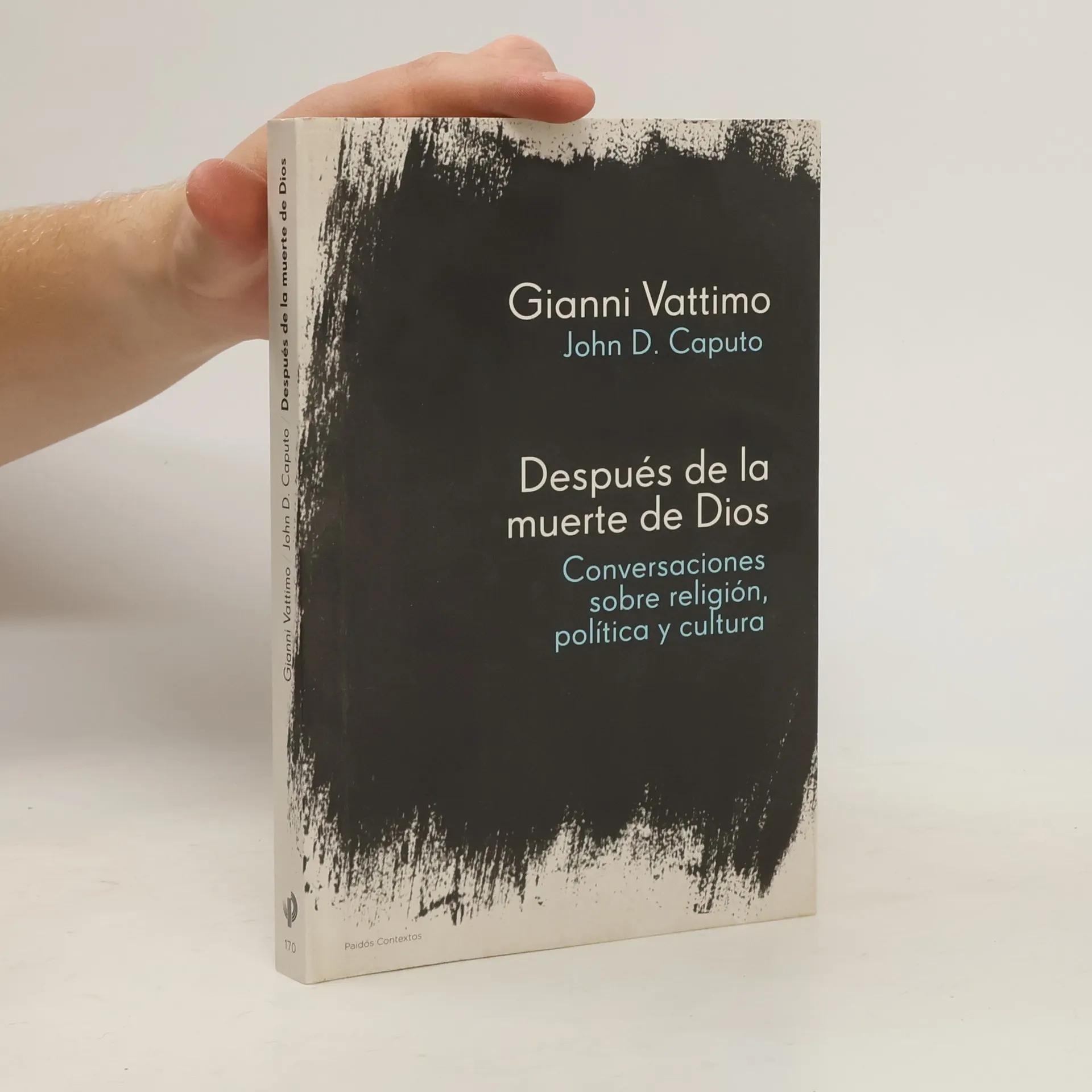
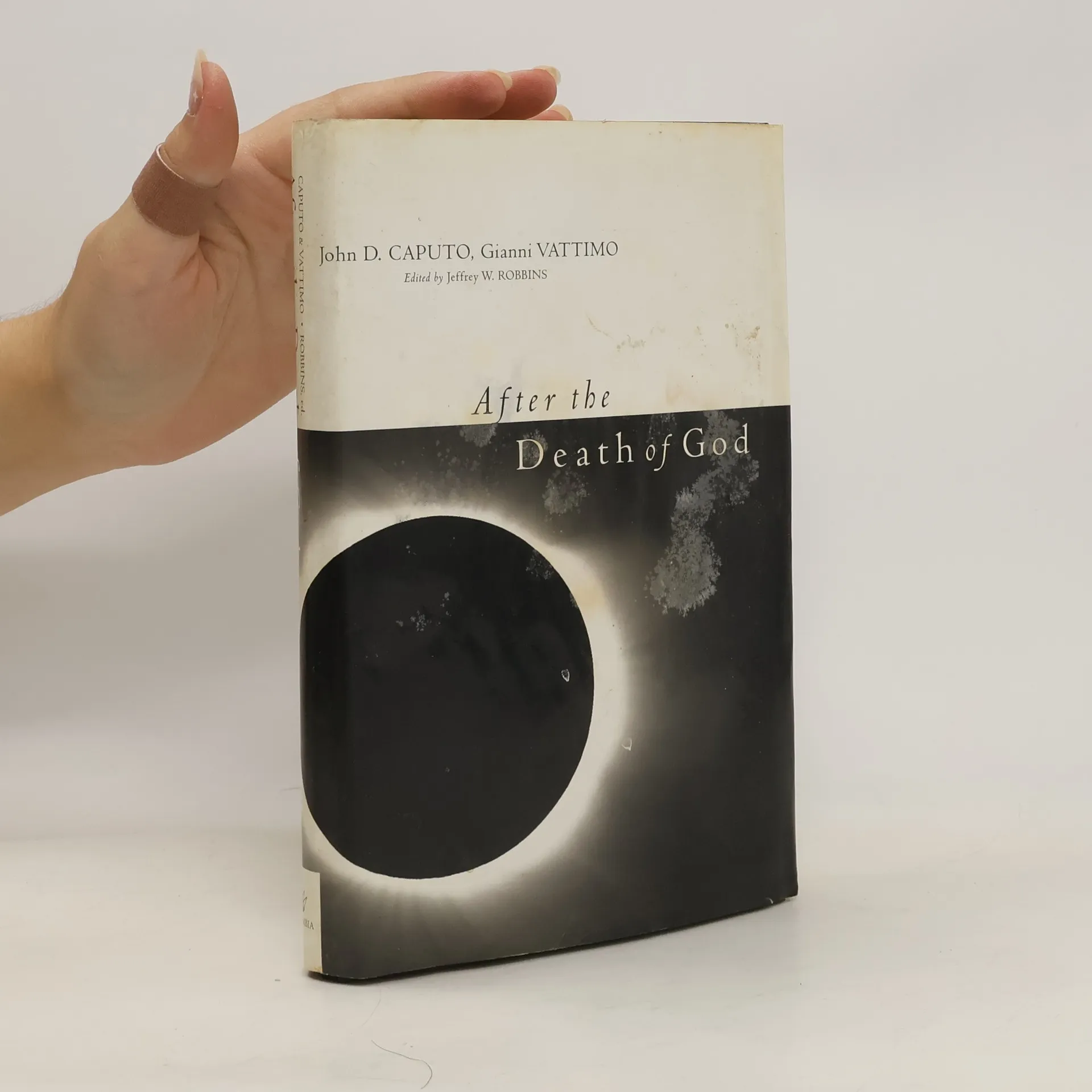
It has long been assumed that the more modern we become, the less religious we will be. Yet a recent resurrection in faith has challenged the certainty of this belief. In these original essays and interviews, leading hermeneutical philosophers and postmodern theorists John D. Caputo and Gianni Vattimo engage with each other's past and present work on the subject and reflect on our transition from secularism to postsecularism.As two of the figures who have contributed the most to the theoretical reflections on the contemporary philosophical turn to religion, Caputo and Vattimo explore the changes, distortions, and reforms that are a part of our postmodern faith and the forces shaping the religious imagination today. Incisively and imaginatively connecting their argument to issues ranging from terrorism to fanaticism and from politics to media and culture, these thinkers continue to reinvent the field of hermeneutic philosophy with wit, grace, and passion.
Exploring the nature of belief, acclaimed philosopher John D. Caputo engages a diverse audience—including believers, skeptics, and those indifferent to religion. He invites readers on a journey to uncover personal convictions and the essence of belief itself, regardless of religious affiliation. This lively and accessible work challenges traditional notions, aiming to resonate with anyone searching for meaning and understanding in their beliefs.
Explores the many notions of 'truth', and what it really means Riding to work
in the morning has become commonplace. The author argues that our
transportation technologies are not merely transient phenomena but the vehicle
for an important metaphor about post modernism, or even constitutive of post
modernism.
John D. Caputo has a long career as one of the preeminent postmodern philosophers in America. Caputo now reflects on his spiritual journey from a Catholic altar boy in 1950s Philadelphia to a philosopher after the death of God. Part spiritual autobiography, part homily on what he calls the nihilism of grace, Hoping against Hope calls believers and nonbelievers alike to participate in the praxis of the kingdom of God, which Caputo says we must pursue without why.