Explore the latest books of this year!
Bookbot

Julius Caesar

    Gaius Julius Caesar was a distinguished Roman general and statesman, renowned also as a master of Latin prose. His surviving war commentaries offer invaluable literary insights into his military campaigns. Contemporary accounts, including those of Cicero, lauded his exceptional rhetorical skill and elegant prose style. Caesar's literary achievements solidified his reputation as one of the foremost Latin authors of his era.

    Julius Caesar
    The Satanic Bible 2012
    The Gallic War: Historical Account of Julius Caesar's Military Campaign in Celtic Gaul
    The Gallic War & The Civil War: Historical Account of Caesar's Military Campaign in Gaul & The Roman Civil War
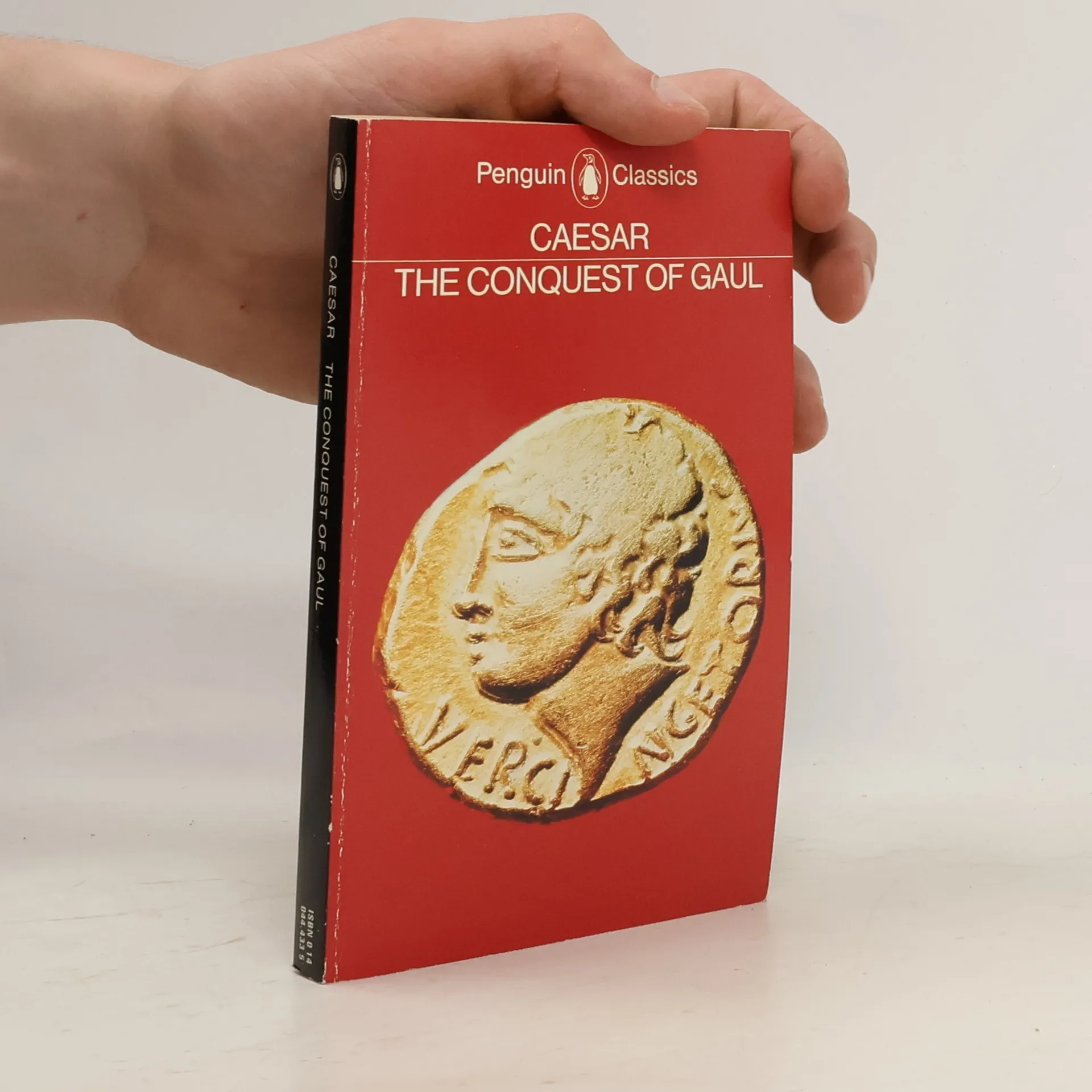
    The Conquest of Gaul
    The Gallic War
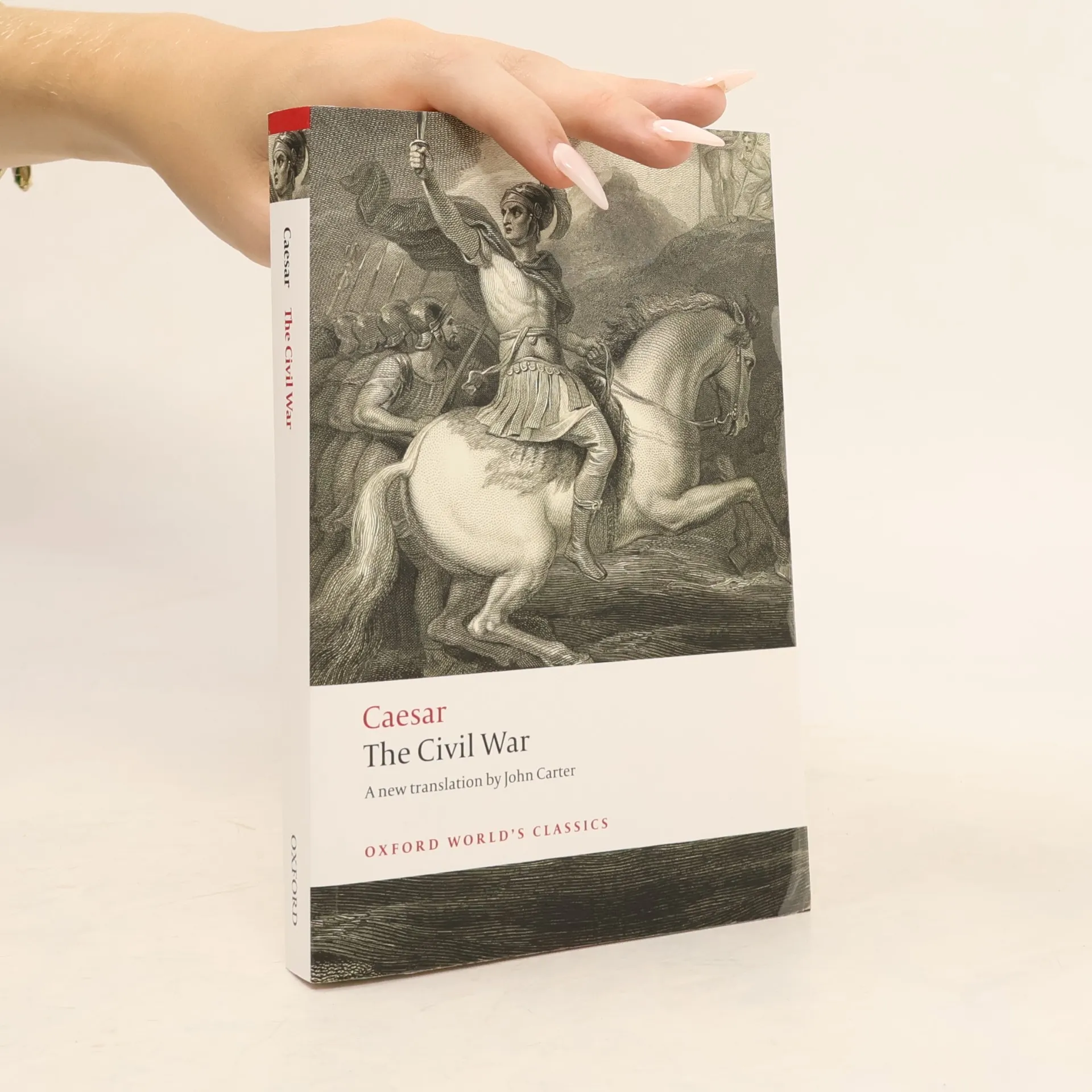
    The Civil War
    • The Civil War

      • 118 pages
      • 5 hours of reading

      The narrative provides a detailed first-hand account of the Civil War between Julius Caesar and Pompey the Great, highlighting their rivalry and military strategies that shaped the early Roman Empire. It chronicles the intense battles across various regions, including Italy and Egypt, and examines the political implications of Caesar's victory, which led to his role as Perpetual Dictator and the subsequent transformation of Roman governance. This edition is noted for its premium quality and follows W. A. MacDevitt's translation.

      The Civil War
      4.2
    • The Gallic War

      • 260 pages
      • 10 hours of reading

      The Gallic War, published on the eve of the civil war which led to the end of the Roman Republic, is an autobiographical account written by one of the most famous figures of European history. This new translation reflects the purity of Caesar's Latin while preserving the pace and flow of his momentous narrative. As well as an introduction and notes, this edition offers maps, a table of dates, and a glossary.

      The Gallic War
      4.1
    • Between 58 and 50BC Caesar conquered most of the area now covered by France, Belgium and Switzerland, and twice invaded Britain. This title records of his campaigns.

      The Conquest of Gaul
      4.1
    • "The Commentaries on the Gallic War" is Julius Caesar's firsthand account of the Gallic Wars, written as a third-person narrative. In it Caesar describes the battles and intrigues that took place in the nine years he spent fighting the Germanic peoples and Celtic peoples in Gaul that opposed Roman conquest. The Gallic Wars were a series of military campaigns waged by the Roman proconsul Julius Caesar against several Gallic tribes. Rome's war against the Gallic tribes lasted from 58 BC to 50 BC and culminated in the decisive Battle of Alesia in 52 BC, in which a complete Roman victory resulted in the expansion of the Roman Republic over the whole of Gaul (mainly present-day France and Belgium). "The Commentaries on the Civil War" is an account written by Julius Caesar of his war against Gnaeus Pompeius and the Senate. It covers the events of 49-48 BC, from shortly before Caesar's invasion of Italy to Pompey's defeat at the Battle of Pharsalus and flight to Egypt with Caesar in pursuit. It closes with Pompey assassinated, Caesar attempting to mediate rival claims to the Egyptian throne, and the beginning of the Alexandrian War.

      The Gallic War & The Civil War: Historical Account of Caesar's Military Campaign in Gaul & The Roman Civil War
    • The Commentaries on the Gallic War is Julius Caesar's firsthand account of the Gallic Wars, written as a third-person narrative. In it Caesar describes the battles and intrigues that took place in the nine years he spent fighting the Germanic peoples and Celtic peoples in Gaul that opposed Roman conquest. The Gallic Wars were a series of military campaigns waged by the Roman proconsul Julius Caesar against several Gallic tribes. Rome's war against the Gallic tribes lasted from 58 BC to 50 BC and culminated in the decisive Battle of Alesia in 52 BC, in which a complete Roman victory resulted in the expansion of the Roman Republic over the whole of Gaul (mainly present-day France and Belgium).

      The Gallic War: Historical Account of Julius Caesar's Military Campaign in Celtic Gaul
    • The Satanic Bible 2012

      • 96 pages
      • 4 hours of reading

      The Satanic Bible 2012, Second Edition has been edited and re-formatted, presenting the foundational belief system of Spiritual Satanism 999. Initiated supporters explore the deeper mystical aspects of Vampir Satanism 999. Realist Satanists are introduced to the mystical content aimed primarily at Mystics. The author, Rev. Caesar 999, outlines the temple's structure and the two main branches of Satanism existing at the time of the book's original writing: LaVeyan and Traditional or Theistic Satanism. The temple distinguishes itself as a form of Theistic Satanism. The book details the major branches of the temple, each with its own mysticism and purpose, emphasizing the need for a structured system. Given the perceived constant warfare with right-hand path religions, the Orders are conceptualized as a spiritual militant hierarchy of Warrior-Priests. It also introduces the foundation for the Holy Whore Priestesses and Priests, rooted in ancient pre-Christian traditions, aiming to restore the Holy Whore Tantric Priestess and Priesthood. The core section discusses the Virtuous Principles, the temple's main deity, and the concept of the Androgynous God/Goddess, aligned with the goddess Kali or Satanic Kali. The Principles, also known as the Anti-Christian or Satanic Moral-Value System, draw from pre-Judeo-Christian beliefs and values, intended to replace the Judeo-Christian moral framework within the temple and its communities.

      The Satanic Bible 2012
    • Sajan 3

      • 430 pages
      • 16 hours of reading

      The story unfolds in a world where Sajan 3 faces an alien attack, leading to a mass abduction of both the living and the dead. Amidst the chaos, Joshua, a Senior High student who helped save his peers, decides to enlist in the Space Navy Academy to train as a Science Officer. Driven by the hope of locating and rescuing those taken, Joshua embarks on a journey filled with challenges and the quest for redemption. The narrative explores themes of bravery, sacrifice, and the search for lost loved ones in the face of intergalactic threats.

      Sajan 3
    • Focusing on the conflict between Caesar and the Roman Senate from 49-48 BC, this work is divided into three books where Caesar himself narrates his military campaigns. It chronicles his strategic movements from Gaul to Italy and highlights key confrontations, particularly the pivotal Battle of Pharsalus against Pompeius, showcasing the political and military tensions of the era.

      The Civil War (Royal Collector's Edition) (Case Laminate Hardcover with Jacket)
    • The War Commentaries of Julius Caesar

      • 1028 pages
      • 36 hours of reading

      Dive into the strategic mind of Julius Caesar through his detailed War Commentaries, which provide an in-depth look at his military campaigns and political maneuvers. This comprehensive compilation offers insights into his leadership style, the challenges faced during the Gallic Wars, and the intricacies of Roman warfare. Readers will gain a unique perspective on historical events and the impact of Caesar's decisions on the Roman Empire, making it an essential resource for history enthusiasts and scholars alike.

      The War Commentaries of Julius Caesar
    • The Gallic Wars

      • 252 pages
      • 9 hours of reading

      The narrative provides an insightful firsthand account of Julius Caesar's military campaigns in Gaul from 58 to 52 BC, structured into seven books, each corresponding to a specific year. Through detailed descriptions of battles, strategies, and interactions with various tribes, Caesar offers a unique perspective on Roman military tactics and the complexities of leadership during this pivotal period in history. The work highlights themes of power, ambition, and the challenges of conquest.

      The Gallic Wars
    • Caesar's Gallic War - with a life of Caesar, geography and people of Gaul, history of the military art in Caesar's commentaries; special vocabularies on the inductive plan is an unchanged, high-quality reprint of the original edition of 1893. Hansebooks is editor of the literature on different topic areas such as research and science, travel and expeditions, cooking and nutrition, medicine, and other genres. As a publisher we focus on the preservation of historical literature. Many works of historical writers and scientists are available today as antiques only. Hansebooks newly publishes these books and contributes to the preservation of literature which has become rare and historical knowledge for the future.

      Caesar's Gallic War
    • Opere

      • 1162 pages
      • 41 hours of reading
      Opere
      4.5
    • »Alea iacta est.« Caesar überschreitet mit seinen Truppen den Rubikon: Der Showdown beginnt. Die Zeit des sich anschließenden Bürgerkriegs zwischen den Anhängern Caesars und der Mehrheit des Senats unter Pompeius beschreibt der Feldherr selbst in den drei Büchern ›Commentarii de bello civili‹. Er endet bei der Entscheidungsschlacht von Pharsalos 48 v. Chr., in der die Senatsmehrheit unterliegt. Der einstige Verbündete und Schwiegersohn Caesars Pompeius flüchtet nach Ägypten und findet dort den Tod. ›De bello civili‹ ist eine zentrale Quelle für das Studium der Geschichte der Römischen Republik.

      De bello civili / Der Bürgerkrieg
      4.4
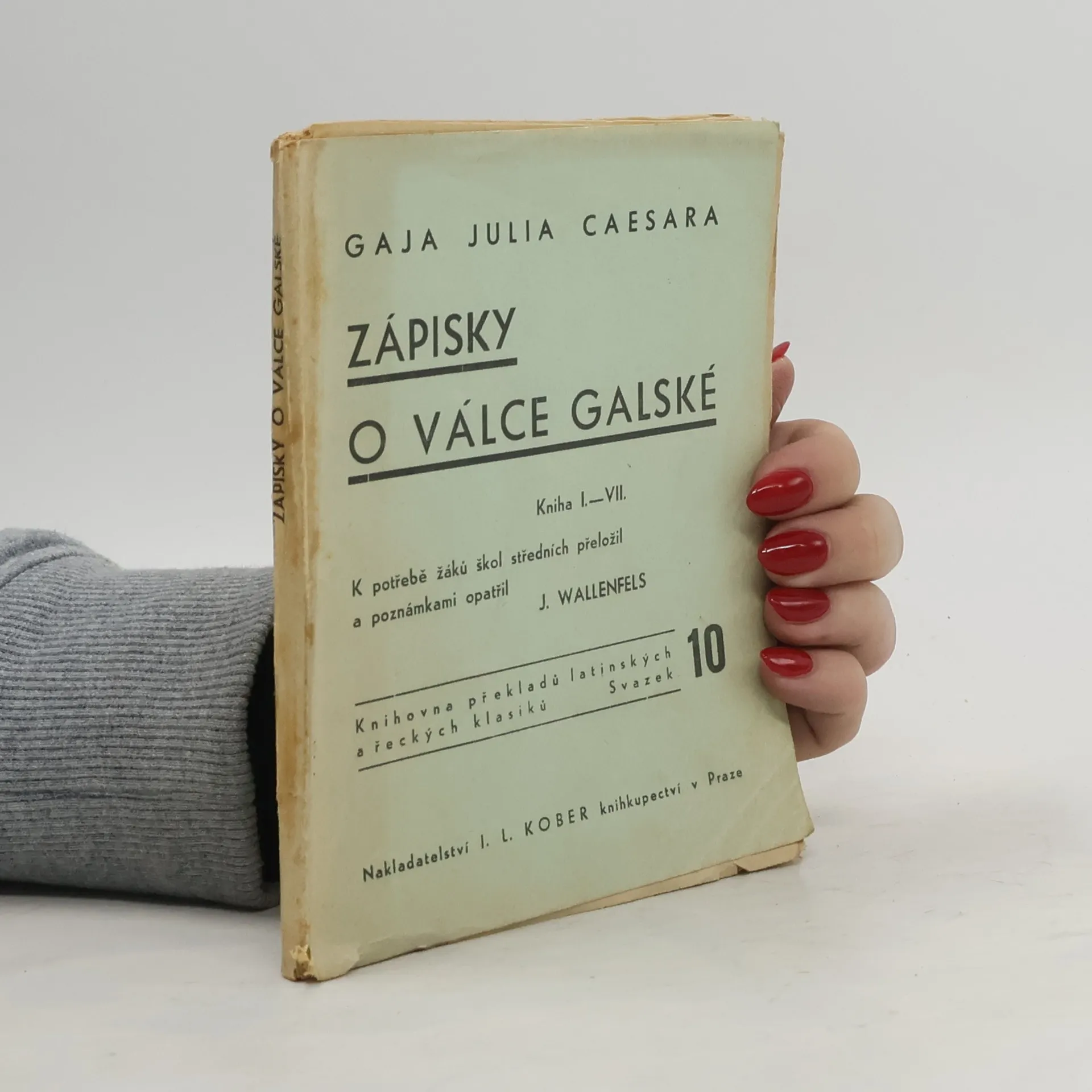
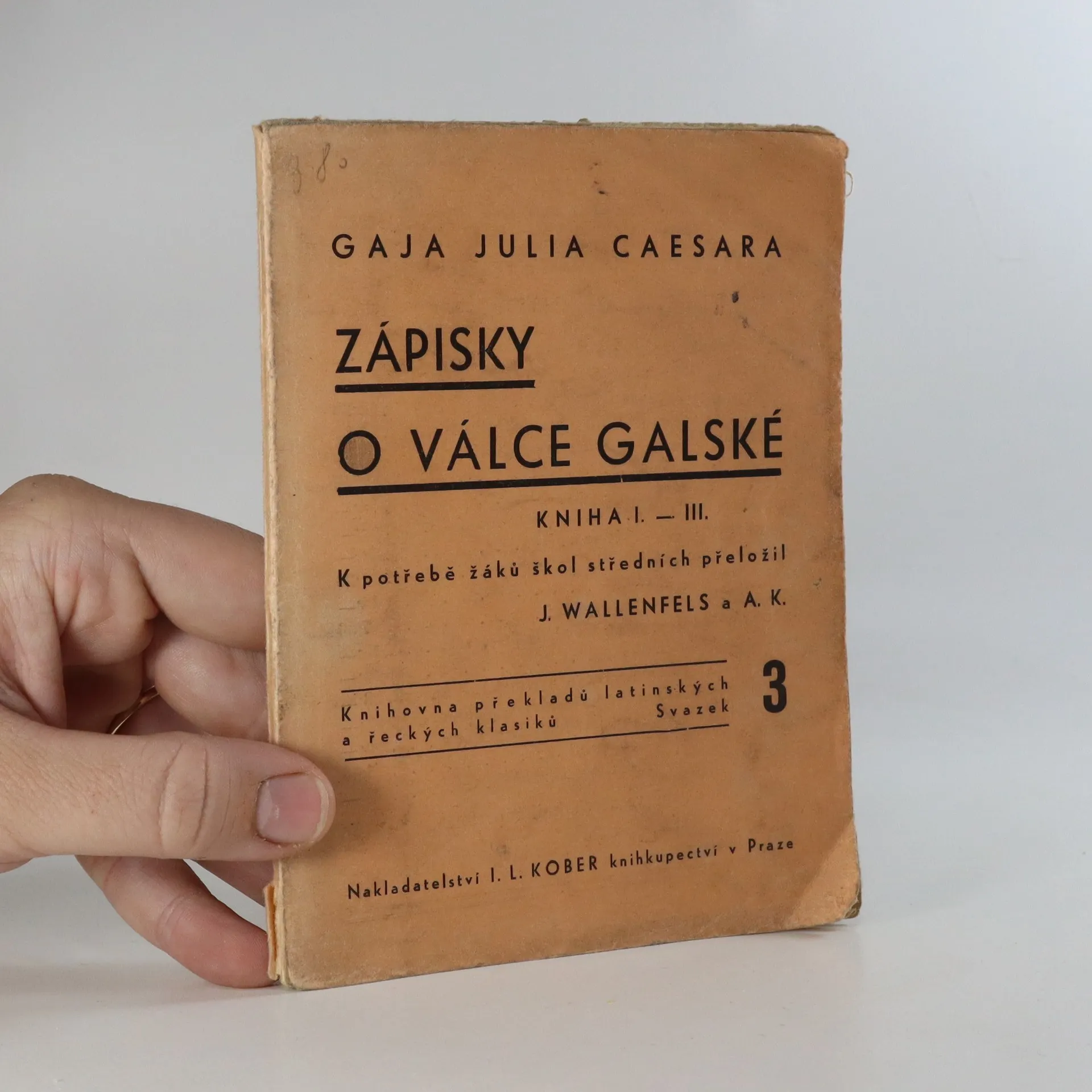
    • Zápisky o válce galské jsou nejznámějším a zároveň nejvýznamnějším dílem římského vojevůdce Gaia Iulia Caesara. V sedmi knihách psaných ve třetí osobě popisuje nejen svá tažení a bitvy, ale i přírodu a zvyky starých Galů, Germánů apod. Vyprávění počíná rokem 58 př.n.l. a končí rokem 52 př. n. l.

      Zápisky o válce galské
      4.3
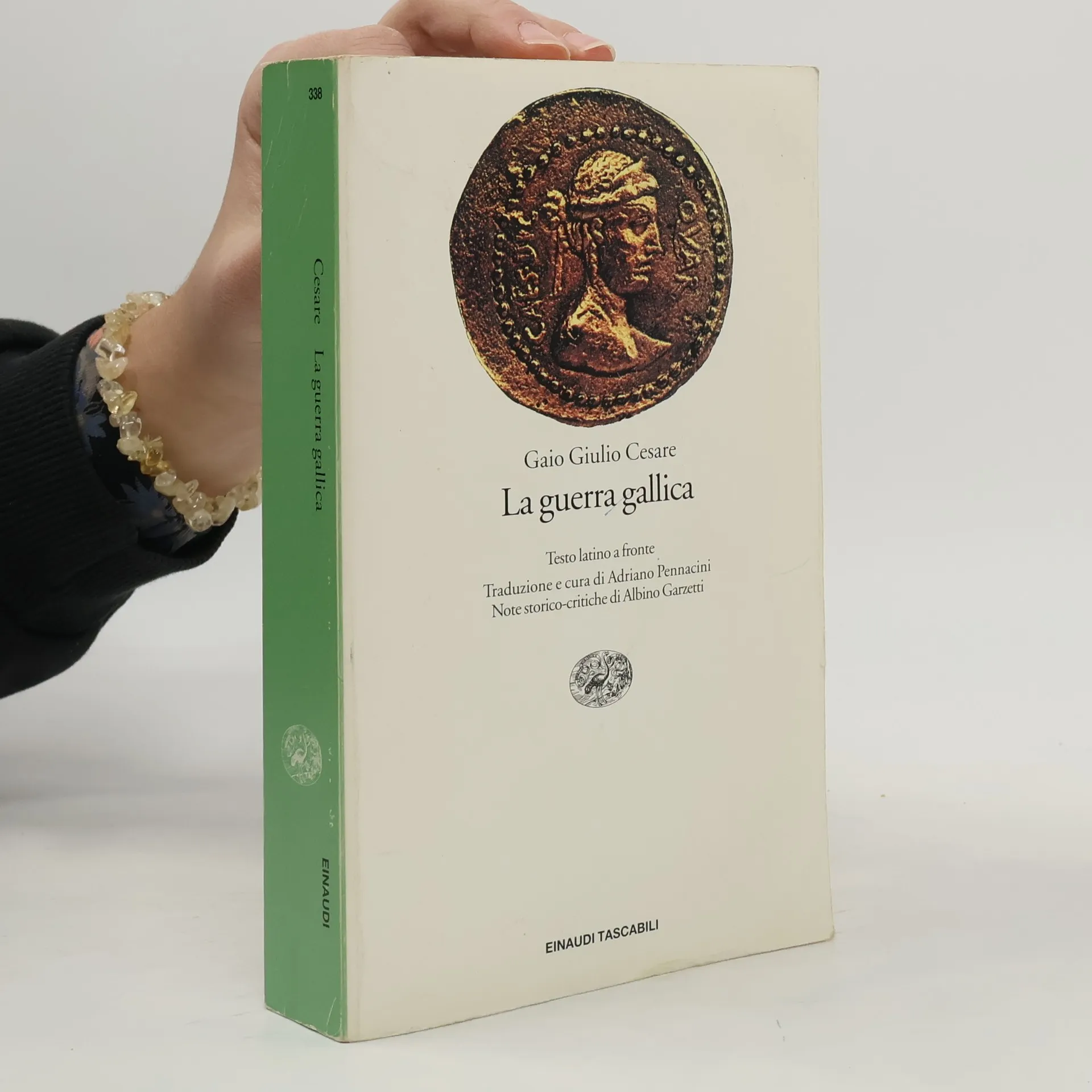
    • Pochi personaggi storici sono stati così decisivi e ricchi di fascino come Giulio Cesare. E pochissimi così sapientemente scrittori. L'equilibrio, l'eleganza e lo straordinario acume storico fanno di queste opere di Giulio Cesare due gioielli della letteratura latina antica. Gaio Giulio Cesare (ca. 100-44 a.C.), oltre a essere grande uomo politico e generale romano, fu uno dei principali letterati del suo tempo. Nato da nobilissima famiglia, nel 60 fece parte del primo triumvirato con Pompeo e Crasso. Console nel 59, proconsole delle Gallie nel 58, in otto anni conquistò la provincia gallica. Eletto dittatore a vita, fu assassinato da una congiura di repubblicani nel 44.

      La guerra gallica - La guerra civile: Edizioni integrali con testo latino a fronte
      4.0
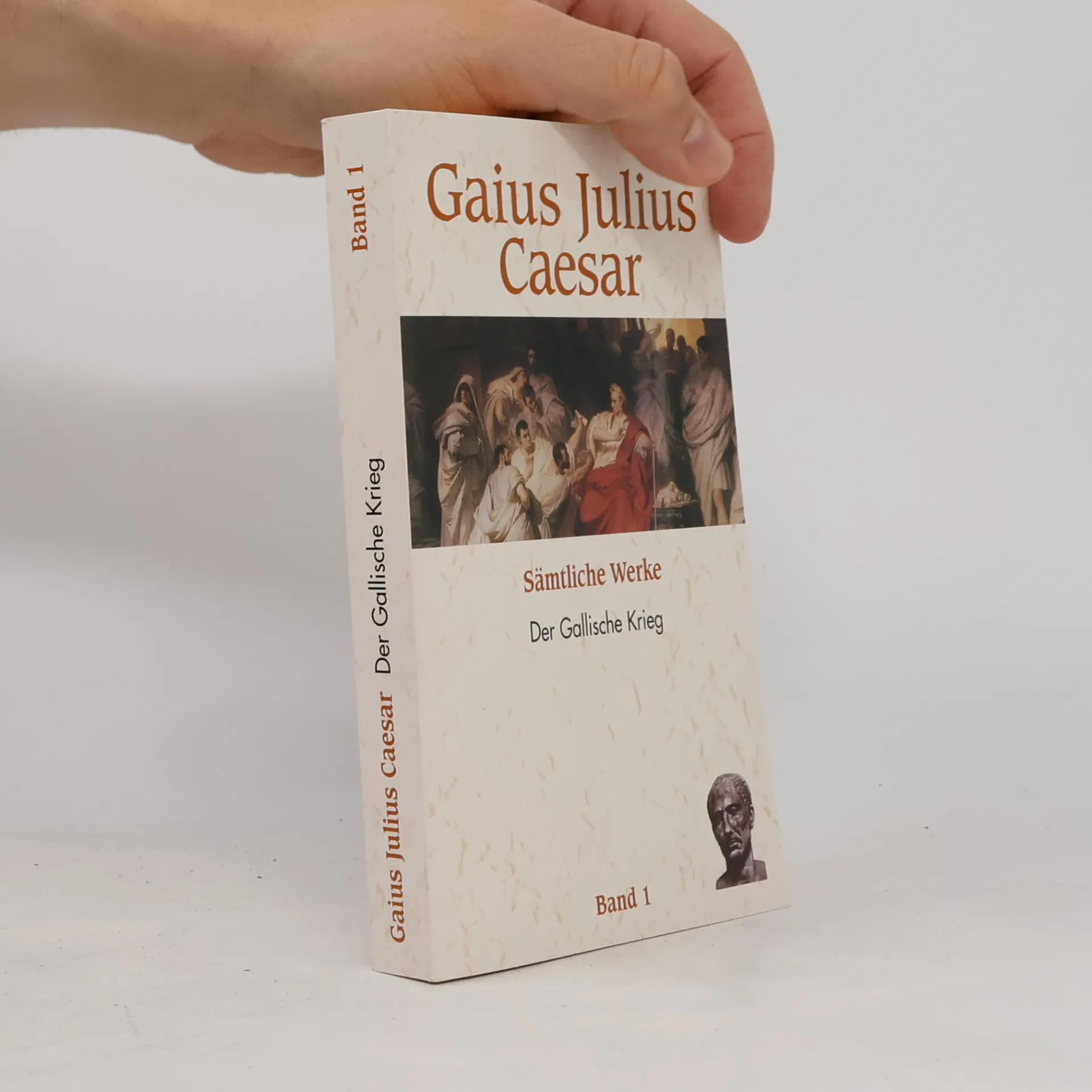
    • Sämtliche Werke

      • 687 pages
      • 25 hours of reading

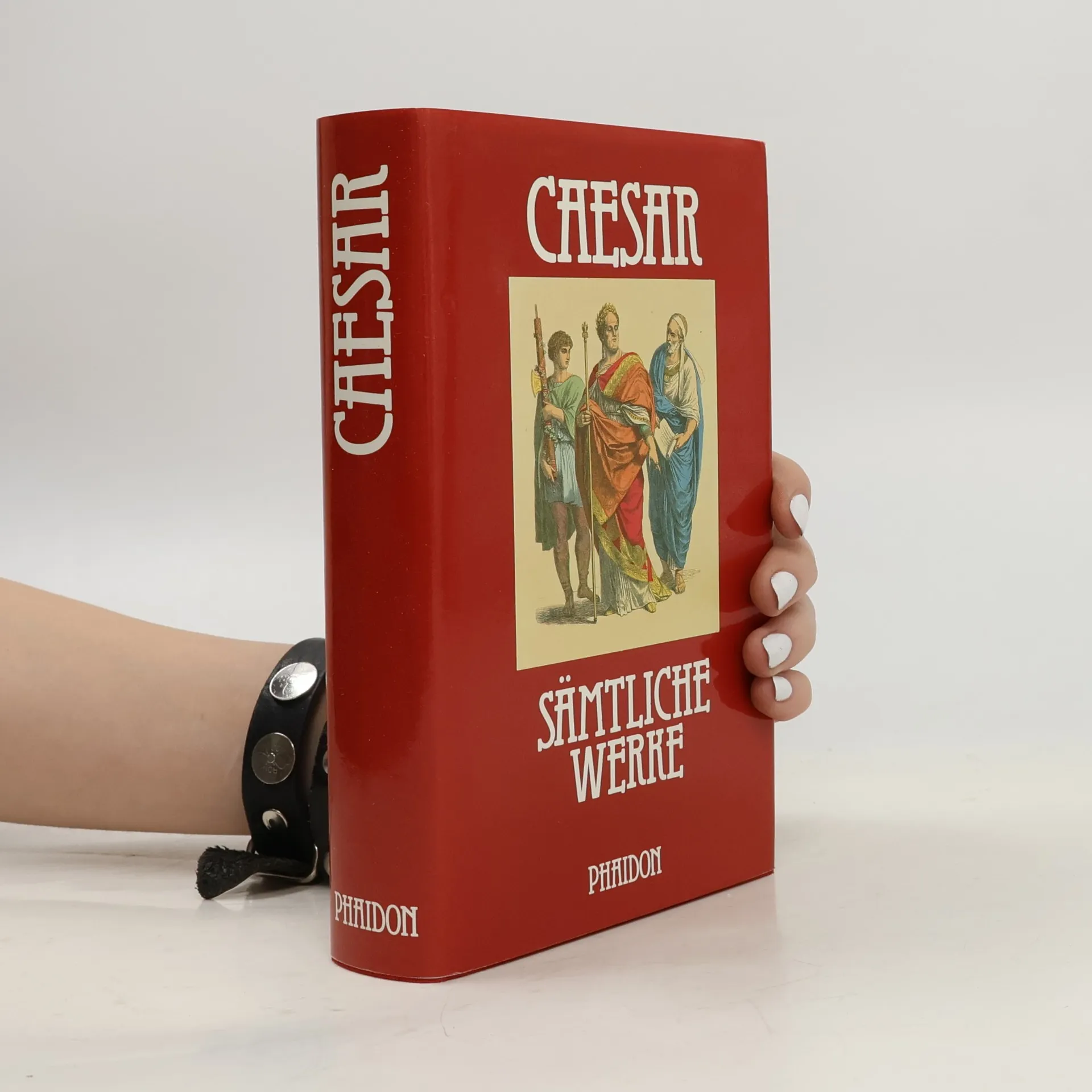
      Die hier erstmals in einem Band zusammengefassten Schriften Caesars veranschaulichen in der ihm eigenen, von innerer Distanz und Nüchternheit geprägten Weise die Grundlinien seines imperatorischen Denkens und Handelns.

      Sämtliche Werke
      4.0
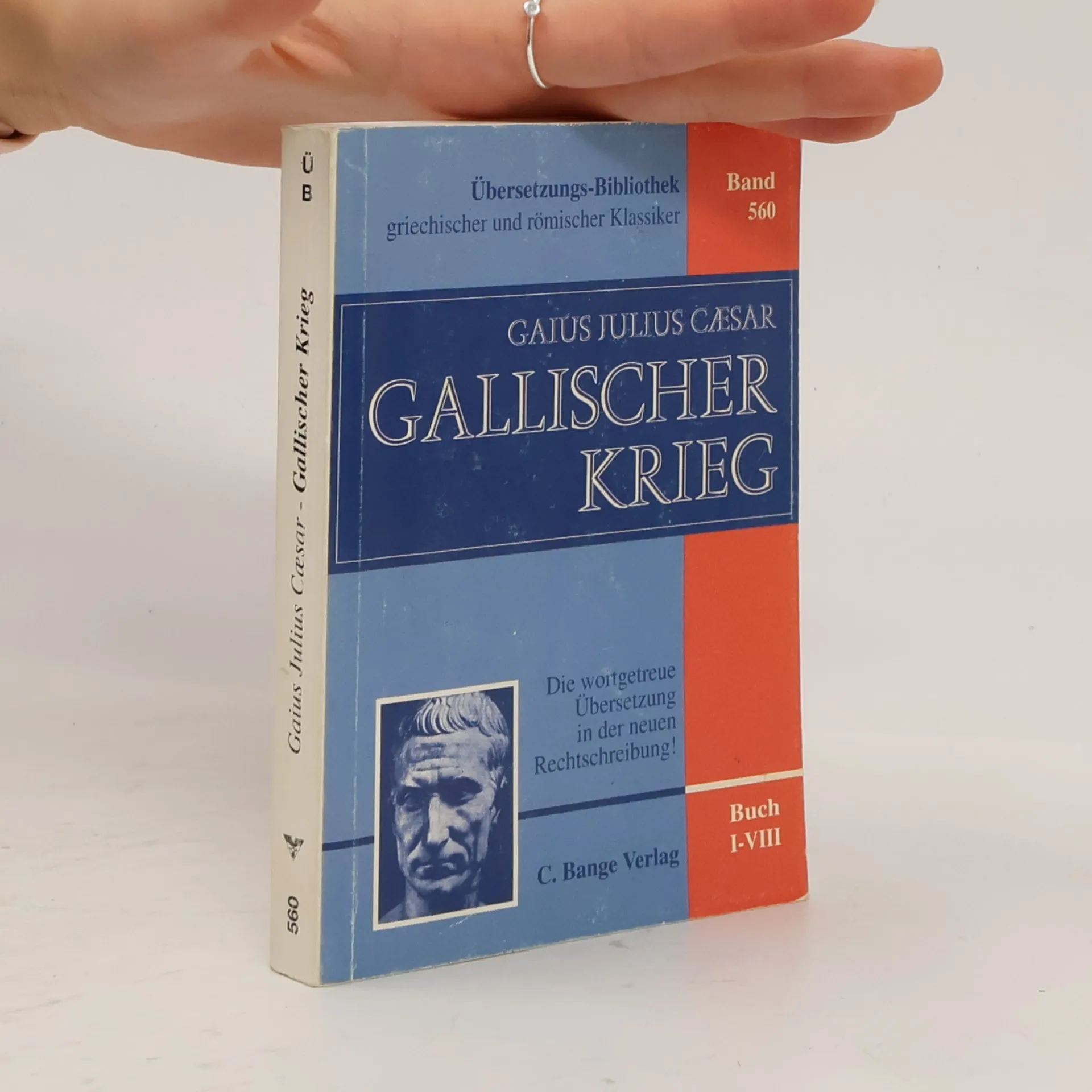
    • Der römische Heerführer, Schriftsteller und Imperator Gaius Julius Caesar gehört zu den bekanntesten Persönlichkeiten der Weltgeschichte. Sein Kriegsbericht »De bello Gallico«, der in acht Büchern von der Eroberung Galliens im ersten Jahrhundert v. Chr. erzählt, ist das populärste Werk der antiken Geschichtsschreibung. In seiner glänzenden, einfachen Sprache, seiner prägnanten Darstellung der wichtigsten historischen Ereignisse und der lebendigen Schilderung der Lebensweise fremder Völker bietet es bis heute spannenden Lesegenuss.

      Der Gallische Krieg
      3.9
    • De bello Gallico

      • 33 pages
      • 2 hours of reading

      InhaltsverzeichnisLiber primus / Erstes Buch Liber secundus / Zweites Buch Liber tertius / Drittes Buch Liber quartus / Viertes Buch Liber quintus / Fünftes Buch Liber sextus / Sechstes Buch Liber septimus / Siebtes Buch Liber octavus / Achtes Buch Zum Text Anmerkungen Literaturhinweise Nachwort

      De bello Gallico
      3.9
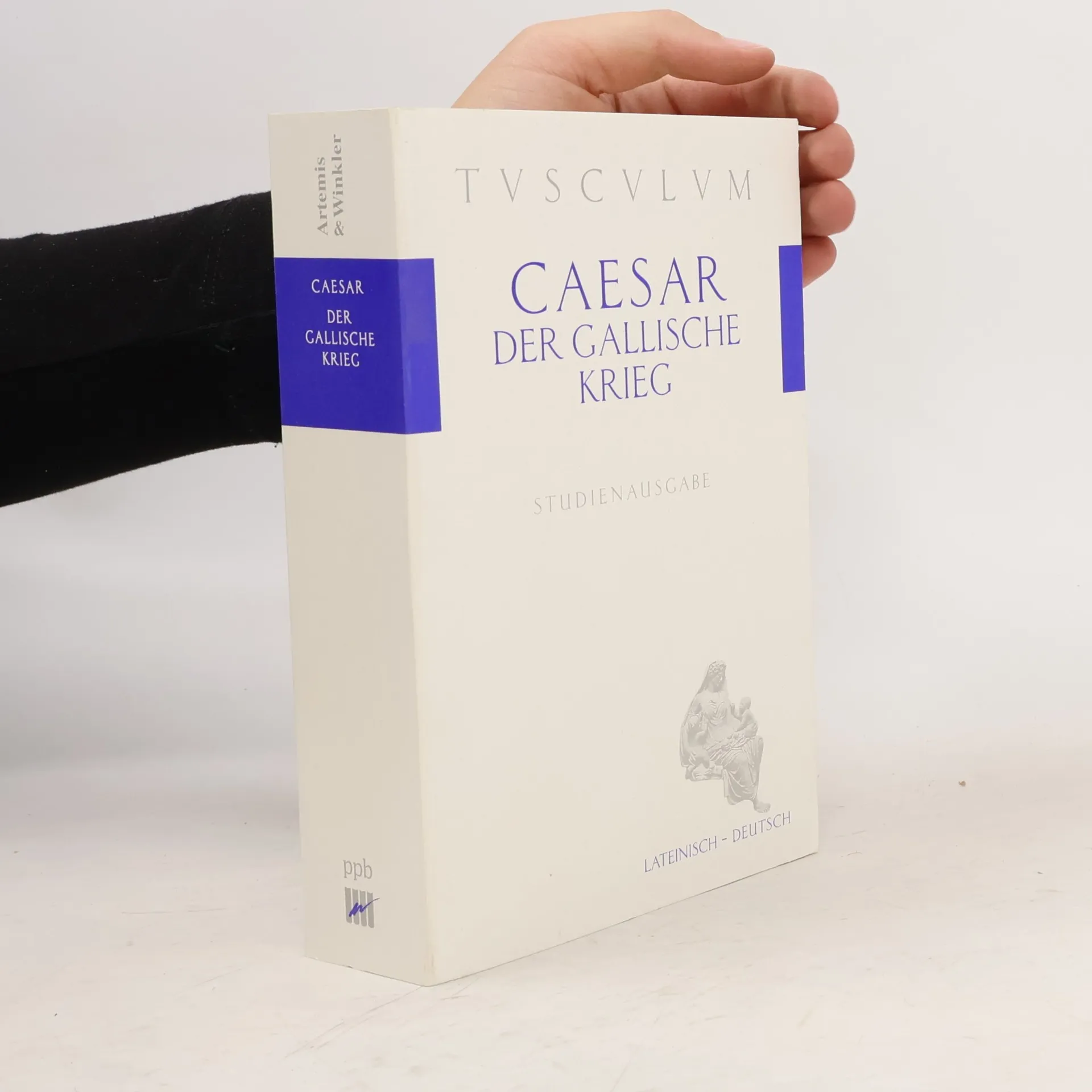
    • Der Gallische Krieg /Bellum Gallicum

      Studienausgabe - Lateinisch - Deutsch

      • 546 pages
      • 20 hours of reading

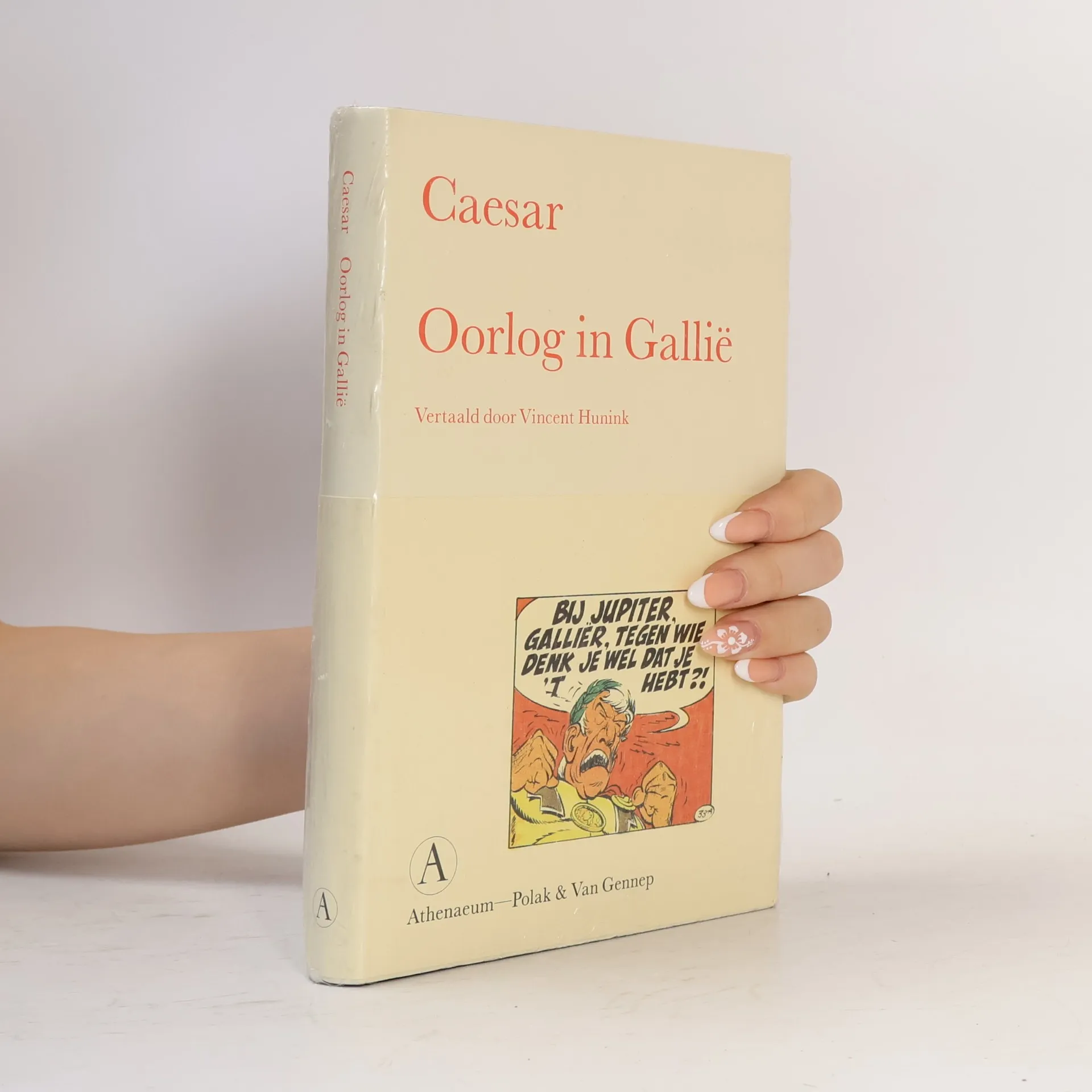
      Jeder, der Latein gelernt hat, kennt diesen Text, aber auch jedem Asterix-und-Obelix-Leser sind die paraphrasierten ersten Zeilen bekannt: Gallia est omnis divisa in partes tres... Caesar wurde das Aufgabengebiet Gallien im Verlauf des Jahres 59 v. Chr. zugesprochen; über seine zehn Jahre dauernde Kriegsführung legt er in den Commentarii belli Gallici Rechenschaft ab.

      Der Gallische Krieg /Bellum Gallicum
    • La guerre des Gaules ou Commentaires sur la guerre des Gaules (en latin Commentarii de Bello Gallico) est un ouvrage d’histoire en sept livres de Jules César constitué de notes rédigées au fur et à mesure de la guerre et rassemblées vers 52-51 av. J.C. dans lequel le dictateur relate ses opérations militaires. Pour une bonne part c’est en fait la collation des rapports qu’il rédigeait, en partie avec ses lieutenants, pour les envoyer au Sénat qui surveille l’activité des proconsuls tels César. Les Commentaires de César sont une source de renseignements précieuse sur l’histoire primitive de la Gaule. César a pensé que les faits parleraient assez d’eux-mêmes aux contemporains et à la prospérité. Aussi présente-t-il les faits de la manière la plus avantageuse pour lui. La guerre des Gaules se déroula de 58 à 52 av. J.C. et César en fut le généralissime victorieux. Un huitième livre, écrit plus tard par Aulus Hirtius, lieutenant de César, décrit les derniers combats de 51 av. J.C. et la situation en Gaule en 50. La traduction de ces textes est de L.-A. Constans et date de 1926. Nous avons précédé ce texte d’une Géographie de la guerre des Gaules permettant à chacun de se faire une idée du contexte et de visualiser la répartition des différents peuples qui occupaient les territoires concernés. D’autres cartes viennent, au cours du texte, en appui visuel des campagnes ou des faits d’armes relatés.

      La guerre des Gaules
    • Caesar

      • 132 pages
      • 5 hours of reading
      Caesar
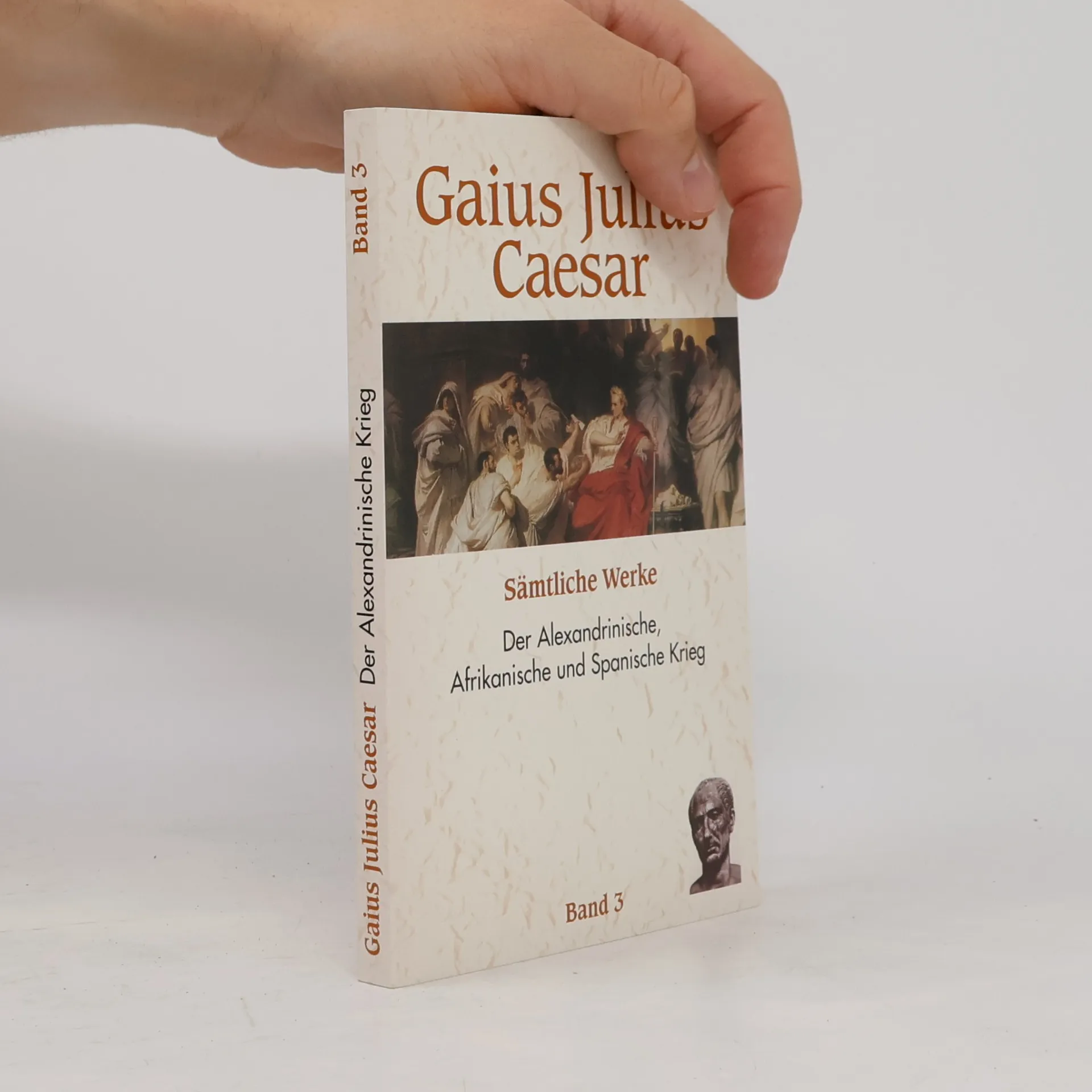
    • Bibliothek der Antike: Kriege in Alexandrien, Afrika und Spanien

      Einsprachige Leseausgabe der schönsten Klassiker

      • 141 pages
      • 5 hours of reading

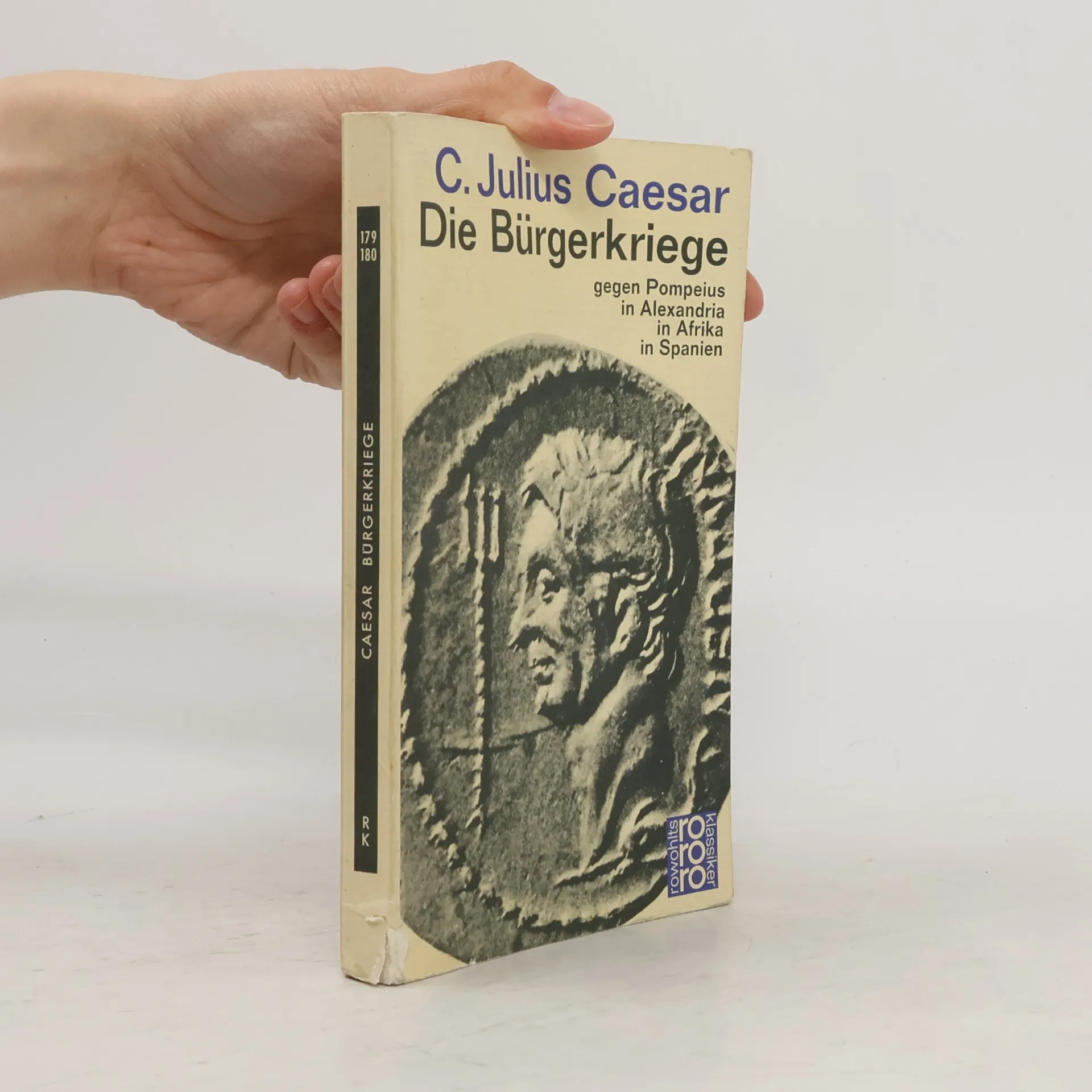
      Caesar war Pompeius nach der Schlacht bei Pharsalos nach Ägypten gefolgt. Von den Reizen der ägyptischen Königin Kleopatra verführt und beeinflusst, griff er in den Erb- und Thronstreit mit ihrem Bruder Ptolemaios XIII. ein. Daraus entwickelte sich ein Straßenkampf in Alexandria, der erst durch Hilfe von außen zu Caesars Gunsten entschieden werden konnte. Die kriegerischen Auseinandersetzungen sind im ›Bellum Alexandrinum‹ beschrieben und stehen im Zusammenhang mit Caesars ›Commentarii‹. Der Verfasser des ›Bellum Africum‹ berichtet über Caesars Feldzüge in Afrika von Ende 47 bis Anfang 46 v. Chr.; das ›Bellum Hispaniense‹ schildert Caesars Kämpfe von Dezember 46 bis August 45 in Spanien.

      Bibliothek der Antike: Kriege in Alexandrien, Afrika und Spanien
    • Der populäre Kriegsbericht Caesars Caesars Bericht von der Unterwerfung Galliens (58-51 v. Chr.) gehört zu den populärsten Dokumenten der Antike. Die Schrift sollte seine oft selbstherrlichen Maßnahmen rechtfertigen und die Argumente der politischen Gegner entkräften. Die unerreichte Schlichtheit des Stils und die Klarheit der Sprache lassen den propagandistischen Zweck geschickt in den Hintergrund treten. Die Schilderungen der Stämme Galliens, Germaniens und Britanniens sind die ältesten erhaltenen Zeugnisse über diese Volksgruppen. Übersetzt und herausgegeben von Otto Schönberger. Format 10,7 x 17,3 cm. Gebunden mit Schutzumschlag.

      Bibliothek der Alten Welt: Der gallische Krieg
    • Dílo se zaměřuje na vojenské a politické akce proti senátní opozici v letech 49–48 př. n. l. a je nedokončené. Doplňuje ho spis historika Aula Hirtia a dvě knihy anonymních autorů, které popisují boje s opozicí v Africe a Hispánii. Zápisky o občanské válce zachycují Řím v klíčovém období pozdní republiky, kdy říše expandovala, ale zároveň čelila vnitřním otřesům vedoucím k občanské válce. Po rozpadu triumvirátu se Caesar stal dominantní postavou moci, zatímco Pompeius se přidal k opozici. Caesar se vrátil z Galie, obsadil Itálii a porazil Pompeiovce v Africe a Hispánii. Zápisky jsou rozděleny do tří knih a mají memoárový charakter, psané ve třetí osobě a prostým stylem. Caesar se v nich vykresluje jako nedobrovolný bojovník v nevyhnutelném konfliktu a objasňuje své činy. Dílo je ceněno pro sugestivní líčení bitev, vojenský obsah a etiku. Čteno evropskými vzdělanci a vojevůdci, bylo často napodobováno, ale nikdy nedostiženo. Dodnes představuje cenný kulturně historický pramen, který osvětluje cestu civilizace do západní Evropy a nabízí fascinující obraz její dávné minulosti.

      Zápisky o válce občanské, alexandrijské, africké a hispánské
      4.3
    • Zápisky o válce galské jsou nejznámějším a zároveň nejvýznamnějším dílem římského vojevůdce Gaia Iulia Caesara. V sedmi knihách psaných ve třetí osobě popisuje nejen svá tažení a bitvy, ale i přírodu a zvyky starých Galů, Germánů apod. Vyprávění počíná rokem 58 př.n.l. a končí rokem 52 př. n. l., přičemž sloh díla je velmi jednoduchý a prostý, používá relativně malou slovní zásobu, bez zbytečných odboček a básnických příkras. Čtenář má možnost se seznámit nejen s Caesarovým geniálním vojenským a politickým nadáním, ale také s dokonalou organizací a vysokou kvalitou římského vojáka.
      Paměti o válce galské