

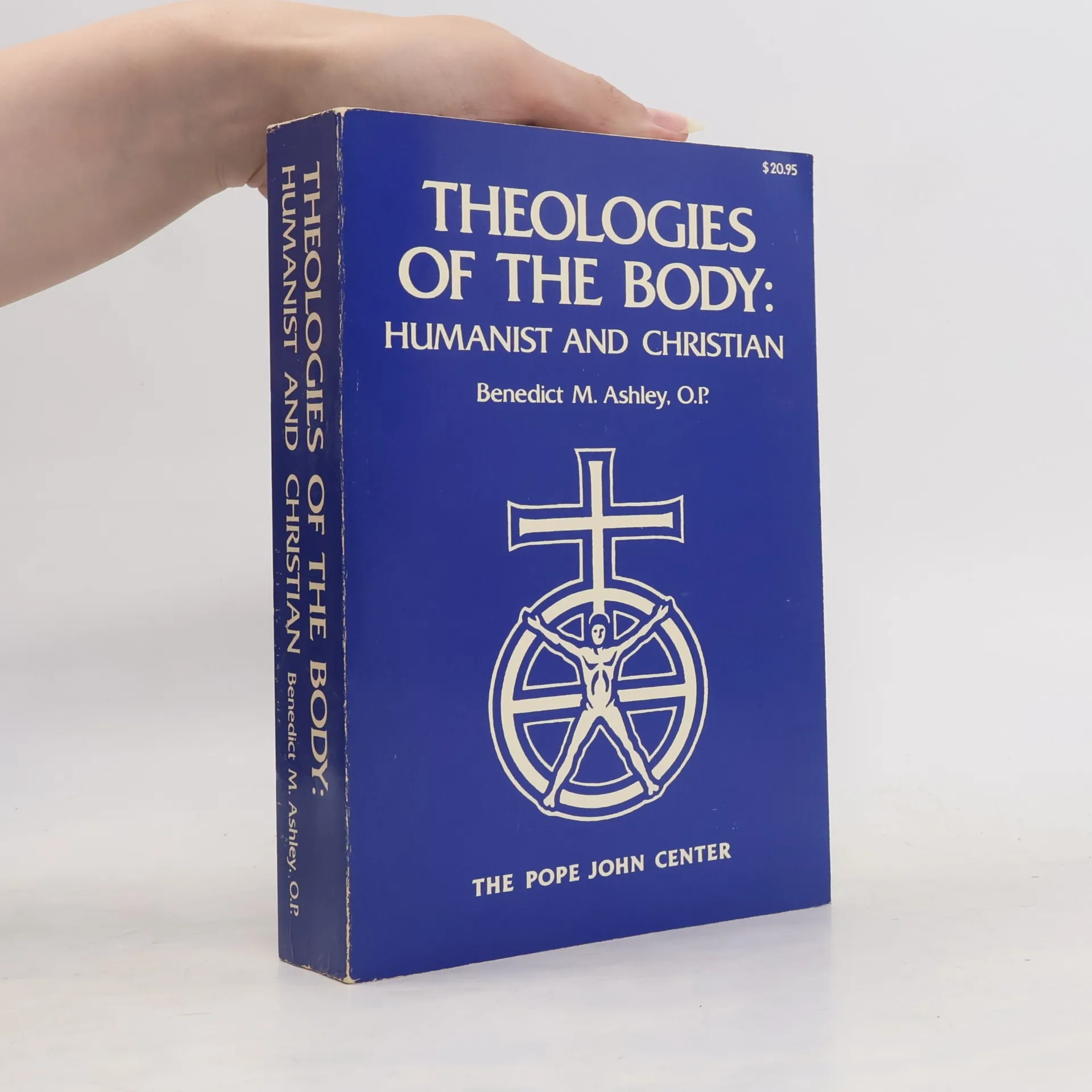
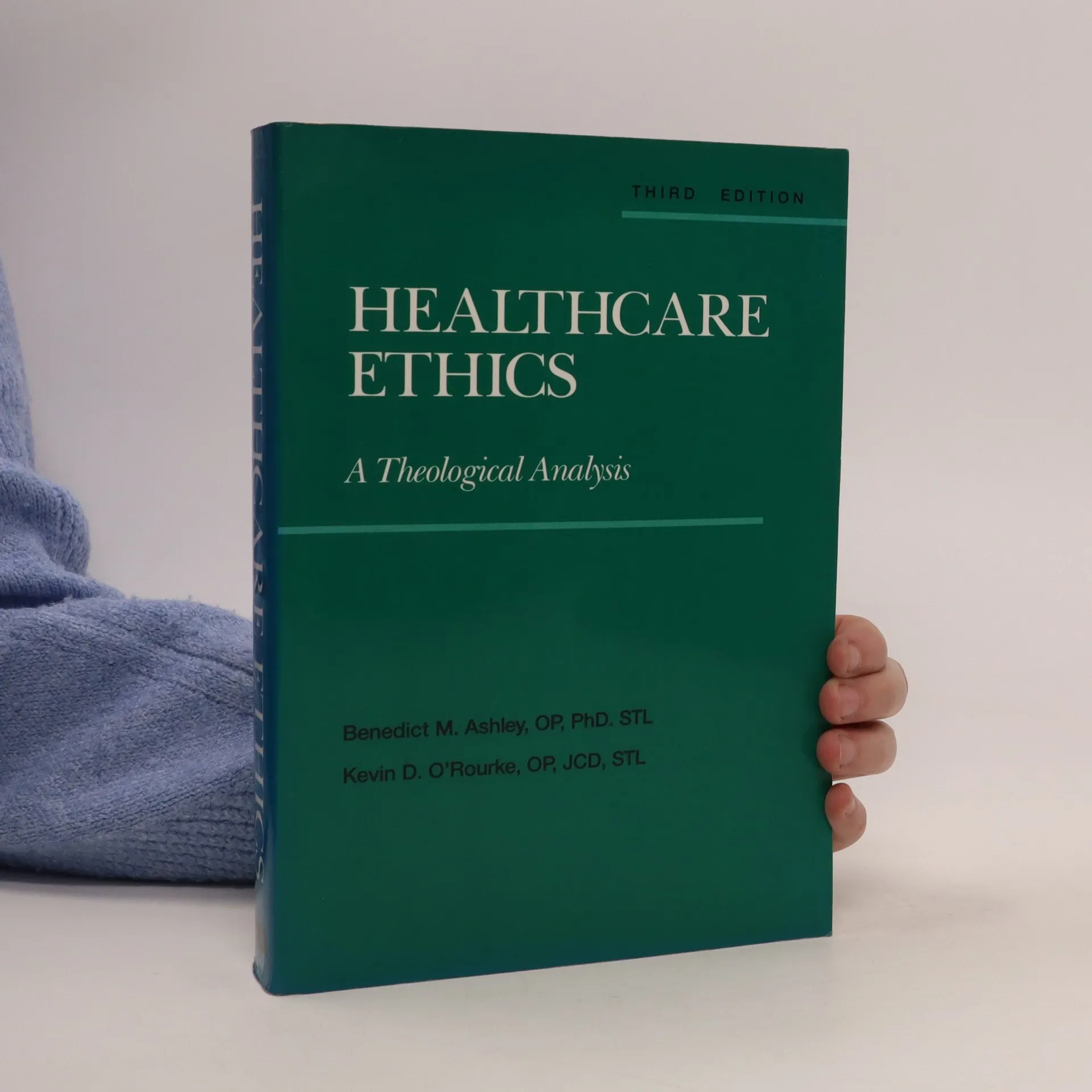
Healthcare Ethics: ATheological Analysis
- 497 pages
- 18 hours of reading
This fifth edition of a classic health care ethics textbook, grounded in traditional Catholic teaching, remains loyal to official church doctrine and Vatican pronouncements. Previous editions explored essential topics such as the meaning of being human, the health care profession, decision-making logic, and various issues including sexuality, abortion, genetic intervention, mental illness, and end-of-life care, all receiving the imprimatur of the archdiocese. The new edition introduces co-author Jean deBlois, who integrates feminist insights, enhancing discussions on gender-related issues like responses to rape and health care inequalities. Additionally, it covers contemporary topics that gained prominence since the mid-1990s, such as embryo development, stem cell research, medical errors, reduced patient-physician interaction due to managed care, forensic medicine, cosmetic surgery, and nutrition-related concerns. The authors also delve into the social context of health care, addressing organizational ethics, the rise of laypeople in pastoral roles, and challenges posed by Catholic health care corporations. Furthermore, they engage with recent Church guidelines on medical treatment, particularly regarding artificial nutrition and hydration, and critically assess the U.S. health care system's failure to serve the common good.