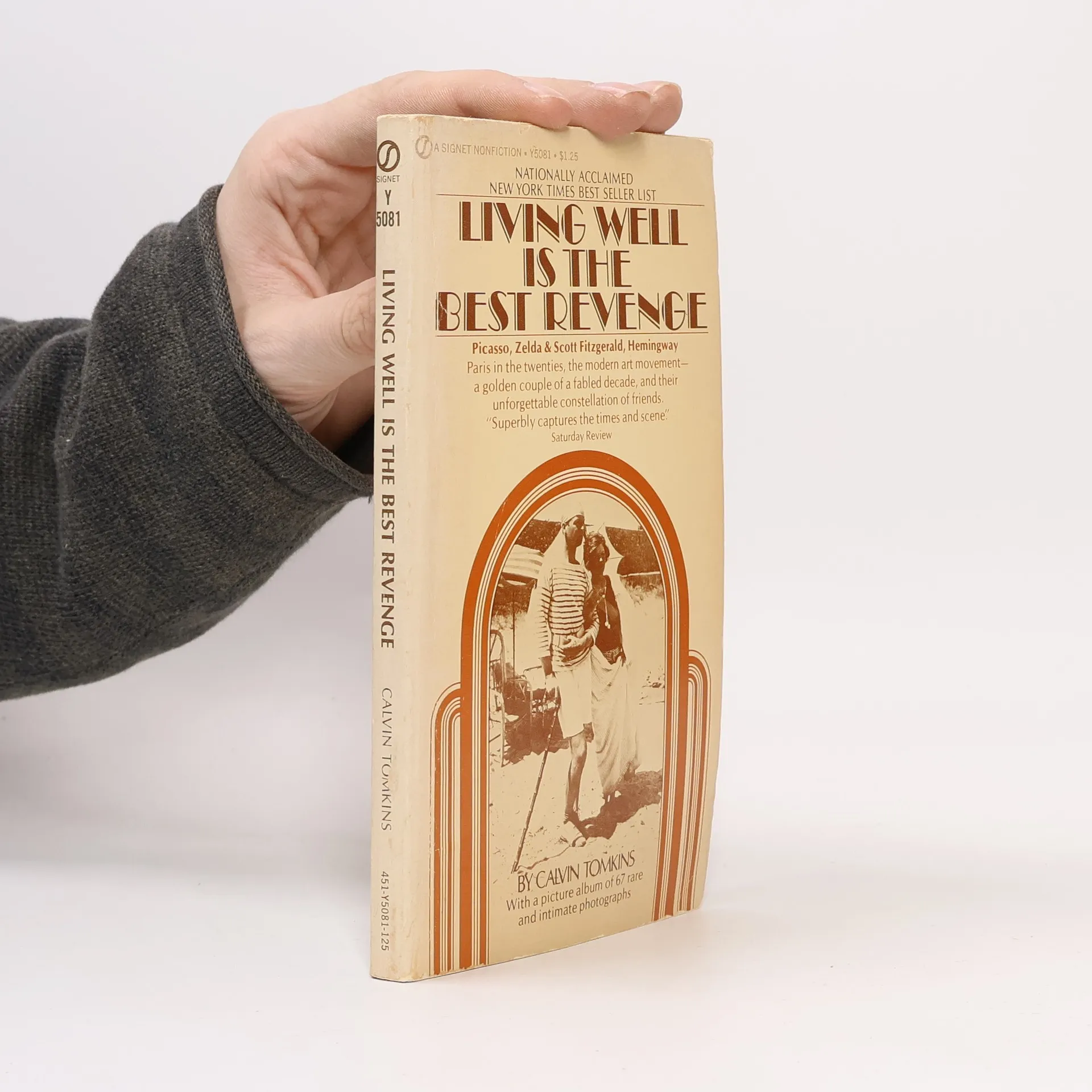
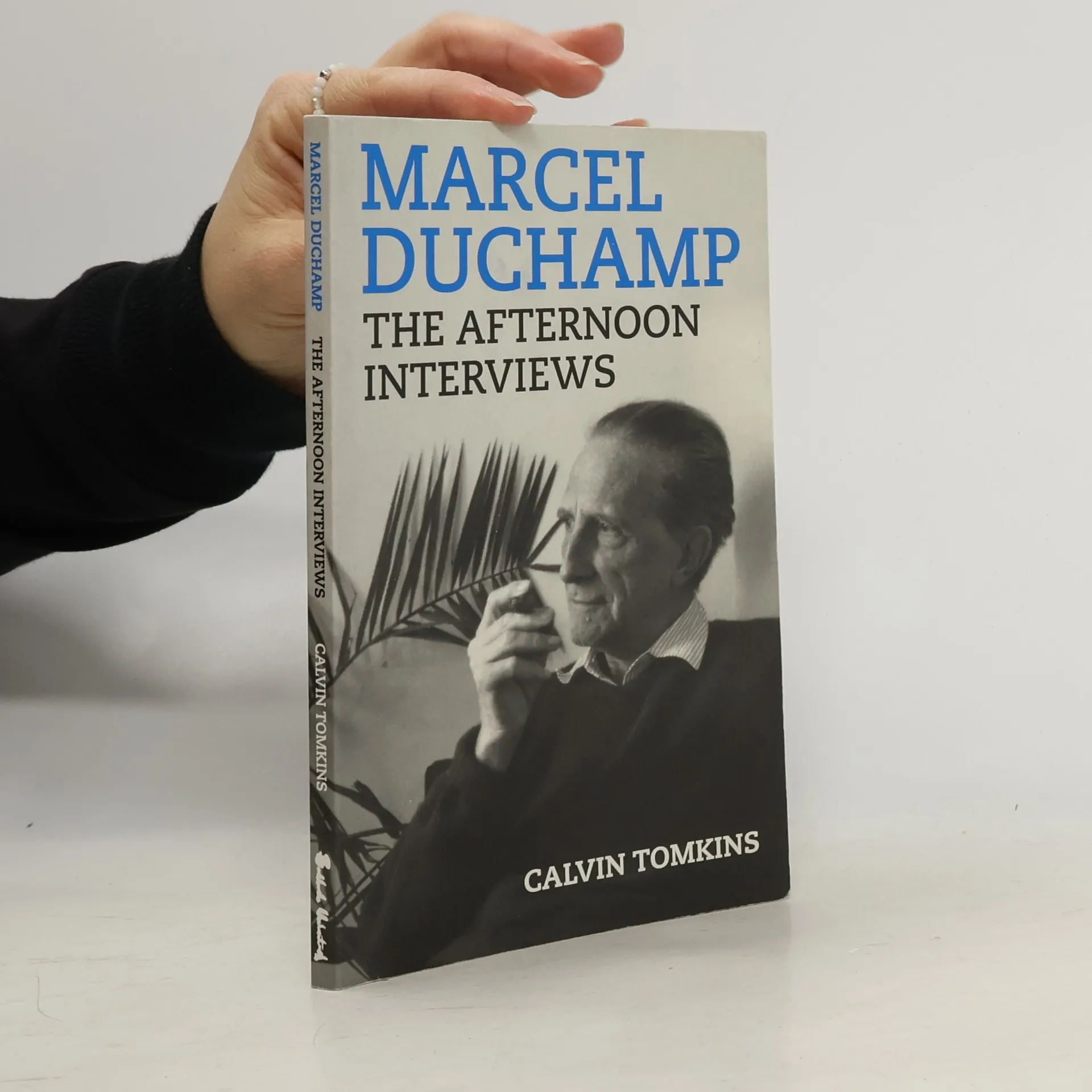
In 1964, Calvin Tomkins spent a number of afternoons interviewing Marcel Duchamp in his apartment on West 10th Street in New York. Casual yet insightful, Duchamp reveals himself as a man and an artist whose playful principles toward living freed him to make art that was as unpredictable, complex, and surprising as life itself. Those interviews have never been edited and made public, until now. "The Afternoon Interviews," which includes an introductory interview with Tomkins reflecting on Duchamp as an artist, guide and friend, reintroduces the reader to key ideas of his artistic world and renews Duchamp as a vital model for a new generation of artists. Calvin Tomkins was born in 1925 in Orange, New Jersey. He joined the New Yorker as a staff writer in 1960. His many profiles include John Cage, Robert Rauschenberg, Merce Cunningham, Leo Castelli, Damien Hirst, Richard Serra, Bruce Nauman, Cindy Sherman and Jasper Johns. Tomkins is the author of 12 books, including "The Bride and the Bachelors" (1965), "Living Well Is the Best Revenge" (1971), "Lives of the Artists" (2008) and "Duchamp: A Biography" (1996).
Calvin Tomkins Book order (chronological)
Calvin Tomkins is a celebrated author whose career has been deeply intertwined with The New Yorker since 1960. His extensive body of work focuses on incisive profiles of significant figures within the art world, offering profound analysis of their contributions. Tomkins's distinctive style is characterized by its deep exploration of the creative process and the motivations behind artistic endeavors, revealing the essence of their work. His long-standing dedication to art journalism provides readers with a unique perspective on the evolution and dynamics of modern art.

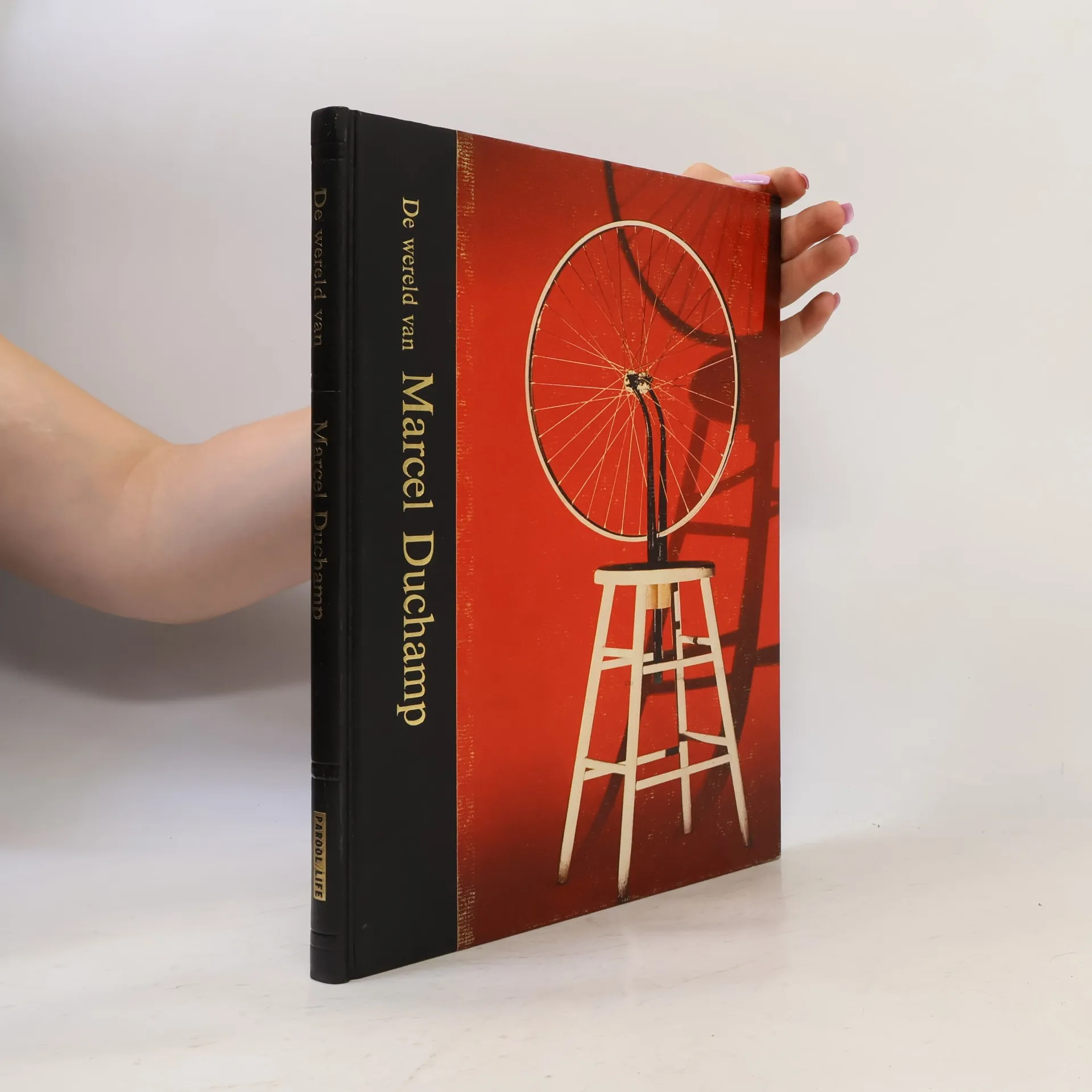
Marcel Duchamp
- 600 pages
- 21 hours of reading
Duchamp
- 560 pages
- 20 hours of reading
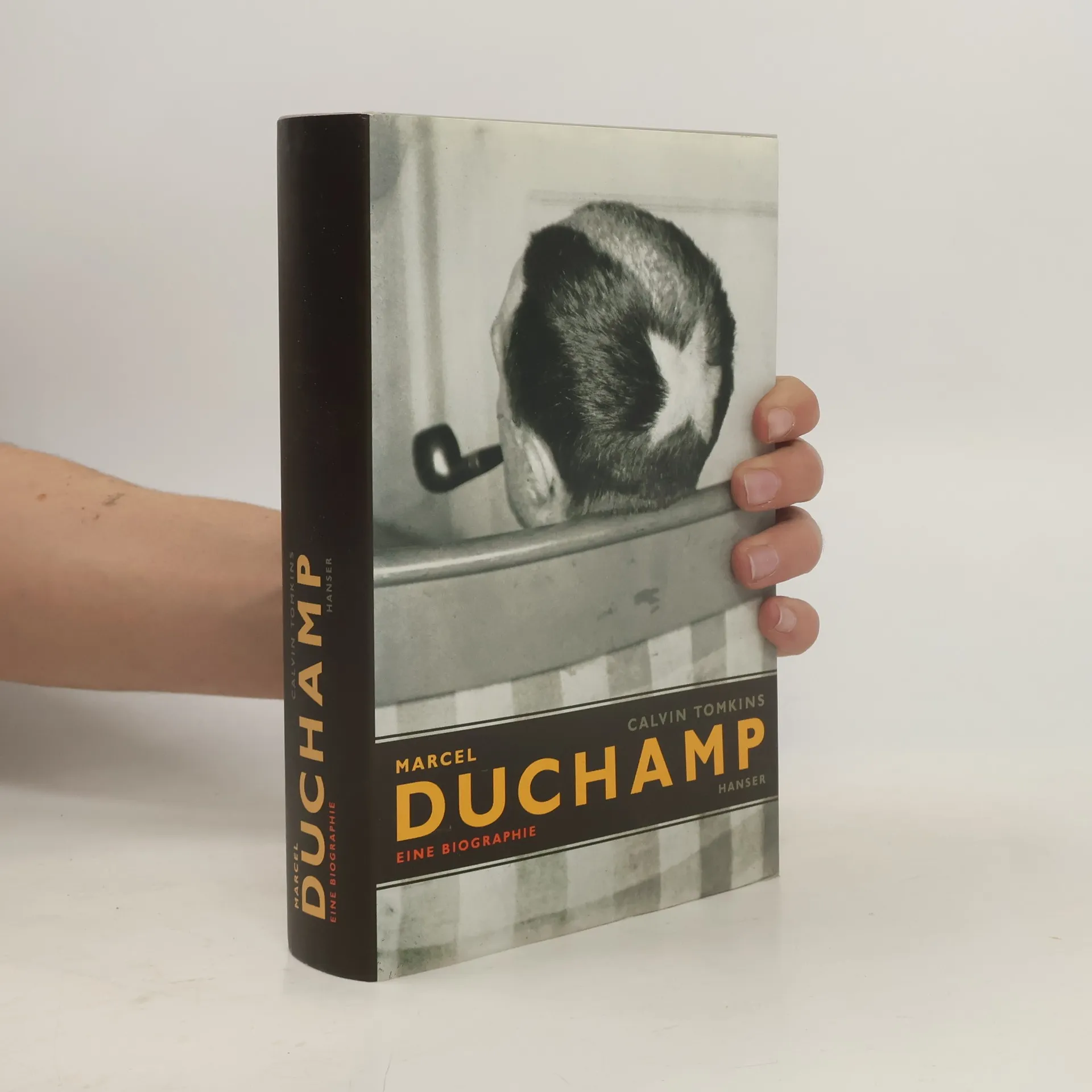
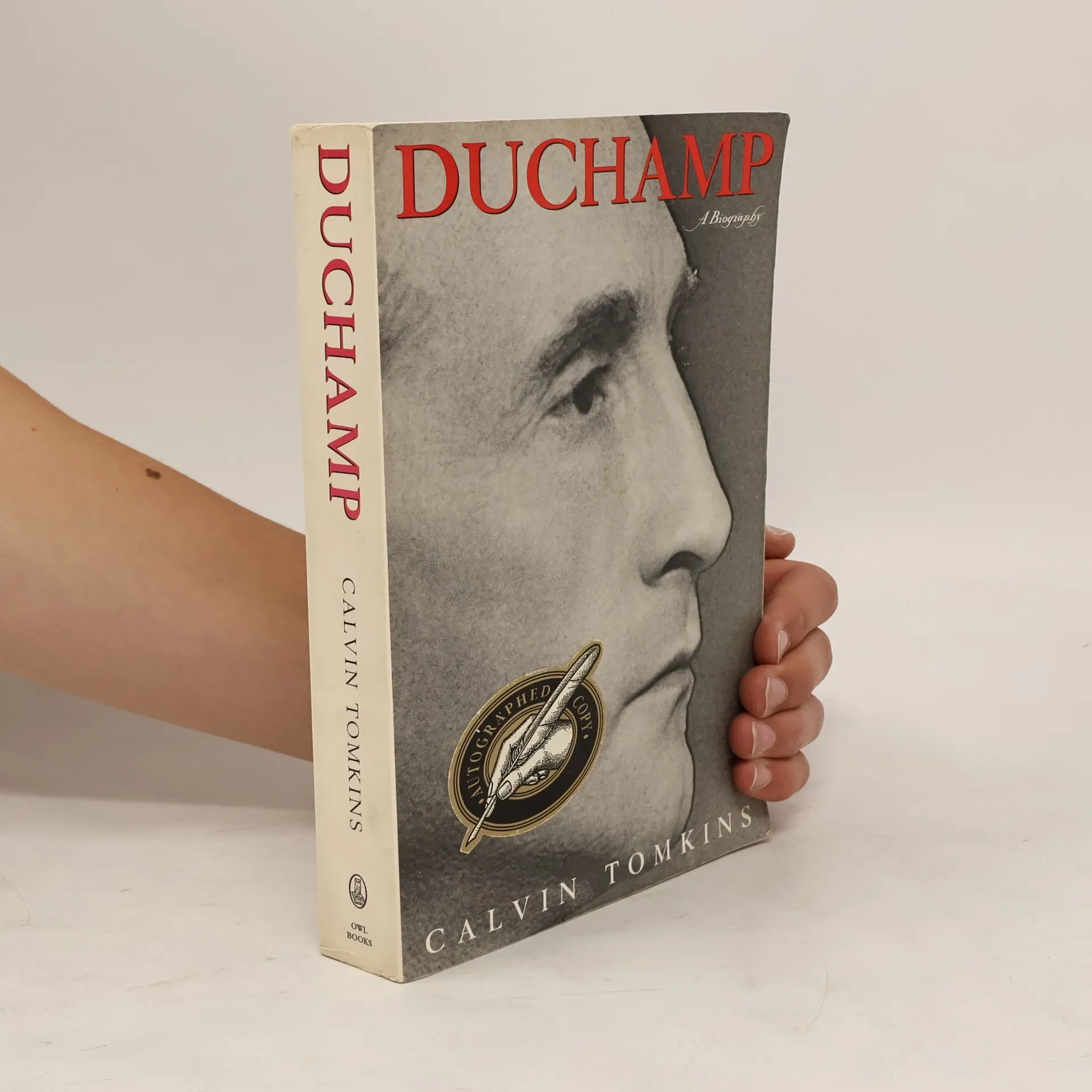
A New York Times Notable Book of 1996 Booklist Editor's Choice, 1996 The celebrated, full-scale life of the century's most influential artist. One of the giants of the twentieth century, Marcel Duchamp changed the course of modern art. Visual arts, music, dance, performance--nothing was ever the same again because he had shifted art's focus from the retinal to the mental. Duchamp sidestepped the banal and sentimental to find the relationship between symbol and object and to unearth the concepts underlying art itself. The author's intimacy with the subject and glorious prose style, wit, and deep sense of irony--"the only antidote to despair"--make him the perfect writer to bring this stunning life story to intelligent readers everywhere.
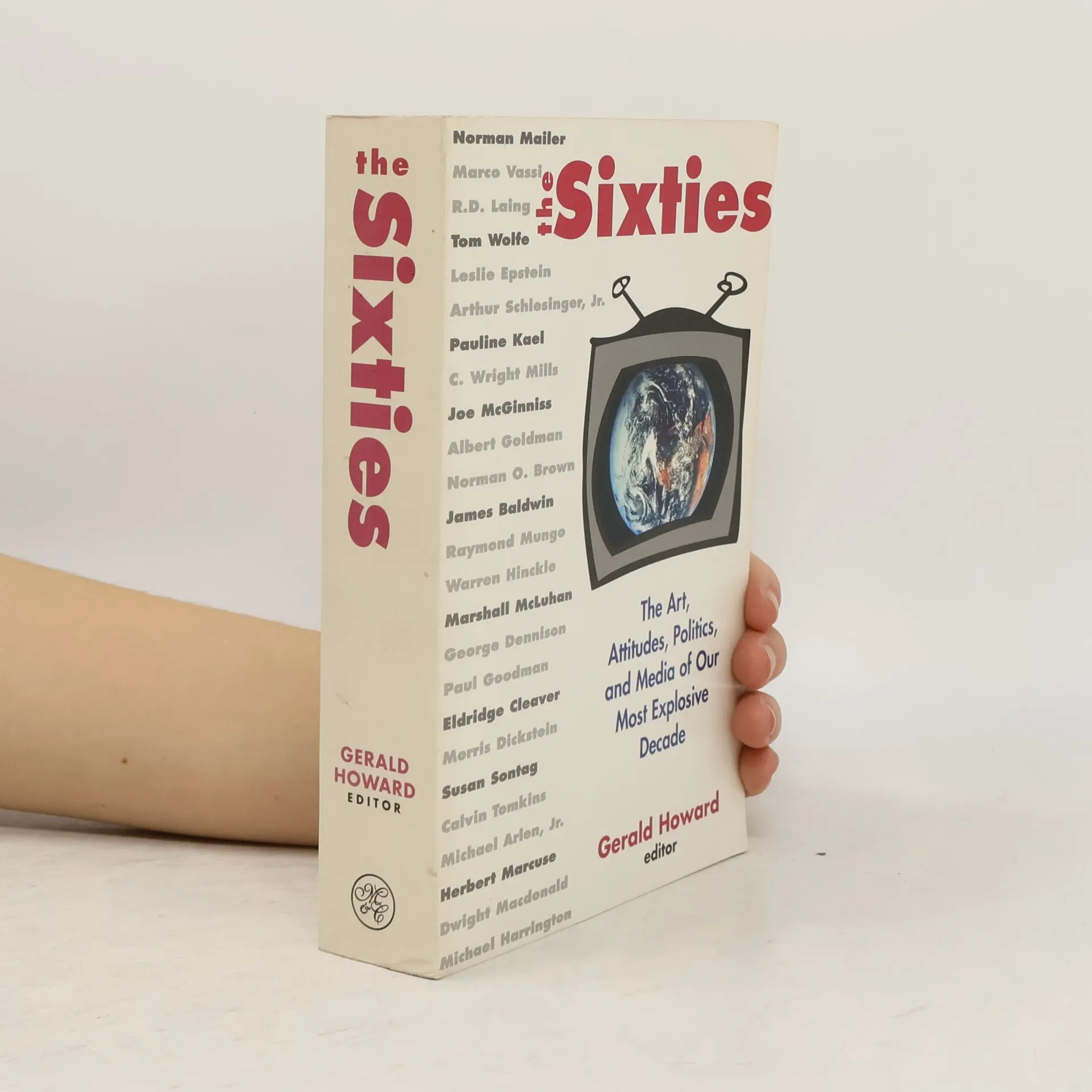
Gathers essays written during the sixties by such people as Norman Mailer, Marshall McLuhan, Tom Wolfe, Eldridge Cleaver, and others about the changes in art, politics, and the media during that decade
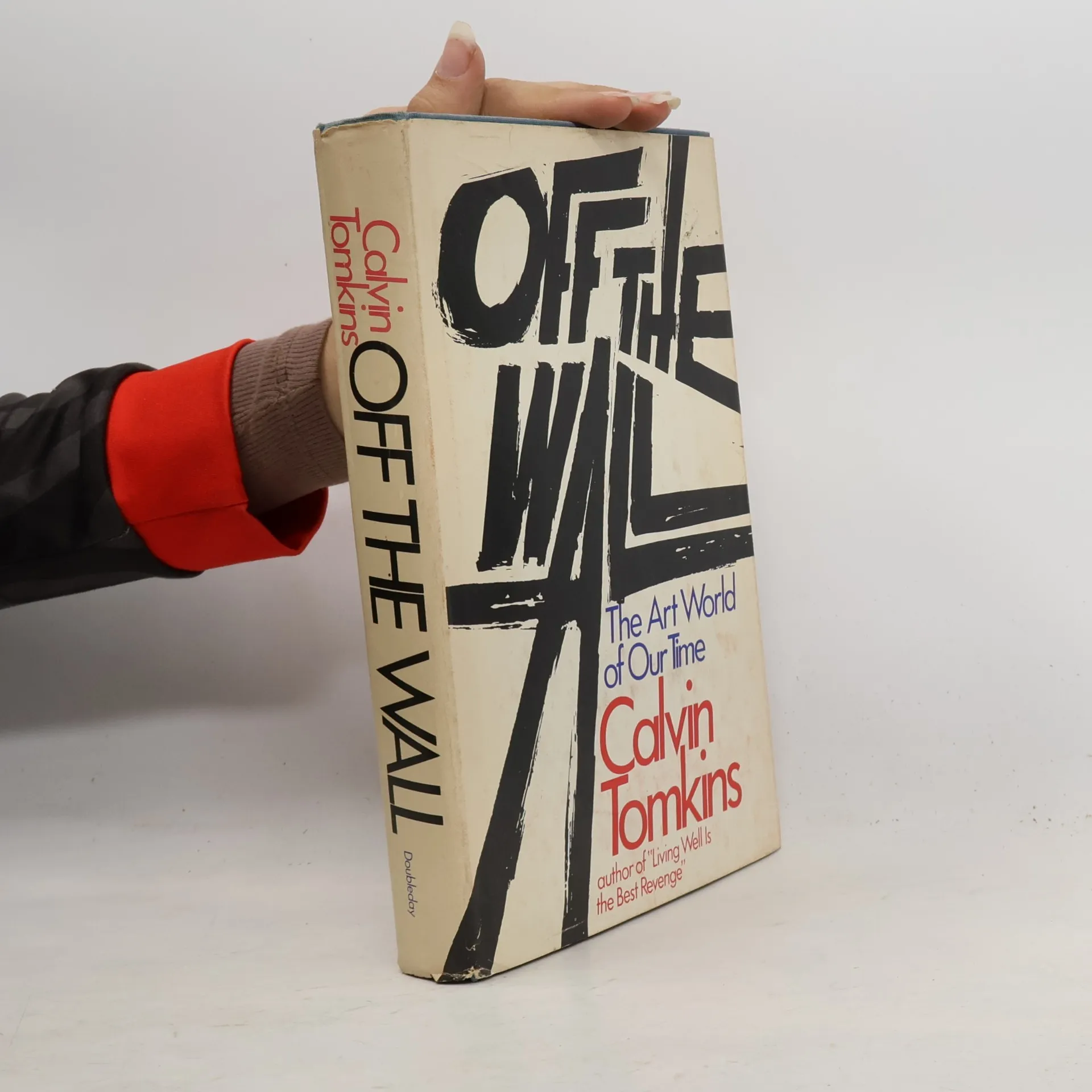
This book chronicles the creative period of the 1950s and 1960s, a high point in American art. In his collaborations with Merce Cunningham and John Cage, and as a pivotal figure linking abstract expressionism and pop art, Robert Rauschenberg was part of a revolution during which artists moved art off the walls of museums and galleries and into the center of the social scene. Rauschenberg's vitally important and productive career spans this revolution, reaching beyond it to the present day. The book features the artists and the art world surrounding Rauschenberg--from Jackson Pollock, and Willem de Kooning to Jasper Johns, Frank Stella, and Andy Warhol, together with dealers Betty Parsons, and Leo Castelli, and the patron Peggy Guggenheim.
territoires de l'inquiétude
histoires singulières
The bride and the bachelors
- 484 pages
- 17 hours of reading
The Bride and the Bachelors, published here in a revised and expanded edition, is one of the essential art books of the last half-century. Its witty and readable accounts of the lives and work of Marcel Duchamp, John Cage, Jean Tinguely, Robert Rauschenberg, and Merce Cunningham reveal the ways in which they influenced one another, and opened the way to new perspectives on the nature and purpose of art. The addition of Tomkins's more recent profile of Jasper Johns, as he reflects on his six-decade career, completes the cycle and provides fresh insights on the ever-shifting relationships between art and contemporary life. This edition also includes a new introduction by the author.