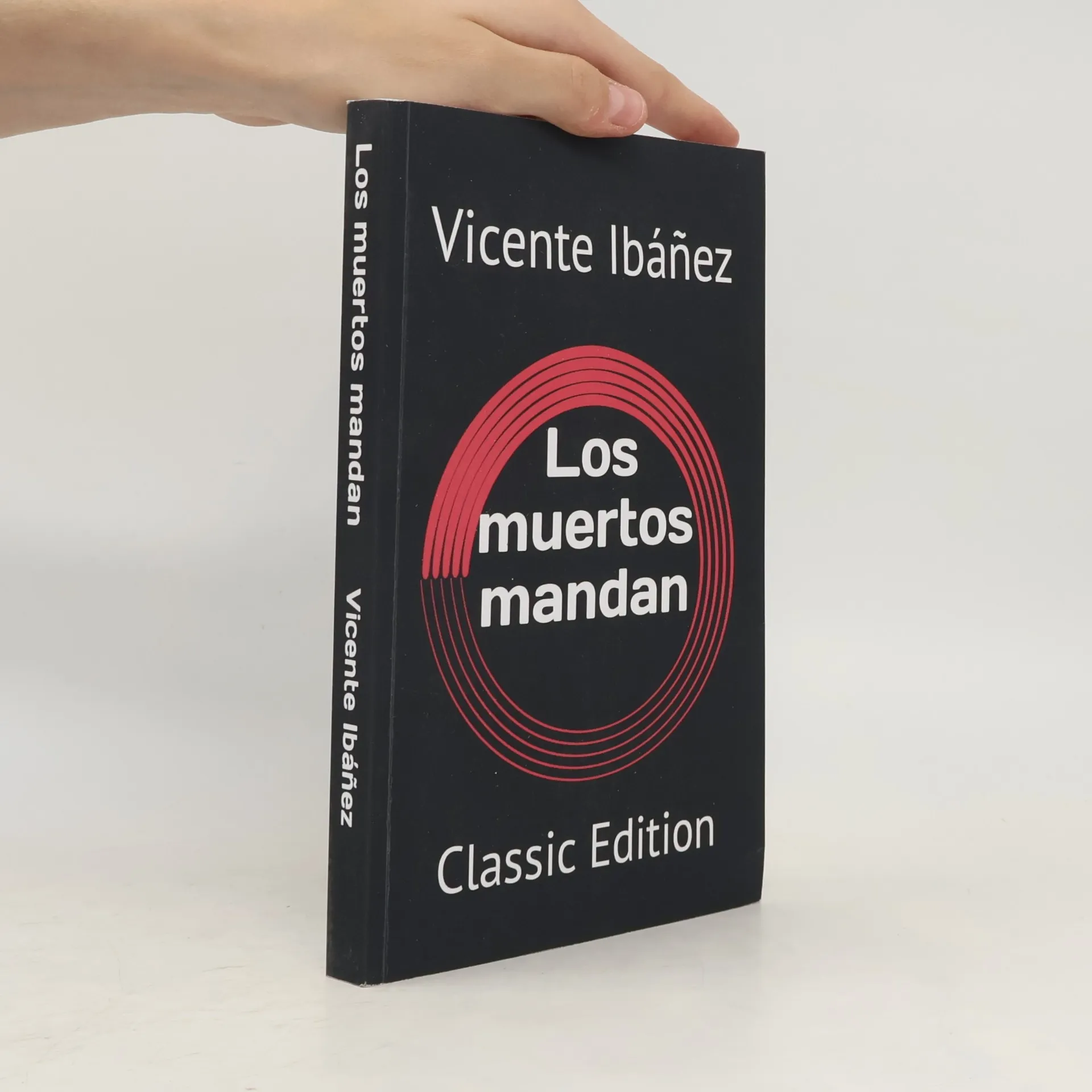
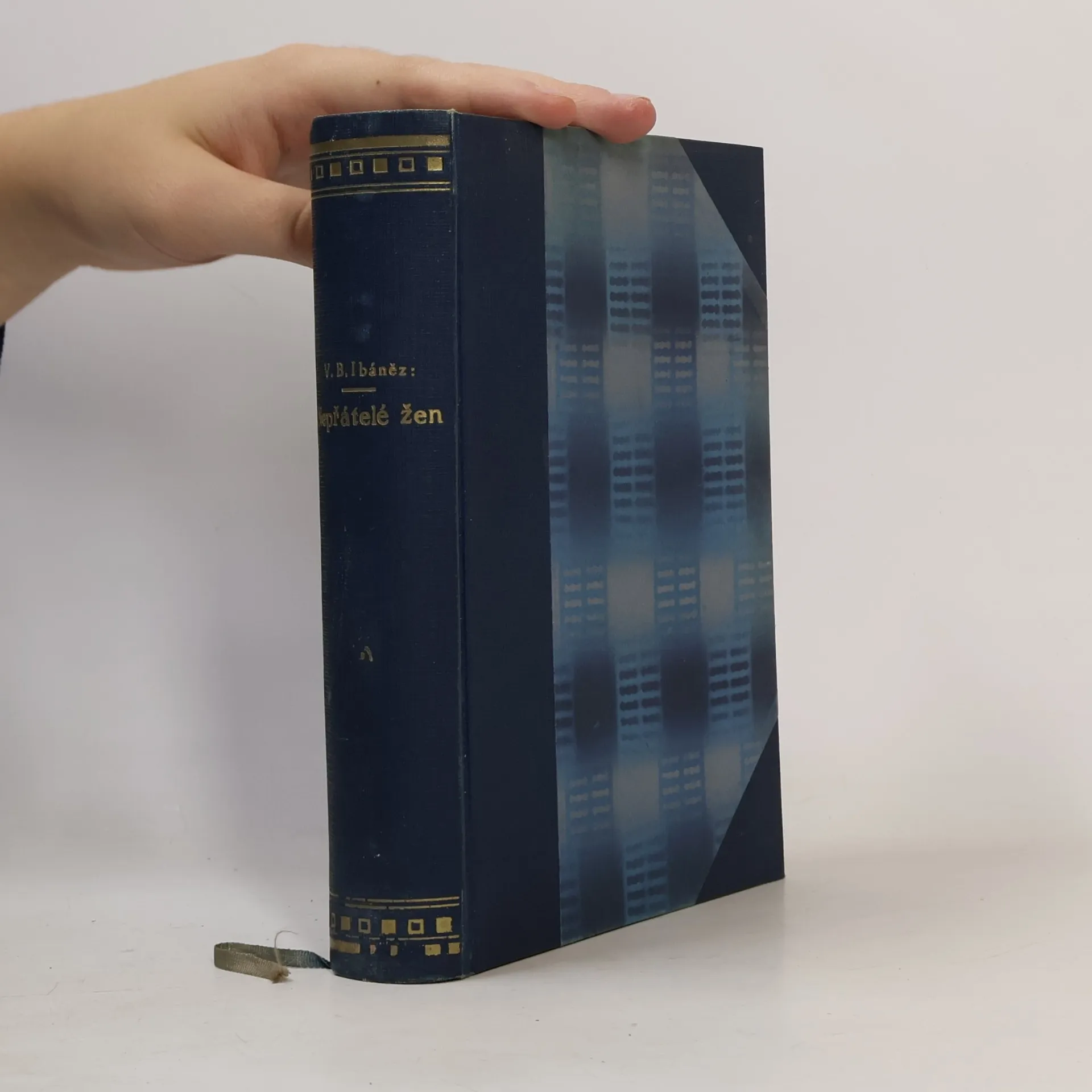
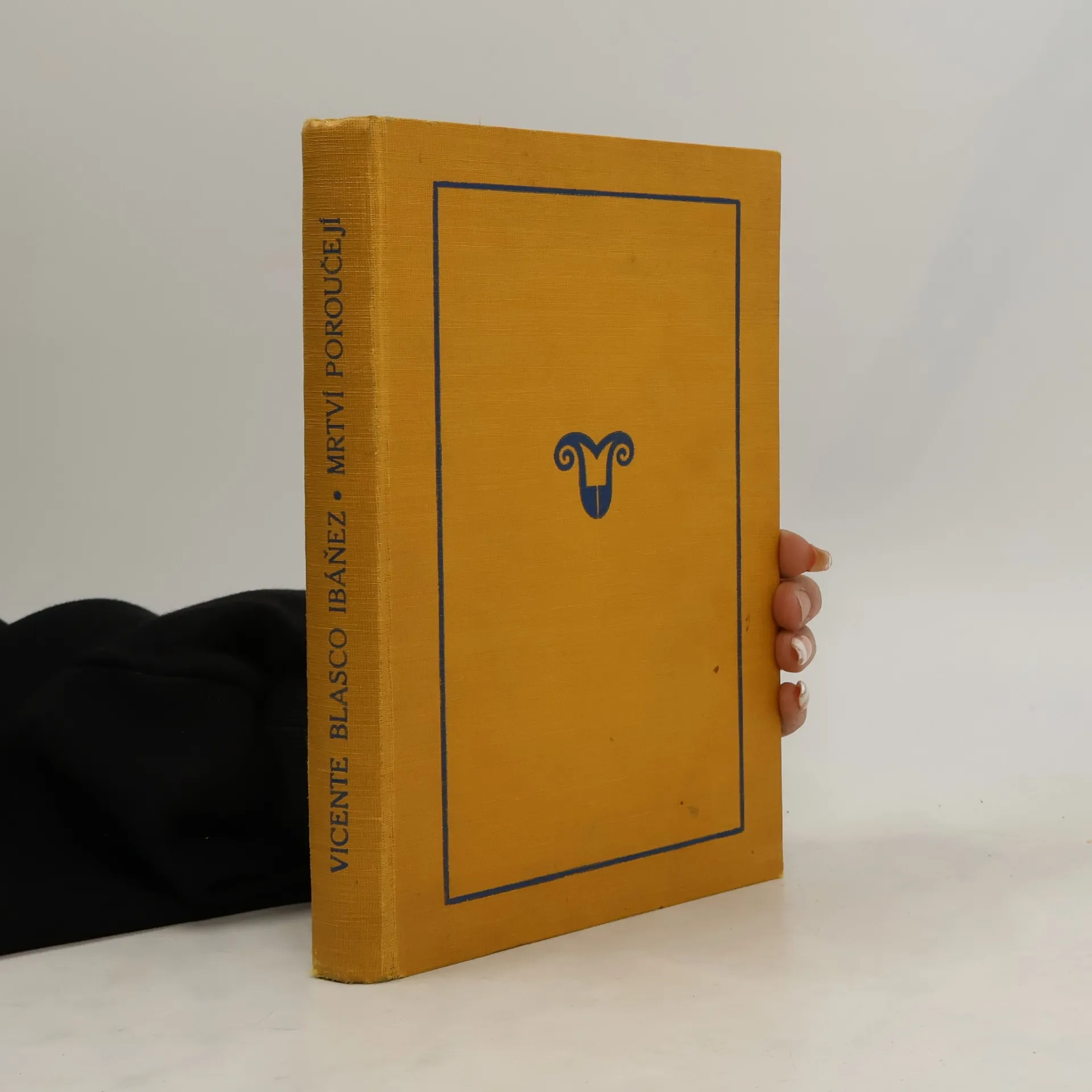
Vicente Blasco Ibáñez was a Spanish realist novelist whose own life was as dramatic as any fictional narrative. A fervent republican activist in his youth, he founded a controversial newspaper that led to numerous legal battles and even physical danger. His writing, deeply influenced by literary giants, explored pressing social issues and reflected his profound connection to Spanish culture and history. Ibáñez brought a distinctive, energetic voice to Spanish literature, often tackling themes of social injustice and the human condition with unflinching realism.
Sónnica is a classical work recognized for its significance throughout human history. Alpha Editions has undertaken the task of preserving this important text by republishing it in a modern format, ensuring clarity and readability. The book has been meticulously reformatted, retyped, and designed, avoiding the use of scanned copies, which enhances the reading experience for both present and future generations.
The Torrent (Entre Naranjos) is a classical work that holds significant importance in human history. Alpha Editions has undertaken the task of preserving this literary piece by republishing it in a modern format, ensuring clarity and readability. The book has been meticulously reformatted and retyped, avoiding the use of scanned copies, which enhances the reading experience for both present and future generations.
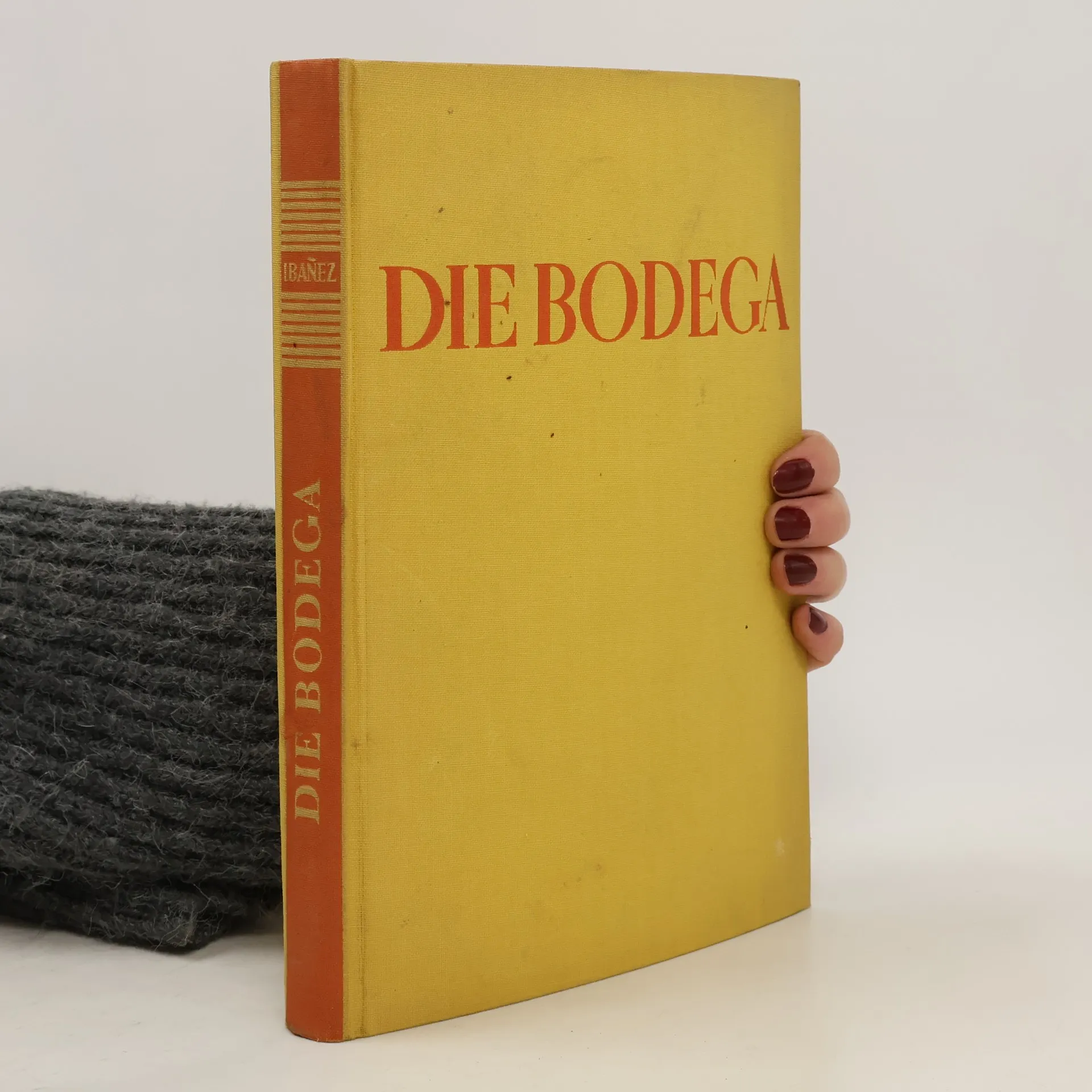
La bodega es una novela naturalista en la que es evidente la influencia de Zola (hay una novela de Zola titulada La taberna, publicada en Letras Universales). Pertenece al grupo de las llamadas novelas sociales y se desarrolla en el ambiente de las bodegas andaluzas.
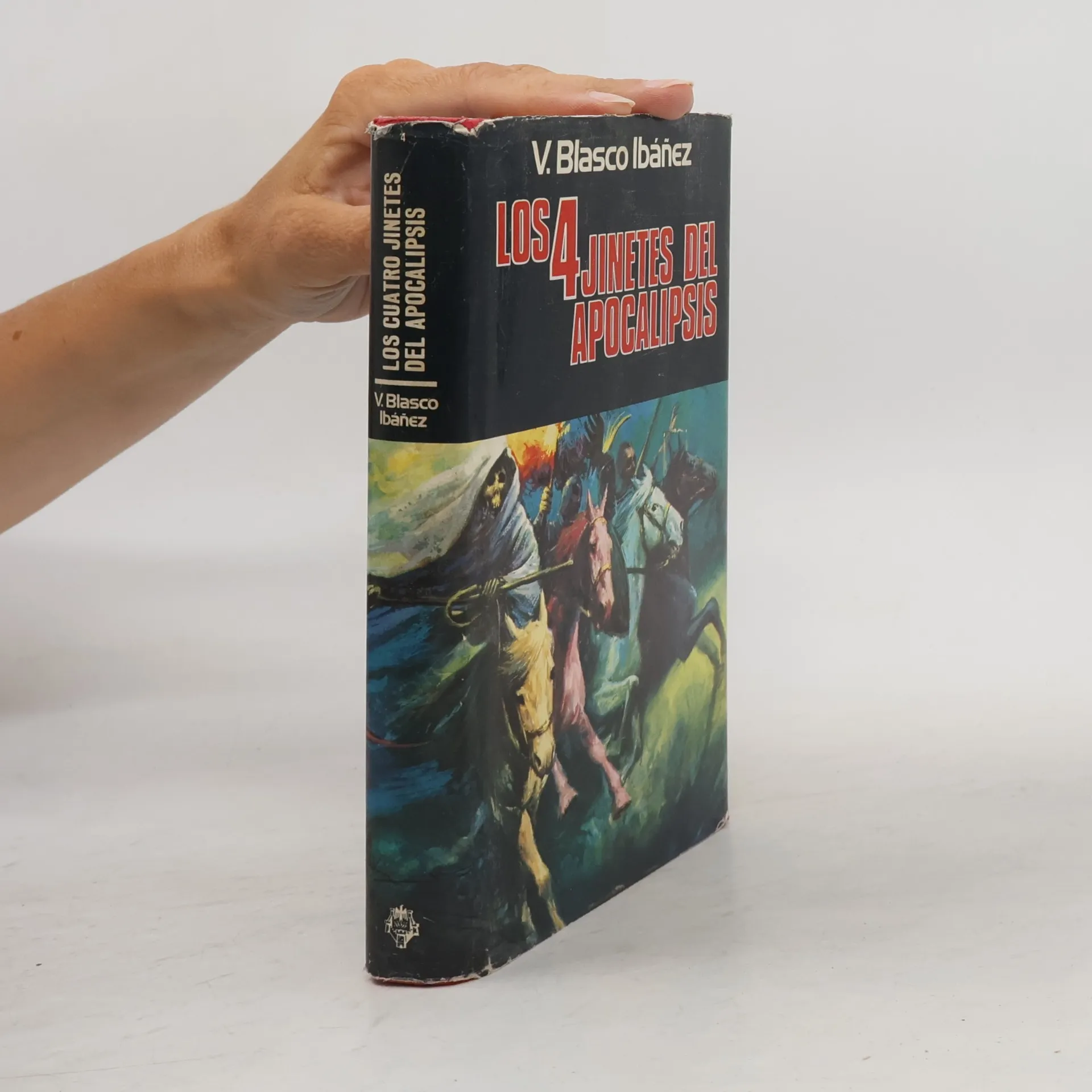
La novela se desarrolla en torno a dos familias adversas: Los Desnoyers y los Hartrott. Vemos una Europa rota y desolada por la Guerra. El autor logra con exito un retrato de la epoca, mostrando las distintas fuerzas e intereses que llevaron al primer enfrentamiento de caracter mundial.
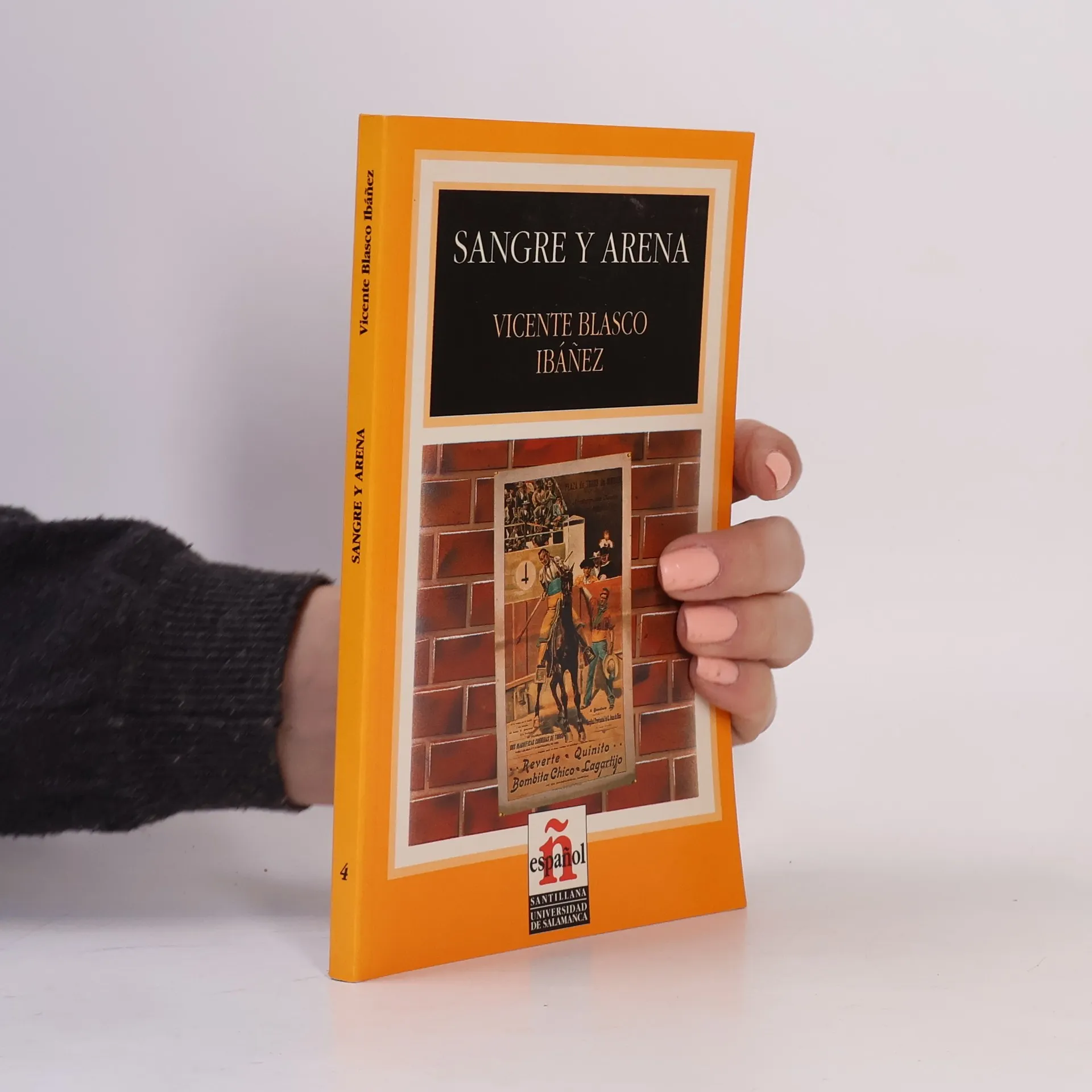
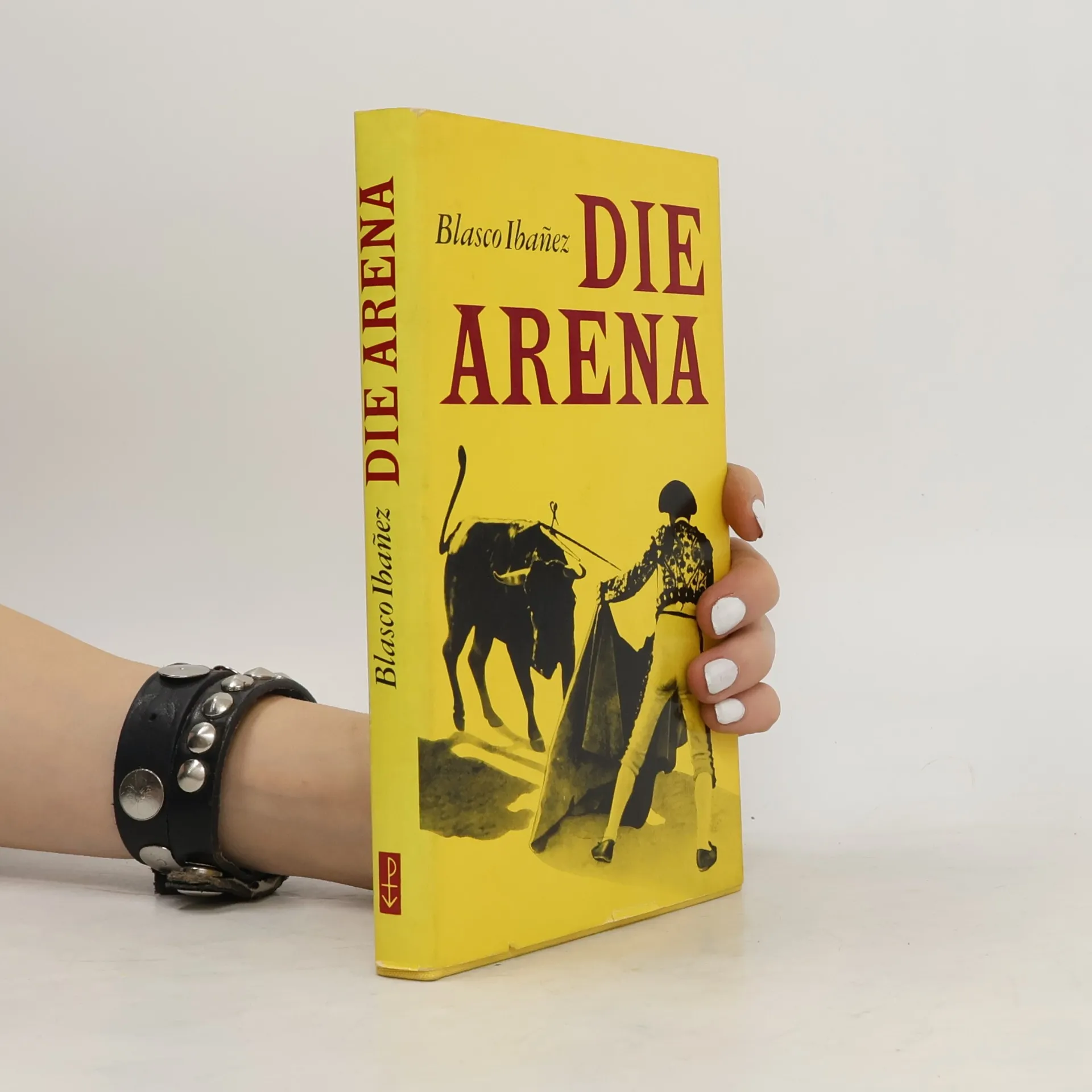
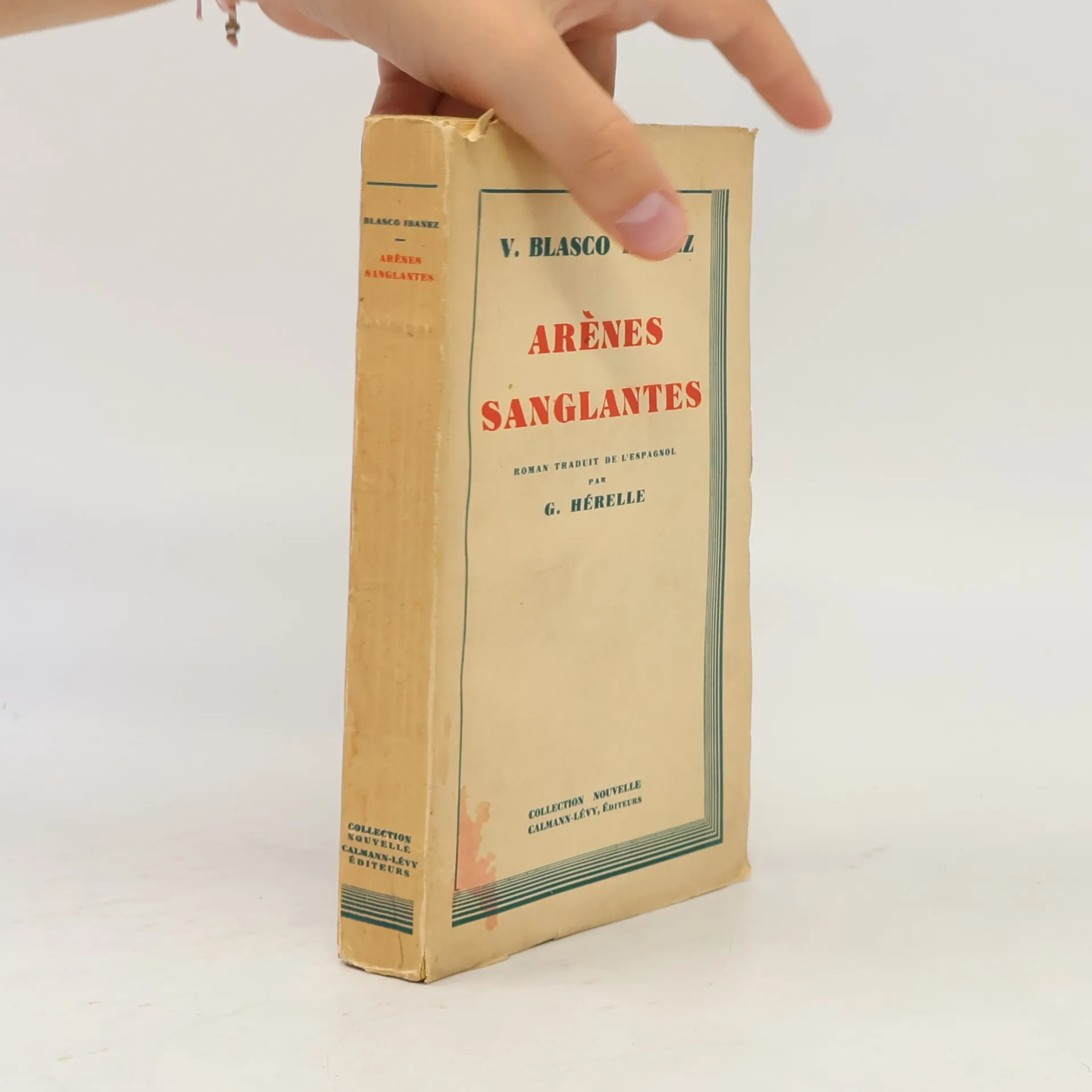
Sangre y arena es una novela de Vicente Blasco Ibanez publicada en 1908 e inspirada parcialmente en la vida del torero sevillano Manuel Garcia Cuesta El Espartero, muerto por una cogida en la plaza de toros de Madrid en 1894. A Juan Gallardo, torero de Espana, la vida parece haberle sonreido. Aquel chico pobre de Sevilla que se escapaba para torear en las ferias, se habia abierto camino como valiente novillero. Despues triunfo como matador, despertando el entusiasmo del publico. Ahora lo tiene todo: fama, dinero, tierras, mujeres a sus pies y una esposa enamorada y comprensiva. Pero conoce a dona Sol que se convierte en su amante y todo cambia. Cuando su esposa se da cuenta de que le ha sido infiel con dona Sol, decide dejarlo. Juan Gallardo no se preocupa ya por el triunfo en la plaza de toros y decide retirarse. Su esposa le dice que ella nunca lo ha dejado de amar y el contesta que toreara por ultima vez antes de retirarse. Es cogido gravemente al entrar a matar y desea vivir para aprender a leer y escribir, pero es tarde, muere y su esposa no se arrepiente de nada, pues considera que ha sido victima del destino.
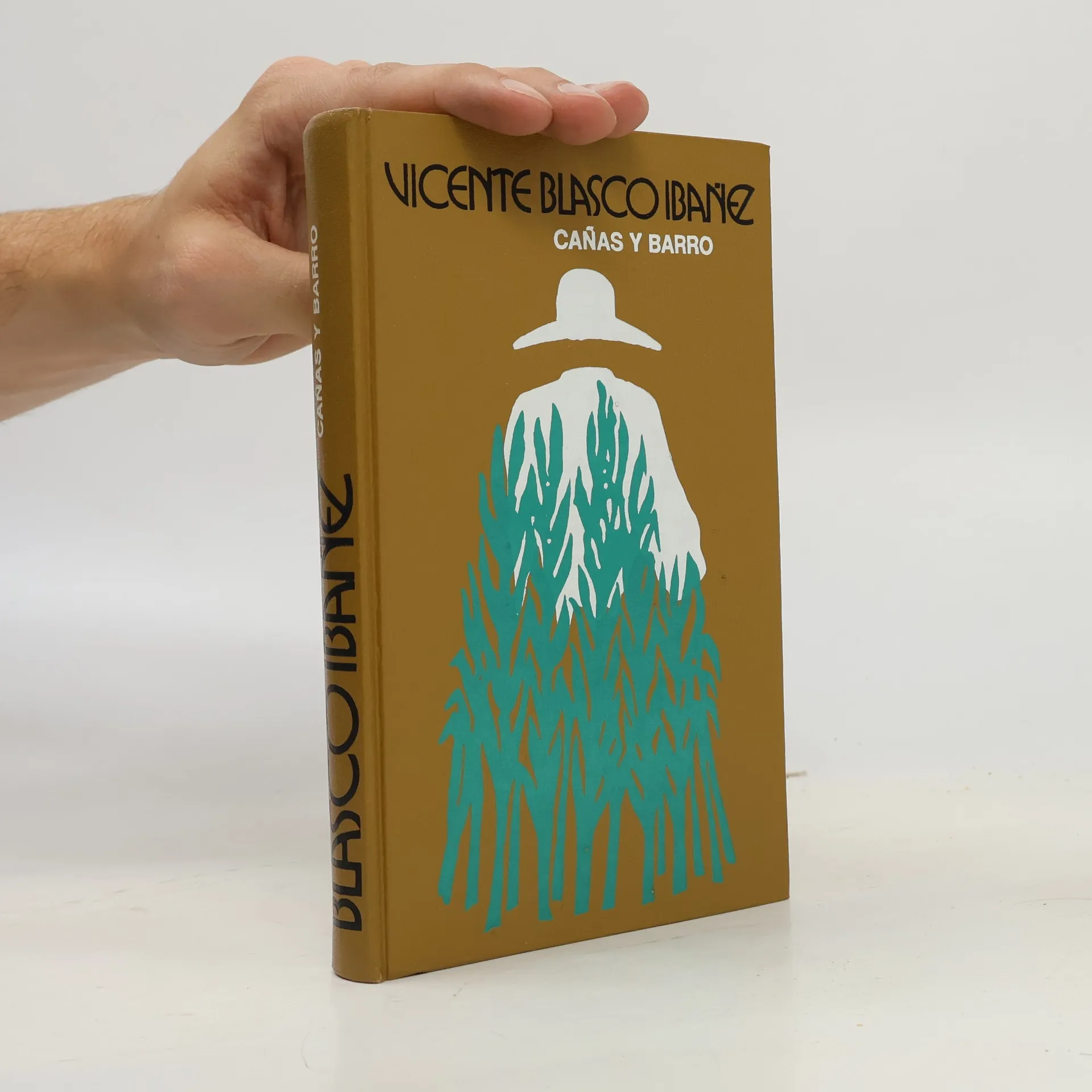
Publicada en 1902, Cañas y barro es sin duda una de las novelas donde el vigor expresivo de Vicente Blasco Ibáñez (1867-1928) alcanza una de sus cotas más altas. Situada en el agreste escenario de la Albufera valenciana, que parece prestar a la obra su poderosa violencia, la obra narra la declinación del humilde clan de los Palomas, encarnada en la figura trágica de su último vástago, Tonet -individuo abúlico y de débil personalidad-. En el conflicto generacional entre abuelo y padre por una parte, esforzados extractores de los magros recursos que ofrece una naturaleza salvaje, y el hijo que rehúye una tradición de trabajo a cambio de una existencia especulativa, se puede advertir un trasunto de las tensiones que latían en una España convulsionada entre dos siglos.
Este libro ha sido convertido a formato digital por una comunidad de voluntarios. Puedes encontrarlo gratis en Internet. Comprar la edición Kindle incluye la entrega inalámbrica.
Del prólogo de Rosa María Rodríguez Magda: «Este no es un libro de viajes escrito por un novelista, pero es un libro de viajes escrito por un novelista. Y aunque parezca un acertijo lógico, comprender en qué sentido lo es y no lo es nos dará la clave del texto. No nos encontramos ante el ocio de un literato que se dispone a hacer una peregrinación estetizante al estilo de Goethe o Stendhal; no obstante, es un recorrido de ciudades emblemáticas, y su autor impregna las páginas de reconstrucciones narrativas y descripciones brillantes, como solo puede hacerlo quien ejerce su oficio con soltura. Blasco, además, se enfrenta a este deambular inesperado desde la tensión vivencial y política que envuelve sus afanes en esos momentos, por lo que mira, observa y relata a partir de sus inquietudes sociales. (…) »Génova, Milán, Turín, Pisa, Roma, el Vaticano, Nápoles, Pompeya, Asís, Florencia, Venecia. El recorrido no se aleja del de un turista convencional, pero la mirada propia, no ahogada por el talante divulgativo de la obra, le lleva de las descripciones certeras, a la recreación histórica, del análisis de las gentes a la soflama republicana, todo ello en una fluida prosa literaria que únicamente en cierta grandilocuencia acusa el paso de los años».
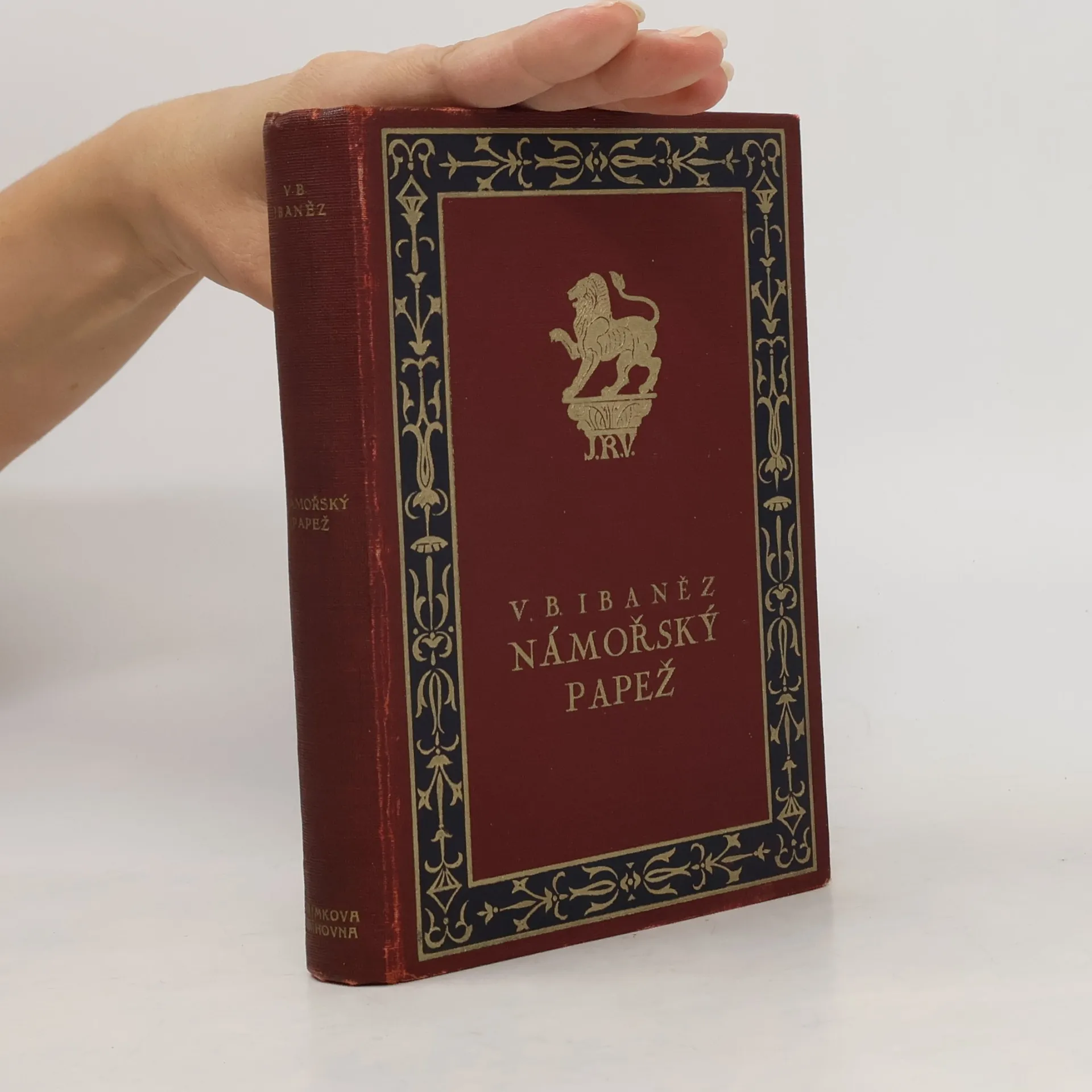
En esta singular novela impregnada de resonancias de tiempos y tierras lejanos, un Vicente Blasco Ibáñez (1867-1928) más risueño e irónico entrevera con maestría la peculiar relación sentimental jalonada de marchas y contramarchas, así como de ambigüedad, entre Claudio Borja, un joven poeta valenciano, y Rosaura Salcedo, una rica dama argentina, con las vicisitudes que dieron lugar en el siglo xiv al denominado Cisma de Aviñón y llevaron al papado, con el nombre de Benedicto XIII, a «aquel don Pedro de Luna, la voluntad más tenaz de su época y tal vez de todos los tiempos». Serenado por los años, y trasponiéndose al propio Borja -especie de Scheherezade moderno-, en EL PAPA DEL MAR (1925) un Blasco con pleno dominio del ritmo y de la técnica narrativa trasciende realidades e ideas y se entrega gozoso al puro placer de narrar.
Publicado en 1916, en pleno horror de la Gran Guerra, Vicente Blasco Ibáñez (1867-1928) representó con singular éxito en Los cuatro jinetes del Apocalipsis las diferentes fuerzas, intereses y mentalidades cuyo enfrentamiento llevó a la primera conflagración mundial. Estructurado en torno a la historia de dos familias - los Desnoyer y los Hartrott - que, aunque en parte provienen de un tronco común, pertenecen cada una a una de las partes en conflicto, la novela recorre ágilmente los escenarios dantescos de una Europa rota, en cuyos desolados campos de batalla el gran vitalista que fue Blasco hace finalmente salvaje e invencible la voluntad de vivir.
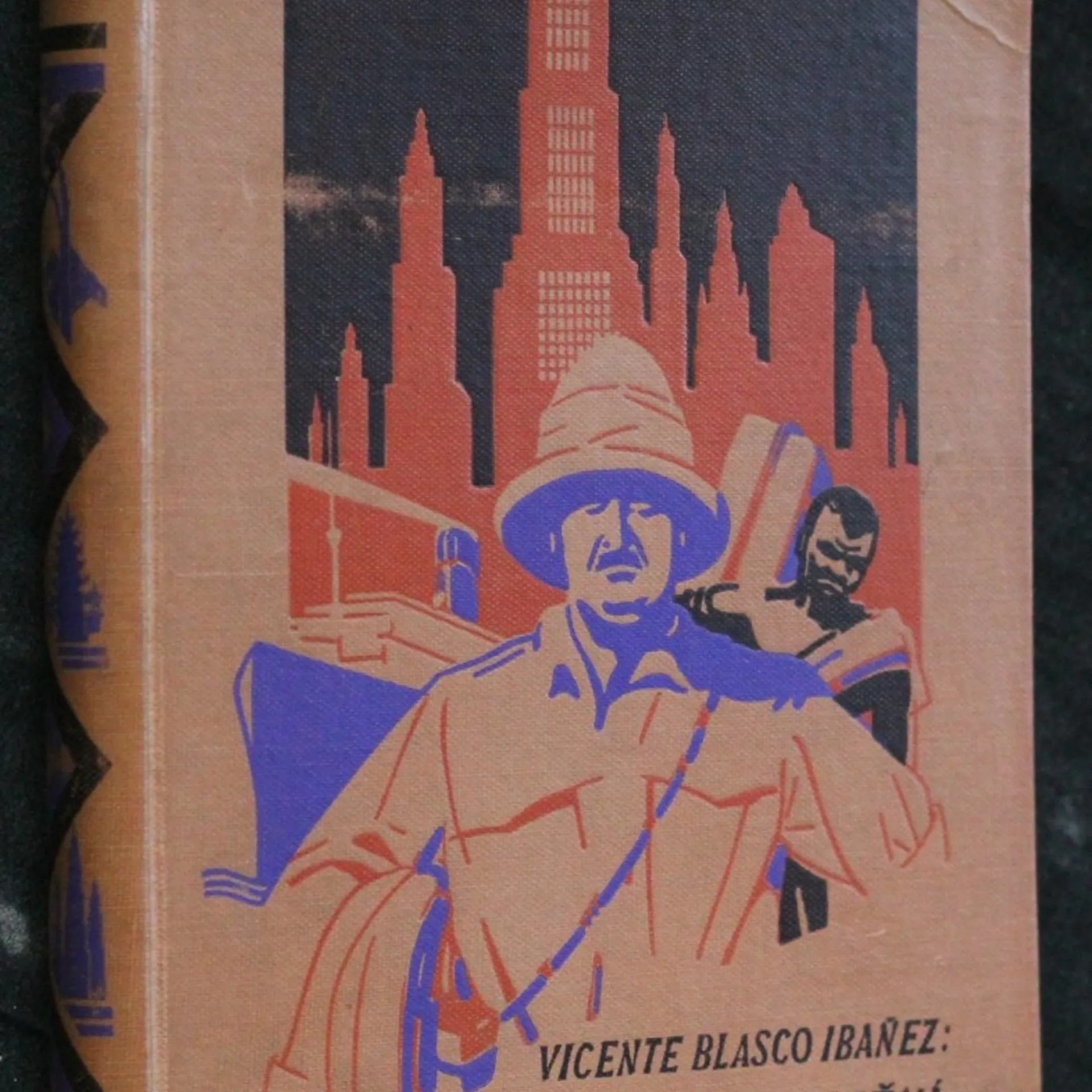
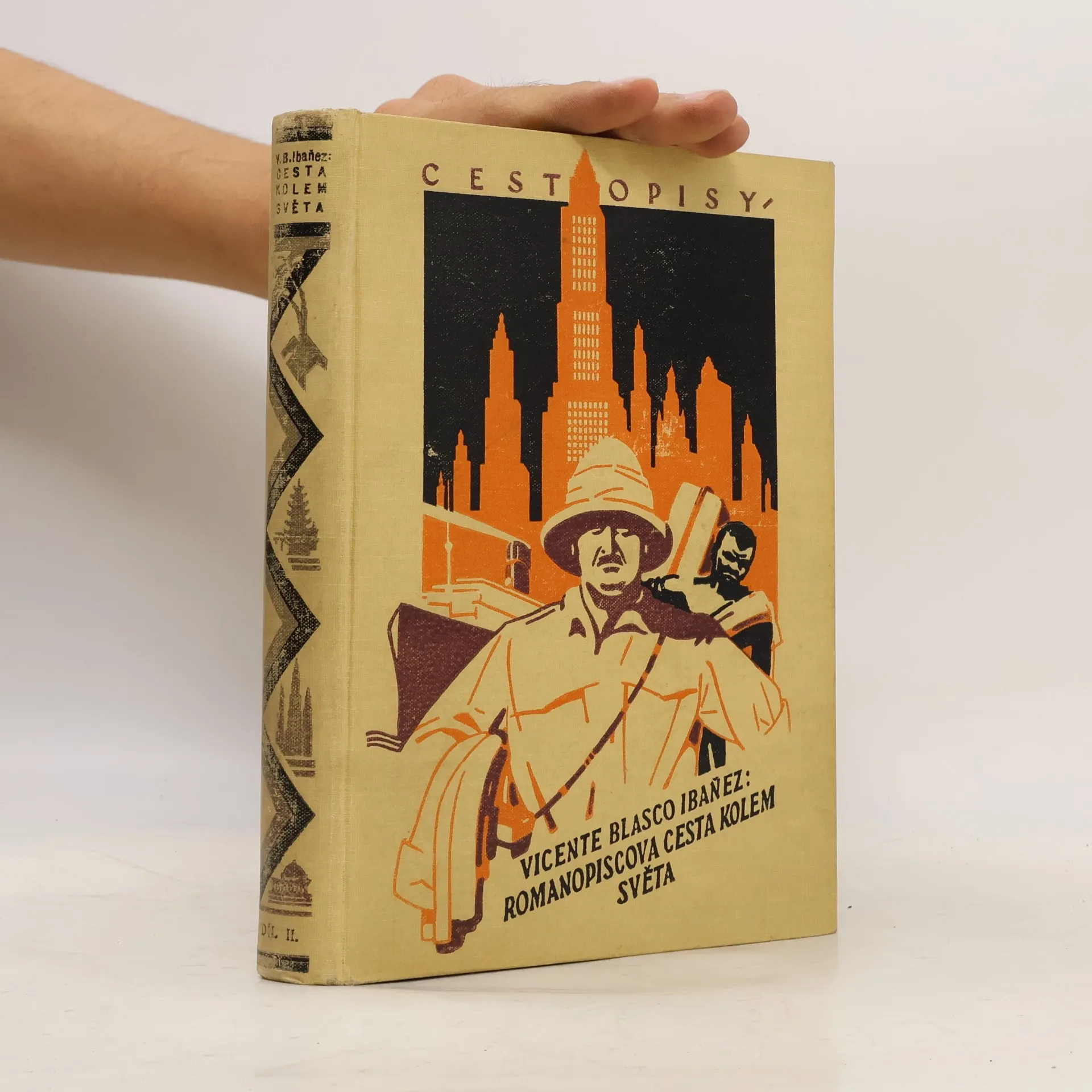
¿En qué consiste esta obra? Siendo simplistas diríamos que es un libro a caballo entre la biografía y el libro de viajes, pero si somos justos cabría matizar tanto como el saber enciclopédico que Blasco Ibáñez supo introducir de manera magistral entre estas páginas.Este es un doble viaje, geográfico y temporal, porque no solo cuenta su experiencia personal a bordo del Franconia, entre 1923 y 1924, sino que, con esa vocación de ilustrar, narra de dónde vienen los pueblos, en qué creen, como son las relaciones sociales de sus ciudadanos, tradiciones, leyendas...¿Quiénes llegaron primero a Hawai? ¿Cómo vivió Japón el desastre del terremoto de 1923? ¿Cómo vivían los indios un día de fiesta sacra en el Ganges? Esta impresionante obra está comprendida por tres libros.Así, el primero se inicia en Nueva York e incluye altos en el camino como Cuba, Hawai y Japón; el segundo comprende China, Singapur y Filipinas; y el tercero continúa en la India, Sudán y Egipto, para terminar en la Costa Azul francesa.Un libro donde la descripción se trenza perfectamente con la narración, y lleva al lector a un viaje por todos esos rincones del mundo que seguro quisiera conocer,y lo hace reflexionar acerca de lo que puede aprender del mundo.
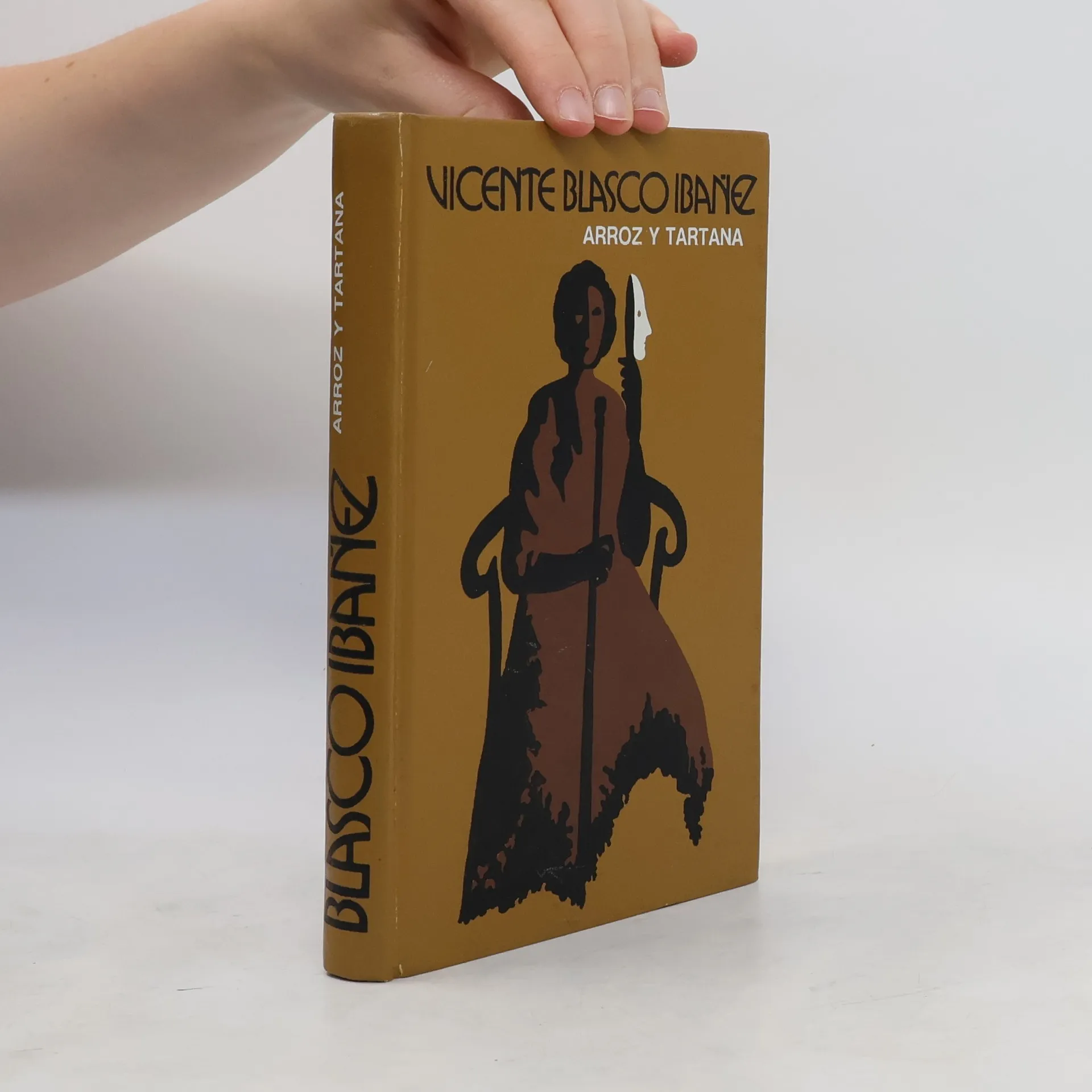
VICENTE BLASCO IBÁÑEZ, nacido en Valencia el 28 de enero de 1867 y fallecido en Menton en 1928, fue un destacado político y novelista español. Desde joven, se involucró en el casino de las Juventudes Federales, donde descubrió su talento para la oratoria. En 1890, tras participar activamente en la oposición al marqués de Cerralbo, se vio obligado a huir a París disfrazado de pescador. Al regresar dos años después, se convirtió en un político popular, siendo elegido diputado por el partido republicano en siete ocasiones. Durante este periodo, escribió sus mejores novelas, caracterizadas por una crítica social aguda. Su habilidad para crear obras de éxito internacional le otorgó una gran fama, especialmente en Estados Unidos, donde realizó una gira de conferencias y recibió un doctorado honoris causa de la Universidad de Washington. Su estilo, influenciado por el naturalismo, refleja una ideología socialista y un fatalismo que permea su obra. En esta novela de 1894, se retrata la decadencia de la pequeña burguesía urbana de Valencia, centrada en Doña Manuela de Fora, obsesionada por las apariencias y el matrimonio de sus hijas. Su historia ilustra los abusos del gran capital, conectando con otros personajes del ciclo valenciano, como el arrendatario Pimentó en “La barraca”.
Esta novela es la primera parte de un magno proyecto sobre la conquista de América. El tomo primero se debía titular El tesoro del Gran Kan o La cuna y se refería a la figura compleja, grandiosa y mística de Cristóbal Colón, el segundo trataría de Alonso de Ojeda bajo el título El Caballero de la Virgen, el tercero narraría la conquista de México por Cortés y el cuarto se dedicaría a Pizarro o a Núñez de Balboa, y llevaría como título El oro y la muerte. Al morir, el autor sólo dejo escritas las dos primeras.Todas las cualidades de descriptor y de narrador que poseía Blasco Ibáñez patentiza En busca del Gran Kan (Cristóbal Colón), publicada póstumamente en 1929, que narra, junto a la expulsión de los judíos, la preparación, travesía y exploración inaugural del primer viaje colombino, enmarcado todo ello en una delicada trama amorosa. Su erudición histórica le permite al novelista dar vida a la sociedad española del siglo XV y describir, con luz y precisión, la naturaleza americana. El lector encontrará en este libro la novela de la gran equivocación de una vida.
La obra se centra en los acontecimientos acaecidos durante la primera guerra mundial en la que se ven enfrentadas dos familias procedentes del mismo tronco “Julio Madariaga” argentino. Al fallecer éste, sus hijas, Luisa casada con el francés Marcelo Desnoyers y Elena casada con el alemán Karl von Hartrott (ambos trabajaban para Madariaga en su gran hacienda) regresan a Europa, aquellos a París y éstos a Alemania. El protagonista de la obra es Julio Desnoyers, hijo de Luisa y don Marcelo y nieto de Julio Madariaga. La buena posición económica y social de su padre hace que Julio, pintor y bailarín, se dedique a una vida disipada y algo licenciosa, sin ningún sentimiento patriótico. Pero cuando estalla la guerra, Julio se alista en el ejército, ahí sufrirá una gran transformación personal...
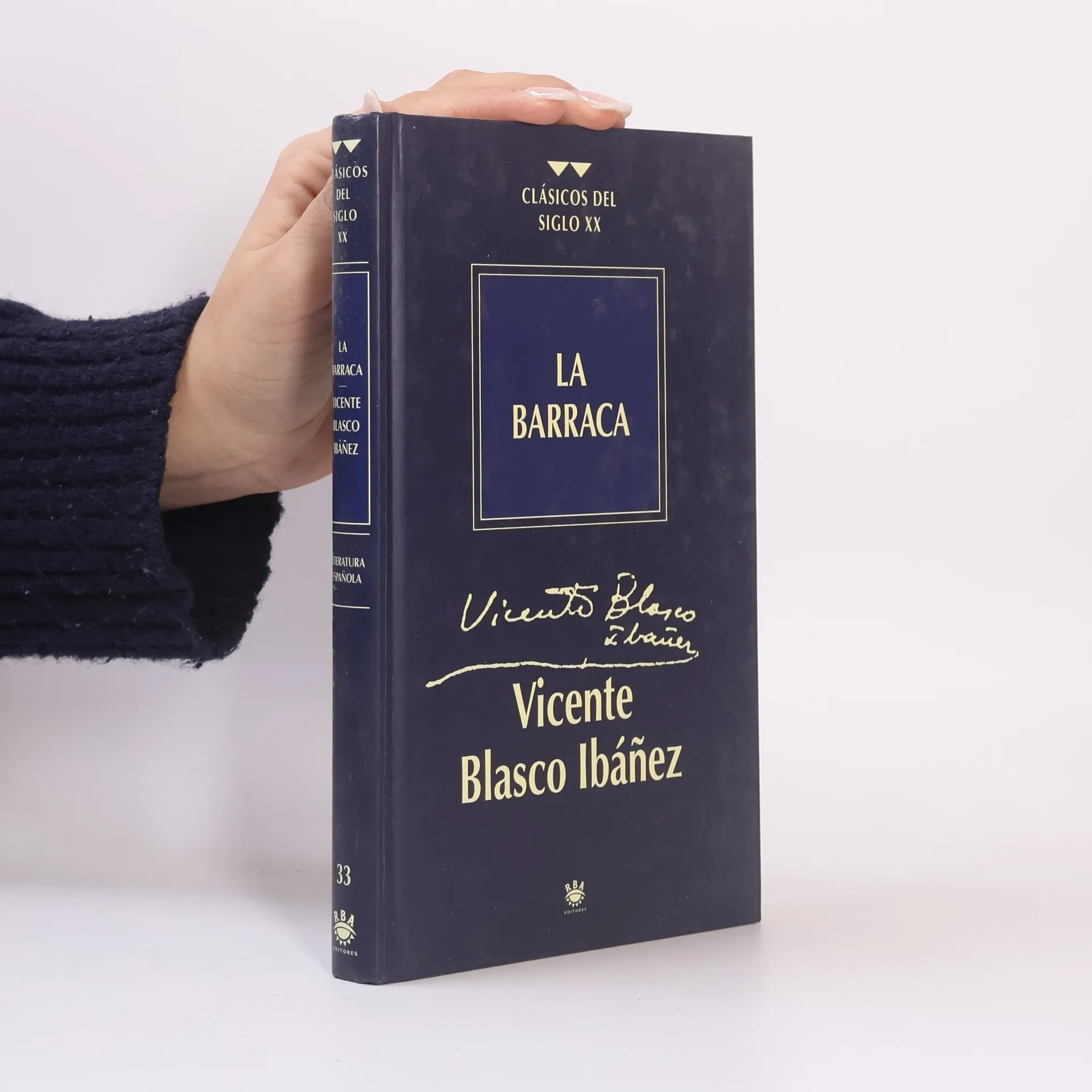
Antes de escribir La barraca, Blasco Ibáñez había participado en mítines y altercados callejeros y había sido condenado en un consejo de guerra a cuatro años de prisión. En marzo de 1898 fue elegido diputado por Cullera en reconocimiento de sus servicios en favor de los oprimidos. La barraca es el alegato de la vida dura e injusta que los habitantes de la huerta valenciana han de soportar frente a los propietarios ociosos de la ciudad.
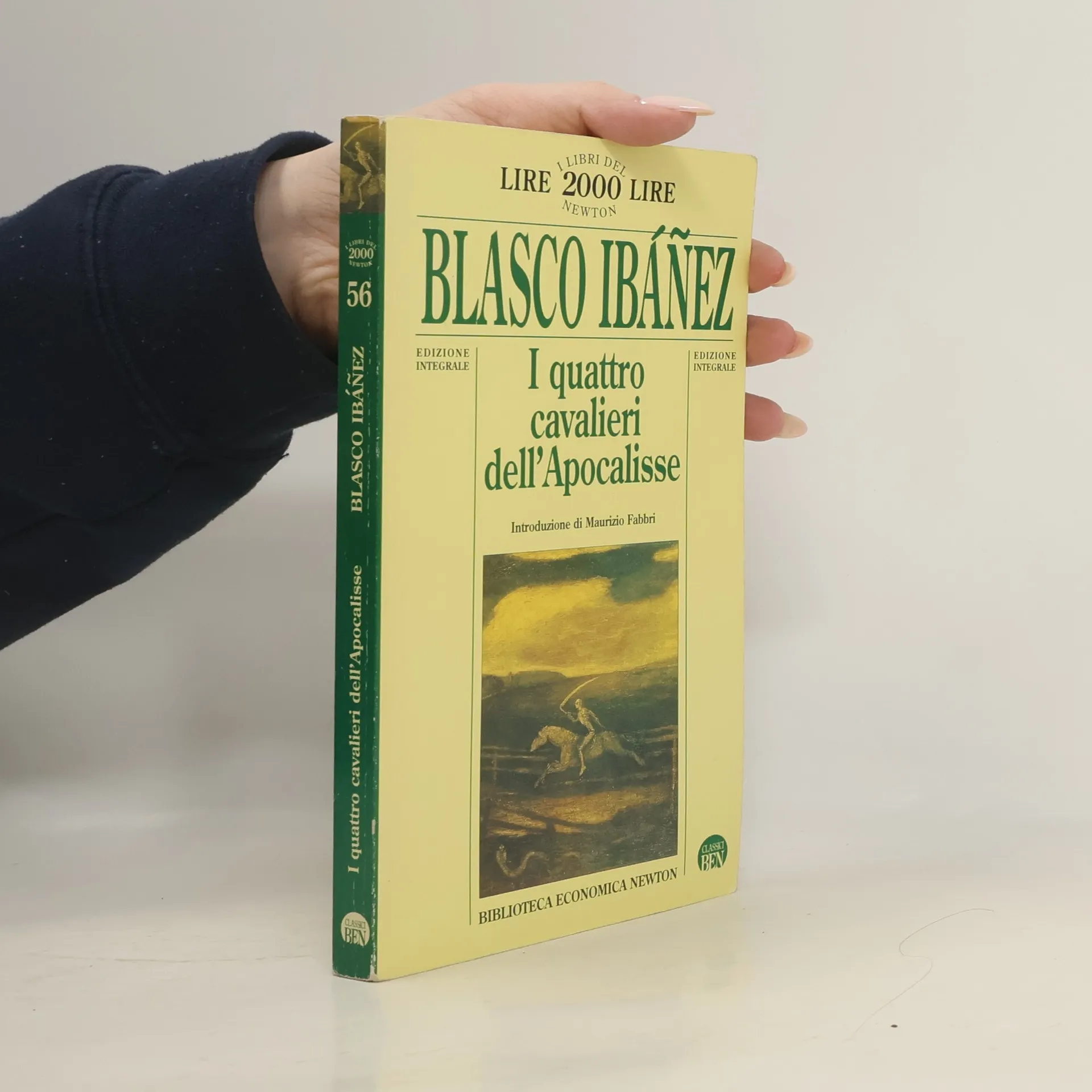
I quattro cavalieri dell'Apocalisse prima di essere un famoso film riproposto in più versioni nel corso degli anni, è soprattuto un romanzo scritto all'inizio del primo conflitto mondiale, ai tempi della battaglia del Marna, che contrappone la visione parigina alla visione tedesca. Come scrive l'autore, non è vero che la Germania non volle la guerra e che i Tedeschi non avevano desiderato entrarvi quanto prima : Lui stesso ha assistito a un brindisi auspicante questo intervento, e scrivere questo romanzo, che di primo acchitto sembra interventista, contiene la segreta speranza che anche la sua Spagna entri in guerra come alleata dei francesi, perchè per lui difendere i francesi significa difendere gli ideali del 1789.
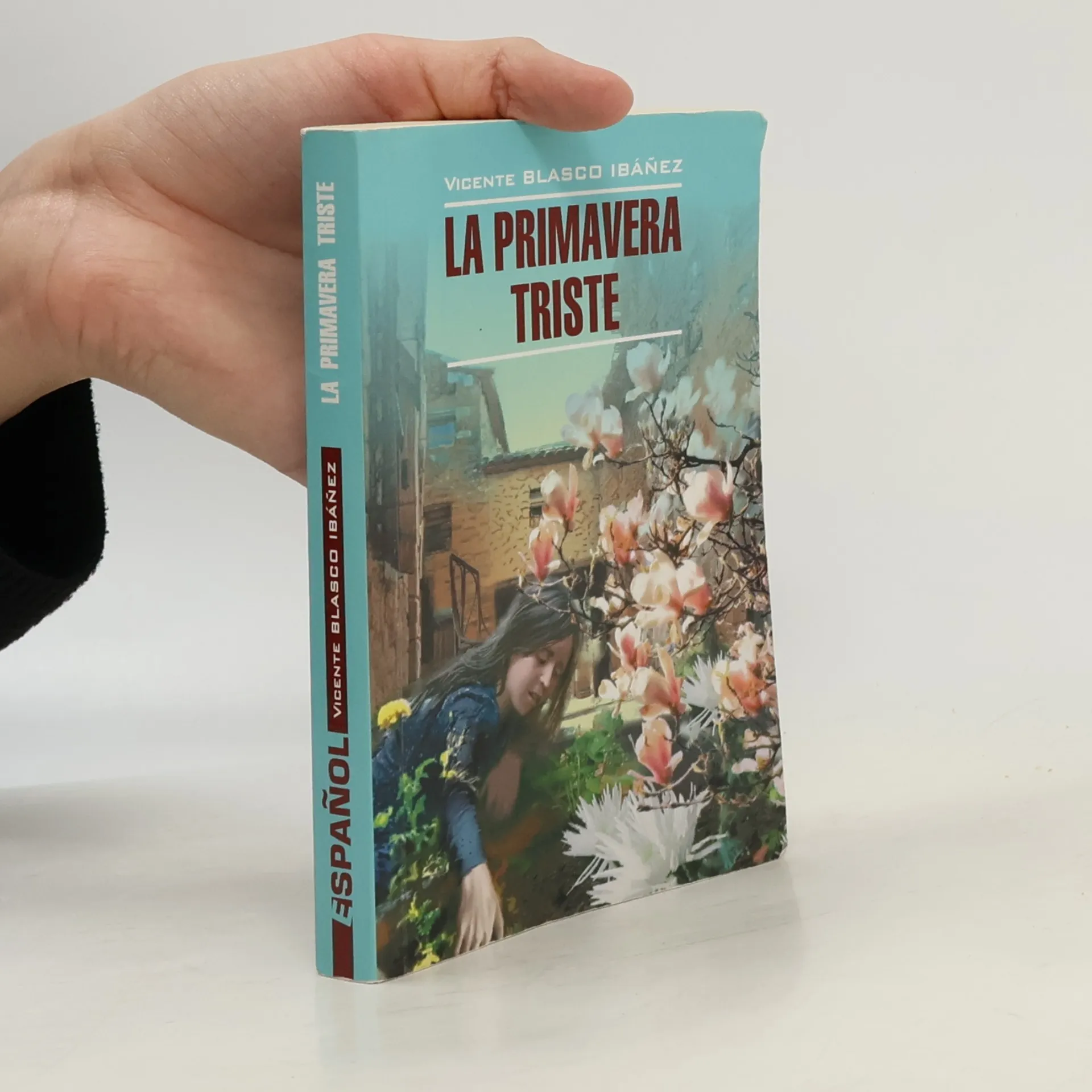
A young man achieves celebrity as a bullfighter, but he soon falls to the temptations that fame brings, in this adaptation of the Spanish novel intended for beginning Spanish language students.
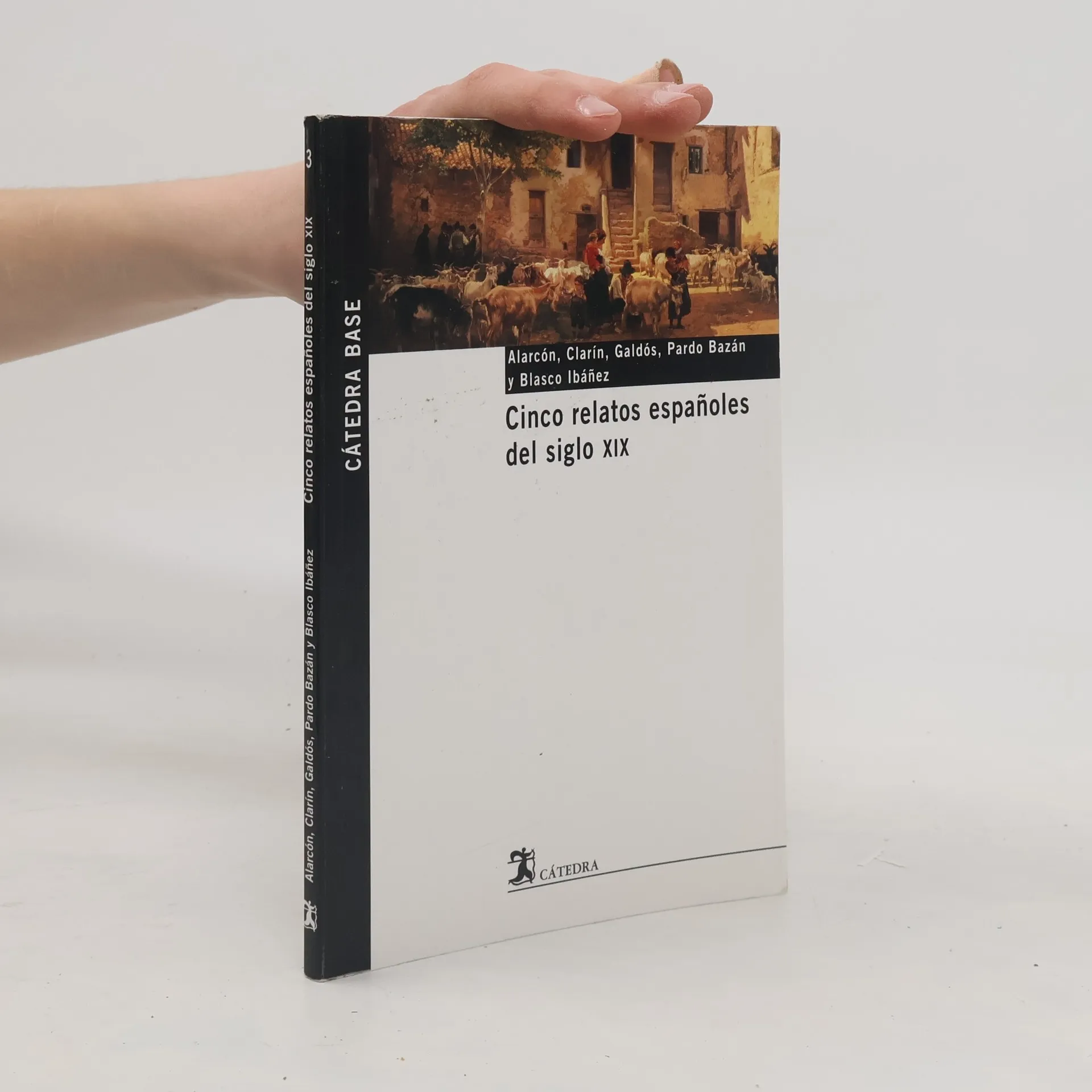
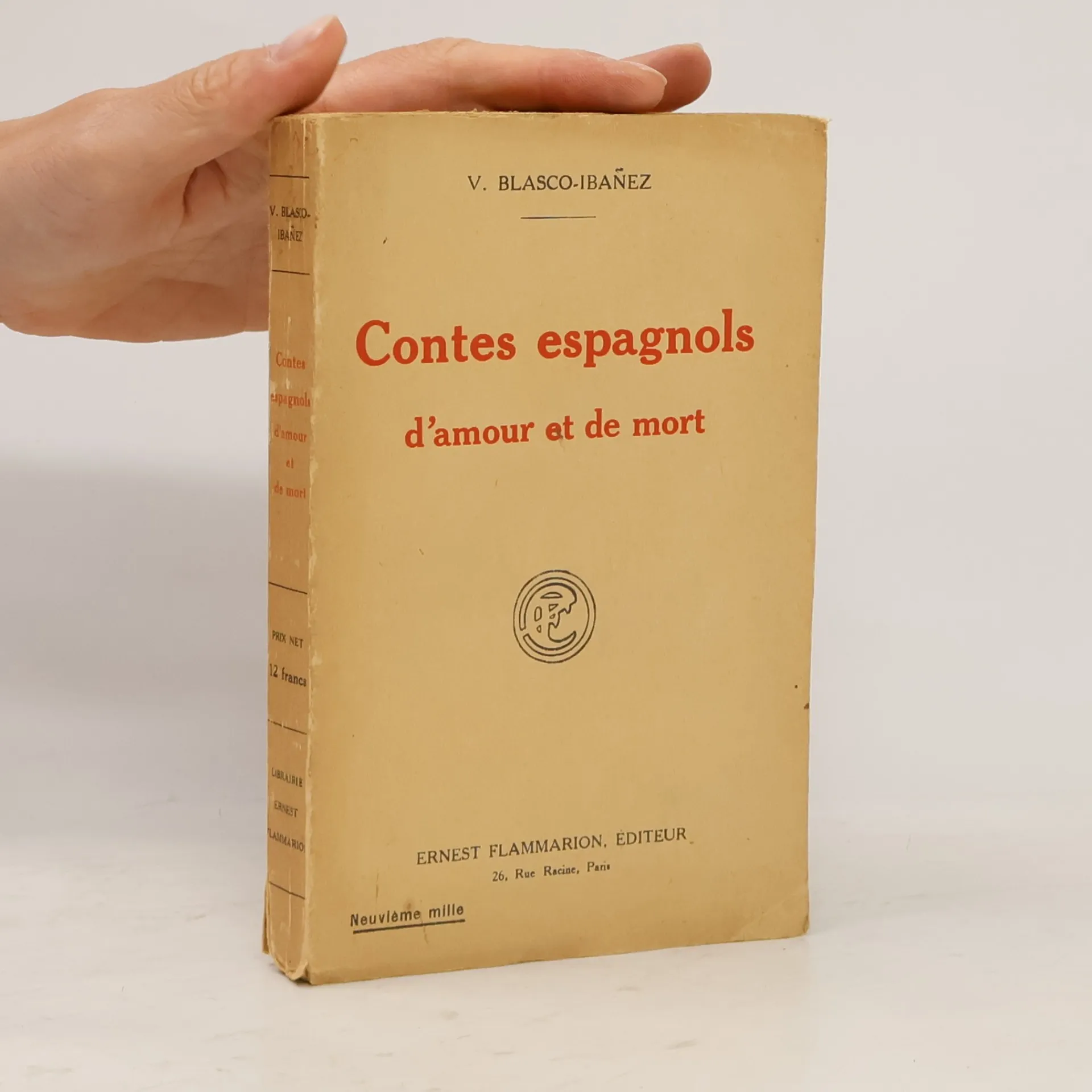
El siglo XIX es el siglo del cuento. En España, será en el periodo de 1870 a 1900 cuando algunos autores lleven el cuento, el relato o la narración corta a su máximo esplendor y fijen sus rasgos característicos: extensión corta, experiencia singular desarrollada con intensidad y tensión, capacidad de observación de la realidad, eliminación de lo secundario y desenlace imprevisible. Esta edición reúne cinco relatos de cinco autores españoles, Alarcón, Clarín, Galdós, Pardo Bazán y Blasco Ibáñez, que ofrecen ejemplos de las distintas etapas del género: sus orígenes prerrealistas, la fase más típicamente realista, el Naturalismo y una incursión galdosiana en el relato fantástico.
Tras la muerte de su marido en el mar, la joven Tona decide montar una taberna de pescadores para poder sobrevivir y criar a sus dos hijos, Pascualo y Tonet; mientras Pascualo, el mayor, crece ayudando a su madre y aprendiendo el oficio de pescador con el Tío Batiste, el hijo pequeño, Tonet, vive como quiere, huyendo de las responsabilidades.
El tiempo pasa y Tonet decide alistarse a la Marina Real, para desconsuelo de su madre, que soñaba verlo casado con Rosario, quien goza de una posición acomodada; por su parte, Pascualo se casa con la hermosa Dolores, pescadera de mala reputación que tuvo una aventura con Tonet. A su regreso, Tonet acepta casarse con Rosario, pero el amor que ella siente por él no es mútuo. Pronto aparecen los malos tratos, y cuando Tonet acaba con todos sus ahorros, Rosario se ve obligada a realizar los trabajos más humildes para mantenerle.
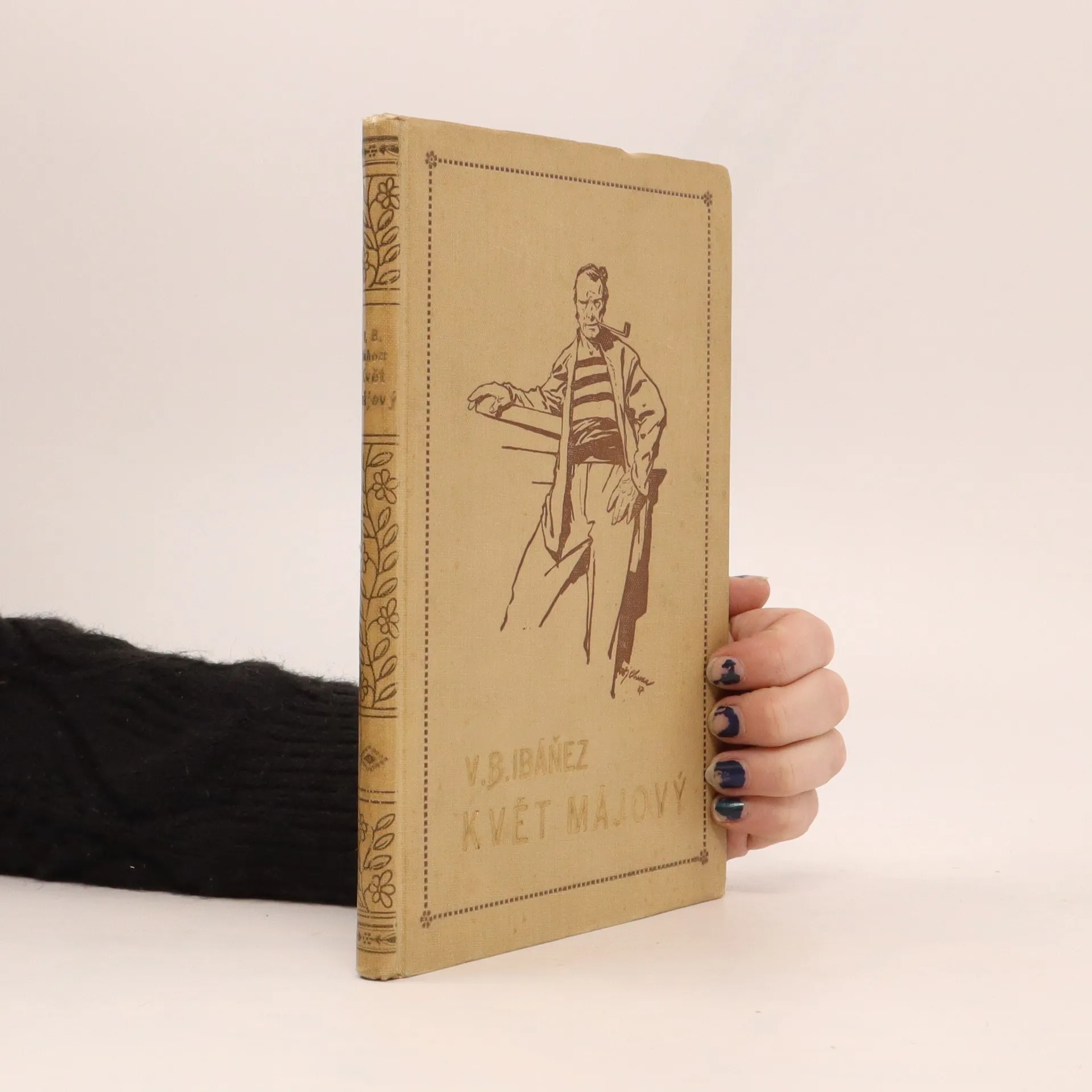
Mientras, Tonet ha empezado un romance con la mujer de su hermano, provocando las murmuraciones de todo el pueblo, rumores a los que Pascualo no da crédito. Cuando Dolores da a luz a Pascualet, Pascualo decide emprender su propio negocio, con una barca propia, la Flor de Mayo; pero en el segundo viaje de la barca, los rumores se confirmarán, culminando con la triste tragedia que siempre ha acompañado a los hombres de la mar.
Aus der Liste der 100 besten Romane des 20. Jahrhunderts
192 pages
7 hours of reading
Im Mittelpunkt der Geschichte stehen die Schwiegersöhne eines argentinischen Großgrundbesitzers, die während des Ersten Weltkriegs auf entgegengesetzten Seiten kämpfen. Der Roman beleuchtet die Auswirkungen des Krieges auf persönliche Beziehungen und die Komplexität menschlicher Emotionen in Krisenzeiten. Vicente Blasco Ibáñez schafft mit seinem Werk eine eindringliche Erzählung, die sowohl die Schrecken des Krieges als auch die menschliche Natur thematisiert. Die englische Übersetzung wurde zum Bestseller und erhielt hohe Anerkennung für ihre literarische Qualität.
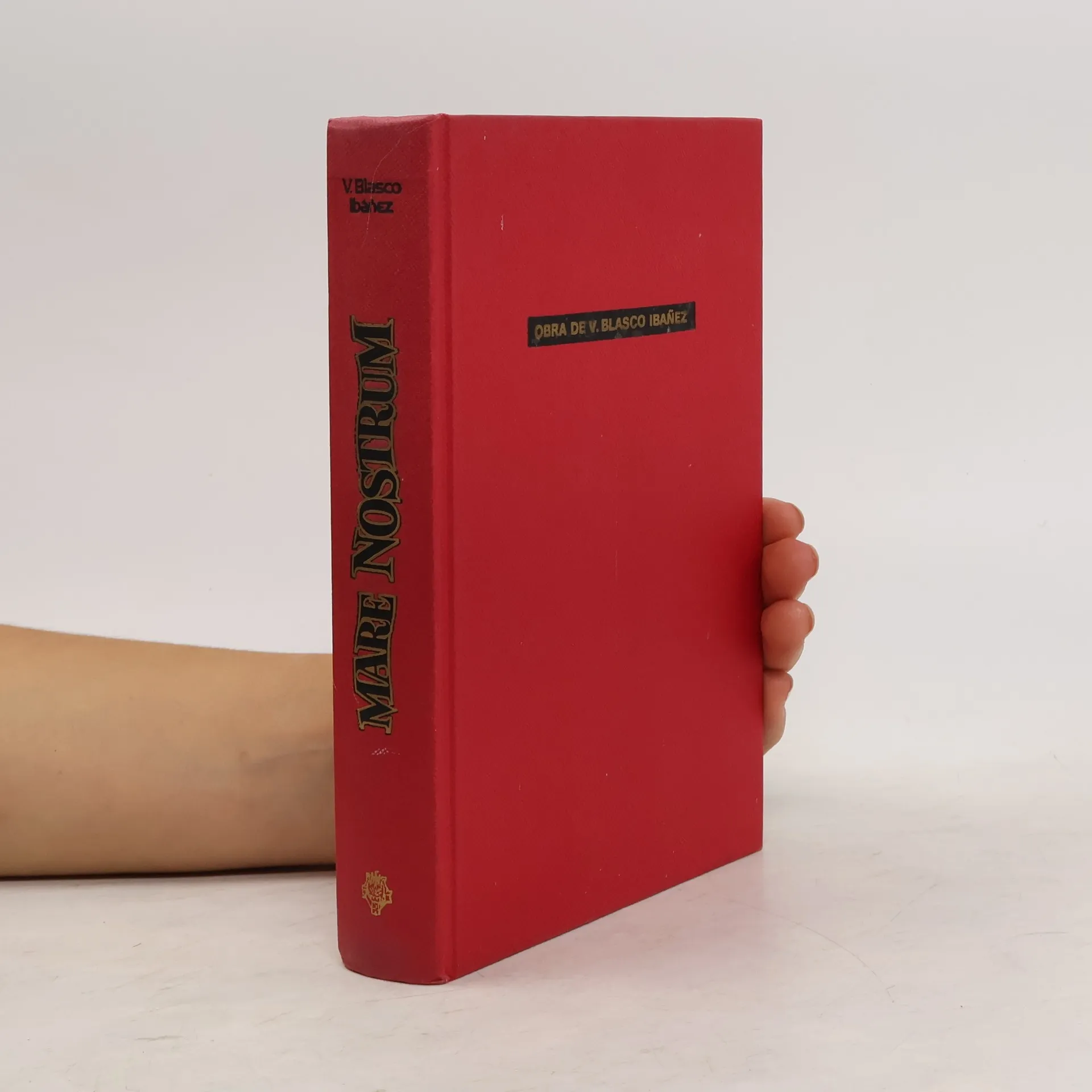
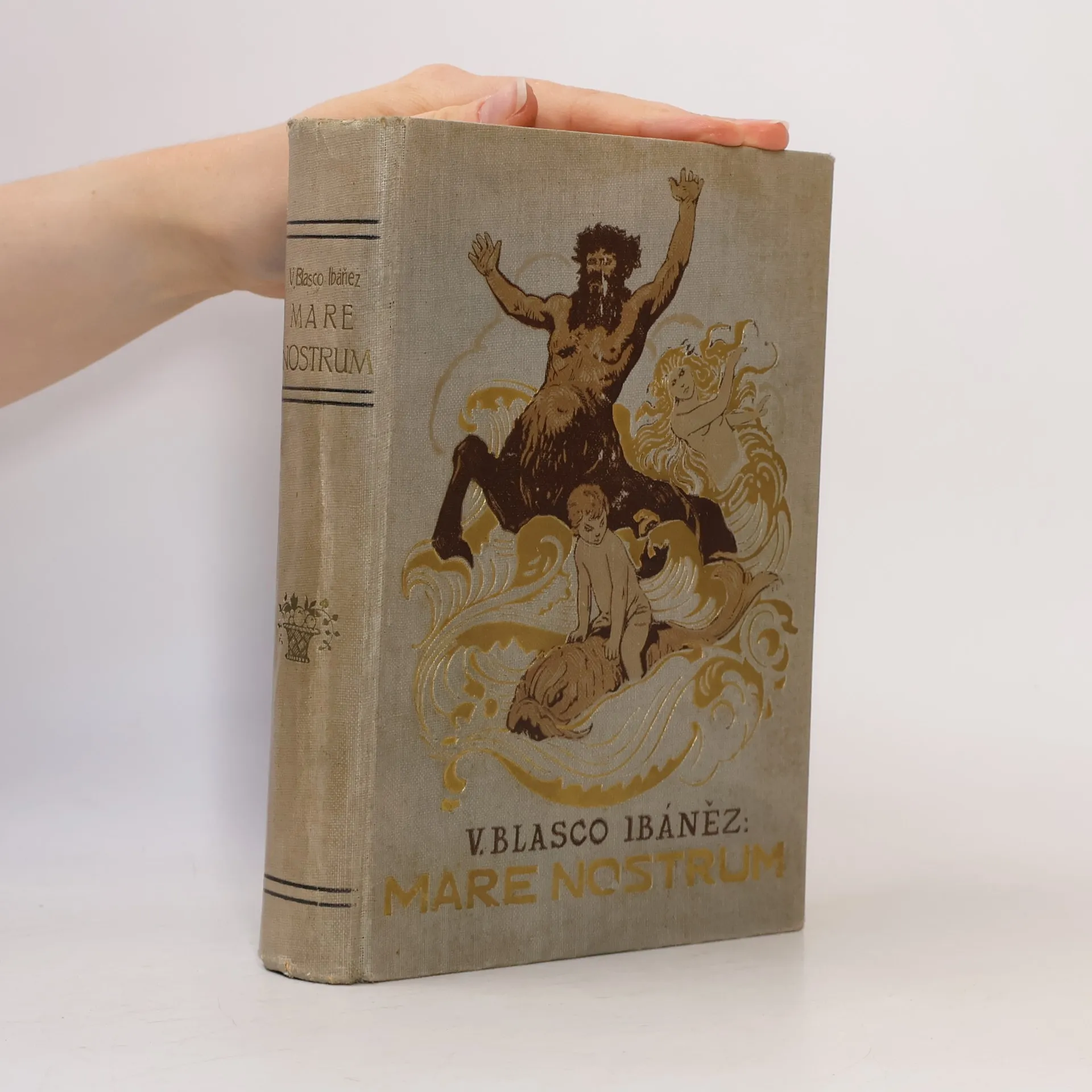
Vida y andanzas del capitán de la Marina Mercante Ulises Ferragut y del barco a cuyo mando estaba, bautizado también con el mismo nombre: Mare Nostrum. Pero, ante todo y sobre todo, la obra es un amoroso recuerdo al Mediterráneo, una apología de sus aguas y de los países bañados por las mismas.
Предлагаем вниманию читателей сборник рассказов крупнейшего испанского писателя-реалиста и журналиста конца XIX первой трети ХХ века Висенте Бласко Ибаньеса (1867–1928), бунтаря, революционера, в своем творчестве беспощадно критиковавшего окружающую действительность. В книге приводится неадаптированный текст рассказов, снабженный комментариями и словарем.
¿En qué consiste esta obra? Siendo simplistas diríamos que es un libro a caballo entre la biografía y el libro de viajes, pero si somos justos cabría matizar tanto como el saber enciclopédico que Blasco Ibáñez supo introducir de manera magistral entre estas páginas.Este es un doble viaje, geográfico y temporal, porque no solo cuenta su experiencia personal a bordo del Franconia, entre 1923 y 1924, sino que, con esa vocación de ilustrar, narra de dónde vienen los pueblos, en qué creen, como son las relaciones sociales de sus ciudadanos, tradiciones, leyendas...¿Quiénes llegaron primero a Hawai? ¿Cómo vivió Japón el desastre del terremoto de 1923? ¿Cómo vivían los indios un día de fiesta sacra en el Ganges? Esta impresionante obra está comprendida por tres libros.Así, el primero se inicia en Nueva York e incluye altos en el camino como Cuba, Hawai y Japón; el segundo comprende China, Singapur y Filipinas; y el tercero continúa en la India, Sudán y Egipto, para terminar en la Costa Azul francesa.Un libro donde la descripción se trenza perfectamente con la narración, y lleva al lector a un viaje por todos esos rincones del mundo que seguro quisiera conocer,y lo hace reflexionar acerca de lo que puede aprender del mundo.
Y los #x00ab;chicos#x00bb; devoraban la tostada bien cargadita de manteca, apuraban hasta la uacute;ltima gota del liacute;quido negro y de la leche contenida en las cafeteras, y prendiacute;an fuego al cigarro de medio real, uacute;ltimo y definitivo rasgo de generosidad. Maltrana, ebrio de cafeacute; y de manteca, lo veiacute;a todo maacute;s hermoso, con repentina iluminacioacute;n, al traveacute;s de la nube azul del tabaco, y rompiacute;a a hablar de filosofiacute;a y literatura con juvenil vehemencia, asombrando a aquellos sentilde;ores forasteros, que presentiacute;an en eacute;l a un futuro grande hombre, y #x00a1;quieacute;n sabe si a un gobernante de cuando llegase #x00ab;la nuestra#x00bb;!...
La narración de esta novela situada en 1907 viaja desde Europa hasta la antigua Constantinopla, capital del Imperio Otomano y puerta de Oriente, y se divide así en dos partes. La primera parte se desarrolla desde la ciudad balneario de Vichy hasta Budapest, describiendo la difícil situación de estos lugares al principio de siglo, según el punto de vista del protagonista, que nos relata su viaje a medida que avanza. La segunda parte se sitúa únicamente en Constantinopla, cuando el viajero finaliza su travesía, y durante el transcurso de dieciséis capítulos, Blasco Ibáñez nos muestra con todo detalle el resplandeciente y a la vez oscuro mundo oriental con la destreza de la que goza en sus obras.
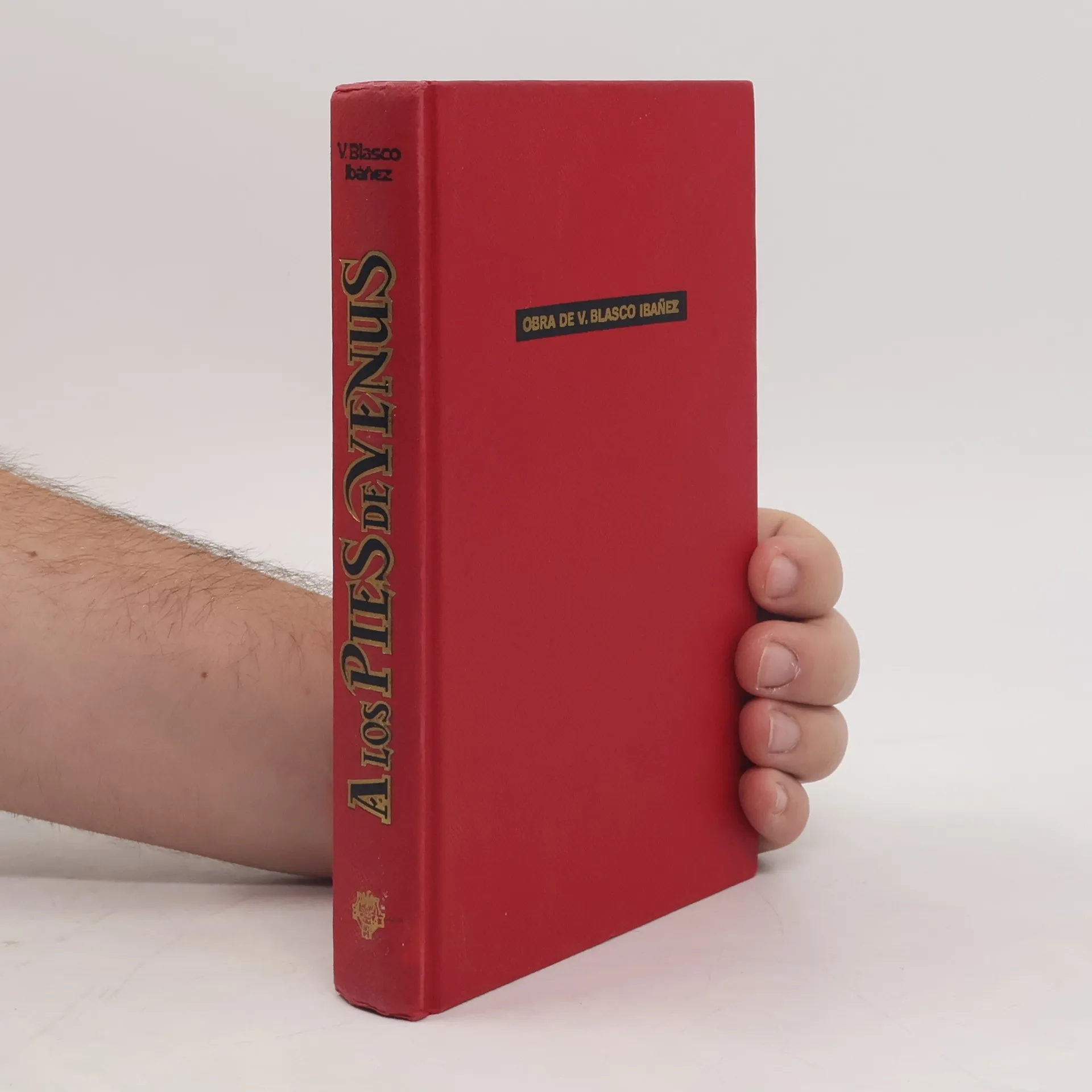
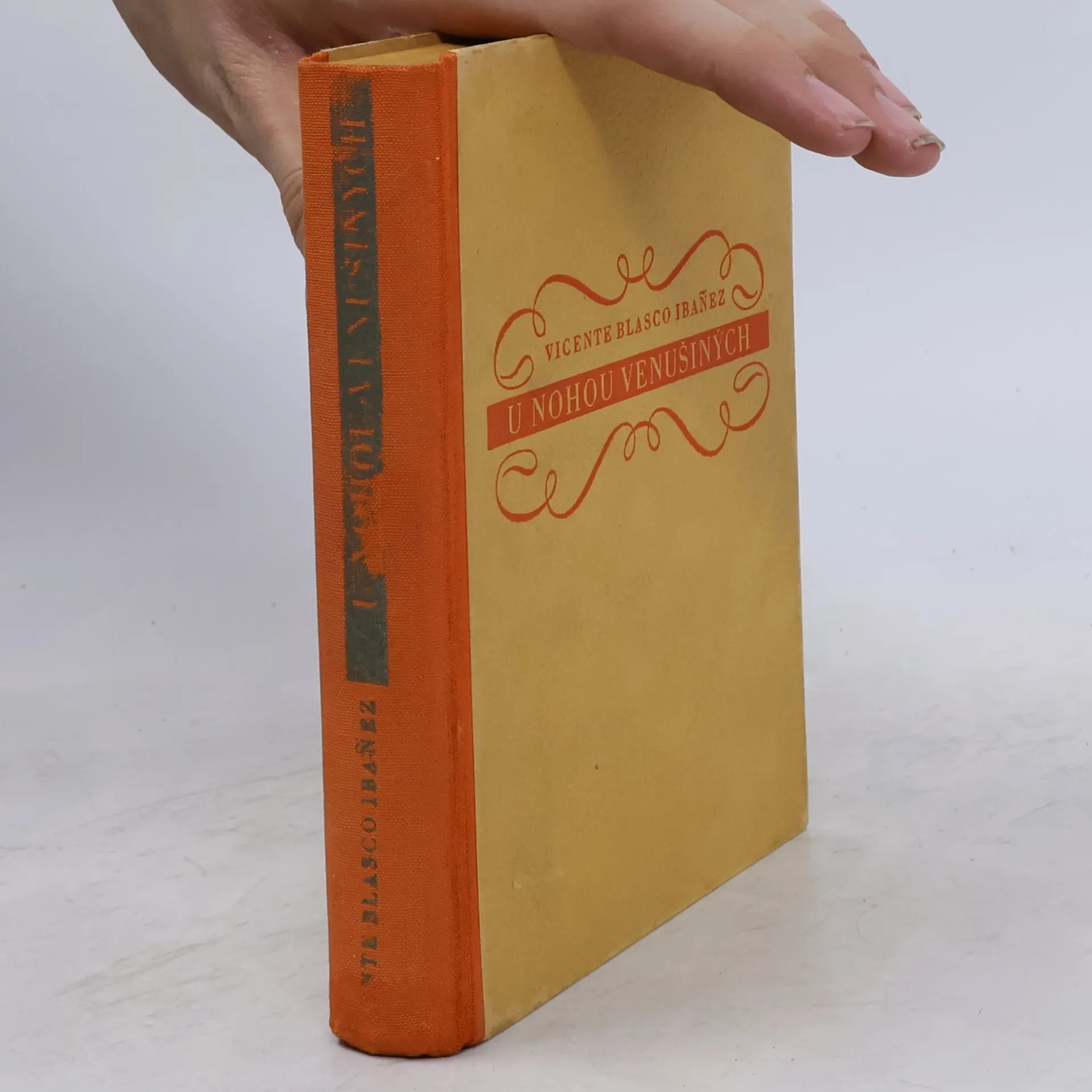
Esplugas de Llobregat, Barcelona. 20 cm. 320 p. Encuadernación en tapa blanda de editorial ilustrada. Colección 'Obra de V. Blasco Ibáñez', numero coleccion(14). Blasco Ibáñez, Vicente 1867-1928. A los pies de Venus .. Este libro es de segunda mano y tiene o puede tener marcas y señales de su anterior propietario. 8401805724
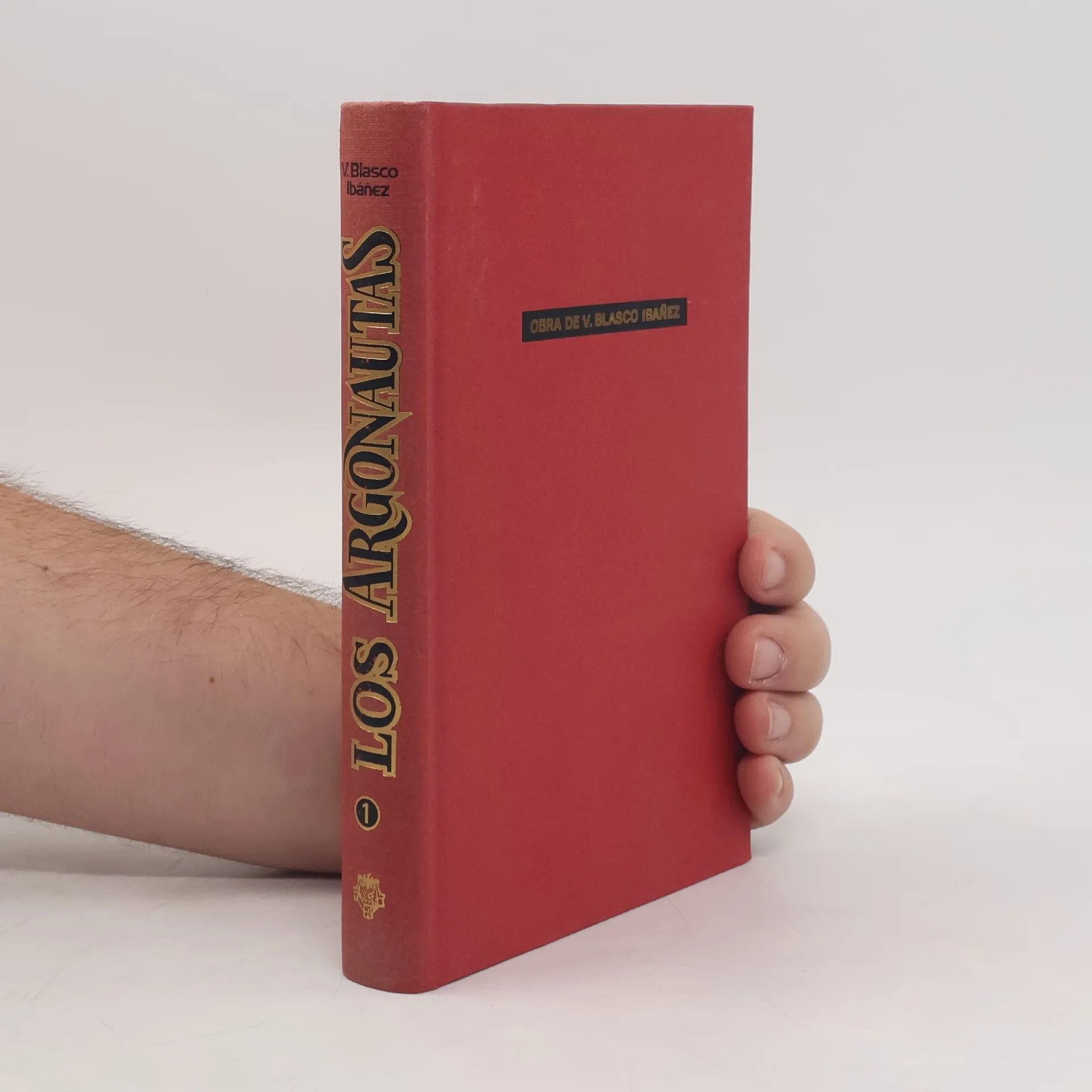
Esplugás de Llobregat, Barcelona. 20 cm. 304 p. Encuadernación en tapa dura de editorial. Colección 'Obras de V. Blasco Ibañez'. Blasco Ibáñez, Vicente 1867-1928. Los argonautas .. Este libro es de segunda mano y tiene o puede tener marcas y señales de su anterior propietario. 8401370078
Inicialmente pensada como un guion cinematografico, la pelicula no fue filmada finalmente debido a la insuficiencia de medios tecnicos de la epoca. Asi, Blasco Ibanez reescribio el guion y lo transformo en novela. Un naufrago llega a una isla poblada por personas de pequena estatura y ademas quienes mandan son las mujeres. Hilarantes y curiosas situaciones plenas de una ironia magistral.
Esta edición digital en formato forma parte de un proyecto puesto en marcha por la Biblioteca Nacional de España junto con Redes encaminado a enriquecer la oferta de servicios de la Biblioteca Digital Hispánica y fomentar su acceso y utilización. En el proceso de digitalización de documentos los impresos son en primer lugar digitalizados en forma de imagen, posteriormente el texto es extraído de manera automatizada gracias a la tecnología de reconocimiento óptico de caracteres (OCR). El texto así obtenido ha sido aquí revisado, corregido y convertido a libro electrónico o publicación electrónica, formato abierto y estándar de libros digitales. Se intenta respetar en la mayor medida posible el texto original (por ejemplo, en cuanto a ortografía) pero pueden realizarse modificaciones con vistas a una mejor legibilidad y adaptación al nuevo formato. Si encuentra errores o anomalías estaremos muy agradecidos si nos lo hacen saber a través del correo bibliotecadigital@bneesLas obras aquí convertidas se encuentran en dominio público y la utilización de estos textos es libre y gratuita.
En Blasco Ibáñez, la vida adquiere con gran frecuencia una dimensión novelesca, y en las novelas cortas reunidas aquí el tono de profunda melancolía plantea serias dudas sobre un cierto regusto amargo en la existencia del escritor. Ahora, el amor vuelve a ser como en muchos de sus argumentos un motivo central. Pero ese sentimiento se despoja de su aureola mágica cuando se entremezclan en él las reflexiones sobre una juventud cada vez más remota que impide resucitar los viejos oropeles. En los cinco relatos domina la visión retrospectiva de sus protagonistas, personajes que parecen haber cruzado una barrera cronológica y no pueden recuperar la felicidad perdida. Desde luego, tales consideraciones no son necesariamente el trasunto de una experiencia subjetiva. (Emilio sales Dasí)
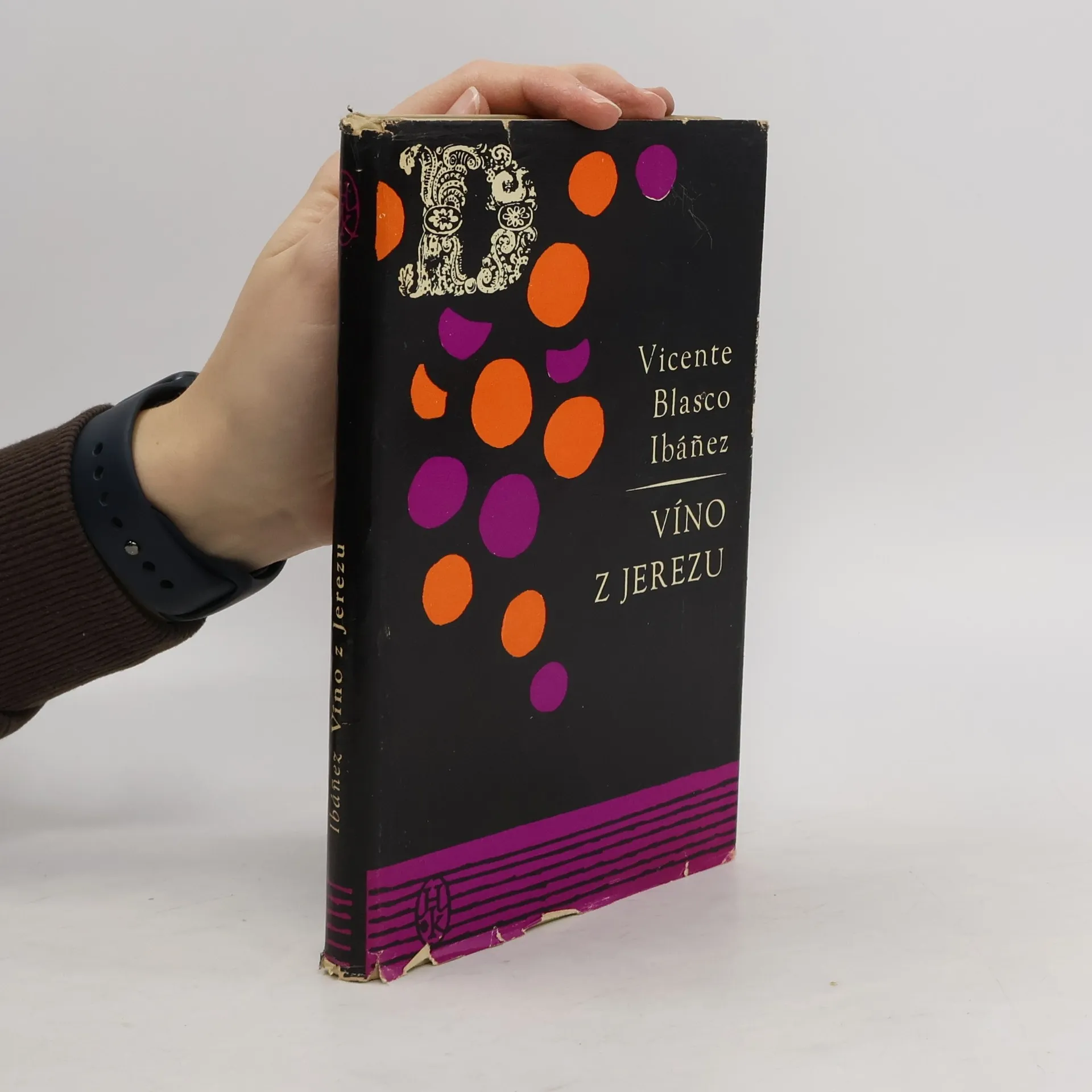
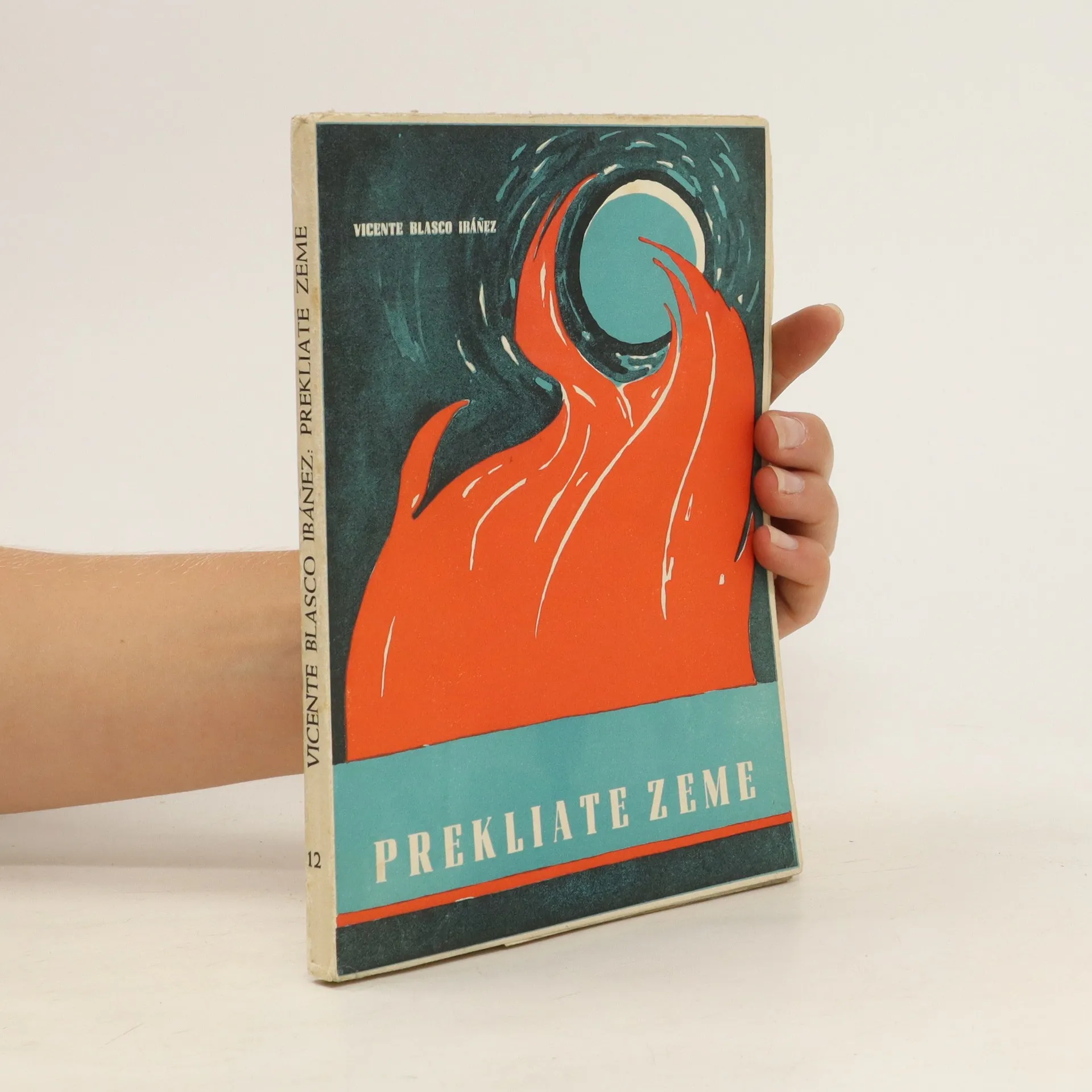
Slnkom a vínom spitá, zmyselná a lenivá Andalúzia, kraj, kde sa rozpaľuje nepokojná krv pašerákov a dobrodruhov, kde víno tečie zlatým prúdom, kde sa vrúcne miluje a strašne nenávidí ...
román zachycující nesnesitelný život zemědělských dělníků v okolí jihošpanělského města Jerezu na přelomu 19. a 20. století a svět těch, co žijí z jejich práce - aristokracie, městské buržoasie a statkářů. Ústředním dějovým motivem knihy je povstání andaluských bezzemků a zemědělských dělníků proti majitelům vinic a latifundistům a proti jejich v podstatě feudálnímu útlaku.
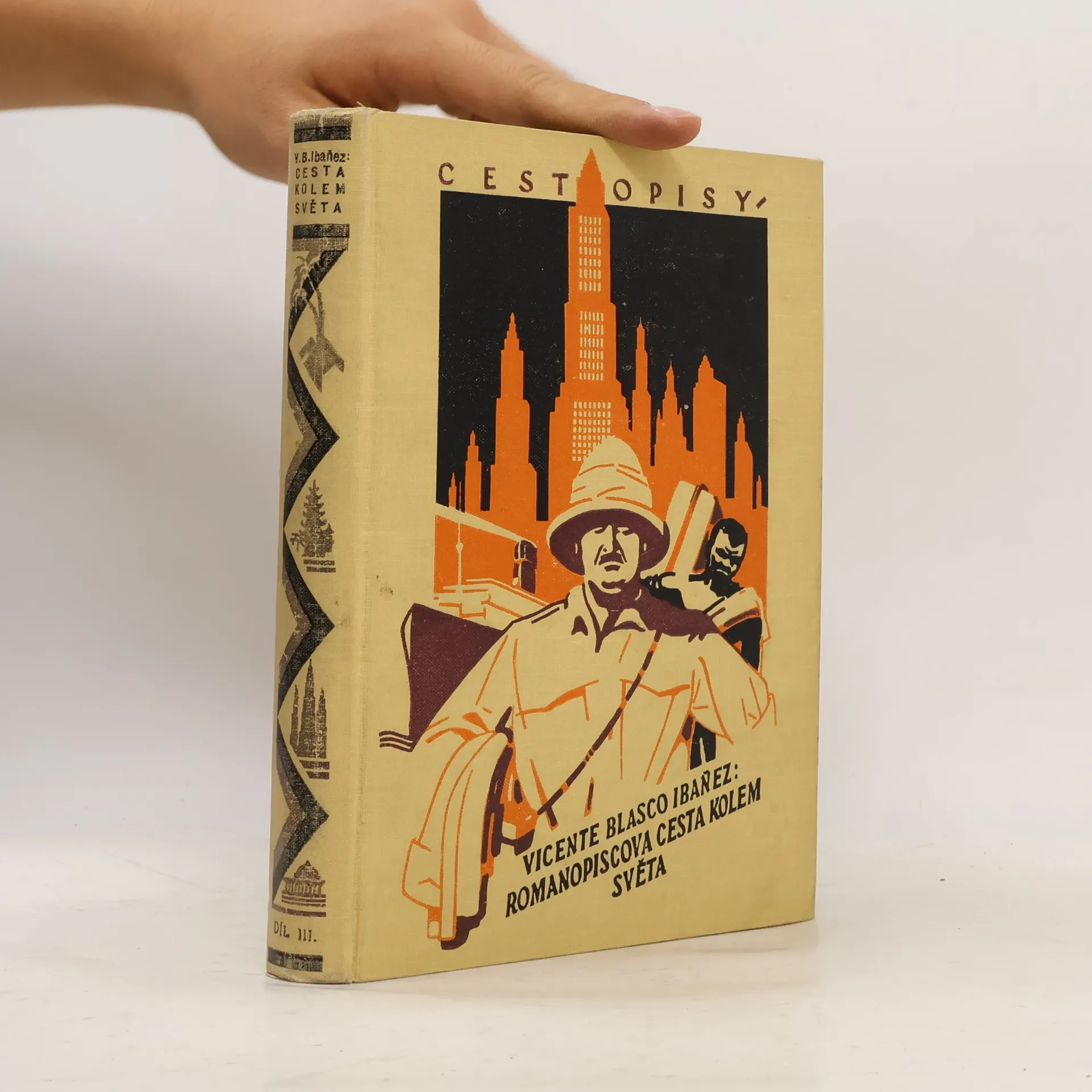
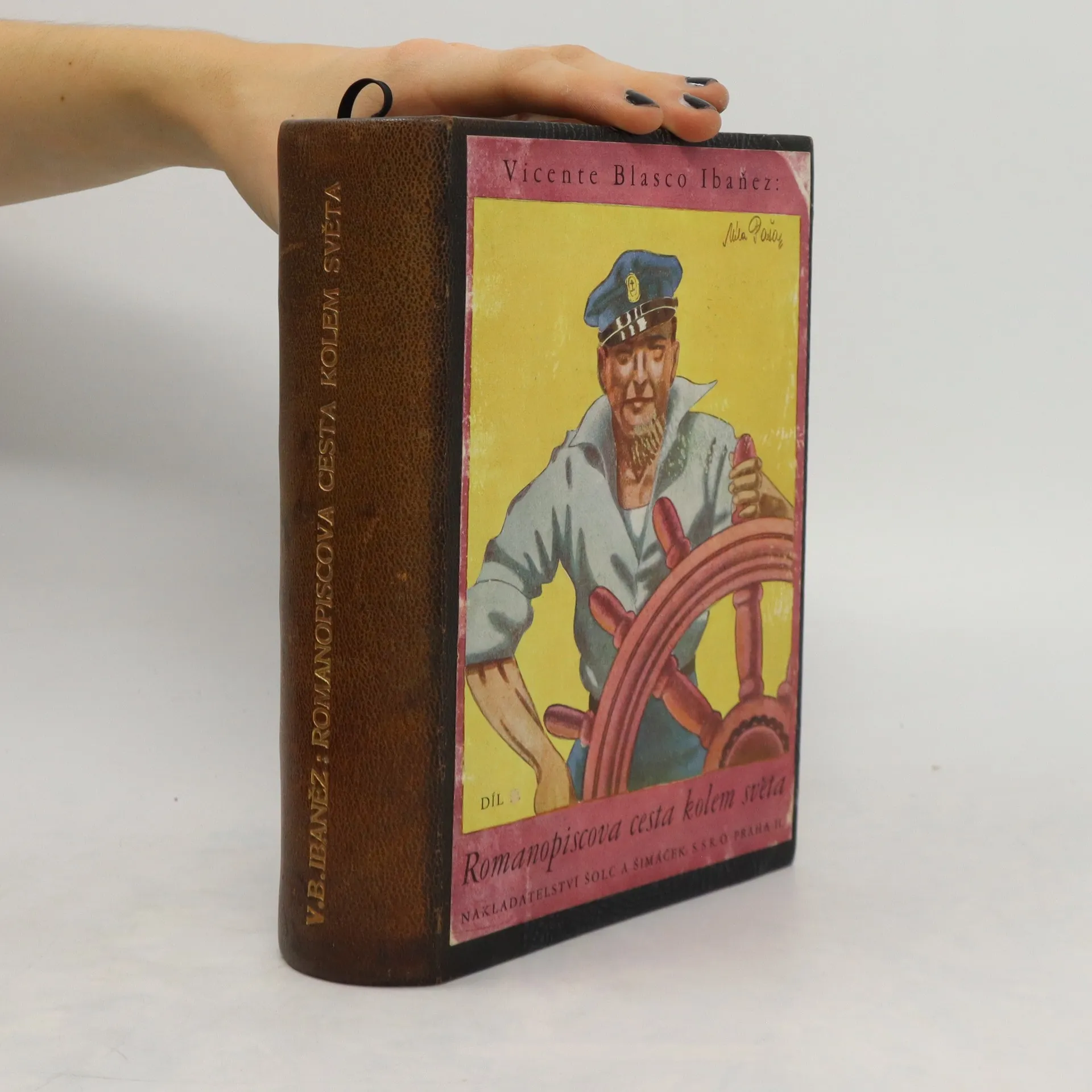
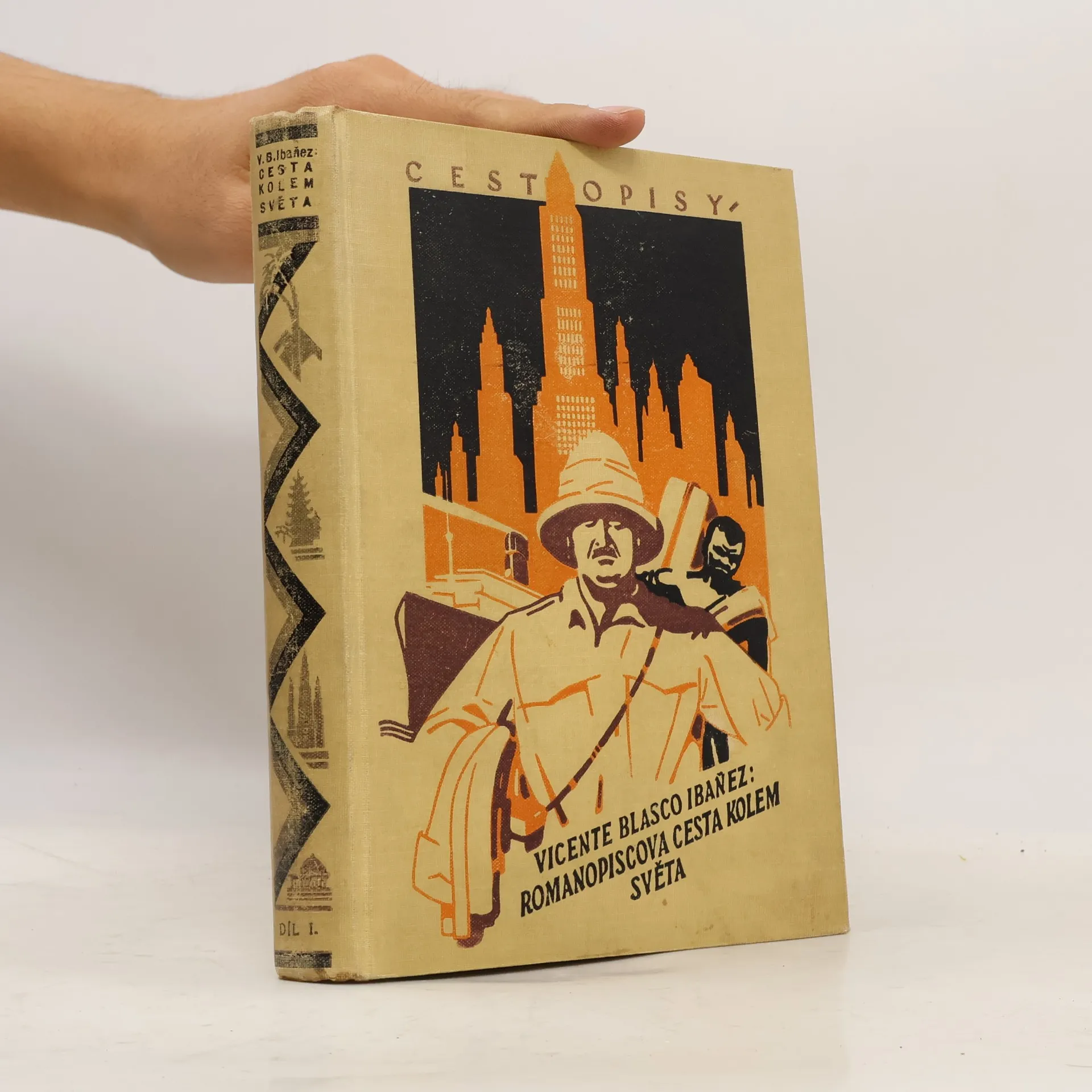
3 svazky - I. - Spojené státy severoamerické, Kuba, Panama, Havaj, Japonsko, Korea, Mandžursko, II. - Čína, Makao, Hongkong, Filipíny, Java, Singapur, Birma, Kalkuta, III. - Indie, Ceylon, Sudan, Nubir, Egypt ve třech sv., cestopisná vyprávění z různých zemí světa s četnými vyobrazeními. sčetnými čb. vyobrazeními, 358+348+376 stran
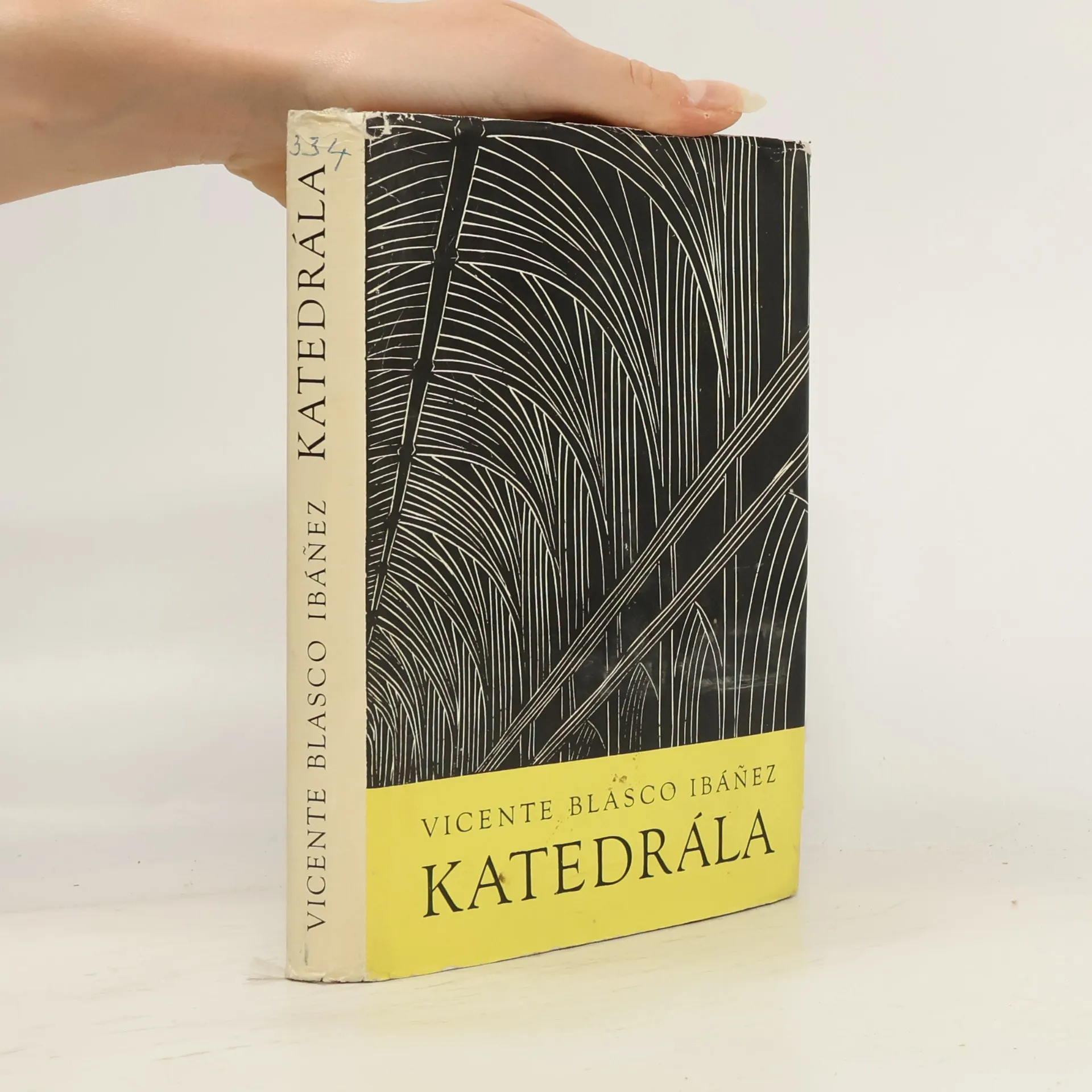
Kniha "španělského Zoly" je vlastně podrobnou pohlednicí Toleda očima "provozu" zaměstnanců Toledské katedrály. Je to spíše kniha popisující život lidí, kolority dění a souvislostí, detailní pohledy.
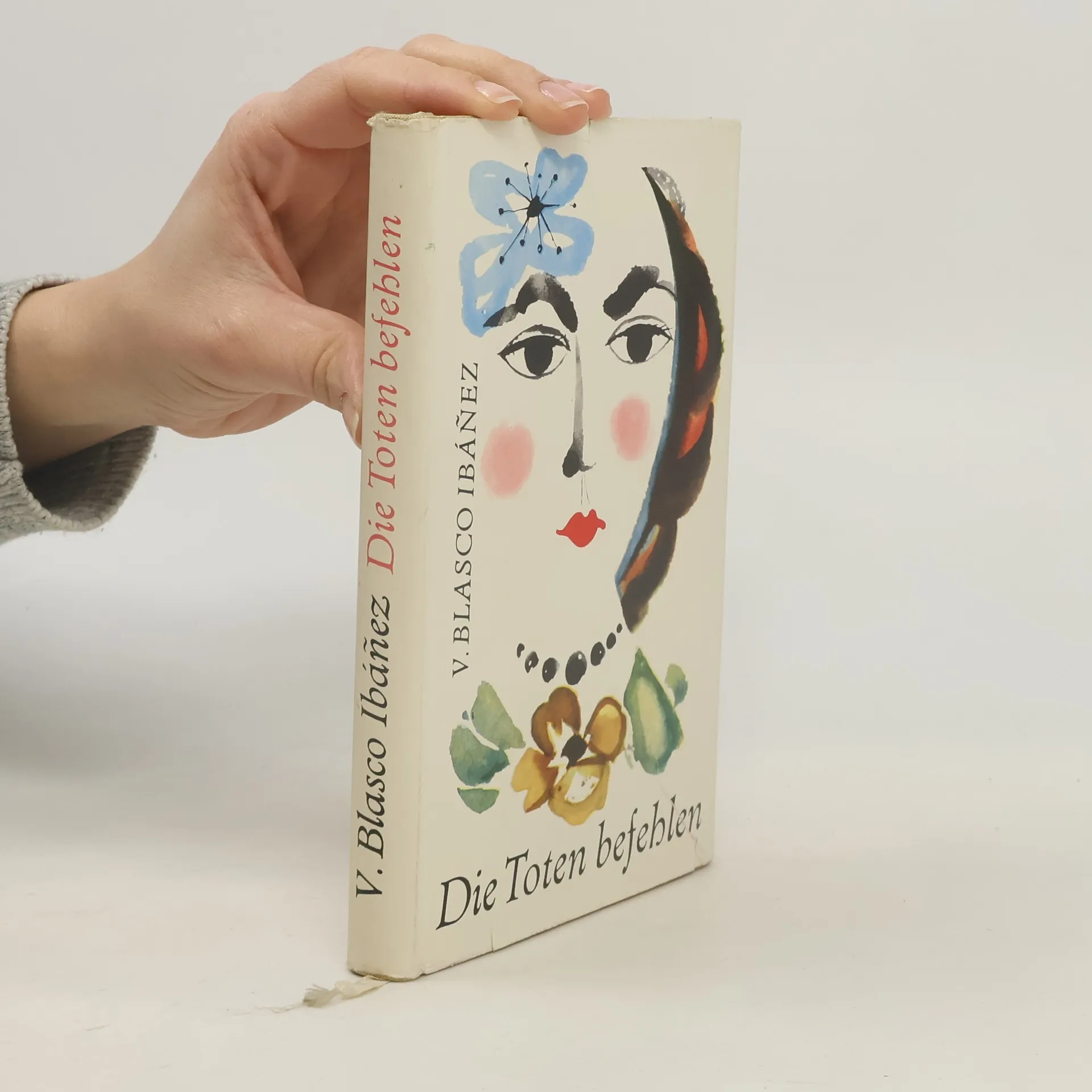
Příběh rodiny Desnoyersů a jejich přátel. Julio a jeho sestra Chichi vyrůstají v Argentině. Krátce před vypuknutím první světové války se rodina vrací do Evropy a Julio se rozhodne bojovat na straně Francie.
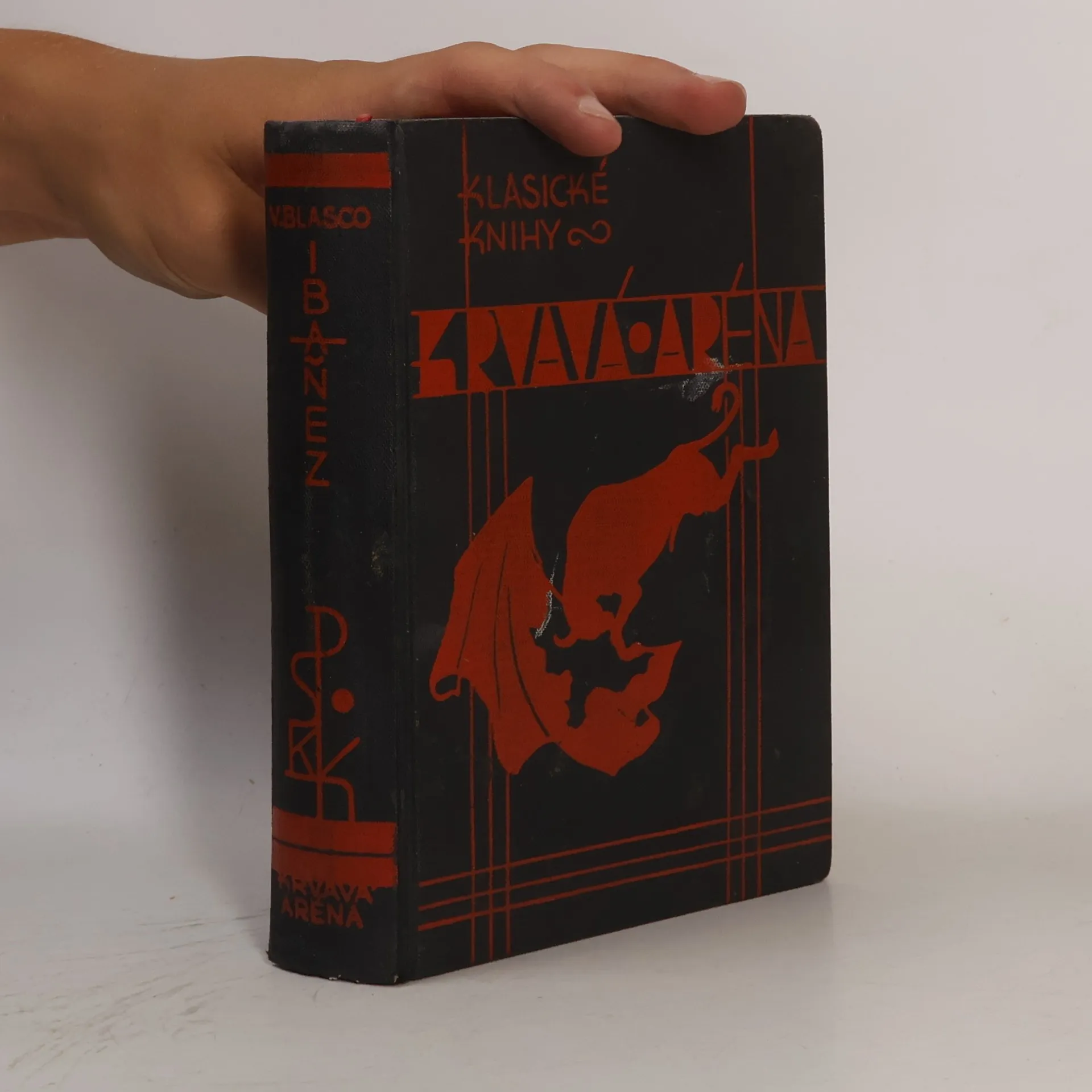
Román z prostředí španělských arén a býčích zápasů zachycuje příběh chudého chlapce, který v zápase s býky odvážným sebevražedným riskováním a s přispěním štěstí dosáhne závratné kariéry slavného matadora. Je zahrnut slávou a penězi, ovšem pouze do chvíle, kdy poprvé zaváhá a kdy okamžitá indispozice mu nedovolí dát do hry vše. Přízeň davu je vrtkavá a v takové situaci obdiv davu končí. A pak mu nezbývá než vsadit vše na jednu kartu a očekávat slávu nebo smrt.