Phyllis Chesler is an Emerita Professor of Psychology and Women's Studies at City University of New York, a bestselling author, and a legendary feminist leader. Her work delves deeply into the psychology of women and honor-related violence, including honor killings. Chesler is recognized for her incisive perspective on the female psyche and the societal forces shaping women's lives, drawing from extensive publications that often incorporate her expertise as a psychotherapist and courtroom witness.
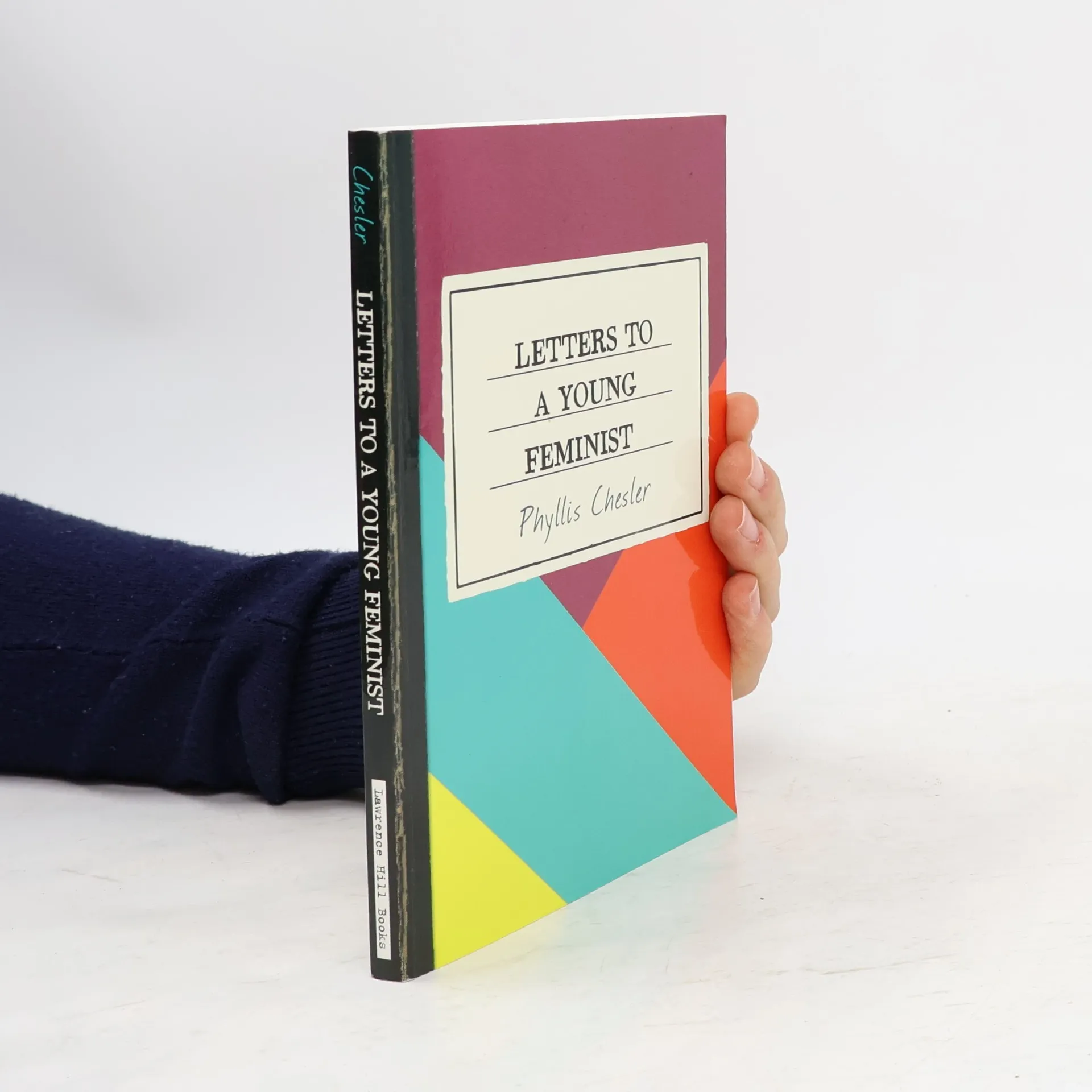
LETTERS TO A YOUNG FEMINIST is a visionary message from a leading feminist to the next generation of feminists. Phyllis Chesler discusses basic aspects of feminism, explains feminism's relevance in a world that has taken it for granted and derided it, and helps the next generation reclaim feminism for itself. Chesler examines sisterhood, sex, families, motherhood, work, feminist heroism, and the economics of power, providing guidance to the generation to come.
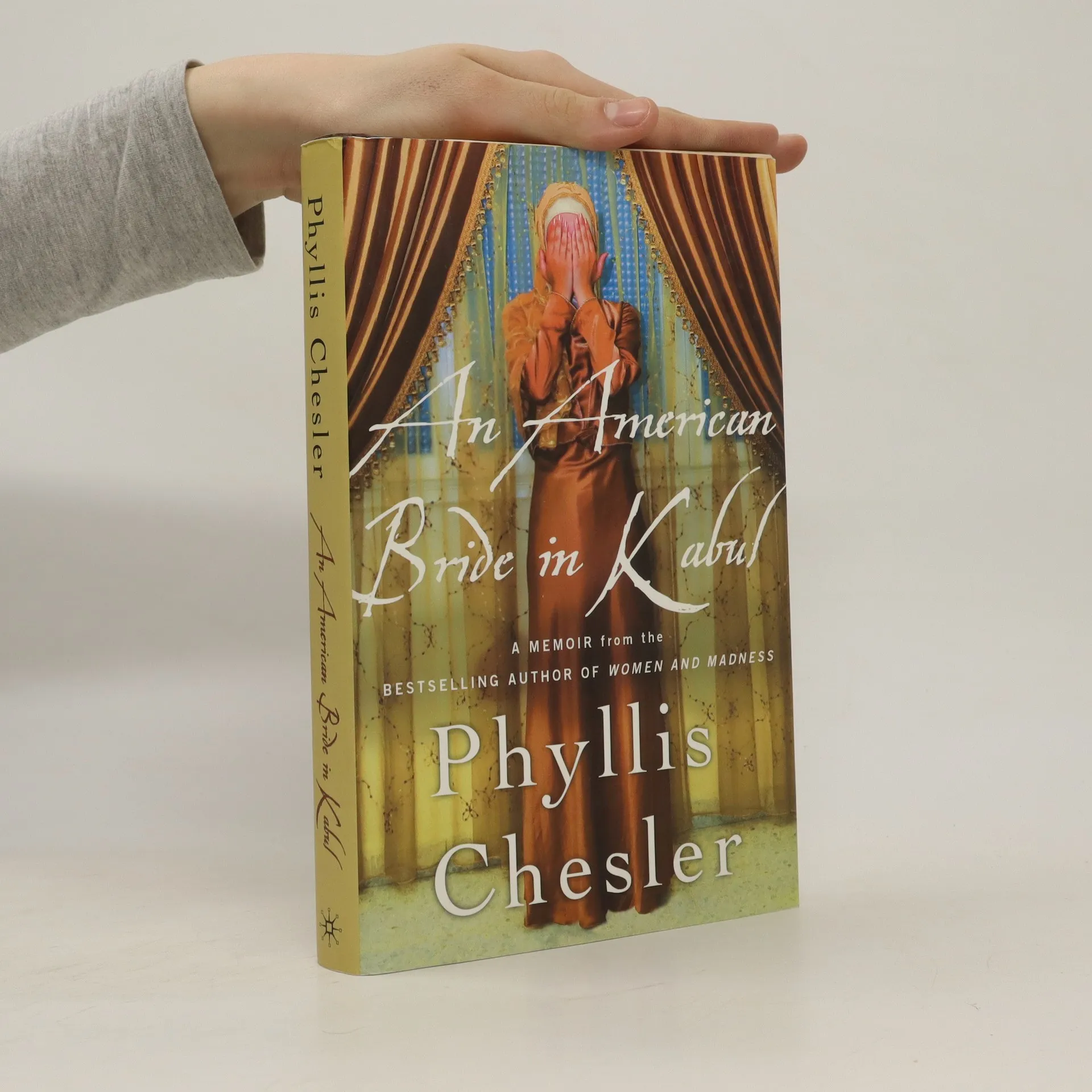
A modern American woman reveals how her long-ago ordeal in a harem in Afghanistan led her to become a feminist leader and a legendary crusader for universal women's and human rights
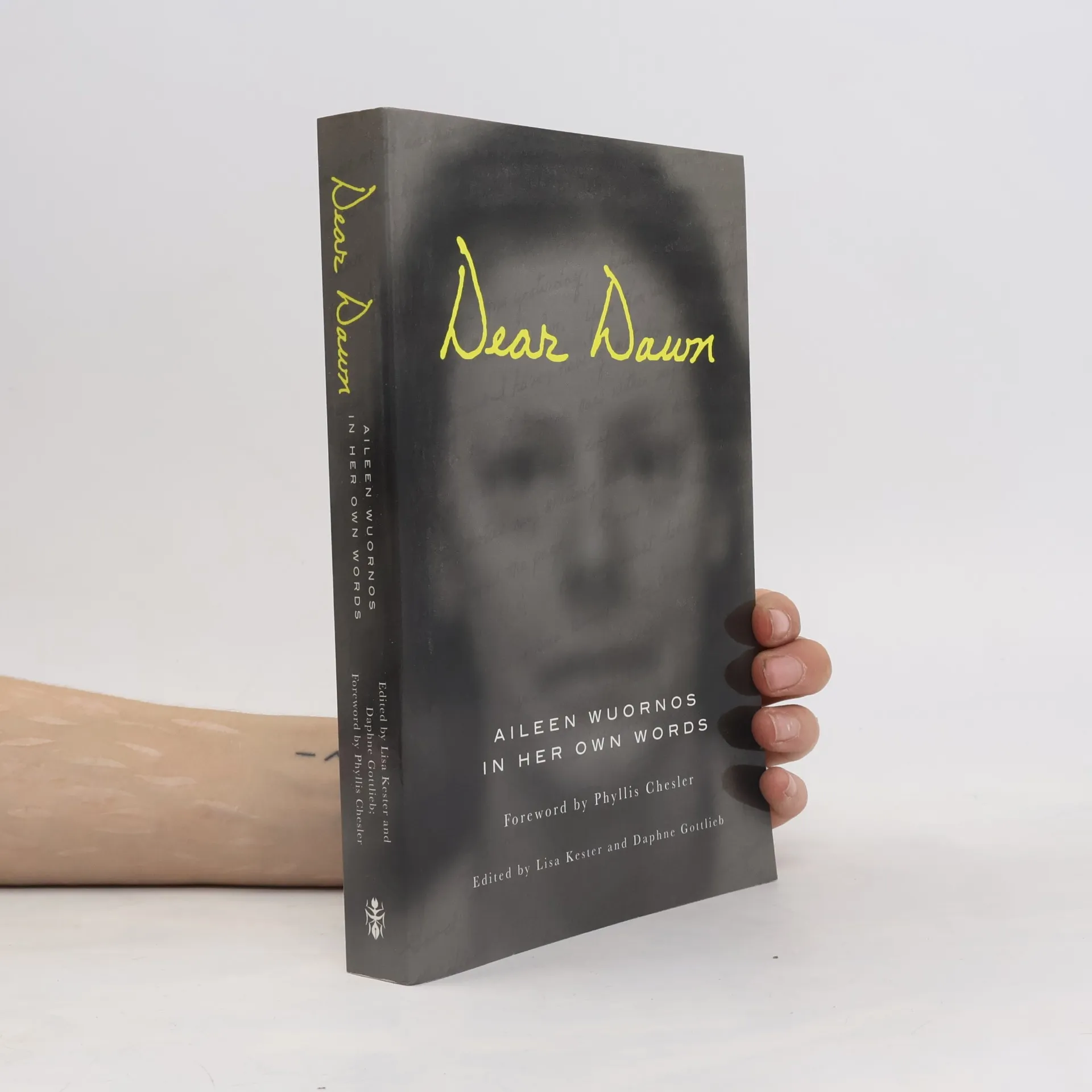
Between 1989 and 1990, Aileen Wuornos, a hitchhiking prostitute, shot, killed, and robbed seven men in remote Florida locations. Arrested in 1991, Wuornos insisted she had acted in self-defense, but the jury had little sympathy. Condemned to death on six separate counts, she was executed by lethal injection in 2002. An abused runaway who turned to prostitution to survive, Wuornos has become iconic of vengeful women who lash out at the nearest target. She has also become a touchstone for women’s, prostitutes’, and prisoners’ rights advocates. Her story has inspired myriad books and articles, as well as the 2003 movie Monster, for which Charlize Theron won an Academy Award. But until now, Wuornos’s uncensored voice has never been heard. Dear Dawn is Wuornos’s autobiography culled from her ten-year death row correspondence with beloved childhood friend Dawn Botkins. Authorized for publication by Wuornos and edited under the guidance of Botkins, the letters not only offer Wuornos’s riveting reflections on the murders, legal battles, and media coverage, but go further, revealing her fears and obsessions, her rich humor and empathy, and her gradual disintegration as her execution approached. A candid life story told to a trusted friend, Dear Dawn is a compelling narrative, unwaveringly true to its source.
Phyllis Chesler demonstriert, wie ein als überholt geltender Antisemitismus heute wieder aktuell und unter dem Deckmantel der Israel- oder Zionismuskritik sogar politisch korrekt zu werden scheint. Besonders nach dem 11. September ist dieser neue Antisemitismus, der keineswegs an nationalen, religiösen oder ethnischen Grenzen Halt macht, zu einem globalen Problem geworden. Die Autorin schlägt Möglichkeiten vor, wie dem Phänomen sowohl von jüdischer als auch von nicht-jüdischer Seite begegnet werden kann. Phyllis Chesler, geboren 1940; emeritierte Psychologie-Professorin und Autorin; veröffentlicht wissenschaftlich und publizistisch; zahlreiche Artikel, Reden, Kommentare und Bücher.
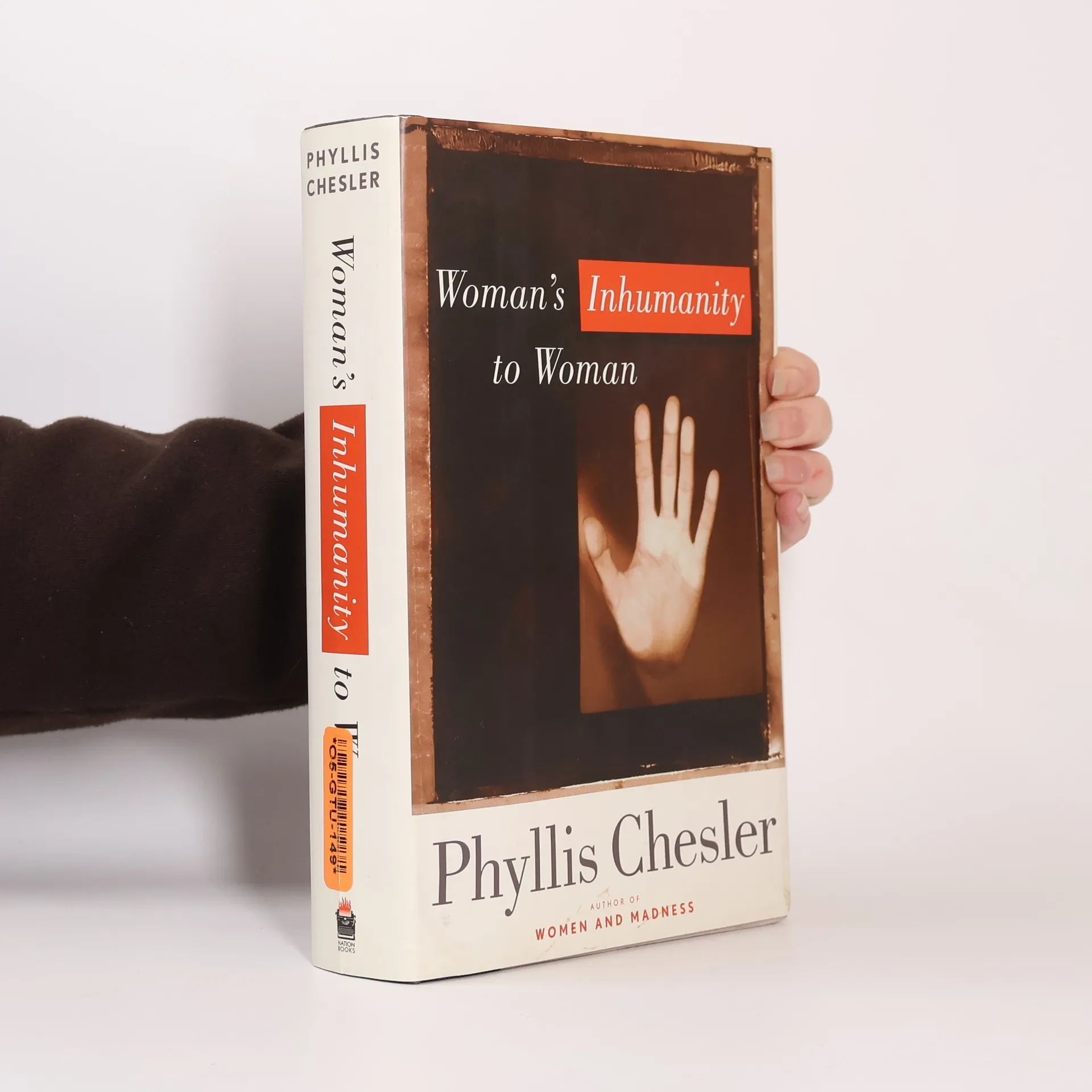
Contemporary women often struggle to connect with one another, both at work and within families. Despite the importance of female friendships, betrayals among women are common. The mother-daughter relationship can hinder women's growth. This book addresses the complex dynamics of women's interactions, drawing on biological, psychological, and anthropological research, along with numerous interviews, to explore the often-ignored issue of women's inhumanity toward one another. While women may not exhibit aggression in the same manner as men, studies show that they engage in "indirect" aggression, primarily targeting each other. Women frequently compete and feel envy toward fellow women rather than men, often denying these feelings. Additionally, many women hold internalized sexist beliefs, sometimes without awareness. Although women rely on each other for emotional support, their tendencies to form cliques, gossip, and ostracize can stifle individuality and self-confidence from a young age. While women face oppression, they may also internalize the attitudes of their oppressors. Recognizing their own sexism and double standards is essential for women to cultivate sisterhood, combat sexism, and build compassionate personal and political alliances. "Chesler's work is our public conscience."—Letty Cottin Pogrebin
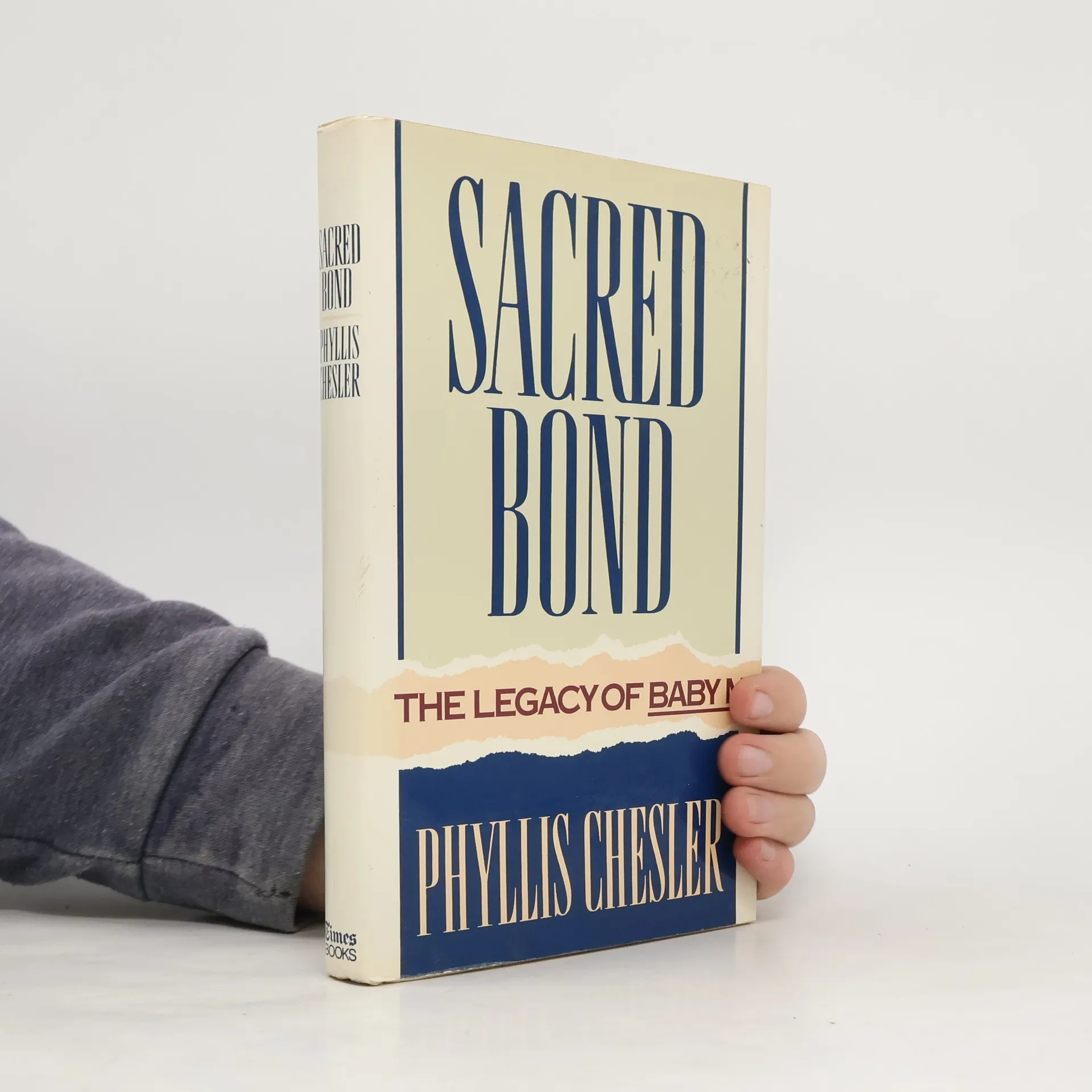
The author examines the legal, psychological, and ethical questions raised by the headline-making Baby M surrogacy trial between Mary Beth Whitehead and Bill and Betsy Stern
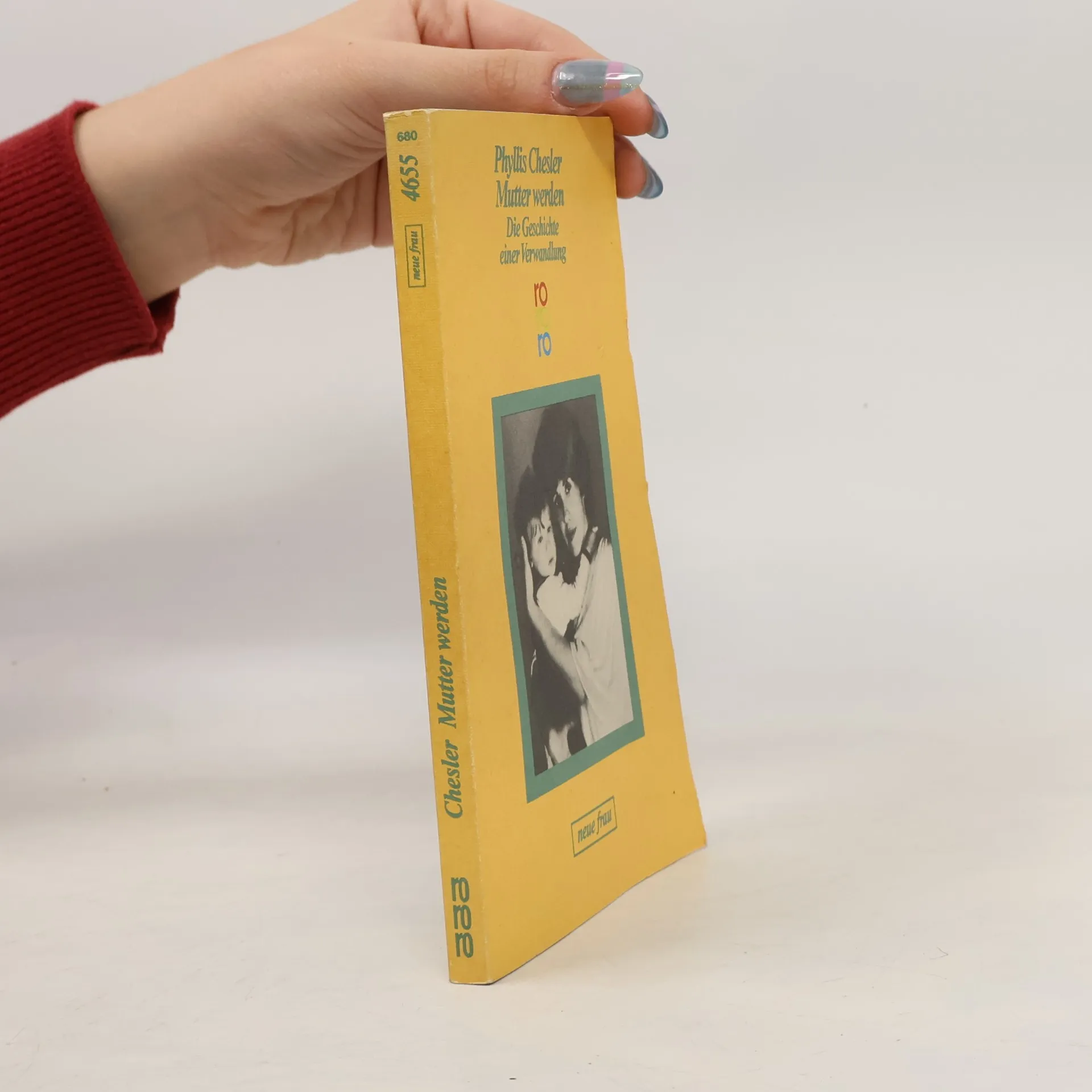
Mit Humor und Anmut präsentiert Chesler einen schockierend ehrlichen, rohen und liebevollen Bericht über Schwangerschaft und Mutterschaft, der die dramatischen Schwankungen zwischen Liebe und Groll aufzeigt und die Mythen einer glückseligen Maternität entlarvt.
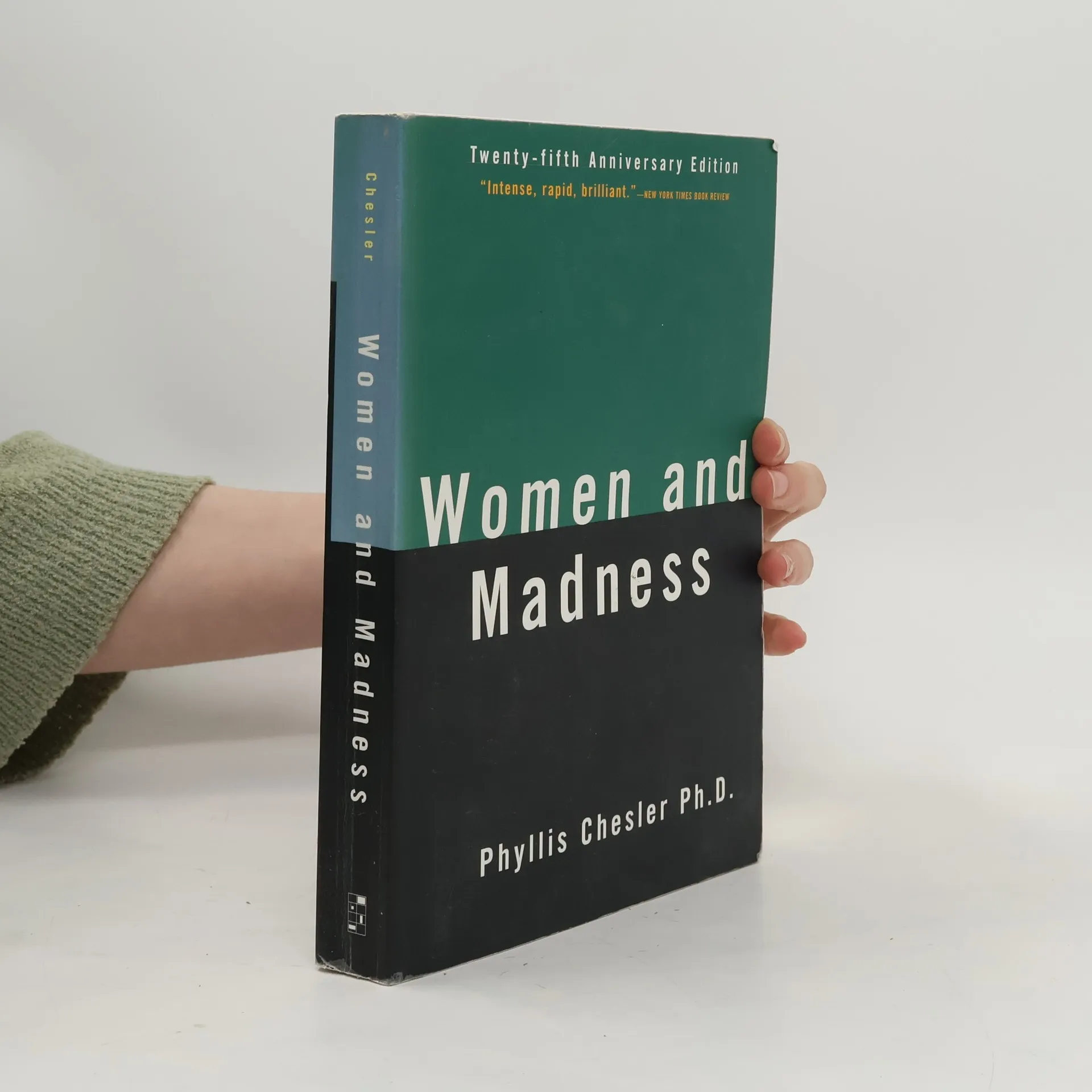
Reprint of the 1972 Doubleday edition which is listed in BCL3 . This 25th anniversary edition includes a new introduction by the author. Annotation c. by Book News, Inc., Portland, Or.