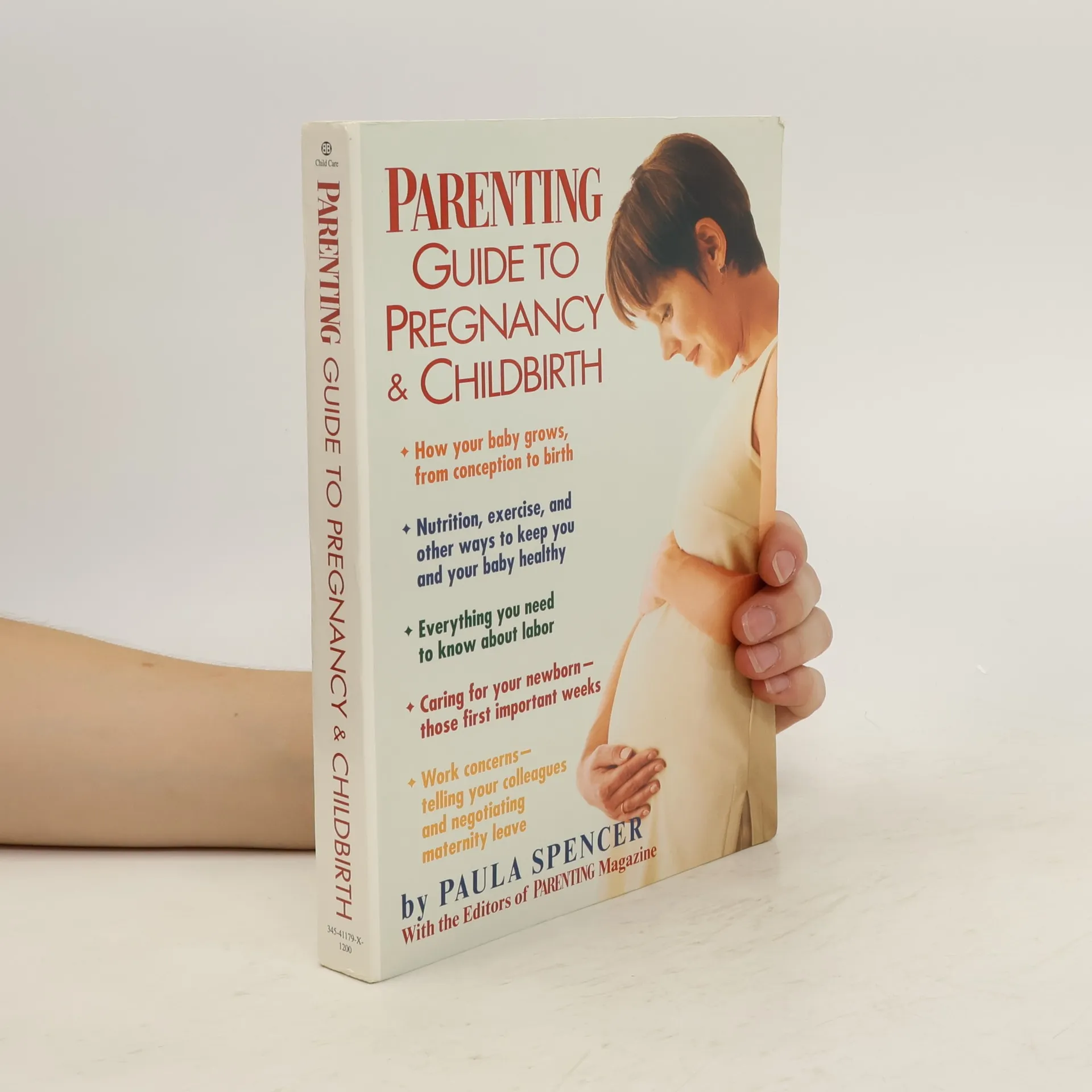
Sourcebook covering pregnancy and childbirth from conception through the first weeks of a baby's life. Includes information on physical and emotional changes during pregnancy, fetal development, eating and fitness, special situations, work concerns, and newborn basics.
Paula Spencer Books
Paula Spencer offers candid, commonsense perspectives on family life, covering everything from baby care to senior care and self-care. Her writing is characterized by a direct and practical approach to the challenges and joys of parenting and family living. Through her work, she provides readers with useful advice and support.
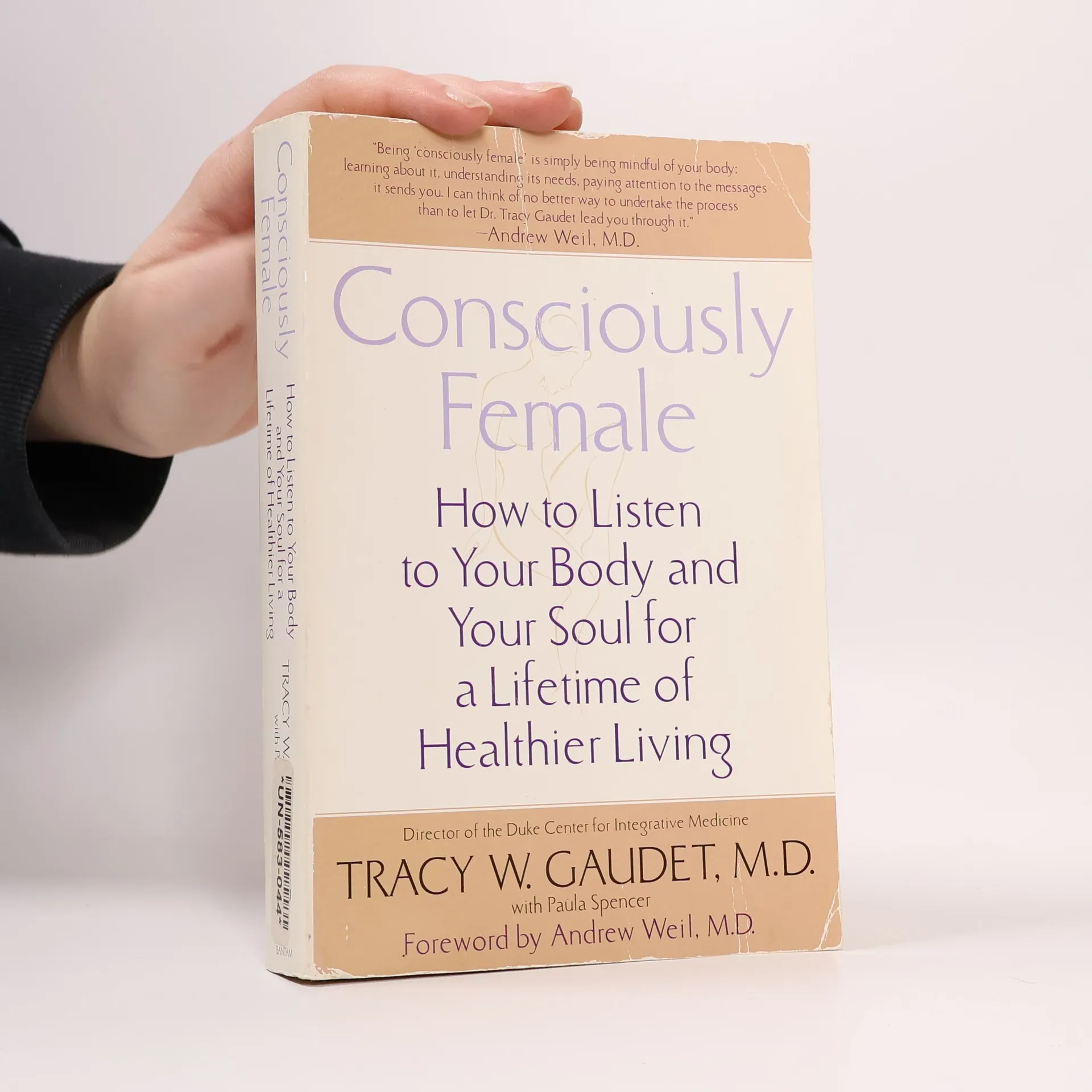
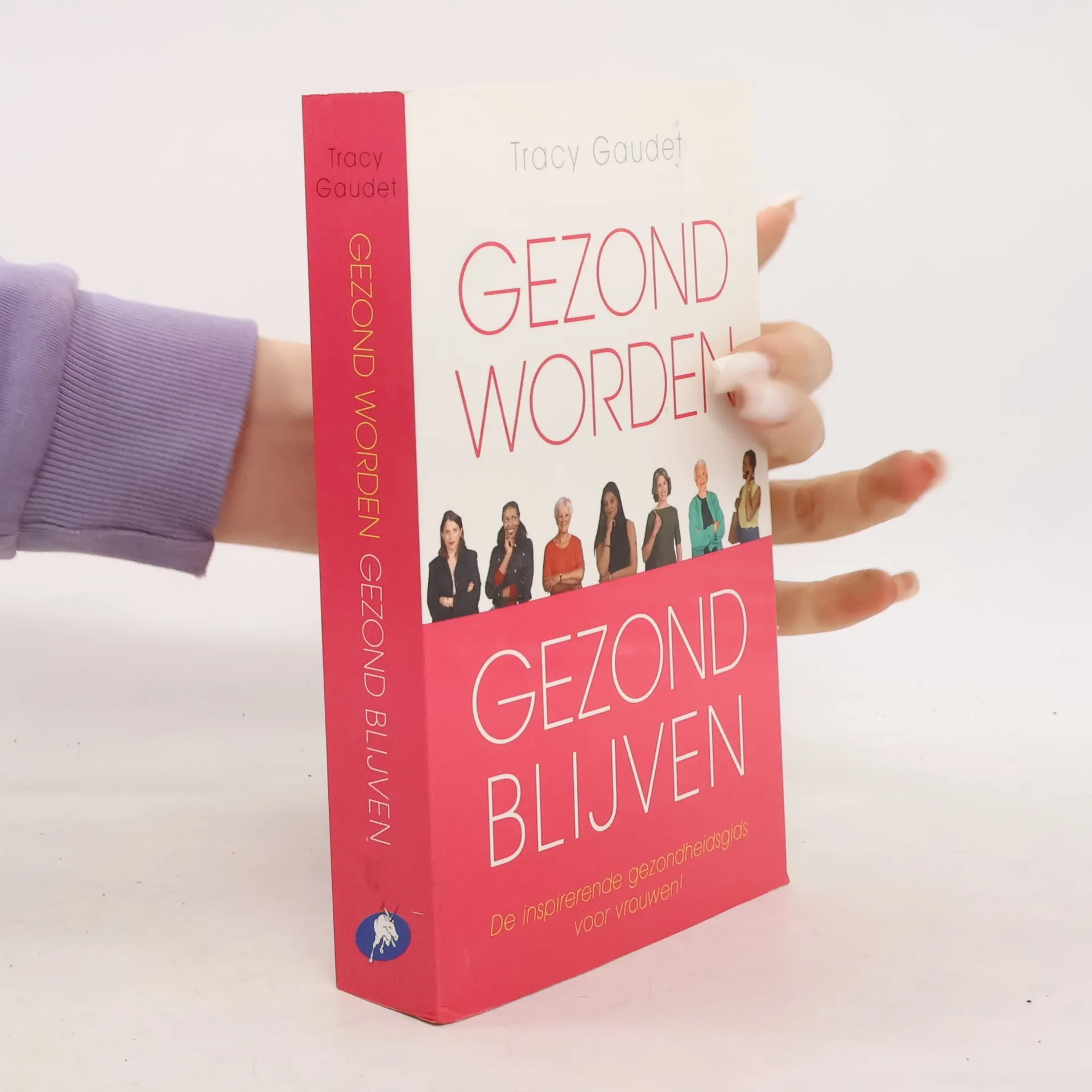
It often feels chaotic rather than dynamic being a woman. Every day is different. Am I a size 10 today, or a size 14? Do I feel energised or do I feel like crawling under the duvet and watching Eastenders? Even our interest in sex bobs about, seemingly from minute to minute. And we mentally cross off the days when our hormones are in flux - chalking our bad moods up to PMS and waiting impatiently for our bodies to return to 'normal'. But if we are not 'ourselves' for so much of our lives, then who are we? In Consciously Female, Tracey Gaudet gives women the tools and the techniques to consciously reframe what it means to live inside a woman's body. So instead of crossing off the days we feel bad, we will learn to understand them as part of an important cycle which adds emotion and physical feeling to our lives - we will become 'consciously female'. Integrating conventional and alternative medicine, the book provides us with a complete wellness programme, including advice on nutrition, exercise, rituals and mind-body techniques. It's wonderfully positive, practical and inspirational - it's for every woman.
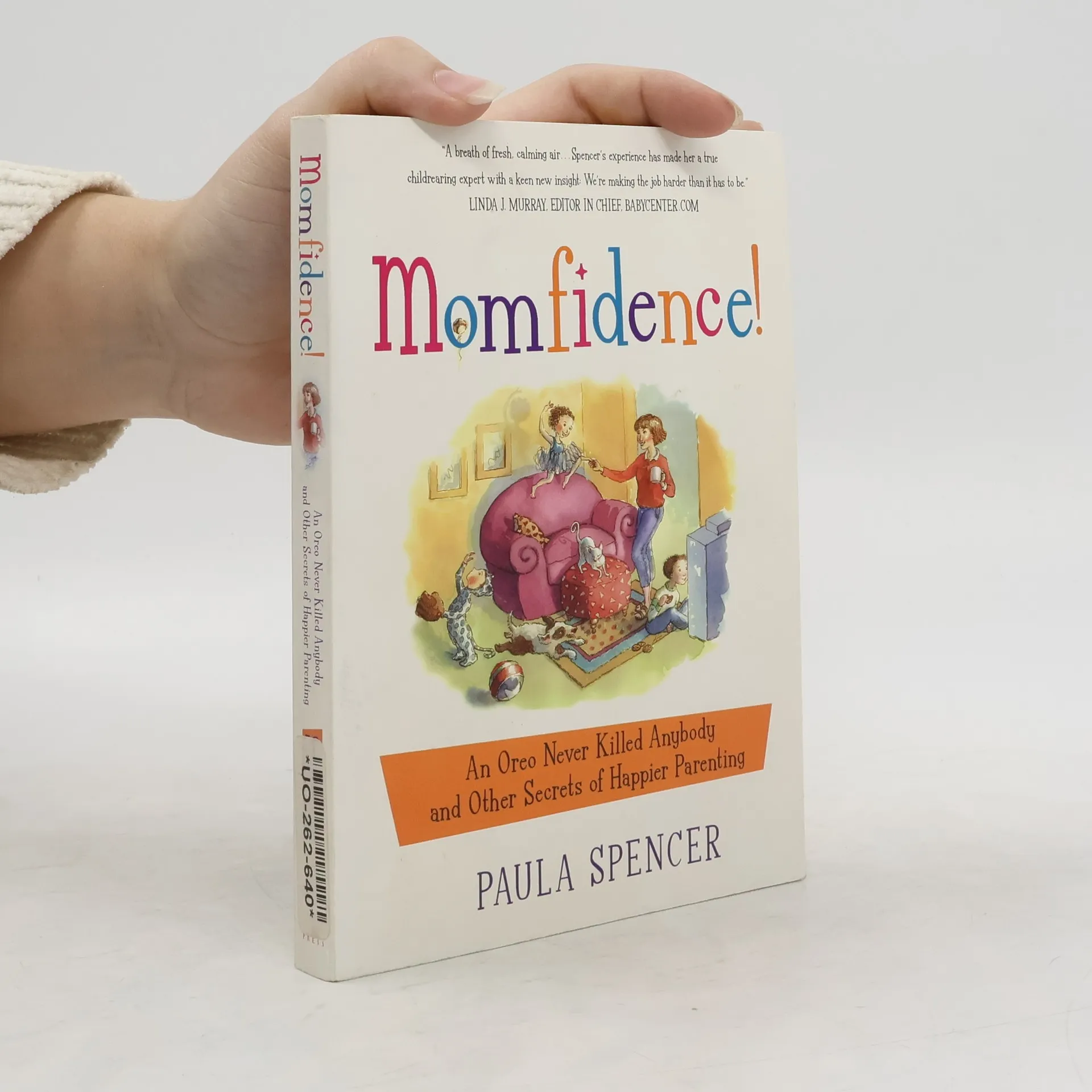
Momfidence!
- 288 pages
- 11 hours of reading
Lose the Guilt, Love Your InstinctsIf the latest “breakthrough” child-development theory, parenting technique, or child-appropriate diet makes you worry or groan (or just want to lie down for a nap), it’s time to make way for Momfidence! Paula Spencer, parenting expert and mother of four, provides refreshing, down-to-earth proof that most of the business of raising confident, healthy children involves nothing more complicated that trusting your instincts, using common sense, and above all, hanging on to your humor.Momfidence! •Using “perfect” only to describe such wonders as a ripe peach, a cloudless day at the beach, or a husband who does diapers and dinner. . . It has no application whatsoever in describing motherhood.•Recognizing that there are appropriate times and places for lying, yelling, threatening, bribing, and saying “I told you so”•Sending yourself to time-out—preferably with chocolate and/or your spouse•Being completely amnesiac about the day’s exasperating transgressions when you peek in your children’s bedrooms at night and watch them sleepBased on her popular Woman’s Day and Parenting columns, Momfidence! explains how obsessing less and winging it more can keep you sane—and your kids healthy and happy. It’s a hilarious look at “perfect motherhood” that cuts parents a long-overdue break by reminding us that we’re not the amateurs here—we’re all experts, too.
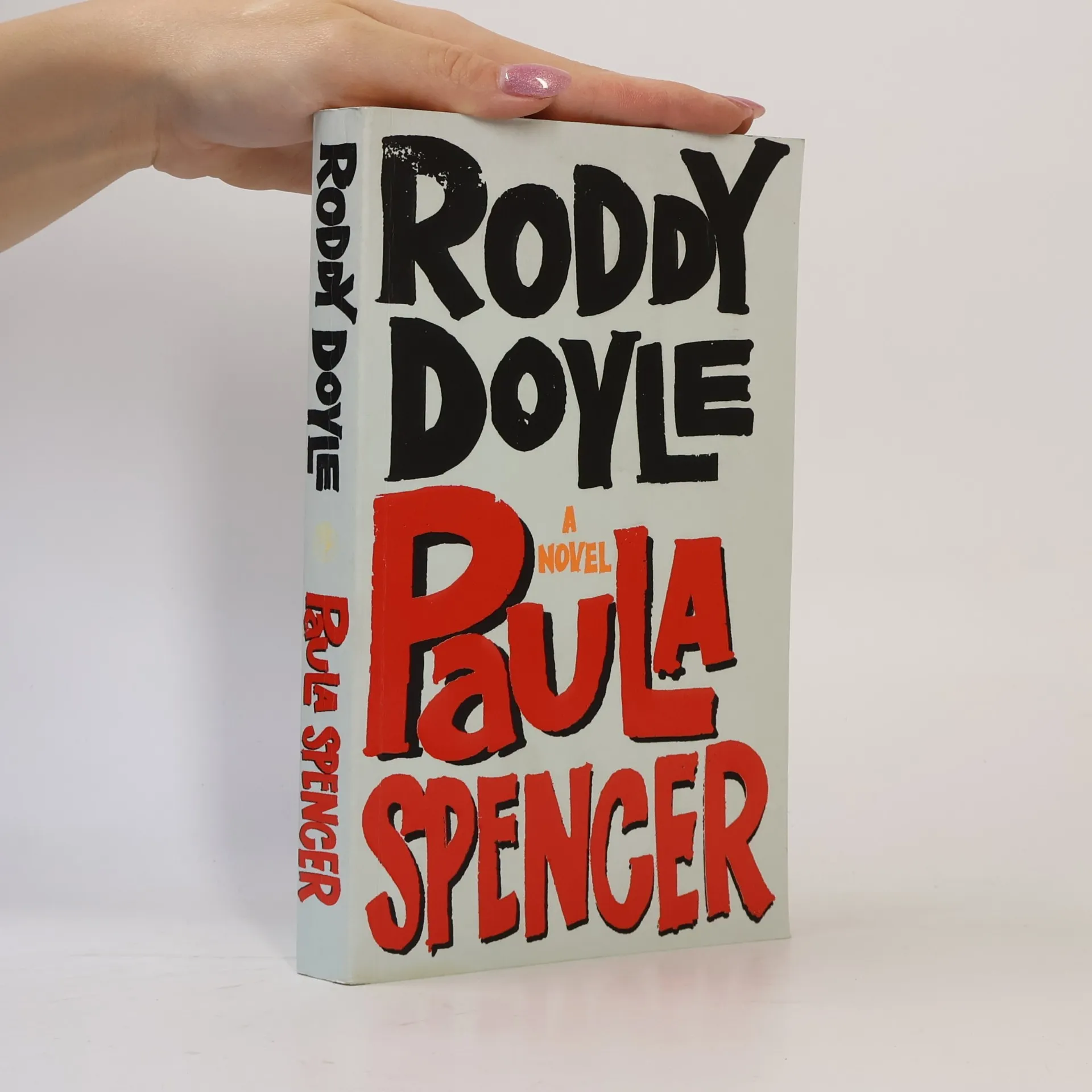
Paula Spencer
- 277 pages
- 10 hours of reading
Dublin widow Paula begins her fifth month of sobriety as she raises her two children who are still at home, struggles to make ends meet, attends parent-teacher conferences, and develops a taste for rock music.
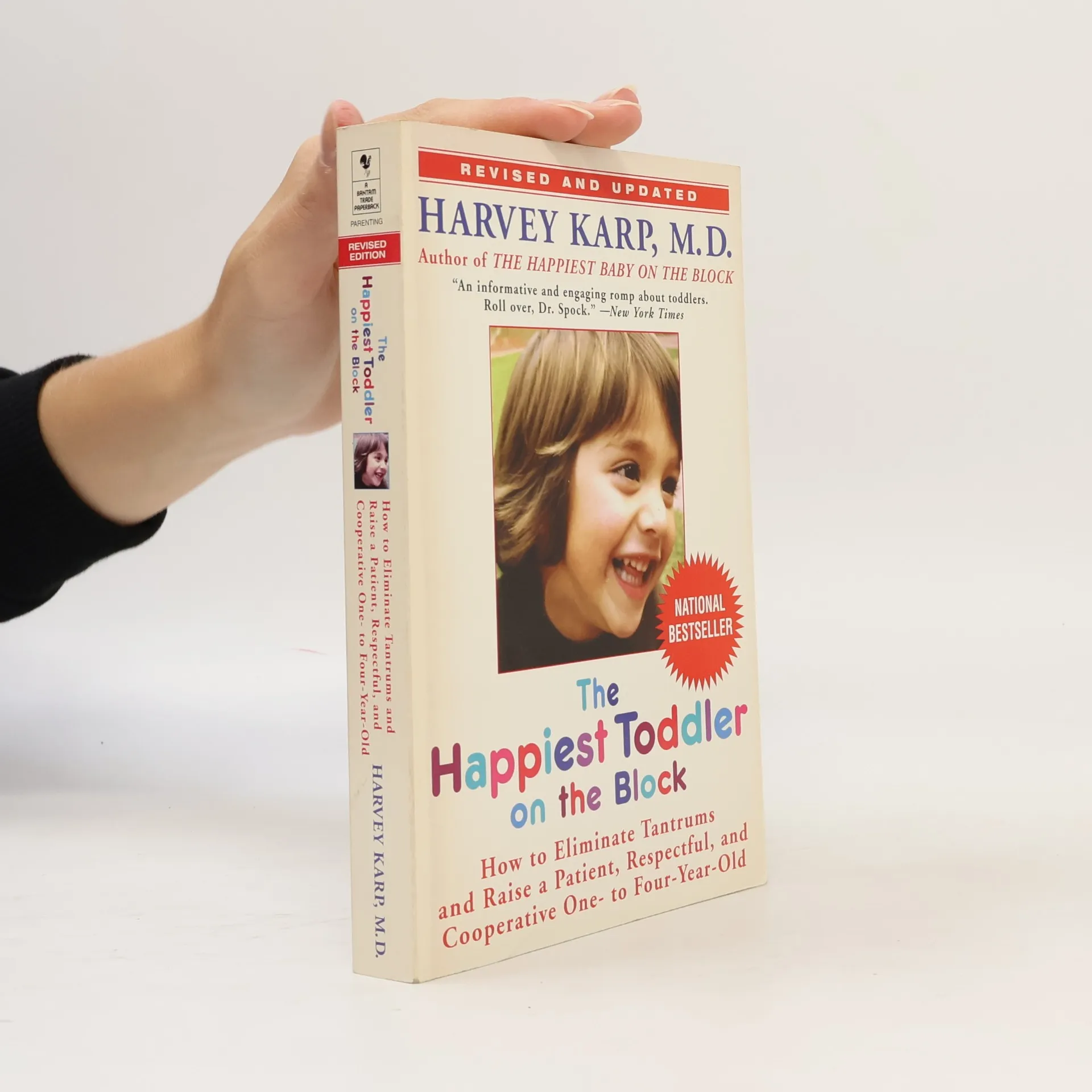
The Happiest Toddler on the Block
How to eliminate tantrums and raise a patient, respectful and cooperative one- to four-year-old
- 336 pages
- 12 hours of reading
Filled with stage-by-stage tips, strategies, and exercises, this book will help readers manage all the major challenges parents face, including tantrums, bedtime struggles, separation anxiety, toilet training, and aggression
Everything Else You Need to Know When You're Expecting
- 269 pages
- 10 hours of reading
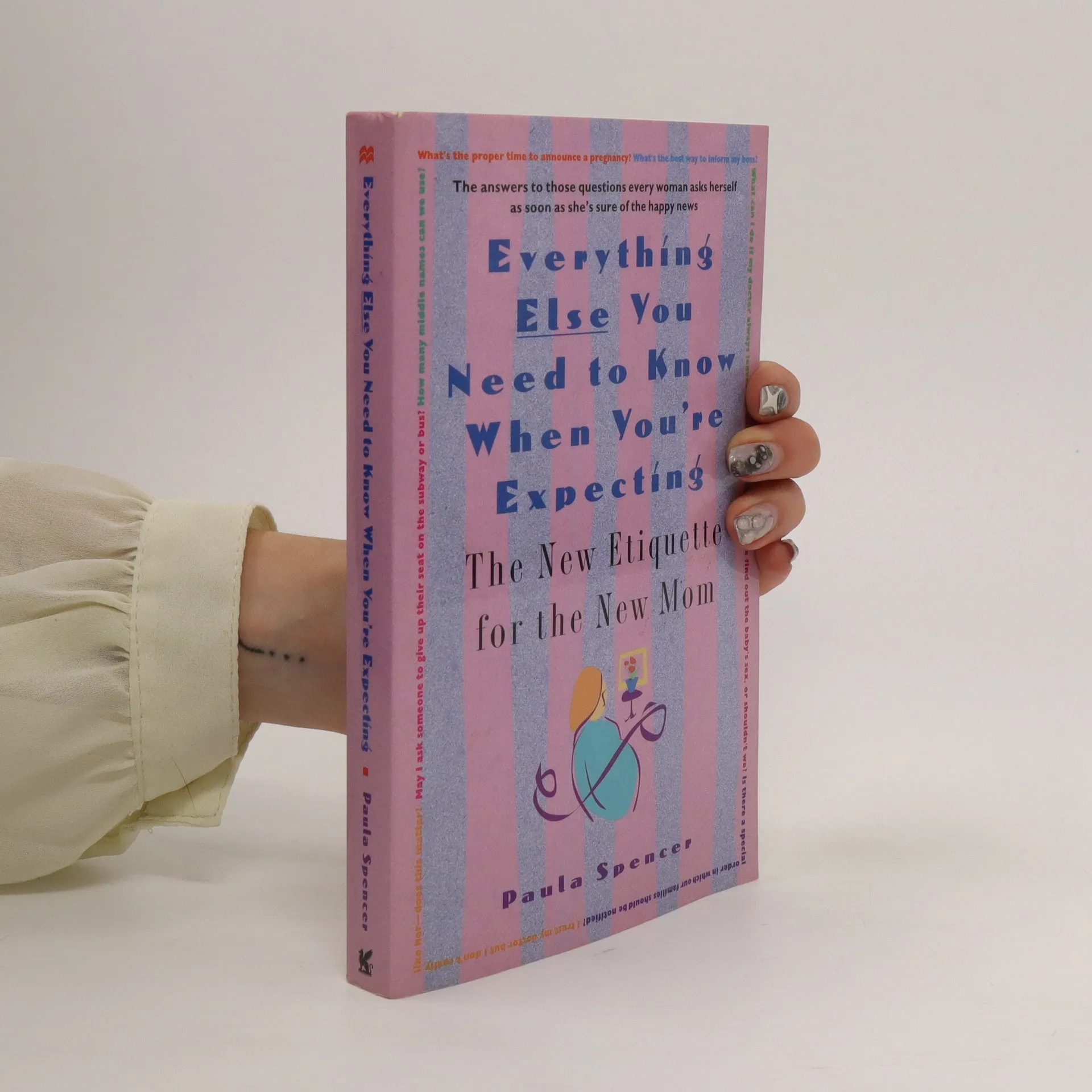
An etiquette guide for pregnant women offers answers to questions concerning maternity clothes, baby showers, birth announcements, naming the baby, adoption, birth ceremonies, and maternity leave.
Gezondheidsadviezen vanuit de reguliere en alternatieve geneeskunde.